
B well – let’s clarify something: what is ghee?

Do you know?

ghee1The only reason I know is because I was looking for a recipe to make butter chicken.  No where in this recipe does it call for regular butter, however the word “ghee” appears throughout my “the food of india” cookbook and so I decided to find out some info.  Of course the Indian grocery store had plenty in stock and it appears that ghee has been around for centuries and has many health benefits – always a bonus right?  For starters, ghee originated in India and is commonly used in South Asian (Indian, Bangladeshi, Nepali, Sri Lankan, and Pakistani) cuisine and ritual.  Here’s what I found out:
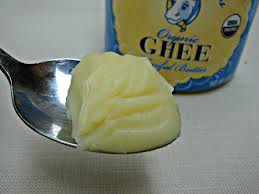
Long used in traditional Indian Ayurvedic medicine, ghee (pronounced with a hard ‘g’) may well be a healthier and lower cholesterol alternative to straight up butter.

Ghee, a better butter?

First off, what is ghee anyway?


Ghee is “clarified butter” made from raw unsalted butter from which the water and milk solids are removed. Ghee is a better choice of fat than butter and other saturated fats because it has a distinctive healing property not found in other fats. According to the Ayurveda tradition, ghee enhances the ojas, an essence that governs the tissues of the body and balances the hormones. Sufficient ojas in the body ensures a strong mind and body and resistance against disease, and is essential for longevity. The healing benefits of ghee are so high that Ayurveda deems it to be a pre-eminent healing food that helps in overall health and well-being.

Nutrition in Ghee and Butter

Ghee and butter contain all of the essential fatty acids, vitamins A, D, E and K, glycolipids that have anti-infective properties, butyric acid and conjugated linoleic acid, which is known to have anti-viral and anti-carcinogenic properties. Jonny Bowden, Ph.D., in his book ”The 150 Healthiest Foods on Earth,” says that butter and ghee that come from grass-fed cows are rich in healthful omega-3s. Also, the conjugated linoleic acid found in such fats may be promising in fighting weight gain, particularly around the abdomen. Since, ghee is a source of saturated fats, Dr. Ch. Murali Manohar, author of “Ayurveda for All,” recommends no more than 2 tbsp. of ghee per day with meals.

How is Ghee made:

Ghee is made in a similar way to clarified butter, but using a different kind of cream, and it’s cooked more slowly. Ghee is simmered until all the moisture evaporates and the milk solids begin to brown, giving the resulting butter a nutty, caramel-like flavour and aroma. This extra step also gives ghee a longer shelf life and a much higher burning point, making it practical for sautéing and frying.

When you melt butter and let it boil for a little while, the water will gradually evaporate and the milk protein and solids will settle down into the bottom and be strained away. The butter fat that is left will be solid at room temperature, and since the moisture content is very low and there are no more milk solids left in it, it can be kept for a long time without refrigeration.

This process was used primarily in the Middle East and South Asia to preserve dairy.

Types of Fats in Ghee and Butter

When comparing ghee to butter in terms of health, one reason for the more favorable past research record of ghee versus butter might be the increased amount of medium- and short-chain fatty acids in ghee. Butter contains about 12-15% of these medium-chain and short-chain fats, whereas ghee contains about 25%. (Our bodies metabolize medium-chain and short-chain fats differently than long-chain ones, and medium- and short-chain ones are not associated with cardiovascular problems in the same way as the long-chain ones are.)

Other benefits:

Ghee will last for a very long time without going rancid, although I do keep mine in the fridge to prolong its life. It should last as long as you need it to: months and months at least. You can use it as a cooking oil anywhere else you would use butter or oil: cooking vegetables, frying rice before steaming it, or searing meat. Since it doesn’t have the milk solids of butter, you can fry with it at higher temperatures without it smoking.

 It is very high in fat of course, so do use it with good judgment!

**Don’t miss listening to “Transforming Health” with host Brad King for the most evocative and informative up-to-the-minute interviews with leading health professionals – Live every Wednesday @ 12PM-PST/3PM-EST on VoiceAmerica.com – #1 internet radio station in North America.

Here’s the link: http://www.voiceamerica.com/show/1686/transforming-health

Taken in part from Livestrong.com


B well – B diet savvy

Good Guys
Good Guys

Little healthful tidbits that go a long way.

Does it seem to you like weight-loss tips sometimes change on the regular?

The bad guys
The bad guys

Yeah, it can be a little overwhelming.  But the good news is that there are some diet strategies that are irrefutably backed by science…dietrules1which means there’s at least some sort of solid base for those of us feeling like we would like

to shed a few pounds.

3 Weight-Loss Lessons that Actually Work, According to Science

Forbes came up with a list of six of them, but these three to be especially intriguing.

Diet matters more than exercise. This isn’t to say that working out doesn’t matter…it does! But when it comes to weight loss, specifically, according to Samuel Klein, MD: “Decreasing food intake is much more effective than increasing physical activity to achieve weight loss. If you want to achieve a 300 [calorie] energy deficit you can run in the park for 3 miles or not eat 2 ounces of potato chips.” Experts say that it’s easy to binge after working out, so you end up taking in more calories than you had burned.

There’s no combination of foods that will magically make you lose weight. Low-fat, low-carb, vegetarian, no-sugar…experts say that it basically doesn’t matter what diet you follow, because there’s no real evidence that one particular diet will work better with your own metabolism. Basically, they say: Any diet will work if you follow it.

One calorie equals one calorie, even if it’s made up of nothing nutritious. Experts point to Mark Haub from Kansas State University, who lost 27 pounds eating nothing but junk food on the “Twinkie Diet.” Says Marion Nestle, Ph.D.: “A calorie is a calorie no matter what it comes from. You can gain weight eating too much healthy food as well as unhealthy. From the standpoint of health, it’s better to eat your veggies…. It’s just a lot easier to overeat calories from junk food than healthy food. But it can be done.”

What do you think of these weight-loss lessons?

Would you even consider something as crazy as a Twinkie Diet?

Does anything surprise you?

 **Don’t miss listening to “Transforming Health” with host Brad King for the most evocative and informative up-to-the-minute interviews with leading health professionals – Live every Wednesday @ 12PM-PST/3PM-EST on VoiceAmerica.com – #1 internet radio station in North America.

Here’s the link: http://www.voiceamerica.com/show/1686/transforming-health

Fill in the blanks – Let’s F–K CANCER!

The ‘C’ Word or the ‘F’ word – which is worse? Being told to fuck off, or that you have cancer?  Let’s combine the two nasty words together to make a statement.

fuck1Too many people I know have been, or are being diagnosed with cancer.  My dear mom and a good friend died from having it, a close cousin and one of my best friends survived having it – but I swear it’s time to say FUCK IT!  It feels good to say that. 

Well at least it gets the message across.  Another way is by using Social MediaFacebook vs. Cancer

From Vancouver Magazine:

We asked our community and pulled a list of the most messed-up things people have said or done that they thought were being helpful.  Just about everyone has told someone that they have breast cancer/brain cancer/whatever and that person says to them “Oh yeah, I had an aunt/uncle/spouse/dog who had that. They died.”  It’s terrible, but people are really just trying to connect. That’s Yael Cohen, 26, founder of a campaign that raises awareness (and eyebrows for its blunt name). 

Fuck cancer is something you hear on oncology wards, in hospitals – it’s the sentiment you hear from patients and caregivers,” says the Vancouver native.  When her mom was diagnosed with breast cancer in 2009, Cohen made her an expletive-blazoned T-shirt to articulate her grief and anger.  Response was massive.  “It was visceral, emotional.  People wanted so badly to talk about it, to hear her story and tell theirs or hug her or high-five her.”  It spawned a movement (Letsfcancer.com) pushing early detection (90 percent of cancers are treatable in Stage 1) and community involvement (“The support group is archaic; nobody wants to wait until 7 p.m. on a Wednesday to go to a church basement, so we’ve looked at technology – whether it’s Facebook or Twitter or a parking app or a sex app – to alter that code to benefit people”).  The wired generation is Cohen’s primary target, and they’re listening – the group’s Cancer Talk video had 55 million views in its first week, and celebrity endorsements come from KeSha and Perez Hilton. 

Next up; sharing the model: heart disease, poverty, who knows?  “We need to be the meta-leader who has an idea and gives it away to the community.  Giving it away is often the most powerful thing you can do.  Our generation gets that.”

Getting InvolvedOpen your mouth, not your wallet. Help us spread the word by sharing your social currency.  Re-blog this Post.

FOR THE FIRST TIME IN HISTORY, WE KNOW MORE THAN OUR PARENTS

Every kid thinks they know more than their parents, but for the first time in history, this might just be true. Because of the exponential growth in technology that has occured in our lifetime, Gen Y (Millennial Generation – birth years from the early 1980s to the early 2000s) teaches their parents more than any generation ever has. We teach them about social media, how to use their blackberries, and how to balance their diets.

SO WHY DON’T WE teach them something that can actually save their lives?  Visit website to find out more:

http://www.letsfcancer.com


inspiration – diets

I have a great diet.  You’re allowed to eat anything you want, but you must eat it with naked fat people.  ~Ed Bluestonediets2We’re the country that has more food to eat than any other country in the world, and with more diets to keep us from eating it – unknowndiets1The biggest seller is cookbooks and the second is diet books – how not to eat what you’ve just learned how to cook.  ~Andy Rooney

If you have formed the habit of checking on every new diet that comes along, you will find that, mercifully, they all blur together, leaving you with only one definite piece of information:  french-fried potatoes are out.  ~Jean Kerr

diets3My doctor told me to stop having intimate dinners for four.  Unless there are three other people.  ~Orson Welles

food4Stressed spelled backwards is desserts.  Coincidence?  I think not! 

be well – lose weight fast?

WAIT….not so fast! It sounded so good at first – EAT ALL YOU WANT…. just NOT when you want.  Is that the secret to staying thin and healthy?monday-dietRead this but remember to always consult your doctor before starting a diet and take everything with a grain of salt.  This may not be the diet for you. This is one of the most recent buzzed-about diet crazes of late – it’s called “Intermittent Fasting (or IF for short), and it’s different from any other diet you’ve ever read about.  IF lets you eat anything you want (see? –  It started off so good) just not when you want (so you must use some kind of self control).  And despite the “fasting” label you don’t ever have to go completely without food.  Confused?

Bill Gifford investigates the science behind the latest diet fad.

eat2The non-feeding frenzy has been fueled in part by The Fast Diet, a best-selling book from England. (The U.S. edition was released last February.)  The idea behind it is simple: You can eat normally on five days out of the week, but on two nonconsecutive days (you pick them) you are limited to two small meals totaling just 500 calories (600 for men). Coauthors Michael Mosley and Mimi Spencer, both journalists, insist that this 5:2 eating pattern not only helps you lose weight, it improves a range of metabolic and even cognitive function, and may even help delay aging. The good news is that their claim seems to be backed up by a growing body of scientific research.  Even better, the diet does not entail actual long-term fasting, you’re not going without food, you’re just going with less food.

Finally, intermittent fasting is almost infinitely flexible, and you can use it to design an eating program that fits your goals and your level of willpower.  Some scientists believe that by alternating our eating patterns, we more closely mimic the feast-or-famine cycles that our prehistoric ancestors knew, those cycles in turn, helped shape our DNA.  “Just like you need a good light/dark cycle to regulate your sleep, your body needs an eating/fasting cycle,” says Satchin Panda, a biologist in San Diego. Panda recently coauthored a study that found that mice on a high-fat diet gained far less weight when their eating hours were restricted to an eight-hour period than mice with 24-7 access to the same high-fat food – despite consuming the same number of calories.  Food for thought.

During the fasting part of the cycle, scientists believe, our cells gradually switch over to a kind of survival mode, activating chemical reactions that not only burn off excess fat but also have been shown to combat the effects of aging.  Studies have found that brief periods of fasting bring some of the same benefits of longer-term caloric restriction, such as increased insulin sensitivity, improved cholesterol profiles, better cognitive function, and, of course, weight loss. Animal studies have shown a reduced risk of cancer.  Why? Like exercise, fasting induces a mild stress, says Mark Mattson, a neuroscientist at the National Institute of Aging.  The cells are responsible for producing antioxidants.  In other words, it’s good stress.

Indeed, the most successful fasting diets have been done with obese subjects.  For normal weight people, the jury is still out.  Loren Greene, a New York endocrinologist, discourages fasting if you are already very thin, have struggled with an eating disorder, or are diabetic or (especially) pregnant.  It’s also important to stay well hydrated.eat1Moreover experts caution against the days-long juice fasts popular in Hollywood and the fashion world. People say, “I went on a long fast, and I lost all this weight,” but that’s because you’re burning muscle and you lost water weight.  It’s almost an illusion of success.

Forget illusions.  We’ll take real cheesecake anytime, even if we have to wait a few hours to eat it.

B well – is RAW food really better for you?

rawUnprocessed and uncooked organic produce has earned status as the gold standard in health food, but when it comes to vegetables, less (cooking time) isn’t always more. In fact, several varieties actually pack a bigger nutritional punch once they’ve been heated up above 115 degrees.

Taken from an article written by Jessica Chia

Compared to their raw counterparts, cooked tomatoes deliver more lycopene, an antioxidant that can lower the risk of prostate cancer, heart disease, and lung cancer. Likewise, heated carrots deliver a bigger dose of beta-carotene, a source of vitamin A. Spinach, mushrooms, asparagus, and cabbage also supply maximum antioxidants and nutrients when cooked, says Bonnie Taub-Dix, RD, author of *Read It Before You Eat It (this nationally recognized nutrition expert from New York tells shoppers exactly what should be going into their carts.) To lock in peak nutritional value, Taub-Dix recommends steaming vegetables to avoid overcooking, and adding flavor with fresh herbs and spices, rather than drowning them in rich sauces or fat-loaded batters. That means tempura is out and your easy, cheesy broccoli recipe was overdue for retirement, anyway.

Veggies that fare better fresh:  beets’ brain-boosting folate, broccoli’s cancer-combating myrosinase, and red peppers’ immunity-improving vitamin C are all at their highest levels in their natural state. Other raw standouts include coconut, cacao, lettuce, cucumbers, nuts, and seeds.

Eating slices of plain beets or a handful of unsalted nuts not your style? Taub-Dix suggests tossing vegetables, fruit, nut milk, and nut butter in a blender for a nutritious, protein-rich, and surprisingly satisfying smoothie. Drizzling raw veggies with a little oil-based dressing is another way to add flavor without defeating your clean-eating efforts.

Here, Taub-Dix shares her favorite smoothie recipe, a trio of refreshing fruit, cholesterol-lowering kale, and heart-healthy chia seeds.

Fruit, Kale, and Chia Smoothie
½ banana
½ apple
½ mango
Handful of kale leaves
2 tablespoons chia seeds
1 cup water
2 ice cubes

About the book:

There is a wealth of information on labels, but most people have no idea that products labeled “trans-fat free” can contain trans-fats or that “all natural” is a meaningless phrase. Readers can bring this handy guide to the supermarket to help them interpret labels like a pro. How much sodium is too much? Are all carbs the kiss of death? And what does “organic” really mean?  Taub-Dix clears up the confusion by showing readers how to make sense of the labels and sidestep tricky marketing ploys. She walks them through a typical grocery store and points out the best food choices to make in every aisle.

Also, **Don’t miss listening to “Transforming Health” with host Brad King for the most evocative and informative up-to-the-minute interviews with leading health professionals – Live every Wednesday @ 12PM-PST/3PM-EST on VoiceAmerica.com – #1 internet radio station in North America.

Here’s the link: http://www.voiceamerica.com/show/1686/transforming-health

B well – be particular with the CARBS you eat

Little healthful tidbits that go a long way…the good, the bad & the plain ugly truth:

carbs2Don’t we know it by now! While carbs tend to get a lot of bad press (think the Atkins diet), they are an essential part of any diet if you expect to have energy and function at an optimal level. “Your body definitely needs carbs,” says nutritionist Kelly Aronica, who believes that they should make up at least 50-60% of the calories you consume daily. Why? Because glucose, the simplest type of carbohydrate, is the only thing that can be used to meet the energy needs of the body, support the brain and nervous system, and maintain a well-functioning digestive system.

How Carbs Can Help You Lose Weight

Though the body has a backup plan if no carbohydrates are eaten, it’s not perfect (hence why it’s meant as a backup plan). As Aronica explains it, if there’s a lack of carbohydrates, the body essentially converts protein and fat into glucose, which is what the body converts into fuel so we have energy. The problem is that this system is less efficient and slower than just consuming carbohydrates and, depending on your sensitivity level, it often leads to low energy and light-headedness. But that’s not the only reason to eat carbs.

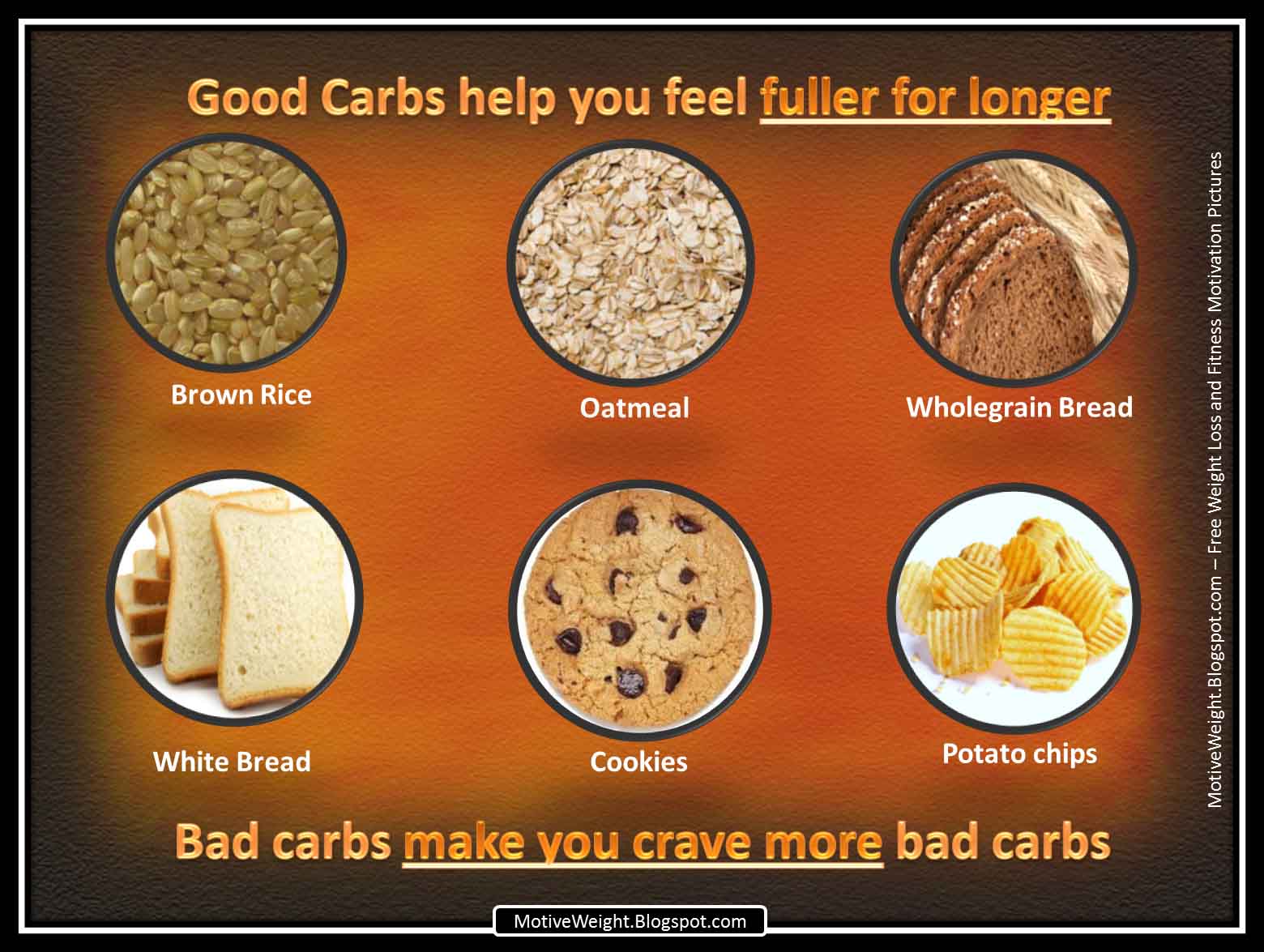
As Aronica puts it, carbs are also needed because their presence lets the body know to release insulin, which is necessary to use the glucose to build muscle, energy storage, and even fat (if you have excess glucose). Now if the mention of fat made you start to believe all those anti-carb rants, then you need to remember that there’s a big difference between carbs that provide fiber, nutrients, and vitamins and ones that only supply sugar. Don’t believe us? Aronica points out that a recent study from the New England Journal of Medicine “showed that eating refined potato products, sweetened drinks, sweets and desserts, fruit juice, and other refined grains were linked to weight gain where high-fiber carbs were linked to long term weight loss.” So instead of banishing carbs from your diet, be more particular about the ones you eat.

Avoid refined carbohydrates (like white bread) and opt for the carbs that have high-fiber levels and a bounty of nutrients and vitamins, like folate and heart healthy omega-3’s. While most of the fibers in food aren’t actually digestible, they provide a lot of other important health benefits to keep you operating at your best and are a necessary part of any diet. To help you make better choices, we put together a list of the carbs that are best for your body.

Carbs with Lots of Folate

Lentils, 1 cup Cooked: 1 cup, 358 milligrams
Beets, Cooked, 1 cup: 136 milligrams
Brussels Sprouts, Cooked: 1 cup, 157 milligrams
Black-eyed Peas: 1 cup, canned, 358 milligrams
Chickpeas, Cooked: 1 cup, 282 milligrams
Okra, Cooked: 1 cup, 269 milligrams

Carbs High in Protein

Buckwheat Flour: 1 cup, 15.14 grams
Rice, Long-Grain, Dry: 1 cup, 15.00 grams
Soybeans, Boiled: 1 cup, 28.62 grams
Couscous, Dry: 1 cup, 22.07 grams
White Beans, Canned: 1 cup, 19.02 grams
Black Beans, Cooked: 1 cup, 15.24 grams

Carbs High in Vitamin C

Peaches: 1 cup, 235.5 milligrams
Red Peppers, Cooked: 1 cup, 232.6 milligrams
1 Papaya: 187.9 milligrams
Grape Juice, 6-fluid-ounce can: 179.5 milligrams
Brussels Sprouts: 1 cup, 96.7 milligrams
Peas, Cooked: 1 cup, 76.6 milligrams

Carbs High in Iron

Soybeans: 1 cup, 8.84 milligrams
Cream of Wheat Cereal: 1 packet cooked, 8.09 milligrams
Lentils, Cooked: 1 cup, 6.59 milligrams
Spinach, Cooked: 1 cup, 6.43 milligrams

 As seen on Yahoo shine!carb1

Don’t miss listening to “Transforming Health” with host Brad King for the most evocative and informative up-to-the-minute interviews with leading health professionals – Live every Wednesday @ 12PM-PST/3PM-EST on VoiceAmerica.com – #1 internet radio station in North America.

Here’s the link: http://www.voiceamerica.com/show/1686/transforming-health

B well – with mighty little ‘mini’ greens

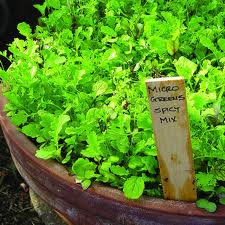
Little healthful tidbits that go a long way…proving that good things do come in extremely small packages.microgreens3We already covered the power of using seeds in our food, but what about the ‘seedlings’ called microgreens (mini-me’s?).

Every few years it seems like a new leafy veggie becomes the darling of the ‘farmers’ market – first swiss chard, then kale, and now….microgreens.

Harvested when they’re just seven to 14 days old, these pint-sized leaves can be far more nutrient dense than their full-grown counterparts, according to a recent study done in collaboration with the U.S. Department of Agriculture and published in the Journal of Agriculture and Food Chemistry.  “Plants use stored nutrients to grow, so plucking the tiny seedlings early means they still have high levels of vitamins and minerals,” says study coauthor Zhenlei Xiao.  Keep in mind, though, that these mini-me’s lack the fiber found in mature plants, so they should supplement the greens you already eat, not replace them.

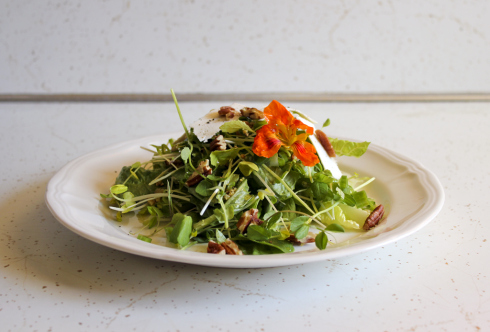
The best part?  Thanks to the concentrated flavour of these five diminutive standouts, they elevate meals in taste as well as nutrition.microgreens1

Try:

Micro Cilantro – 11 times more lutein and zeaxanthin (nutrients that can reduce the risk of cataracts and age-related vision loss) than the same amount of mature cilantro.

Micro Red Cabbage – they outshine full grown cabbage with roughly 260 times the beta-carotene and more than 40 times the Vitamin E.

Micro Purple Mustard Greens – just 4 ounces meet your recommended dietary allowance (RDA) of Vitamin C.  Perk:  among the tastiest greens with a spicy zing.

Micro Green Daikon RadishVitamin E superstar, boasting 165% of your RDA per ounce.  By contrast, mature leaves contain only trace amounts of the antioxidant.

Micro Garnet Amaranth (I’ve never heard of this one before) – light red with an earthy flavour, this ranks highest in Vitamin K which is essential for blood clotting and may reduce the risk of bone fractures.  Best with grains.

leafy greens - big & small
leafy greens – big & small
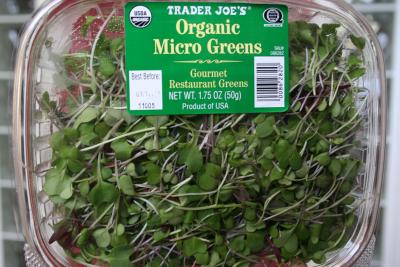
Trader Joe's offers some great packaging
Trader Joe’s offers some great packaging

Taken from an article written by Leslie Goldman

**Don’t miss listening to “Transforming Health” with host Brad King for the most evocative and informative up-to-the-minute interviews with leading health professionals – Live every Wednesday @ 12PM-PST/3PM-EST on VoiceAmerica.com – #1 internet radio station in North America.

Here’s the link: http://www.voiceamerica.com/show/1686/transforming-health

B well – with natural mood boosters

Little healthful tidbits that go a long way…

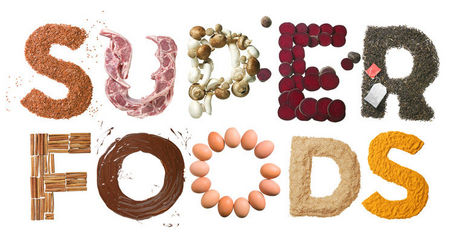
Fight of the Superfoods:superfood The Good Seeds

We know we can’t go wrong with eating cancer fighting foods like broccoli, blueberries and flaxseeds.  These all-around great-for-you staples will get the thumbs-up from any nutritionist.  But when it comes to targeting specific health concerns, like boosing bone health or improving your mood, some superfoods might be a little more super than others.  Here are the champs:

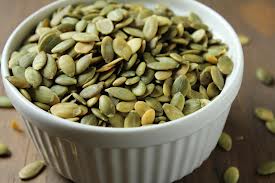
pumpkinseedsBest Mood Booster: Pumpkin Seeds

With Sunflower seeds being a close second. They may have similar calories per ounce – 158 for pumpkin and 164 for sunflower – but pumpkin seeds pack 68 percent more tryptophan, an amino acid that aids in the production of serotonin, a mood-regulating neurotransmitter.  Pumpkin seeds also offer more than five times as much magnesium per cup; a recent study found that postgrad students whose diets regularly met or exceeded their RDA for magnesium (320 milligrams for women, or roughly half a cup of pumpkin seeds) were less likely to be depressed than students whose diets contained the least.

Try using them in salads & cereal.  I put toasted pepitas (same thing) in my granola.

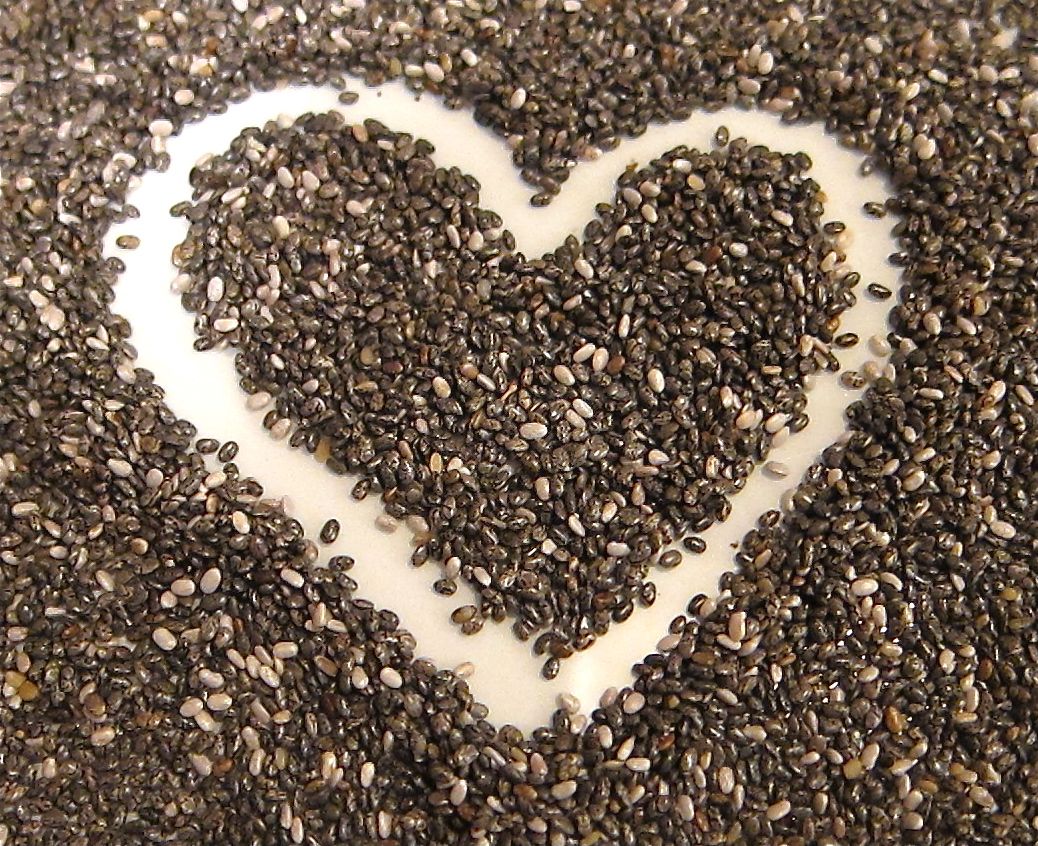
chiaBest Bone Builder: Chia Seeds

With Flax seeds a close second.  There’s no debate that both seeds should be celebrated for their high concentration of heart-healthy omega-3s, but chia seeds happen to be a better source of calcium, with two tablespoons providing up to 16 percent of your RDA – four and a half times the amount in the same quantity of ground flax.  And with nearly 150 percent more phosphorus and more than 100 percent more manganese (two minerals that play key roles in bone formulation), chia seeds get the gold medal for helping to build and maintain strong bones.

Not only are they gluten/grain free naturally, but one tablespoon of chia seeds has more calcium than a glass of milk, more Omega-3s than Salmon, and more antioxidants than blueberries. Perfect? Almost… they will get stuck in your teeth if you chew them plain.

They also give you tons of energy but also won’t keep you awake at night. They’re supposed to be great for weight loss because they can absorb many times their size/weight in liquid, they are great for preventing dehydration during exercise or exposure to heat.

Supposedly, the Aztecs, Mayans, and Incans used chia as a staple of their diet and as an energy food. Chia means “strength” in the Mayan language, and they were known as the “Indian Running Food” because runners and warriors would use them for sustenance  while running long distances or during battle.

Try a handful in shakes + salads. Mixed with some almond flour and garlic powder, Chia Seeds make an excellent “breading” for fish or chicken.

You can even make your own homemade Chia Pet – but you can find that in someone else’s blog.

Also, **Don’t miss listening to “Transforming Health” with host Brad King for the most evocative and informative up-to-the-minute interviews with leading health professionals – Live every Wednesday @ 12PM-PST/3PM-EST on VoiceAmerica.com – #1 internet radio station in North America.

Here’s the link: http://www.voiceamerica.com/show/1686/transforming-health

B well – with positive thoughts

When Health is absent…

Wisdom cannot reveal itself

Art cannot become manifest

Strength cannot be exerted

Wealth is useless and

Reason is powerless.

– Herophiles, 300 B.C.

positive1The following is condensed from a chapter in “Walking with the Wise” for health & vitality by Alejandra Armas.

Good health is not only the lack of disease and pain, but a complete state of physical, emotional, mental and spiritual well being.  Living in a world as fast, busy, polluted and stress-filled as ours, it may seem difficult to achieve and maintain health and inner peace.  However, it is possible!

Let’s start with our thoughts.  Everything that humankind has achieved was first a thought in someone’s mind.  Our thoughts and emotions shape all areas of our lives, mainly our health and well being.  We are repeatedly using our thoughts unfavorably, compromising our health as a result of it.

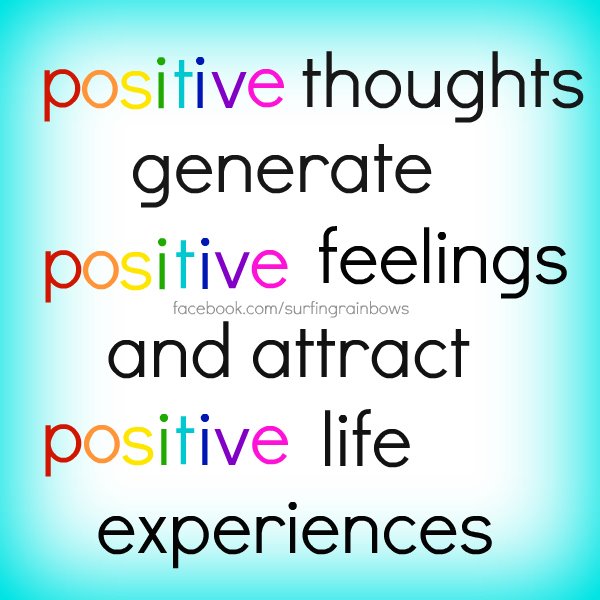
Using constructive affirmations is a very powerful tool that will help us in shaping our health.  Continuous positive thoughts become new “programs,” which will create positive outcomes, becoming a fountain of well being.

As opposed to thinking “I am sick,” it is better to say the same in a more constructive way:  “I am in the process of getting better.”  Not a lie, but a powerful creative, proactive affirmation!  Think and affirm “I AM HEALTHY!”  Why?  Because by doing so you are actually identifying with the real YOU.  Since you are not only your body, emotions or thoughts and, since you are a powerful being using these vehicles, by saying “I AM HEALTHY” you are indeed identifying with that powerful being – with the soul, with the universe.  By saying “I AM SICK” you are identifying instead with that which Is not true – for the soul is never sick.

Think about how many times in one day you say things like “I can’t do it,” “I won’t get better,” “I feel terrible,” or “I won’t make it.”  You are giving your power away!  You are actually helping the process of getting sicker and feeling worse!  If you don’t believe it, ponder on this:  are you feeling any better?  No?  Then change the content of the technique you are using!  Because as a matter of fact, you are already using a powerful technique: affirmations!  Same technique, same power, just different content.  Give it a try – IT WILL WORK!!

Energy is like muscles.  It has to be built.  You must persevere and persist with your affirmations.  No need to become fanatical, write down each affirmation 2000 times or surround yourself with post-it notes.  Just keep a simple yet consistent pace.

It doesn’t matter whether you believe it or not.  JUST REPEAT IT!  Even if mechanical, you are creating an energy.  The more you say it, the more effective it’ll be, and by the law of cause and effect, the more you’ll attract it, therefore, the more you’ll start believing it!  Regardless of our inability to see the air, it is there!  Whether you believe it or not, the law of gravity exists…if you throw something, by the law of gravity, it will fall.  Period.  In the same way, you don’t have to believe this: just try it.  “You become what you think.”  It is a law!positive2And the world needs our positive thoughts now, more than ever!