B Well – other intriguing uses for Herbs & Spices.

tumeric
tumeric

Did you know…..

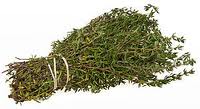
thyme
thyme
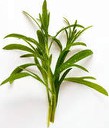
tarragon
tarragon
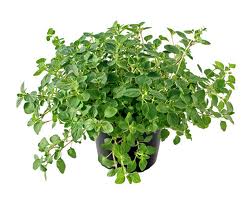
oregano
oregano
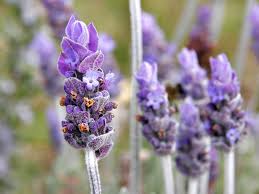
lavender
lavender
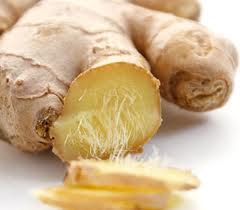
ginger
ginger
fenugreek
fenugreek
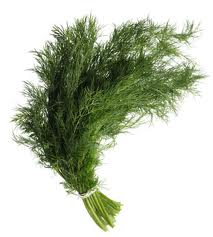
dill
dill
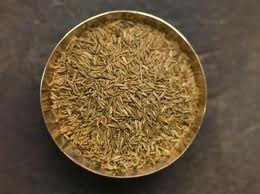
cumin
cumin
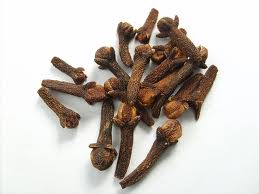
cloves
cloves
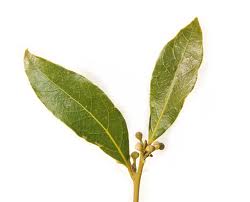
bay leaf
bay leaf
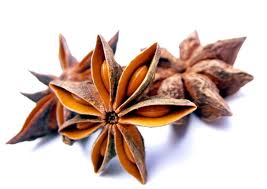
anise
anise

Ancient Romans hung Anise plants near their pillows to prevent bad dreams?

Pinning a Bay Leaf to your pillow on the eve of St. Valentine’s Day lets you see your future spouse in a dream.  This according to Elizabethan lore.

Clove oil is a natural pain killer, used for centuries.  In 17th century Britain, cloves were literally worth their weight in gold.  Unfortunately times have changed.

In the Middle Ages, Cumin was believed to keep lovers (and chickens!) from wandering.  **That’s why you should always use cumin in cooking.

Drinking Dill water removes a witch’s spell.  So happy to finally get that bitch witch off my back.

Studies have shown that Fenugreek can increase milk production in nursing mothers by up to 900%.

We all know that Ginger helps to cure a sore throat but ginger is also extremely effective for curing nausea.

Cleopatra wore Lavender perfume while seducing Julius Caesar and Mark Antony.  In the 19th century it was used to cure vipor bites and swooning fits.

Hippocrates used Oregano as an antiseptic.  Ancient Greeks crowned brides and grooms with sprigs of oregano to banish sadness.

Tarragon was believed to cure snake bites.

In the middle ages, Thyme was believed to bring courage to the bearer. Too bad the Lion from Wizard of Oz didn’t know about that.

Tumeric can be used to deter ants in the garden.  I suppose this can also be used in the house but only if you don’t mind your wood floor or carpets dyed a bright yellow.

It’s nice to know about these other ancient purposes but I’ll stick to using them mostly for cooking.

But does anyone know where I can get an Anise plant?

Also,
**Don’t miss listening to “Transforming Health” with host Brad King for the most evocative and informative up-to-the-minute interviews with leading health professionals – Live every Wednesday @ 12PM-PST/3PM-EST on VoiceAmerica.com – #1 internet radio station in North America.
Here’s the link: http://www.voiceamerica.com/show/1686/transforming-health

B Well – the health perks of bonding

I just picked up this book but I was sure it said “bondage.”

Daily Interactions with others – are they just as important to your health as eating well or going for a run?toasting

In her new book, Love 2.0: How Our Supreme Emotion Affects Everything We Feel, Think, Do, and Become, Barbara Fredrickson, Ph.D, suggests that true love isn’t about romance, companionship, or fondness; fundamentally it springs from something else she calls “micromoments of shared positive emotion.”  That the more loving you are in everyday life the healthier you could be.  She believes that such moments have the potential to lower our risk for disease and may even influence how our cells regenerate.

From the body’s point of view: when the brain registers love, it triggers the release of the hormone and neurotransmitter oxytocin.  Your emotions can trigger hormones that influence the way genes are expressed in the body.   We know this happens with negative emotions: stress releases adrenaline, which can prime cells for inflammation, causing disease.  She believes that positive feelings, which can trigger the release of oxytocin, have the opposite effect and set us up for a healthier life.  Makes perfect sense.

Simply get out and be more social.  Getting the benefits of love doesn’t require being in a romantic relationship or living near family or friends.  Just make sure you’re connecting with others, whether it’s through conversation or eye contact.  We tend to trivialize these interactions, but they’re important to our overall well being.

Or, get a rescue dog that you love and they’ll love you back tenfoldJia Jia