Sometimes it can be difficult not to get angry. But anger can hurt you more than who or what you direct your anger towards. If your anger is left unchecked it can wreak serious havoc on your health and well-being.You will not be punished for your anger, you will be punished by your anger – Buddha
Decades of research has shown that angrier people ted to have more heart problems than calmer ones. Explosive anger – those moments in which you may lose control and throw something or scream – can have especially negative effects. You’re more than twice as likely to have a heart attack during the two hours after a big blowup, according to a study published in the American Journal of Cardiology. That’s because changes in a ticked-off person’s heart rate can lead to high blood pressure and clots. Other research has connected sky-high rates of ire with an increased risk of stroke. But suppressing your anger is bad for you too. In fact, bottling it up can spike your blood pressure levels even more than letting go.
One study from a group of researchers at Harvard University found that study subjects who got angry regularly were 43% more likely to have gum disease than a calmer ones. Other studies have shown that those who have high levels of anger are at a greater risk of breathing problems and chronic pain. Part of the head-to-toe health damage could be due to the widespread inflammation that results from the frequent flood of stress hormones (like epinephrine) which are also involved in the anger response.
Sometimes anger is just a momentary reaction to a passing situation. But other times, it’s a signal that there’s a threat to something you care about deeply. So when anger strikes, don’t fight it – ponder it. Use it to help you identify what’s being threatened.
Neither did I. According to an article in the Globe and Mail, the level of arsenic in rice depends on the geographic region in which it is grown.
Photo: Getty Images
There are low levels of arsenic in most of the rice we eat. Not surprisingly to chemists and food safety experts, trace amounts of arsenic actually are present in many foods, and rice is especially prone to accumulating it. For consumers, this may come as a shock. Arsenic is a naturally occurring element present in rock, soil, water and air that was once used in pesticides and, until 2009, by poultry farmers in medication targeting parasites in their birds. Today, arsenic shows up as largely a byproduct of heavy metal industry.
It exists in two chemical forms: a less toxic organic form that we can ingest with virtually no risk and a slightly more toxic inorganic form that reacts to our bodies and can do damage.
In 2012, Consumer Reports conducted a study that found measurable levels of arsenic in almost all of the 60 rice variables and rice products they tested. Further study showed that the inorganic arsenic levels found in rice varied across geographic locations and types of rice. The breakdown:
White basmati rice from California, India and Pakistan, and sushi rice from the United States had half of the inorganic arsenic amount of most other types of rice;
Rice from Arkansas, Louisiana and Texas had the highest levels of inorganic arsenic;
White rice from California had 39 percent less inorganic arsenic than white rice from other parts of the United States;
Brown rice had 80 percent more inorganic arsenic on average than white rice of the same type (that is because it accumulates in the grain’s outer layers, which are removed to make white rice):
And rice that’s grown organically took up arsenic the same way as convention rice.
But how dangerous is arsenic and should we be limiting the amount of rice we eat?
“Essentially…you would need to eat three kilograms of rice a day to get noticeable toxic effects,” says Keith Warriner, a professor of food science at the University of Guelph. He says Codex, an international group of food safety experts funded by the World Health Organization and the Food and Agriculture Organization of the United Nations, has recommended a maximum level for arsenic in rice of .02 milligrams per kilogram – which means most of us don’t come close to eating toxic levels.
Whew! I was worried because I love Japanese sushi (white over brown) rice, Chinese fried rice, Indian Basmati, Mexican and Thai Jasmine. That could be a problem.
While Codex recommends adults limit their rice servings to four a week, and zero for children under five, Health Canada and the Canadian Food Inspection Agency say the trace amounts of arsenic found in food are not considered a safety concern for Canadians.
Warriner says that while the risk of arsenic exposure from eating rice is minimal, if you are really concerned you can opt for white rice over brown, soak it overnight prior to cooking (to eliminate inorganic arsenic by 30 to 60 percent), and choose rice from geographic regions known to have lower levels of arsenic in the soil.
Source: Kat Sieniuc for The Globe and Mail – Health Section
When you eat is as important as What you eat! Did you know that by learning to master rhythm, you can master your metabolism?
How?
Our life pulsates to a rhythmic beat. From lungs breathing to our heart pumping it’s all a rhythm, and when these rhythms are interfered with disease and death may follow. This according to Tricia Williams, a lifestyle nutrition and eating psychology coach who is also the owner of Healthy Inspirations in Atascadero & Paso Robles.
Too often we are more concerned with WHAT we eat rather than WHEN we eat. Do you often skip breakfast thinking you’re not really hungry? Then grab coffee to keep you awake? Or plow through lunch while working only to be ravenous at 3 or 4pm? Then the snacking begins only to continue through the night? Understanding eating rhythms (bio-circadian nutrition) can help to curb your cravings and more importantly put you in the optimal state of metabolism and calorie burning.
Think of your body as a wood burning fireplace. During the early morning hours and during the evening when we sleep, your body temperature drops just like logs that are now burned to embers. As we sleep our body is in a fasting state. Upon waking in the morning, your body temperature starts to rise. Starting your day with a nutritious breakfast breaks your fast and is similar to stoking the fireplace with another log. Body temperature continues a slow, steady rise and subsequently peaks around noon.
According to Marc David, founder of the Institute for the Psychology of Eating, “the body is designed to optimally digest and calorie burn when the sun is at its apex in the sky. This is a little known but fascinating scientific fact. By not putting fuel in the furnace at this time, or simply by not eating enough, you miss your peak metabolic window of opportunity, which is approximately 12:00 to 1:30pm in the afternoon.”
It would make sense, therefore, that lunch would be our most significant meal of the day for optimal metabolism, digestion and calorie burning capacity. After our metabolic peak our body temperature will dip between 2:00 – 5:00pm, when most of us may feel tired. This is normal & natural and is due to the body’s natural process of digestion. (A lot of cultures have adopted the practice of siestas or naps as a way of acknowledging this natural rhythm). We like to encourage conscious relaxing for 20 minutes while consuming a nutrition bar, protein or fat.
At about 4:00 – 6:00pm body temperature starts to rise again, energy increases, it’s time for another log on the fire. This is where you would ideally have your dinner meal. Ideal…because a four-hour time period is sufficient for most people to metabolize a meal, thereby allowing you a restful sleep. By consuming a big meal right before bed, much of the metabolic energy is spent on digestion, instead of need maintenance, detoxification & repair.
Does this make sense to you?
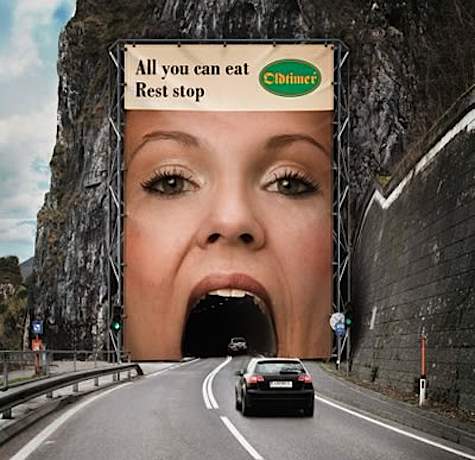
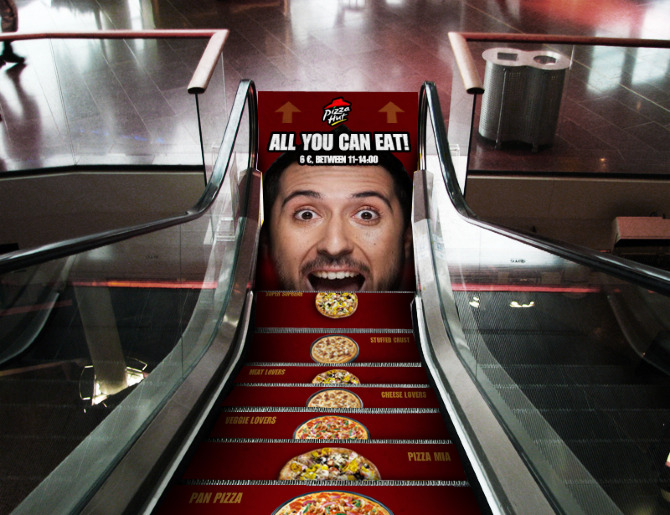
Does Advertising influence you?
Source: Paso Robles Press. Photos taken from “Images”
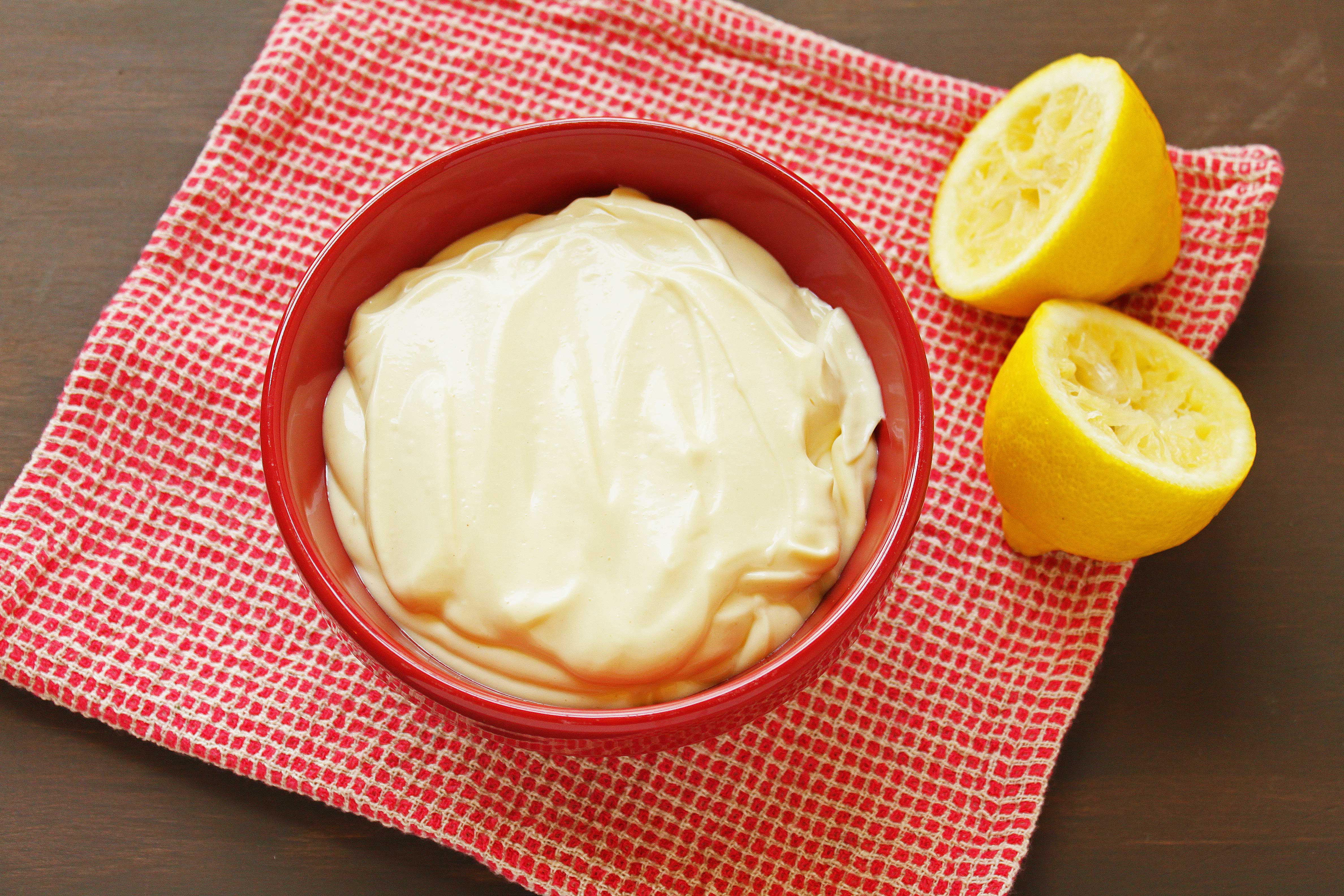
Last Tuesday I posted a few simple DIY recipes for making mayo because I had a difficult time choosing a relatively healthy brand (as far as mayos go) from the grocery store. I saw many reduced-fat varieties that were not very good for you. Too bad because we use it often to make dips & for sandwiches. In the end you have two choices: go to a health food store or make it yourself.
simplyfreshcooking.com
Whatever type of mayonnaise you eat, however, you should limit your intake as much as possible. Here’s the deal:
Calories
One tablespoon of typical mayonnaise contains about 90 calories. That is roughly 4.5 percent of your daily recommended caloric intake in a single tablespoon. It can be easy to forget to factor into your diet calories like those from mayonnaise and similar foods. So, individuals who eat mayonnaise regularly may find themselves dramatically overshooting their daily caloric recommendation without realizing it, which can lead to weight gain and even obesity.
Fat
Each tablespoon of mayonnaise contains 10 g of total fat, which is 15.4 percent of your daily recommended intake, and 1.5 g of saturated fat, which is 7.5 percent of your daily recommended intake. Although limited fat consumption is acceptable for active individuals, many people regularly consume far more fat than is healthy — particularly saturated fat. According to the Harvard School of Public Health, eating too much saturated fat can drastically increase your risk of developing harmful health conditions, such as heart disease.
Cholesterol
A tablespoon of mayonnaise contains 5 mg of cholesterol, which is about 1.7 percent of your daily recommended cholesterol intake. According to the Centers for Disease control, excess cholesterol intake can lead to buildups in your arteries. This can also potentially lead to heart disease, stroke, and similar health problems.
Sodium
Each tablespoon of mayonnaise contains 90 milligrams of sodium — that is 3.8 percent of your recommended daily intake. According to the University of Maryland Medical Center, your body needs some sodium to help keep systems like your nerves and muscles functioning, but most people include far too much sodium in their diets; this can lead excessively high blood pressure and similar complications.
Fancy chocolate, heart-shaped pasta, red lipstick, and nostalgic candy are just a few of the Valentine’s Day things to make us happy.
Christian Louboutin
Of course new shoes can make us happy any old time. And it goes without saying that whatever makes us happy will put a smile on our face and lessen our stress – which is healthy. At least that’s my excuse.
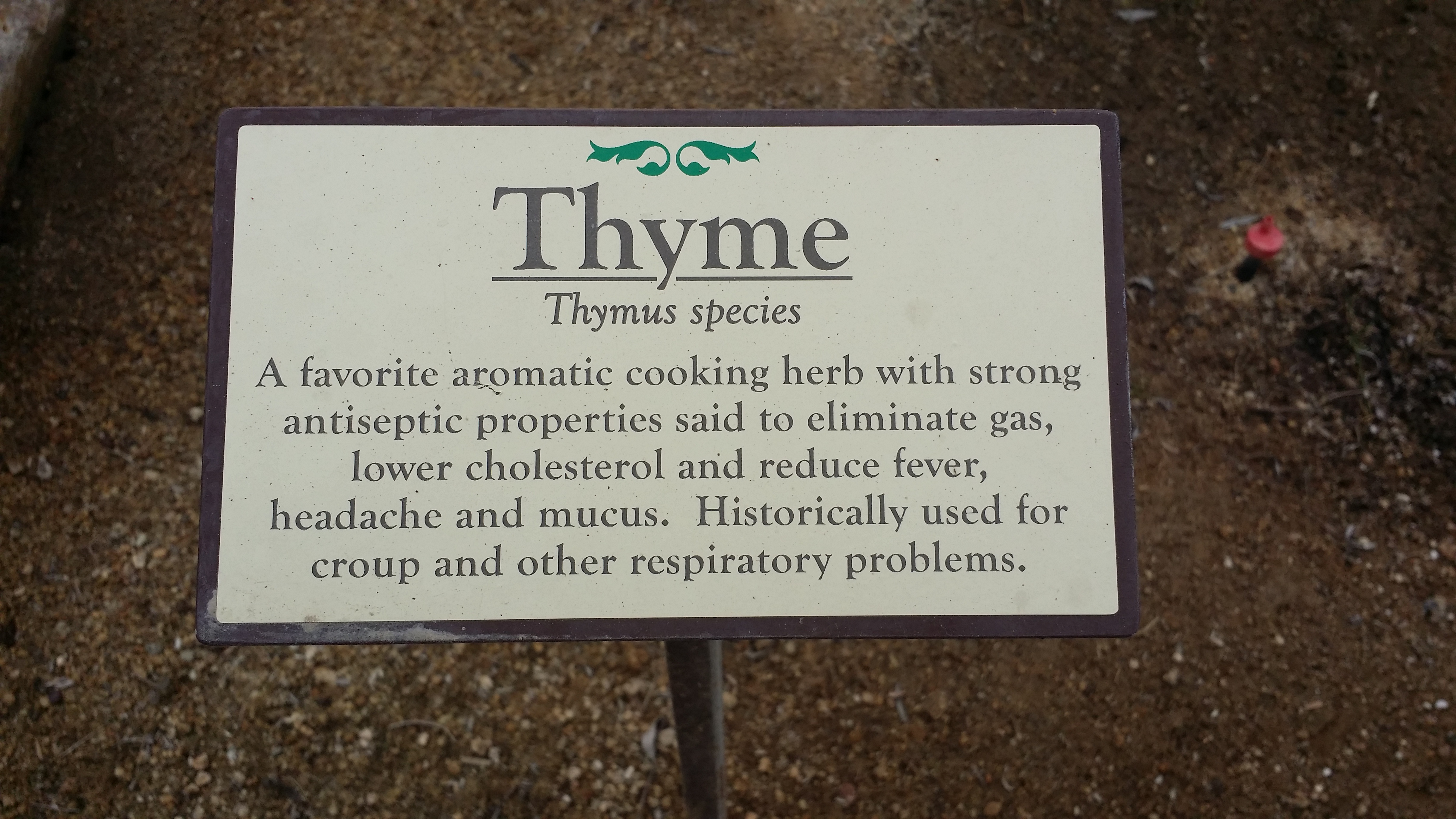
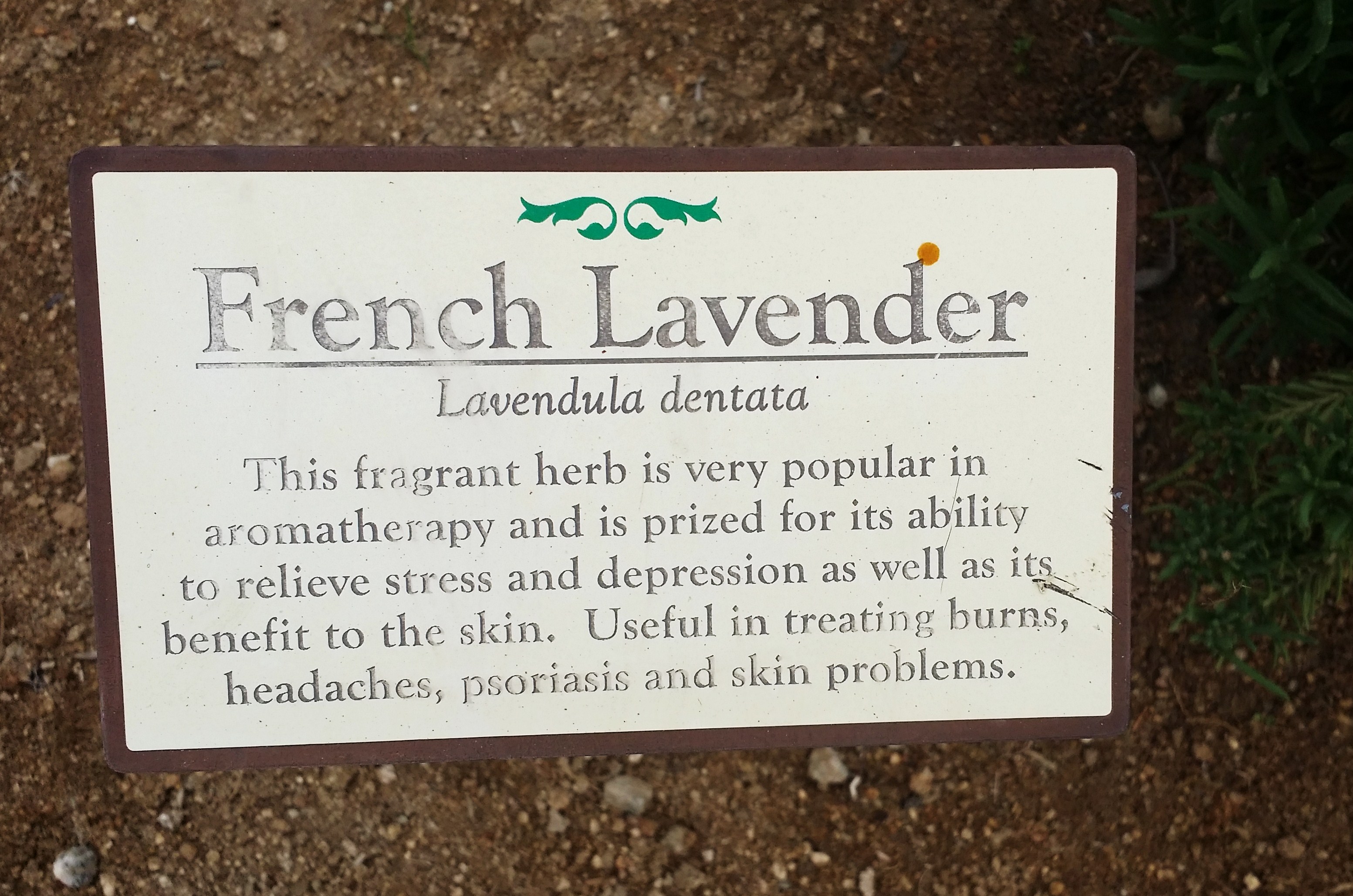
What a great idea! I think there should be more parks like this one with exercise equipment sprinkled throughout, nice water fountains and especially a Healing Garden.fragrant & healing GARDEN (double click to enlarge) to know about all the benefits of these historical herbs. Many are readily available at your local supermarket.
When life throws you a bunch of lemons, make the most of them!
Some signs are a bit faded
Jojoba & Lavender oils are used in my new natural skincare line. I’ll tell you about it soon.
LIVE WELL!I guess the smell alone will lift your spirits to make you feel better.
We went to Ernest Coffee in Palm Springs for coffee and an almond croissant and then got thirsty for some water. But they had no bottles – because all its water came in boxes. First time for everything.
I try to do my part as much as possible for the environment as only one little person can. Which means carrying reusable bags and often lugging around a reusable water bottle but admit to buying bottled when it is most convenient – like travelling.
The company calls itself Boxed Water Is Better and describes itself as part water company, part art project, part philanthropy. That is more than a little affected, but the simple, chic design and the creative approach to selling water will probably pique some interest.
It started with the simple idea of creating a new bottled water brand that is kinder to the environment and gives back a bit—they found that it shouldn’t be bottled at all, but instead, boxed. So they looked to the past for inspiration in the century old beverage container and decided to keep things simple, sustainable, and beautiful.
Their argument for why boxed is better?
76 percent of the box is made from a renewable resource—trees—making it one of the most sustainable beverage packages available.
Those trees come from certified, well-managed forests.
The boxes are shipped flat, which is significantly more efficient than shipping empty plastic or glass bottles.
The boxes are recyclable—where facilities exist.
The company plans on donating 10 percent of its profit to organizations working to improve access to clean water, and promote reforestation.
If you could try out life with bigger breasts for a day, would you do it?
Cinderella’s fairy godmother turned a tattered dress and a pumpkin into a shimmering gown and a lavish ride. Remember, though, there was one catch: The makeover lasted only until midnight. With his InstaBreast technique, Norman Rowe, a New York plastic surgeon, is playing fairy godmother to women temporarily seeking larger, fuller breasts, but his handiwork also lasts for only one night. In about 20 minutes, you can go from flat-chested to cleavage-proud.
Rowe’s method is remarkably simple: He designates a site at the edge of each nipple, and after the area is anesthetized, he injects about a half-liter of sterile saline solution—essentially salt water—into the patient’s breast tissue. He maneuvers the needle at various angles to different areas, expanding each breast until it reaches the desired fullness. The saline is gradually absorbed into the bloodstream, with the full effect lasting about 24 hours. (Rowe says that saline is considered perfectly safe; it’s the same stuff you would get in an IV if you were dehydrated.)
While some doctors suggest that instant breast augmentation is just a fad, it’s hard to ignore its potential (consider the hundreds of thousands of women who don’t hesitate to have volumizers injected in their face). And the desire for bigger breasts is as popular as ever: According to the American Society for Aesthetic Plastic Surgery, 313,327 breast augmentations and 137,233 breast lifts were performed in the U.S. in 2013. “Women want cleavage,” Rowe says matter-of-factly. “And this is fast.”
Fast results were just what Shavon Jovi, 28, a model and aspiring actress, was hoping for when she underwent the procedure with Rowe several months ago. After a few pricks of an anesthetic into the skin surrounding the nipples, Rowe injected anesthetic-laced saline solution into her 32A breasts, one syringe at a time. The effect was an instant fullness that brought her chest to a C cup. “For the longest time I’ve wanted to get a breast augmentation,” says Jovi. “I was sort of shocked when I saw them, but I loved it immediately.” Within two days she was back to her natural size (how long it takes depends on how your body metabolizes the fluid). So why have the now-you-see-’em, now-you-don’t procedure? Like many of Rowe’s patients, Jovi wanted to “try on” implants in a way that computer imaging just can’t mimic, says Rowe, adding that some of his patients go for the temporary inflation for special occasions, such as a wedding, a big birthday, or a beach vacation.
Nicole, a 30-year-old mother of two, spent a day walking around with saline-inflated breasts, and a few months later went under the knife for implants. “It was amazing to see what my breasts would be like,” she recalls. As for how it felt? “I’ve had Botox and fillers, and it’s similar.” About 75 percent of Rowe’s patients who opt for the $2,500 procedure go on to get implants. However, it isn’t a helpful test-drive for every woman. “If you need both a lift and an augmentation, the saline won’t give you a realistic approximation,” explains Rowe.
Not everyone is singing the praises of the short-lived boob job, and there are limitations and risks to it. Since the skin of both breasts is pierced by the needle, bruising can occur. And like any procedure that penetrates the skin, infection is possible. Some doctors see other downsides as well, cautioning that undergoing the procedure repeatedly could cause the skin to stretch—”like a Slinky that you stretch out past the point of no return,” says Adam Kolker, a plastic surgeon in New York. Rowe counters that this is highly unlikely. “The skin has to be stretched for a much longer and continuous time period for it to display permanent stretching,” he says. Heidi Waldorf, a New York dermatologist, agrees, noting that having the procedure once is “probably okay. As long as it’s short-lived, the area should return to its normal contour,” says Waldorf, but she has concerns about stretching for those who return for more.
For her part, Jovi wanted to capture the results before they faded away. “I definitely posted a few #InstaBoob selfies that day,” she says. In the spirit of the procedure, though, perhaps she should have used Snapchat.
As for me, I’ll just stick to push-up bras (as needed since I hate needles) and do more gel manicures instead which lasts longer. But secretly (between us) it would be tempting to try.
Why drinking water is the best way to start your day:
It is said that drinking about 7 to 8 glasses of water daily is important for your health. One thing many people do not know is that having the first glass of water as soon as you wake up also comes with its therapeutic benefits. This traditional Ayurvedic treatment has benefits for conditions that range from *asthma, pain to even cancer. Most of us start our mornings with a fresh, hot cup of coffee or tea and when we drink water, we tend to prefer it cold, but according to Ayurvedic medicine, we have it all wrong. Regularly drinking very warm water, especially in the morning, can heal our bodies, providing digestive power and reducing metabolic waste that could have built up in our immune system.
Statistics: In Japan, it is common practice to drink two full glasses of water upon waking. It’s said to have the ability to fully cure a number of diseases, including cancer, as well as provide a host of other benefits. As a nation, Japan has the overall greatest longevity, currently hosting over 50,000 centenarians, or 100+ year olds. Whether it’s the water practice or something in the tea they drink, we can learn a few tricks from the Japanese.
70% of the human body content is water, and so water plays an important role in the proper functioning of your body.
The human brain cells contain about 85% of water.
75% of muscles is water
Bones also contain about 25% water
82% of blood consists of water.
It is also helpful to consume foods that contain lots of water; for example soups (broth-based), vegetables and fruits.
What Are the Benefit of Drinking Water FIRST THING in the Morning?
It is a long known secret that drinking water as soon as you get up, i.e. before eating anything, is a good way to purify your internal system. One of the most important results of undergoing this treatment is colon cleansing, which enables better absorption of nutrients from various foods. When there is production of haematopoiesis, better known as “new blood”, you will have immense body restorative effects and you can even be cured of existing ailments. Drinking water the first thing in the morning has the following benefits:
Make your skin glow. Water is known to purge toxins from your blood, and as a result you get glowing skin. And who doesn’t want that?
Renew cells. Drinking water first thing in the morning increases the rate at which new muscle and blood cells are produced.
Balance the lymph system. When you drink water first thing in the morning on a daily basis, you help balance your body’s lymph system. Lymph glands found in your lymph system fight infections helping you to perform your daily activities. They also balance the fluids in your body.
Lose weight. When you consume about 16 ounces of water (chilled), you will boost your body’s metabolism by abut 24% thus help you lose those extra pounds.
Purify the colon. When you drink water after you have woken up before eating anything, you are purifying your colon thereby making nutrients absorption easy.
Cures illnesses and diseases. Drinking water first thing in the morning has been proven to cure illnesses such as vomiting, throat disease, menstrual and cancer disorders, eye diseases, diarrhea, urine disease, kidney disease, meningitis, TB, Arthritis, headaches among others.
Source: this according to New Health Guide
My new morning concoction:
This new year’s day I woke up with a dry cough and a bit of a sore throat and a killer hangover. Besides the normal taking it easy & getting plenty of rest I decided to start the day with several mugs of very warm water and 2 scoops Vitamin C powder (I take Medi C Plus which contains L-Lysine), lemon juice, ginger and honey. Not only is it healthy but it tastes like a very nice tea and I think it really helped in getting me back on my feet. Whatever works right? I think it will become my new first-thing-in-the-morning drink – even before coffee. It might be a good preventative to getting sick in the first place. That and staying away from people who already have a cold or flu.
That’s Cystic Fibrosis, commonly known as CF. Last Saturday I attended an event in support of Cystic Fibrosis Canada. It was the 14th Annual 65 Roses Gala held at the Pan Pacific Hotel. The theme was Oh, what-a-night and it was!
Sisters
An all-around great evening met with reception champagne cocktail or pomegranate martini while busy perusing all the silent auction items, then delicious 3 course dinner with free flowing wine (supplied by Okanagan Crush Pad), live auction bidding and finally dancing to the excellent live band – SideOne.
But there was more to this evening. The intention was to raise awareness for a life threatening disease affecting children and adults to which there is no cure. Also I have a personal connection as a good friend of mine has CF. So I just wanted to let you know about it because it is not so prevalent as Cancer – something we’re all too familiar with. It is a terrible and fatal genetic disease.
People with CF spend the equivalent of four months of full time work every year on life-sustaining therapies. Despite this intensive work to stay well, less than half are expected to reach middle age. I’m happy to report that my friend has reached middle age, looks good and is doing well.
Cystic fibrosis causes various effects on the body, but mainly affects the digestive system and lungs. The degree of cystic fibrosis involvement differs from person to person. However, the persistence and ongoing infection in the lungs, with destruction of lungs and loss of lung function, eventually causes death in the majority of people who have cystic fibrosis.
Typical complications are difficulty in digesting fats and proteins; vitamin deficiencies due to loss of pancreatic enzymes; and progressive loss of lung function.
Since the first 65 Roses Gala in 2001, the Gala has raised over $2.5 million to fund research and clinical care here in B.C. and across Canada. CF Canada supports the transplant center at Vancouver General Hospital, one of only five centers in Canada. A double lung transplant is “THE ONLY OPTION” (can you imagine?) for many people with end stage CF. It is not a cure; it buys time and it is not available to all. Can you even imagine? They can always use more support in their desire to find a cure.
CAUSES OF CYSTIC FIBROSIS
Cystic fibrosis is a genetic disease that occurs when a child inherits two abnormal genes, one from each parent. Approximately, one in 25 Canadians carry an abnormal version of the gene responsible for cystic fibrosis. Carriers do not have cystic fibrosis, nor do they exhibit any of the symptoms of the disease.
When two parents who are carriers have a child, there is a 25 percent chance that the child will be born with cystic fibrosis; there is also a 50 percent chance that the child will be a carrier; and a 25 percent chance that the child will neither be a carrier nor have cystic fibrosis.
SYMPTOMS OF CYSTIC FIBROSIS
Cystic fibrosis is a multi-system disorder that produces a variety of symptoms including:
Persistent cough with productive thick mucous
Wheezing and shortness of breath
Frequent chest infections, which may include pneumonia
Bowel disturbances, such as intestinal obstruction
Weight loss or failure to gain weight despite possible increased appetite


You will not be punished for your anger, you will be punished by your anger – Buddha




























 Girl Who Would be KING on Life, Style and INSPIRATION.

You must be logged in to post a comment.