So they’re not really lollipops, but the term “tomato skewers” sounded too mundane.
Summer screams of BBQ and we’re constantly heating up our grill to cook up whatever flavors epitomize the season.
Because these tomatoes are so cute and plump, it sounds more appropriate (and fun) to call them lollipops especially when you jab them onto sticks. Plus, they taste sweet like candy during this time of the year.
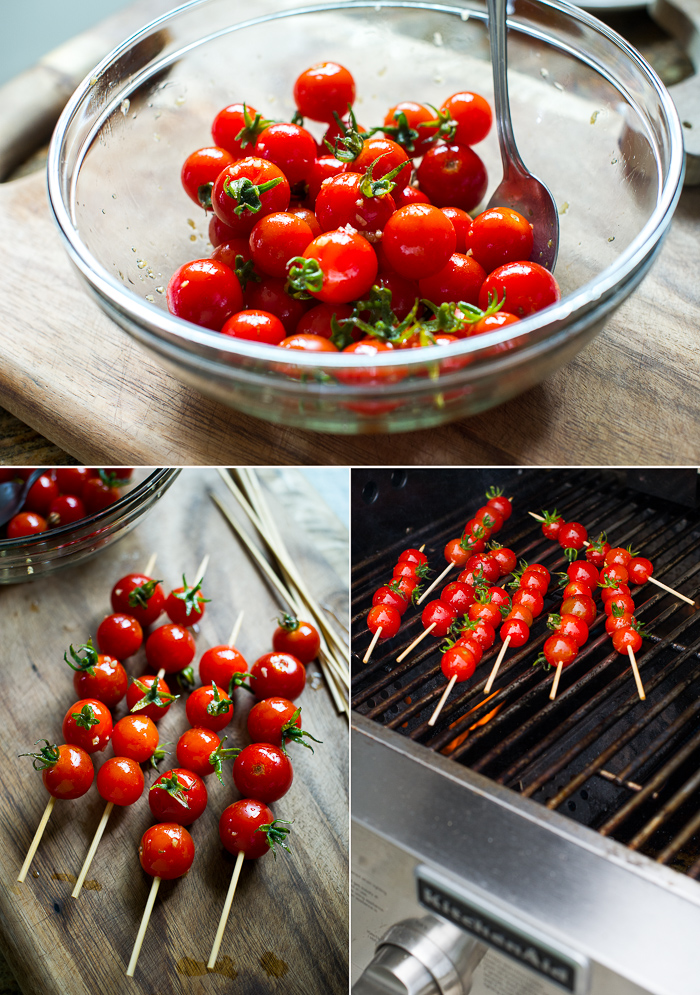
Have you ever grilled your cherry tomatoes? They’re super amazing and the texture is like roasted tomatoes, but you don’t have to turn on your hot oven in the Summer. And best of all, they have the wonderful bbq flavor to them. Before grilling place them in a bowl & gently mix with sea salt and a little olive oil & balsamic.
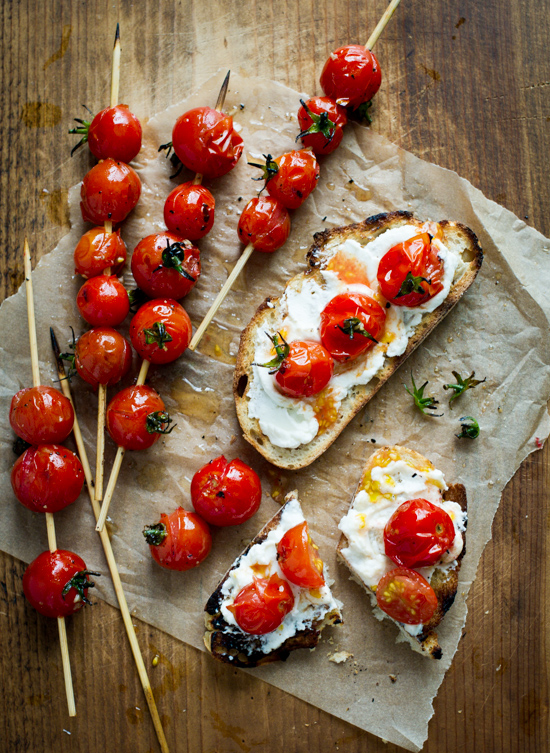
A simple way to enjoy these grilled tomato skewer “lollipops” is on grilled bread swiped with a nice layer of ricotta cheese. Make sure to make a big platter of these little skewer lollipops for your gathering because they’re sure to be a hit. They’re so good, your guests will probably eat them right off the skewers just like candy.
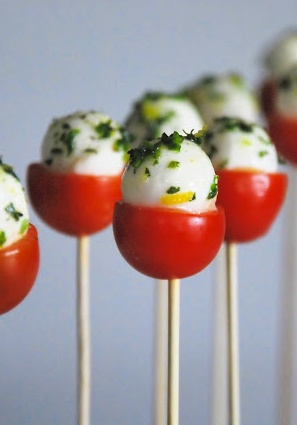
Or; freshly hollow them out & place rounded baby mozzarella inside dipped in olive oil & cilantro or parsley. Skewer on individual sticks for a lovely and tasty presentation.
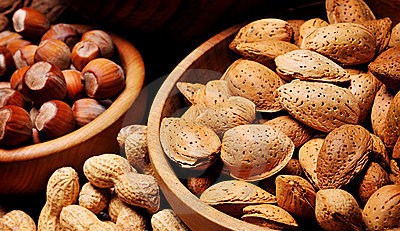
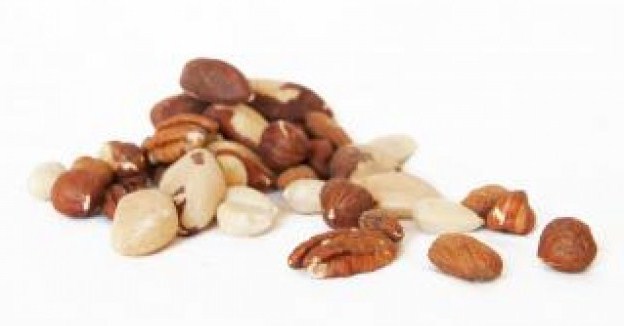
I’ve been going nuts for a while because these tiny treats come packed with major nutritional benefits. I put them in lots of things like homemade granola, energy bars & salads. They’re one of the cornerstones of a Mediterranean diet and while all nuts are healthy, each variety has its own unique benefits. Here are some of the standouts:
ALMONDS
Call them the skinny nuts. In a 2013 study in the European Journal of Clinical Nutrition, people who ate about one and a half servings of almonds with breakfast felt a significant decrease in appetite. When the nuts were consumed as an afternoon snack, they quashed appetites by about two and a half times that, helping subjects naturally eat less for the rest of the day. Serving Size: 23 nuts, 164 calories.
WALNUTS
Walnuts not only taste great but are a rich source of heart-healthy monounsaturated fats and an excellent source of those hard to find omega-3 fatty acids. Like most nuts, they can easily be added to your Healthiest Way of Eating. Just chop and add to your favorite salad, vegetable dish, fruit, or dessert. The form of vitamin E found in walnuts is somewhat unusual, and particularly beneficial. Researchers are convinced—more than ever before—about the nutritional benefits of walnuts when consumed in whole form, including the skin. We now know that approximately 90% of the phenols in walnuts are found in the skin, including key phenolic acids, tannins, and flavonoids. Serving Size: ¼ cup, 196 calories
PECANS
A study in the Journal of Nutrition found that people who consumed about three servings of pecans experienced as much as a 33 percent drop in oxidized LDL cholesterol (the kind that causes artery-clogging plaque to form). The pecan’s power may lie in its high levels of heart-protecting antioxidants. Serving Size: 19 halves, 196 calories.
PISTACHIOS
Not only are pistachios the lowest-calorie nut of the bunch, but they’re also rich in healthy unsaturated fatty acids. In a study, a group that consumed 20 percent of their daily calories from pistachios for nearly six months had lower blood sugar and cholesterol levels – two risk factors for heart disease – and trimmed their waistlines more than those who ate a wholesome but pistachio free- diet. Great news – I love pistachios! Serving Size: 49 nuts, 159 calories.
MACADAMIAS
These pack roughly 21 grams of fat per serving, but most of it is the unsaturated kind. Macadamia nuts are an excellent source of two nutrients vital for healthy brain and nerve function: manganese (one serving delivers 65 percent of what you need daily) and the B vitamin thiamine (30 percent of your recommended dietary allowance). Serving Size: 10-12 nuts, 204 calories.
BRAZIL NUTS
First the bad news: you can’t eat a lot of them. Each of these Amazonian nuts contains about 33 calories – the equivalent of nearly 10 M&M’s. Now the good news: You needn’t go overboard to reap their health benefits. Just two nuts per day for 12 weeks can increase blood levels of the mineral selenium by 64 percent. Selenium is essential for proper immune function, as it helps build germ-fighting white blood cells.Serving Size: 6 nuts, 186 calories.
We all make mistakes. Here is Eight Grilling Mistakes and How to Avoid Them – according to the master herself me, I mean Martha Stewart.
Grilling is supposed to be easy. You just heat up the grill and throw your food on, right? Well, not exactly — but it isn’t much more complicated than that. As summer approaches, don’t let popular grilling “wisdom” over complicate the issue. Read on to find out which so-called tips you can definitely ignore.
1. DON’T skip the salt: You might have heard that salting meat before grilling will toughen it. Nope, it won’t! In fact, season your meat about 30 minutes before you get grilling.
2. DON’T use lighter fluid to get the grill going: You’d be better off using a chimney starter — unless you like the taste of lighter fluid.
3. DON’T press hard on your burgers — especially while they’re cooking: If you do, you’ll watch the flavor and moisture drip right into the grill. Much better to place them on the grill and then leave them alone until they need to be flipped (which should only happen once!).
4. DON’T flip out: Grilling isn’t fussy, so there’s no need to keep flipping your meat. Turn it only once — twice at most.
5. DON’T use that barbecue fork: Remember what happened when you got your ears pierced? The same will happen if you stick a fork into a steak on the grill. We beg you, use tongs or a spatula.
6. DON’T battle flare-ups with a spray bottle of water: Water + grease = not a good time. Calm grease fires with a flame-resistant kitchen towel.
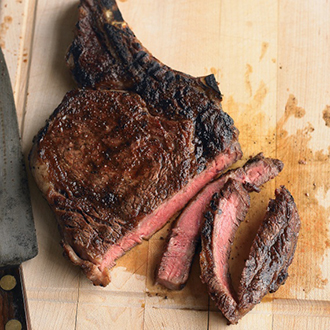
7. DON’T use a knife to check for doneness: That’s one sure way to ensure a dry, tough piece of meat. Like babies and college kids, steak needs to rest. Take it off the grill and leave it alone for a 10 minutes (more or less, depending on thickness).
8. DON’T cook meat all the way through: Remember, meat continues to cook even after you take it off the heat, so remove it before it’s exactly to your liking.
I was looking for a guilt free brownie recipe when one literally fell into my lap when I was sitting at a coffee shop.
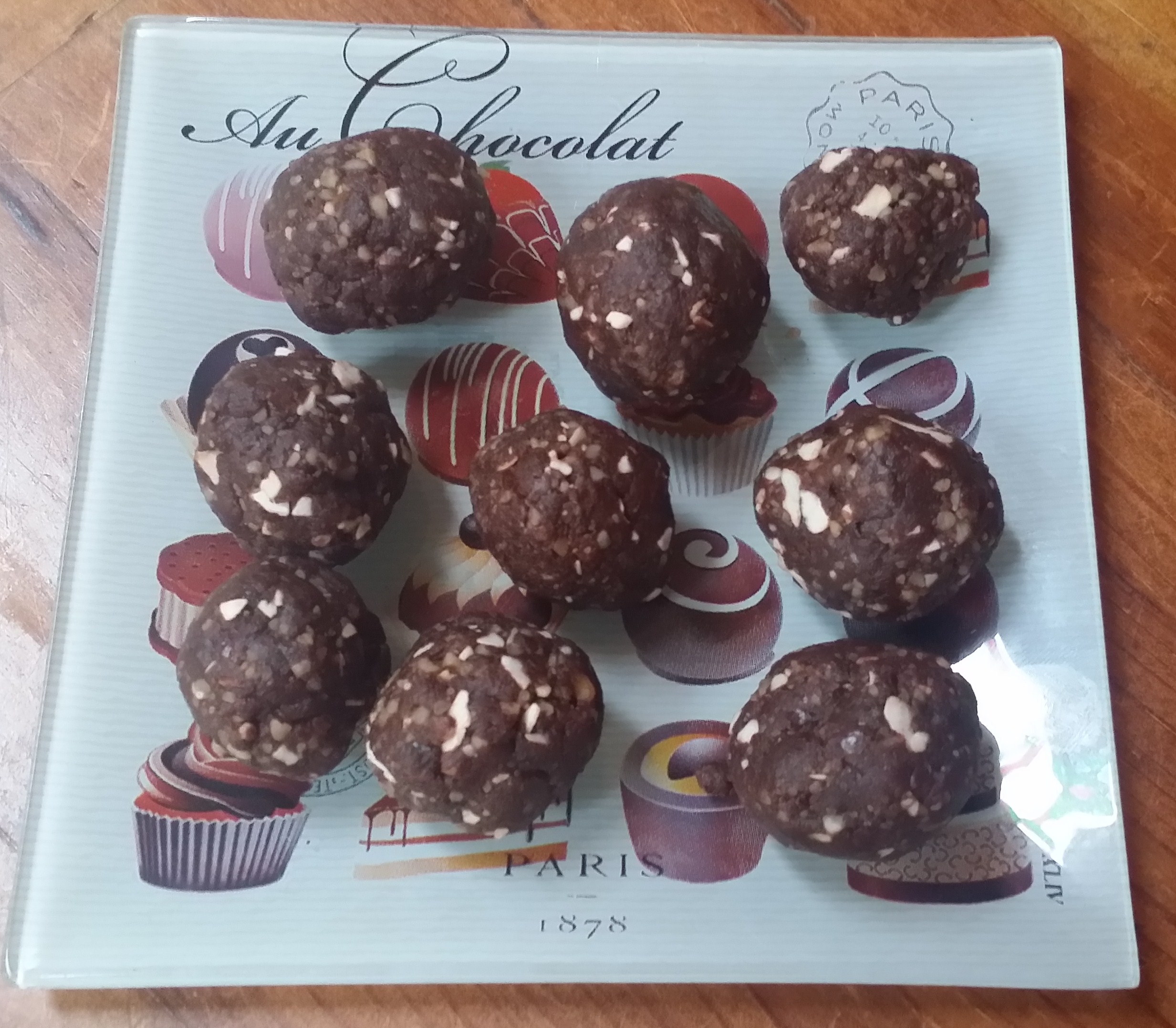
Two women attending the CHFA (Canadian Health Food Association) walked by and handed me this recipe. It sounded too healthy to be good…but it so happens to be not only healthy but easy to make (no baking involved) and tastes very yummy. This formula makes for a tiny amount – one dozen two-bite (or one big mouthful) brownies that look more like large size truffles. I would double the recipe next time. They freeze well too. Enjoy!
¾ cup walnuts
7 medjool dates, pitted
¼ cup cacao powder (I used unsweetened)
½ tsp. vanilla bean powder (I like Cook’s – there’s no preservatives)
Pinch of salt
1/8 tsp. cayenne pepper (optional)
Garnish: ¼ cup *shredded coconut
Process walnuts until fine. Add remaining ingredients and process until smooth. Form into small balls with your hands and toss or roll in shredded coconut. *(I bought a bag of unsweetened coconut flakes from the market and just shredded them in the food processor. The less sugar the better.
I put them into tiny muffin tins that hold 12 and popped them into the freezer for about 5 minutes so they weren’t too soft.
Don’t let the small size fool you. They are somewhat satiating and you don’t want to eat too many at once. Each one (although healthy for a sweet treat) is about 95 calories.
The RAW Foundation Culinary Arts Institute is Canada’s leading raw food culinary school, home of The Raw Food Education Experts TM; located in the heart of Vancouver BC, Canada. We are devoted to educating on the benefits of a plant-based lifestyle, inspiring and empowering foodies, home & professional chefs, health enthusiasts & healthcare professionals around the world; to prepare delicious, raw meals with ease and successfully share this passion with others, growing profitable businesses, make a positive impact, transform lives, doing what they love.
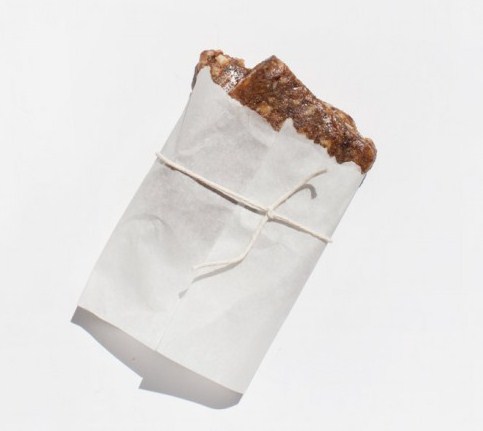
These addictive energy bars are easy to make, easy to store and really easy to eat!
1 cup whole raw almonds
1 cup pitted dates (unsweetened) – about 12
1 cup raisins (unsweetened & *unsulphured). *No preservatives.
2 Tbsp. sunflower seeds
1 Tbsp. flax seeds (I buy the kind already ground with blueberries)
1/2 tsp. cinnamon
Put all ingredients into a food processor and pulse until ingredients form into a ball (the dates hold everything together, so if you need, add more). Pour the mix onto parchment paper & pat down with your hands. Refrigerate for 1-2 hours. Cut into squares, wrap in parchment paper and store in your refrigerator. You can freeze them too.
Tip #1: Cut a small piece of parchment paper to help pat the mixture down with. This will prevent mix from sticking to your hands.
TIP #2: Medjool dates are the best. You can try different combinations like cranberries instead of raisins, or a combo of half sour cherries & half raisins. Experiment.
TIP #3: The whole recipe is rounded out to a total of 2000 calories (It’s actually a bit less) so let’s say you cut the bars into 10 equal size pieces it works out to about 200 calories per bar. Not bad considering how rich & filling they are.
You can hardly grocery shop without being bombarded by products promising you more vitamins, more fiber, more nutrients, more everything. Almost half of all new items that make their way to store shelves carry at least one health claim on their packaging. Below is a listing of reality-check lingo so you know exactly what you’re getting from your favourite foods.
Claim: with Omega-3s
Truth: don’t get too excited as heart-healthy omega-3s get top billing on everything from peanut butter to milk and breads. Some products contain only 32 milligrams of the healthy fat per serving – one tenth the amount in a half ounce of salmon. You’re better off following the American Heart Association’s guidelines, which recommend eating at least two weekly servings (3.5 ounces cooked) of fatty fish like salmon or trout to get the most omega-3s in your diet.
Claim: Good source of Antioxidants
Truth: Packaged foods need to contain only 10 percent of your daily intake of antioxidants, like vitamin A, C, and E, to be considered a “good source,” according to the Food and Drug Aministration. Instead, consume a full spectrum of antioxidants from natural sources like fruits and vegetables. One small carrot, for example, provides more than twice the amount of Vitamin A than a full serving of one antioxidant-enriched cereal does. Aim for four servings of fresh fruits and five servings of veggies per day – the more colourful they are, the higher the antioxidant levels.
Claim: High in Fiber
Truth: Some loaves of bread, energy bars, and even waffles can deliver up to 35 percent of your daily fiber requirement per serving, but much of the added fiber can be man-made or extracted from plants. And while studies have shown that a high-fiber diet may reduce the risk of heart disease, the research applies to naturally occurring fiber. To meet your daily needs, stick to natural sources like bran, oats, berries, and broccoli.
Claim: Made with Whole Grains
Truth: Crackers, breads, and cereals that carry this promise must offer some whole grains (higher in fiber, vitamins, and minerals than their refined counterparts), but companies aren’t obligated to disclose the actual amount, and there’s no required minimum. In fact, one popular brand of “whole-wheat” crackers contains a measly five grams of whole grains per serving – 1/16 of your recommended daily intake. Avoid confusion in the bread aisle by choosing foods that say they’re “100 percent whole grain” – that label ensures that the product contains no refined flours.
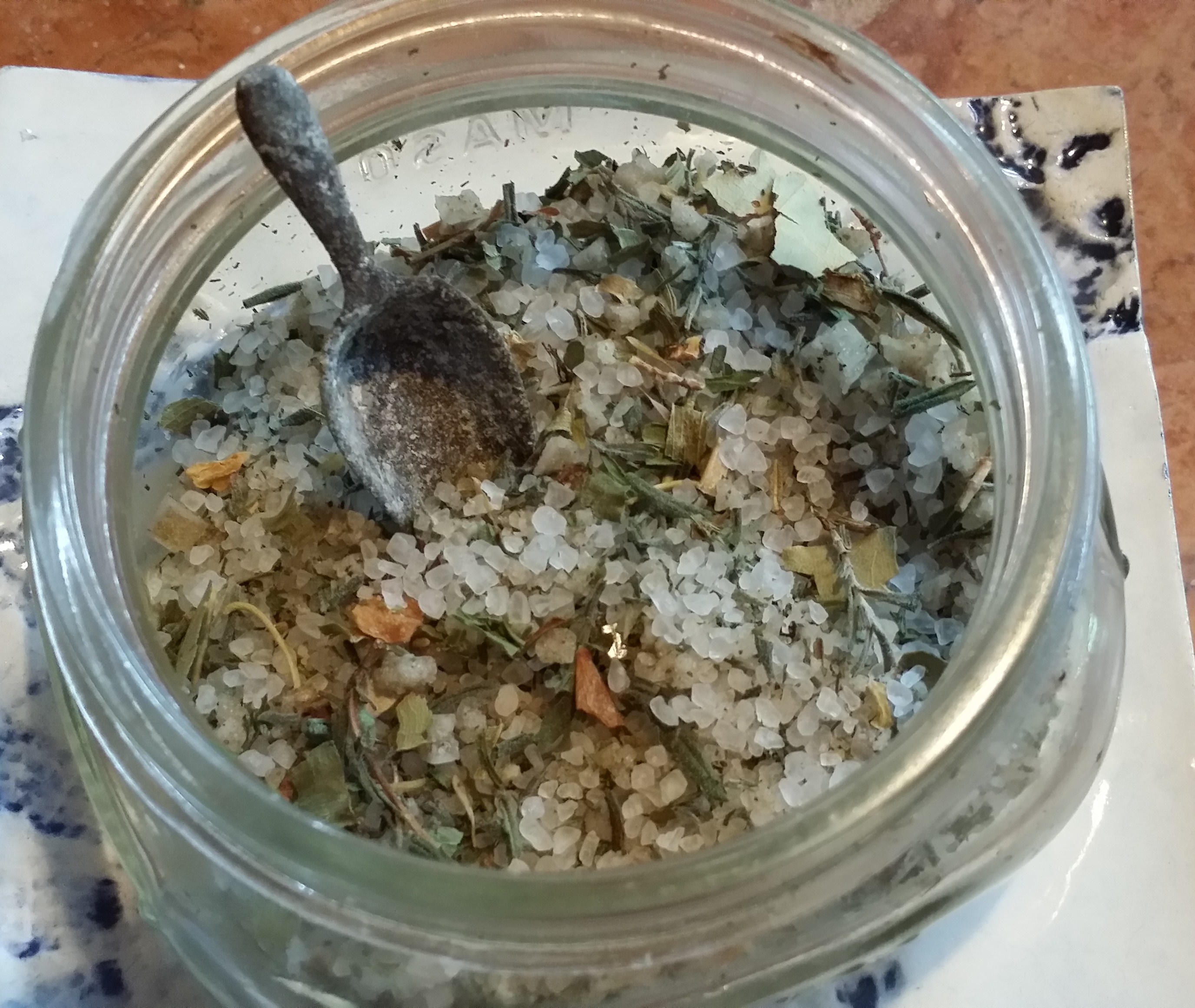
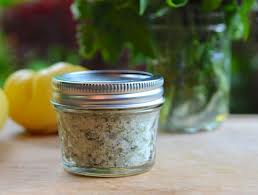
Salts, Herbs & Spice make everything Nice. There’s nothing confusing about infusing. These do-it-yourself finishing salts are not only great to have on hand for everyday meals but they also make an excellent hostess gift. Find a nice little container to put them in (as shown), tie a bow or ribbon & voila! They’re not fussy and you can tweak them to your liking.
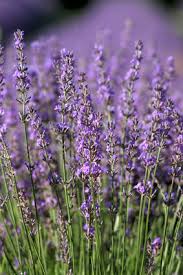
lavender
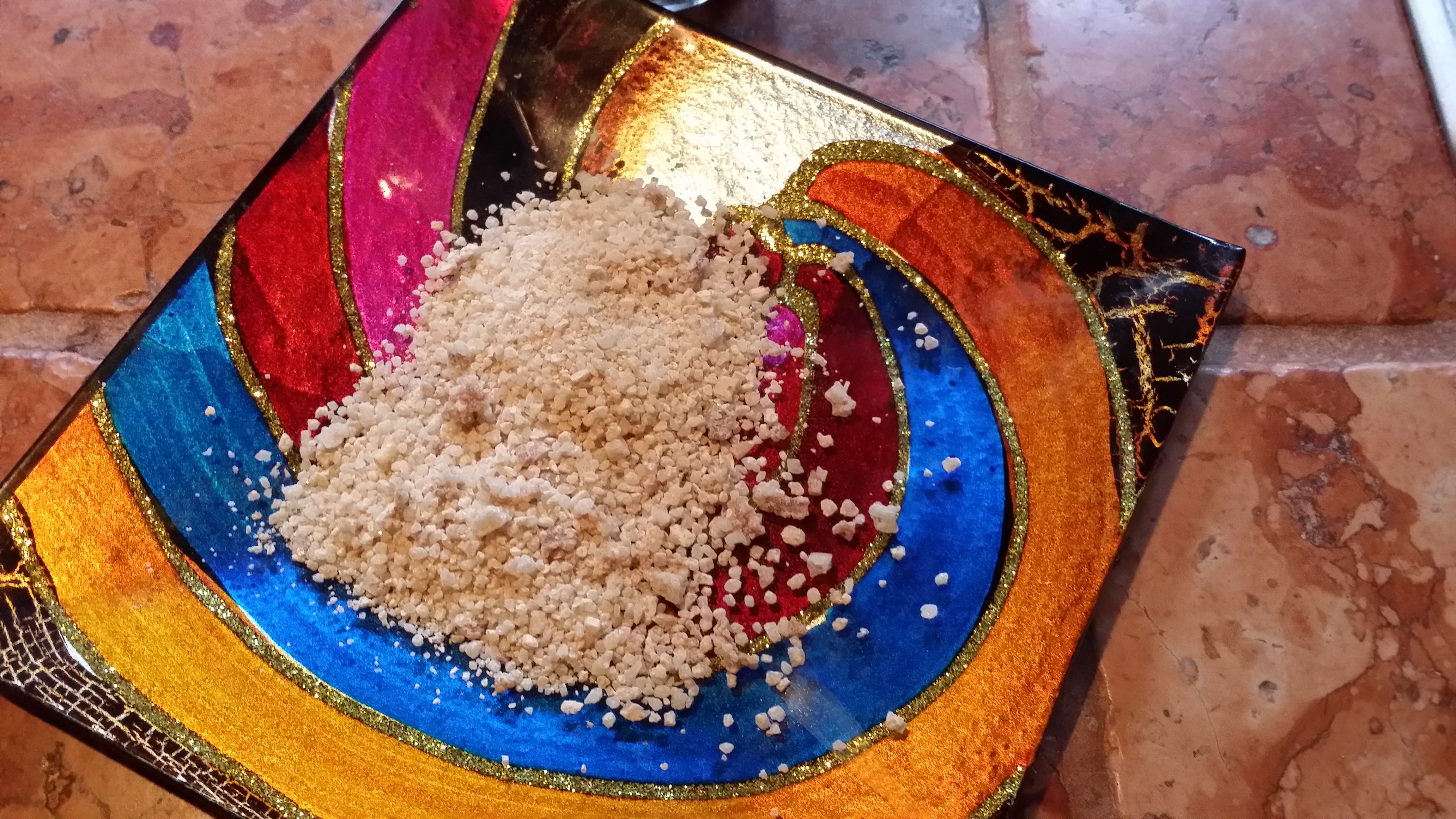
For instance, I dry fresh lavender flowers, grind them (in a coffee grinder used specifically for purposes other than grinding coffee) and then put them into a container (I keep several clean empty ones on hand for this purpose ) with either course Himalayan pink salt or kosher salt for a nice flavor to add to pork roasts or potatoes. Add rosemary, thyme & oregano leaves for Sel-de-Provence.
Malt Vinegar – tastes better than it looks
This simple malt-vinegarsalt takes a few minutes of work to yield a summer’s worth of pub-fries type seasoning. In addition to chips (or any kind of potato dish), you can use it on shellfish or fried fish. Try it on popcorn too. I like to thinly slice Yukon gold potatoes & bake them at 375 F until done with a bit of olive oil & this salt sprinkled over them – tastes like a day at the beach.
6 Tbsp. of course salt
1 Tbsp. cornstarch
¼ cup malt vinegar
Stir all ingredients together until a loose paste forms. Pour onto a rimmed baking sheet & spread into a thin layer. Let stand at room temperature, uncovered for a day or two. The paste will dry into a hard, cohesive sheet.
Rake and mash sheet with a fork until it develops into the texture of course salt. Transfer to a container with a tight-fitting lid and store in a cool, dry place up to 3 months (that is, if it lasts that long).
Citrus Salt:
This will add a bright finish to curries, soups and stews – you can even sprinkle it on banana bread.
Preheat oven to 300 F. In a medium bowl, mix ½ cup of flaky sea salt with 1 Tbsp. of grapefruit zest, 2 tsp. orange zest, and 1 tsp. lemonzest, working zest into salt to eliminate clumps. Add ½ tsp. ground fennel seed, and spread across a parchment-lined baking sheet. Bake until zest is dried out, about 15 minutes (it should crumble when pinched). Let cool, then store in an airtight jar up to 2-3 months. Makes ¾ cup.
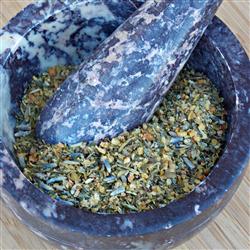
Herbs de Provence
Herbs de Provence
The flavor is amazing here. Delicious sprinkled on salads, soups, fish, chicken, beef and pork. Did I miss anything?
2 Tbsp. dried rosemary
1 Tbsp. fennel Seed
2 Tbsp. dried lavender flowers
2 Tbsp. dried Italian Parsley
2 Tbsp. Dried Savory
2 Tbsp. Dried Thyme
2 Tbsp. Dried Basil
2 Tbsp. Dried Marjoram
Grind rosemary & fennel seed in a spice grinder (which could be a second coffee grinder); transfer to a mixing bowl. Stir savory, thyme, basil, marjoram, lavender, parsley, oregano & tarragon with the rosemary mixture. Store in an air-tight container between uses. Makes 1 cup.
Small size jam jars are perfect for this.
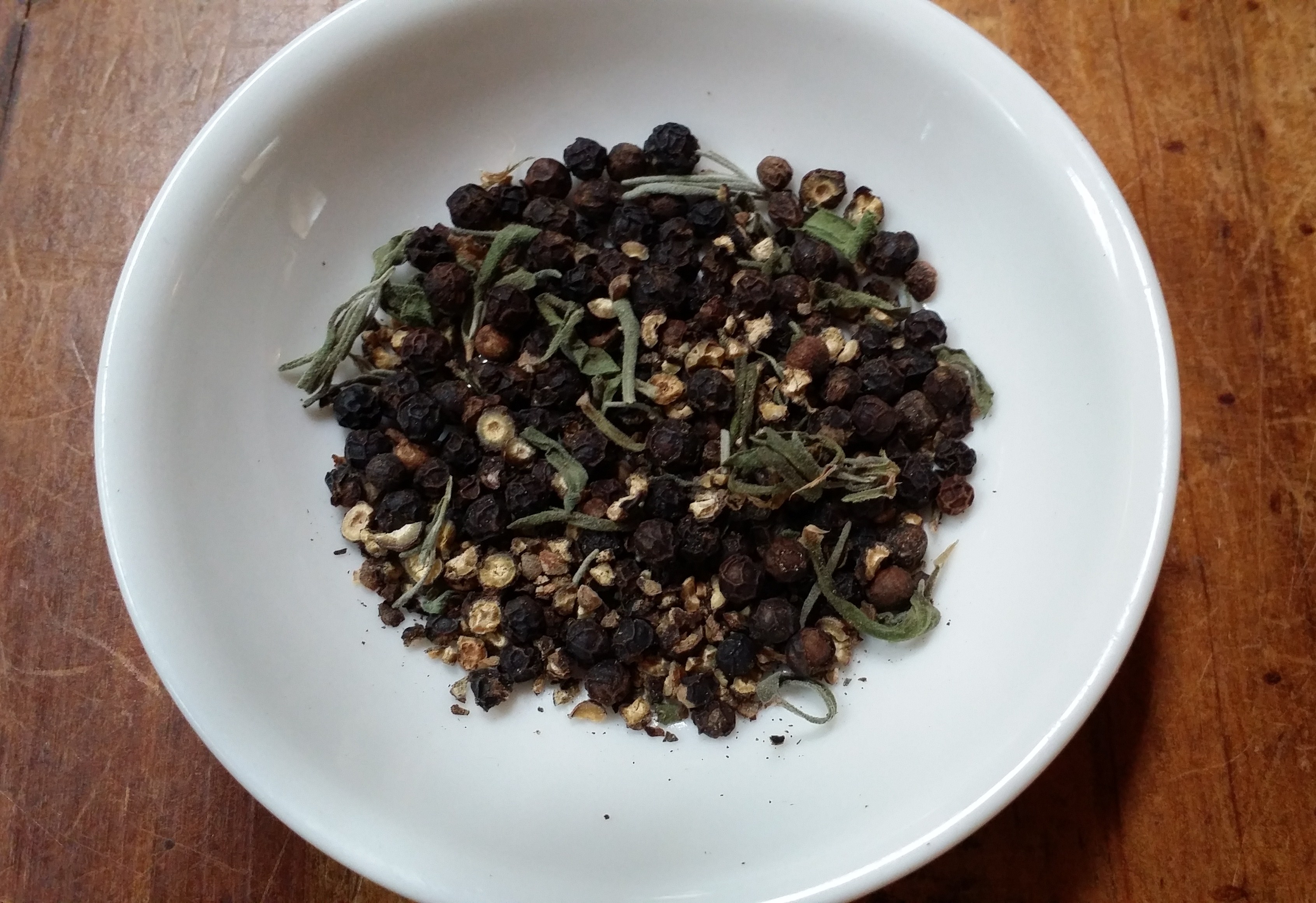
Flower Pepper (okay, I had a lot of flowers last summer – here’s a way to make them last all year long).
Aromatic Flower Pepper
Mix black peppercorns with dried rose petals and lavender (or other edible flowers like Calendula) for a colorful mix of flavor. Use it with salads, eggs, fish, meat, chicken or pasta dishes – pretty much everything.
The added touch: for a more personalized feel you can create your own label to stick on the lid of any jar. The receiver will remember who it came from and what exactly is inside.
Note: Sufferers of asthma, ragweed, and hayfever should not consume composite flowers, and may have extreme allergies to ingesting any flowers at all. Composite flowers consist of a family of plants with heads composed of many florets, including the aster; daisy; dandelion; goldenrod; marigold; lettuces; ragweed; sunflower; thistle; zinnia.
AVOID: some flowers in particular to be avoided (but not a complete list) are: azalea, crocus, daffodil, foxglove, oleander, rhododendron, jack-in-the-pulpit, lily of the valley, and wisteria.
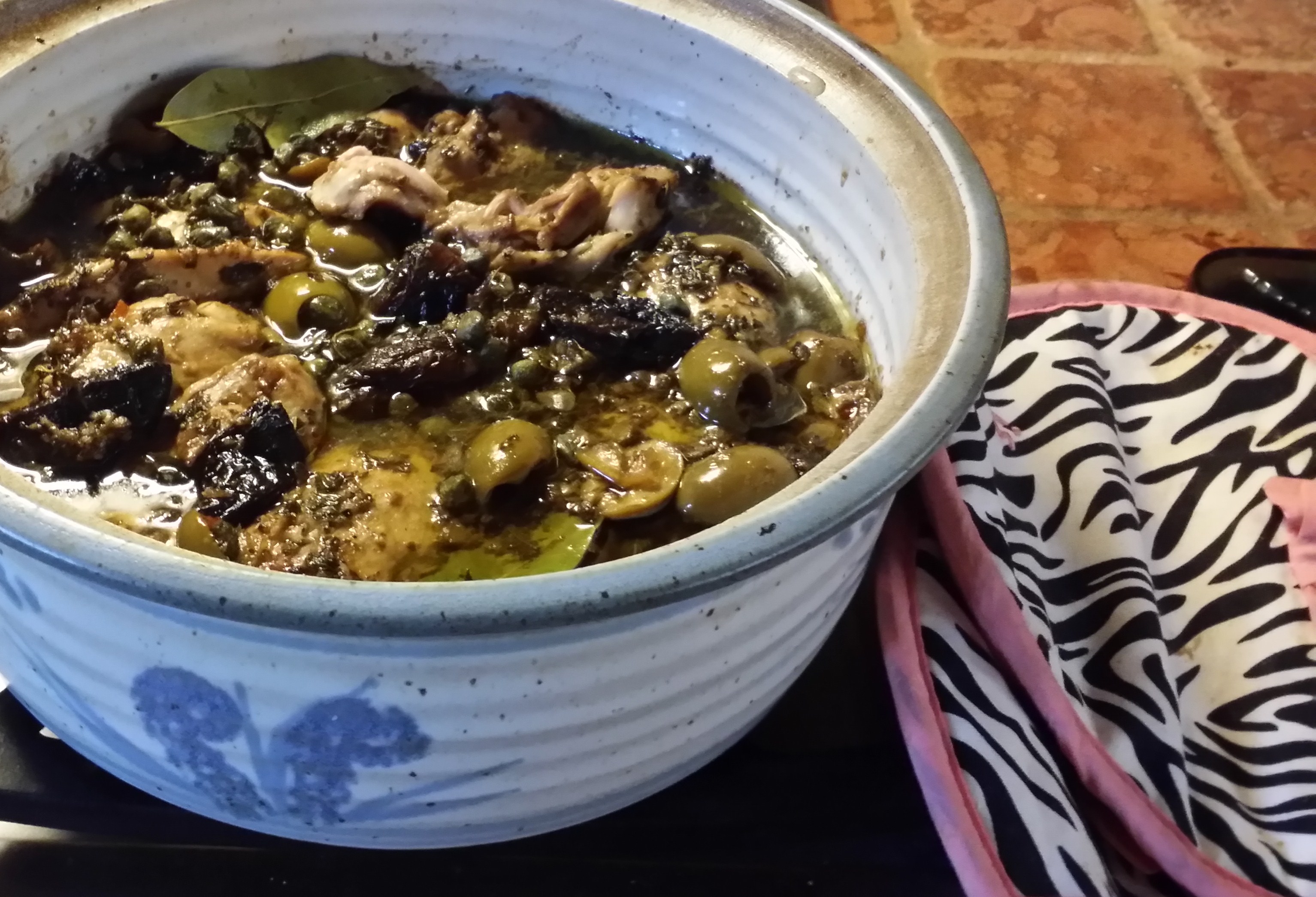
My friend Natalia turned me on to this recipe years ago, and it never fails to turn out delicious each time I make it. While prunes and capers might seem like an odd combination, when cooked together with chicken they create a delectable sweet and sour, savory flavor. The overnight marination is essential to the moistness of the finished product: The chicken keeps and even improves over several days of refrigeration; it travels well and makes excellent picnic fare.
Ingredients:
The original recipe calls for 2 chickens, 2 1/2 lbs each, quartered, bone-in, skin-on. Or, you can use an already cut-up chicken assortment of pieces like breast and thighs.
1 head of garlic, pureed
¼ cup dried oregano
Course salt and pepper to taste ( I like to use kosher salt)
½ cup red wine vinegar
½ cup extra vigin olive oil
1 cup pitted prunes (I prefer to halve them)
½ cup pitted Spanish green olives
½ cup capers with a bit of juice
6 bay leaves
¾ cup brown sugar
1 cup white wine (if you can’t use wine, then use ½ cup of best quality chicken stock)
Fresh Italian parsley, chopped to taste
Combine Chicken with garlic, salt and pepper and all ingredients except brown sugar, wine and parsley. Cover, and let marinate overnight to produce the best results.
Pre-heat oven to 350F. Arrange chicken in a shallow baking pan in a single layer. Sprinkle with white wine and brown sugar.
Bake for about an hour, or until juices from chicken run clear (and chicken is not pink). Baste marinade every so often over chicken.
Enjoy!
Tip: if the amount of oil and vinegar seems like too much – remember that amount is for about 5 lbs. so you can adjust it accordingly. You might want to use the recipe “as is” because the juice is so flavourful and served over rice it works out perfectly.
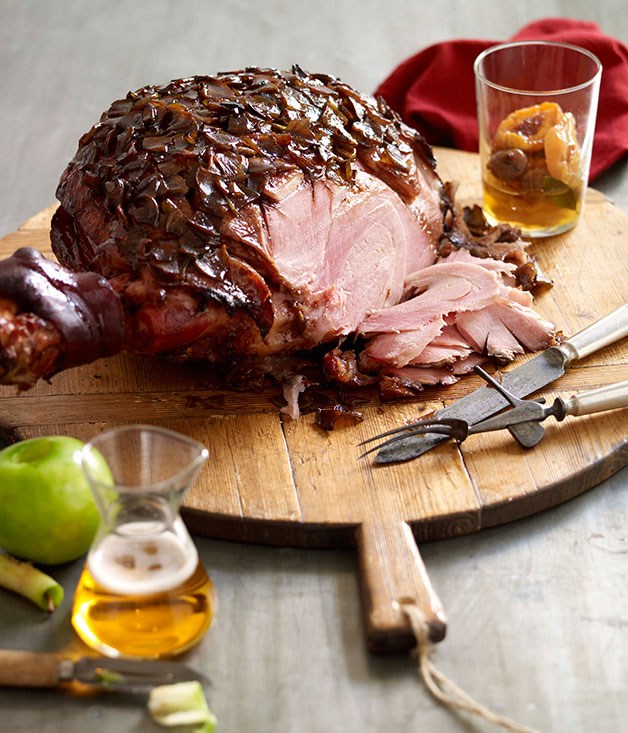
If you’re on the hunt for something effortless and delicious then a ham is so easy to prepare and takes care of a main dish for many. Leftovers are great – you can enjoy ham & swiss cheese sandwiches with grainy dijon for days. In general I’m not really a ham lover (just a ham) but once a year I do enjoy this kind. Last year my main ingredients of cloves & maple syrup got rave reviews. Leave the Turkeys for Christmas & Thanksgiving and try one of these super simple recipes. For a change you can concentrate on some fancy sides. Serve with your favourites and don’t forget the chocolate.
Recipe #1
A HOLLYWOOD HAM
Serves 8
A good cut of meat for this recipe is the butt portion of a bone-in, *water-added ham.
Ingredients
1 5-to 6-pound bone-in water-added ham, butt portion
*In case you’re wondering, ‘water added’ means it has been wet cured. This is typical of most ham and bacon on the US market. Dry cured ham is more expensive, will be labeled as such, and may be so salty and dry that you will need to soak it at home before cooking. So unless you made special effort to find dry cured ham (or bacon) it is wet cured.
Tip: **You can omit the dried apples altogether & just add a little extra apple cider instead or use a couple cut-up fresh apples.
Preparation
Preheat oven to 325°F. Place ham in roasting pan and bake until thermometer inserted into thickest part of ham registers 150°F., about 15 minutes per pound. Cool ham completely. (Can be prepared 3 days ahead. Cover and chill.)
Bring cider and apples to boil in heavy medium saucepan over medium-high heat. Boil until liquid is reduced to scant 1 1/2 cups, about 8 minutes. Whisk sugar, vinegar and mustard in small bowl until blended. Add to cider mixture. Simmer sauce until reduced to 2 1/4 cups, stirring occasionally, about 6 minutes. (Can be made 1 day ahead. Cover and chill.)
Preheat oven to 375°F. Cut eight 1/2-inch-thick ham slices from bone. Overlap ham slices in glass baking dish. Spoon sauce over. Bake until ham is heated through and sauce bubbles, about 25 minutes. Transfer to platter and serve. Bon Appétit (from the magazine and in general).
Recipe #2
THYME HONEY GLAZED HAM
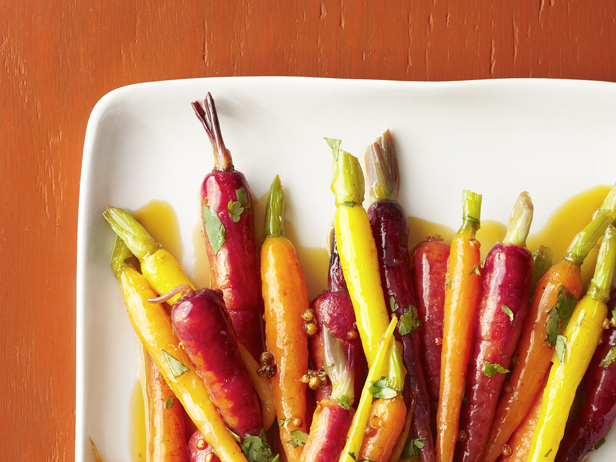
Tri-colour carrots look pretty & taste good
Makes 12-16 servings
Hams with a thick honey glaze can sometimes be too cloying. This recipe takes a more balanced approach that results in a light sweetness and a beautiful shine.
Ingredients
3 tablespoons unsalted butter
2 tablespoons chopped thyme
1 (12-to 14-pounds) boneless or semiboneless fully cooked ham at room temperature 1 hour
1/4 cup cider vinegar
1/2 cup mild honey
1 teaspoon Worcestershire sauce
Preparation
Melt butter with thyme and let stand until ready to use.
Preheat oven to 350°F with rack in lower third.
Peel off and discard any rind or skin from ham, leaving 1/4 inch of fat on ham. Score fat on top of ham in a crosshatch pattern without cutting into meat. Put ham on a rack in a large roasting pan. Cover ham with parchment paper, then cover roasting pan with foil. Bake 1 3/4 hours.
Meanwhile, boil vinegar in a small saucepan until reduced to about 1 tablespoon. Remove from heat and whisk in honey, Worcestershire sauce, and thyme butter. Let honey glaze stand until ham has baked 1 3/4 hours.
Discard foil and parchment from ham. If there is no liquid in roasting pan, add 1 cup water (liquid will prevent glaze from burning in pan). Brush ham with half of honey glaze, then bake, uncovered, 30 minutes.
Brush with remaining glaze and bake until glaze is deep golden-brown and ham is heated through, about 30 minutes more. Gourmet Magazine.
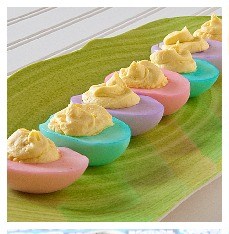
okay; but as an appy? This is the one time you get to dye for eggs. Don’t miss the opportunity.
Passover begins on the evening of April, 14, 2014. This unleavened twist on lasagna is a great way to use leftover matzo after the seder. Substitute layers of matzo for the noodles, then fill them with a mixture of spinach and ricotta cheese. Look for the “kosher-for-Passover” signifier on all the other ingredients. I saw this in the Food section of the April issue of “Martha Stewart Living” magazine & thought it would be a brilliant addition to a Passover meal. See the Seder checklist below for basic guidelines to a seamless seder. “Mazel tov“
Matzo Spinach Lasagna (serves 6)
INGREDIENTS
Extra-virgin olive oil, for dish
2 cups ricotta or small-curd cottage cheese
4 large eggs
1 1/2 cups half-and-half
1 1/4 cups grated Parmesan (about 4 ounces)
1 teaspoon finely grated lemon zest, plus 1 tablespoon juice
Pinch of freshly grated nutmeg (optional)
Coarse salt and freshly ground pepper
1 pound chopped frozen spinach, thawed and squeezed of excess moisture
4 sheets matzo
DIRECTIONS
Preheat oven to 400 degrees. Brush bottom and sides of an 8-by-8-inch baking dish with oil.
Whisk together ricotta, eggs, half-and-half, 3/4 cup Parmesan, zest, and nutmeg. Season generously with salt and pepper. In another bowl, toss spinach with lemon juice; season with salt and pepper.
Place 1 matzo sheet in bottom of prepared baking dish. Pour 1 cup cheese mixture over matzo. Sprinkle evenly with one-third of spinach mixture. Repeat layers 2 more times. Top with remaining matzo and drizzle with remaining cheese mixture. Sprinkle with remaining 1/2 cup Parmesan. Bake, uncovered, until puffed and golden brown on top, 35 to 40 minutes (cover with foil if browning too quickly). Let cool 15 minutes, then serve.
Recipe for Charoset
This fruit, nut and wine mix is eaten during the seder. It is meant to remind us of the mortar used by the Jews to build during the period of slavery. It should have a coarse texture. The ingredient quantities listed here are at best a rough estimate. The recipe below makes a very large quantity, but people usually wind up making more before the holiday is over. Other fruits or nuts can be used.
4 medium apples, 2 tart and 2 sweet
1/2 cup finely chopped almonds
1/4 cup sweet wine
1/4 cup dry wine
1 Tbs. cinnamon
Shred the apples. Add all other ingredients. Allow to sit for 3-6 hours, until the wine is absorbed by the other ingredients. Serve on matzah. Goes very well with horseradish.
Preparing for the Seder Meal Checklist
The Seder is the most important event in the Passover celebration, but there’s more than a few components to this intricate ritual. Use this checklist to keep track of everything from the wine glasses to the prayer books for a seamless Seder.
Tableware
Tablecloth and napkins.
Passover is one of the most celebrated holidays in the Jewish faith, so it’s customary to dress up the table with an elegant tablecloth and cloth napkins.
Scatter candles throughout the room and on the table for a warm glow.
Kosher dishes and utensils.
Whether you choose formal china or everyday dishware, don’t forget to keep kosher for the Seder.
Put two glasses, one for water and one for wine, at each place setting.
An extra wine goblet.
Fill an additional wine glass and place it in the center of the table for Elijah, a prophet who is thought to visit each Seder dinner.
Food and Beverages
Seder plate.
Set the Seder plate, filled with foods that symbolize the story of the Exodus, near the Seder leader’s place at the table. Arrange five items on the plate: a hard-boiled egg; a roasted shank bone; a spring vegetable such as parsley, called karpas; a mixture of fruit, wine, and nuts, called charoset; and either prepared or fresh horseradish, called maror. Some Jews include a sixth item called chazeret, often represented by lettuce.
Salt water.
Provide each guest with a small dish of salt water to dip their greens into.
Additional dishes of karpas, charoset, and maror.
To make things more convenient for guests, you can also set small dishes containing each item next to every place setting.
Matzah.
Put three pieces of matzah on a plate, cover with a cloth or napkin, and place underneath or near the Seder plate.
Wine.
Make sure there is enough wine on the table for each guest to have four glasses, an amount that symbolizes the four stages of the Exodus. Substitute grape juice for the children and the teetotalers of the group.
Miscellaneous
Copies of the Haggadah.
Lay a copy of the Haggadah, a prayer book that explains the story of the Israelites’ slavery in Egypt, on top of each guest’s appetizer plate, under the napkin.
Basin and towel.
Place a small basin filled with warm water and a towel on the table for two hand-washing rituals that occur during the meal.
Pillows.
It’s traditional for each guest to recline on a pillow during the ceremony to symbolize the comfort of freedom.
To those of you taking part in this important celebration, Mazel Tov!









 Girl Who Would be KING on Life, Style and INSPIRATION.

You must be logged in to post a comment.