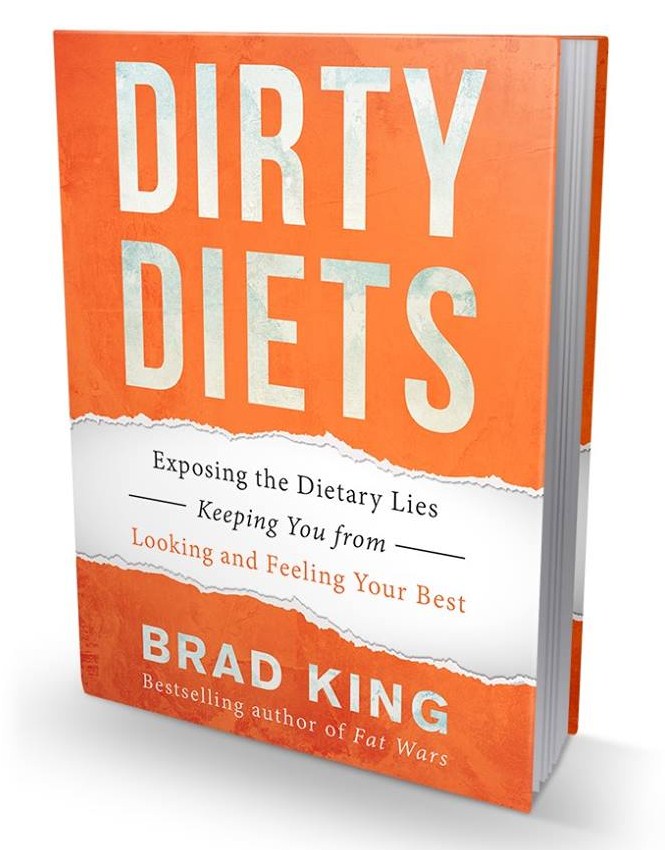
Do you know anyone who is not trying to shed a few pounds? This new book by Brad King explores why 99.5% of diets actually make you fatter!
What if all those calorie-sparse meals and lite foods you’ve embraced to tackle your weight loss needs are actually responsible for making you fat?
Dirty Diets takes you inside the world of processed foods and the diet industry to expose the secrets they do not want you to know. This book will help you finally understand—in spite of the low-fat, lite-food lies—how we got fat to begin with and why we can’t seem to lose the weight no matter how hard we try. Dirty Diets shows you exactly what you need to do to finally lose your excess body fat so you’ll look, feel, and perform the way you’ve always dreamed.
For those who aren’t as clued in as me. Ha…as I take a bite of my healthy snack: a dairy + gluten-free chocolate dipped macaroon from the bakery around the corner. They’re so tiny – just popped five into my mouth while I’m typing this. Uh oh…I just checked the label on the back…..first ingredient is sugar (although 100% cane but even so) and it contains hydrogenated palm kernel oil and each little cookie is 70 calories. I just consumed 350 calories in 30 seconds! I think we all need to read this book!
A look inside:
How and why the diet industry continually deceives us
How “diet” and “lite” foods encourage your body to store fat
How your self image is killing your chances of becoming lean
How environmental factors make and keep you fat
How you can stimulate fat releasing hormones 24/7
How to stop insatiable cravings once and for all
How the wrong type of exercise can make you fat
How sleep can boost your metabolism
How you can eat delicious, healthy food at home or at restaurants and not derail your progress
And so much more..
Author:
Brad King
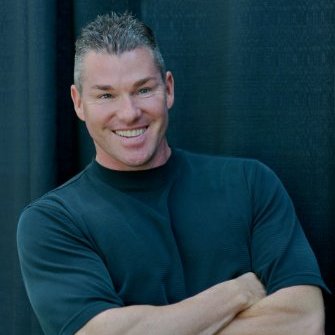
Brad King is a nutritional researcher and the author of 11 books including the international best sellers Fat Wars, Bio-Age and the award winning Beer Belly Blues. His depth of knowledge and sense of humour make him a popular interview and he has been featured on thousands of television programs.
**Don’t miss listening to “Transforming Health” with host Brad King for the most evocative and informative up-to-the-minute interviews with leading health professionals – Live every Wednesday @ 12PM-PST/3PM-EST onVoiceAmerica.com – #1 internet radio station in North America. Here’s the link: http://www.voiceamerica.com/show/1686/transforming-health
Hillary Clinton and Prince William champion elephants. The National Institute of Health releases its research chimps. New York City plans an end to its carriage horses. Shark fins are banned again and again. Will there be an end to animal cruelty? I try to remain optimistic.
Animals are deserving of our respect and compassion. For those of us fortunate enough to spend significant time around animals, we know that our relationships with animals improve us as people. If you stop to consider the positive results they produce in our overall well-being, it seems surprising that every household doesn’t own one. Animals are a part of nature that is too often overlooked despite the extensive benefits they provide for us. Have you ever noticed that when you pet your dog or cat you feel more relaxed? The simple act of petting an animal creates a mutual physiological response in both the person and the animal, lowering the levels, blood pressure, and heart rate of both. They’re amazing creatures.
Evidence now shows that some therapy dogs become so acutely attuned to people around them that they can even sense when a person is about to have a heart attack, before it actually occurs. One experienced service dog trainer explained to me that Schnauzers are known to detect the specific spot in the body where a person has cancer (McLaughlin Online). Companion animals have been used to achieve dramatic results in treating a wide range of physical and psychological conditions including: cancer, AIDS, ADHD, heart problems, and autism; as well as less severe conditions such as: high blood pressure, high cholesterol, hypertension, loneliness, insomnia, and headaches. That’s pretty amazing.
The below was taken from the Huffington Post – on the “Importance of Appreciating Animals”
Animals help us be better humans. Quite often, they show us how to be our best selves. Always in the moment, sticking their noses into everything (literally), they see a world that we take for granted, one we’re usually just hurriedly passing through on our way to lives we never quite reach.
The role of animals, and especially dogs, as roving ambassadors of goodwill can be seen most clearly in their role as therapy dogs. After the tragic massacre in Newtown, Conn., in December 2012, therapy dogs from all over the country were brought in to help the community, and especially the children of Sandy Hook Elementary School. Six months later Newtown held a “Day of Thanks” to show its gratitude. The gathering was attended by 50 dogs (and many more owners and residents). One parent explained that her daughter had had a rough time after the shooting. “But when she talked about the dogs that she saw every day at school, she lit up.”
We’re talking about a movement with compassion at its core. The Dodo would not be launching if not for Izzie Lerer, its co-founder and editor-at-large. Izzie is wrapping up her doctoral studies in philosophy at Columbia, where her research focuses on animal/human relationships. Her passionate and intelligent vision of this important subject is nothing short of wanting to change the world in the way animals are treated.
Sure, there will be cute videos on The Dodo, but we’ll focus on images you won’t feel conflicted about watching — as Izzie puts it, “we’ll celebrate animals, and not just laugh at them.” We plan to explore our fierce and fraught bond with animals broadly and enthusiastically, from animal testing to the ethical eating movement. Most people are still figuring out where they stand on a lot of these issues; one of my favorite voices belongs to Bob Comis, a pig farmer in upstate New York, who openly grapples with the ethics of what he does, once writing: “What I do is wrong, in spite of its acceptance by nearly 95% of the American population. I know it in my bones, even if I cannot yet act on it.” We’re not saying we have all the answers, by the way. But we’re committed to searching for them.
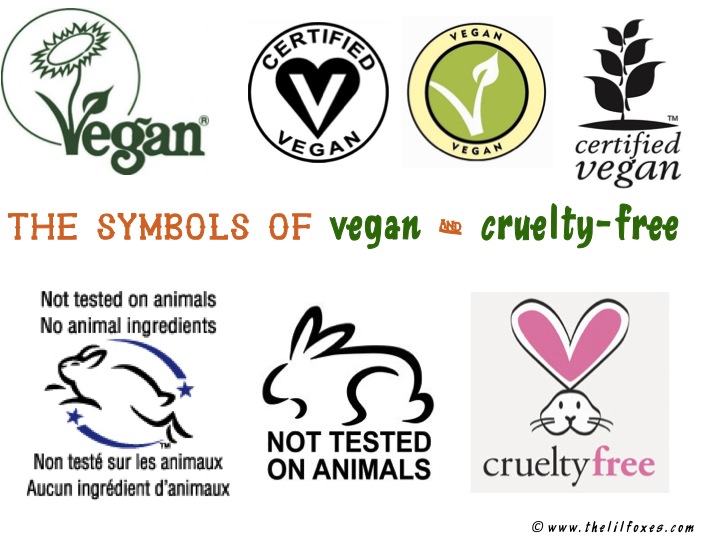
No matter how effective a product is and no matter how many people swear by it, I’ve got to tell you that I won’t put anything on my face or body that has been tested on animals – even if they’re rats. No exceptions here……..unless I didn’t know about it beforehand.
I was about to do a product review on a very well known product (they claim to sell this item every 20 minutes) by a very well known French company that’s been around for eons whose products claim to be all “plant” based. I decided to do a bit more research on it and found out to my surprise and shock that this particular product has indeed been tested on animals. What’s upsetting is that I’ve been using it and like it. To be fair, I read that it was animal tested on someone else’s beauty blog so just to be sure I contacted the company.
I just received an e-mail from them claiming that they no longer provide detailed product lists on animal testing and sincerely apologize for any inconvenience. I’m confused.
So let me ask….if you’re a vegetarian and you’ve been eating a brand of veggie burgers that you loved and then found out that there was actual meat in the burger how would you react?
It goes on….”we do not conduct animal testing on our finished products or ingredients except in exceptional cases, when required locally by law. What law…..where??
The company’s commitment to the protection of animals is also the reason why testing on animals no longer takes place (was that before or after I bought this product?). The company supports the development and global acceptance of non-animal testing alternatives. Product safety control is carried out on cell culture in accordance with substitute in vitro methods that are internationally acknowledged and approved by experts.
Still confused, but to be on the safe side I won’t review this particular product because I’m still not sure if it is (or has been previously) tested on animals. But you would be astounded to find out which of the companies are still testing.
So I guess this post is about awareness of what you put on your skin. Which leaves me to want to research what goes in to “keeping” your cosmetics…because many people want to avoid chemical preservatives in beauty and personal care products. I’ll reserve this for my next beauty post.
My wardrobe holds many items that have ruffles from mini skirts (yes, still) to ankle boots. Good thing too because the Spring/Summer runways showed plenty of them. They’re pretty easy to incorporate into the street/party/office/office party.
Balmain show – taken from images
From stylish it blogger Leandra Medine (The Man Repeller), to Balmain’s designer Olivier Rousteing’s, Spring- Summer 2014 collection, girly flirty skirts are enjoying another season.
taking it to the street
Ruffles (they’ve never completely gone out of fashion) are fluttery, eye-fooling flounces of fabric that can focus attention away from trouble spots. It’s best to keep ruffles away from areas of your body that are already full.
Pairing ruffles with simple, structured pieces also prevents the style from overwhelming your entire figure.
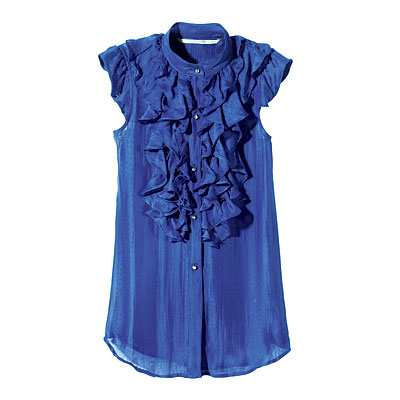
Blouses: Ruffled blouses are an easy way to look glamorous and put-together. Try a simple pair of trousers or a pencil skirt with a top with flowy fabric gathered at the neck. Make a more subtle statement with a top that has ruffles only at the cuffs or around the hem. If you prefer clean, classic looks, update your go-to white button-down shirt by replacing it with a blouse that has small, tight ruffles only on the collar or along the front. Ruffled tops also look great with
Bottega Veneta Spring 2014
jeans or dress pants.
Bottega Veneta Spring 2014
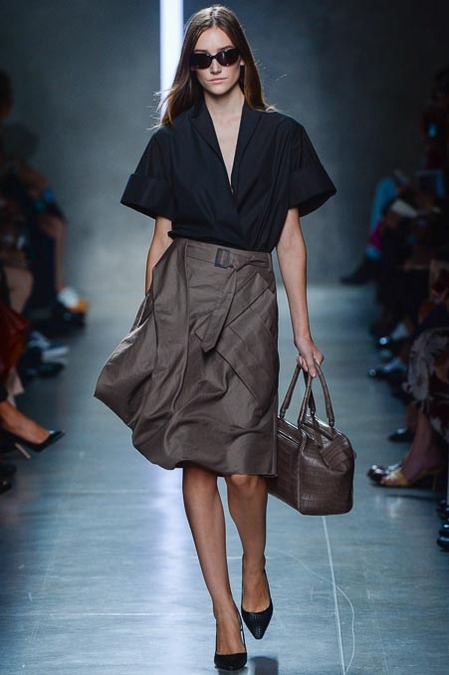
Bottega Veneta: For the spring 2014, it’s all about ruffles, bows and pleats, which creative designer Tomas Maier manages to turn from “girlie” into feminine chic.
Paula Patton – a bit over the (shoulder) top.
Celebrity Style:
Kate Hudson’s shoulder ruffle
What do you think about RUFFLES & bouncy, flouncy skirts?
This comforting drink which is an integral part of Indian life is perfect to help soothe your immune system. I love soy chai lattes best (but you can use regular milk if you prefer) although I’m usually disappointed when ordering one in a restaurant. They always seem to lack something so this recipe is good to start off with as you can adjust the spices to taste. All these spices are easy to find. I hope you enjoy it.
3 cups (750mL) of soy milk
3 Tbsp. (45mL) loose black tea
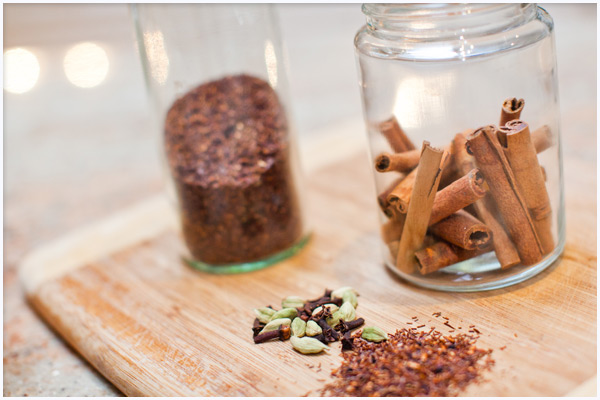
2 in. (5 cm) cinnamon stick
1 in. (2.5 cm) ginger root, peeled and sliced
2 tsp. (10 mL) honey
¼ tsp. (1mL) black peppercorns
6 whole cloves
4 cardamon seeds
Pinch of Allspice
1 star anise
Pinch of freshly grated nutmeg
A little vanilla bean (or vanilla extract)
Whipped Cream (optional)
Combine all ingredients except whipped cream in a saucepan, preferably one with a spout, and bring to a simmer. Stir to blend flavors. Simmer gently for 1 minute then turn off heat. Leave pan on burner and let steep for 5 minutes. Strain into mugs and serve with a dollop of whipped cream if you wish. If so, sprinkle top with a bit more cinnamon (for presentation) and put a cinnamon stir stick into the cup. Serves 4.
Spices: before this, I used to gather them all into a cheesecloth, tie it up, put it in a mug and then pour hot water over top – like a teabag.
No matter which big city I’ve lived in or visited, there’s always a neighbourhood “find” to be found somewhere amongst the madness.
These images are from a walk in Vancouver’s West End. I love finding tranquility in this richly diverse downtown neighbourhood with countless high rises and commercial businesses.
Vancouver is one of the most densely populated cities in North America after New York City and San Francisco. This is a direct result of urban planning focused on high-rise residential and mixed-use development as opposed to urban sprawl.
The West End epitomizes the city’s entire downtown core: It is family-oriented and gay-friendly, ultra-urban and tree-lined traditional, a beach town and a downtown combined. The best of “all” worlds.
The little coffee shop that’s not Starbucks.
For residents “the neighbourhood” becomes an extension of our personal identity and we’re so lucky to have them. Check out some of the local housing (below). Please don’t make them obsolete.
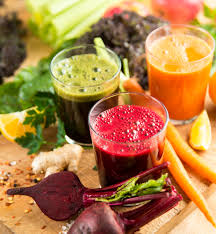
For ages I’ve been juicing. At first with a blender, then a George Foreman and finally a Vitamix. Then for no valid reason I took a break from juicing with the intention of getting back to it real soon. There’s something healthily satisfying about a morning routine of downing a concoction of fresh fruit and veggies. I’ve been told so many things over the years about the correct and incorrect way to juice properly to reap all the benefits. Someone told me years ago that I better drink up within the first 15 minutes otherwise all the vitamins will evaporate. Here’s answers to a few questions of late:
Does juice have to be consumed right away?
Answer: Stored in an airtight container, I’m now told that juice can be kept for up to three days. You can even make it the night before (although I prefer first thing in the morning) and have it for breakfast, or take it to work the next day.
What to do with all that pulp?
Answer: For every serving of juice, you get up to four cups of pulp. Right now I no longer worry about this as the Vitamix tends to process all of the pulp which is the main reason I bought it (also to make sorbets), so don’t just toss it – it may not look appealing, but it contains a lot of fibre and flavour. Try adding carrot, zucchini, beet or ginger pulp to muffins for a nutritious boost, or cucumber pulp to a veggie dip. You can even toss frozen pulp (I’ve frozen it in ice cube trays) into soups and stews.
Should you peel your produce first?
Answer: It’s best to leave peel on for most produce (especially organic) because that’s where a lot of the nutrients thrive. Did you know that the flavonoids found in apple peel can help with weight loss?
If you don’t have a juicer, will a blender suffice?
Answer: Blenders are great for making smoothies – not so much for making juice. A juicer is designed to extract and separate the liquid from the pulp of fruits and vegetables. A blender, on the other hand, will purée the entire mix.
What else should you incorporate with your juice?
Answer: How about fresh herbs? Toss immune-boosting garlic into a savoury veggie juice, or add basil or parsley for extra flavour. Or, fresh spices…a thumb-sized chunk of ginger root is a great way to add flavour while giving your immune system a quick pick-me-up. Fresh turmeric and cinnamon help with digestion. Chia Seeds – these omega-3-rich seeds don’t look like much dry, but when added to juice they absorb the liquid and become plump and full of flavour. Toss a couple of Tablespoons in for extra crunch.
AND:
**Don’t miss listening to “Transforming Health” with hostBradKing for the most evocative and informative up-to-the-minute interviews with leading health professionals – Live every Wednesday @ 12PM-PST/3PM-EST onVoiceAmerica.com – #1 internet radio station in North America. Here’s the link: http://www.voiceamerica.com/show/1686/transforming-health
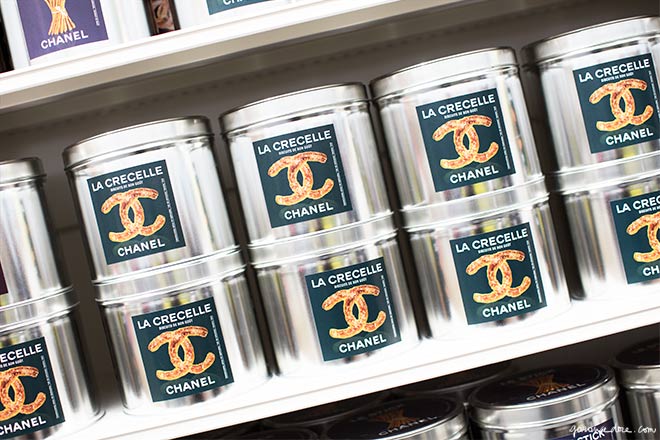
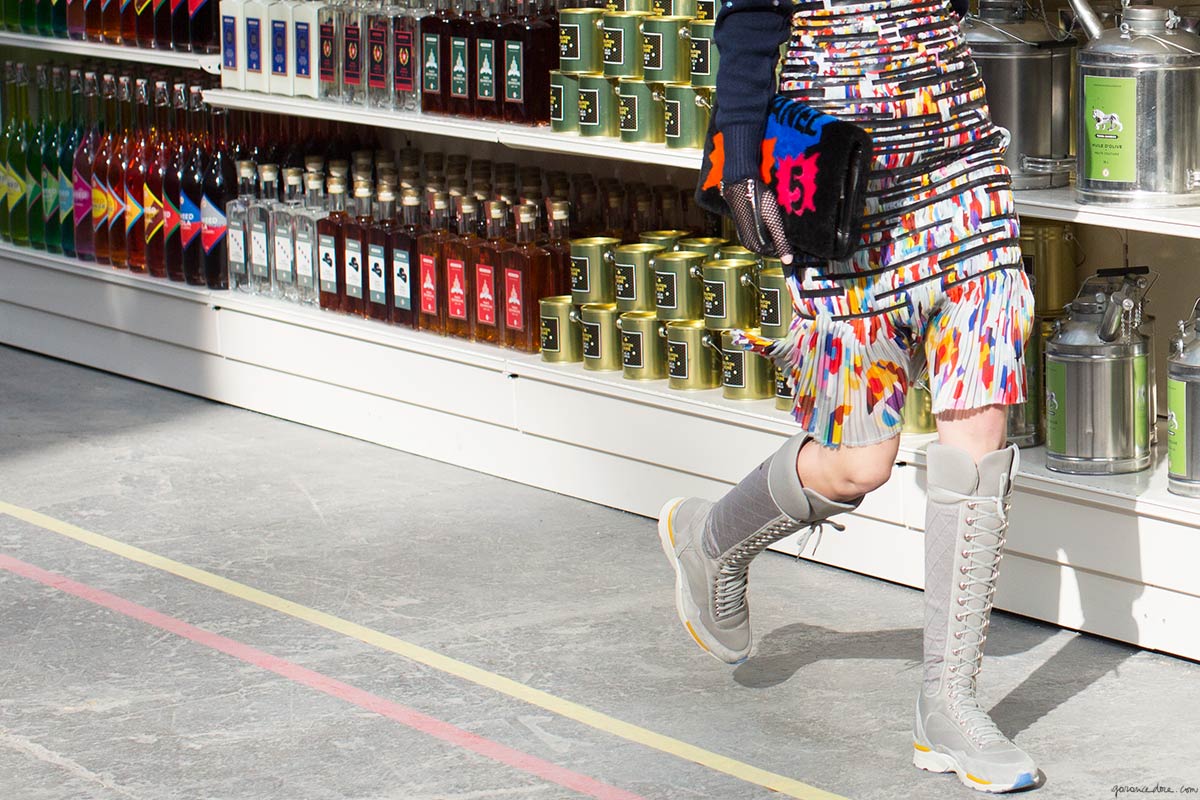
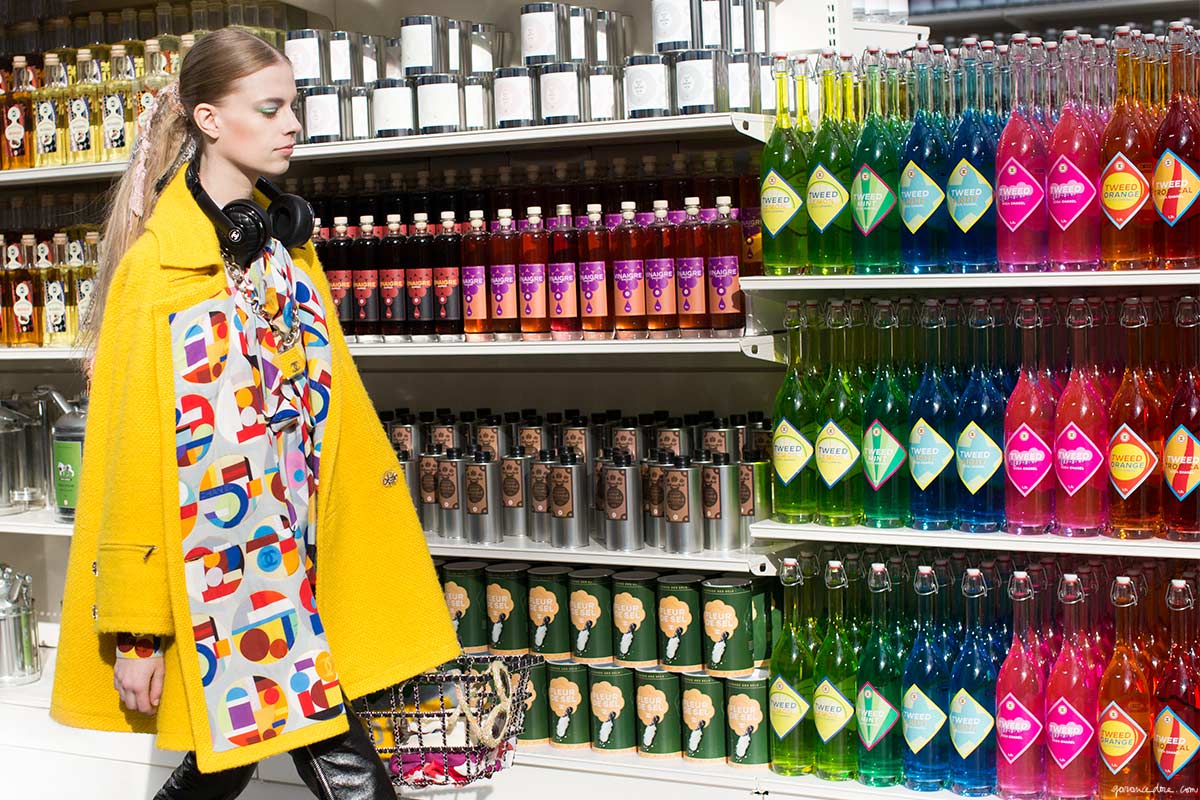
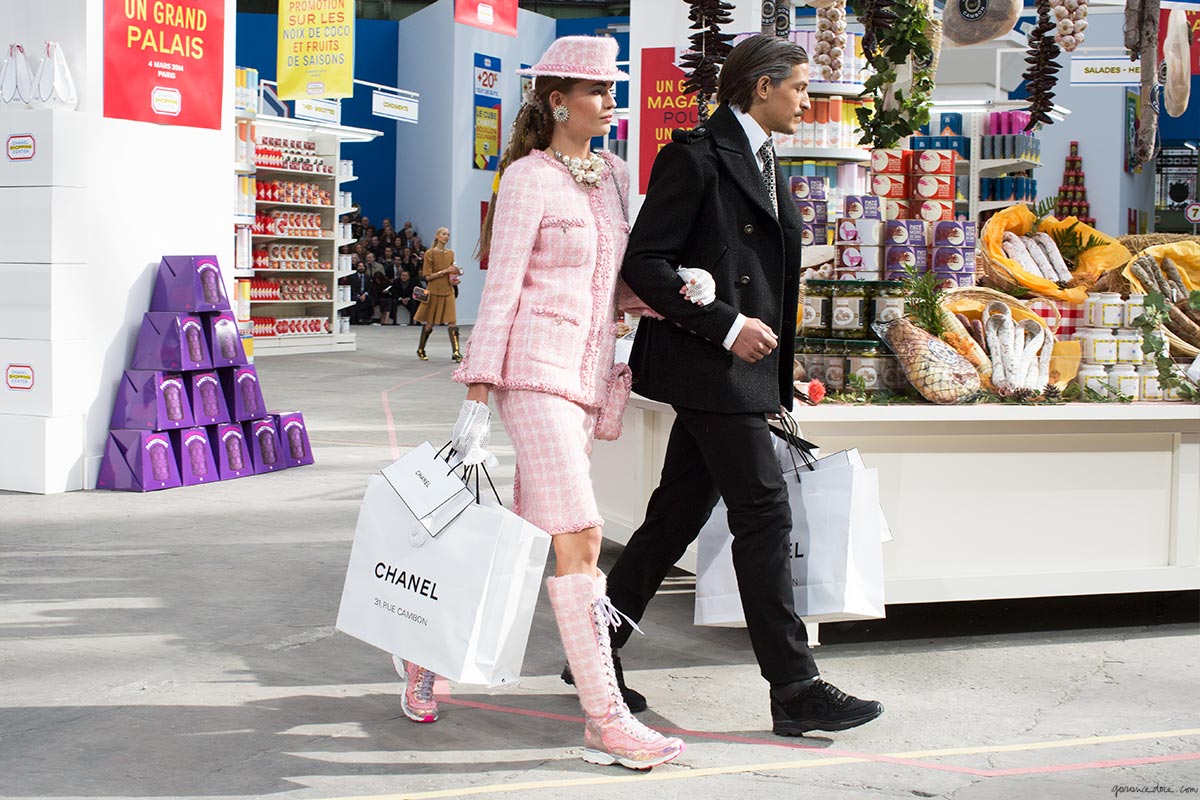
What would I wear to go shopping in a place like this?
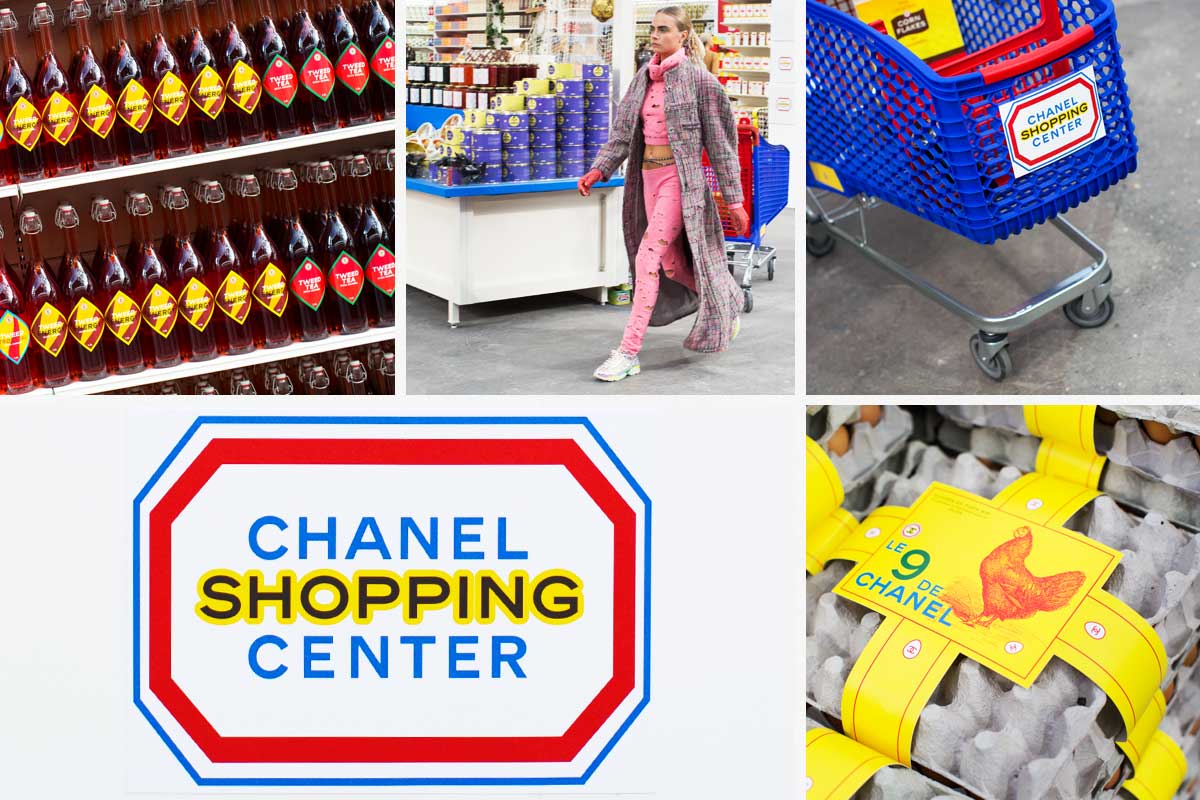
Paris Fashion Week – CHANEL goes grocery shopping with boxes of “Tweed Tea“, “Water” (Eaude Chanel N°0) and even “COCOChoco” Cereal amongst the creative & humorous packaging.at its very own shopping centre.
Trés Chic!
Photo: Fashion Blogger Garance Doré. Apparently they even had Chanel Ketchup bottles.
Karl Lagerfeld is a genius. He comes up with the most exceptional fashion show extravaganzas every single time.
Lagerfeld and model – taken from dailymail.co.uk
from images
The Fall/Winter 2014-2015 women’s ready-to-wear collection show for the French fashion house was held at the Grand Palais and transformed into a “Chanel Shopping Center” during Paris Fashion Week on March 4, 2014. Pure luxury in the form of shopping for groceries.
He who is cruel to animals becomes hard also in his dealings with men.





What if all those calorie-sparse meals and lite foods you’ve embraced to tackle your weight loss needs are actually responsible for making you fat?
 I’m not alone
 Animals are deserving of our respect and compassion. For those of us fortunate enough to spend significant time around animals, we know that our relationships with animals improve us as people. If you stop to consider the positive results they produce in our overall well-being, it seems surprising that every household doesn’t own one. Animals are a part of nature that is too often overlooked despite the extensive benefits they provide for us. Have you ever noticed that when you pet your dog or cat you feel more relaxed? The simple act of petting an animal creates a mutual physiological response in both the person and the animal, lowering the levels, blood pressure, and heart rate of both. They’re amazing creatures.
The role of animals, and especially dogs, as roving ambassadors of goodwill can be seen most clearly in their role as therapy dogs. After the tragic massacre in Newtown, Conn., in December 2012, therapy dogs from all over the country were brought in to help the community, and especially the children of Sandy Hook Elementary School. Six months later Newtown held a “Day of Thanks” to show its gratitude. The gathering was attended by 50 dogs (and many more owners and residents). One parent explained that her daughter had had a rough time after the shooting. “But when she talked about the dogs that she saw every day at school, she lit up.”
 Product Reviews and Testing Methods



This comforting drink which is an integral part of Indian life is perfect to help soothe your immune system. I love soy chai lattes best (but you can use regular milk if you prefer) although I’m usually disappointed when ordering one in a restaurant. They always seem to lack something so this recipe is good to start off with as you can adjust the spices to taste. All these spices are easy to find. I hope you enjoy it.



traditional, a beach town and a downtown combined. The best of “all” worlds.
For residents “the neighbourhood” becomes an extension of our personal identity and we’re so lucky to have them.
Check out some of the local housing (below). Please don’t make them obsolete.




Is everyone still juicing?
Then for no valid reason I took a break from juicing with the intention of getting back to it real soon. There’s something healthily satisfying about a morning routine of downing a concoction of fresh fruit and veggies. I’ve been told so many things over the years about the correct and incorrect way to juice properly to reap all the benefits. Someone told me years ago that I better drink up within the first 15 minutes otherwise all the vitamins will evaporate. Here’s answers to a few questions of late:
 If you don’t have a juicer, will a blender suffice?




















You must be logged in to post a comment.