
ART/Abstract Attraction

ABSTRACT ART Does anyone know enough about it – are we supposed to?

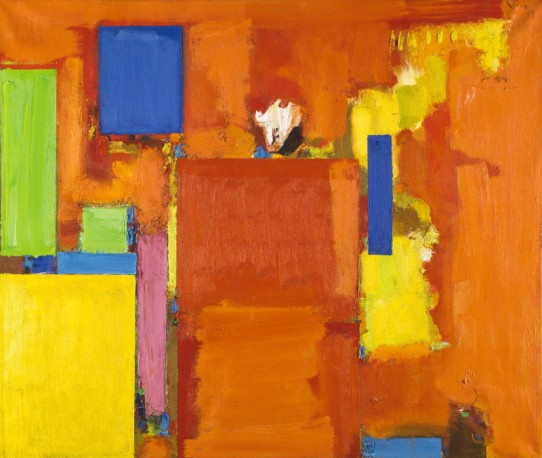
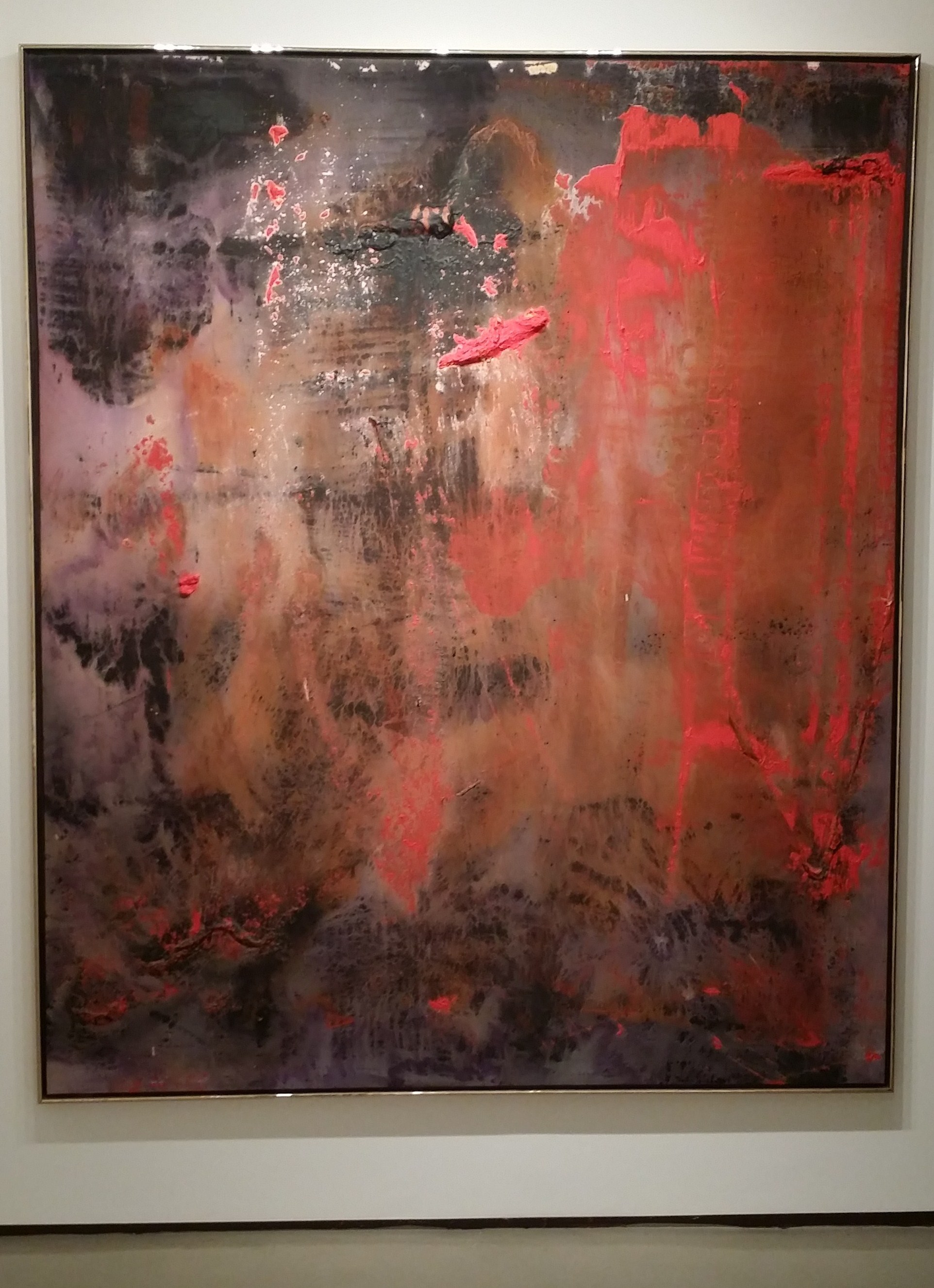
Hans Hofmann
Painting: Hans Hofmann

 My appreciation for abstract has grown through the years.  I certainly do not confess to know anything about it other than a strange attraction to its form, colour and content even though it appears to be convoluted to some degree.  It makes you question what it means and wonder just what the artist’s intentions were.  After all, a tree is a tree for all to see.  Abstractally speaking, do you see something totally different to what the artist intended you to.  Does it matter?  What if we just admire the piece for what it is…whatever it is.  Which brings me once more to a former question – what makes good art?

I can only surmise that if it moves you then it must be good art.  Abstract art is sometimes misunderstood, but that, ironically, is what makes it beautiful. Abstract art is art in its purest form. Below is a brief history of abstract art and an easy-to-understand, layman’s introduction to the term. And a beautiful way of expressing the form.

“Experiencing Life Through Painting”

Courtesy, Art by Mona.

Most art produced today can be said to be abstract art and, in fact, that has been the case for more than 100 years. The development of photography in the late 19th century and its evolution today have freed artists from the obligation to recreate “picture perfect” paintings that reflected reality precisely. And that has given birth to the everlasting abstract art revolution. Artists today are no longer expected, nor do most even desire, to simply paint what their eyes see. Instead, they paint their interpretations of what they see, and that is abstract art. This lack of objectivity means that today’s art is often complicated and easily misunderstood. But, for the art lover willing to spend time studying paintings for their subtle merits and messages, abstract art is endlessly exciting.

Abstract art is best compared to poetry or literature. Rather than to simply report the facts, the way a piece of non-fiction does, a good poem gives much more: it reveals the writers attitudes and feelings towards what he is writing. Abstract art does much the same. By experimenting with shades of colors that would not necessarily be found together in nature, an abstract art painter can portray moods that would not be seen in a painting that attempted to create a scene realistically. Just the way, say, the legendary writer Edgar Allan Poe took great care to choose every word of his poems and stories to evoke a constant feeling of horror, a good abstract art painter can choose every brush stroke and every color to conjure a specific emotion. This is what makes abstract art, perhaps, the purest form of art. It captures, as many scholars and critics have noted, all that it means to be human.

Art by MonaAbstract art, despite its beauty and excitement, can be difficult to interpret (just as some poems are), and that leads to frustration among many viewers. Often, for example, novice viewers will stroll through a museum filled with abstract art and marvel at what appears to be paint simply splashed thoughtlessly on canvas after canvas. “Gee, I can do that,” the uninitiated might be heard to mumble under their breath.
Eventually, though, the novice art lover will come to understand that, even the most amateurish looking of masterpieces, are, underneath the service, elaborate, master-crafted works of art. The artist has carefully chosen every drop of paint to evoke a certain feeling and express a certain attitude. Sometimes the feelings and attitudes can be directed toward a specific thing, but often, they are simply evoked for their own sake. Only abstract art, for example, can make a viewer feel happy (or sad or frightened or angry) without providing anything concrete to be happy (or sad or frightened or angry) about. A bright yellow painting with plenty of pink, green and light blue brush strokes strategically arranged can brighten up anyone’s day – even if those brush strokes represent nothing in particular.

Abstract art, like nothing else, helps us all to experience everything that it means to be alive.

So, do you agree with Mona?  I do.  Except for the part about amateurish looking paintings which are not master-crafted works at all.  Remember what Matisse said: “everybody is sensitive to art, but that doesn’t mean that they are capable of making it.”

Source: German born Monika Heckenbach (known best simply as Mona) has created hundreds of inspiring paintings that are on display in private residences and galleries across the globe. http://artbymona.soup.io/


ART: Highlights From A Never-Before-Published Interview With Henri Matisse

Henri Matisse is one of my all-time favourite artists.

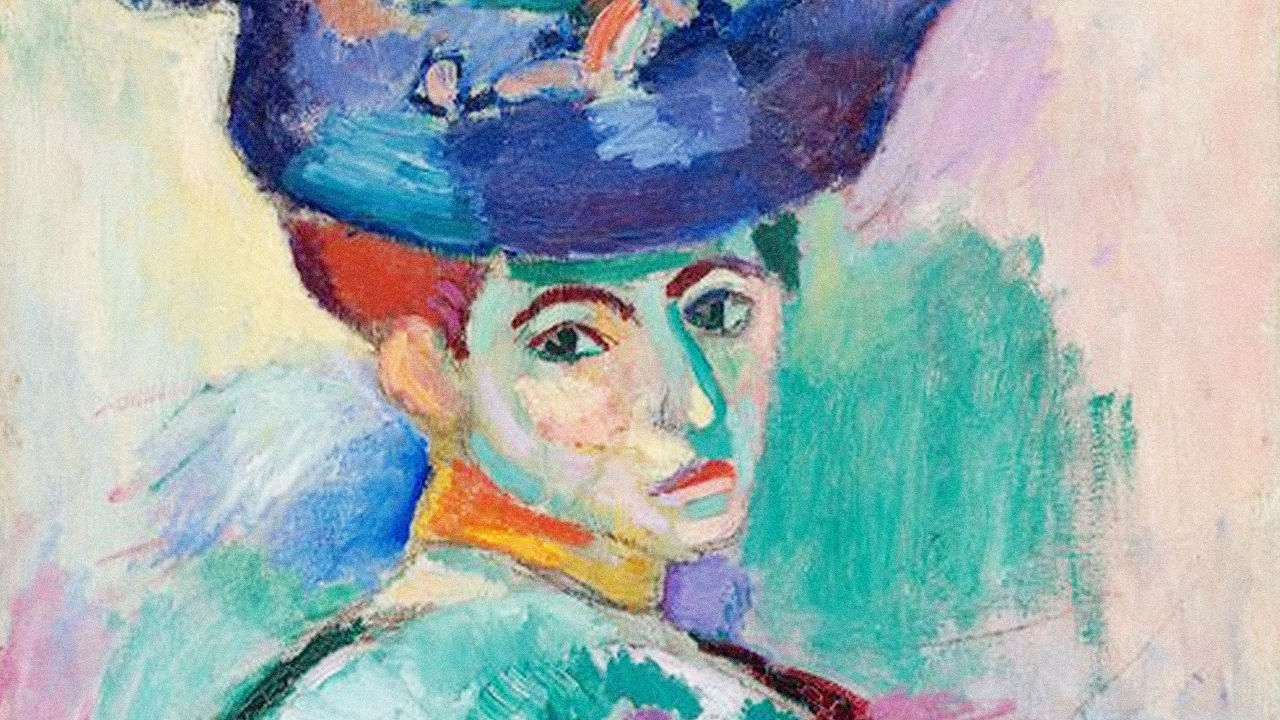
Woman with a Hat.
Woman with a Hat, Henri Matisse

His romantic impressionist paintings leave me feeling like I want to walk right into them.  They make you want to dance naked holding hands in a circle, lie in a Garden of Eden and wear a fancy hat way too large for your face.

DESIGN OBSERVER HAS PUBLISHED AN ILLUMINATING, LONG-LOST INTERVIEW WITH FRENCH ARTIST HENRI MATISSE. READ SOME HIGHLIGHTS HERE.

In August of 1946, after the end of World War II, an art-obsessed American soldier named Jerome Seckler interviewed legendary French painter Henri Matisse. At the time, Matisse had been suffering from cancer for several years and was at work on his collaged cut-outs—specifically, large-scale works that would become Oceania, The Sky and Oceania, The Sea—which are now on view at New York’s Museum of Modern Art. In their extensive dialogue, Matisse discussed everything from the value of being a “starving artist” (“It is evident that in order to make good artists it is necessary that they not eat too well”) to the nitty-gritty of his creative process. The interview’s roughly 3,000-word transcript sat unpublished in a cardboard box for 70 years.

This year, Jerome Seckler’s son, Donald Seckler, unearthed the lost interview, which Design Observer has now published for the first time, in three installments.

In places, the interview turns into a heated debate—Seckler’s questions are challenging and provocative, and you can hear the ever-opinionated Matisse get a bit riled up. The artist’s comments range from the philosophical (“It is necessary that life be hard in order to form one’s character”) to the drily funny (“In America there are not enough bad boys”) to the self-reflective (“Do you think that I am neurotic? Is it seen in my paintings?”). Below are some highlights.

In part one of the interview, Seckler asks Matisse about the importance of subject in painting. “A book would be necessary to answer [this question],” Matisse replies. “The question is complex, very complex.” But he offers some opinions in this excerpt:

Henri Matisse: I think that art must not be a disagreeable thing. There is enough unhappiness in life to turn one towards the joy. One should keep the disagreeable, the unhappiness to himself. One can always find a pleasant thing. An unhappiness doesn’t remain. It makes experience. One doesn’t need to infect people with his annoyances. One should make a serene thing. One should make a stimulating art which leads the spirit of the spectator into a domain which puts him outside of his annoyances.

In part two of the interview, Matisse defends the starving artist, arguing that struggle builds a painter’s character:

Jerome Seckler: If the artist plays such an important role in society, don’t you think that a government subsidy should be paid the painter just like it pays any other government worker? He wouldn’t have to worry about where his next piece of bread was coming from. He could live a normal family life like any other person. He wouldn’t be at the mercy of a dealer. He should really be free to paint.

Henri Matisse: I am against ease. If one leaves the possibilities of getting a pension from the government for painting, to all the people who want to paint, all the Sunday painters will seize a brush. That is impossible. It is necessary that there be a straining. While giving to people who want to paint the facilities of doing it, it is necessary to put up a very strong barrier to prevent the invasion of the bad painter. Each time that a student who devotes himself to painting arrives at school for the first time, he should be given a volley of blows by a stick and after to lead him back to his home and he will see if he wants to begin again. If there was a test like that there would be a great many who would not return.

It is necessary that life be hard in order to form one’s character. That makes muscles. Art is a thing of exception. A great many people think today that they are artists because they see beautiful sunsets, or flowers. Today with the degree of civilization to which we have reached, everybody is sensitive to art, but that doesn’t mean that they are capable of making all that.

In this excerpt from part three, Matisse disses young copycat painters and discusses his painting process.

JS: When we look around at the young contemporary painters we see the tremendous influence of your painting. You have certainly helped change the direction of painting especially by your color.

HM: It is not my fault. I didn’t do it on purpose.

JS: Do you use color scientifically? What is your theory of color, especially as regards your conception of perspective?

HM: No, I don’t use color scientifically. And I have no theory of color. I haven’t any theory, even of drawing. That comes only from what I know what to look forward to. I work while waiting what will come. When I began painting, I copied the paintings in the Louvre and I finished by clarifying all that I thought and to see that color is a very beautiful thing. Why mix up the colors. Why trouble with all that. Why not utilize these colors as they are naturally. I searched for my combinations with combinations of colors which do not destroy themselves. In my [spirit], perspective is made in my head and not on the paper. That depends on you and the ideas you have. The most simple things are the most difficult.

The interview is well worth a read in its entirety—head to Design Observer for parts onetwo, and three of the extensive talk.

The true work of ART is but a shadow of the divine perfection – Michelangelo.

Art/Culture – Getty Villa

7,000 years of ancient art, from the end of the Stone Age to the fall of the Roman Empire.villa3On all my previous visits to L.A. I never ventured to the Getty Villa until now.  I really didn’t realize what I was missing and it’s quite fascinating especially if you’re into antiquities.  The grounds alone are worth the outing, and the majority of art and sculptures at this Malibu hilltop hideaway are original pieces with a few recreations.

The educational center and museum is dedicated to the study of the arts and cultures of ancient Greece, Rome and Etruria. The J. Paul Getty Museum at the Villa features more than 1,200 antiquities from the permanent collection, as well as changing and loan exhibitions.

Drinking Vessels
Drinking Vessels

The villa itself is a recreation of an ancient Roman country house that offers a taste of life in the first century A.D.

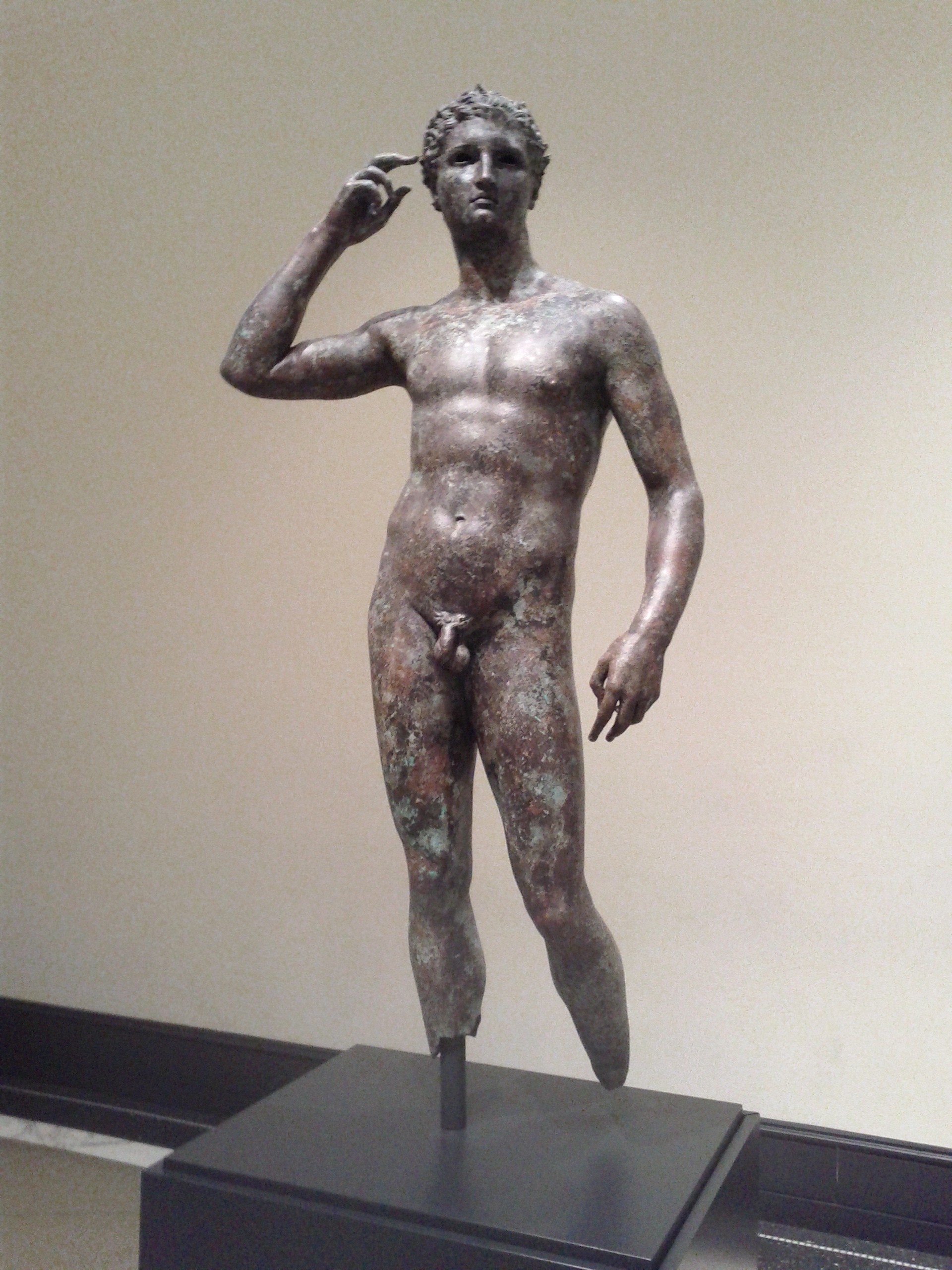
*Discovery of the Victorious Youth
*Discovery of the Victorious Youth.  See description below.

The gardens are inspired by ancient models, with species from the ancient world.villa1

Of course a visit to any museum is not complete without checking out the gift shop.

*The Discovery of the Victorious Youth (above photo): Very few bronze statues remain from antiquity.  The Victorious Youth was recovered from an ancient shipwreck in international waters in the Adriatic Sea.  It was probably on its way to Rome, where many Greek sculptures were taken to be displayed in cities and villas. The statue was found in the 1960’s and had lost its feet.  Otherwise, he’s not in bad shape.

Photos: d. king


ART/Culture – a day at the MUSEUM

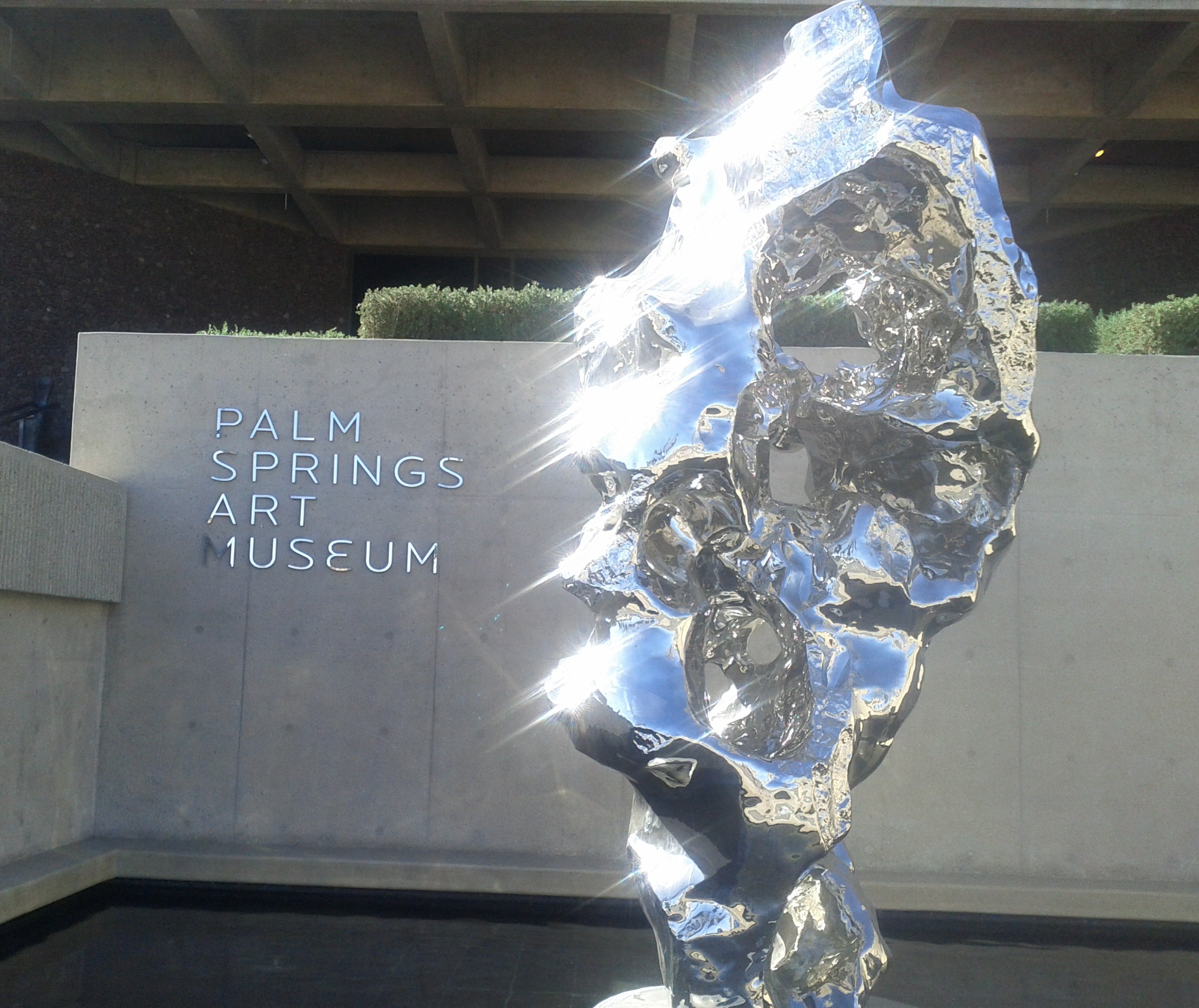
 THE PALM Springs ART MUSEUMmuseum1

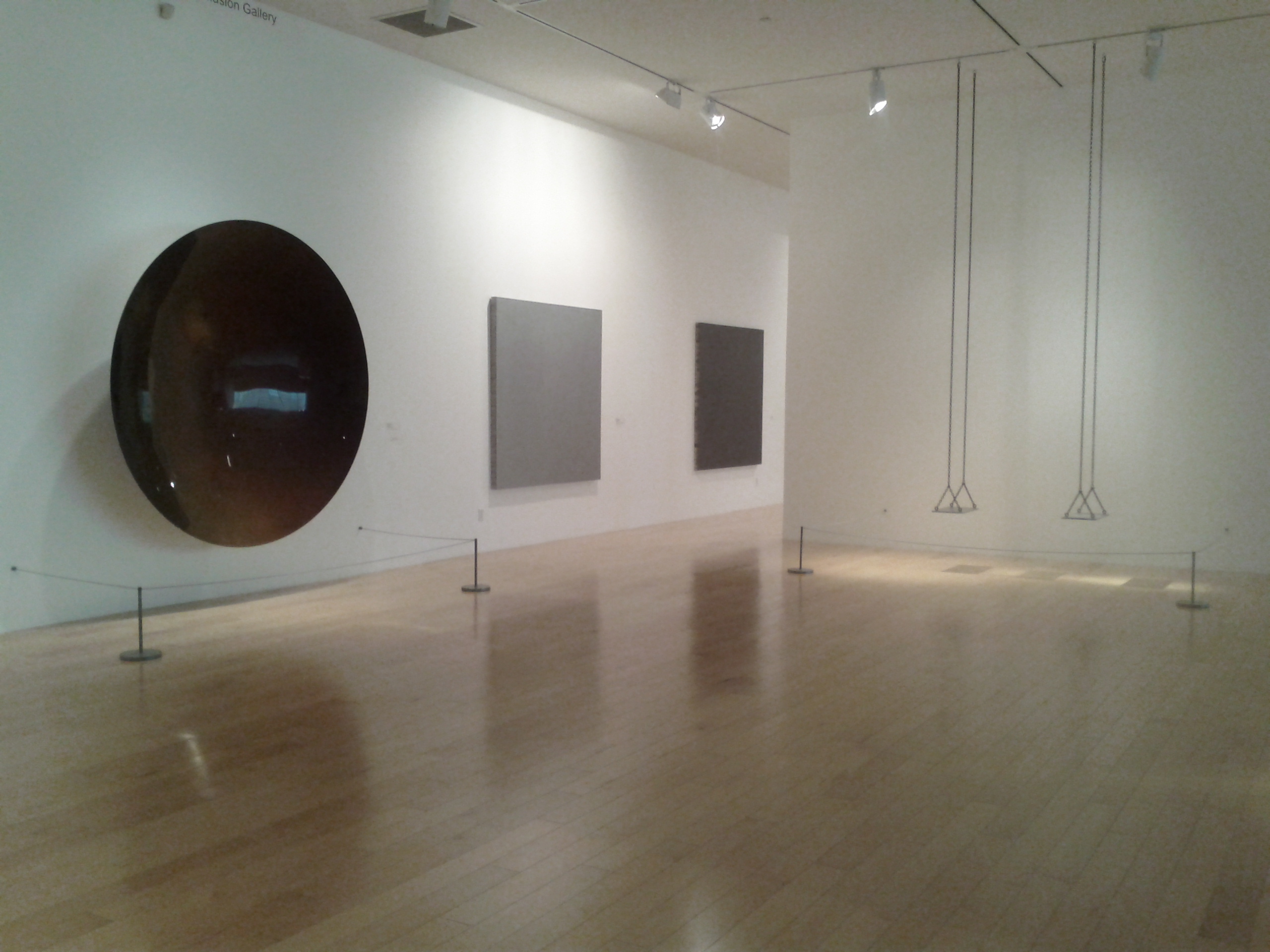
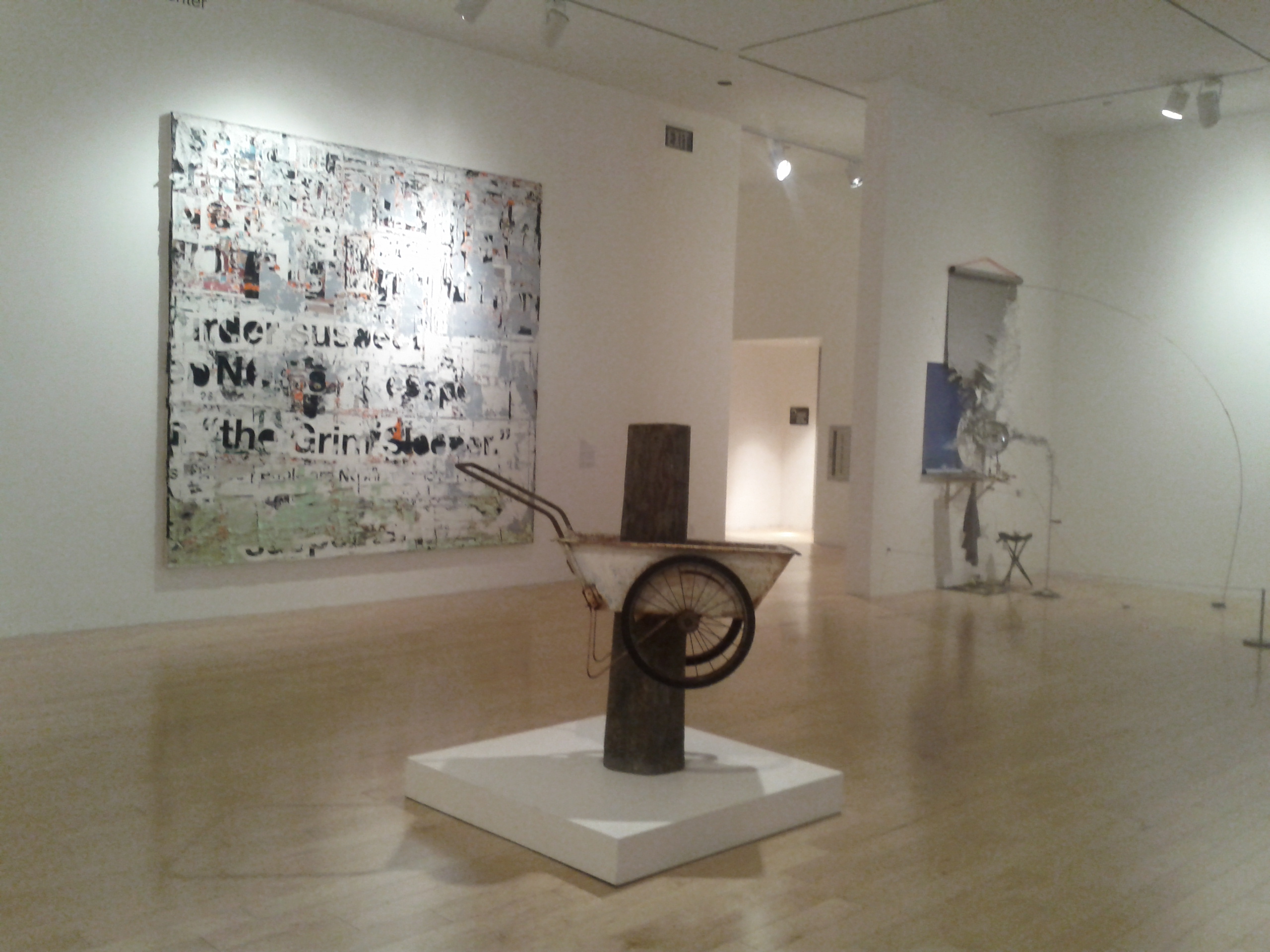
It’s always nice to visit the art galleries and museums in any city you happen to be visiting.  I really enjoyed the Palm Springs Art Museum, established in 1938.  The displays are culturally diverse, interesting, ethereal and thought provoking.  A feast for the eyes.

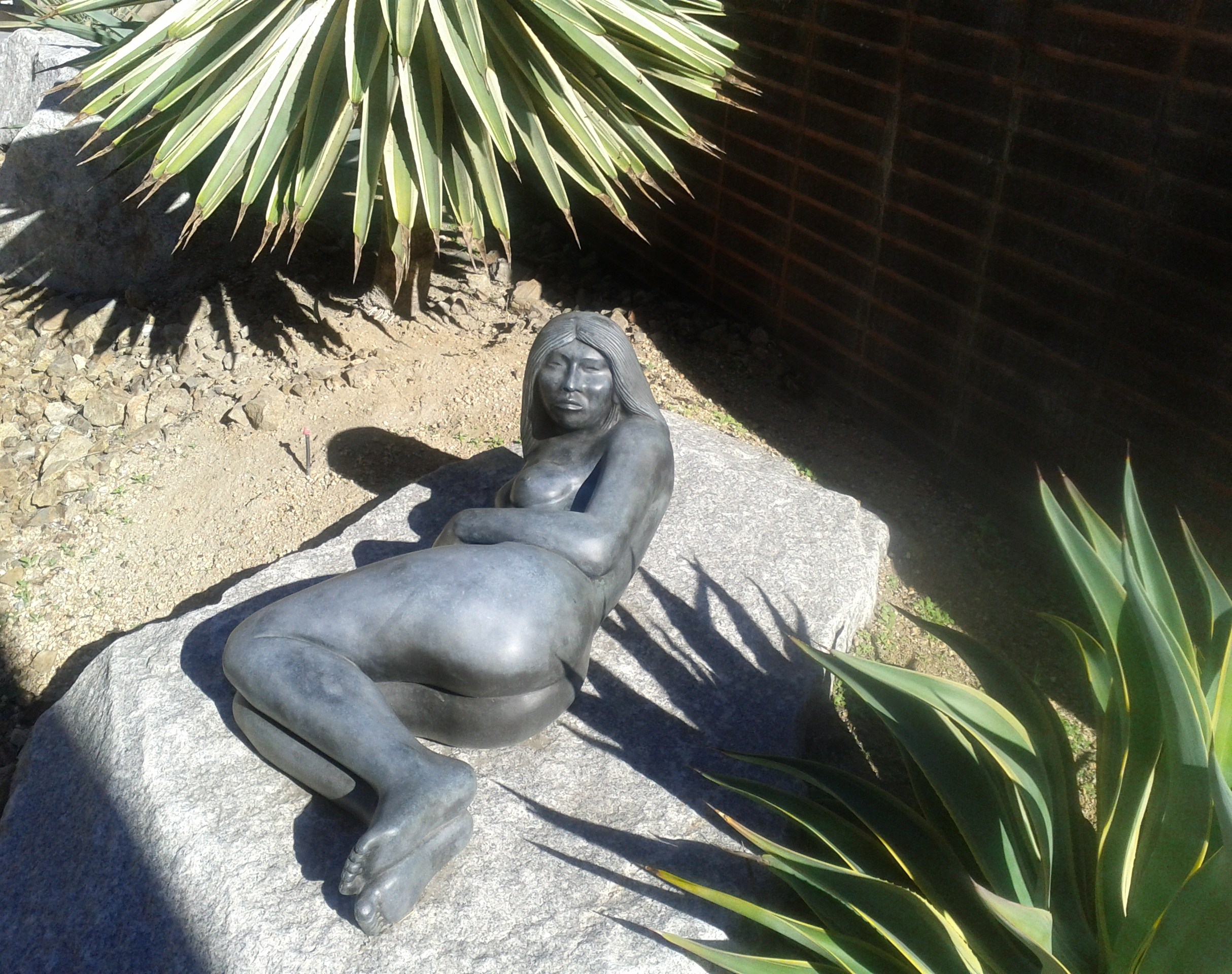
In the sculpture garden

What began as a museum about the desert has evolved into an oasis for the arts, focusing on international Modern and Contemporary painting and sculpture by artists such as Henry Moore, Barbara Hepworth, Robert Motherwell, Helen Frankenthaler, Duane Hanson, John Chamberlin, Anselm Keifer, and Anthony Gormley.

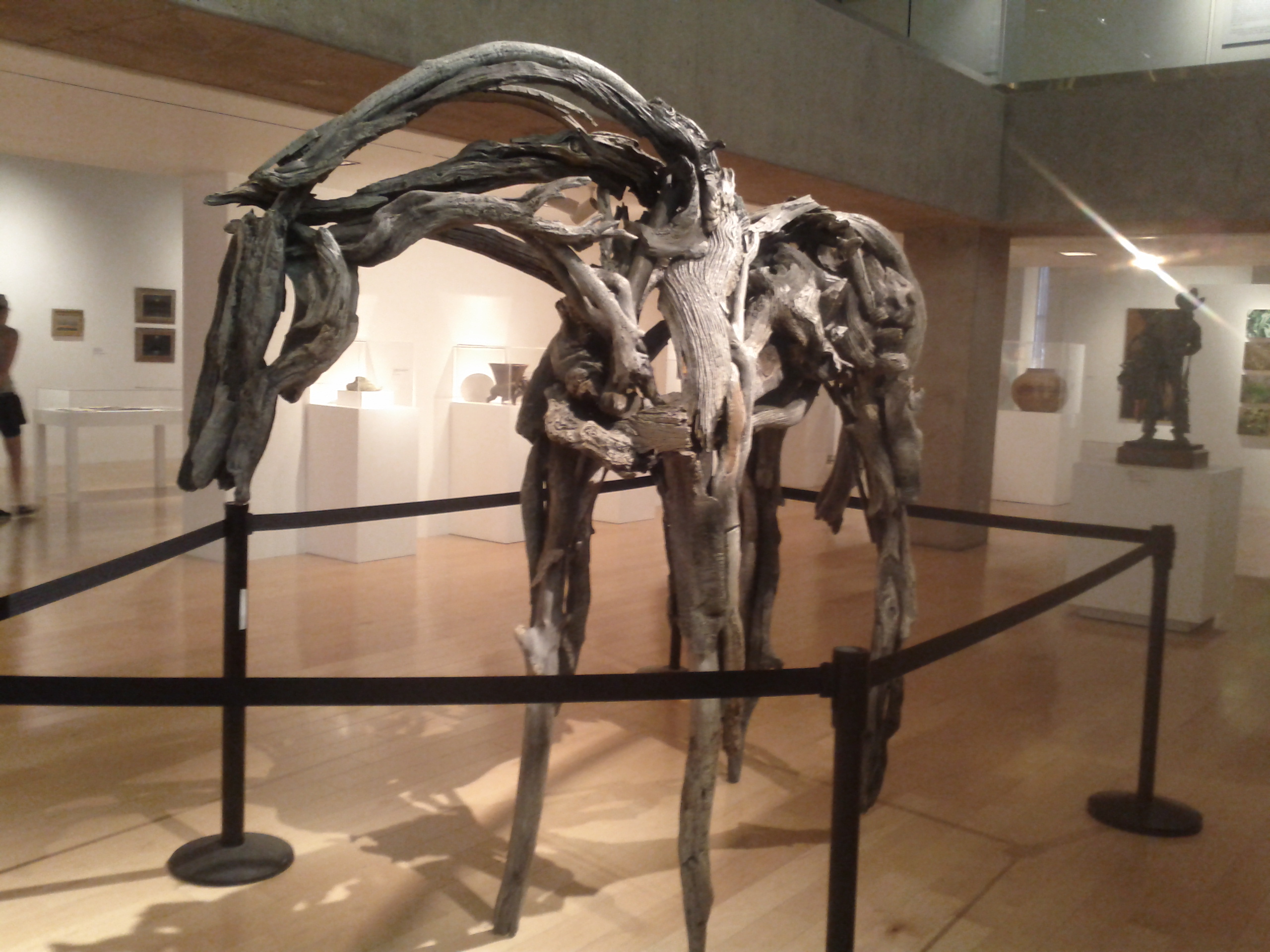
wood horse
wood horse

It includes works by historically significant west coast artists Sam Francis, Robert Arneson, Nathan Oliveira, Mark di Suvero, and Edward Ruscha, among others, as well as contemporary Native American artis

nnnnnnnnnnnnn

mmmmmmmmmm
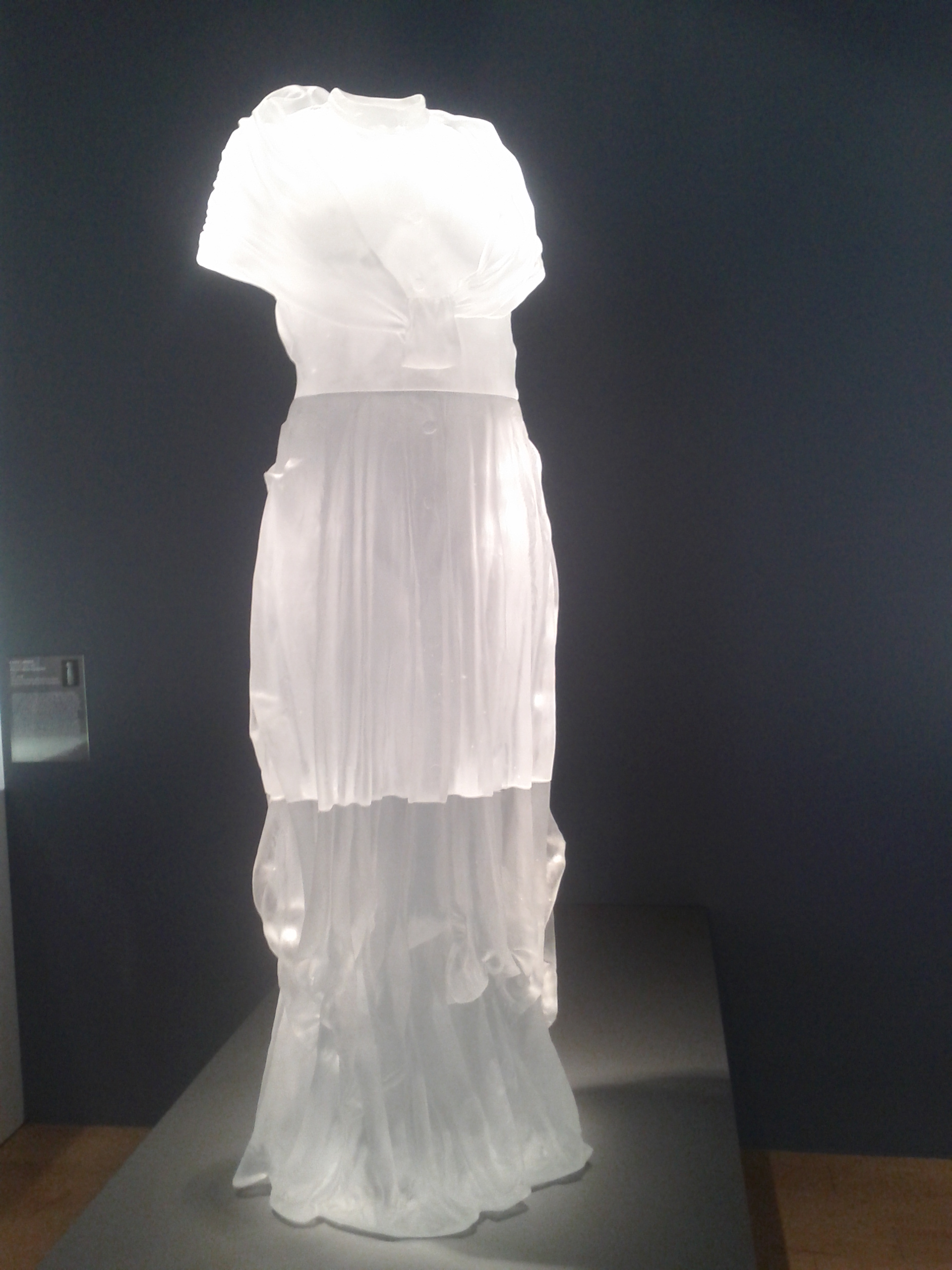
Karen LaMonte – Pianist’s Dress Impression

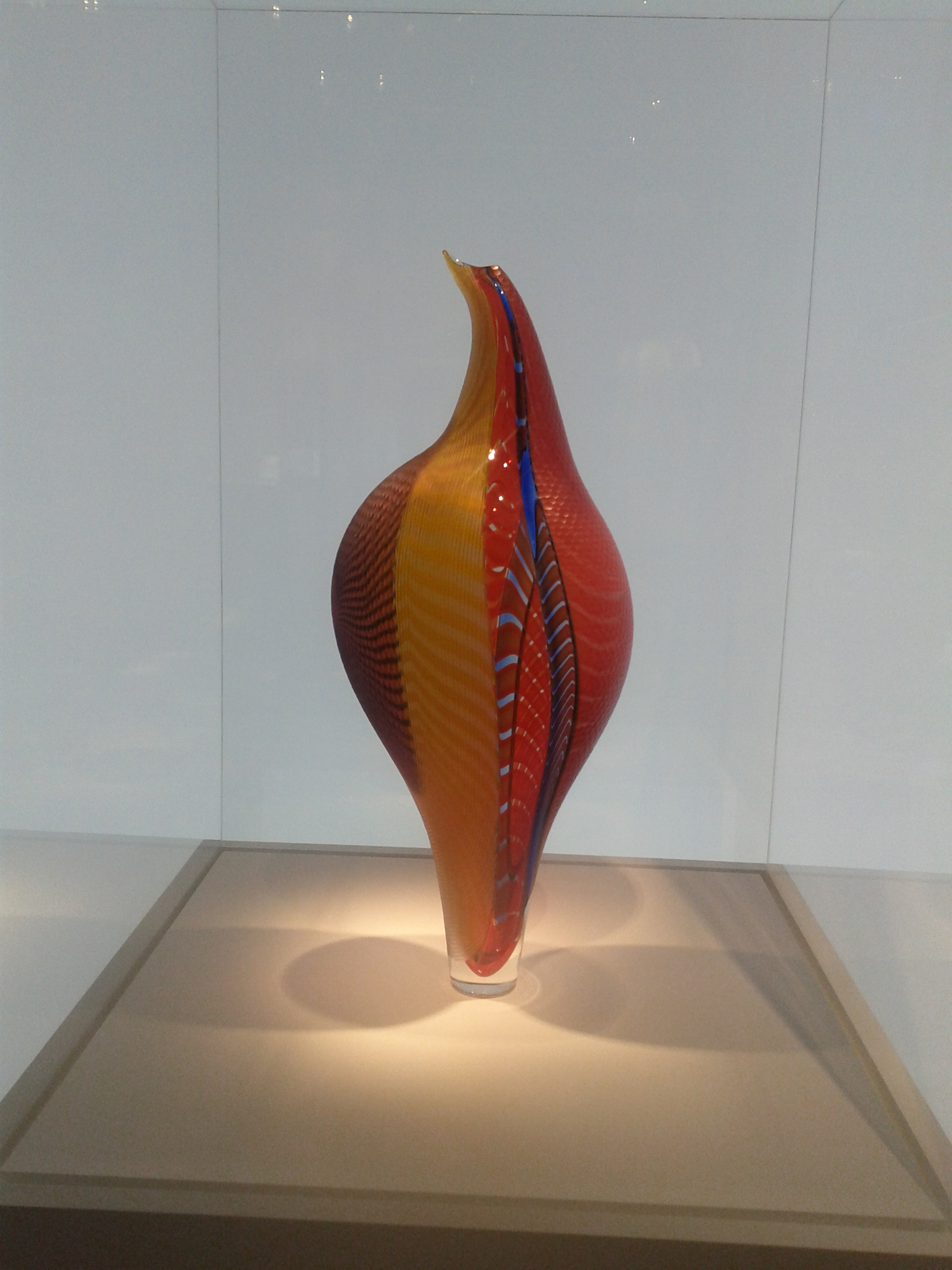
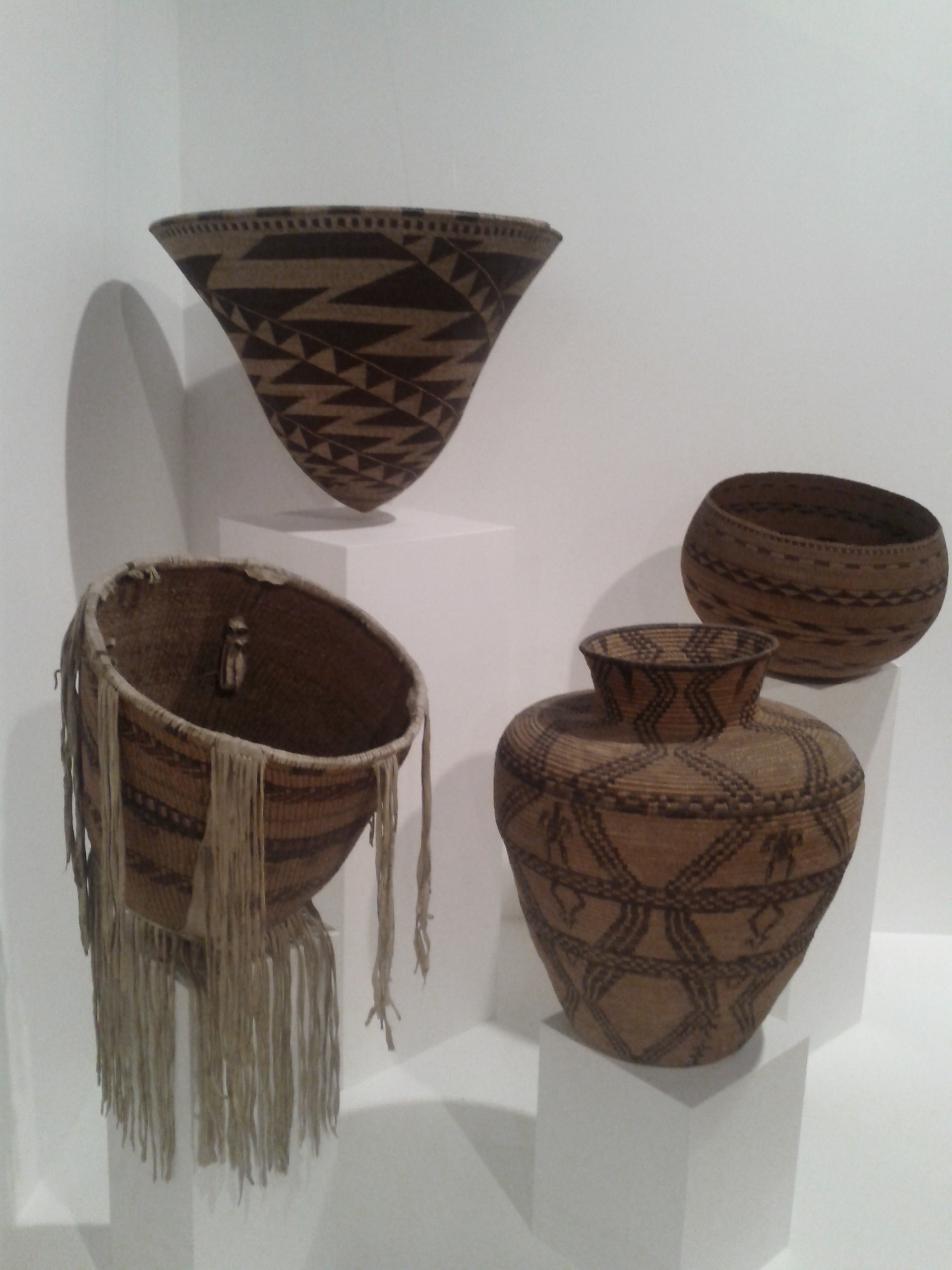
Additional areas of focus include Contemporary and Studio Art Glass by Dale Chihuly, Karen LaMonte, Howard Ben Tré, Lynda Benglis, and William Morris; Classic Western American Art by Thomas Moran, Charles Russell, Frederic Remington, Walter Ufer, and Agnes Pelton; Native American baskets; Mesoamerican artifacts; and Photography with special attention to natural, built, social, and leisure environments.

mmmmmmm
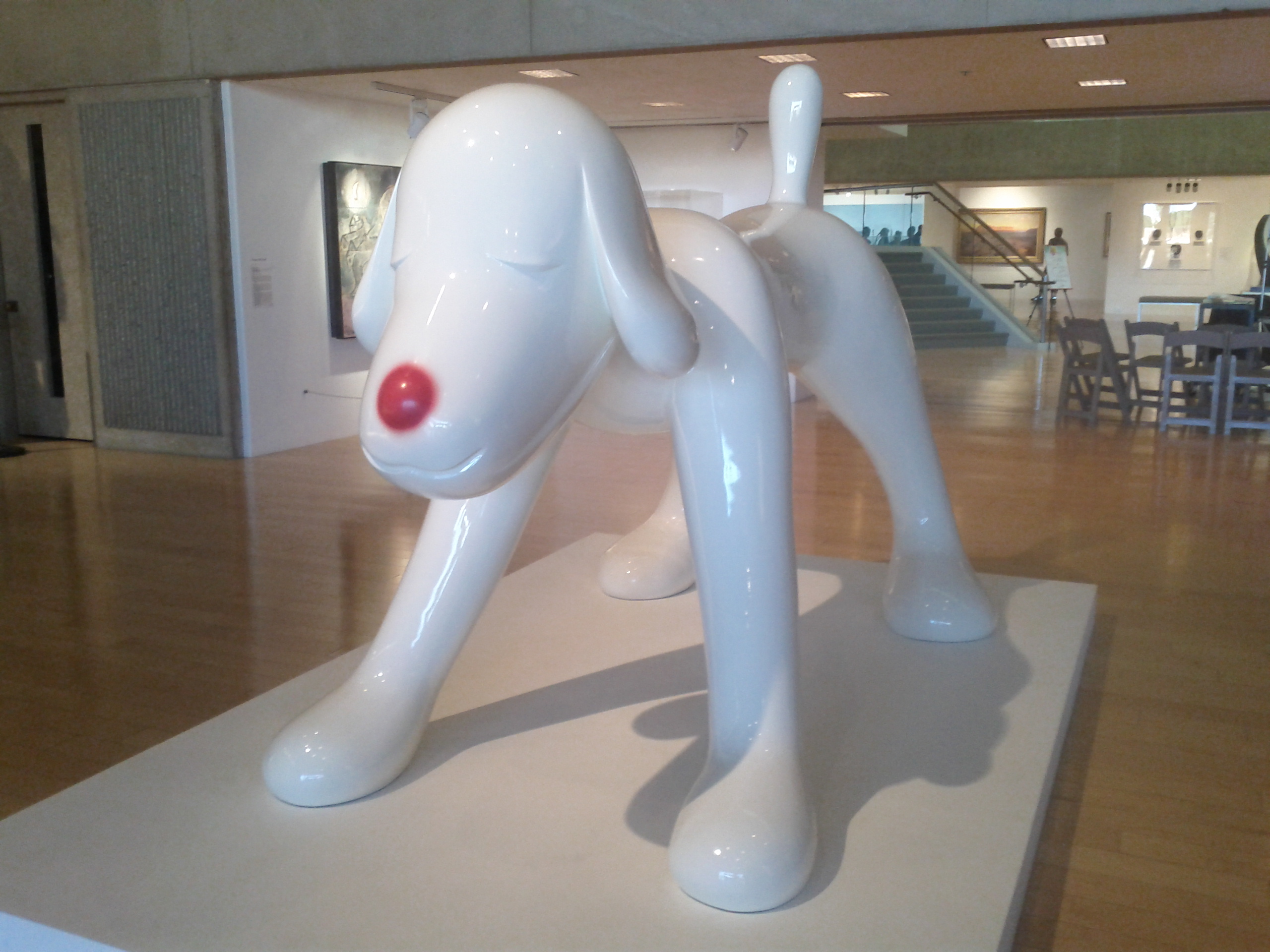
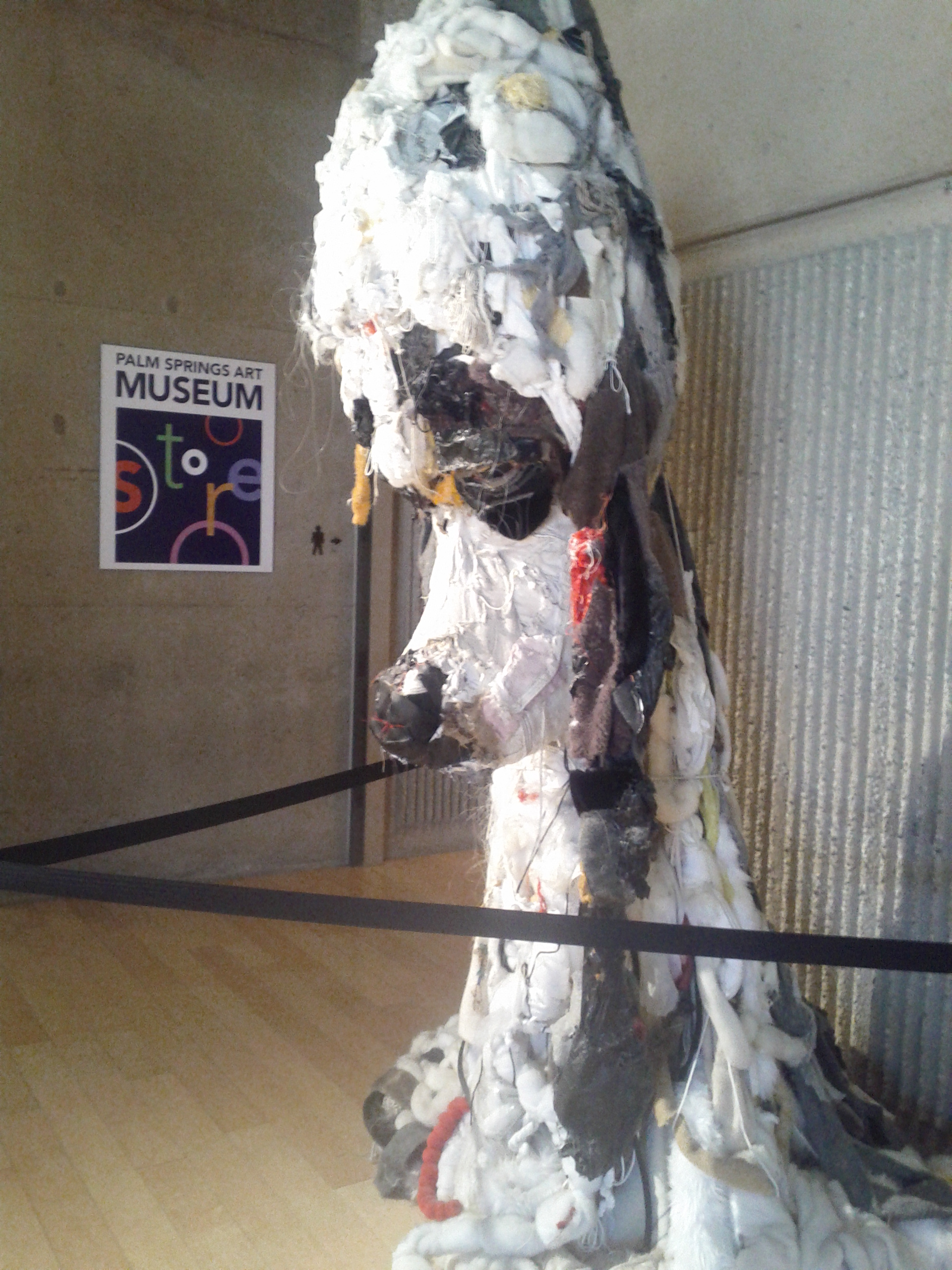
Yoshitoma Nara, “your dog” – fibreglass

bbbbbb

nnnnnnn
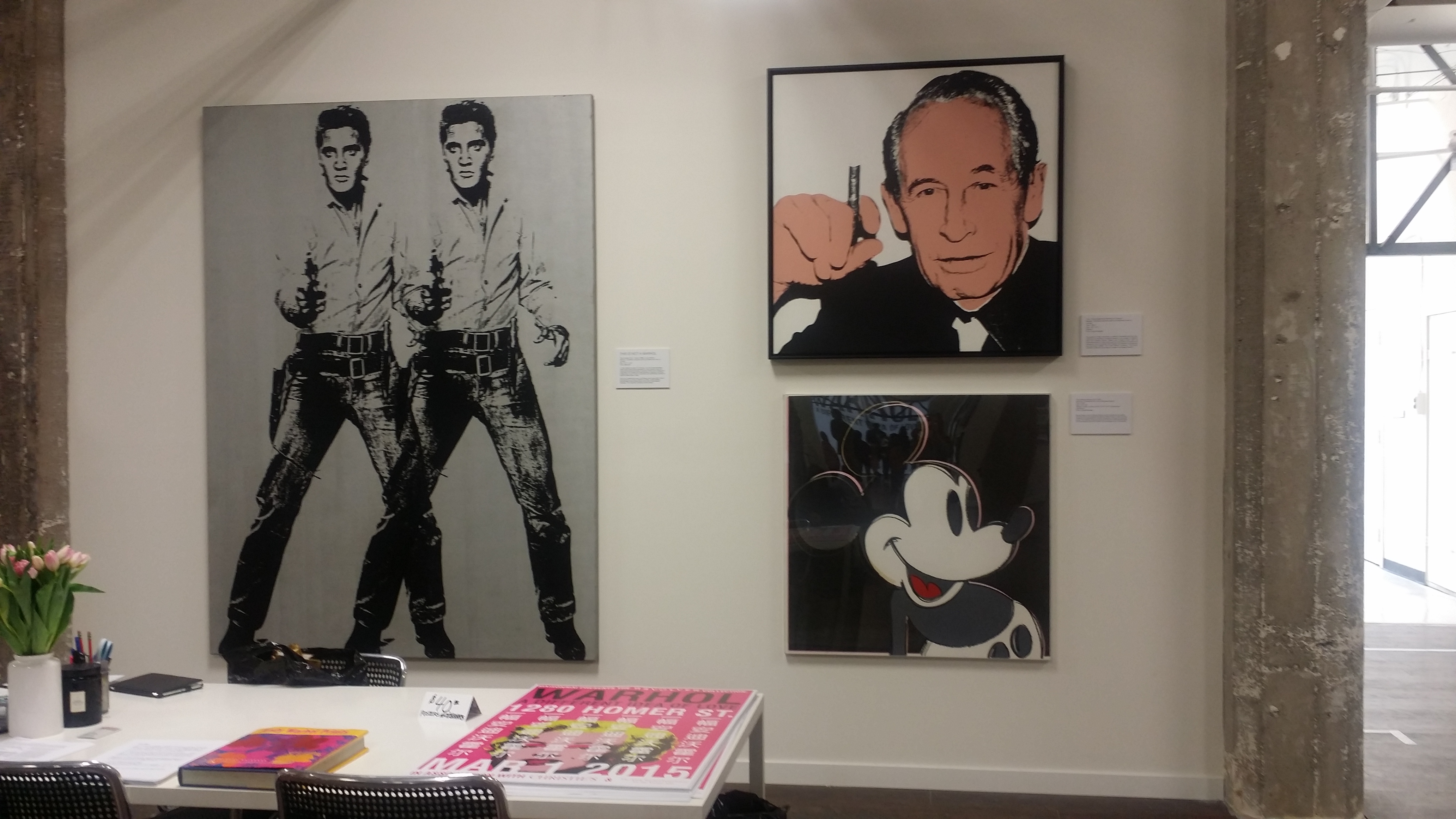
Warhol (brillo) & Lichtenstein
nnnnnnnn
Navajo – natural handspun wool & synthetic dyes
nnnnnn
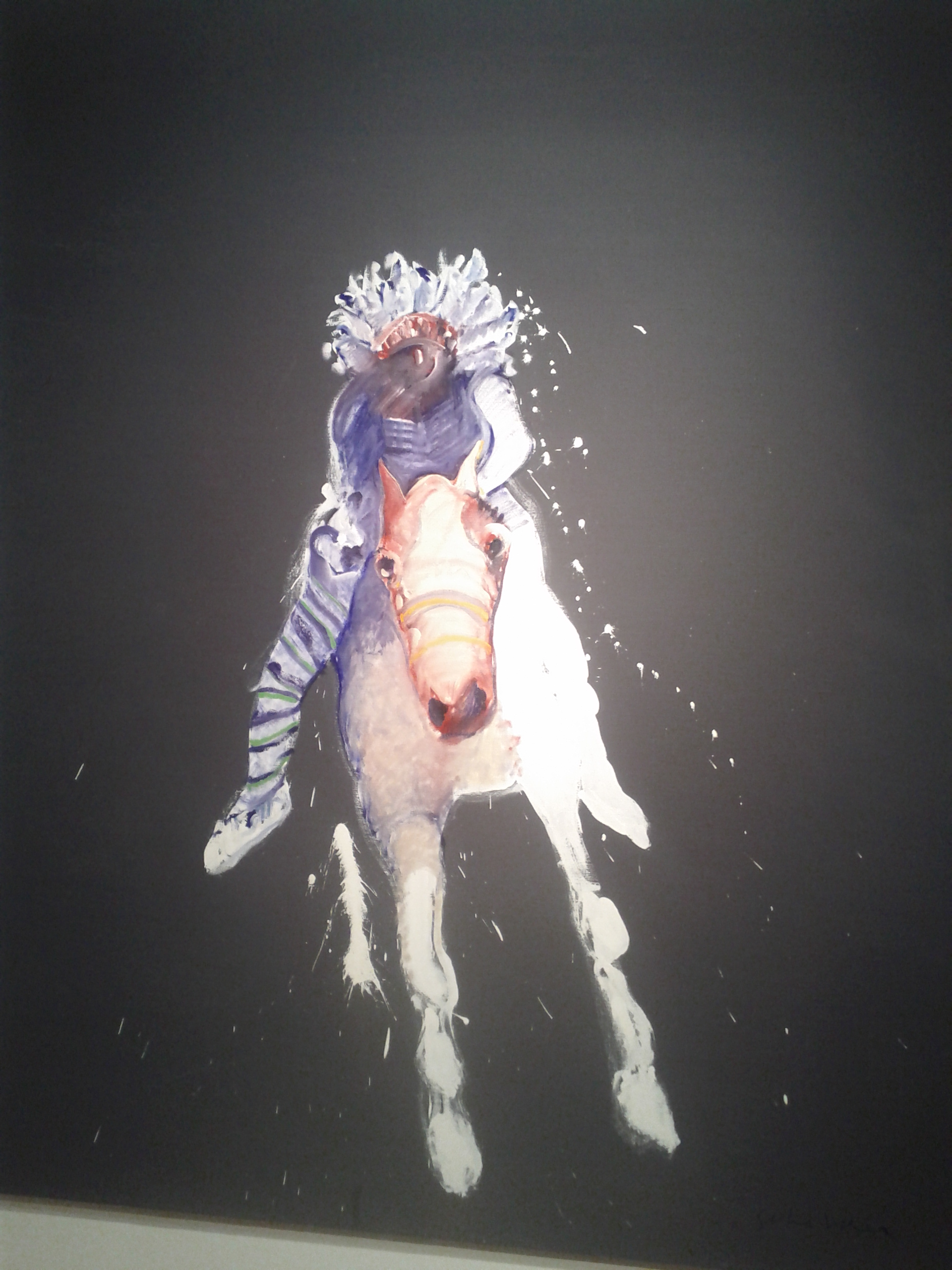
Fritz Scholder – galloping indian on horse, acrylic on canvas
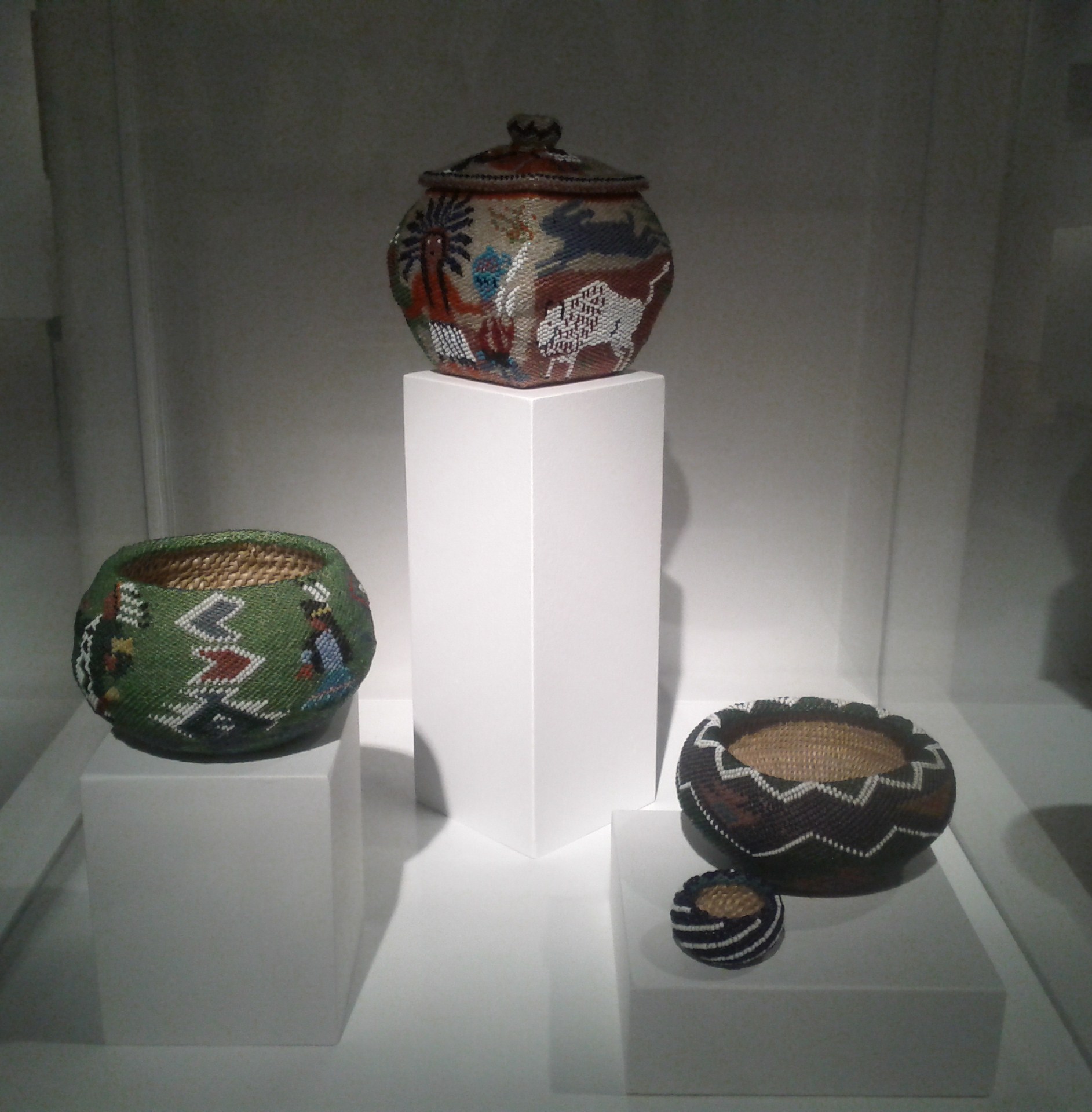
Paiute willow & glass beaded baskets

museum21

nnnnnnnn
Vladimira Klumpar, Sea Subject cast glass
nnnnnnnnn
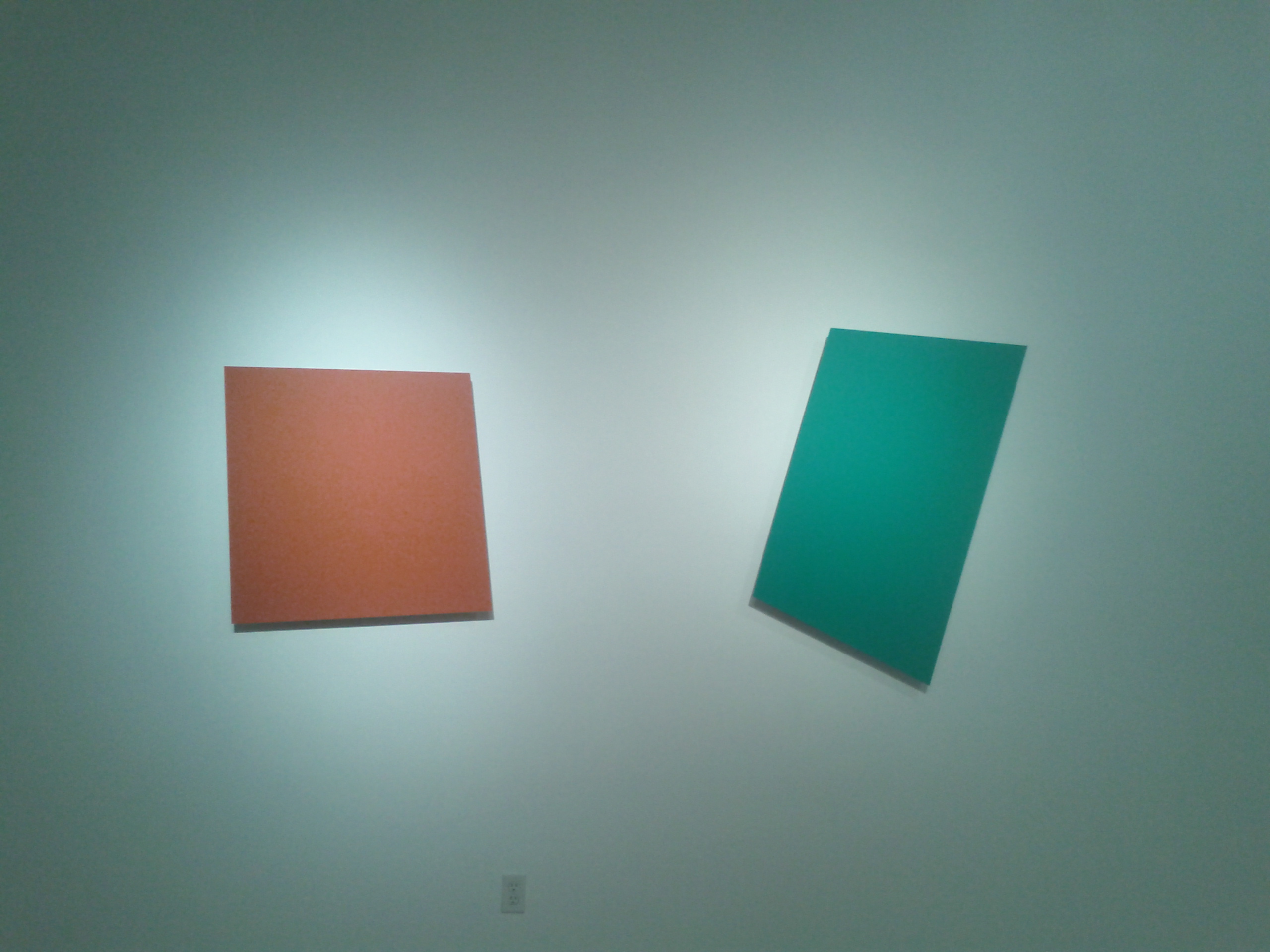
Ellsworth Kelly
Robb Putman - fabric, leather, plastic, cotton, mixed media
Robb Putman – fabric, leather, plastic, cotton, mixed media

museum19museum22museum29

I’m really glad that they allow you to take photos – no flash.

Photos: d. king

Do you have a favourite museum?


Art/Fashion – Reyle Love

Fashion and Art have always been inextricably intertwined.  dior4Think Yves Saint Laurent’s 1965 Mondrian Dress or the designs Elsa Schiaparelli conjured in the 1930’s from sketches and photos by Salvador Dali.

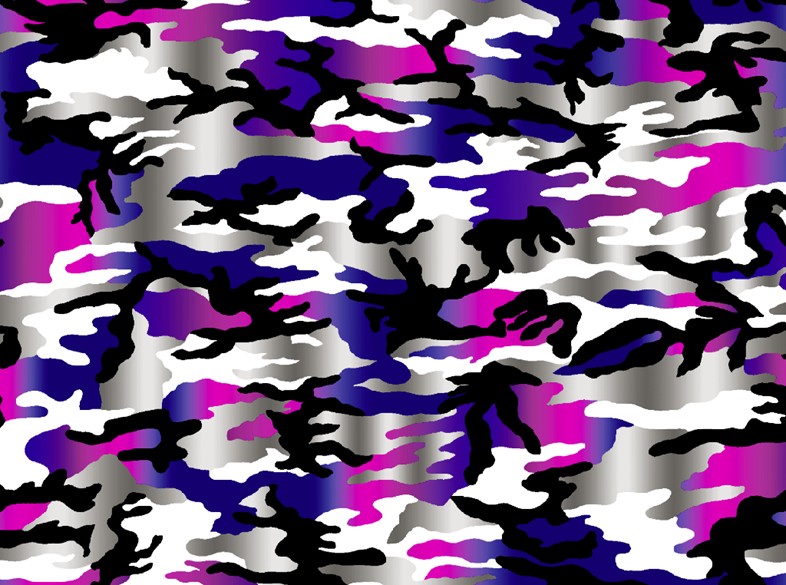
Looking back to Berlin-based Anselme Reyle’s limited edition collaboration for Christian Dior’s most fabulous accessories.dior5Known for his large scale abstract paintings and found object sculptures, Reyle delved deep into the label’s DNA, pinpointing such iconic pieces as the Lady Dior bag and infusing them with boldly toned twists or camouflage prints and just a splash of top-stitching on an ankle-strap wedge.dior5 (2)

Reyle shot to fame in late 2007, when his stripe paintings sold for six figure sums, even as works by Andy Warhol and Damien Hirst remained unsold. Earlier that year, the artist’s profile received a boost when a purple foil-in-Plexiglas box sold for $192,000 at auction in London.dior3

Reyle, whose works are characterized by bold brushwork, neon paint, 80s kitsch and silver foil,  has also showcased his work at the ARKEN Museum of Modern Art in Copenhagen, the Gagosian in New York, Tate Modern in London and also showcased his abstract work in Mumbai.

Art, Fashion – bring it on!

ART – Phantom Inspiration

“Energy and motion made visible – memories arrested in space” – Jackson Pollock

Patrice LesickSometimes a painting does not need an introduction. Such is the case with this stimulating “Phantom” abstract by Patrice Lesick (Acrylic on Canvas 77 x 64 inches – 1990).  Elan Fine Art – Vancouver.

Abstraction allows man to see with his mind what he cannot see physically with his eyes.…Abstract art enables the artist to perceive beyond the tangible, to extract the infinite out of the finite. It is the emancipation of the mind. It is an exploration into unknown areas.” – Arshile Gorky (Armenian-American painter).

Do you GET abstract ART?

Style: Artful cutting-edge

MUST LOVE MATISSE!matisse3

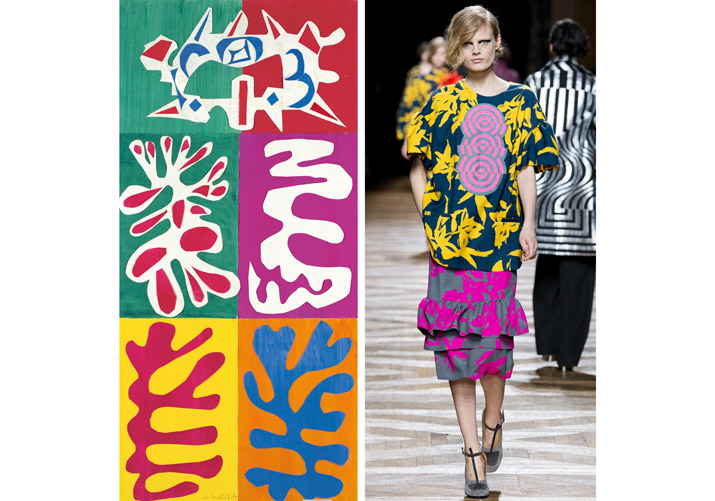
To compliment the new “Henri Matisse: The Cut-Outs” exhibit at the Museum of Modern Art, which opened October 12th, here are some Fall/Winter 2014 looks that evoke some of the artist’s most famous works.RMN108831NUThe masterful combination of contrast, line and color that Matisse was able to create with scissors is no doubt something that fashion designers today strive for as they cut their garments.matisse2

Perhaps these images will inspire you so much that you’ll want to go at your clothes with a pair of scissors…matisse1“Henri Matisse: The Cut-Outs,” is on view at the Museum of Modern Art in New York City October 12, 2014 through February 8,2015 

Maybe a scarf or t-shirt but not the whole shebang for me.  How about you?

Source: garancedore.com

Art/Abstract – a look at Joan Miró

Joan Miró (1893-1983)

Ballerina II, 1925
Ballerina II, 1925

High up on my trippy wish list is Barcelona.  Not only for fun but to pay a visit to the Fundació Joan Miró and be reminded that life is filled with colour and shape and that the small things in the world are worth noticing and celebrating.

Playful, joyful, energetic and colourful, Joan Miró’s paint language appears very simple – bird, star, sun, moon, figure, colour, surface, and so on. But like the best poets, the artist’s juggling of these elements is sophisticated and playful at the same time. The results are unique, immediately recognizable and vibrant – a delight to behold.miro1

Miró was passionate about art from an early age and after a failed attempt by his family to get him into business, he was allowed to pursue his artistic studies.  His early work was influenced by the Fauve painters and Cubism.  He admired Picasso’s work and eventually left Barcelona to live in Paris where he spent six months of each year, working alongside other artists in relative poverty.  The other half of the year he spent in Spain on the family farm.

BLUE I, II AND III
BLUE I, II AND III

Like his fellow Catalan artist, Salvador Dali, Miró is most closely associated with the surrealist movement started by Andre Breton.  While Dali embraced surrealism wholeheartedly, with  Miró it is more accurate to say that surrealism embraced him.

Constantly experimenting in his work, he was careful never to align himself completely with any one art movement. His take on the world is quirky, humorous, child-like in its depiction of subject-matter yet extremely sophisticated in its ability to comment on life’s experiences.

Dali, flamboyant, attention-seeking, extreme, takes us to the edge with paintings that show us a world that is distorted and disturbing.  Miró’s approach is calmer, more playful.  Always his own person, never interested in playing to the gallery, his work feels focused, centred, stable.  His view of the world is uplifting, fun, life-enhancing.

This one is available at Elan Fine Art Gallery - Vancouver
Available at Elan Fine Art Limited,Vancouver

Above all, Miró  reminds  us how important a sense of humour is in life and his brilliant paintings, sculptures, wall hangings and ceramics give us permission to stop taking ourselves so seriously.

Source: http://www.abstract-art-framed.com/


The ART of Collecting ART – building a great collection

First off, I am no authority on collecting fine art but I admire beautiful paintings and would like expert advice on how to build a worthwhile collection.  This means being true to my tastes while acquiring pieces that are of value.

Marc Chagall - I and the Village
Marc Chagall – I and the Village
Pablo Picasso - Girl Before a Mirror
Pablo Picasso – Girl Before a Mirror

If you’re like most people, you know how to buy art on a piece-by-piece basis, but may not be all that accomplished at formulating a plan for making multiple acquisitions over the long haul, or in other words, building a collection. You can find art you like just about anywhere you look and in an incredible variety of subject matters, mediums and price ranges, but that can be confusing as well as intimidating. So how do you wade through it all and decide what direction to go in? How do you relate one purchase to the next? How do you organize or group your art together? How do you present it? And most importantly, how do you do all these things well? This is what collecting is all about; it’s the ultimate case of controlled purposeful buying.

Great collectors are often as well known and widely respected as the art they collect. Take the Rockefeller collection, the Phillips collection or the Chrysler collection, just to name a few. Collectors like these are famous because they demonstrate just as much talent in selecting and grouping their art as the artists show in creating it. Likewise, each work of art in a great collection commands premium attention as well as a premium price not only because it’s good, but also because of the company it keeps.

Andy Warhol - Ingrid Bergman
Andy Warhol – Ingrid Bergman

What makes a great collector great is his or her ability to separate out specific works of art from the millions of pieces already in existence and assemble them in such a way as to increase or advance our understanding of that art in particular or of the evolution of art in general. In any mature collection, the whole becomes greater than the sum of the parts, the collector comes to be accepted as a respected authority and in exceptional cases, goes on to set the standards, determine the trends and influence the future of collecting for everyone.

Regardless of how you view your collecting, whether serious or recreational, there are techniques that you can use to maximize not only the quality and value of your art, but also your own personal enjoyment, appreciation and understanding of that art. Step one is being true to your tastes. This means acknowledging that you like certain types of art regardless of what you think you’re supposed to like or what seems to be the current rage. All great collectors share this trait; that’s one thing makes their collections stand out. When personal preference is ignored in favor of the status quo, one collection begins to look just like the next.  A few people dictate, the masses follow, everyone walks in lock-step, and the art you see from collection to collection becomes boring and repetitive.

Collectors who aren’t afraid to express themselves yield exactly the opposite results.

Source: artbusiness.com

A few quotes I really like:

“Art must be an expression of love or it is nothing” ~ Marc Chagall

“Art is literacy of the heart” ~ Elliot Eisner

“The aim of art is to represent not the outward appearance of things, but their inward significance” – Aristotle


Art Collecting: what makes good ART – Part Two

A continuation of my post from last Monday on the Art of Collecting ART and What Makes Good Art – answers from Art World Pros.  However this discussion will always be continuing because everyone’s opinion differs.  Here is one more:

Damien Hirst's Spot Painting - Gagosian gallery, Paris. As the title promises, Spot Paintings features borrowed and newly created works of art featuring the UK-based artist’s signature dotted paintings. Different colors, sizes, and shapes were all variations on the theme
Damien Hirst’s Spot Painting – Gagosian gallery, Paris.  As the title promises, Spot Paintings features borrowed and newly created works of art featuring the UK-based artist’s signature dotted paintings. Different colors, sizes, and shapes were all variations on the theme.

Scott M. Levitt, Director, Fine Arts, Bonhams & Butterfields, Los Angeles: 

Quality, quality, quality. This is the mysterious and subjective key to good art. In all periods of art there are good and bad works of art. I find that defining quality in representational art is easier than in modern and abstract art. The other key word is looking. Everything looks good when you first start looking at art, as you have nothing to compare it to. As you hone your eye, you begin to distinguish between good and bad. The more you look at art, the easier it is to determine what is good and what is bad.

Claude Monet Landscape Painting

Also, there are two schools of thought as to what is good and bad. Some people believe that good and bad are personal distinctions and entirely in the eye of the viewer. Others believe that there is good art and crap art and no one can tell them otherwise. I think the real answer is somewhere in between, and this is based entirely on the quality of the eye of the viewer.

Each area of art requires its own set of criteria when determining good and bad, i.e. painting, sculpture, printmaking, craft, conceptual etc. Personally I hold originality to be important in this determination. For contemporary artists that can be tough. Most of what is being created today is, in my personal opinion, not very original. To me a Mark Rothko is a masterpiece, while a thousand color-field artists after him are not. I find Pop artists brilliant and Jeff Koons completely reactionary. There is originality in contemporary art, but it is tough to find.

Mark Rothko contemplation

It is also tough when the art market influences good and bad. I would like to say that monetary value determines quality, but unfortunately they are often unrelated, as many factors can influence the value of artwork other than quality. Damien Hirst is an interesting and relatively unique artist, but I don’t think his prices at auction reflect how good he is. When one of his works is worth more than a good Monet landscape, something is very amiss.

Jeff Koons Popeye Series, Serpentine Gallery Exhibiton, London. 2003, Oil on canvas 274.3 x 213.4 cm © 2008 Jeff Koons
Jeff Koons Popeye Series, Serpentine Gallery Exhibiton, London. 2003, Oil on canvas 274.3 x 213.4 cm © 2008 Jeff Koons

I think the best “take away” here is that if you want to know what is good and what is not, you have to get out and look for yourself and make that decision. Take a year… and make it a rule to visit museums and galleries every weekend and read art-related books and magazines as much as possible in as many art fields as possible. You will have your answer. If you don’t use this approach, you will officially have no eye or ability to make these distinctions.

If you are in this purely for your own collecting interests, then look at as much art as possible in all fields and eras as I have just said. If you are in it purely to make money, then buy a subscription to Artnet or E*Trade. It’s your call.

Link from last week: https://girlwhowouldbeking.com/2014/07/21/the-art-of-collecting-art-what-makes-good-art/