Simply Satisfying – Vegan Chocolate Chip / Coconut Cookies

20140321_121356These vegan friendly cookies are yummy enough for non-vegans too.  They do not include the usual suspects (dairy such as  butter, or eggs) nor refined sugar and all-purpose flour that are commonly used to make cookies.


They include:

1 cup instant oatmeal (or rolled oats)

½ cup coconut flour

½ cup whole wheat pastry flour

½ tsp. baking soda

¼ tsp. fine seasalt

Sprinkling of ground Cinnamon (about ¼ – ½ tsp.)

¾ cup firmly packed dark brown sugar (I used organic dark cane)

1/3 cup canola oil

¼ cup almond milk (I used the unsweetened version)

2 tsp. pure vanilla extract (or 1 ½ tsp. & ½ tsp. of almond extract)

½ cup vegan semisweet chocolate chips (like Sunspire – veganstore.com)

½ cup of unsweetened coconut flakes (optional)

Note: For my first batch I used a combo of Ghirardelli milk & semi-sweet chocolate chips that were on hand.

Preheat oven to 350 F.  Line two baking sheets with parchment paper.

In a large bowl, whisk together oatmeal (or oats), pastry flour, coconut flour, baking soda, cinnamon & seasalt.

In a medium bowl, whisk together brown sugar, oil, almond milk, vanilla (or combo of vanilla & almond extract); pour mixture into the batter and stir until combined.  Stir in chocolate chips and coconut flakes.

For each cookie, drop 1 Tbsp. (or 2 Tbsp. for bigger cookies) of dough 2 inches apart onto the baking sheets.  Note: Some of the dough might fall apart as you try to drop it – just roll it in your hands a little to shape it before putting it back on the sheet.  It will still bake okay.

Bake for about 15 minutes. Let them cool slightly before moving them to a plate or tray.  ENJOY these delicious guilt free cookies.

You can try substituting peanut butter instead of the coconut flakes or even adding a bit of natural peanut butter to the mix.  I haven’t tried this yet but it definitely sounds good.

Do you have a great vegan cookie recipe you’d like to share?


Art Controversy – Barnett Newman’s “Voice of Fire”

Twenty four years ago a painting by Barnett Newman ignited a firestorm in Canada.

“In titles I try to evoke the emotional complex that I was under.” – Barnett Newman (1905-1970)

vof1

Which leads me to ask…what qualifies as art, especially in the increasingly bizarre world of modern art?

From Malevich’s Black Square, a pure black canvas, to DuChamp’s Fountain, a urinal turned upside down, modern art can take on forms from the bizarre to the mundane. This leaves many people wondering, how can these seemingly simple pieces become famous works of art?

In 1990, The National Gallery of Canada made a controversial purchase of a well-known contemporary painting by Newman entitled “Voice of Fire” referred to as “the biggest art scandal in the country.” The painting is almost 18 feet tall and features a simple red stripe on a blue background.  Although Voice of Fire hung peacefully on loan in the gallery for two years, it was the subject of public outcry when, in the spring of 1990, the gallery decided to purchase the painting for $1.76 million.  More than two decades later, the almost $1.8-million price might sound modest, but it seemed extravagant then. vof2

As Capital News reported, the purchase was so highly contested by the public and the media that it was taken all the way to the House of Commons and sparked a fad of T-shirts and ties patterned after the painting.

If the fuss over the price seems quaint in hindsight, the deeper question is: Can three stripes, no matter how monumentally presented, be considered an important creation?—is not so easily dismissed.

The popular sentiment was that nearly 1.8 million of the tax payer’s dollars was a colossal waste of money for a painting widely dismissed as three stripes of colour. “My kid could have painted that” about sums it up (ignorantly if I may say so), with a fair sprinkling of “He’s not even Canadian!”

But supporters of the acquisition held that fine art shouldn’t have to be accessible; it’s there to challenge, and to push the boundaries. Newman’s work did that, especially when on display in the Gallery, where its enormous size and bold colours really were quite startling to behold. Plus, it was a work of some relevance to Canadians, even if Newman was an American painter: it had hung in the geodesic dome American Pavillion at Expo67 in Montreal.

vof2 (2)Limiting his colours to red and blue, he created this powerful vertical canvas to be suspended from the dome’s ceiling. While it appears simple in form, Voice of Fire conveys a range of meanings. Newman intended the work to be studied from a short distance; its enormous scale transforms the space and tests our sensory experience.

If the painting was sold today it would be worth in the area of $70 million.

Genesis by Barnett Newman

Newman was born in New York City, the son of Jewish immigrants from Poland. He was known to be an articulate writer and spokesman for modern art. Newman was also very spiritual and saw his work as such. The Voices of Fire title comes from the biblical voice from the burning bush.

Taken from QueensJournal.ca & Maclean’s.ca

And as time will tell....it did!
As time always tells….it did!


Health MATTERS – How to Maximize your Diet for your Age

health3

health1 Getting older may not always be fun but it’s a part of life and you should make the most of whatever age you happen to be right now. Mistakes made in your 20’s can affect you later on but with a healthy lifestyle of exercise and eating correctly you can turn it around to become the BEST YOU possible – isn’t that what we all strive for?

Our nutritional needs change throughout the years; and depending at what stage of life we’re at, we may want to avoid certain food-related missteps and find out what foods we should be eating more of.

These tips come from dietitians (who specialize primarily in women’s health) on how to make the most of your diet for your specific age group. Of course you can take some of it with a grain of salt – but make it a tiny grain because no matter what age you’re at – too much salt intake  is never a good idea.

 In your 20s and 30s:  work, partying a little (or a lot), thinking of having kids, or chasing after young children – all while trying to fit in a social life.  Your energy needs are high, so protein should be a vital component to your diet.  Make choices now to lay the foundation for your future health.  Get lots of whole grain breads, quinoa and rice; they have been shown to slash the risk of heart disease later.  It’s vital that you reach the highest bone density possible during this stage – which means consuming dairy, and other calcium sources.  IDEAL FOODS: bananas for magnesiaum (also helps with PMS and to counter sugar cravings).  Oranges for vitamin C and to help build collagen in the bones, cartilage, muscle and blood vessels, and helps with the absorption of iron.  Spinach for folate, but if you don’t like spinach then any other leafy green vegetable.  Fatty fish, Plain Yogurt (helps your body absorb Vitamin D), Protein and Whole Grains which provide stamina and help maintain stable blood sugar levels. MISTAKES TO AVOID: consuming too much caffeine, pop and alcohol (all of these diminish calcium).  Not eating regularly throughout the day and cutting out necessary food groups (for example, not eating carbs in an effort to lose weight, or cutting out dairy).

my brain says right but my heart says left

In your 40’s: this is prime time for preventing health issues in later life.  You’re probably busier than ever, but you may not be as physically active as you once were.  Good-for-you fats found in high-quality mono and polyunsaturated oils (like olive and canola) are great choices.  Try to eat more fish, and boost your grain and fibre intake.  IDEAL FOODS: lemons for detoxifying, purifying effect on your skin and organs.  You can toss slices into a glass of water or hot tea.  Fish with the omega-3 fatty acids for helping your skin stay hydrated and they have an anit-inflammatory effect. Eggs which are high in protein and zinc which help the body absorb Vitamin A.  Almonds are a “good” fat as they contain vitamin E and calcium.  Apples as a source of fibre and protein.  MISTAKES TO AVOID: eating too much (change portion sizes), not eating enough protein, eating too many takeout or convenience foods (high in fat & salt) and eating low-fat foods that are high in sugar (read the label and check the amount of sugar).  You do need some fat in your diet (it keeps you looking younger) but the right kind.

In your 50’s: Iron becomes less of an issue once you stop having periods so it’s okay to eat protein sources other than red meat.  However, you still need plenty of calcium to protect your bones, so load up on dairy and other souces of calcium.  The onset of menopause brings a host of changes that can be mildly annoying (body shape, hot flashes, sleeplessness) to debilitating. Now is a good time to boost your intake of antioxidants in order to prevent common chronic conditions that can occur later (cardiovascular disease and the big “C”).  Eating plenty of fibre and water are essential for healthy bowels.  IDEAL FOODS: Soy contains high levels of phytoestrogens (helps to balance hormones) and tofu is a protein that has been shown to have a positive effect on bone density.  Lentils (plant-based proteins) can help to regulate hormones.  Fresh vegetables are high in natural fibre and will help prevent fat from being deposited around your stomach. Watermelon and other fruit with a high water content (like apples, grapes) keep up the natural hydration levels in your body.  MISTAKES TO AVOID: eating too much as your metabolism slows down, eating mindlessly, drinking too much coffee or alcohol (they worsen sleep and any sleeplessness, anxiety or depression you may be experiencing.  Too much spicy food can exacberate hot flashes.

In your 60’s and beyond: Unfortunate as it sounds, the older you are, the more likely you are to develop a chronic ailment like high blood pressure, diabetes, arthritis, etc.  Low-salt, nutrient-rich foods are essential for your continued good health.  Try to get more omega-3 and 6 such as nuts and seafood as these have been shown to combat memory loss, depression, cancer and Alzheimer’s disease.  I know this all sounds pretty depressing but it’s in the numbers – you can help prevent a lot of the ailments or at least help postpone them.   Eat  yogurt regularly and maintain a high-fibre diet.  IDEAL FOODS:  blueberries are packed with antioxidants and great for circulation and for healthy brain function. Fatty fish, Macadamia nuts for preventing high cholesterol, Spinach is one of the highest sources of lutein (an antioxidant that can help stave off macular degeneration, a leading cause of visual impairment.  MISTAKES TO AVOID: eating too much salt, not drinking enough water, not eating regularly enough (5 small meals throughout the day is better than 3 big meals), eating too much saturated and trans fat which make circulation sluggish and affect brain function.  Nobody wants that at any age!

This is my idea of an ideal healthy meal - all in good taste
This is my idea of an ideal healthy meal – all in good taste.

 And remember, exercise is important for all ages.

Also, while I’m at it:

*Don’t miss listening to “Transforming Healthwith host Brad King for the most evocative and informative up-to-the-minute interviews with leading health professionals – Live every Wednesday @ 12PM-PST/3PM-EST on VoiceAmerica.com – #1 internet radio station in North America.  Here’s the link: http://www.voiceamerica.com/show/1686/transforming-health

Beauty biz – what’s preserving your products?

cosmetics3The good news and the bad on what’s keeping your cosmetics.cosmetics2

For the purpose of keeping this post fairly short I will omit the other (mostly unpronounceable) family names like “Imidazolidynyl urea” that are also used to name the various preservatives mentioned.  If you need to know, you’ll have to google “what other names does “said” preservative go by,” because the list can be unfortunately extensive.

While many people want to avoid chemical preservatives in beauty and personal-care products, manufacturers use them for two crucial reasons: efficacy and consumer protection.  Preservatives aren’t required in all products (e.g., those with no water, such as oil-and wax-based lip balms; hermetically sealed products; and glycolic acid products with low PH). But where they are needed, they extend a product’s shelf life and prevent microbial growth that could lead to infection.  Without preservatives, whether natural or chemical, we’d need to keep products in the fridge (where incidentally, I do have a bunch hiding in the butter compartment – but no butter).

cosmetics1Here’s a glossary of some commonly used chemical preservatives, with information on their safety.  If you check the ingredients list on cosmetics, this post will help you with the latest info.

Parabens:

Found in moisturizers, hair-care products, makeup and shaving products.  They are commonly used as a preservative; effective against a wide range of bacteria, yeast and moulds, thus protecting consumers and extending product shelf life.  All commercially used parabens are produced synthetically (although some also occur naturally as preservatives in certain fruit), and are generally used at concentrations of 0.3% or less.  They come in multiple names like methylparaben and ethylparaben, etc.  What you need to know is that if it ends with paraben then it is paraben. A small scale study in 2004 detected parabens in breast tumours however the study was found to been flawed (?) and there has been no known relationship between exposure to parabens and increased cancer risk. Still, the proverbial horse has left the barn, with many companies opting to go paraben-free.  Why take chances?

Phenoxyethanol:

Found in eye makeup, foundation, skin-care products, moisturizers, hair-care products, facial cleansers and sunscreen.  It is often used as a carrier or solvent in combination with other chemical preservatives.  Many companies that have turned their backs on parabens use phenoxyethanol instead.  The cost is low.  Health Canada considers it to be safe and does not place restrictions on the levels while Japan’s standards for cosmetics restricts the concentration to one percent.

Formaldehyde Donors:

Found in skin and hair-care products and nail polish. They’re effective against bacteria but weak against yeast and moulds, and are therefore combined with stronger chemical preservatives to assure a long shelf life.  Japan’s standards for cosmetics restricts their use due to safety concerns regarding the release of formaldehyde.  They’re considered safe by the European Union’s Cosmetic Directive and by Health Canada (interesting) at up to 0.2% concentration.  I say you make the decision because regulations are all over the map…literally.

Methylisothiazolinone:

Found in hair products, liquid soaps and some other bath products, some hand creams and sunscreens.  This chemical acts as a strong anti-bacterial, but is weak against yeast and moulds.

Triclosan:

Found in anti-bacterial soaps, hand and body washes, mouthwashes, deodorants and toothpastes.  A synthetic ingredient used primarily as an antibacterial in personal care products, but can also be used as a preservative to slow the growth of microbes and to prevent spoilage of the product.  The Government of Canada confirmed in March 2012 that Triclosan in “significant amounts” may pose a risk to the environment. The scientific data is currently being reviewed by the CCTFA (The Canadian Cosmetic, Toiletry and Fragrance Association.

Other preservatives including natural ones:

You might also see ingredients like glyceryl caprylate, caprylate glycols and ethoxydiglycol.  They may be naturally derived or synthetic.  They have limited efficacy on their own, but they might boost the efficacy of other preservatives.

Natural preservatives (e.g., turmeric and rosemary) may have some drawbacks, such as strong odour and colour, or, like orange-seed extract, have low efficacy.

Another group is the acidic preservatives such as benzoic acid and sorbic acid.  These two molecules are found in nature.  The weak preservative properties of these two acids are improved whenever the PH of the product is low, but there is a drawback: the lower the PH, the higher the potential for irritation to skin.

This in part was taken from an article written by Ann Chandler for “Look Great.”

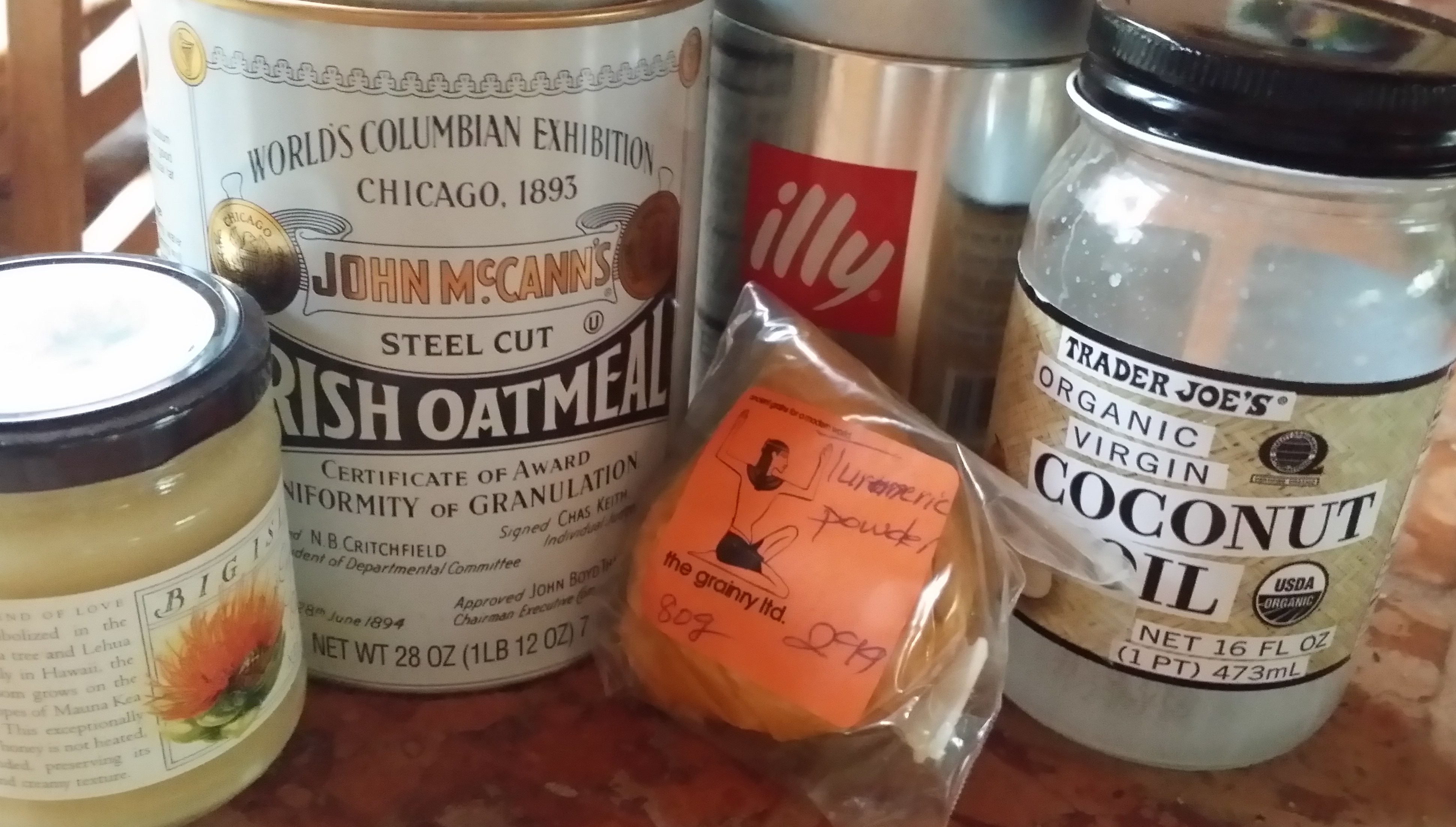
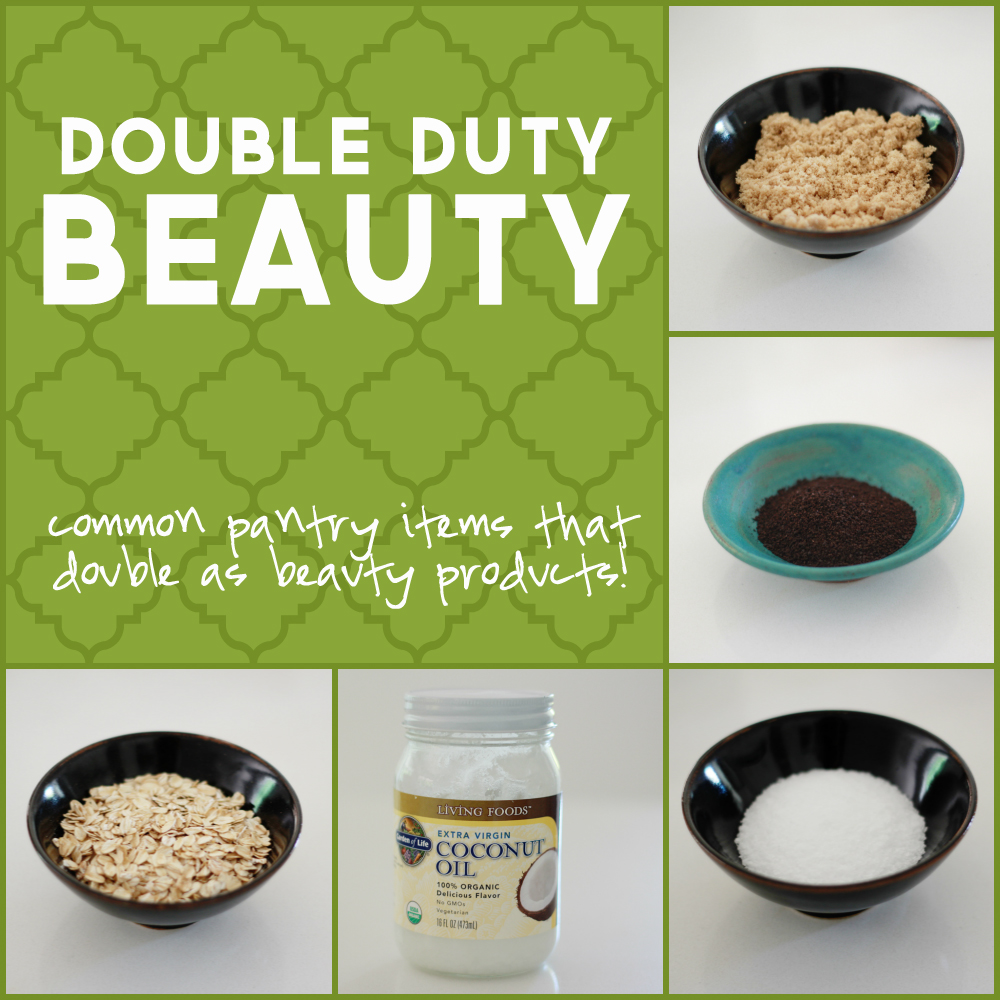
I’d like to share some kitchen ingredients that can work wonders for various skin issues in another upcoming post. You’ll be surprised at what manuka honey, oatmeal, coconut oil and turmeric (all good for you to ingest) can do to combat skin problems from acne to hyperpigmentation.

Back to regular beauty product reviews next Thursday.

spoiledimage - CopyYou can try http://getspoilednow.com for 100% natural face products that not only do wonders for your skin but smell good too.

 Is there a natural personal care product that you recommend?

style: the ART of dressing

ARTALLURE2 - Copy

ARTALLURE2 - Copy (2)DOES THE ART WEAR YOU or DO YOU WEAR THE ART?

Crossing the line between fashion and art becomes more blurred when we look to the current examples of how fashion is presented, evident on the Spring/Summer 2014 runways.artstyle10

There are moments when designers become artists, artists become designers, or both entities becomes something different entirely.

artstyle11The key differences: fashion is, by its nature, a fleeting thing. You’re in fashion one moment, and out of fashion the next. A good work of art should stand the test of time, not the test of taste.  Art and fashion do sometimes fuse, with mixed degrees of success.artstyle1

The genre of fine arts and fashion design bare the affect of trend and social temperature, but their changing relationship to one another is also reflective of society as a whole. Perhaps some collaborations are more successful than others, but what is primarily important is the dabbling, the mixing, and fantastic results that come from the imaginative play of the creations. Furthermore, designers are always pressured to come up with something fresh for all the different seasons.  I think there might be five seasons now, if you consider RESORT as one.  artstyle7

You can decide from the images shown on this page what and how you would integrate this look into your wardrobe.  Let’s have some FUN!artstyle4

artstyle6Are you an Artful Dresser?artstyle1 (2)artstyle10photoEerikMadiga

I love this Chanel purse that has the address of the design house
I love this Chanel purse that has the address of the Paris design house.
the ARTful nail - as seen in Allure Magazine.  Who has the time?
the ARTful nail – as seen in Allure Magazine. Who has the time?

Simply Satisfying – Panko Baked Chicken Fingers

pankochicken4These are a healthier alternative to the chicken fingers that are served in restaurants and they taste great. These are good the next day, too & make a tasty snack or appie.

Ingredients:

1/2 tsp (2 mL) Dijon mustard
2 egg whites
2 cups (500 mL) panko (Japanese-style bread crumbs)
1/2 tsp (2 mL) paprika
1/2 tsp (2 mL) dried parsley
1 tsp (5 mL) lemon zest
Pinch each salt and pepper
2 chicken breasts (650 g total), cut into 16 1-in.-thick strips

Preheat oven to 400°F. Spray a baking sheet with non-stick cooking spray. In a bowl, whisk Dijon mustard with egg whites. In a second bowl, mix together bread crumbs, paprika, parsley, lemon zest, salt and pepper. Dip chicken in egg whites and then bread mixture, and place on baking sheet. Repeat till all strips are coated. Bake for 12 to 15 minutes until cooked through.

Makes 16 chicken fin­gers. Each: 100 calories, 12 g protein, 1 g fat (0 g sat­urated fat), 10 g carbo­hydrates, 1 g fibre, 24 mg cholesterol, 142 sodium.

Spicy Peanut Dipping Sauce

Ingredients:

2 Tbsp (30 mL) smooth peanut butter

¼ cup (60 mL) hot water

1Tbsp (15 mL) lime juice

1 Tbsp (15 mL) low sodium soy sauce

1 tsp. (5mL) Tabasco

Pinch each ground ginger, cumin, salt and pepper

Having a couple of extra dipping sauces on hand like sweet chili & honey mustard will give guests a variety to choose from and are a nice accompaniment to the fingers.


Recipe taken from Best Health Magazine


Art/Multi-Culture/Reality – “THE GAB” TV promo

GOING GLOBAL IN VANCOUVER

b logo - CopyThe link below is a teaser/promo to an upcoming new Web series called “THE GAB” that I’m thrilled to be a part of.  Each webisode will take a multi-cultural look at what some remarkable entrepreneurs with a world beat are up to right here in Vancouver. It’s “feel-good” from the inside out!

https://www.youtube.com/watch?v=cKJRK6kZx8U

 Let’s show you what this city has going on besides good looks.  All of these people and places (we call them hidden gems because some are found a bit off the beaten path) are top-notch in their area of expertise.  Art, Music, Beauty, Fashion, Food, Health & Healing.

We’re pleased to present this to you.  You can leave feedback and subscribe to our website at http://TheGabTV.com

May the luck of the Irish be with you.  I'm half Irish!
May the luck of the Irish be with you. I’m half Irish!

While I’m at it…..Happy St. Patrick’s Day!