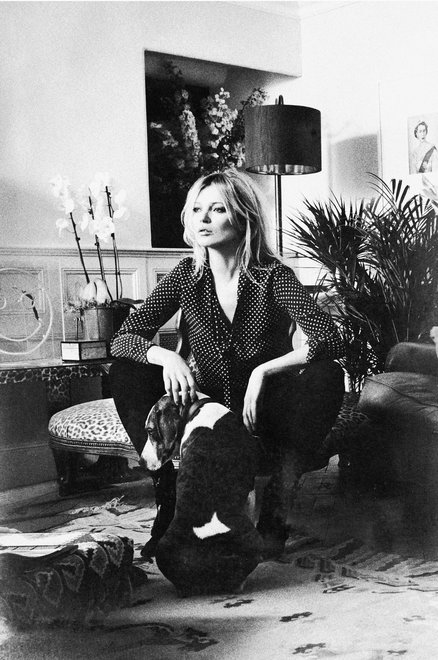
When Kate Moss, one of my favourite style icons, designs a signature capsule collection for Equipment, which just happens to be my favourite silk shirt brand…
It’s a match made in fashion heaven.
I especially love their silk button-down blouses. Because you know…there are your everyday button-downs, and then there’s Equipment.
Kate’s Inspiration when asked about the collection: “it is representative of my everyday style. A little 90’s, a little rock ‘n roll, a bit of an edge with a subtle nod to Bowie.”
It’s officially barbeque season and even though I’m no authority on how to barbeque, I can manage a pretty mean homemade rub and barbeque sauce. But my thoughts are elsewhere right now. It’s on cobalt water and wearing a white bikini while walking barefoot on white sand (in a perfect world). Long days and margaritas are part of the picture. Yes, I love culture and nature….
BEST FOR STRAIGHT-UP RELAXING: MATIRA BEACH (BORA BORA) Photo: Tahiti.com
Museums are nice. Nature hikes have their place, But when it comes to vacation, I also want a beach, dammit. It’s not only for the pure beauty and relaxation, there is so much to discover beneath the sea.
BEST FOR FUN AND GAMES: IPANEMA BEACH (RIO DE JANEIRO, BRAZIL) There’s too much activity, beauty and *teensy bikinis at this photo-worthy stretch of sand. photo: amre/flickr
*Talk-show host Ellen said she flosses her teeth with more string than the bikinis.
Over time I snorkeled in the Philippines, Hawaii, French West Indies, Cayman Islands and the Red Sea; scuba dived in the Bahamas, Mexico and all over Jamaica. It was all I wanted to do for a long period of time. I met lion fish, parrot fish, nurse sharks, sea turtles and almost everything in between and it was my favourite finding Nemo world. But I also got to appreciate that we need to protect – our vast eco system.
BEST FOR PEOPLE WATCHING: BAIE DE ST. JEAN (ST. BARTS, FRENCH WEST INDIES). See sunbathers plucked straight out of Vogue. No, really! photo: John M/flickr
So on this post, nine vacation places in the world every sand-worshipper needs to take once in her lifetime.
BEST FOR SWIMMING: LANIKAI BEACH (OAHU, HAWAII). The name translates to “heavenly sea” – you’ll sea why! Photo: Brian Hancock/flickrBEST FOR SURFING: BONDI BEACH (SYDNEY, AUSTRALIA) photo: Impressions/Getty ImagesBEST FOR SUNSETS: CAPTIVA BEACH (CAPTIVA ISLAND, FLORIDA) photo: Ray Terril/flickr
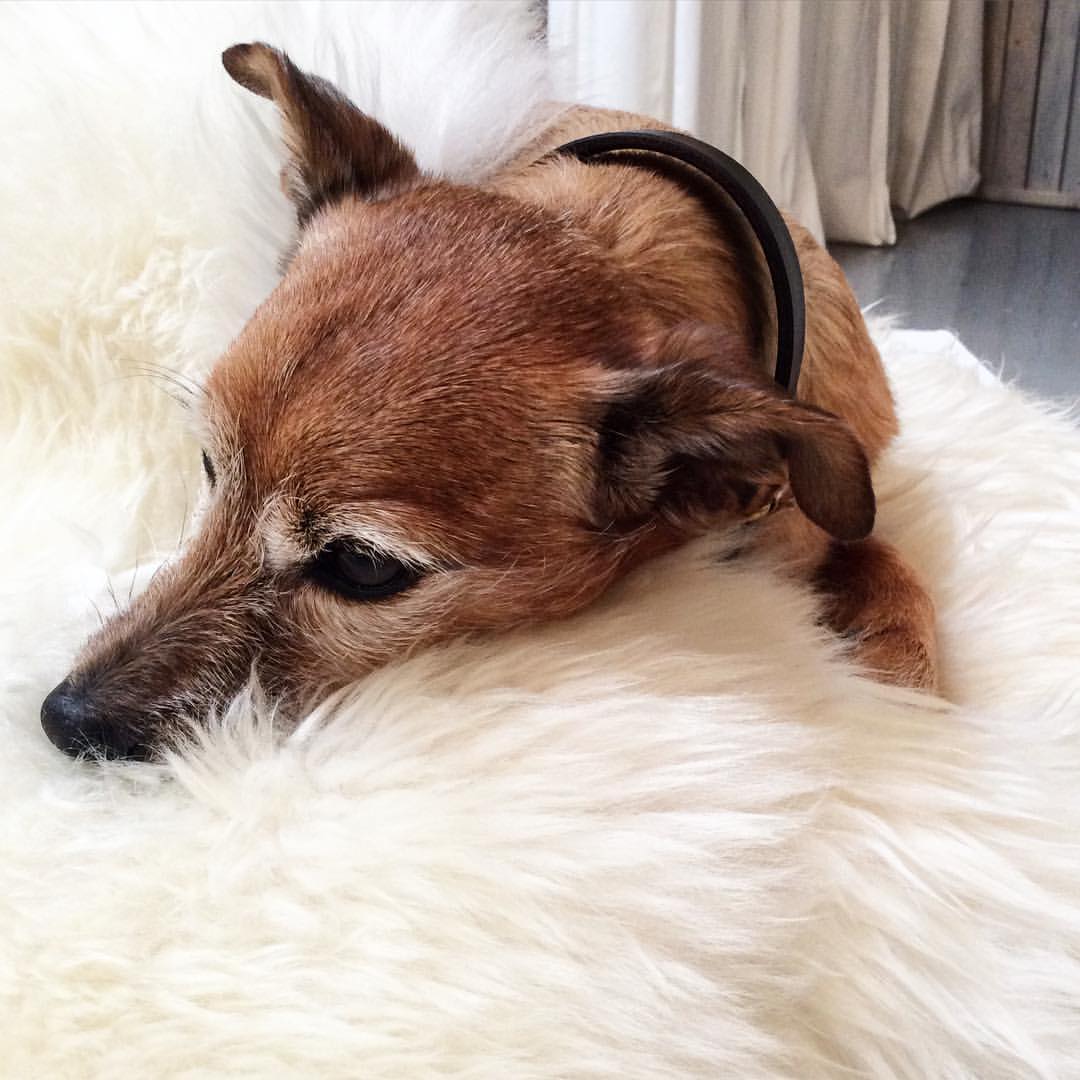
Set just off Florida’s Fort Myers beach, Captiva is known for its jaw-dropping sunsets, due to its westward-facing direction and unobstructed horizon toward the Gulf of Mexico. When visiting my uncle I ran here with my dog Jia Jia at sunset. Ahhh those days….
BEST FOR EXPLORING, FOR KIDS AND IGUANA SPOTTING: PARAISO BEACH (TULUM, MEXICO) photo: Christopher Gonzales/flickr
This hippy-bohemian beach enclave on the Mayan Riviera is a family-friendly town that offers hotels and all-inclusives at every budget. The beach, less crowded than those of nearby Cancun, has soft, white sand and water so clear and calm, you can see tiny fish swimming by. (It’s also pretty close to the Mayan ruins of Tulum, if that interests any budding historians in your brood.) I’ve been here twice – this beach ruined me!
BEST FOR SNORKELING: HONDA BAY (PALAWAN, PHILIPPINES) photo: Caryl Joan Estrosas/flickr
If you love snorkeling in the Caribbean, you owe yourself a trip to this hidden paradise, nicknamed the Philippines’ last frontier. Arguably the best site for swimming and diving in the world, the aquamarine waters of Palawan are home to over 1,600 species of fish. You’ll see everything from starfish and seahorses to sea turtles and sea cows (that don’t say “Moo”).
And let’s not forget the capture:
BEST FOR INSTAGRAMMING: PRAIA DONA ANA (LAGOS, PORTUGAL) photo: Benito Sevilleja/flickr
Notes:
OK, a Bora Bora trip probably doesn’t come cheap, but I’m told there is seriously no better spot for romantic relaxing than secluded Matira Beach. The only public beach on the island, Matira stretches from the Hotel Bora Bora to Matira Point. Think: palm trees, thatched-roof huts and translucent water. At low tide, you can even wade right out to the coral reefs.
the Suquet home tells a story of eclectic elegance, taste and style
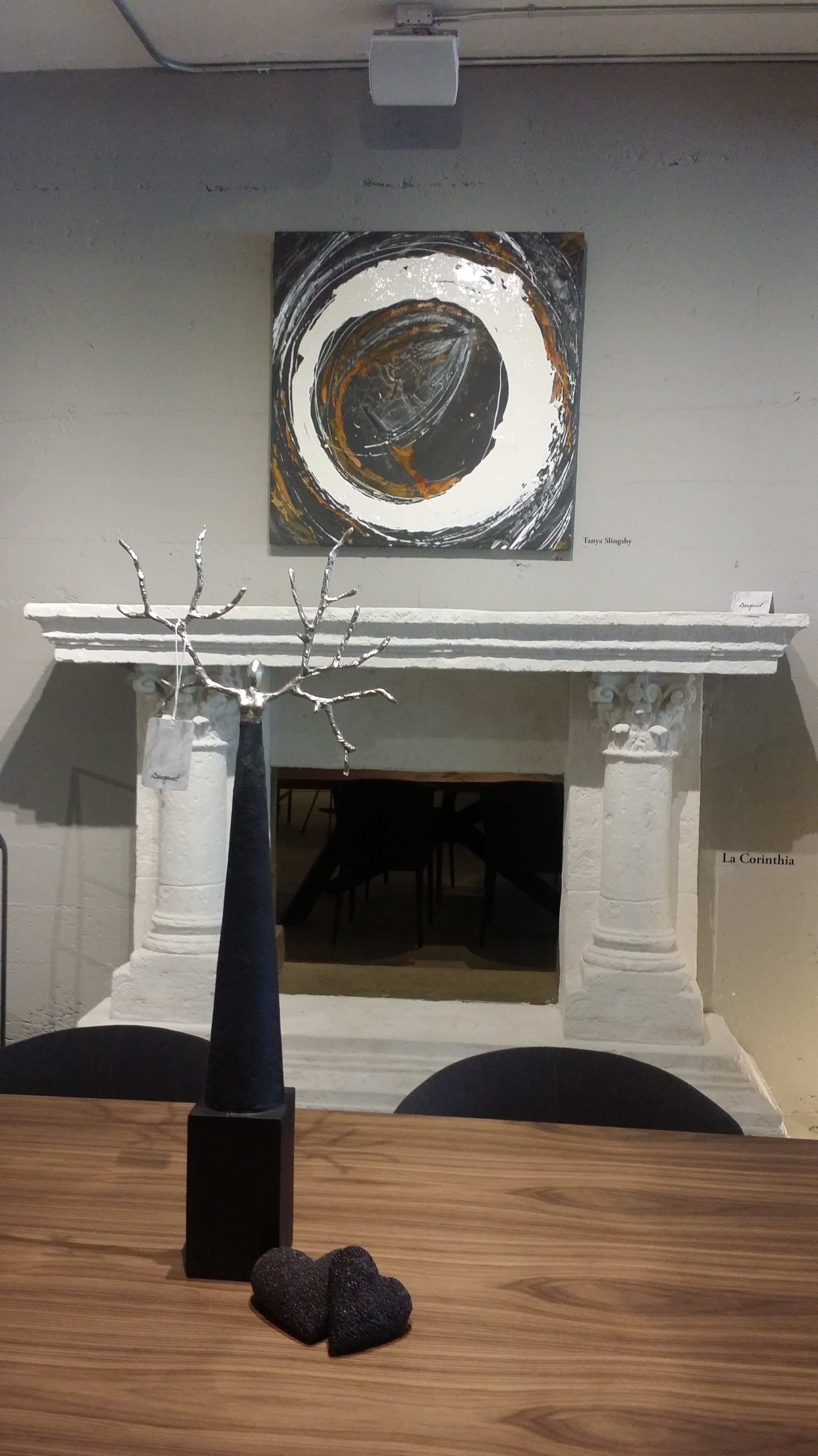
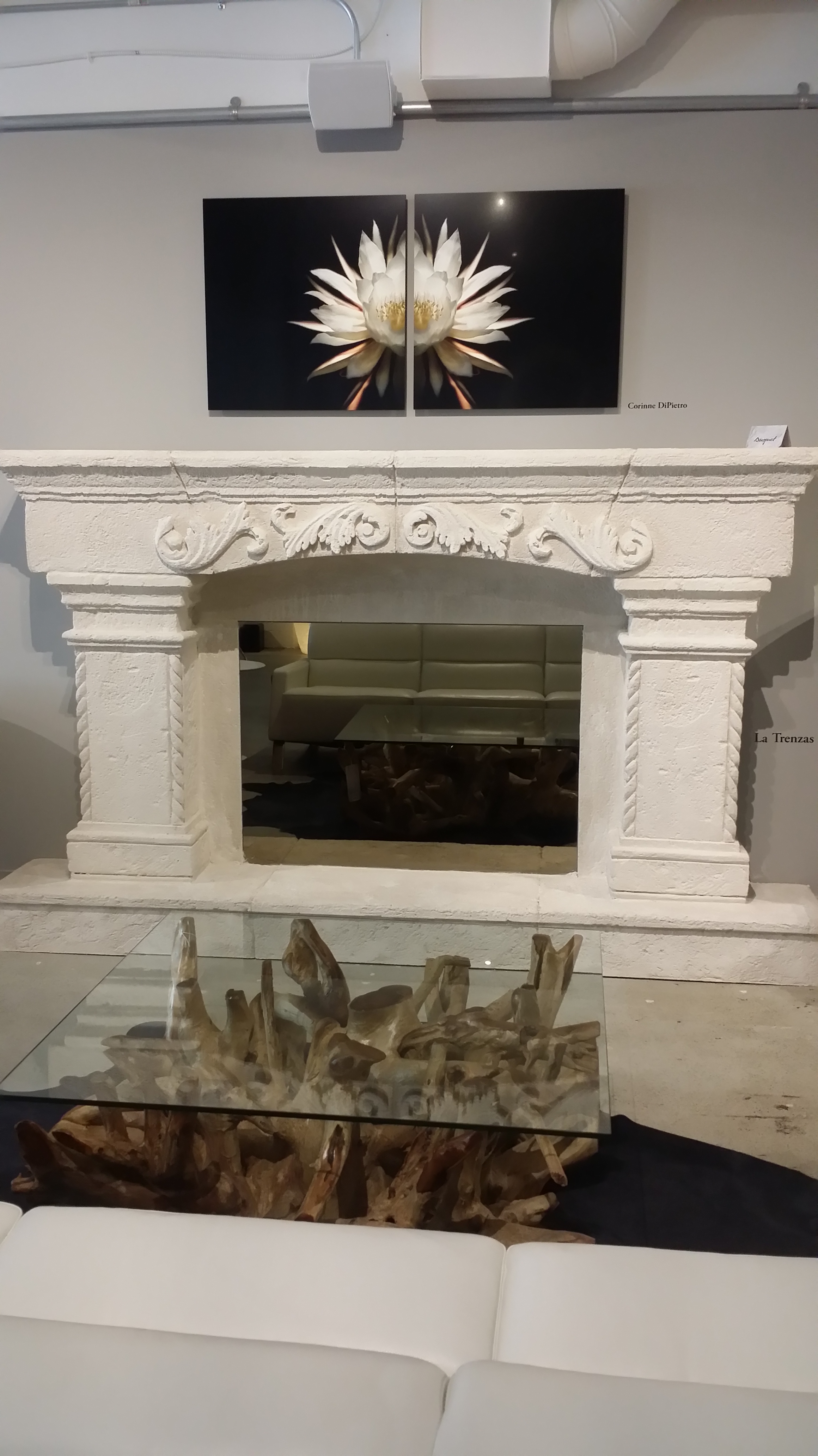
La Carinthia Fireplaces among Italian Leather Sofas (you can choose your style and colour).
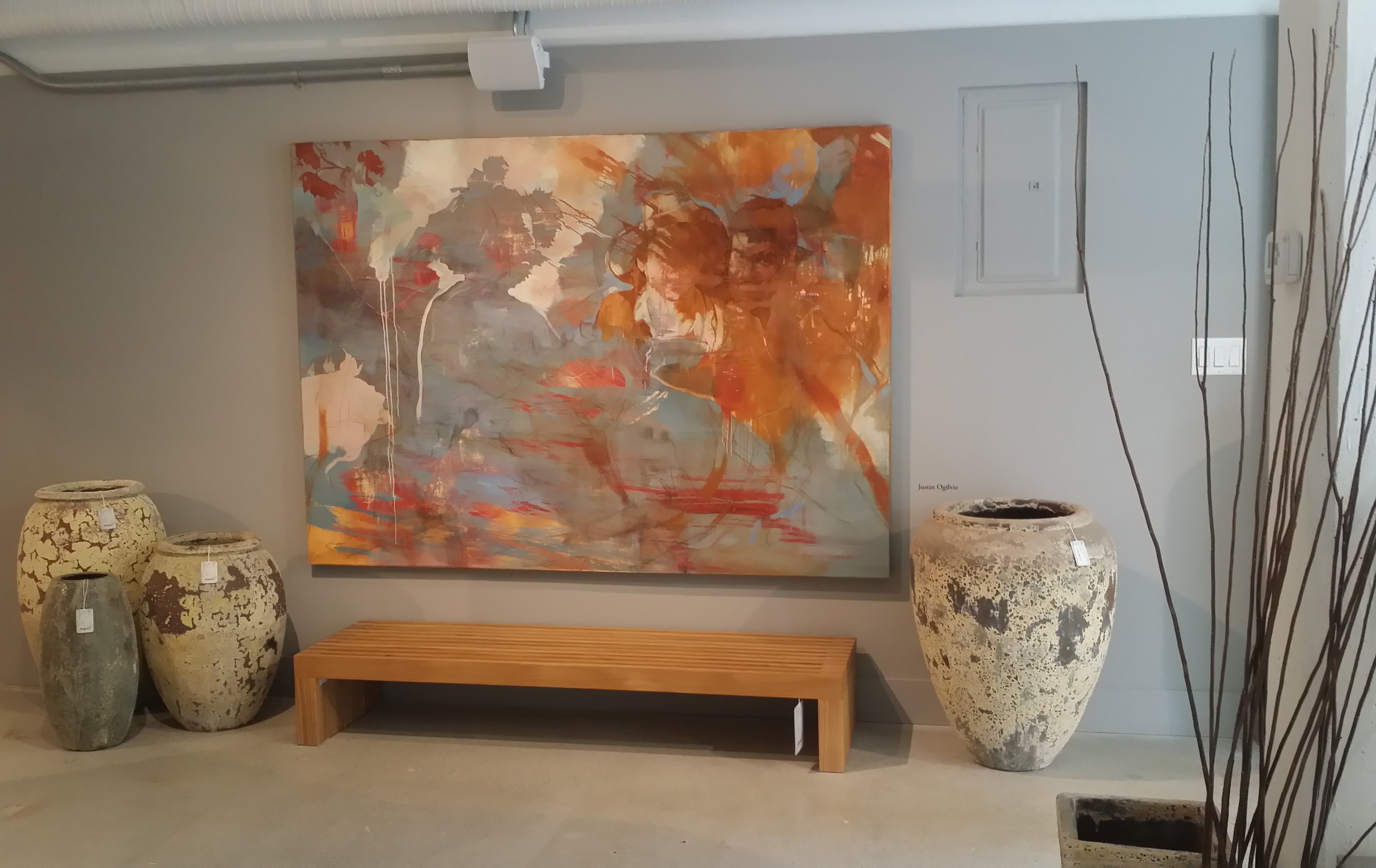
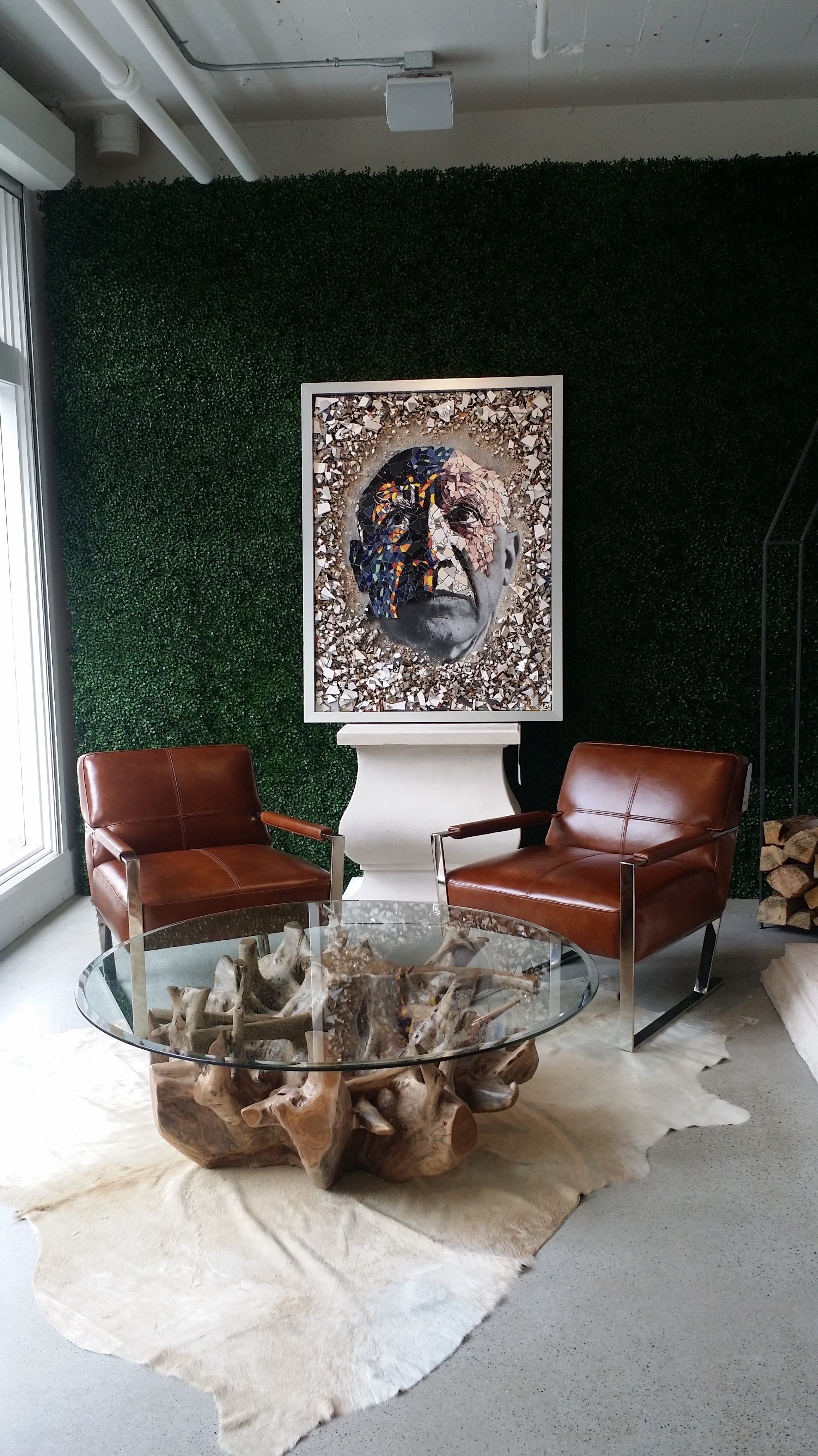
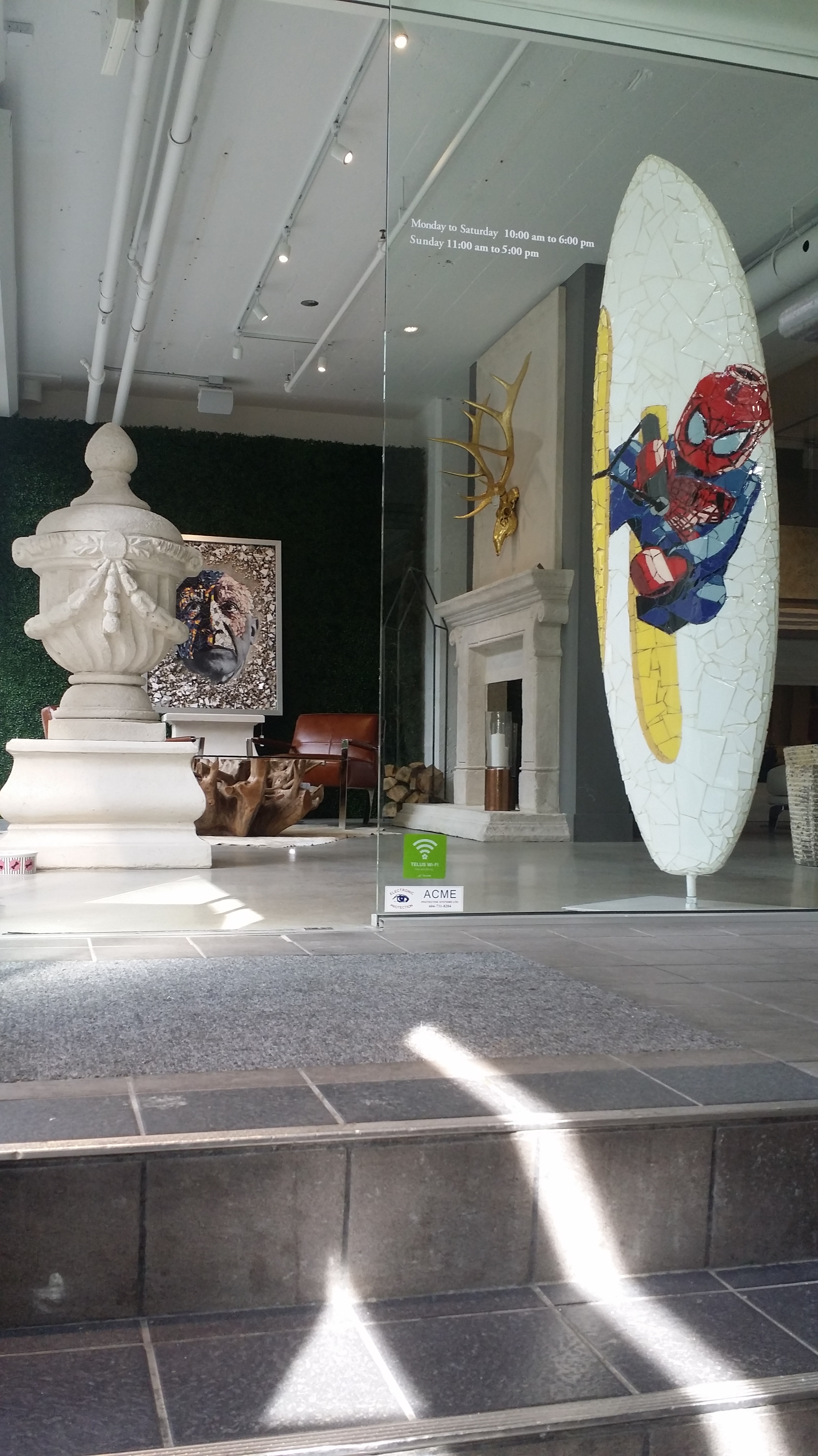
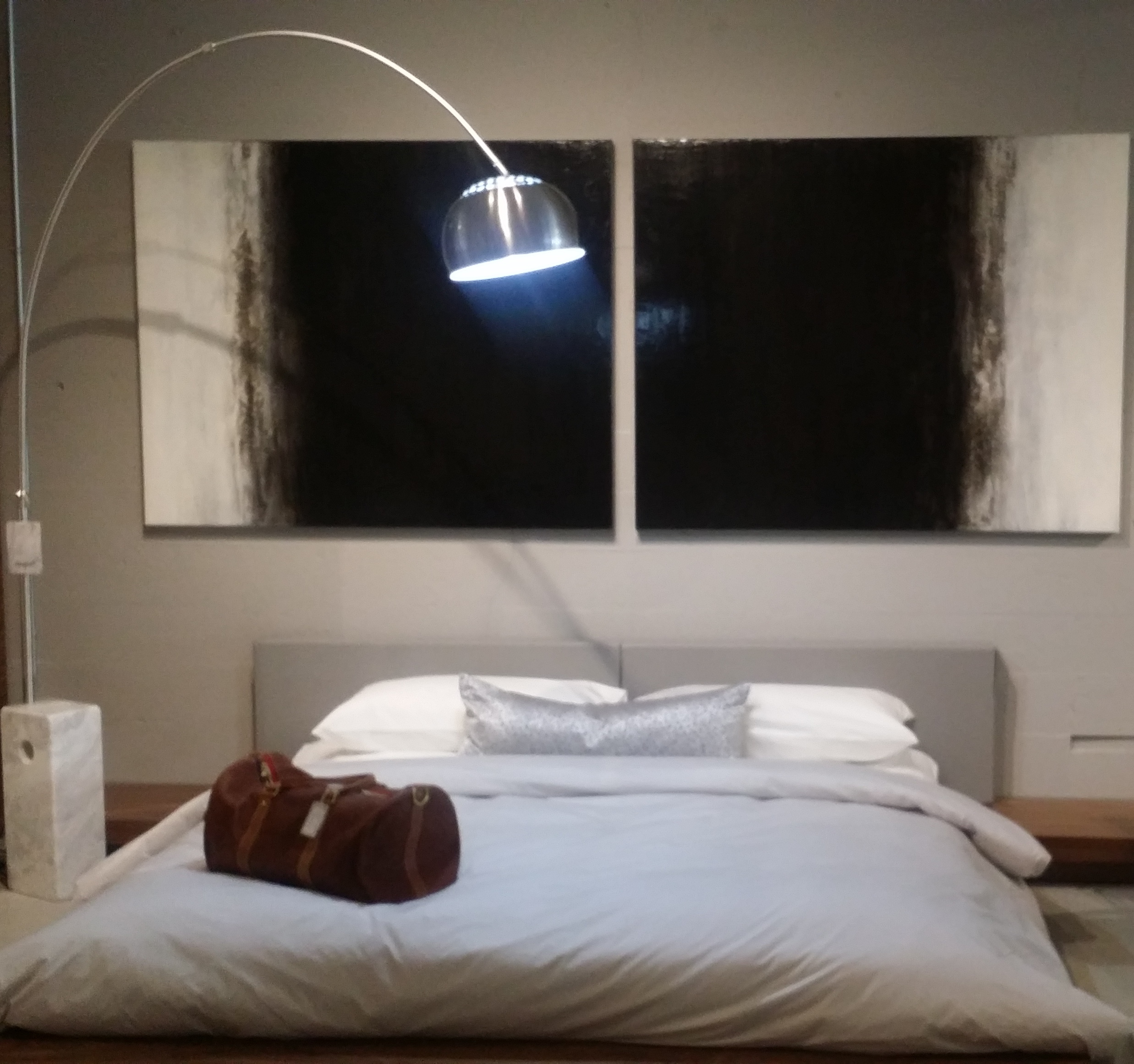
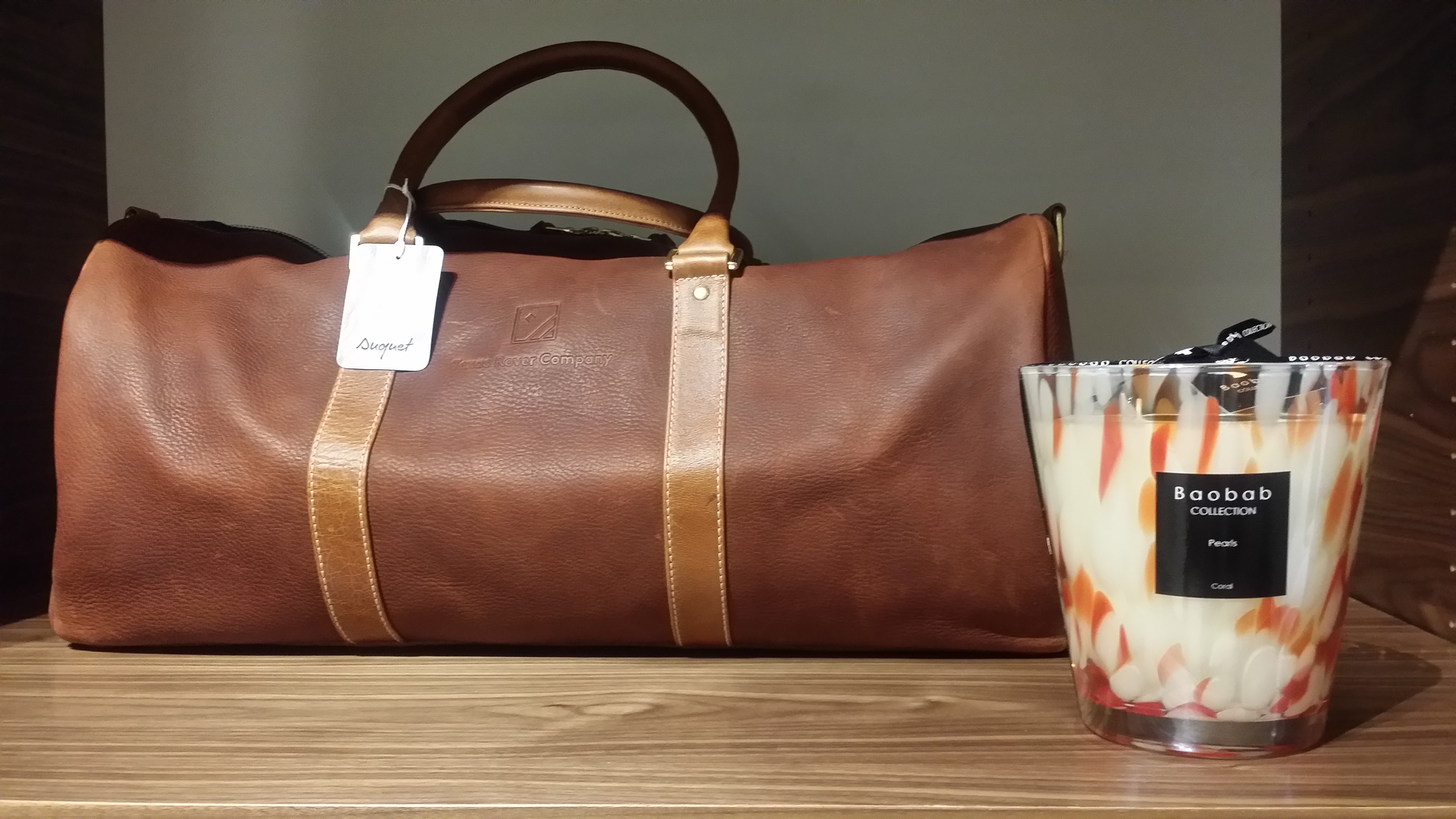
Last Thursday I attended a designer & artist champagne reception to toast the newly opened Suquet Interiors in Vancouver’s Yaletown. A feast for the eyes…décor and art sublime!
Artist: Tanya SlingsbyArtist: Justin Ogilvie
The building itself has industrial flair with its high vaulted ceilings which melds perfectly to the furnishings inside; an enduring amalgamation of old world charm and modern luxe mixed with captivating art. A perfect combo.
the entrance
It doesn’t get much better than this.
I find the furnishings themselves are works of ART, and
definitely the standout magnificent mirrored fireplaces. Do you get the idea of how much I like them?
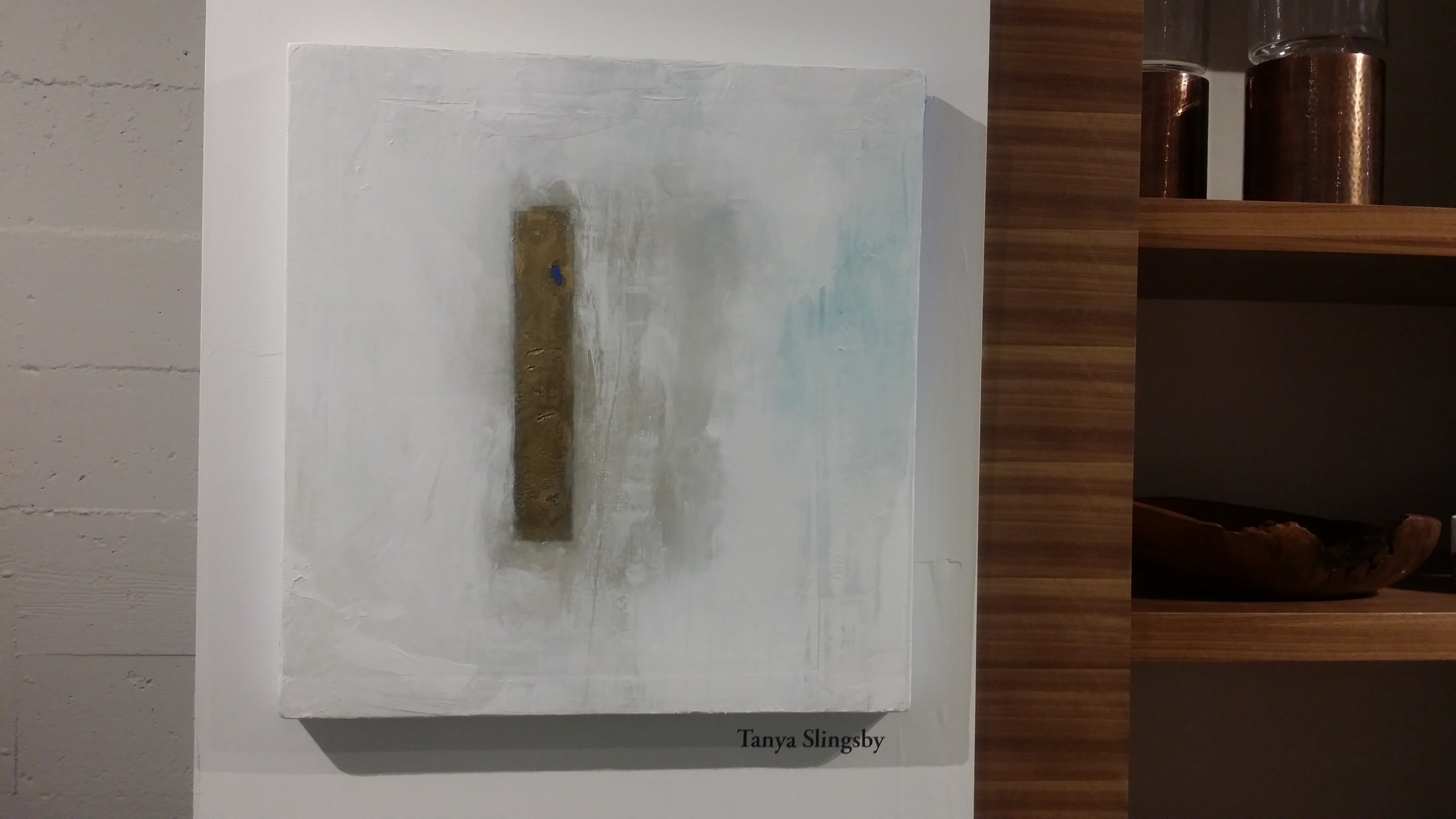
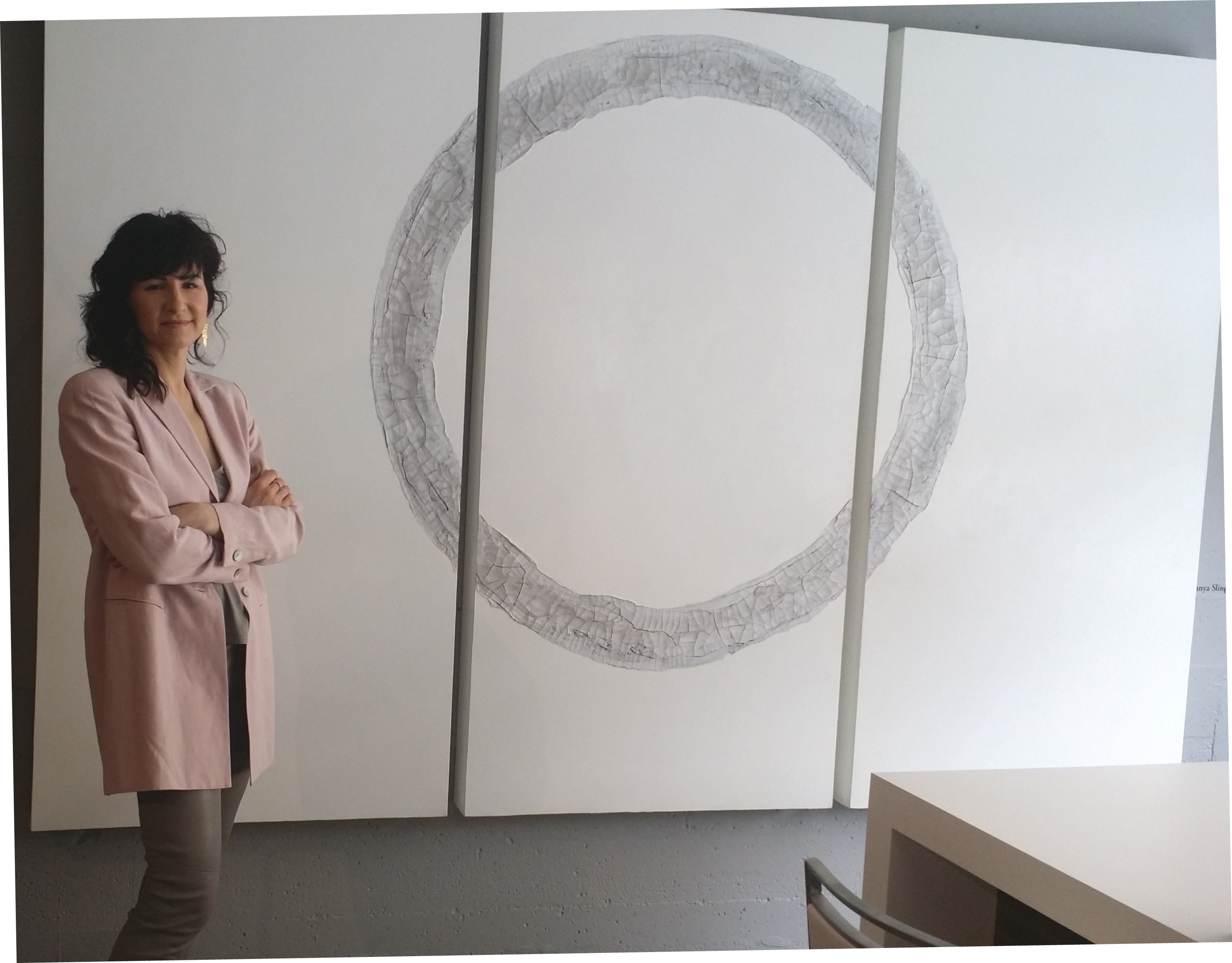
Artist: Tanya SlingsbyTanya Slingsby stands beside one of her ART pieces.
I met lovely Tanya Slingsby, an artist who has impressive and varied works of art displayed around the store. There are some amazing stand-alone pieces.
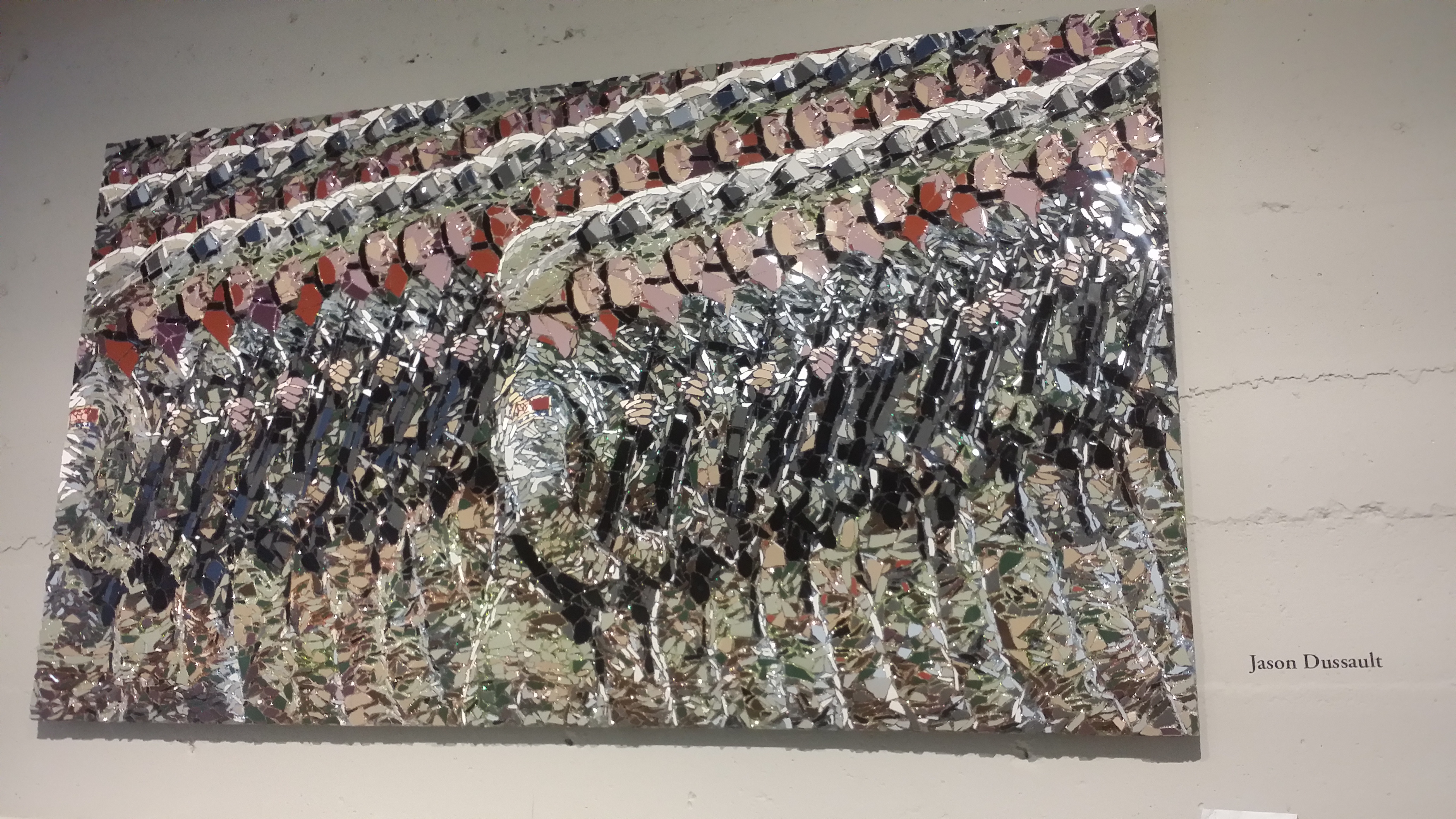
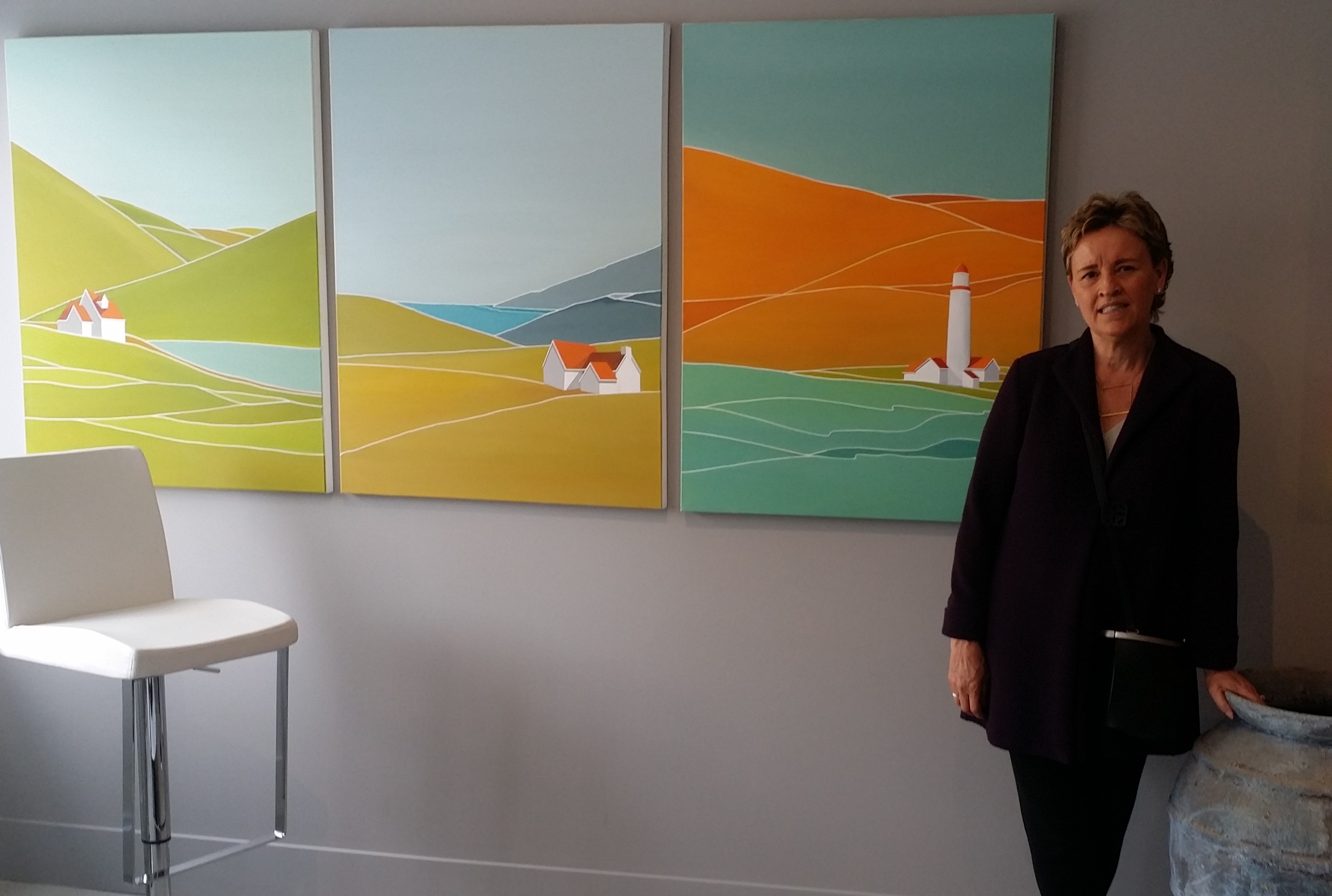
Mosaic wall art by Jason DussaultGeorgina Masana stands next to a set of her paintings
Georgina Masana is another talented local artist. She is originally from Mexico City. Her son Ramon Jr. is co-owner along with Rick Bohonis (previously of Urban Barn). I asked Georgina if there was a meaning to the name Suquet. Her explanation:
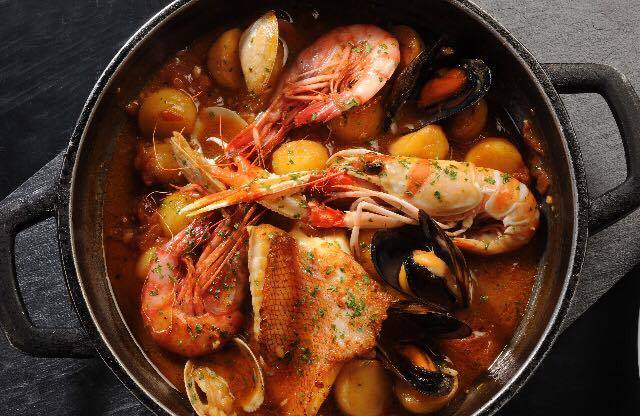
“Suquet is the last name of my late husband Ramon’s mother. It is also a Catalan word that means a broth in diminutive. When you use the letters ‘et’ in Catalan it means a diminutive. There is also a dish called Suquet that is similar to bouillabaisse with shellfish and broth served in a casuela. But basically my husband wanted to use it because it sounds nice.”
suquet meal
I agree. It does sound nice and it’s as nice as the tasty photo she sent me of the eponymous dish. Best of luck!
Suquet Interiors – 1014 Homer St. (in Yaletown) Vancouver.
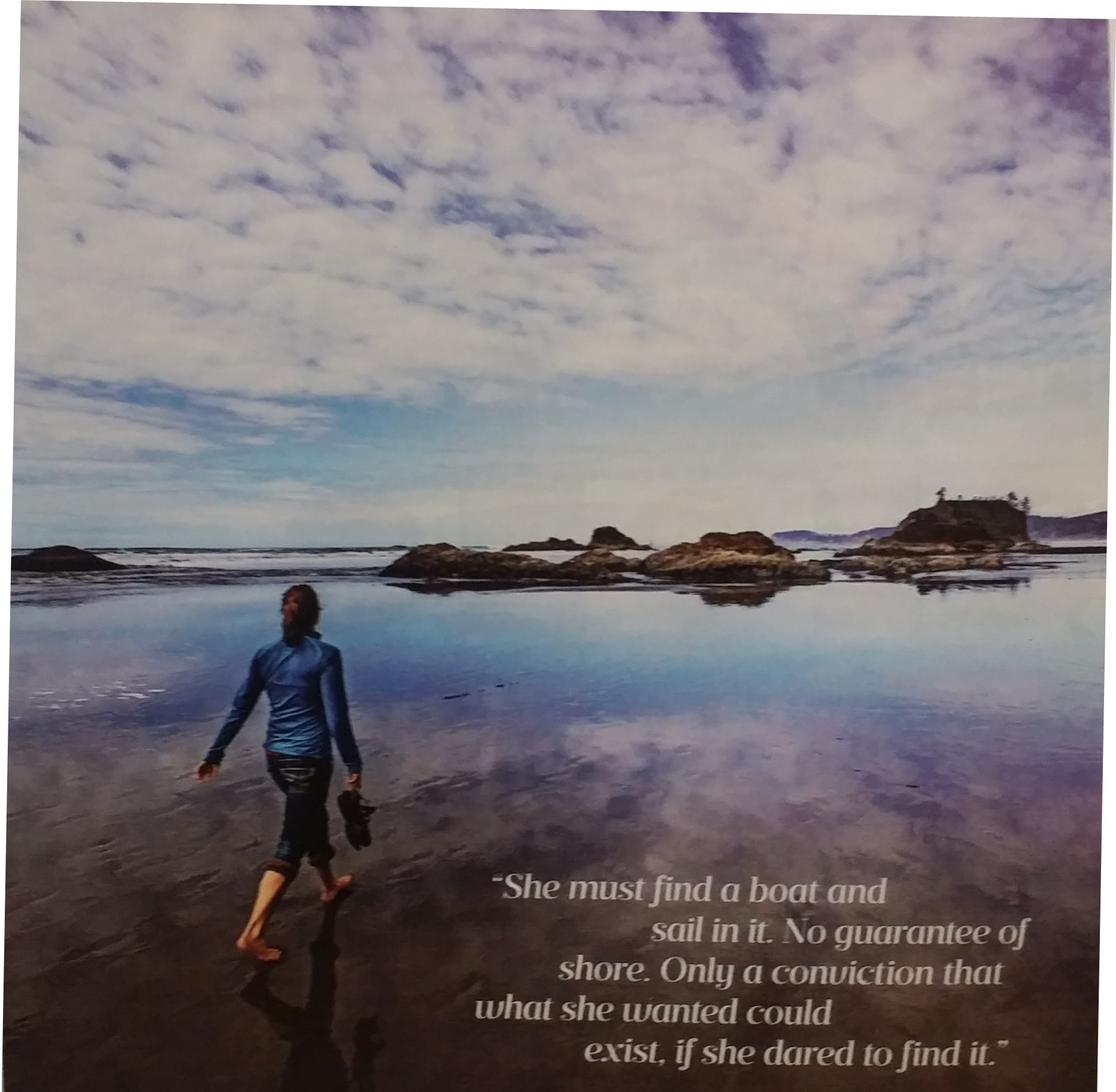
Jeanette Winterson, Oranges Are Not the Only Fruit.
Gambling is not a vice, it is an expression of our humanness. We gamble. Some do it at the gaming table, some do not. You play, you win, you play, you lose. You play. – Jeanette Winterson, The Passion
“I have a theory that every time you make an important choice, the part of you left behind continues the other life you could have had.” Jeanette Winterson, Oranges Are Not the Only Fruit
The curious are always in some danger. If you are curious you might never come home.
So be it. I’ll take my chances!
Photo: Oprah Magazine – “Live Your Best Life” Okay Oprah, whatever you say!
Apple Cider Vinegar is a healthy, natural, inexpensive, effective, multi-use product you can get anywhere. Sound good so far?
It may not be so glamorous to keep on your bathroom shelf but you may thank me later:
Because as much as we love our Tom Ford makeup and La Mer skincare products, there is something naturally appealing about a simple item you probably already have at home stored in your fridge or cupboard. Something you may not use very often.
With multiple health-boosting benefits, the all-natural ingredient has been a go-to beauty remedy since ancient times.
Some reasons why you need to add this easy grocery staple to your daily routine:
Got a pesky pimple? Mix ACV with water and apply on a cotton pad to sweep across your face to remove bacteria, oil, dirt and leftover makeup.
Avoid the mid-day slump by opting for a glass of apple cider vinegar instead of coffee. Drink one tablespoon with a glass of water to allow its enzymes and potassium to wake you up sans the crash. Sometimes I switch up drinking warm lemon water in the morning for this.
Prevent bloating and discomfort post-meals by drinking two tablespoons of ACV with water 15-20 minutes prior to eating. This increases stomach acid, which is crucial in digesting all your food properly and completely.
Gargle one teaspoon of ACV with a cup of water to remove plaque, which is a major culprit of bad breath.
Refuse to spend $50 on a teeth whitening kit? Swish the vinegar through with water to remove stains and kill bacteria on teeth and gums – this apparently is as effective as using coconut oil.
No matter how cute your shoes are stinky feet are never desirable. Tackle foul odour by soaking your feet in half a cup of ACV and five cups of warm water for 15 minutes. Its anti-fungal properties will eliminate the stench.
Whether it’s a bug bite or a sunburn, its ability to balance pH levels soothes pain, swelling and redness.
Prevent dandruff and itching by combining two ounces of apple cider vinegar and equal parts water to apply on your scalp. Its acidity eliminates germs, flakes and dryness.
Bonus: rinse your hair with it to restore shine and remove product build up. I do this about once a month. Your hair will undoubtedly smell like ACV but it does dissipate after blow drying, thank god.
Last but not least, it’s a great addition for salad dressings.
Because as we all know, beauty happens on the inside first!
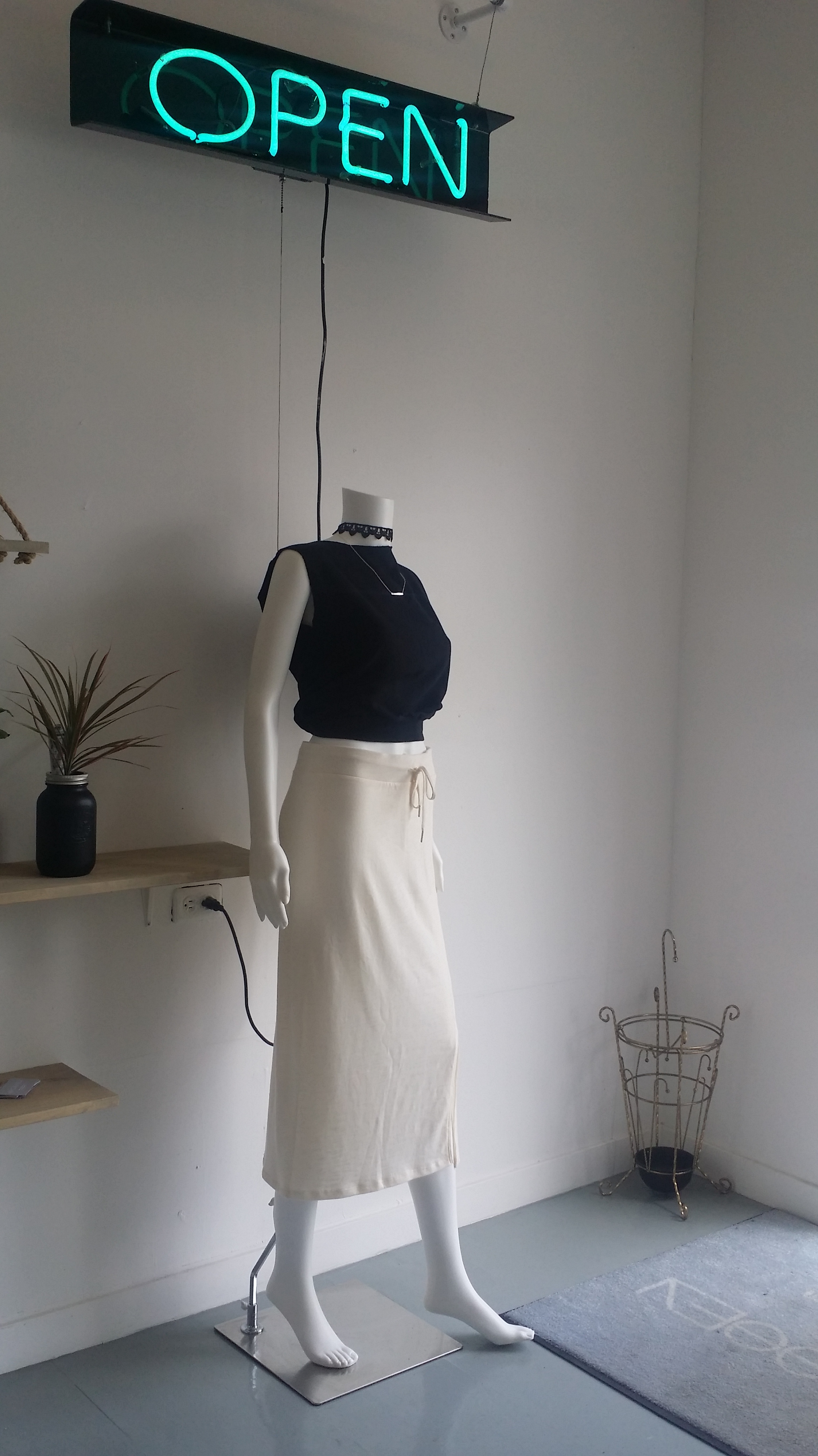
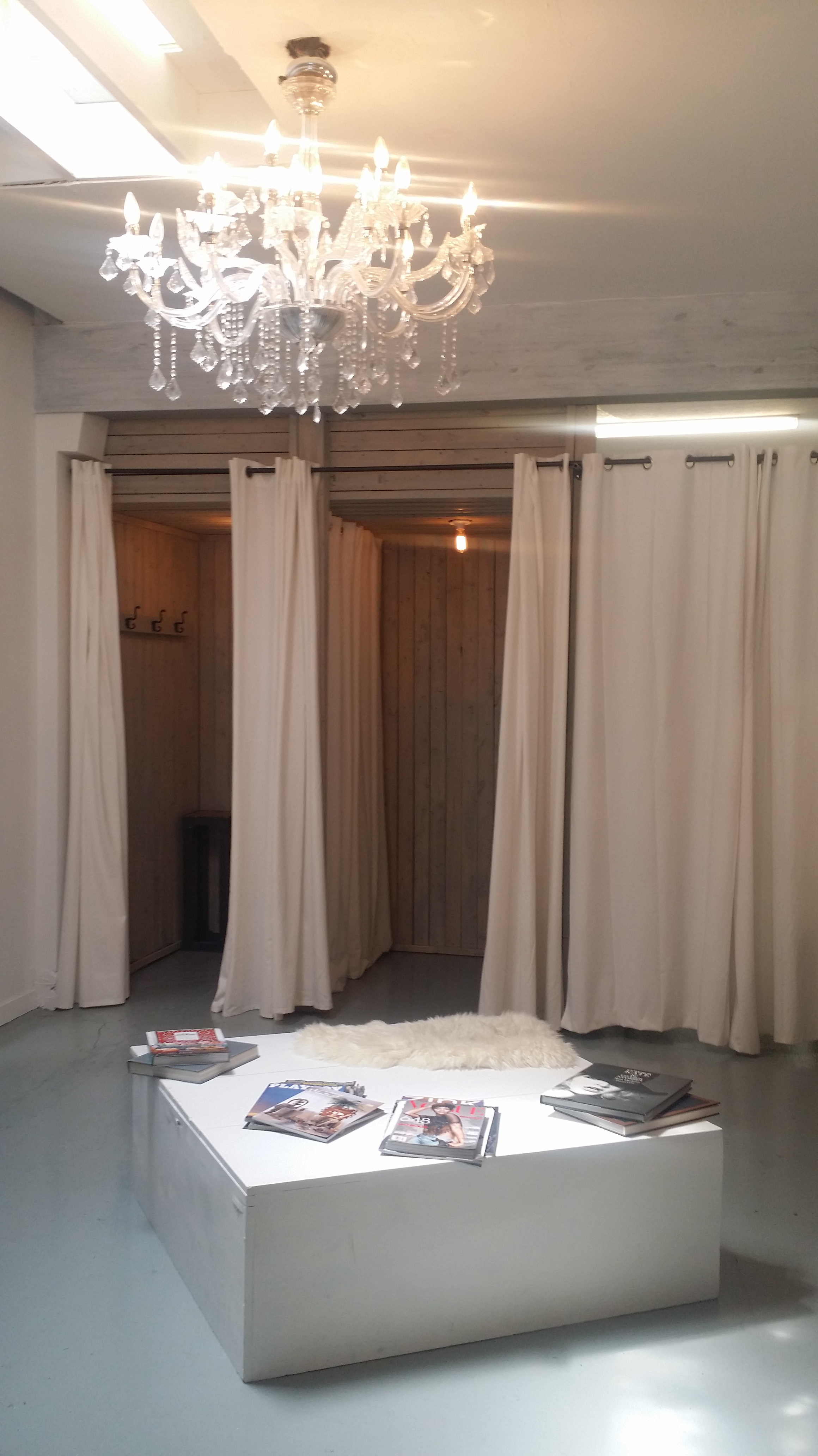
Van Caissey is best described as a youthful him ‘n her multi-brand lifestyle boutique. Yes, that’s it!
I walked in because it felt airy and uplifting. The brands are not-so-typical.
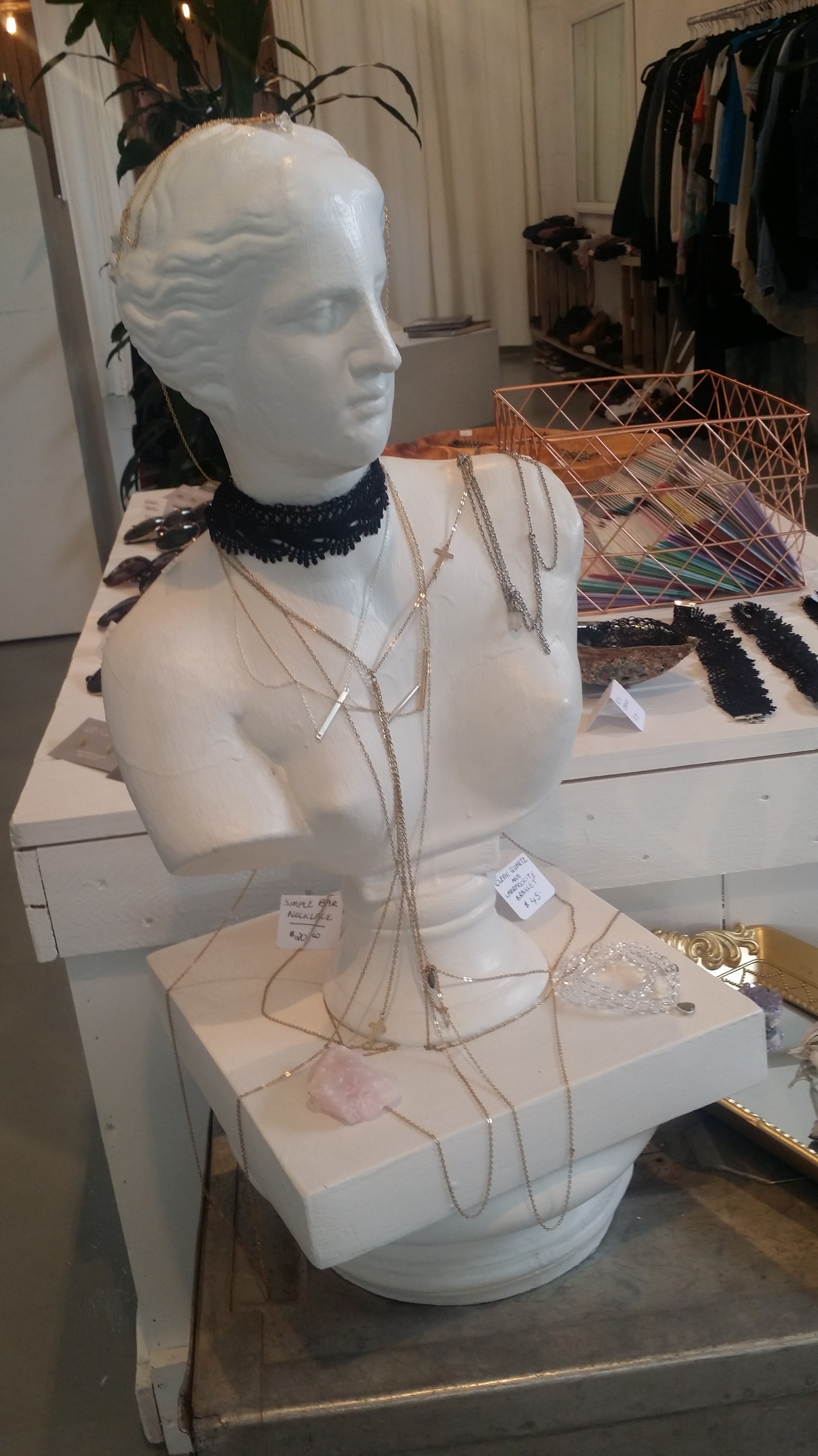
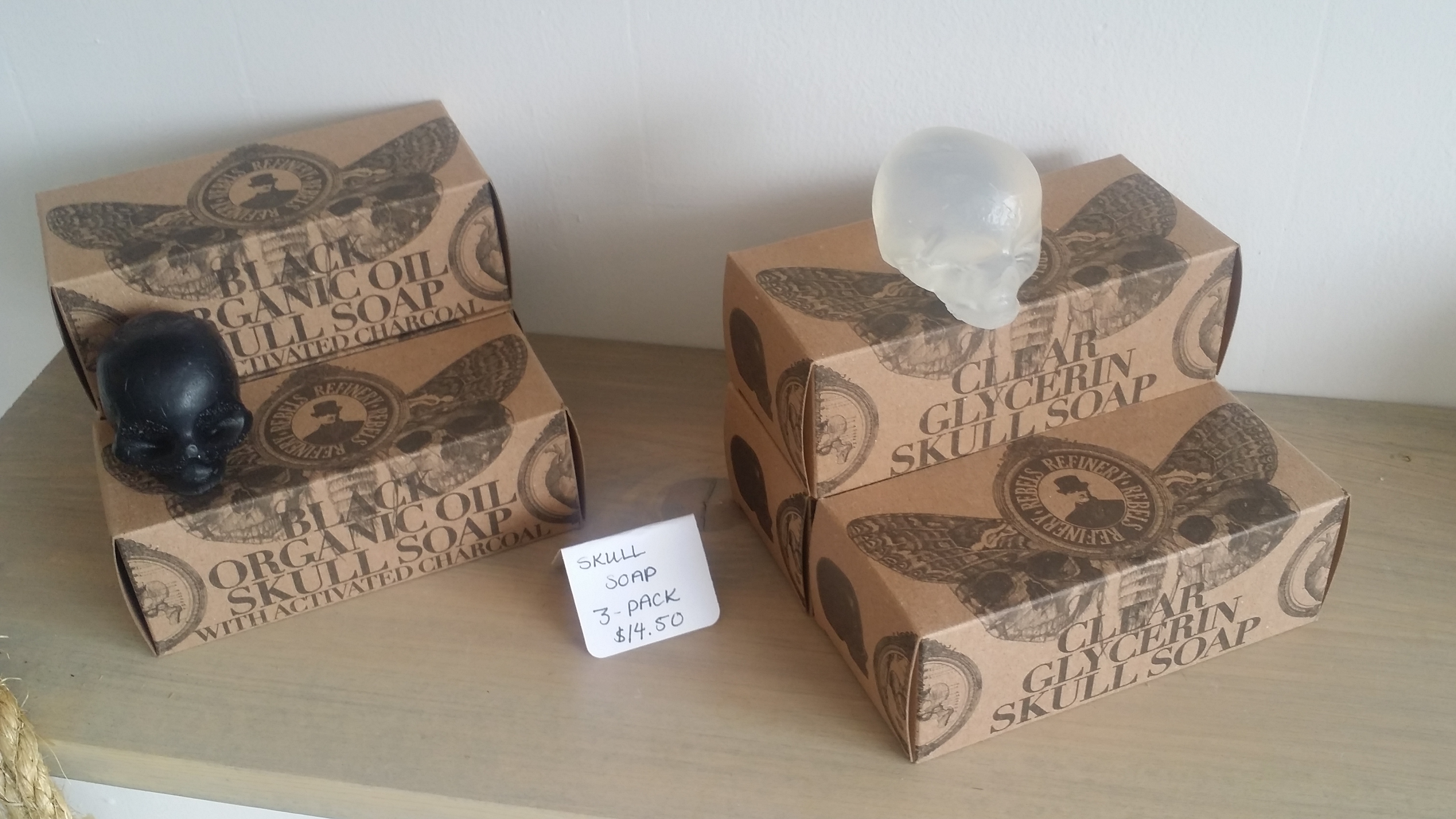
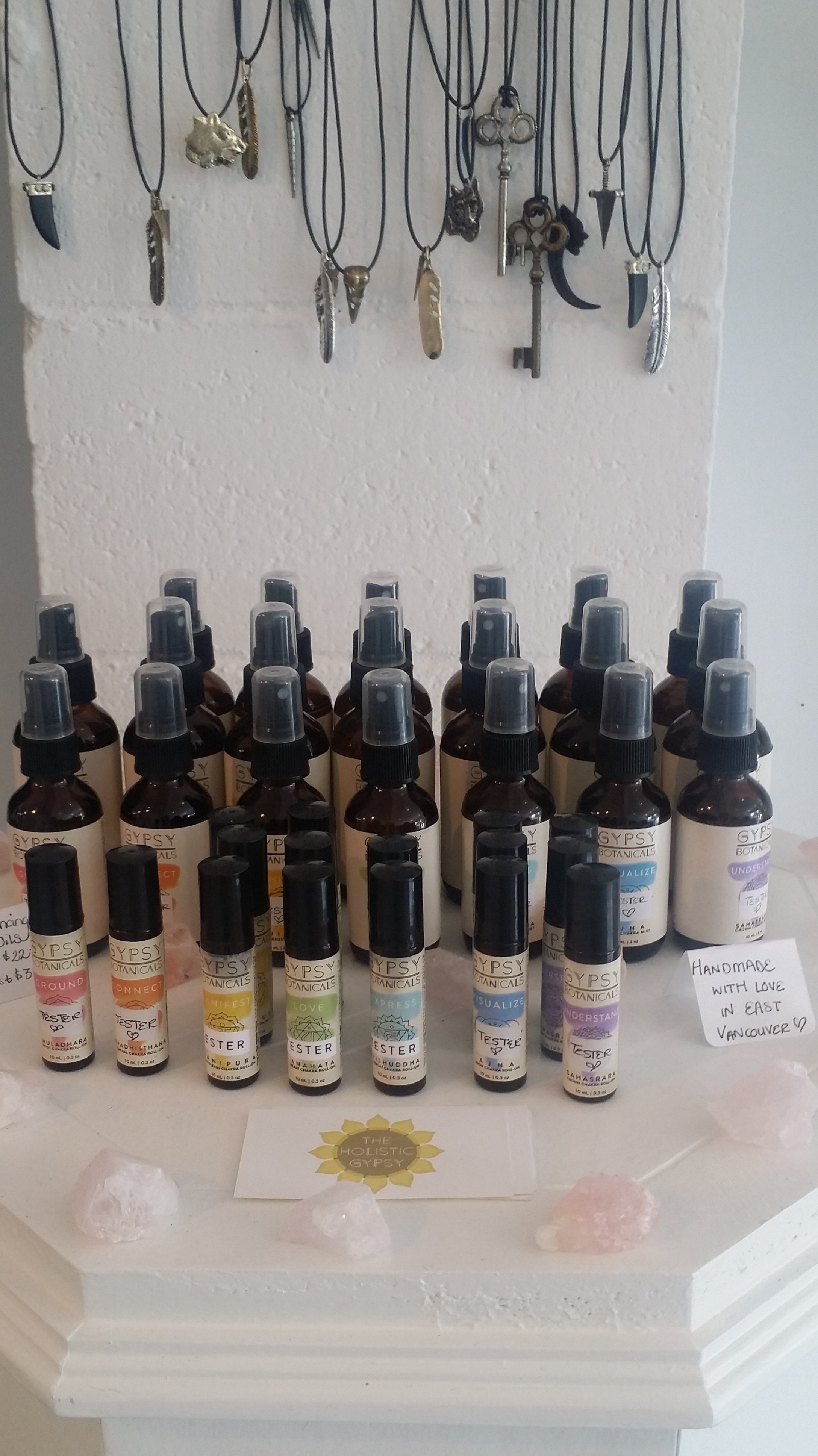
They specialize in intriguing objects of desire – things you can use from your head to your feet, made by local artisans.
Clothing, hats, healing products, jewelry, skincare, some just for fun and vintage-inspired pieces and a rack of consignment clothing at the very back of the boutique.
Van Caissey is located in Vancouver at 3463 Main St.
FYI: there’s a funky neighbourhood hot spot for great breakfast/lunch right next door called Slickity Jim’s. I recommend you try it.
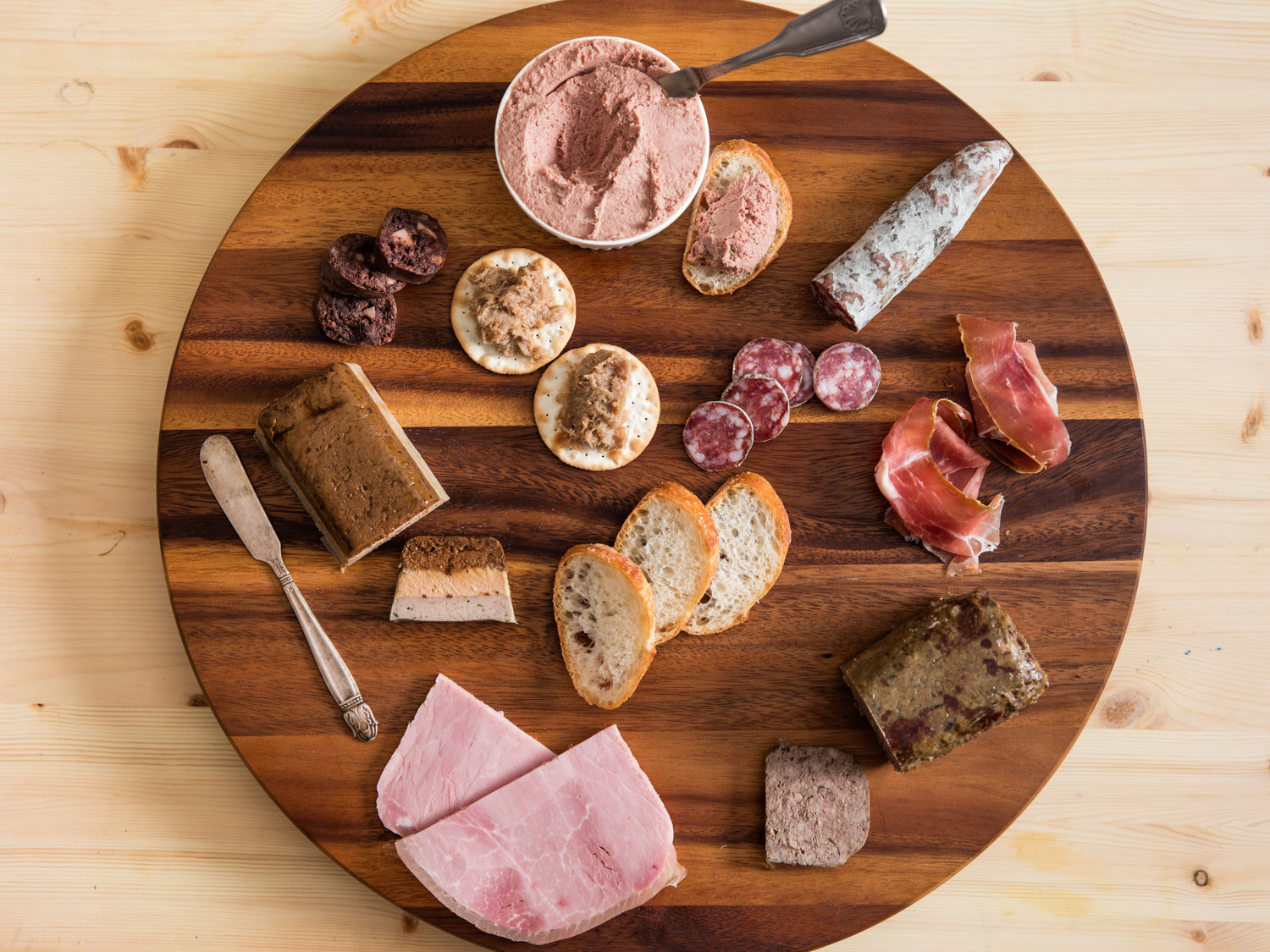
You’ve invited some friends over for an informal gathering and you want to offer your guests something to soak up the wine/cocktails with (because you’re a gracious host and always put out some food be it the tasty but predictable dips, cheese and coldcuts platter)…but this time you want something a little more pleasing than the usual. Maybe a little charcuterie?
Charcuterie is the perfect essential French cured meatsand more.
Done right, the charcuterie board is an awe-inspiring sight. There are the meats, of course, in a smorgasbord of cuts, cures, and flavors. And then there are the mustard and pickles and crusty baguettes, and the fact that we get to eat it all with our hands. In a world where fine dining typically comes with dainty cutlery and elegant plating, charcuterie speaks to a different, gloriously primal, kind of indulgence.
But what exactly is French charcuterie? How does it differ from, say, the cured meats of Italy, or the bounty of smoked Delikatessen meats made in neighboring Germany? And what do experts consider the most noteworthy items under the charcuterie umbrella?
The word itself comes from the French words chair, meaning “flesh,” and cuit, meaning “cooked.” It first entered the culinary lexicon in the 15th century to represent storefronts specializing in the preparation of pig and offal at a time when shop owners weren’t allowed to sell uncooked pork. These owners,charcutiers, would hang inventory in their shop windows to draw customers in. It worked: The craft was mastered, and a culture was born.
As for how it’s defined today? Elias Cairo, founder and charcutier of Oregon’s Olympia Provisions, puts it simply: “Charcuterie is value-added meat,” he says, “where something is added, be it salt or heat, to enhance flavor and prolong shelf life.” So, really, charcuterie is an exercise in crafty innovation—resulting from a need to preserve the fruits of a day’s hunt. Smoked meats and fish came first. Cured meats came second. Once processed, many products in the charcuterie canon were covered with melted fat, either butter or rendered poultry fat, to maximize stability and prevent spoilage.
Then again, these methods of preservation are practiced internationally. So what makes French charcuterie so diverse and unique? “The French rely on amazing technique,” says Cairo. “But they’re so good at farming and processing, too, and have such respect for ingredients.” And, when most charcuterie items are little more than pork and a few spices, it’s crucial that each be of the highest caliber. French chefs place such value not only on the end product, but [on] the entire process and where the food comes from.
French charcuterie has always been shaped by regional variety as well, which contributes to its vast inventory. Each region uses its geographic strengths and uses the wealth of ingredients that are readily available in that particular area. The full list of French charcuterie items is long and not at all lean, but there are a few that experts consider classics.
So let’s open a bottle of wine, break into some fresh bread, and dig in.
PÂTÉ
“Pâtés and terrines, broadly speaking, are essentially big sausages cooked in some sort of mold,” Michael Ruhlman writes in Charcuterie: The Craft of Salting, Smoking, and Curing, the book he coauthored in 2005 with Brian Polcyn. Put simply, they’re a mixture of fat, meat, and seasonings that can be ground or puréed.
The grind can vary from coarse to fine, and pork is the dominant pâté meat. But in the US, says Collins, “we have a broad umbrella and use the word ‘pâté’ very loosely.” She talks about her own experience in France, where the structure of definitions is less rigid. But for the American market, which is less familiar with charcuterie products, Les Trois Petits Cochons distinguishes pâtés as coarse in texture, meat-based (from mostly duck, chicken, and rabbit), hearty, and garnished with spices and, occasionally, vegetables.
Pâté de campagne, the most common, is a coarse grind of lean and fatty pork with spices and little, if any, liver. More lavish versions are found baked in pastry dough (en croûte), in a mold (en terrine), or in skin (galantines and ballottines), but, historically speaking, the charcutier’s goal was always the same: “Pâté was created to use up the excess product—offal, trim, fat—from a day of slaughter,” Cairo writes in his book, Olympia Provisions, coauthored with Meredith Erickson.
A typical pâté de campagne comes in the form of a savory loaf, flavored with onions, white pepper, and cognac. It’s a deeply porky product that’s simultaneously light and delicate.
TERRINE
“The terrine category throws a lot of people off,” Collins says. “We tried to keep it as a more vegetable-based or seafood-based category, because what we found in France was [that] a lot of the vegetable and seafood items were termed terrines.” Collins also notes that most of the layered charcuterie items she’s found in France use the term. In Charcuterie, Ruhlman writes that “we use the words pâté and terrine interchangeably. Technically, though, terrine is short for pâté en terrine.”
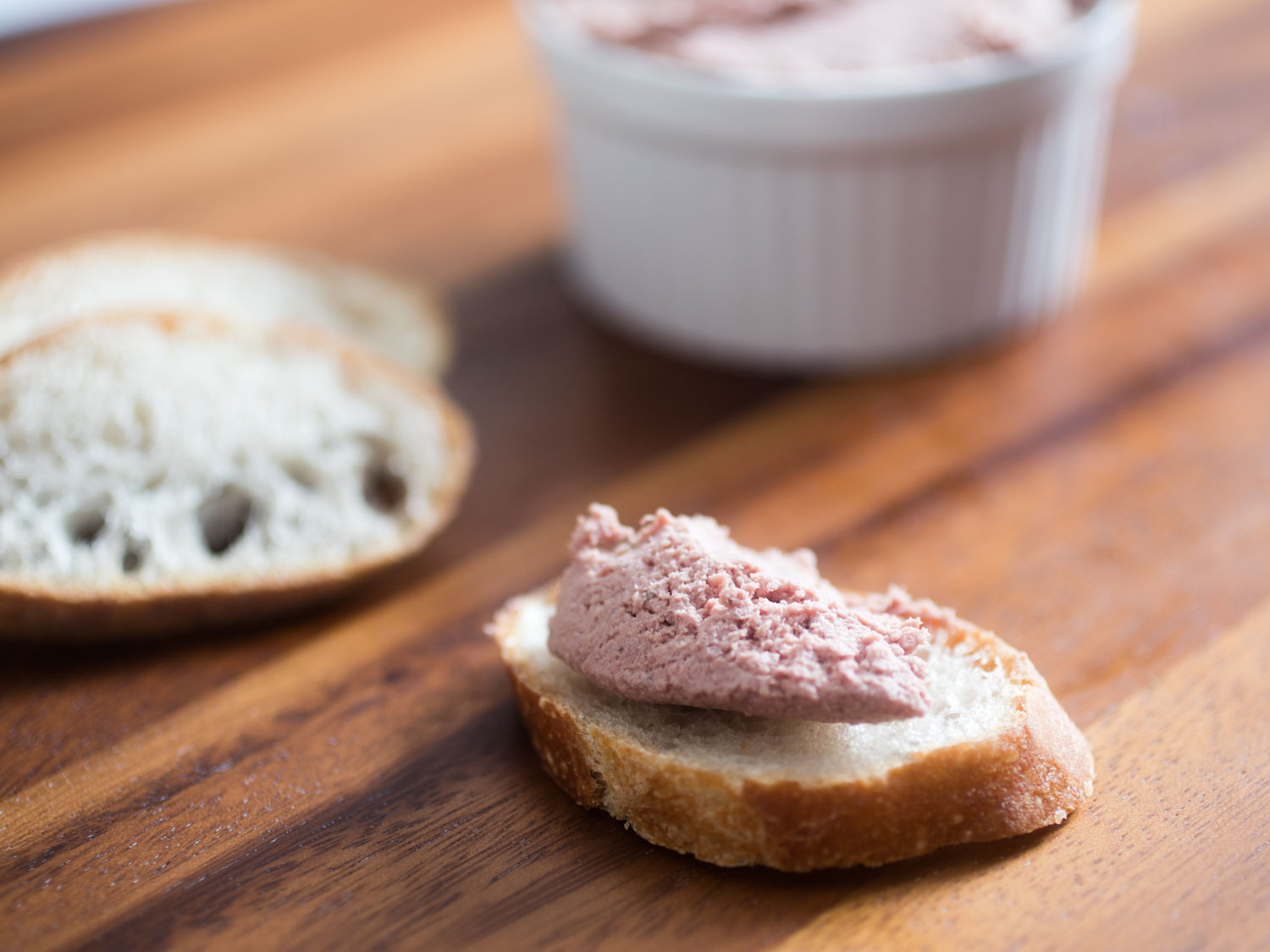
MOUSSE
Mousses, like pâtés, can be made from a variety of meats. But a mousse is much more finely ground, yielding a smooth texture. And, while you’ll find liver in both pâté and mousse, the percentage is typically much higher in mousses, which gives them their famously creamy consistency.
“Pâté and mousse and all the products we make, a lot of people think of them as high-end, which is great, because we use great ingredients, and they’re labor-intensive. But pâtés and mousses are really a labor of love. They utilize items that are essentially leftovers,” says Collins.
The transition from liver to mousse typically starts by soaking livers in cold water. “This will remove some of the really iron-y flavor that liver may have,” Cairo says. For his pork liver mousse, Cairo marinates livers for two days once they’ve soaked, after which they’re puréed in a food processor and passed through a fine-mesh sieve. The rich liver, enhanced with a dose of cream and egg before it’s cooked, is balanced with a splash of port. Chili flakes, white pepper, and coriander add a spiced depth to the spread.
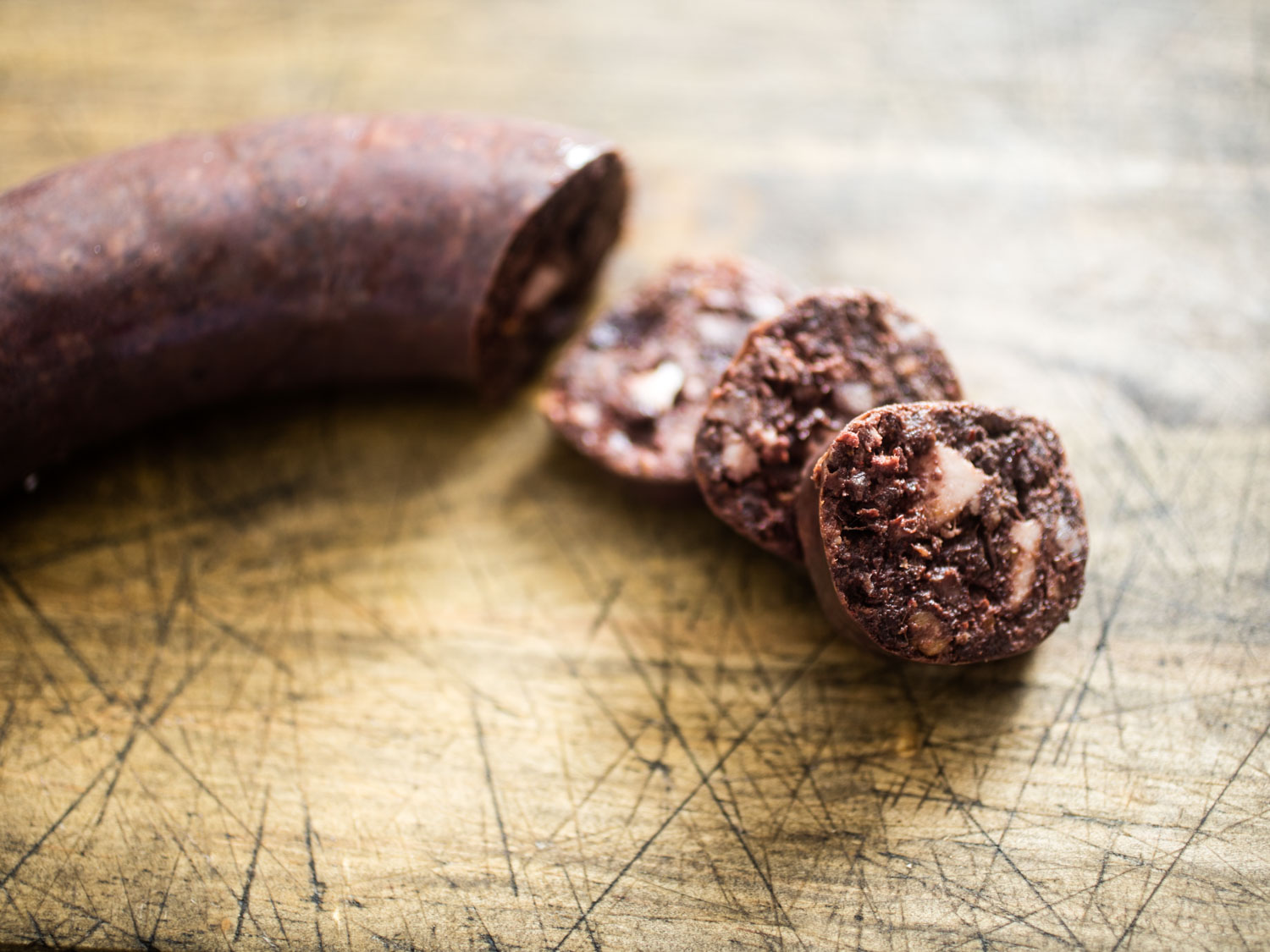
BOUDIN
Boudin means “pudding,” but these savory sausages are made from ground, spiced meat packed in natural casings and then boiled, poached, or blanched. The two most common varieties are blanc and noir (white and black, respectively). Blanc is more of a holiday sausage, usually served around Christmastime, and often seen in Auvergne, in central France, where chestnuts are widely grown. The Fatted Calf stores in Napa and San Francisco, California, make theirs with cream, bread crumbs, and chestnuts that have been braised in broth and bourbon.
Boudin noir is named such for the addition of pig’s blood to the sausage, which gives the final product its signature deep, dark red color. “The French aren’t afraid of anything,” says Heather Bailie, an owner of Fatted Calf. “That’s where blood comes in.” Theirs, like most traditional boudin noir, is a pork product made from a mixture of shoulder, blood, diced back fat, caramelized onions, apples (when they’re in season), and a salty, smoky Basque spice called piment d’Espelette. The sausage mixture is encased, tied off at the ends, and poached in water with onion and bay leaf. The blood solidifies as it cooks, for a delicate, savory sausage with a mousse-like texture.
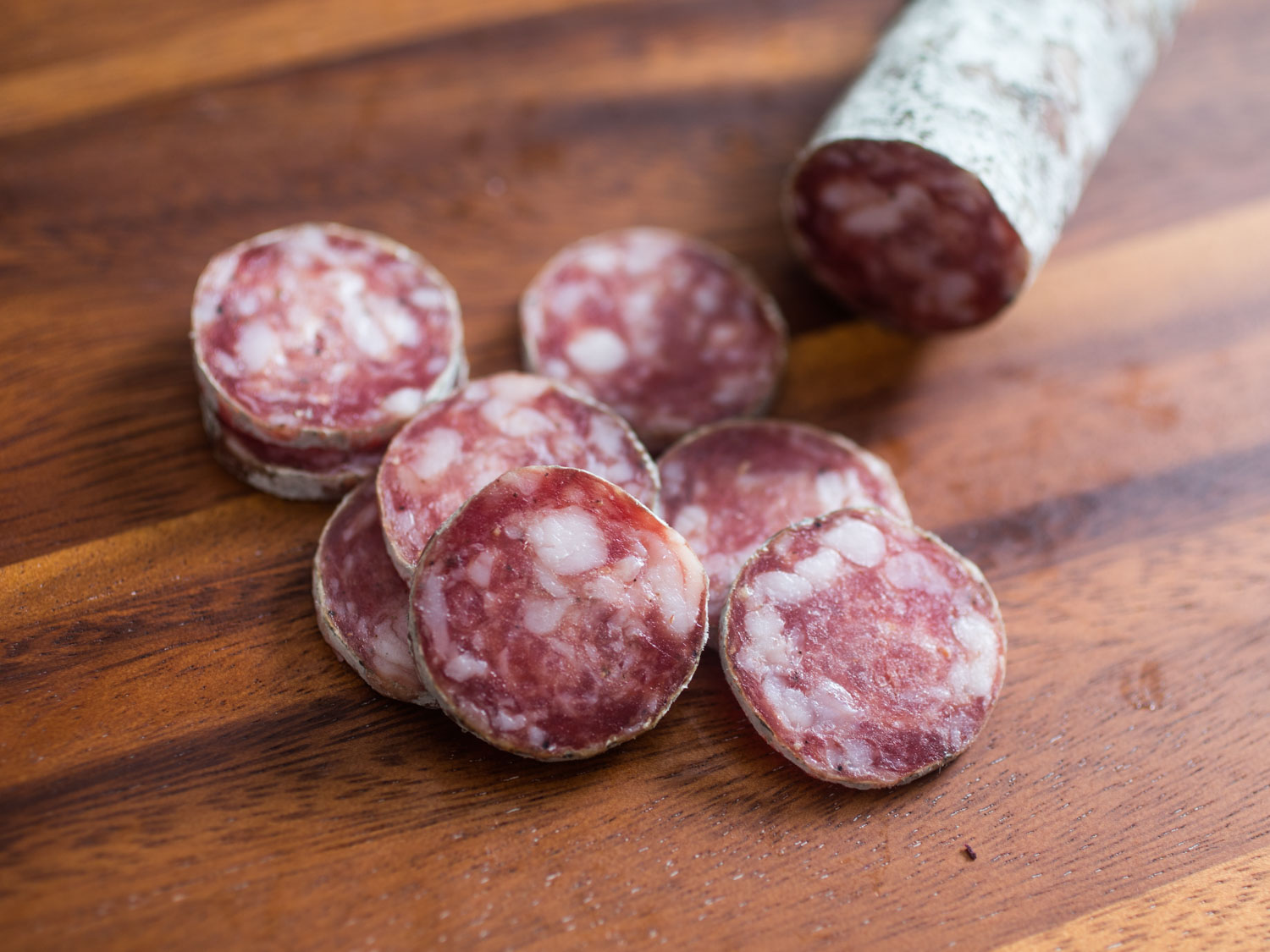
SAUCISSON
The regional variation in French charcuterie is perhaps most evident in saucisson: dry-cured, fermented salami. Dry-curing is simply preserving meat by using salt. As saucissons age, natural, healthy molds develop on the casings that prevent bad bacteria from contaminating the meat. These casings can be removed, but Cairo, who makes four different, regionally inspired saucissons, encourages leaving the natural casings intact to enhance the experience.
Saucisson sec (dry) is the most common of the French saucisson arsenal. “If you go to France and go to a charcuterie shop and buy a dried salame,” Cairo says, “this is the flavor profile you’re going to get.” That profile is dominated by pork, as it should be. But Cairo strikes a balance of that porcine perfection with a hint of garlic and a subtle spice from traces of black pepper, the only other two components of saucisson sec. This type of charcuterie is about simplicity and respect for ingredients.
As you travel around France, though, you’ll discover many variations on the theme. In Alsace, saucisson is traditionally spiced with clove, allspice, cinnamon, and nutmeg, making a deeply savory and satisfying wintry salame. In Arles, where it is at its purest, you’ll find it made with just pork and salt. Meanwhile, eastern France, near the Swiss Alps, is famed for its saucisson aux noisettes, a salami made with pork, salt, and whole hazelnuts from Savoy.
JAMBON
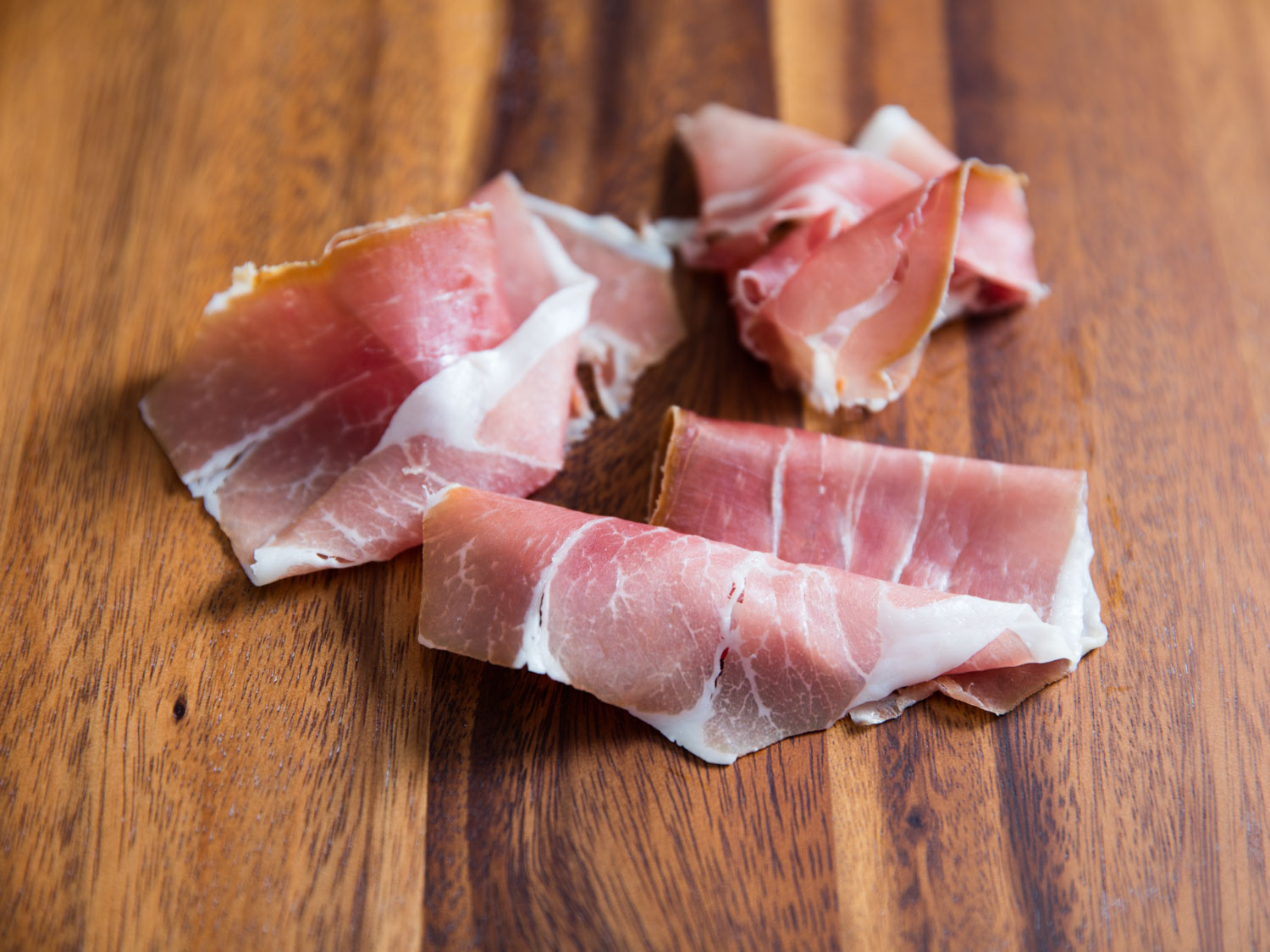
Cooked and cured hams are frequently seen in French charcuterie, but different regions are known for different types. Jambon de Paris is a three-muscle, lean, low-fat ham wrapped in its own skin and cooked in its own juices. It’s flavored with nothing but salt—with little else to distract from that flavor, it’s important that the meat be high-quality. Jambon de Paris is the perfect slicing ham, typically cut thin and served with butter on baguettes, or on croques monsieurs and croques madames.
Jambon de Bayonne is the quintessential French cured ham, the country’s equivalent of Italian prosciutto di Parma or prosciutto di San Daniele. It comes from the city of Bayonne in southwest France, a city cut in two by the Adour River, which sits in the shadows of the Pyrenees Mountains. Jambon de Bayonne is a regionally protected foodstuff under PGI (protected geographical indication)—a designation that covers goods whose production, processing, or preparation takes place in a specific area. To qualify, the ham must be cured with salt from the Adour River basin only. This, along with USDA restrictions on the number of foreign meats allowed for import, is part of the reason Bayonne ham wasn’t spotted on American shores until spring of last year.
Thinly sliced, a piece of Bayonne ham tastes like a cool glass of clean river water. It’s slightly salty, evidence of the Adour River’s proximity to the Atlantic Ocean, and then sweet from traces of pork fat that melt on your tongue. It’s still difficult to find in the States, so your best bet is a specialty meat and cheese shop. The minimum age for a jambon de Bayonne is only seven months, but a longer cure will give it a more intricate and nuanced flavor—the 12-month ham sold at Murray’s Cheese is something truly special.
RILLETTES
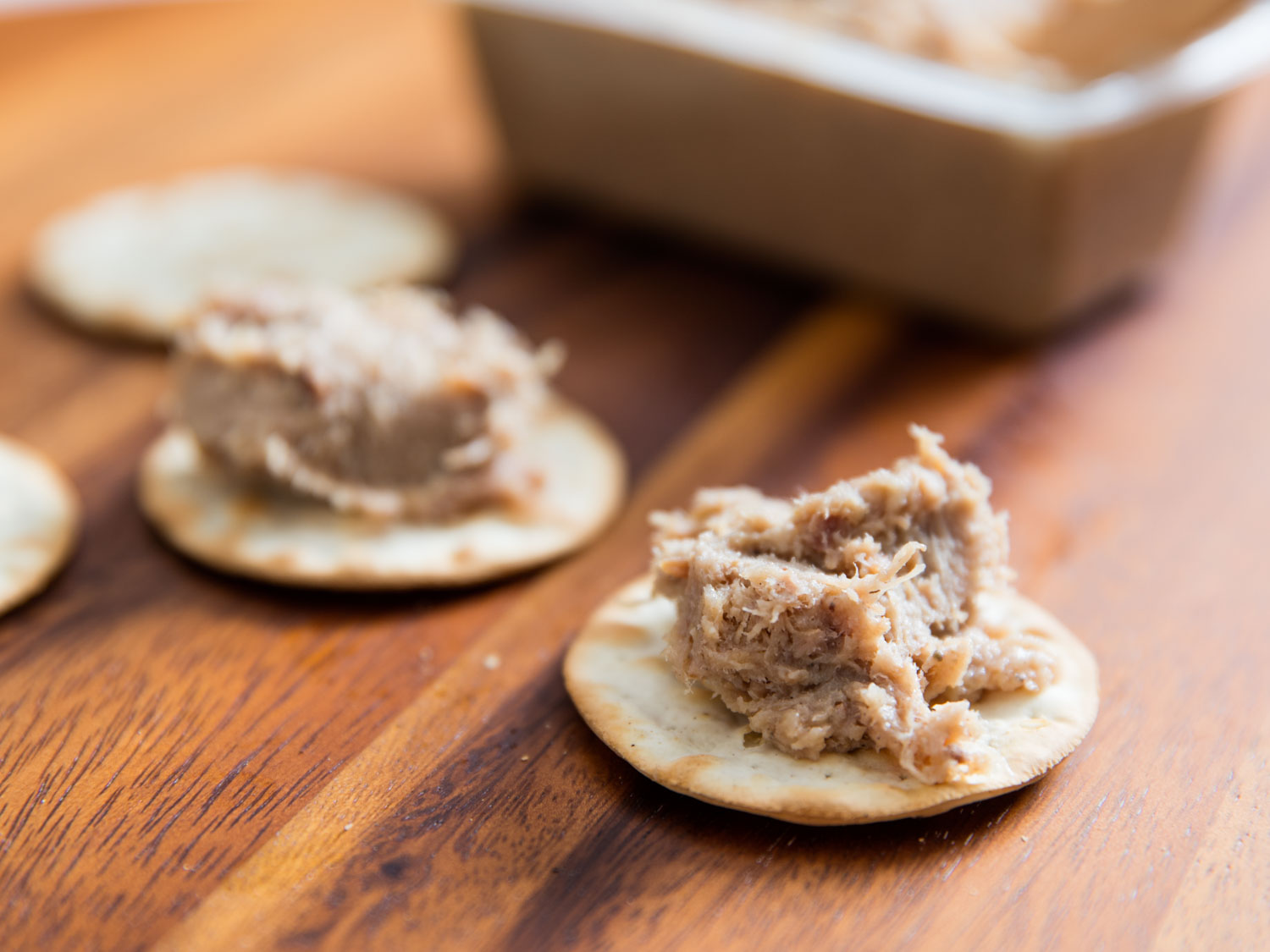
Though rillettes can be made from meat simmered in stock, the most traditional iteration starts as confit—meat that’s been heavily salted and then cooked in its own fat. But where confit is presented whole, rillettes call for finely shredding or chopping the cooked meat and then folding it back into that fat. From there, the rillettes are packed into a small container, making them less unwieldy than an entire confited duck leg, and topped with a final layer of fat, which keeps air out and extends shelf life.
Pork is considered the standard choice for rillettes due to its relative affordability, but duck and rabbit are often used as well. An amazing rillettes will be spreadable, soft, and rich, with a slight chew from the lightly seasoned meat.
So there you have it. I found it interesting to read the history of how the charcuterie is prepared. Then having said that, maybe it’s better off not knowing too much. I’m the girl who does not eat Foie Gras but loved Boudin (which I first discovered and tried in New Orleans) before knowing some of it comes with pig’s blood added to it. Ewww.
Craig Cavallo has been working and eating in New York City restaurants for a decade. His insatiable appetite (and bike) take him from one delicious thing to the next. You can follow Craig’s journey @digestny and on Digest NY, a website he launched in 2012 to share his love of food and the stories told through it. A love affair with wine grew organically when Craig was an opening staff member at Eataly’s wine store. The job lead him to Piedmont where he discovered even more joys. Craig’s from Syracuse, but he lives and writes in Brooklyn.
You can’t ask for much more than raising awareness for a good cause while getting exercise in fresh air in an unbelievably elegant, artful environment.
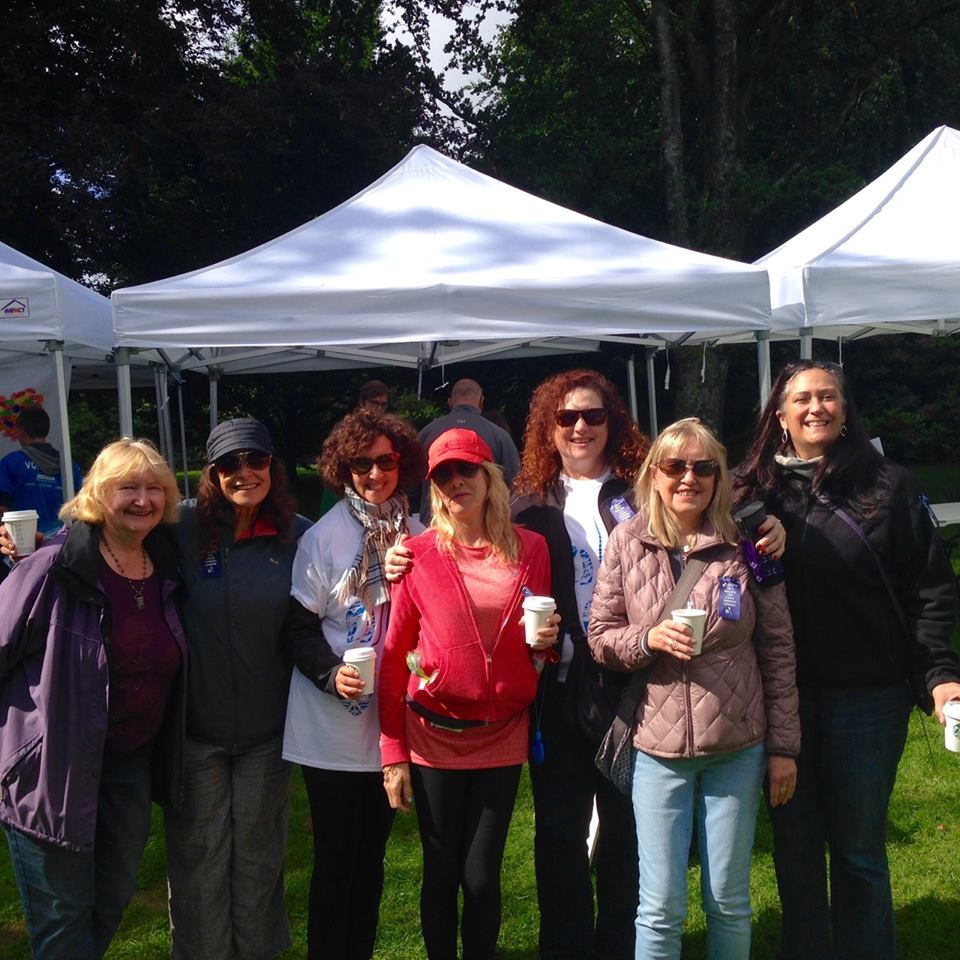
L-R Casseda, Cher, Wendy, Debbie (both pockets full of candy), Hannah, Colleen, Stacey
That’s what happened yesterday morning when I met up with friends at Vancouver’s magnificent VanDusen Botanical Gardens to support our mutual good friend Colleen Kohse. Colleen is the oldest living person (with the youngest spirit) with CF in all of Canada to have received a transplant.
Photo: d. kingPhoto: d. king
Colleen is a miracle and a true inspiration to everyone because she doesn’t take life for granted. She’s lost too many friends and two young siblings to this fatal genetic disease which primarily affects the lungs and digestive system in mostly young adults and children of which there is no cure.
Come this October it will be 28 years that I first met Colleen, just before she left for London, England to receive a heart/lung transplant. But we didn’t get to really know each other until after that. We’ve been friends for years and have travelled together to places like Jamaica, Havana, Florida, Savannah, Ga, Charleston, S.C., New Orleans, California and even a short Caribbean cruise out of Miami. Always fun. Colleen is lucky to have the most wonderful, supportive family.
The morning started with a breakfast of pancakes & sausages, then dancing to warm up the crowd followed by a very pleasant walk through the most exquisite park to raise money to help find a cure for CF. There were also fun great silent auction items. I ended up with 2 out of the 3 items that I placed bids on.
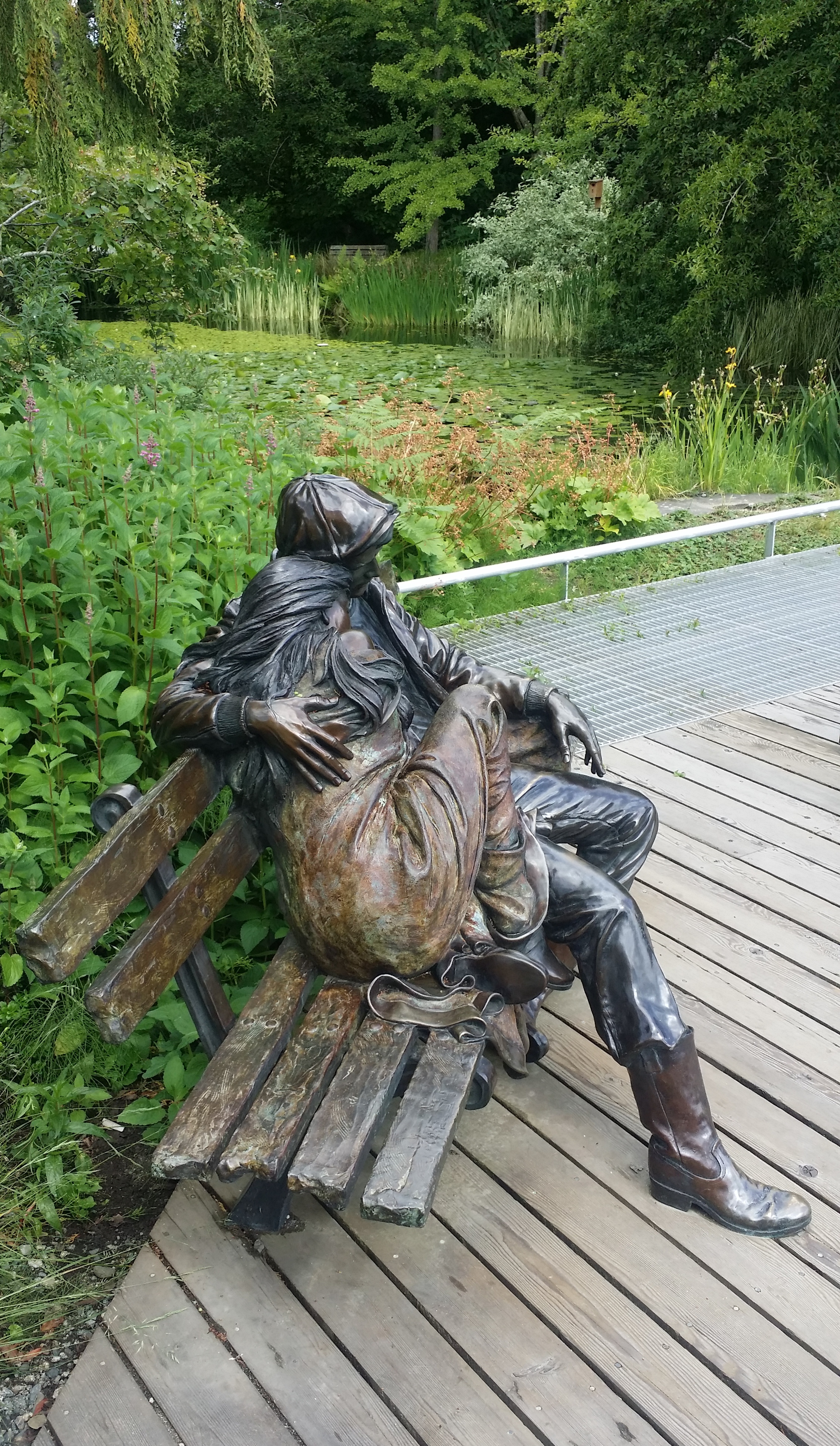
VanDusen Botanical Garden
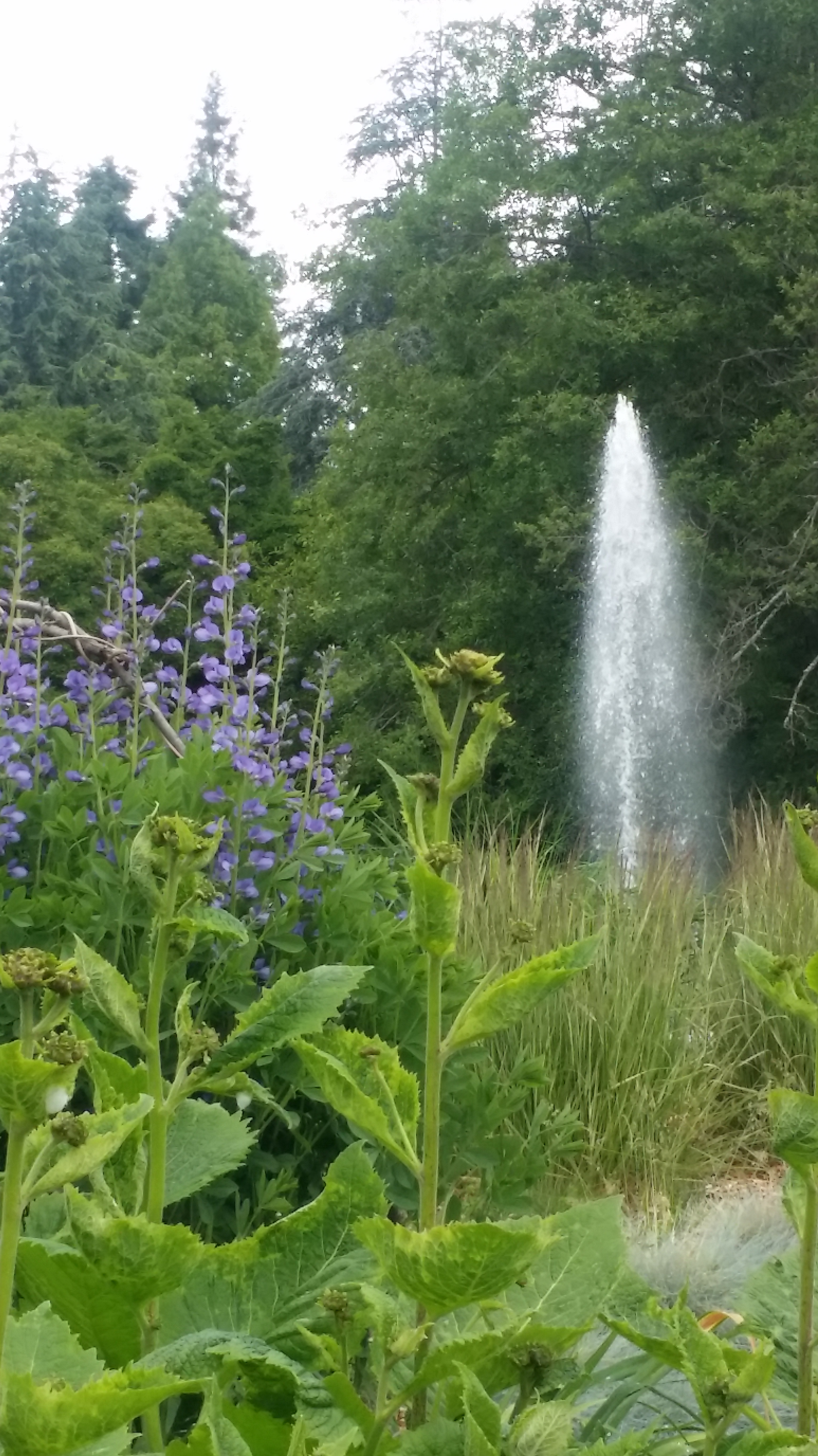
You will be inspired by 22 hectares of well-designed landscapes with plant species representing ecosystems ranging from the Himalayas to the Mediterranean, from Louisiana swamps to the Pacific Northwest.
Photo: d. kingPhoto: d. king
Vancouver’s mild climate makes it possible for plants to bloom year-round – so there is always something wonderful to see. Our climate creates a unique environment where plants from varying climates thrive. At VanDusen you will see plants from the southern hemisphere, tropical areas and the high Arctic tundra alongside native species. Seasonal highlights include: Spring — bulbs, cherry trees, azaleas and rhododendrons; Late Spring — Laburnum Walk and roses; Summer — annuals, perennials and water lilies; Late Summer – wild flower meadow and the Heirloom Vegetable Garden; Autumn – brilliant autumn colour, heathers, perennials; Winter — witchhazels, viburnums and hellebores. The Elizabethan Maze is one of only six in North America. In addition to the plant collections, VanDusen’s eco-sphere is home to numerous fauna – small mammals, fish, amphibians, reptiles and insects. During the course of the year 65 species of birds make the Garden their home, either permanently or as a respite on their annual migrations.
When you live with an open heart, expect joyful things to happen.
Life is full of surprises and everybody has a story. I have a knack for meeting some interesting and unusual people but the one common denominator is that they all have something to teach me.
Like the time I walked Jia Jia on his 13th birthday (February 14th, 2016) and literally from out of nowhere we met this fun girl Kellie with her two puppet friends and a photographer who was trying to capture shots for Kellie’s new album cover. They expressed interested in using Jia Jia for the cover (as of course, he’s model cover material) and the puppets started talking to him on their own. Kellie didn’t say a word. We were mesmerized! It definitely added some magic to the day and made it an extra special birthday for Jia Jia. And it reminded me of living at home when my brother and I played with a human-like ventriloquist puppet that we would talk to…but it never spoke back.
And it went to prove that my dolls really did speak to me when I was a child.
About Kellie
Ventriloquist Kellie Haines started talking to her stuffed animals at an early age and when she was 8 years old they started talking back! A multi-talented entertainer with a background in theatre, clowning, singing and dance, Kellie and her puppet pals have amazed and delighted audiences of all ages throughout North America.
Kellie’s new CD is called The Story of Me, Myself & I.
The theme of my album is about turning challenges into successes. I wanted to get across the idea that it’s okay for children and youth to go through challenges. You can get through hard times but you must never give up, and I wanted to talk about this through music. The songs on this album also connect to when I was growing up on our farm. I had a lot of energy as a child and would often be found climbing up door frames, jumping from trees or daydreaming. If I was worried I would get outside into nature and just ‘be.’ My dad taught us to plant trees every year to give back to the farm. My mom and dad would walk with us three kids and talk to us about our feelings and how we were doing at school. The farm was a refuge for me and a place for me to develop my talents.
A travel friendly, drugstore available, stick in your purse sunstickwith high SPF to use before heading out the door and for touchups throughout the day.
We know we need to protect ourselves from the burn but truth be told we don’t want to gain any more sunspots or lines on our face or body. The stick appears to be a good solution because they’re small enough to carry around and don’t spill. Both these companies are reputable. There are others, but I prefer these two brands for sun protection.
Also, it’s so light you can hardly feel it. It doesn’t replace my usual tinted moisturizer for face with SPF 60 but it’s great for use around the eye & high cheekbone area specifically.
It will become my new staple.
as long as you worship it mindfully and protectfully

 I especially love their silk button-down blouses. Because you know…there are your everyday button-downs, and then there’s Equipment.




















 Ventriloquist Kellie Haines started talking to her stuffed animals at an early age and when she was 8 years old they started talking back! A multi-talented entertainer with a background in theatre, clowning, singing and dance, Kellie and her puppet pals have amazed and delighted audiences of all ages throughout North America.





 Girl Who Would be KING on Life, Style and INSPIRATION.

You must be logged in to post a comment.