beauty biz – RETINOL really!

Getting older is natural, looking older is not!

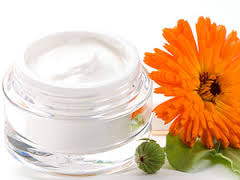
cream1So you want to delay getting a facelift for as long as possible or even avoid it (like me) entirely.  So here’s what you need to do – use retinolHere’s why: this one ingredient boosts collagen, softens skin, evens texture, and fades dark spots.  The data is clear (we hope whoever is controlling the data is clear on this) that women who regularly use retinoids age better than women who don’t.  Here are a few key things to know before getting started:
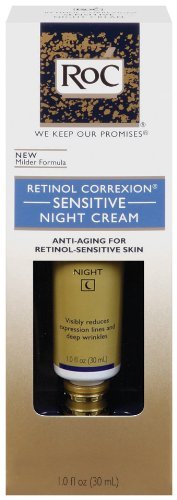
You don’t have to use it every night.  Start with twice weekly and follow up immediately with you regular moisturizer or face oil.  After a few weeks, step it up to three times a week.

It should be an “at bedtime-only” thing.  Retinoids are photolabile, meaning they break down in the presence of sunlight.

A little irritation is OK.  Redness and flaking are signs that the active form of retinol, a compound called retinoic acid, is working in the skin to make more collagen.  Just give your skin a few days to recover between applications.  I recommend trying RoC Retinol Correxion Sensitive Night Cream if you’re not sure or you experience burning or stinging.  Fyi – I have sensitive skin and I was using the regular Roc with retinol night cream, then followed up with face oil after waiting a few minutes for it to sink in. cream2 I took a long break so I’ll have to start using it again.
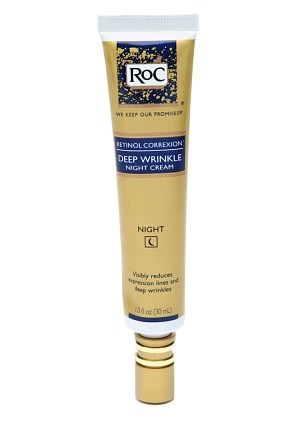
Have patience – it takes at least a few months to work.  Your patience will be rewarded.  I just found out that even if it doesn’t look like the retinol is doing anything, it’s building collagen stores in the skin that will help as you get older.

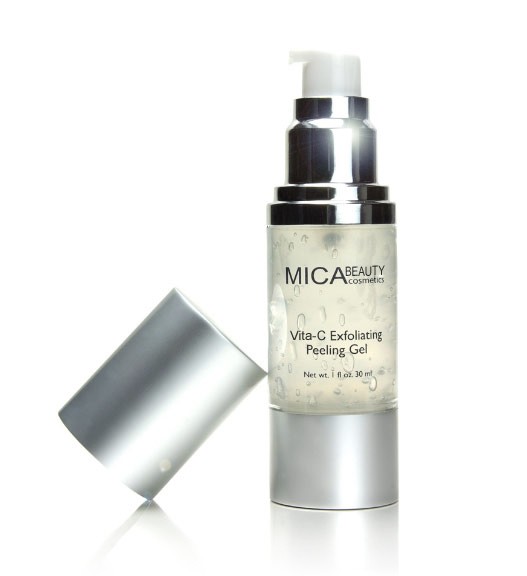
TIP: do an at-home peel a few days before starting retinol.  This will get rid of dead skin cells allowing the retinol to penetrate faster and the fresh, new cells to benefit most from the ingredient.  I like the Vica-C exfoliating peel by Mica Beauty.

What you don’t know about Retinol:

It doesn’t work by exfoliating.  Even though they can make skin flaky (at first) they work by increasing the activity of enzymes in the skin that make more collagen.

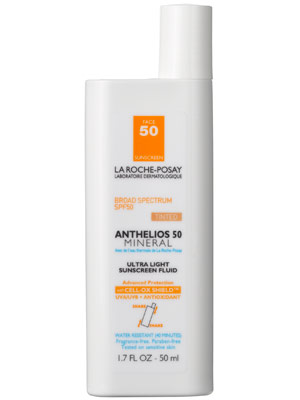
It doesn’t make skin more sun-sensitive.  Your skin might become more heat-sensitive, but that means it may feel hotter and look a bit redder if you go outside on a hot day, but that’s not burning.  That said, don’t forget to apply sun protection for the obvious reasons.  cream4My favourite sunscreen is La Roche Posay Anthelios Mineral Tinted SPF 50.  It does the trick and gives a healthy glow.

You can use it around your eyes.  This is where your skin really needs the collagen boost.  Try not to get it in your eyes but if you do, don’t freak out.  It won’t do any harm, just rinse your eyes with water. RoC makes a specific one for eyes.

cream1 (2)Mica Beauty Vita-C Exfoliating Peel 

available at:

http://www.intrigueimports.com/product_info.php?products_id=132

There are other skin creams available with Retinol.  Go to the beauty counter or do some research yourself.  Maybe you can pick up a few samples somewhere like “Sephora” to try out a few and decide which works best for you.

Have you tried any?  What do you recommend?
Beauty biz – what makes Shea so much Butter?

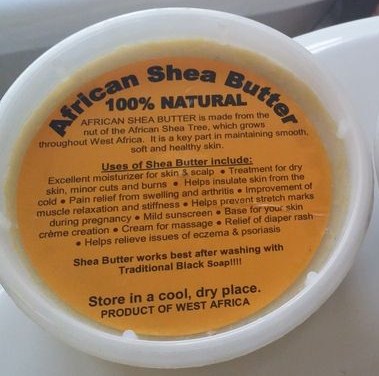
I’m sure you’ve heard or read about it before and have seen it listed on many beauty care products.  It’s been around for a very long time.shea1 - Copy

Shea Butter is made from the nut of the African Shea tree and contains a rich amount of unremoveable fatty acid which renders it far superior to cocoa butter and other natural butters, but African women already know this. They’ve been using shea butter for so many years to protect and rejuventate their hair and skin.

This fatty acid is crucial to rejuvenating and moisturizing the skin.  Shea butter provides all the essential vitamins (especially vitamin A) needed to make skin look and feel smoother, softer and healthier.  The therapeutic properties stimulates cellular activity while protecting skin from the elements (wind, cold, sun) and helps wounds heal faster.  It has been used to heal burns, sores, scars, dermatitis, psoriasis, dandruff, and stretch marks.  Shea also contains cinnamic acid, a substance that helps protect the skin from harmful UV rays.

The container here doesn’t look so pretty (certainly won’t be front & center on  my vanity) but buyer beware: some of the companies with fancier versions will alter it in order to have a better fragrance, texture, overall appearance.  The alterations may disturb and in some cases destroy the natural integrity of the product. It will however, look much nicer on your bathroom shelf.

Listed below are some of the conditions that Shea Butter will provide improvement for. As you use this multi-purpose butter, you are likely to discover additional uses. The amount of time required for optimum results may vary with each condition. Wrinkles, for example, require 4 to 6 weeks of daily use. Itching is relieved immediately.

Dry skin

Skin rash

Skin peeling, after tanning

Blemishes and Wrinkles

Itching skin

Sunburn

Shaving cream for a smooth silky shave

Small skin wounds

Skin cracks

Tough or rough skin (Feet, Elbow)

Cold weather

Frost bites

Stretch mark prevention during pregnancy

Insect bites

Healthy skin

Muscle fatigue aches and tension

For before and after strenuous exercise

Skin allergies such as poison ivy or poison oak

Eczema

Dermatitis

Skin damage from heat, hot grease while cooking, radiation treatment for certain medical problems…

What can I tell by looking at the label?  Ingredients on the label should be listed in the order from the ingredient that is the most to the least.  Therefore, you should look for Shea Butter products that list Shea Butter early on the list of ingredients.

TIP: warm it up first in your hands before spreading it on your skin. Some people even put some in the microwave but I wouldn’t do this as it could break down the vitamins, interfering with the benefits.

 On PINterest – some products I can’t live without:

 http://www.pinterest.com/intrigueimports/beauty-products-i-cant-live-without/

Beauty biz – benefits of Masking it

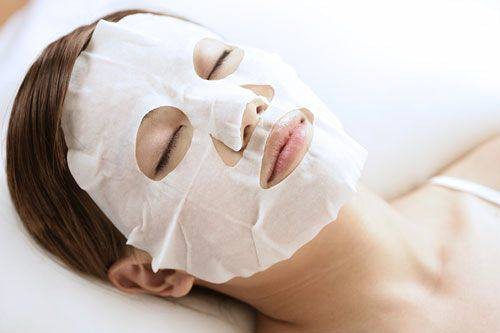
Girl witn facial mask and cucumber on her eyesSKINCARE MASKS provide some of the rewards of a salon/spa facial right at home. mask3

I try to work one into my skincare routine –  once a week, usually on a weekend and only when I’m pretty sure no one will show up at my door.  I don’t want to scare anyone wearing my full face (with cutouts for eyes & nostrils) Japanese tissue mask, or the black clay one or the blue algae. Even the dog gets scared and hides.

Using a mask is one of the steps of a good skin care regimen and they work especially when you first exfoliate.  A mask blankets the skin helping the active ingredients penetrate.  Depending on which type you use it can draw impurities from the skin and eliminate dead skin cells (yuck) or tighten and tone.

Masks are applied to cleansed skin for 10 to 20 minutes, although the duration can be shorter or longer; some hydrating masks can also be used as an intensive overnight treatment. They generally fall into these categories:

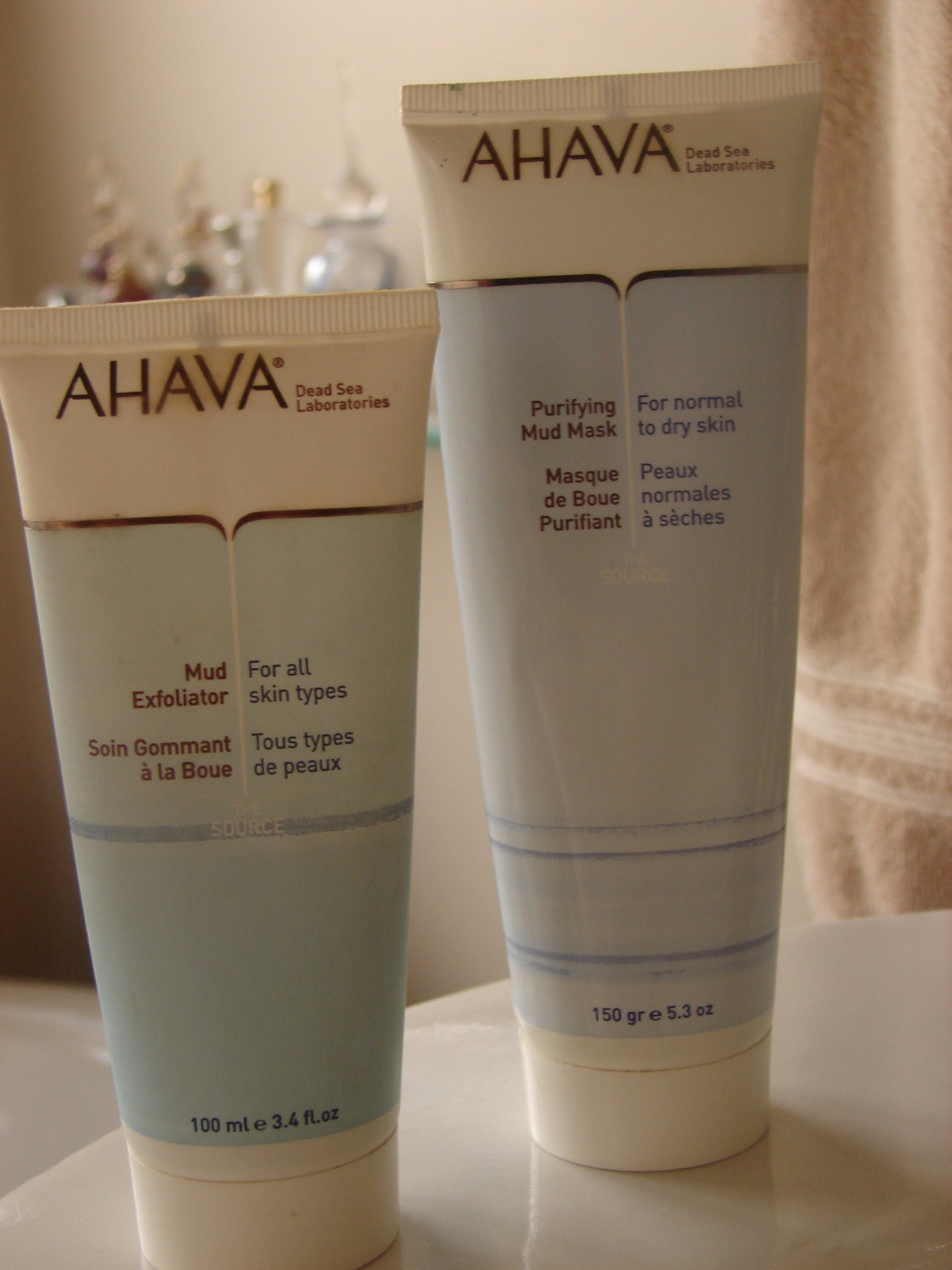
Dead Sea Scrub & MaskCLAY/MUD MASKS – these use kaolin clay, a natural component in soil, or mud from the dead sea.  They absorb oil which draws out impurities and dirt that can make pores look more noticeable, and for removing dead skin cells. These masks might be targeted to oily T-zones or acne-prone skin, and some contain acne-fighting ingredients such as salicylic acid.  I plaster Ahava dead sea mud from Israel on my nose and chin – it dries quickly to soak up oil.

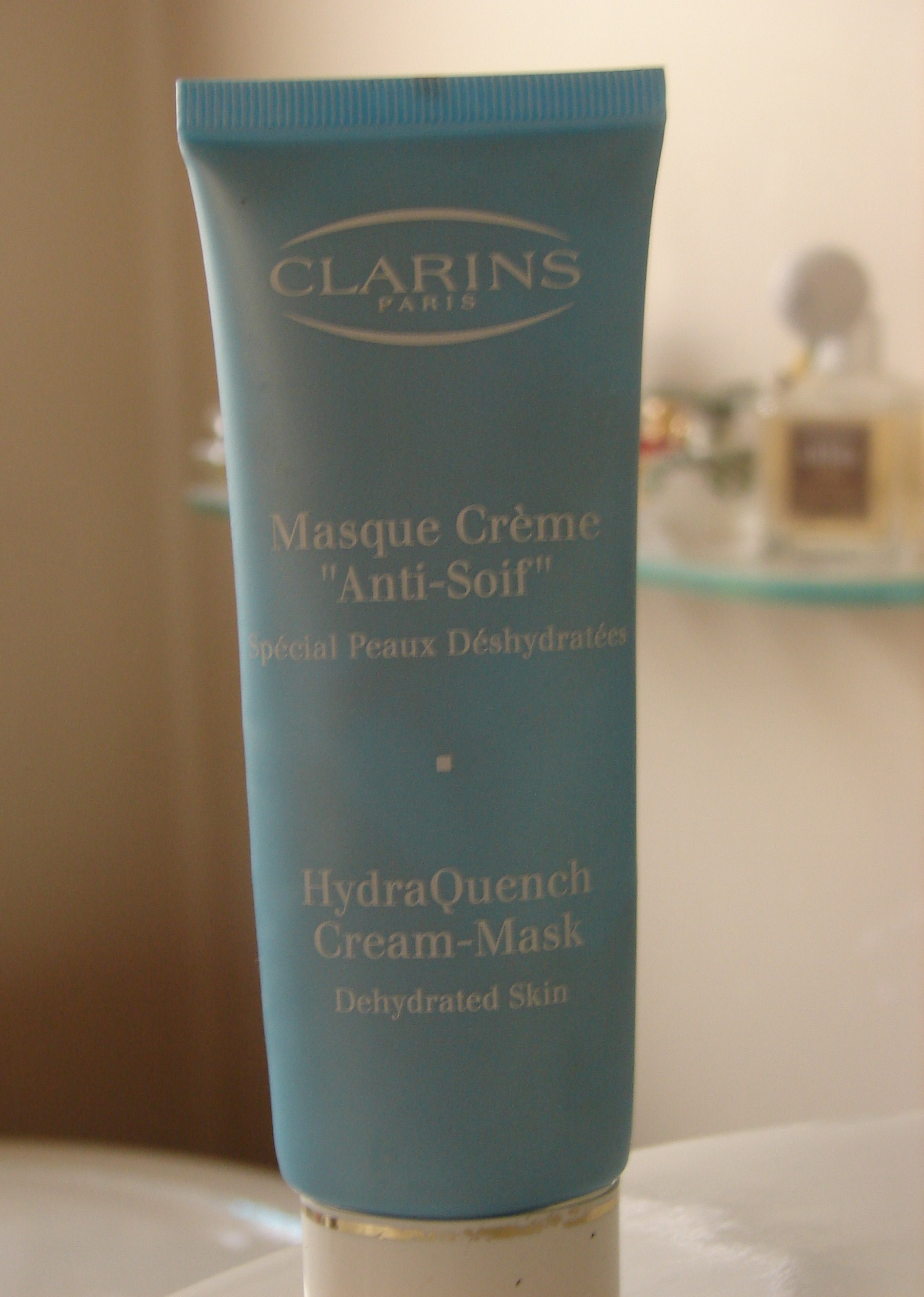
HYDRATING MASKS – these tend to soothe, nourish and, as their name implies, super-moisturize.  I like Clarins “Hydra-Quench” or Origins “Drink-Up.”Clarins hydrating mask

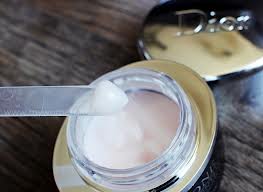
mask1FIRMING and ANTI-AGING MASKS – these deal with skin in need of a reboot.  Dior Capture Totale One Essential Mask is a melt-into-skin pink gel which bills itself as an “ultra-detox” that addresses wrinkles and loss of firmness.  Sounds amazing but I haven’t tried it.

SLEEPING MASKS – these are growing worldwide.  You apply them at night before sleep.  It’s for intense hydration.  Might be better using them for winter once in a while.  Nighttime is when the skin is rested and regeneration is at its peak so you wake up to skin that’s fresher, more hydrated. One to try: Vichy Aqualia Thermal Night Spa features hyaluronic acid, Vichy thermal spa water, aquabioryl (a hydration booster) and plant oils. mask4

Dior
Dior

Remember no matter which one you choose – follow instructions then sit back, relax and enjoy the benefits.

Which ones do you use?

beauty biz – Supersize me!

Some things are just better bigger – this is one of them.  Product Review:

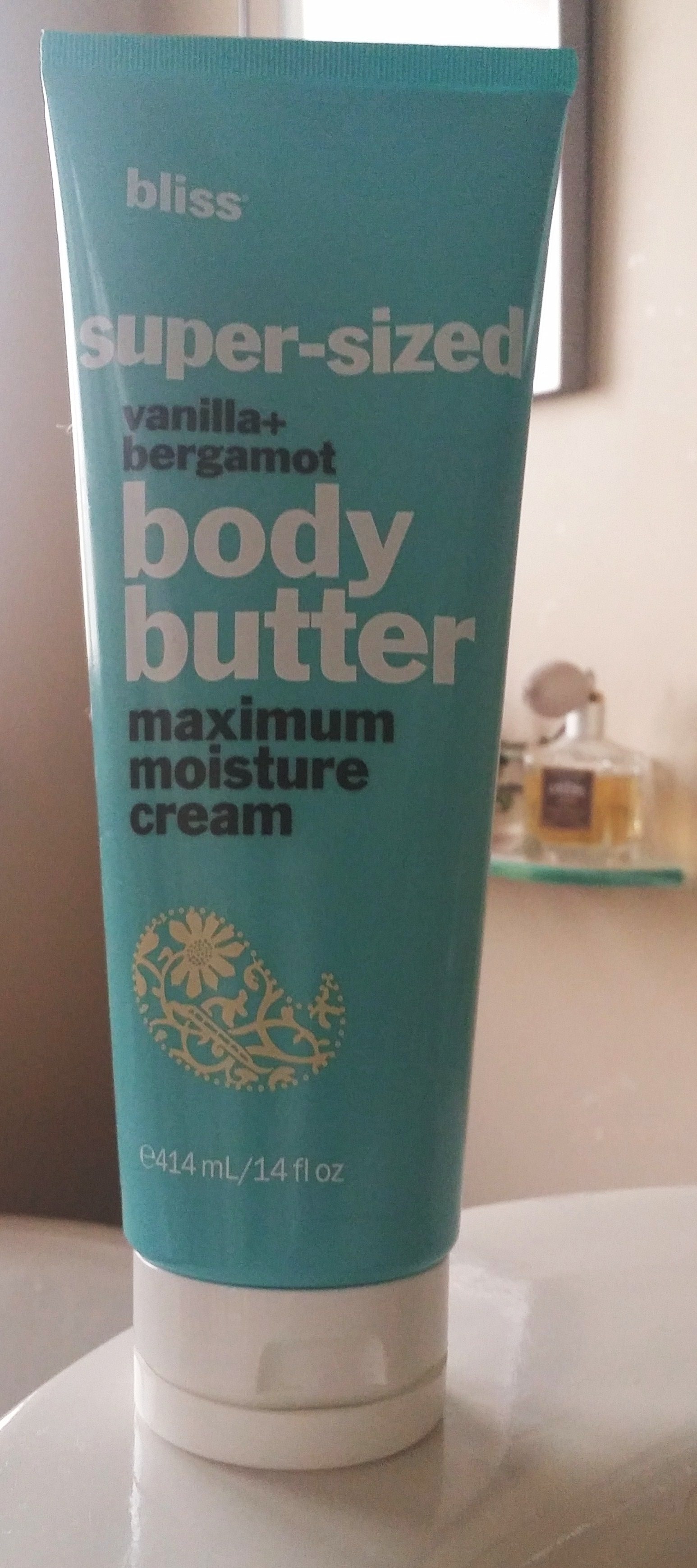
I’m in bliss…literallyBODY butter Being a huge fan of  luxurious body butters and body lotions by bliss you can imagine my delight at finding a super sized version in vanilla and bergamot –  two of my favourite scents.

Already familiar with their original lemon sage (which gained a huge following as it was the #1 body cream for over a decade and used to be available only at Bliss spa locations) this was a delightful purchase from Nordstrom’s.  It’s completely moisturizing with a very familiar & pleasant fragrance(this aromatic moisture mix has amber, lemon, bergamot, myrrh and musk, putting the ‘thrilla’ back in vanilla) which means it can be used in place of a light fragrance.  Made without parabens.  I found that mixing this with a little bit of lavender lotion creates a signature scent.

Available in Canada at:  http://www.canadabeautysupply.ca/bliss-super-sized-vanilla-bergamot-body-butter-moisture-cream-14-ounce/

Price: $51.00 for 14 oz.

beauty board on Pinteresthttps://www.pinterest.com/intrigueimports/beauty-products-i-cant-live-without/

Have you tried them?


beauty biz – PURE Hyaluronic Acid is worth it’s weight in water 

It all goes back to the womb. Have you ever met a baby with bad skin?

Babies are born with a high level of

episilk
episilk

hyaluronic acid, which keeps their dewy skin plump and smooth. Unfortunately, the amount of hyaluronic acid in skin diminishes with age, most significantly after age 40.

First off, don’t let the word “acid” fool you. Hyaluronic acid isn’t harsh or skin-stripping at all. In fact, it’s the exact opposite – a powerful humectant (aka moisture-binding ingredient) that keeps skin plump and hydrated which in turn means younger looking skin.

First off, let’s not mislead anyone here – disappointingly there is no “fountain of youth” magic skin cream or lotion fix that is available on the market despite various claims. The idea of remaining ageless has appealed to mankind since the dawn of time, but most of us realize this is a pipe dream. However, maintaining a youthful complexion and improving the appearance of our skin is not beyond our reach. In fact, one of the best kept secrets for naturally ageless skin is using hyaluronic acid (also known as sodium hyaluronate) serum.

WHY?

Don’t get too excited but Hyaluronic Acid (HA) is known for its ability to bind up to 1000 times its weight in water.  Imagine that? When applied to your skin, hyaluronic acid serum actually helps the cells in your skin absorb and retain moisture. This helps to give you that supple glow that’s been missing.  Unlike collagen, Hyaluronic Acid is able to penetrate the skin’s upper layers to improve and benefit the skin when applied topically. HA is a major component of skin, where it benefits tissue repair and protection. When applied in an HA cream or serum, hyaluronic acid forms an air permeable layer and penetrates into the dermis, thus boosting the elasticity and hydration of the skin. The protective barrier on the skin locks in moisture, thus giving it a more youthful appearance.
As you age, the body’s HA production naturally decreases, leaving the skin dry and that’s where wrinkles start to form. Replenishing the body’s natural HA allows skin to retain moisture and provides volume, form and lift.

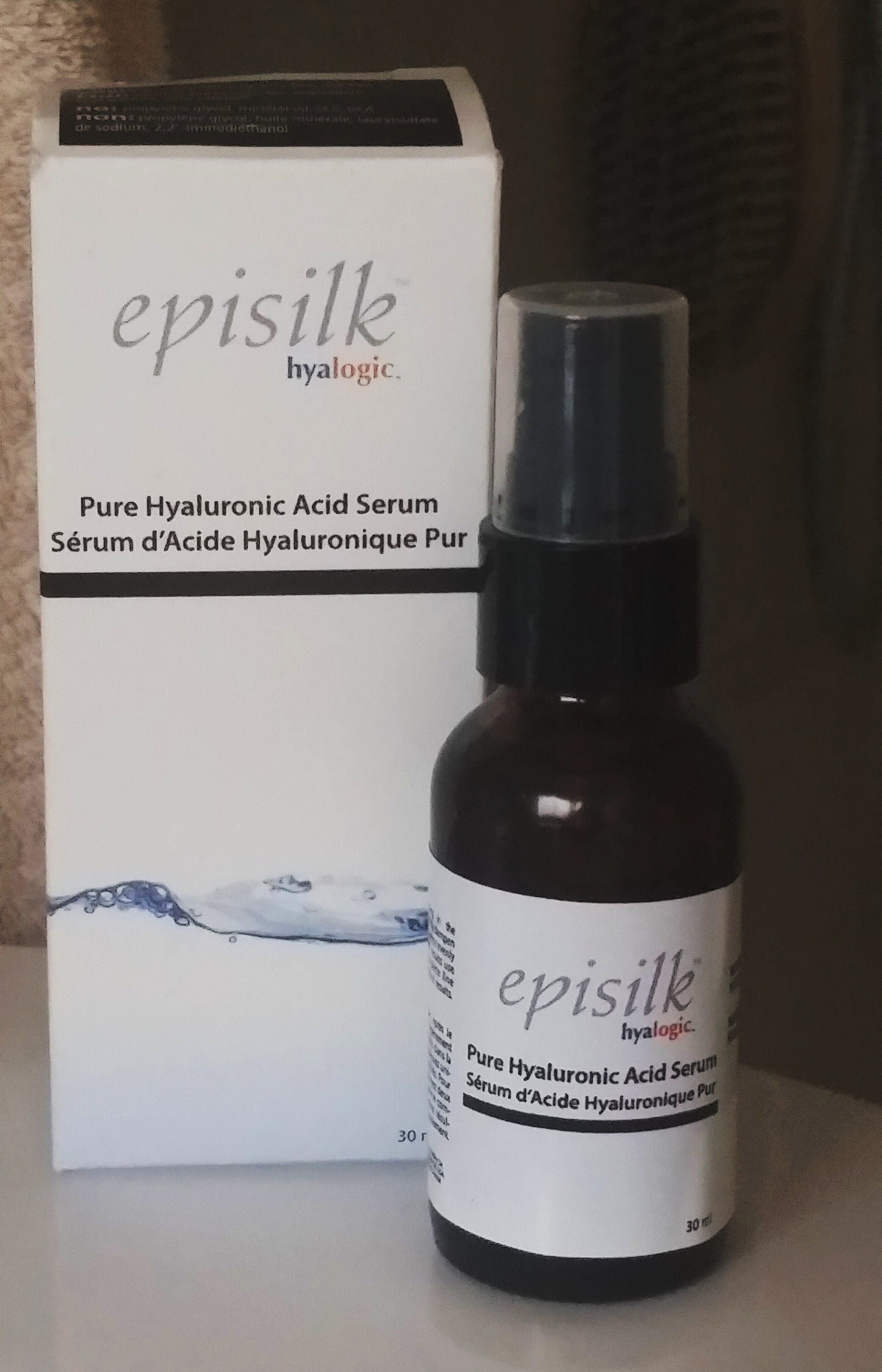
PRODUCT REVIEW: I received a new (to me) HA serum called “episilk” to try out and this is what the company has to say about it:

Episilk™ PHA Serum is an intensely hydrating serum that rejuvenates skin from the inside out. It improves the tone and appearance of skin by enhancing the skin’s ability to retain moisture. Its light, non-oily texture soothes skin leaving it fresh and soft while smoothing fine lines and wrinkles. PHA Serum renews your skin’s suppleness and elasticity.

The Episilk Pure Hyaluronic Acid Serum contains just two ingredients (de-ionized water and HA), which means that the acid isn’t subject to degradation from other ingredients and also allows a higher concentration of active ingredient for your money.  Approx. price $59.95

How to use it: Apply twice a day to wet face or put a small amount on the back or side of your hand, and mix with an equal amount of water. This serum is very concentrated and adding a very small amount of water will help activate it for best results.

What I have to say:

Who am I to argue with all the beneficial research, claims and hype surrounding HA, and with only two powerful ingredients it can’t get much better.  The fact that I received this product gratis doesn’t mean that I have to report back that I like it but after having tried it for only a few days (so far) my skin feels great and looks more hydrated.  It feels similar to a previous one I tried (MyChelle Hydrating Serum, Ultra Hyaluronic) that had many more ingredients – not necessarily a bad thing but for this you want the purest form available.  The company also has other types of serums.

How I use it:

First I spritz on my own face spray (étoile – hydrating facial essence)that has EXOTIC FLORAL WATERS and THEN USE ONE PUMP OF THE SERUM. You can also use it on your Décolletage  (area on your upper chest that MANY WOMEN MISS). At night (especially in dry season) I always use a bit of FACE OIL over top of any serum.

Link for serum: http://episilkserum.com

Link for exquisite face oil & spray: http://GetSpoiledNow.com

 On PINTEREST: Beauty Products I can’t live without: https://www.pinterest.com/intrigueimports/beauty-products-i-cant-live-without/


Beauty biz – Under Cover

FOR YOUR EYES ONLY – another beauty product review

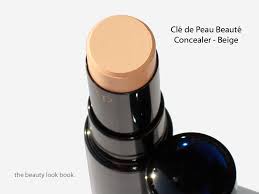
cle1Clé de Peau Beauté – a perennial favorite of makeup artists, models, celebrities and non celebs.

Creamy and light reflecting, this legendary cover-up is “sly like a fox and strong like an ox,” says L.A. Matthew VanLeeuwen, who works with Salma Hayek and Minka Kelly.

The balm like texture diffuses both undereye circles and blemishes but won’t leave tacky traces of its hard work.

Amada uses Ivory.  Neiman Marcus
Amada uses Ivory. Neiman Marcus

USD $70   CDN $105

Too pricey?  That depends, as it will last you at least one year and it doesn’t settle into fine lines.  I’ve had mine now for almost two years, but it still goes on nice & creamy so I don’t feel the need to trade it in for a new one just yet. If you warm the concealer a bit between your fingers it tends to blend easier.  Also, I only use it on the inner corners of my eyes.  There is good reason why this one is a cult favorite.  I haven’t come across a better one yet. You’ll just have to go to the makeup counter and decide for yourself if the price is worth it.  In Canada you can find it at Holt Renfrew.

*Available in four shades: Ivory, Ocher, Beige and Honey

 cle3InStyle Magazine named it “the best” concealer” for 2013 as well as Allure Magazine Hall of Fame award.

What’s Your Favorite Cover Up?

Beauty biz – from your PANTRY

Skincare that you can literally eat…..

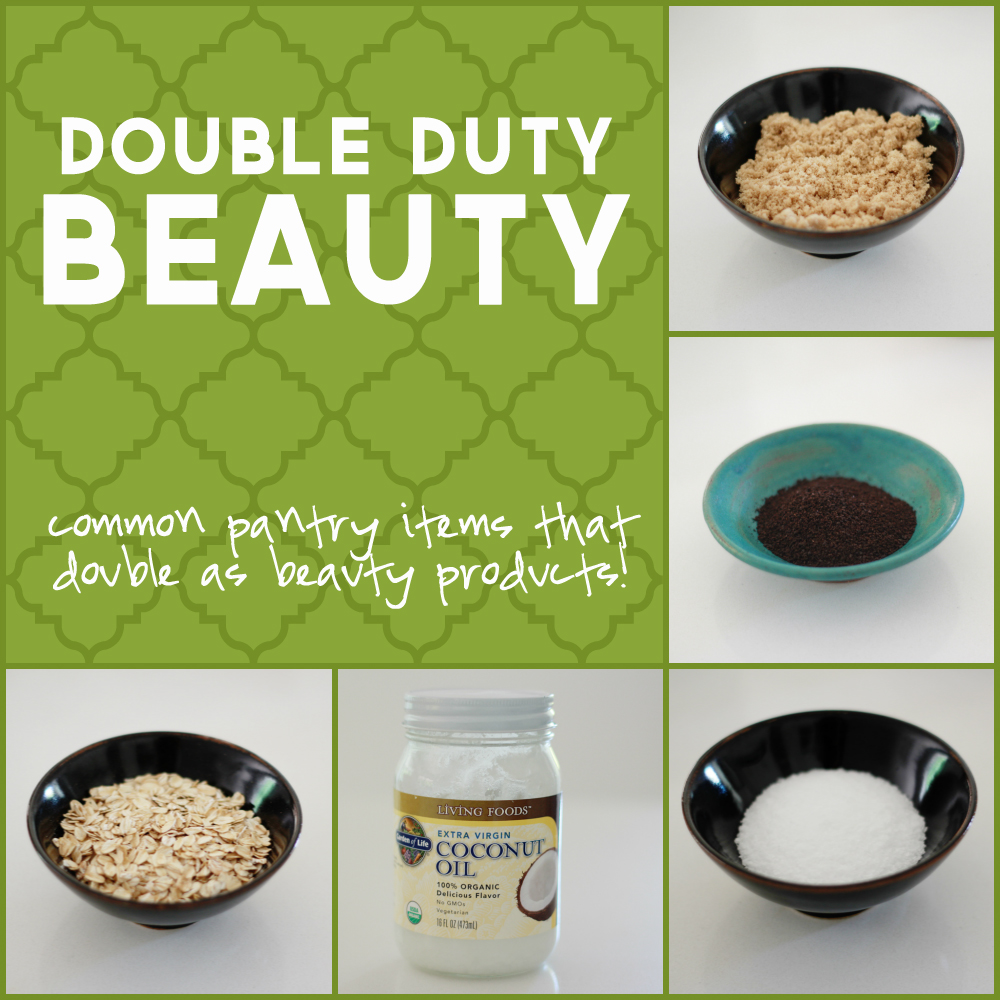
from my pantry
from my pantry

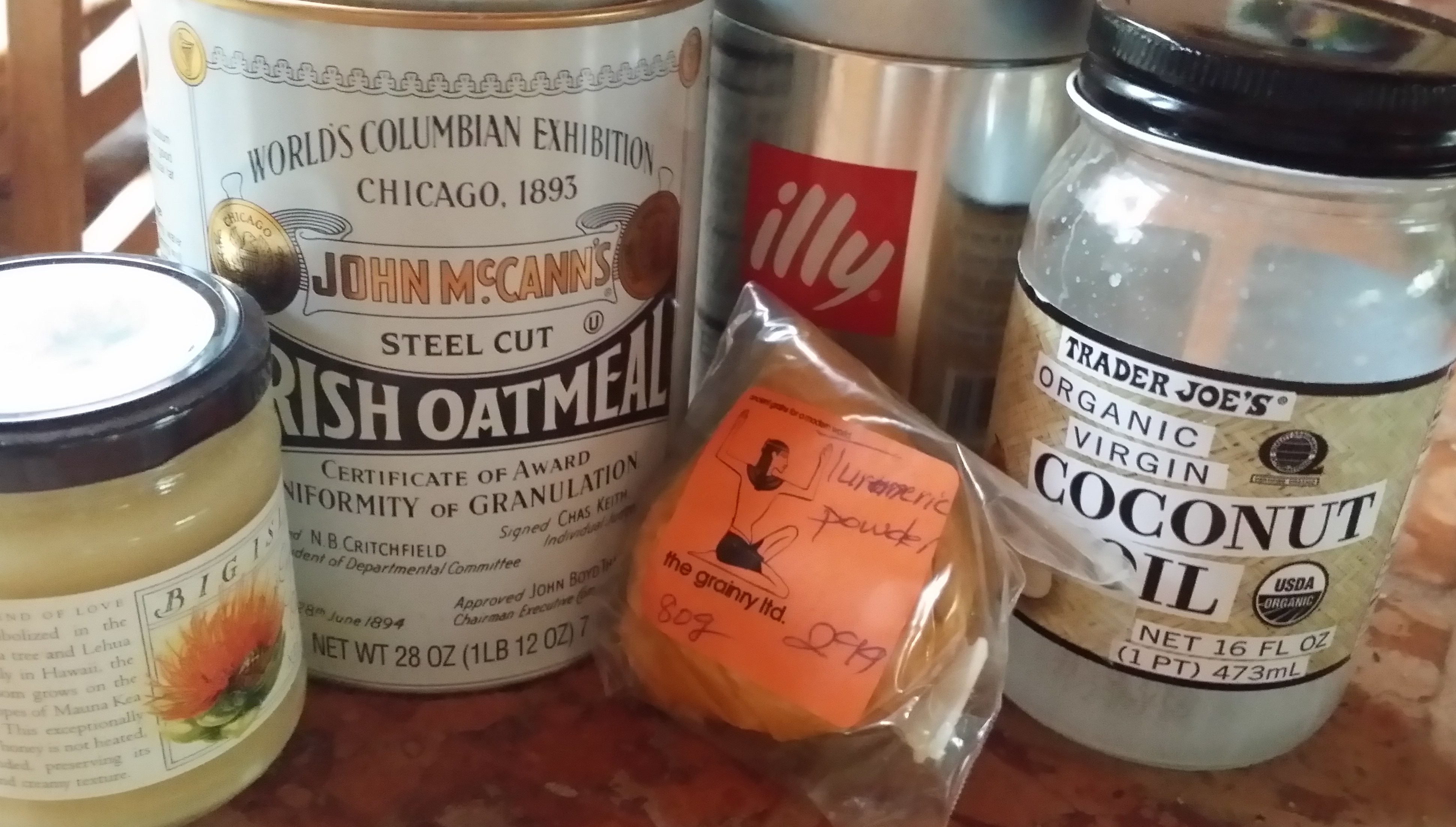
Double Duty Beauty. From the oatmeal you eat for breakfast to the turmeric in your curries, these kitchen ingredients  can work wonders for various skin issues.


Such as….

Eczema:

Worth a try: Coconut Oil

Eczema is an immunological abnormality of the barrier of the skin being deficient. Skin affected by eczema is very dry, red and itchy.  Restoring moisture is key, and coconut oil is an excellent moisturizer.  It acts as a shield on the epidermis.  While some moisturizers and face oils contain coconut oil, you can apply the oil – which can be purchased at health food (and most grocery) stores straight to skin using your fingertips.  You can also layer your regular moisturizer on top of coconut oil.  Side note: a brow threader said that we can apply coconut oil to help grow the hairs back on eyebrows.

Rosacea:

Worth a try: Oatmeal

Brimming with Vitamin A and E, oatmeal is an anti-inflammatory powerhouse that helps calm irritated skin.  It’s also packed with skin-soothing starches and beta-glucans which provide a protective barrier for the skin.  Oatmeal that is featured in commercial redness-fighting beauty products is usually the colloidal variety (meaning it has been ground into an extremely fine powder). But you can use regular oatmeal for a homemade mask.  Mix ¾ cup (175 ml) of dry oatmeal with ¼ cup (75 ml) of warm water to get a nice, thick paste, and then smooth it onto your face.  The mask may not look pretty, but it should feel quite soothing.  Once it dries, it will feel itchy – your cue to remove it by rinsing with cold water.

Hyperpigmentation:

Worth a try: Tumeric

Darkened areas on the skin, called hyperpigmentation, can be a sign of internal inflammation.  At the root is a biomarker called NF-kappaB (according to Gaetano Morello, a Vancouver naturopathic doctor) which is produced in the body.  The more NF-kappaB in your system, the more inflammatory reactions you have.  Curcumin, the active ingredient in the spice turmeric, reduces NF-kappaB when taken orally.  And a recent study cited in the Australian Journal of Herbal Medicine concluded that “curcumin” has the potential to be used as a whitening agent in treating hyperpigmentation disorders.  In the study, consuming curcumin was found to significantly reduce the melanin content in melanin-producing skin cells.  While curcumin extracts are most effective (for instance, in the form of a capsule), there is no question that consuming turmeric – and lots of it – daily has positive benefits for those affected by hyperpigmentation.  This according to Dr. Morello.

Acne:

Worth a try: Manuka Honey

I did not do my homework when I asked my sister to bring some back for me from her recent trip to Hawaii.  I thought it was from there, but it’s actually derived from a plant native to New Zealand and Australia.  It is thick and slightly bitter with powerful antibacterial properties.  The bacterium that causes acne, (propionibacterium acne) is very sensitive to the antibacterial activity of manuka honey.  Research shows that Manuka has a more powerful anti-inflammatory activity than other types of honey.  Its unusual antibacterial activity can diffuse across skin and get down into the infection that is causing the acne spots, according to Peter Molan, a professor in biological sciences at the University of Waikato in New Zealand.  Molan recommends soaking the pad of an adhesive dressing in the honey and placing this on a single pimple or a small area of pimples.  For wide-spread acne, he recommends blending manuka honey with coconut oil (one third honey to two thirds coconut oil); for example 1/3 Tbsp (5 ml) to 2/3 T (10ml), which makes for a healing skin cream.  Manuka honey can be purchased at many health food stores, and is typically more expensive than regular honey.  It also tastes great on toast, in teas or in yogurt.

For the Body: 

Coffee body Scrub – caffeine tightens loose skin, so this scrub acts as an instant slimmer and also helps to slough off dead skin cells to create smoother skin. Recipe: ¼ cup raw sugar, ¼ cup ground coffee, 1 Tbsp. olive oil, 2 Tbsp. coconut oil, 1 Tbsp. sea salt. Blend all ingredients and place in an air-tight container.  Keep in the fridge.

Disclaimer: Just want you  to know that I don’t keep all of these food items to use only for my skin.  I also enjoy eating them.  The Girl Who Would be KING.

Credit for recipes: Stacey Stein for best health magazine


Beauty biz – in the BUFF

 On the hunt to find the PERFECT NUDE

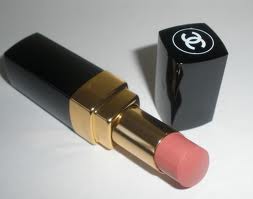
Chanel Rouge Coco Shine in Canotier
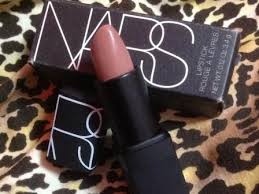
NARS sheer lipsitck in Cruising

It has always been difficult to find the perfect shade of nude lipstick, maybe even more so than searching for the perfect Red.  I like a nude lip that doesn’t completely wash you out, still looks natural & closely resembles the color of your skin tone – only slightly enhanced.  I don’t mean plain old beige either, they come in a variety of shades to pick from.  Personally, I find ones that have a lot of pigment are the best – like those from *NARS.lipnarscruising2

Samplings of some Makeup Artist Favourites are found on this page.


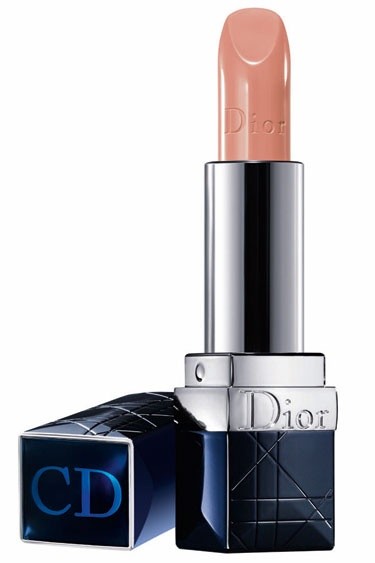
Dior Rouge Lip Color in Beige Indecise

What to look for: Two shades up from your natural skintone is a good start. Fair skins look best wearing shades with more pigment like a peachy/pink and darker skin, with more brown. Use some makeup artist wizardry and dab on some concealer to tone down a naturally pink lip (Angelina Jolie uses this trick all the time),  fill in your lips with a nude lip pencil (like Mac Spice) first or use Benefit Lip Plump (which is like a foundation for your lips) before applying lipstick. Don’t go too matte.

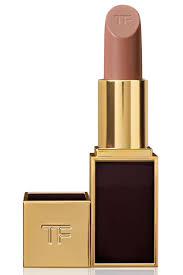
Tom Ford Lip Color in Sable Smoke

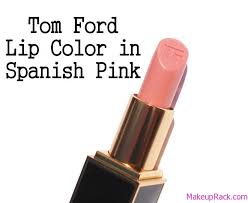
 Be VEIN: A key to understanding undertones is essential to finding a nude lipstick that won’t wash the rest of you out. A quick and easy way to figure it out is to look at the veins that show through the thin skin on the inside of your wrist: if they look blue, you have cool undertones and if they take on a slightly greenish hue, you’re warm. Not sure which way you go? You most likely have neutral undertones.  I believe mine to be blue/green.liptfspanishpink

Choosing a color for your skin tone:

For fair or pale skin: With lighter skin tones, avoid beige lipsticks, which will wash you out. Instead, look to soft pinks and peaches or pale apricot as your base shade.

For the golden girls: If you have lots of golden undertones in your skin, go for creamy, caramel-toned nudes and warm beiges. Avoid anything too cool, like grays or silver-toned shades.

For olive tones: If you have olive skin, you’re a lucky gal. Just about any nude shade will look great on you from beige to bronze to pinks. I love olives but I hate olive girls.

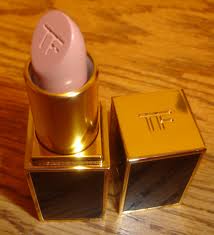
Tom Ford Lip Color in Blush Nude

For skin with yellow undertones: Think light, creamy-toned beiges like latte or mocha.

For dark-toned skin: Go for chocolate tones such as rich golden browns and coffees.

For the rest of your FACE – a pop of pink or peach blush plus bronzer keeps the face vibrant.

On another note: *I found “the best” toned-down earthy/muted brick red lipstick (goes on smooth & a bit sheer) from NARS – called Gipsy.

Do you have a favourite NUDE? Please share.


Beauty biz – what’s preserving your products?

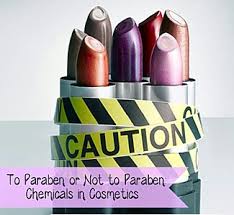
cosmetics3The good news and the bad on what’s keeping your cosmetics.cosmetics2

For the purpose of keeping this post fairly short I will omit the other (mostly unpronounceable) family names like “Imidazolidynyl urea” that are also used to name the various preservatives mentioned.  If you need to know, you’ll have to google “what other names does “said” preservative go by,” because the list can be unfortunately extensive.

While many people want to avoid chemical preservatives in beauty and personal-care products, manufacturers use them for two crucial reasons: efficacy and consumer protection.  Preservatives aren’t required in all products (e.g., those with no water, such as oil-and wax-based lip balms; hermetically sealed products; and glycolic acid products with low PH). But where they are needed, they extend a product’s shelf life and prevent microbial growth that could lead to infection.  Without preservatives, whether natural or chemical, we’d need to keep products in the fridge (where incidentally, I do have a bunch hiding in the butter compartment – but no butter).

cosmetics1Here’s a glossary of some commonly used chemical preservatives, with information on their safety.  If you check the ingredients list on cosmetics, this post will help you with the latest info.

Parabens:

Found in moisturizers, hair-care products, makeup and shaving products.  They are commonly used as a preservative; effective against a wide range of bacteria, yeast and moulds, thus protecting consumers and extending product shelf life.  All commercially used parabens are produced synthetically (although some also occur naturally as preservatives in certain fruit), and are generally used at concentrations of 0.3% or less.  They come in multiple names like methylparaben and ethylparaben, etc.  What you need to know is that if it ends with paraben then it is paraben. A small scale study in 2004 detected parabens in breast tumours however the study was found to been flawed (?) and there has been no known relationship between exposure to parabens and increased cancer risk. Still, the proverbial horse has left the barn, with many companies opting to go paraben-free.  Why take chances?

Phenoxyethanol:

Found in eye makeup, foundation, skin-care products, moisturizers, hair-care products, facial cleansers and sunscreen.  It is often used as a carrier or solvent in combination with other chemical preservatives.  Many companies that have turned their backs on parabens use phenoxyethanol instead.  The cost is low.  Health Canada considers it to be safe and does not place restrictions on the levels while Japan’s standards for cosmetics restricts the concentration to one percent.

Formaldehyde Donors:

Found in skin and hair-care products and nail polish. They’re effective against bacteria but weak against yeast and moulds, and are therefore combined with stronger chemical preservatives to assure a long shelf life.  Japan’s standards for cosmetics restricts their use due to safety concerns regarding the release of formaldehyde.  They’re considered safe by the European Union’s Cosmetic Directive and by Health Canada (interesting) at up to 0.2% concentration.  I say you make the decision because regulations are all over the map…literally.

Methylisothiazolinone:

Found in hair products, liquid soaps and some other bath products, some hand creams and sunscreens.  This chemical acts as a strong anti-bacterial, but is weak against yeast and moulds.

Triclosan:

Found in anti-bacterial soaps, hand and body washes, mouthwashes, deodorants and toothpastes.  A synthetic ingredient used primarily as an antibacterial in personal care products, but can also be used as a preservative to slow the growth of microbes and to prevent spoilage of the product.  The Government of Canada confirmed in March 2012 that Triclosan in “significant amounts” may pose a risk to the environment. The scientific data is currently being reviewed by the CCTFA (The Canadian Cosmetic, Toiletry and Fragrance Association.

Other preservatives including natural ones:

You might also see ingredients like glyceryl caprylate, caprylate glycols and ethoxydiglycol.  They may be naturally derived or synthetic.  They have limited efficacy on their own, but they might boost the efficacy of other preservatives.

Natural preservatives (e.g., turmeric and rosemary) may have some drawbacks, such as strong odour and colour, or, like orange-seed extract, have low efficacy.

Another group is the acidic preservatives such as benzoic acid and sorbic acid.  These two molecules are found in nature.  The weak preservative properties of these two acids are improved whenever the PH of the product is low, but there is a drawback: the lower the PH, the higher the potential for irritation to skin.

This in part was taken from an article written by Ann Chandler for “Look Great.”

I’d like to share some kitchen ingredients that can work wonders for various skin issues in another upcoming post. You’ll be surprised at what manuka honey, oatmeal, coconut oil and turmeric (all good for you to ingest) can do to combat skin problems from acne to hyperpigmentation.

Back to regular beauty product reviews next Thursday.

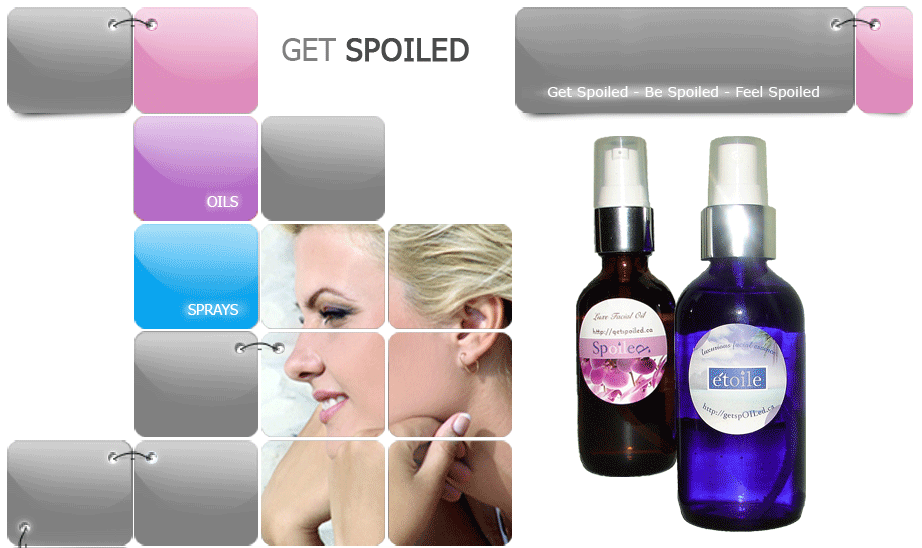
spoiledimage - CopyYou can try http://getspoilednow.com for 100% natural face products that not only do wonders for your skin but smell good too.

 Is there a natural personal care product that you recommend?
beauty biz – testing, testing

testing2Product Reviews and Testing Methods

This is a great ad
This is a great ad

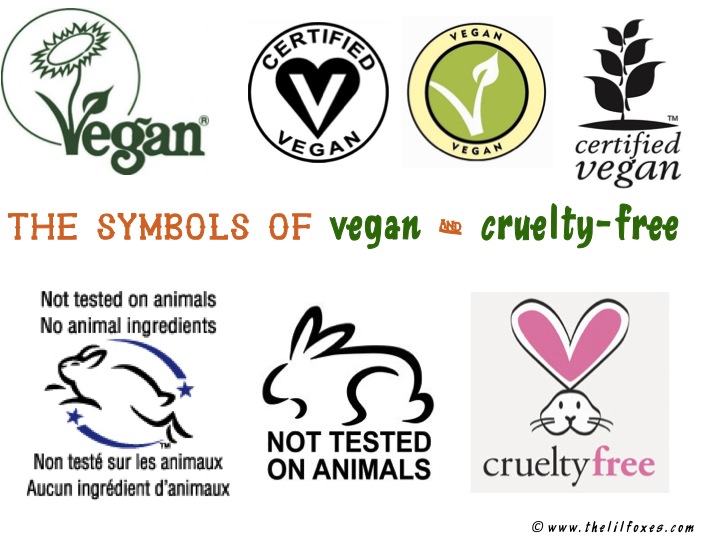
No matter how effective a product is and no matter how many people swear by it, I’ve got to tell you that I won’t put anything on my face or body that has been tested on animals – even if they’re rats.  No exceptions here……..unless I didn’t know about it beforehand.

I was about to do a product review on a very well known product (they claim to sell this item every 20 minutes) by a very well known French company that’s been around for eons whose products claim to be all “plant” based. I decided to do a bit more research on it and found out to my surprise and shock that this particular product has indeed been tested on animals. What’s upsetting is that I’ve been using it and like it.  To be fair, I read that it was animal tested on someone else’s beauty blog so just to be sure I contacted the company.

I just received an e-mail from them claiming that they no longer provide detailed product lists on animal testing and sincerely apologize for any inconvenience.  I’m confused.

So let me ask….if you’re a vegetarian and you’ve been eating a brand of veggie burgers that you loved and then found out that there was actual meat in the burger how would you react?

It goes on….”we do not conduct animal testing on our finished products or ingredients except in exceptional cases, when required locally by law.  What law…..where??

The company’s commitment to the protection of animals is also the reason why testing on animals no longer takes place (was that before or after I bought this product?).  The company supports the development and global acceptance of non-animal testing alternatives.  Product safety control is carried out on cell culture in accordance with substitute in vitro methods that are internationally acknowledged and approved by experts.

Still confused, but to be on the safe side I won’t review this particular product because I’m still not sure if it is (or has been previously) tested on animals.  But you would be astounded to find out which of the companies are still testing.

So I guess this post is about awareness of what you put on your skin.  Which leaves me to want to research what goes in to “keeping” your cosmetics…because many people want to avoid chemical preservatives in beauty and personal care products.  I’ll reserve this for my next beauty post.

Signs to look for
Signs to look for

What are your thoughts about this?