Beauty biz – Under Cover

FOR YOUR EYES ONLY – another beauty product review

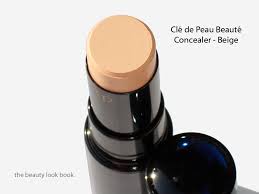
cle1Clé de Peau Beauté – a perennial favorite of makeup artists, models, celebrities and non celebs.

Creamy and light reflecting, this legendary cover-up is “sly like a fox and strong like an ox,” says L.A. Matthew VanLeeuwen, who works with Salma Hayek and Minka Kelly.

The balm like texture diffuses both undereye circles and blemishes but won’t leave tacky traces of its hard work.

Amada uses Ivory.  Neiman Marcus
Amada uses Ivory. Neiman Marcus

USD $70   CDN $105

Too pricey?  That depends, as it will last you at least one year and it doesn’t settle into fine lines.  I’ve had mine now for almost two years, but it still goes on nice & creamy so I don’t feel the need to trade it in for a new one just yet. If you warm the concealer a bit between your fingers it tends to blend easier.  Also, I only use it on the inner corners of my eyes.  There is good reason why this one is a cult favorite.  I haven’t come across a better one yet. You’ll just have to go to the makeup counter and decide for yourself if the price is worth it.  In Canada you can find it at Holt Renfrew.

*Available in four shades: Ivory, Ocher, Beige and Honey

 cle3InStyle Magazine named it “the best” concealer” for 2013 as well as Allure Magazine Hall of Fame award.

What’s Your Favorite Cover Up?

style & substance –  Trench Town

The TRENCH COAT

Who wore it best? Catherine Deneuve bien sûr!
Who wore it best? Catherine Deneuve,  bien sûr!

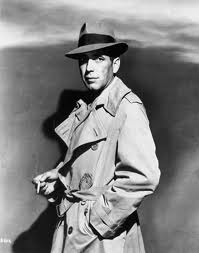
Always a modern classic.  Whenever I think of the Trench I envision Catherine Deneuve in the photos shown here as the ultimate Trench Woman.  And who can forget Humphrey Bogart’s Rick Blaine from Casablanca.

Bogart - Casablance
Bogart – Casablanca


This season we see it updated with contrast piping, as well as raw edges, softer collars and abbreviated lengths.  I’ve shown them here in Beige because to me, if you’re to choose only one, then Beige be it!  Otherwise Navy or Black.

Burberry Campaign
Burberry Campaign


Art of the Trench is a living document of the trench coat and the people who wear it. The project is a collaboration between Burberry and some of the world’s leading image makers including a

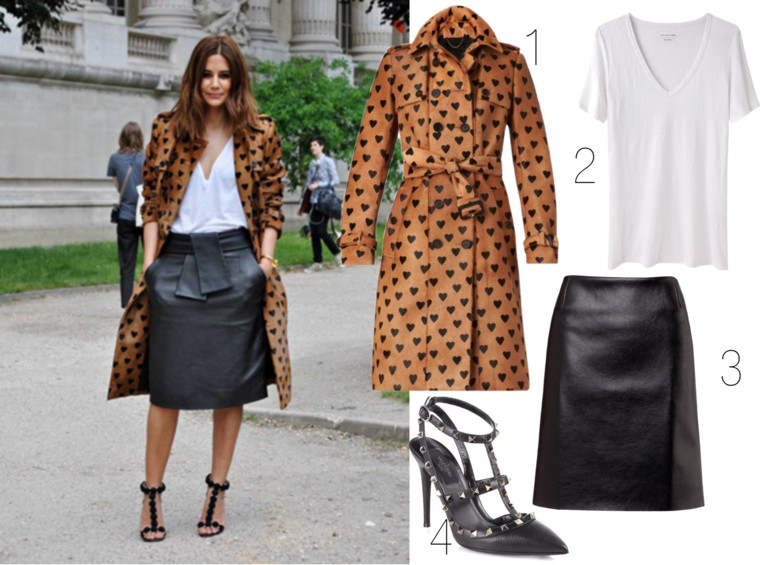
Burberry Hearts - dress it up, dress it down
Burberry Hearts – dress it up, dress it down

series of specially commissioned trench coat portraits by Scott Schuman (The Sartorialist) and the iconic Magnum photographers.

Link: http://artofthetrench.com/

Deneuve - "La Chamade"
Deneuve – “La Chamade”


trench2

Of course you can find trench coats, long or short, in all price ranges and colors.  Something like this is worth splurging on, with the most you can afford to spend since it will be a staple in your wardrobe for years to come.


Not even only for rainy days.

Charlotte Rampling as seen in Harper's Bazaar - April/2014
Charlotte Rampling as seen in Harper’s Bazaar – April/2014 wears the trench fabulously.


trench3

Buckle or Tie – which do you prefer?


Simply Satisfying Seder – Passover Lasagna 

matzo-lasagna-0089-md110848_vertPassover begins on the evening of April, 14, 2014.  This unleavened twist on lasagna is a great way to use leftover matzo after the seder.  Substitute layers of matzo for the noodles, then fill them with a mixture of spinach and ricotta cheese.  Look for the “kosher-for-Passover” signifier on all the other ingredients.  I saw this in the Food section of the April issue of “Martha Stewart Living” magazine & thought it would be a brilliant addition to a Passover meal.  See the Seder checklist below for basic guidelines to a seamless seder.  “Mazel tov

Matzo Spinach Lasagna (serves 6)

INGREDIENTS

  • Extra-virgin olive oil, for dish
  • 2 cups ricotta or small-curd cottage cheese
  • 4 large eggs
  • 1 1/2 cups half-and-half
  • 1 1/4 cups grated Parmesan (about 4 ounces)
  • 1 teaspoon finely grated lemon zest, plus 1 tablespoon juice
  • Pinch of freshly grated nutmeg (optional)
  • Coarse salt and freshly ground pepper
  • 1 pound chopped frozen spinach, thawed and squeezed of excess moisture
  • 4 sheets matzo

DIRECTIONS

Preheat oven to 400 degrees. Brush bottom and sides of an 8-by-8-inch baking dish with oil.

Whisk together ricotta, eggs, half-and-half, 3/4 cup Parmesan, zest, and nutmeg. Season generously with salt and pepper. In another bowl, toss spinach with lemon juice; season with salt and pepper.

Place 1 matzo sheet in bottom of prepared baking dish. Pour 1 cup cheese mixture over matzo. Sprinkle evenly with one-third of spinach mixture. Repeat layers 2 more times. Top with remaining matzo and drizzle with remaining cheese mixture. Sprinkle with remaining 1/2 cup Parmesan. Bake, uncovered, until puffed and golden brown on top, 35 to 40 minutes (cover with foil if browning too quickly). Let cool 15 minutes, then serve.

Recipe for Charoset

This fruit, nut and wine mix is eaten during the seder. It is meant to remind us of the mortar used by the Jews to build during the period of slavery. It should have a coarse texture. The ingredient quantities listed here are at best a rough estimate. The recipe below makes a very large quantity, but people usually wind up making more before the holiday is over. Other fruits or nuts can be used.

  • 4 medium apples, 2 tart and 2 sweet
  • 1/2 cup finely chopped almonds
  • 1/4 cup sweet wine
  • 1/4 cup dry wine
  • 1 Tbs. cinnamon

Shred the apples. Add all other ingredients. Allow to sit for 3-6 hours, until the wine is absorbed by the other ingredients. Serve on matzah. Goes very well with horseradish.

Preparing for the Seder Meal Checklist

The Seder is the most important event in the Passover celebration, but there’s more than a few components to this intricate ritual. Use this checklist to keep track of everything from the wine glasses to the prayer books for a seamless Seder.

Tableware

 Tablecloth and napkins.

Passover is one of the most celebrated holidays in the Jewish faith, so it’s customary to dress up the table with an elegant tablecloth and cloth napkins.

Scatter candles throughout the room and on the table for a warm glow.

Kosher dishes and utensils.

Whether you choose formal china or everyday dishware, don’t forget to keep kosher for the Seder.

Put two glasses, one for water and one for wine, at each place setting.

An extra wine goblet.

Fill an additional wine glass and place it in the center of the table for Elijah, a prophet who is thought to visit each Seder dinner.

 Food and Beverages

 Seder plate.

  • Set the Seder plate, filled with foods that symbolize the story of the Exodus, near the Seder leader’s place at the table. Arrange five items on the plate: a hard-boiled egg; a roasted shank bone; a spring vegetable such as parsley, called karpas; a mixture of fruit, wine, and nuts, called charoset; and either prepared or fresh horseradish, called maror. Some Jews include a sixth item called chazeret, often represented by lettuce.
  • Salt water.
  • Provide each guest with a small dish of salt water to dip their greens into.
  • Additional dishes of karpas, charoset, and maror.
  • To make things more convenient for guests, you can also set small dishes containing each item next to every place setting.
  • Matzah.
  • Put three pieces of matzah on a plate, cover with a cloth or napkin, and place underneath or near the Seder plate.
  • Wine.
  • Make sure there is enough wine on the table for each guest to have four glasses, an amount that symbolizes the four stages of the Exodus. Substitute grape juice for the children and the teetotalers of the group.

Miscellaneous

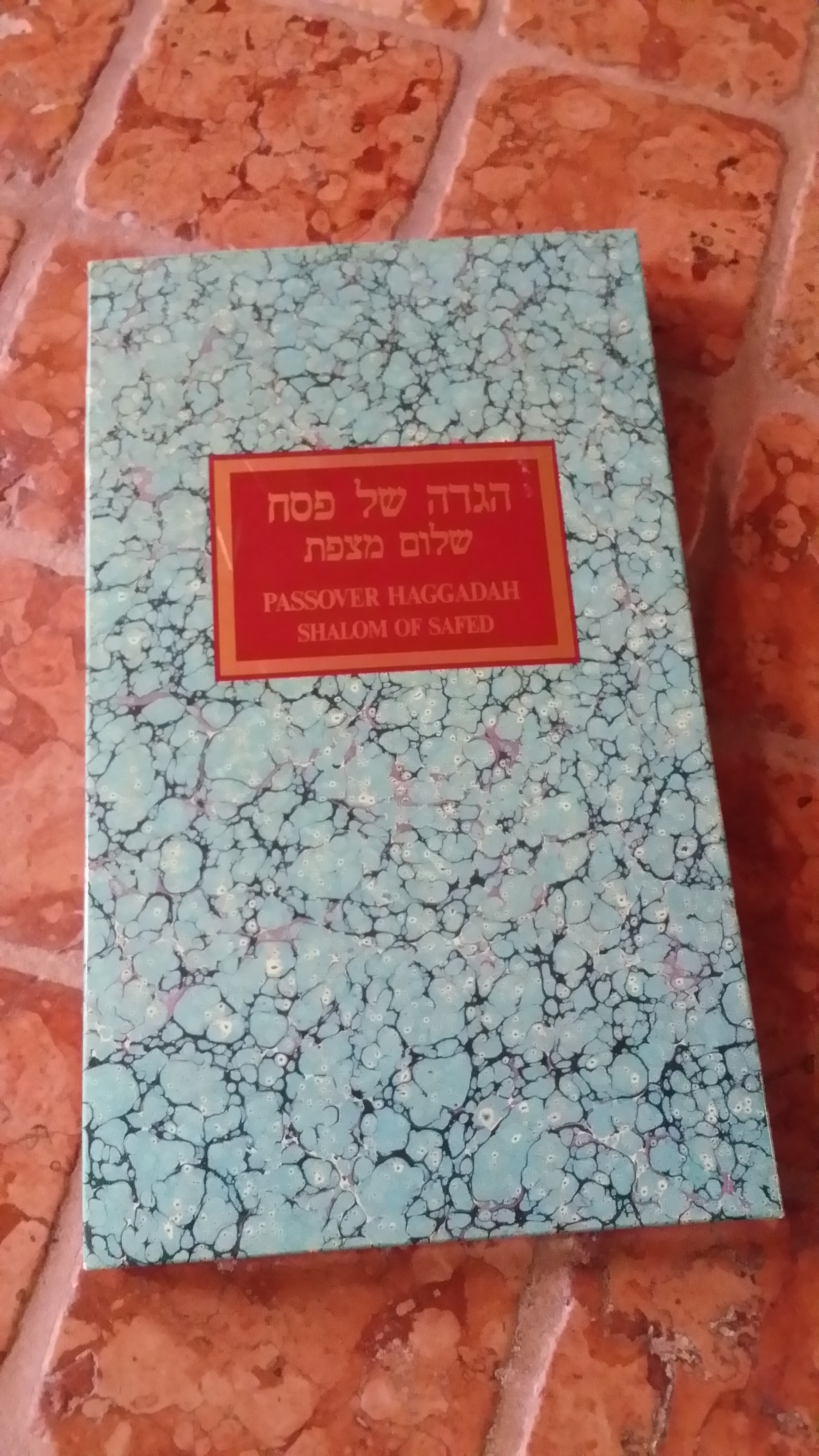
Copies of the Haggadah.

  • Lay a copy of the Haggadah, a prayer book that explains the story of the Israelites’ slavery in Egypt, on top of each guest’s appetizer plate, under the napkin.
  • Basin and towel.
  • Place a small basin filled with warm water and a towel on the table for two hand-washing rituals that occur during the meal.
  • Pillows.
  • It’s traditional for each guest to recline on a pillow during the ceremony to symbolize the comfort of freedom.

To those of you taking part in this important celebration, Mazel Tov!


Culture/Celebration – Passover Seder 101

Passover is a celebration of spring, of birth and rebirth, of a journey from slavery to freedom, and of taking responsibility for yourself, the community, and the world. 20140405_133059

For those of you who are curious, this is a thumbnail review about the significant holiday known as Passover. If you want a more indepth look at the importance of this spiritual, most celebrated Jewish holiday, there’s a link below.

You can think of Passover as celebrating the Jewish people’s “birth certificate” and “Declaration of Independence.” Or you can think of it as memorializing something that God did for the Jews 3,300 years ago.

 In simple terms, it means to pass through, to pass over, to exempt or to spare.  It refers to the fact that God “passed over” the houses of the Jews when he was slaying the firstborn of Egypt. Pesach, (PAY-sahch) known in English as Passover, is one of the most commonly observed Jewish holidays, even by otherwise non-observant Jews. According to the National Jewish Population Survey (NJPS), 67% of Jews routinely hold or attend a Pesach seder, while only 46% belong to a synagogue.  Basically….

Table set for Seder
Table set for Seder

The Passover Seder  “order,  arrangement” is a Jewish ritual feast that marks the beginning of the Jewish holiday of Passover. It is conducted on the evenings of the 14th day of Nisan in the Hebrew calendar throughout the world, and on the 15th by Jews living outside Israel. This corresponds to late March or April in the Gregorian calendar. Passover lasts for 7 days in Israel and 8 days outside of Israel.

The Seder is a ritual performed by a community or by multiple generations of a family, involving re-telling of the story of the liberation of the Israelites from slavery in ancient Egypt. Every year, Jews are commanded to retell the Passover story which takes place during the Passover Seder (which is a service held at home as part of the celebration). This story is in the Book of Exodus (Shemot) in the Hebrew Bible. The Seder itself is based on the Biblical verse commanding Jews to retell the story of the Exodus from Egypt: “You shall tell your child on that day, saying, ‘It is because of what the LORD did for me when I came out of Egypt.'” (Exodus 13:8) Traditionally, families and friends gather in the evening to read the text of the *Haggadah, an ancient work derived from the Mishnah (Pesahim 10). The *Haggadah contains the narrative of the Israelite exodus from Egypt, special blessings and rituals, commentaries from the **Talmud, and special Passover songs.

Seder customs include telling the story, discussing the story, drinking four cups of wine (Yes!), eating matza, partaking of symbolic foods placed on the Passover Seder Plate, and reclining in celebration of freedom. The Seder is performed in much the same way by Jews all over the world.

*Haggadah means “the telling” – the telling of the story of Passover. The story is told in response to four questions asked by the children: why is this night different from all other nights? The father proceeds to tell the story of the Exodus from Egypt, reading from a book called “The Haggadah” and using symbols and object lessons in order to keep the attention of the little ones (and in many cases, not so-little ones too).

Haggadah
Haggadah

**The Talmud is a huge collection of doctrines and laws compiled and written before the 8th Century, A.D., by ancient Jewish teachers. The Talmud, which often cites the Old Testament, is the basic book of Jewish law.

Why do we eat Matzah? To remind ourselves that even before the dough of our ancestors could become leavened bread, the Holy One revealed Himself and redeemed them, as it is written: “and they baked the dough when they had brought from Egypt into matzah, because it did not rise since they were driven out of Egypt and they could not delay, nor had they prepared provisions for themselves.”

What is Hametz? Hametz is a mixture of flour and water that is allowed to rise, thus becoming what we normally call ‘bread.’ The laws of hametz are very strict, and prohibit not only eating it but even owning it during Passover. Thus, during the weeks before Pesah, we dispose of our hametz. In theory: Philo, a Greek-Jewish philosopher, described hametz as pride because leavened bread is puffed up. To remove hametz, then is to struggle with our sense of self-importance.

Shalom

For More info:  https://www.jewishvirtuallibrary.org/jsource/Judaism/holidaya.html

Tomorrow: A few basic Seder recipes (but they’re good anytime)


WORDS – for cheese lovers only

A bit about cheesecheese2

Cheese making (and eating) is believed to date back as far as 8000 BC.

Calling someone “THE BIG CHEESE” originally referred to the wealthiest, who could afford full wheels of cheese.

Most cheese is made from cow, sheep, or goat’s milk, but there is a farm in Sweden that makes moose cheese!

As soon as a cheese wheel is cut, the aging process stops, so the cut cheese does not get better with age.  Buy only what you will consume in a few days for the freshest-tasting cheese.

While you can safely cut mould off the outside of a hard cheese, any fresh cheese with mould on it should be thrown out. An ammonia (a by-product of the cheese-making process) smell does not necessarily mean the cheese is spoiled.  Taste the cheese to make sure it is still fresh.

Hard cheeses are pressed during the cheese making process to remove as much moisture as possible.  For this reason they keep much longer than soft cheeses.

Fresh cheeses such as ricotta, burrata, and cottage cheese should not have much of an aroma – if they have a strong smell, they are likely spoiled.  These should be kept for a maximum of 7-10 days.

Proper Storing: store soft cheese in waxed paper, and be sure to press the paper right against the runny part of the cheese (known as the “paste”).  This allows moisture to evaporate, but maintains the humidity in the cheese.  Then place the wrapped cheese in a loose plastic bag or in plastic wrap.  Cheese is a living and breathing thing, so it needs air.  Cheese paper is specifically made to maintain partial air and moisture, but waxed or parchment paper will also do the trick.

As cheese sits, its moisture collects at the bottom.  Soft cheeses should be turned over every few days to distribute the moisture and oil content.

 A TUROPHILE is a connoisseur of cheese. It can also be for a lover of cheese, therefore I am a Turophile.

I love them hard & soft!
I love them both hard & soft!


Health MATTERS – Inflammation Fighters

Why eating certain power foods can help you avoid the disease-causing condition.

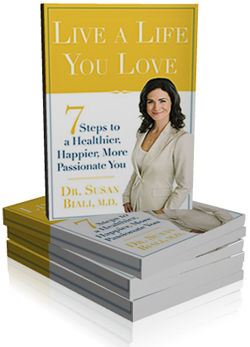
Susan Biali (a practicing GP, wellness expert and life coach) explains the connection between food and inflammation.  She is also the author of Live a Life You Love: 7 steps to a Healthier, Happier, More Passionate You. inflammation2

Biali first learned about this connection a decade ago when she visited a dermatologist about her acne condition at the time.  This specialist was way ahead of his time: instead of prescribing medication, he asked her what she was eating.  He explained that angry, red pimples are a manifestation of inflammation in the body, and that eating certain foods makes acne worse or better.  When she took his advice and changed her diet, her skin changed dramatically.  Of course, there are different causes for acne so food isn’t always the cure, but as a rule an anti-inflammatory diet should improve redness, inflammation and the overall look of your skin. 

Sometimes chronic inflammation is obvious, as with a painful arthritic knee, but it’s typically much more subtle.  Inflammation that contributes to heart disease happens at a microscopic level in your arteries.  You’ll never notice it or feel it until the condition is severely advanced.  The various triggers responsible for this can be stress related, depression, smoking and poor sleep.

You probably heard long ago that eating a Mediterranean-style diet reduces the risk of heart disease.  What you might not know is that it’s also a textbook “anti-inflammatory diet” packed with whole foods and low in refined sugars, refined flours, trans fat and red meat – all of which are believed to lead to inflammation.  Here are some of the power foods that reduce inflammation, protect you from disease and slow the aging process.

Fatty Fish – like mackerel, salmon, trout and sardines are powerfully anti-inflammatory.  In addition to eating fish a couple times a week, taking a high-quality wild fish oil supplement daily is also recommended.

Fruit and Vegetables – deep red berries, broccoli, sweet potatoes, and red & orange peppers are potent anti-inflammatories.

Extra Virgin Olive Oil – this is one of the cornerstones of the Mediterranean diet.  Use it in salads, in cooking and for dipping whole grain breads.  Don’t go overboard, though; one Tbsp. has about 119 calories and 14 grams of fat!  Yes, it’s a good fat,….but can still be fattening.

High-Fibre Whole Grains – refined white flours convert quickly into sugar in your blood, which is inflammatory.  Fibre, in contrast, is anti-inflammatory and digests more slowly, avoiding damaging spikes in sugar.  A test: if you can easily squish a piece of bread – crusts removed – into a pea size ball, it’s not high fibre.  Look for four to six grams of fibre content on the label before buying a “whole-grain” product.

Tumeric – a superstar!  It’s active ingredient (this was mentioned in my beauty post) curcumin, comes in supplement form and has been shown to be as potent for easing aches and pains as OTC painkillers such as ibuprofen.  I love turmeric rich curries and keep a bottle of the spice in my cupboard.

The scientific support for whole foods just keeps growing.  The better you eat, the better you’ll look and feel, and the more likely you’ll enjoy a healthy, inflammation-free life.

An excellent book on the subject:

inflammation1Conquer Inflammation will give you clear and concise details on exactly how inflammation is generated by your immune system or your fat cells and how it continuously creates havoc in your heart, your brain, your joints, your skin, and your soft tissues. This book will show you how you can end the inflammatory activity in your body without resorting to drugs that may have harmful side-effects. Lifestyle changes, nutritional strategies, and natural supplements can stop the inflammation process without causing more harm to your body.  Available on Amazon.com

You can also try a product called “Leaf-Source”inflammation3LeafSource mineral products are derived from a 100% natural, organic, prehistoric sea-bed deposit dated at about 120 million years old. Agricultural civilizations have long relied on sea beds as vital sources of fertilizer that enrich soils and provide the nutrients in our foods.

We now know that this intricate matrix of naturally occurring organic acids and alkalizing minerals can have a direct beneficial effect on the body ultimately helping the body run more efficiently. http://www.leafsource.com/

If you have other recommendations for fighting inflammation please pass them along.

 

Beauty biz – from your PANTRY

Skincare that you can literally eat…..

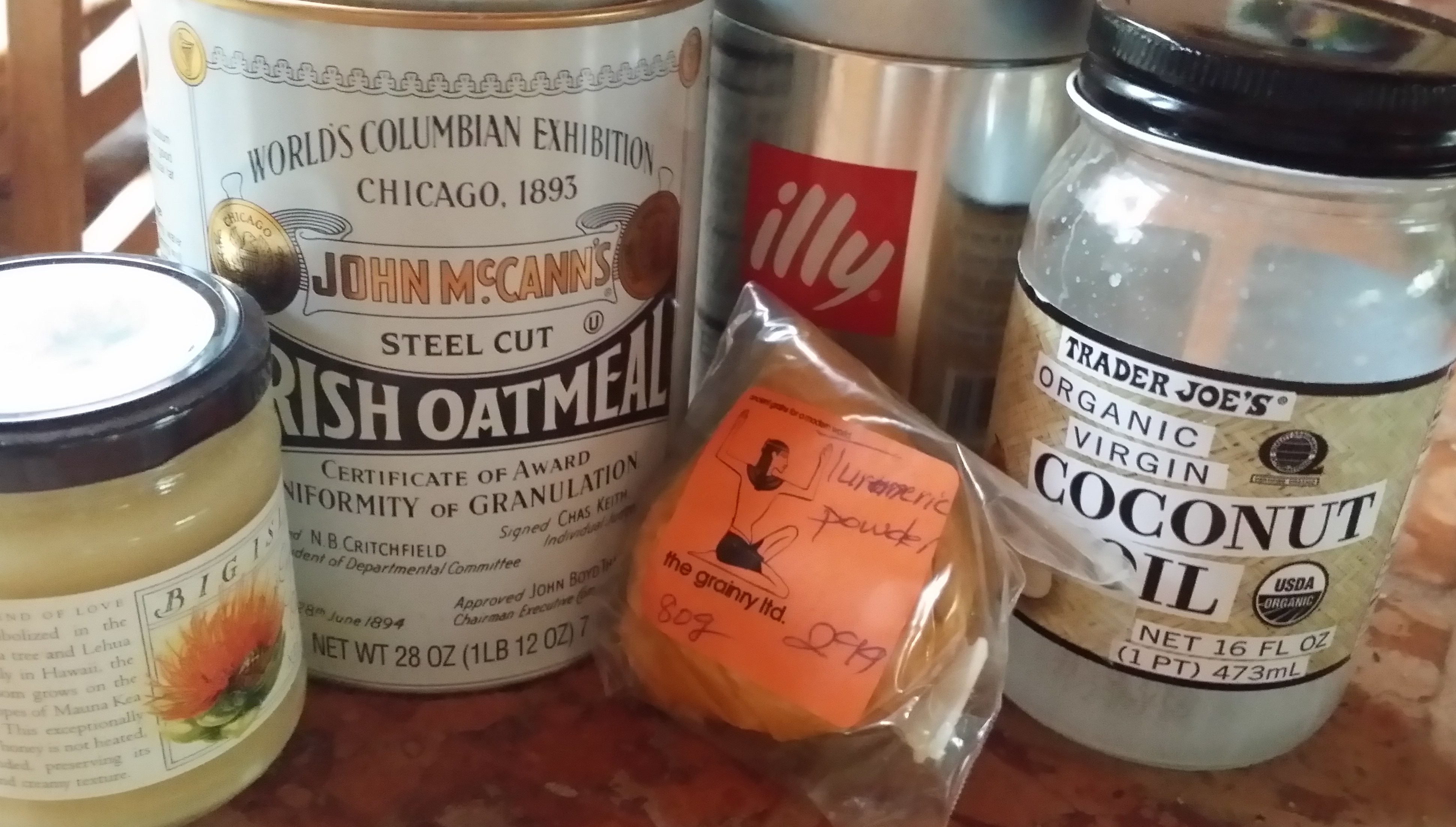
from my pantry
from my pantry

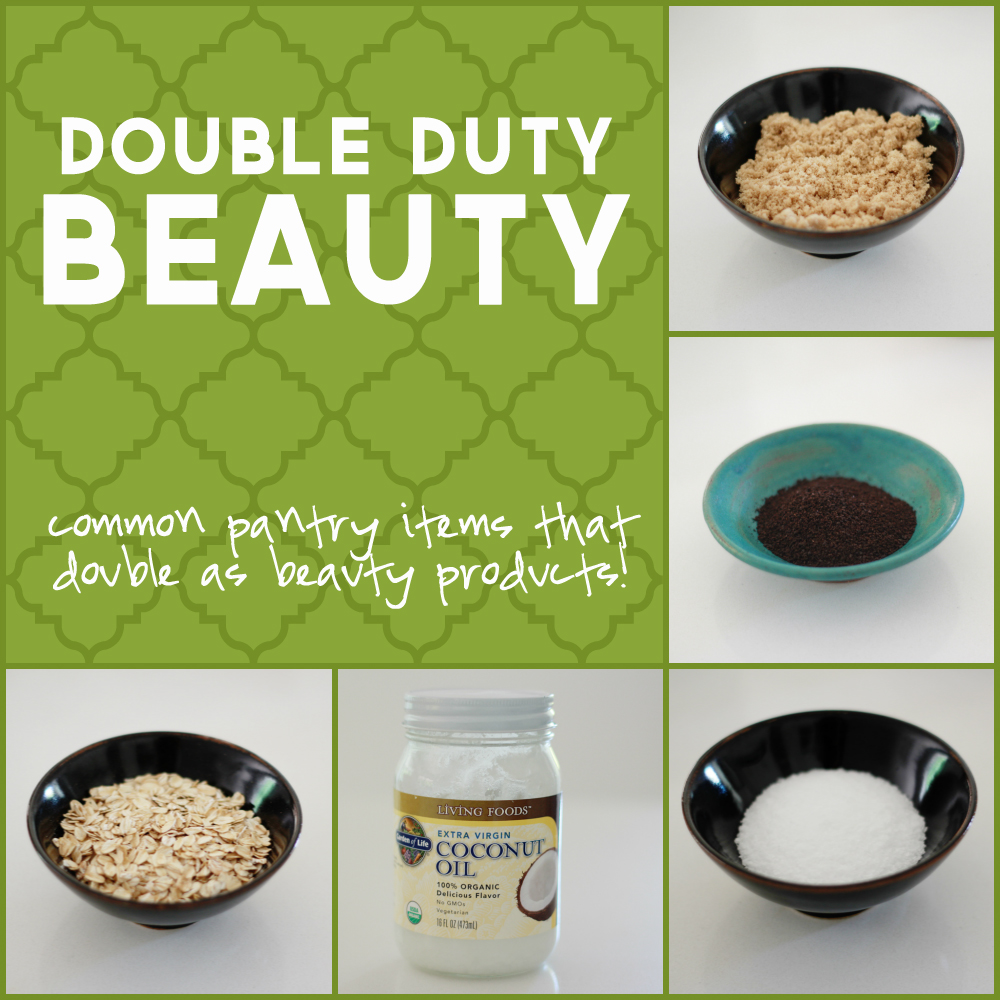
Double Duty Beauty. From the oatmeal you eat for breakfast to the turmeric in your curries, these kitchen ingredients  can work wonders for various skin issues.


Such as….

Eczema:

Worth a try: Coconut Oil

Eczema is an immunological abnormality of the barrier of the skin being deficient. Skin affected by eczema is very dry, red and itchy.  Restoring moisture is key, and coconut oil is an excellent moisturizer.  It acts as a shield on the epidermis.  While some moisturizers and face oils contain coconut oil, you can apply the oil – which can be purchased at health food (and most grocery) stores straight to skin using your fingertips.  You can also layer your regular moisturizer on top of coconut oil.  Side note: a brow threader said that we can apply coconut oil to help grow the hairs back on eyebrows.

Rosacea:

Worth a try: Oatmeal

Brimming with Vitamin A and E, oatmeal is an anti-inflammatory powerhouse that helps calm irritated skin.  It’s also packed with skin-soothing starches and beta-glucans which provide a protective barrier for the skin.  Oatmeal that is featured in commercial redness-fighting beauty products is usually the colloidal variety (meaning it has been ground into an extremely fine powder). But you can use regular oatmeal for a homemade mask.  Mix ¾ cup (175 ml) of dry oatmeal with ¼ cup (75 ml) of warm water to get a nice, thick paste, and then smooth it onto your face.  The mask may not look pretty, but it should feel quite soothing.  Once it dries, it will feel itchy – your cue to remove it by rinsing with cold water.

Hyperpigmentation:

Worth a try: Tumeric

Darkened areas on the skin, called hyperpigmentation, can be a sign of internal inflammation.  At the root is a biomarker called NF-kappaB (according to Gaetano Morello, a Vancouver naturopathic doctor) which is produced in the body.  The more NF-kappaB in your system, the more inflammatory reactions you have.  Curcumin, the active ingredient in the spice turmeric, reduces NF-kappaB when taken orally.  And a recent study cited in the Australian Journal of Herbal Medicine concluded that “curcumin” has the potential to be used as a whitening agent in treating hyperpigmentation disorders.  In the study, consuming curcumin was found to significantly reduce the melanin content in melanin-producing skin cells.  While curcumin extracts are most effective (for instance, in the form of a capsule), there is no question that consuming turmeric – and lots of it – daily has positive benefits for those affected by hyperpigmentation.  This according to Dr. Morello.

Acne:

Worth a try: Manuka Honey

I did not do my homework when I asked my sister to bring some back for me from her recent trip to Hawaii.  I thought it was from there, but it’s actually derived from a plant native to New Zealand and Australia.  It is thick and slightly bitter with powerful antibacterial properties.  The bacterium that causes acne, (propionibacterium acne) is very sensitive to the antibacterial activity of manuka honey.  Research shows that Manuka has a more powerful anti-inflammatory activity than other types of honey.  Its unusual antibacterial activity can diffuse across skin and get down into the infection that is causing the acne spots, according to Peter Molan, a professor in biological sciences at the University of Waikato in New Zealand.  Molan recommends soaking the pad of an adhesive dressing in the honey and placing this on a single pimple or a small area of pimples.  For wide-spread acne, he recommends blending manuka honey with coconut oil (one third honey to two thirds coconut oil); for example 1/3 Tbsp (5 ml) to 2/3 T (10ml), which makes for a healing skin cream.  Manuka honey can be purchased at many health food stores, and is typically more expensive than regular honey.  It also tastes great on toast, in teas or in yogurt.

For the Body: 

Coffee body Scrub – caffeine tightens loose skin, so this scrub acts as an instant slimmer and also helps to slough off dead skin cells to create smoother skin. Recipe: ¼ cup raw sugar, ¼ cup ground coffee, 1 Tbsp. olive oil, 2 Tbsp. coconut oil, 1 Tbsp. sea salt. Blend all ingredients and place in an air-tight container.  Keep in the fridge.

Disclaimer: Just want you  to know that I don’t keep all of these food items to use only for my skin.  I also enjoy eating them.  The Girl Who Would be KING.

Credit for recipes: Stacey Stein for best health magazine


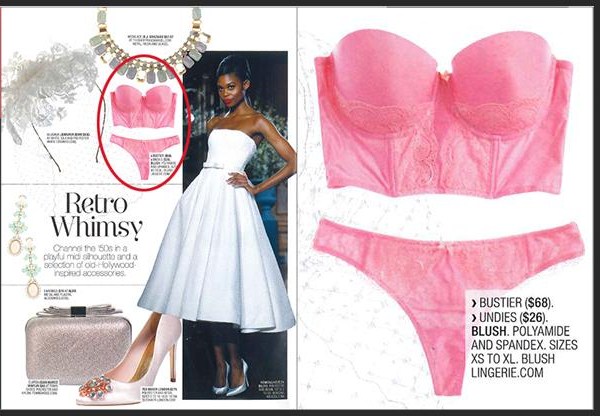
Style – a Sexxxxy new lingerie collection from blush

BELLA
BELLA

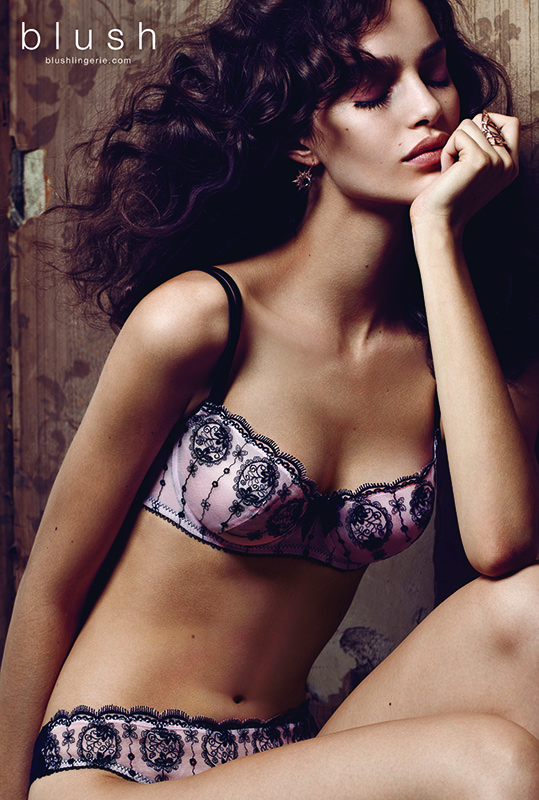
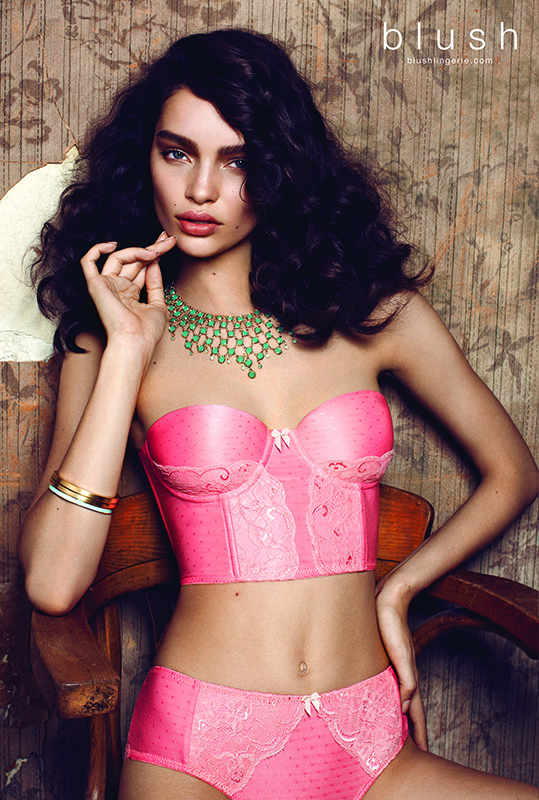
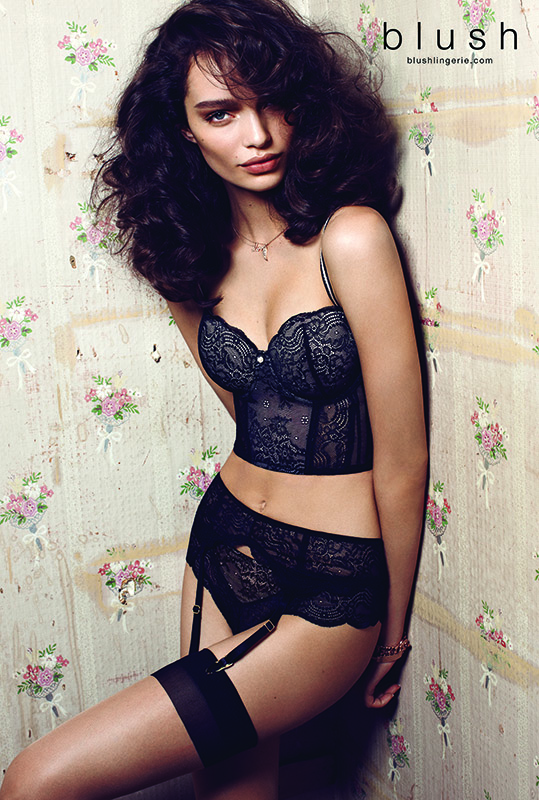
INTRODUCING the blush lingerie Spring/Summer 2014 Collection.

INFATUATION
INFATUATION
Infatuation in Lou Lou Magazine

These are campaign images for this sensuous RETRO collection now available at:


SOFT SPOT
SOFT SPOT

http://www.IntrigueImports.com

LOVESTRUCK
LOVESTRUCK


 Nothing, except your perfume, gets as close to your skin on such a regular basis as your lingerie.


 These photos are only a teaser of some very lovely additions like chemises, garters, teddys,

Sheer Desire
Sheer Desire

camisoles, babydolls, etc.  SEXY LINGERIE comes in many sizes and guises but don’t forget to consult the blush sizing chart on website to find your correct sizing.  Please note: more styles are being added.

TRUE BLISS CHEMISE
TRUE BLISS CHEMISE

The sexiest part of lingerie is the way it makes you feel.  You can find glamour, seductiveness & sheer delight.  I hope you like these styles.  

food: Fantastic Frittata for Friends

For a perfect brunch try this sophisticated, no-frills recipe that can feed a few in no time.

Cast Iron is great for this
Cast Iron is perfect for making this

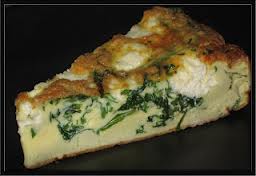
Courtesy of Sarabeth Levine, the jam-making pastry chef, and restauranteur behind N.Y.C.’s beloved Sarabeth’s Kitchen, who swears by this one.  “Always aim for a dish that’s easy to serve,” “Cold scrambled eggs are never acceptable, but a frittata can be warm or room temperature and still be delish.” I’ve tried her recipe which makes 4 to 6 servings and can attest that it is indeed a winner! It’s a bonus that Gruyère  & Goat happen to be two of my favorite cheeses.  A side salad will round out this meal beautifully.

Two-Cheese Frittata with Arugula

12 large eggs, beaten (this is why you want at least 4 people)

2 Tbsp. unsalted butter or olive oil, divided

1 cup packed arugula

3 oz. Gruyère  cheese, coarsely grated

3 oz. goat cheese, broken into small pieces.

Position rack in center of oven; preheat to 350F.

In a large bowl, whisk eggs.  In a 10-inch nonstick ovenproof skillet, heat 1 Tbsp. butter over medium heat.  Add arugula; cook for 1 minute.  Add remaining butter and eggs; immediately reduce heat to medium-low.

Cook for 8-10 minutes until bottom sets and top is partially set.  Sprinkle on cheeses; let edges set (1-2 minutes).  It should look shiny and uncooked on top, with cheeses still unmelted.

like this
just like this

Bake in oven for 8 minutes, until cheeses melts and frittata puffs slightly.

Cut frittata into wedges, serve with side salad which we suggest sprinkling with toasted sunflower seeds. EAT.

Check back here Sunday to find out some interesting facts about Cheese in the “words” post. For instance, I found out that I’m a TUROPHILE.  It sounds like a bad thing but it’s really not.