Every fashion blogger is posting about Spring Style and every magazine is now showing it, but some things will remain in style all season long…like the Birkin.
Pamela Anderson
For most of us unfortunately this luxury bag will remain inaccessible, but maybe that is part of the allure of having such an iconic bag.
It is not an “IT bag” it is “THE BAG.” Between the wait lists, the iconic namesake and its ladylike allure, the Birkin maintains as the bag to have.
The namesake: Jane Birkin (born in 1946) is an English actress and singer who lives in France. Why is she carrying a basket? That must have been before Hermès named it after her.
Where did it originate?
As seen in Harper’s Bazaar – Tracing the Birkin Influence.
THE LIST:
The DIE HARD
Victoria Beckam
One of fashions chicest designers, Victoria Beckam has remained loyal to the bag style.
The Stylist
Rachel Zoe
Rachel Zoe might possibly be credited with bringing the Birkin to modern heights. She has an array of colorful bags.
Jennifer Lopez
The Star Power
It hardly gets more glam than Jennifer Lopez.
The Next
Rita Ora
Generation
Leading the heritage bag an edge with trainers and a backwards hat, singer-songwriter and actress, Rita Ora is a next generation Birkin lover.
Kimye
The Devottee
Kim Kardashian can hardly be seen without the bag (surprise?) – she collects them in many colors.
The Original
Gaga
Lady Gaga’s birkin comes super-studded for that avant-garde style the songstress is synomymous with.
The Weekender
Katie HolmesAmbrosia & Moss
Katie Holmes garnered attention for her way over-
sized one version in bold red.
The Supers
The bag looks especially at home on the arms of Alessandra Ambrosia and Kate Moss
Nicole Richie
The Gym Bag
Nicole Richie carries hers even when she’s feeling sporty.
Street Style
A street style mainstay, the Birkin is the perfect finish for the expertly-styled.
If you’re on the hunt for something effortless and delicious then a ham is so easy to prepare and takes care of a main dish for many. Leftovers are great – you can enjoy ham & swiss cheese sandwiches with grainy dijon for days. In general I’m not really a ham lover (just a ham) but once a year I do enjoy this kind. Last year my main ingredients of cloves & maple syrup got rave reviews. Leave the Turkeys for Christmas & Thanksgiving and try one of these super simple recipes. For a change you can concentrate on some fancy sides. Serve with your favourites and don’t forget the chocolate.
Recipe #1
A HOLLYWOOD HAM
Serves 8
A good cut of meat for this recipe is the butt portion of a bone-in, *water-added ham.
Ingredients
1 5-to 6-pound bone-in water-added ham, butt portion
*In case you’re wondering, ‘water added’ means it has been wet cured. This is typical of most ham and bacon on the US market. Dry cured ham is more expensive, will be labeled as such, and may be so salty and dry that you will need to soak it at home before cooking. So unless you made special effort to find dry cured ham (or bacon) it is wet cured.
Tip: **You can omit the dried apples altogether & just add a little extra apple cider instead or use a couple cut-up fresh apples.
Preparation
Preheat oven to 325°F. Place ham in roasting pan and bake until thermometer inserted into thickest part of ham registers 150°F., about 15 minutes per pound. Cool ham completely. (Can be prepared 3 days ahead. Cover and chill.)
Bring cider and apples to boil in heavy medium saucepan over medium-high heat. Boil until liquid is reduced to scant 1 1/2 cups, about 8 minutes. Whisk sugar, vinegar and mustard in small bowl until blended. Add to cider mixture. Simmer sauce until reduced to 2 1/4 cups, stirring occasionally, about 6 minutes. (Can be made 1 day ahead. Cover and chill.)
Preheat oven to 375°F. Cut eight 1/2-inch-thick ham slices from bone. Overlap ham slices in glass baking dish. Spoon sauce over. Bake until ham is heated through and sauce bubbles, about 25 minutes. Transfer to platter and serve. Bon Appétit (from the magazine and in general).
Recipe #2
THYME HONEY GLAZED HAM
Tri-colour carrots look pretty & taste good
Makes 12-16 servings
Hams with a thick honey glaze can sometimes be too cloying. This recipe takes a more balanced approach that results in a light sweetness and a beautiful shine.
Ingredients
3 tablespoons unsalted butter
2 tablespoons chopped thyme
1 (12-to 14-pounds) boneless or semiboneless fully cooked ham at room temperature 1 hour
1/4 cup cider vinegar
1/2 cup mild honey
1 teaspoon Worcestershire sauce
Preparation
Melt butter with thyme and let stand until ready to use.
Preheat oven to 350°F with rack in lower third.
Peel off and discard any rind or skin from ham, leaving 1/4 inch of fat on ham. Score fat on top of ham in a crosshatch pattern without cutting into meat. Put ham on a rack in a large roasting pan. Cover ham with parchment paper, then cover roasting pan with foil. Bake 1 3/4 hours.
Meanwhile, boil vinegar in a small saucepan until reduced to about 1 tablespoon. Remove from heat and whisk in honey, Worcestershire sauce, and thyme butter. Let honey glaze stand until ham has baked 1 3/4 hours.
Discard foil and parchment from ham. If there is no liquid in roasting pan, add 1 cup water (liquid will prevent glaze from burning in pan). Brush ham with half of honey glaze, then bake, uncovered, 30 minutes.
Brush with remaining glaze and bake until glaze is deep golden-brown and ham is heated through, about 30 minutes more. Gourmet Magazine.
okay; but as an appy? This is the one time you get to dye for eggs. Don’t miss the opportunity.
Paul Cézanne (1839-1906) Born January 19 in Aix-en-Provence, France
The most seductive thing about art is the personality of the artist himself – Paul Cézanne
Bathers at Rest
Cézanne was best known for his incredibly varied painting style, which greatly influenced 20th century abstract art. Both Matisse and Picasso are said to have remarked that Cézanne “is the father of us all.” No small compliment.
In 1943, Pablo Picasso declared to photographer George Brassaï that artist Paul Cézanne was “my one and only master.”
The seminal moment for Picasso was the Cézanne retrospective held at the Salon d’Automne one year after the artist’s death in 1906. Though he previously had been familiar with Cézanne, it was not until the retrospective that Picasso experienced the full impact of his artistic achievement. As he later put it: “Cézanne’s influence gradually flooded everything.”
Three Bathers, 1879-82 Oil on canvas 21 7/16 x 20 5/16 in. (55 x 52 cm) Petit Palais, Musée des Beaux-Arts de la Ville de Paris
Cézanne early recognized the limitations of the Impressionists in their adherence to “honoring the eye” and reacted by constructing a new artistic vocabulary that synthesized reality and abstraction, the backbone of early Modernism. He also revitalized the classical concept of the nude. In 1899, Henri Matisse purchased Cézanne’s small painting called Three Bathers(1879-82) from Vollard; it remained with him for three decades as a teaching model.
Pablo Picasso – Les Demoiselles d’Avignon
The work’s significance lies in its demotion of the nude to an earthbound status that would eventually reach the peak of its final metamorphosis in Pablo Picasso’s Les Demoiselles d’Avignon (1907). A comparative study of Picasso and Cézanne is not new. Imagine how many Ph.D. theses had been devoted to the topic.
Still Life: Plate of Peaches, 1879-80. Oil on canvas, 59.7 x 73.3 cm. Solomon R. Guggenheim Museum, N.Y.
Cézanne set up his still lifes with great care. A testimony by an acquaintance describes his method of preparing a still life: “No sooner was the cloth draped on the table with innate taste than Cézanne set out the peaches in such a way as to make the complementary colors vibrate, grays next to reds, yellows to blues, leaning, tilting, balancing the fruit at the angles he wanted, sometimes pushing a onesous or two-sous piece [French coins] under them. You could see from the care he took how much it delighted his eye” (But when he began to paint, the picture might change in unusual ways. Cézanne seems to be painting from several different positions at once. He believed that the beauty of the whole painting was more important than anything else—even more important than the correctness of the rendering (Robert Burleigh, Paul Cézanne: A Painter’s Journey [New York: Harry N. Abrams, Inc., 2006], p. 18).
Inevitably, we see him as the point where modern art began: so the first room of theMuseum of Modern Art in New York, in its current hang, gives us a Gauguin and three Seurats on the left; outnumbering them, on the right and straight ahead, are half a dozen Cézannes. But, just as inevitably, in his own time they could see more clearly where he came from than where he would lead. So a friendly critic called him “a Greek of the Belle Époque”. Renoir said that his landscapes had the balance of Poussin, while the colours in his “Bathers” “seem to have been taken from ancient earthenware”. Cézanne, like all serious members of any artistic avant-garde, was constantly learning from previous masters, studying Rubens all his life. And while we might admire his daring fragmentations of vision, what the painter himself sought was “harmony”, which was nothing to do with “finish” or “style”.
Cézanne had his first one-man show in 1895, at the age of fifty-six.
Stress is here to stay so we need every tool we have to help our bodies deal with it.
The latest research uncovers some surprising new ways to see, sniff, hear, taste and touch your way to better sleep, reduced blood pressure, even lower stress – all backed by real science.
Here’s a sense-by-sense guide.
SMELL
essential oils
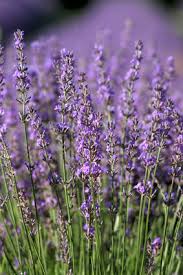
Aromatherapy aficionados have long touted Lavender’s relaxation benefits. It now has company in the feel-good department. A study published in Stress and Health reveals people who regularly breathe in peppermint essential oils are even less stressed (with lower cortisone levels) than those who use lavender. And don’t forget the uplifting scent of citrus. Japanese researchers discovered that inhaling the smell of lemon is an instant mood booster.
TASTE
Ever found yourself at the bottom of a tub of Haagan-Dazs after an intense day? People eat chocolate and candy during times of stress. But if you’re going to indulge, do it mindfully. Of course there are foods that can help you to manage stress without the extra calories. Try combining complex carbs (fruits, veggies, whole grains), lean protein (beans, chicken, fish, eggs) and healthy fats (olive oil, grape-seed-oil, avocado, seeds and nuts) for snacks and meals to balance out blood sugar and stabilize energy levels. A new study from University College London, in the U.K. showed that a daily dose of black tea reduces stress hormones.
HEAR
Brain imaging shows certain music stimulates areas of the brain responsible for emotions. A U.K. sound therapist has used this information to develop the most relaxing music ever recorded (it even slowed listeners’ heart rates). Research at the University of Montreal stressed people out by making them do math in front of an audience. Then they were sent to a silent room while others got to listen to Enya. Only the music listeners didn’t experience a spike in cortisol levels.
SEE
Picasso and Plant
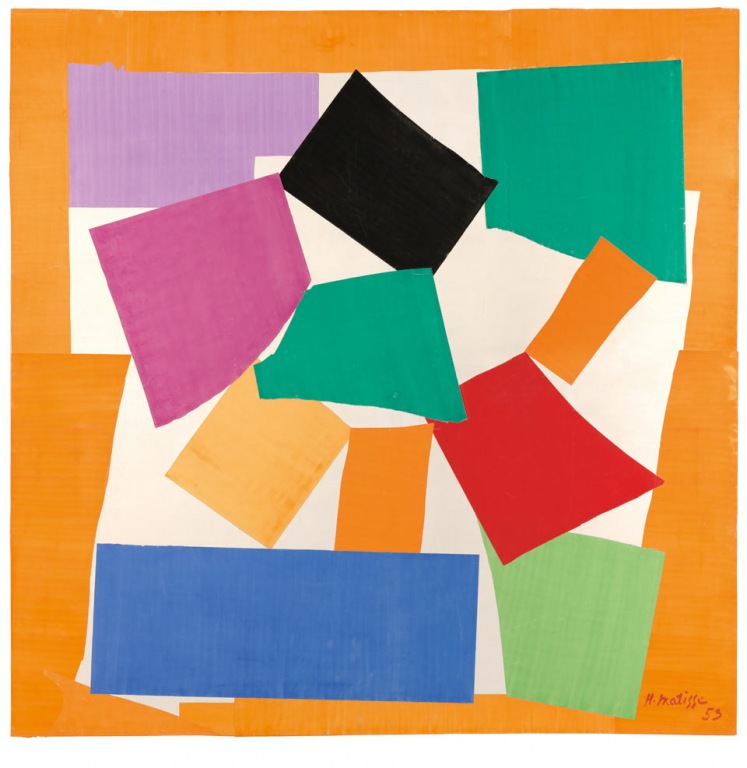
Environmental surroundings can definitely make a big difference to our stress levels. A lot of clutter in your home or office can represent chaos. But it’s not just about tidying up your room -hang a nice picture or paint the walls in your favourite color. Even looking at something as small as a potted plant can help lower stress. A study found out that workers became more productive, had lower blood pressure and felt more focused with a little flora. Another study tracked stress levels in London city workers before and after they went to an art gallery. After soaking up some Matisse and Picasso, the workers returned to their jobs and reported feeling less frazzled. Tests confirmed their cortisol levels dropped.
TOUCH
yes, I’m due for another of these.
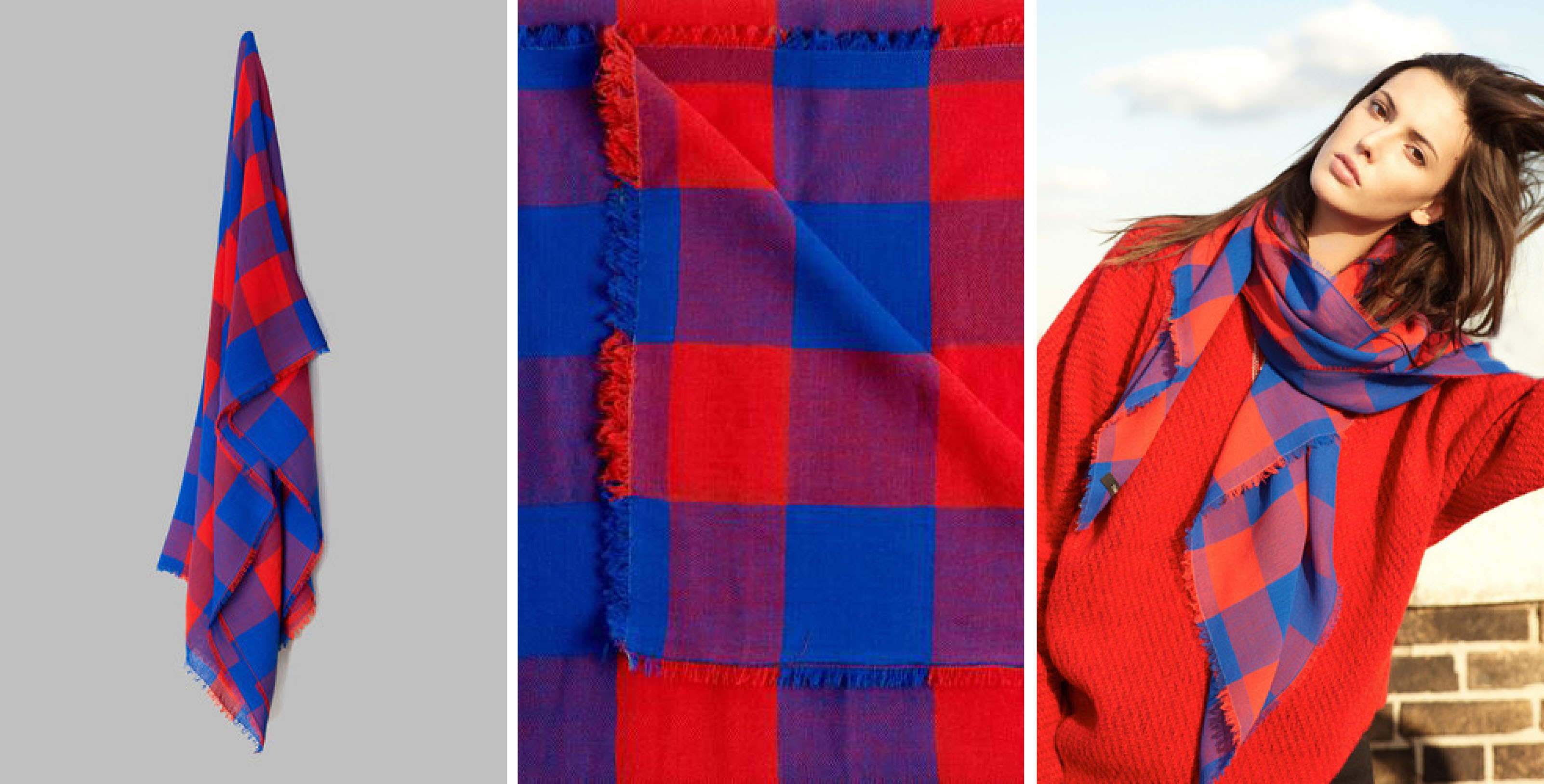
There’s a good reason so many of us book time at the spa when our stress levels max out. The touch of massage has definite relaxation benefits. It also helps when we take a break and make time for ourselves as we tend to carry stress in our neck, shoulder and upper back. Even soothing textures can help – the feel of something soft on our skin (like a plush scarf) can have a calming effect.
Manners never go out of style. How many know this proper etiquette?
Where have all my empty cards disappeared? I used to keep a pile of them on hand but must have used the very last one and now have to replenish. I didn’t go out specifically looking for the last batch – just came across some very pretty cards which I have used for a multitude of purposes. However I always end up staring at the empty space to which I’m supposed to write something clever and nothing innovative comes to mind. It’s a bit of a struggle at first but something always manages to get written even if it’s something very simple and unadorned. Some people just have an effortless gift with words. The main thing is to do it. This coming from one who, for the first time in several years, did not send out even one single handwritten Christmas Card and still feel guilty about it. More and more people are sending e-cards for holidays so maybe this is becoming more acceptable. Still, to all those (mostly out of towners) who did not receive a Christmas card from me this time, please do not take it personally. This never happens for birthdays or other special occasions.
That said, are manners becoming obsolete?
As in fashion, writing is an art. In fact, etiquette expert Emily Post even suggested that, “the letter you write…is always a mirror which reflects your appearance, taste, and character.” For thank you notes, this may be especially true. A handwritten thank you is eminently tasteful; it demonstrates certain gratitude and anyone who has ever received one knows how much appreciation the gesture fosters.
Etiquette requires you to send a thank-you note in the following situations:
Wedding gifts
Bridal shower and baby shower gifts
Holiday, birthday, Bar/Bat mitzvah, graduation, and housewarming gifts
Sympathy letters, flowers, mass cards, or donations made in the deceased’s name
Thank-you notes are not necessarily required but are a nice gesture in the following situations:
When a host has treated you to a cocktail party, dinner, or concert
After a job interview
Anytime you feel particularly indebted to someone
A thank-you note is exclusively about expressing your gratitude, so don’t worry if your note seems short and simple. The only hard and fast rule is that it be sincere — even if you cannot stomach the present, you can express gratitude for the gesture, at the very least.
Remember that an imperfect letter that comes with heartfelt sentiment is better than a perfect note that was never written.
“A little “thank you” that you will say to someone for a “little favour” shown to you is a key to unlock the doors that hide unseen “greater favours”. Learn to say “thank you” and why not?” ― Israelmore Ayivor
FOR YOUR EYES ONLY – another beauty product review
Clé de Peau Beauté – a perennial favorite of makeup artists, models, celebrities and non celebs.
Creamy and light reflecting, this legendary cover-up is “sly like a fox and strong like an ox,” says L.A. Matthew VanLeeuwen, who works with Salma Hayek and Minka Kelly.
The balm like texture diffuses both undereye circles and blemishes but won’t leave tacky traces of its hard work.
Amada uses Ivory. Neiman Marcus
USD $70 CDN $105
Too pricey? That depends, as it will last you at least one year and it doesn’t settle into fine lines. I’ve had mine now for almost two years, but it still goes on nice & creamy so I don’t feel the need to trade it in for a new one just yet. If you warm the concealer a bit between your fingers it tends to blend easier. Also, I only use it on the inner corners of my eyes. There is good reason why this one is a cultfavorite. I haven’t come across a better one yet. You’ll just have to go to the makeup counter and decide for yourself if the price is worth it. In Canada you can find it at Holt Renfrew.
*Available in four shades: Ivory, Ocher, Beige and Honey
InStyle Magazine named it “the best” concealer” for 2013 as well as Allure Magazine Hall of Fame award.
Always a modern classic. Whenever I think of the Trench I envision Catherine Deneuve in the photos shown here as the ultimate Trench Woman. And who can forget Humphrey Bogart’s Rick Blaine from Casablanca.
Bogart – Casablanca
This season we see it updated with contrast piping, as well as raw edges, softer collars and abbreviated lengths. I’ve shown them here in Beige because to me, if you’re to choose only one, then Beige be it! Otherwise Navy or Black.
Burberry Campaign
Art of the Trench is a living document of the trench coat and the people who wear it. The project is a collaboration between Burberry and some of the world’s leading image makers including a
Burberry Hearts – dress it up, dress it down
series of specially commissioned trench coat portraits by Scott Schuman (The Sartorialist) and the iconic Magnum photographers.
Of course you can find trench coats, long or short, in all price ranges and colors. Something like this is worth splurging on, with the most you can afford to spend since it will be a staple in your wardrobe for years to come.
Not even only for rainy days.
Charlotte Rampling as seen in Harper’s Bazaar – April/2014 wears the trench fabulously.
Passover begins on the evening of April, 14, 2014. This unleavened twist on lasagna is a great way to use leftover matzo after the seder. Substitute layers of matzo for the noodles, then fill them with a mixture of spinach and ricotta cheese. Look for the “kosher-for-Passover” signifier on all the other ingredients. I saw this in the Food section of the April issue of “Martha Stewart Living” magazine & thought it would be a brilliant addition to a Passover meal. See the Seder checklist below for basic guidelines to a seamless seder. “Mazel tov“
Matzo Spinach Lasagna (serves 6)
INGREDIENTS
Extra-virgin olive oil, for dish
2 cups ricotta or small-curd cottage cheese
4 large eggs
1 1/2 cups half-and-half
1 1/4 cups grated Parmesan (about 4 ounces)
1 teaspoon finely grated lemon zest, plus 1 tablespoon juice
Pinch of freshly grated nutmeg (optional)
Coarse salt and freshly ground pepper
1 pound chopped frozen spinach, thawed and squeezed of excess moisture
4 sheets matzo
DIRECTIONS
Preheat oven to 400 degrees. Brush bottom and sides of an 8-by-8-inch baking dish with oil.
Whisk together ricotta, eggs, half-and-half, 3/4 cup Parmesan, zest, and nutmeg. Season generously with salt and pepper. In another bowl, toss spinach with lemon juice; season with salt and pepper.
Place 1 matzo sheet in bottom of prepared baking dish. Pour 1 cup cheese mixture over matzo. Sprinkle evenly with one-third of spinach mixture. Repeat layers 2 more times. Top with remaining matzo and drizzle with remaining cheese mixture. Sprinkle with remaining 1/2 cup Parmesan. Bake, uncovered, until puffed and golden brown on top, 35 to 40 minutes (cover with foil if browning too quickly). Let cool 15 minutes, then serve.
Recipe for Charoset
This fruit, nut and wine mix is eaten during the seder. It is meant to remind us of the mortar used by the Jews to build during the period of slavery. It should have a coarse texture. The ingredient quantities listed here are at best a rough estimate. The recipe below makes a very large quantity, but people usually wind up making more before the holiday is over. Other fruits or nuts can be used.
4 medium apples, 2 tart and 2 sweet
1/2 cup finely chopped almonds
1/4 cup sweet wine
1/4 cup dry wine
1 Tbs. cinnamon
Shred the apples. Add all other ingredients. Allow to sit for 3-6 hours, until the wine is absorbed by the other ingredients. Serve on matzah. Goes very well with horseradish.
Preparing for the Seder Meal Checklist
The Seder is the most important event in the Passover celebration, but there’s more than a few components to this intricate ritual. Use this checklist to keep track of everything from the wine glasses to the prayer books for a seamless Seder.
Tableware
Tablecloth and napkins.
Passover is one of the most celebrated holidays in the Jewish faith, so it’s customary to dress up the table with an elegant tablecloth and cloth napkins.
Scatter candles throughout the room and on the table for a warm glow.
Kosher dishes and utensils.
Whether you choose formal china or everyday dishware, don’t forget to keep kosher for the Seder.
Put two glasses, one for water and one for wine, at each place setting.
An extra wine goblet.
Fill an additional wine glass and place it in the center of the table for Elijah, a prophet who is thought to visit each Seder dinner.
Food and Beverages
Seder plate.
Set the Seder plate, filled with foods that symbolize the story of the Exodus, near the Seder leader’s place at the table. Arrange five items on the plate: a hard-boiled egg; a roasted shank bone; a spring vegetable such as parsley, called karpas; a mixture of fruit, wine, and nuts, called charoset; and either prepared or fresh horseradish, called maror. Some Jews include a sixth item called chazeret, often represented by lettuce.
Salt water.
Provide each guest with a small dish of salt water to dip their greens into.
Additional dishes of karpas, charoset, and maror.
To make things more convenient for guests, you can also set small dishes containing each item next to every place setting.
Matzah.
Put three pieces of matzah on a plate, cover with a cloth or napkin, and place underneath or near the Seder plate.
Wine.
Make sure there is enough wine on the table for each guest to have four glasses, an amount that symbolizes the four stages of the Exodus. Substitute grape juice for the children and the teetotalers of the group.
Miscellaneous
Copies of the Haggadah.
Lay a copy of the Haggadah, a prayer book that explains the story of the Israelites’ slavery in Egypt, on top of each guest’s appetizer plate, under the napkin.

Basin and towel.
Place a small basin filled with warm water and a towel on the table for two hand-washing rituals that occur during the meal.
Pillows.
It’s traditional for each guest to recline on a pillow during the ceremony to symbolize the comfort of freedom.
To those of you taking part in this important celebration, Mazel Tov!
Passover is a celebration of spring, of birth and rebirth, of a journey from slavery to freedom, and of taking responsibility for yourself, the community, and the world.
For those of you who are curious, this is a thumbnail review about the significant holiday known as Passover. If you want a more indepth look at the importance of this spiritual, most celebrated Jewish holiday, there’s a link below.
You can think of Passover as celebrating the Jewish people’s “birth certificate” and “Declaration of Independence.” Or you can think of it as memorializing something that God did for the Jews 3,300 years ago.
In simple terms, it means to pass through, to pass over, to exempt or to spare. It refers to the fact that God “passed over” the houses of the Jews when he was slaying the firstborn of Egypt. Pesach, (PAY-sahch) known in English as Passover, is one of the most commonly observed Jewish holidays, even by otherwise non-observant Jews. According to the National Jewish Population Survey (NJPS), 67% of Jews routinely hold or attend a Pesach seder, while only 46% belong to a synagogue. Basically….
Table set for Seder
The Passover Seder “order, arrangement” is a Jewish ritual feast that marks the beginning of the Jewish holiday of Passover. It is conducted on the evenings of the 14th day of Nisan in the Hebrew calendar throughout the world, and on the 15th by Jews living outside Israel. This corresponds to late March or April in the Gregorian calendar. Passover lasts for 7 days in Israel and 8 days outside of Israel.
The Seder is a ritual performed by a community or by multiple generations of a family, involving re-telling of the story of the liberation of the Israelites from slavery in ancient Egypt. Every year, Jews are commanded to retell the Passover story which takes place during the Passover Seder (which is a service held at home as part of the celebration). This story is in the Book of Exodus (Shemot) in the Hebrew Bible. The Seder itself is based on the Biblical verse commanding Jews to retell the story of the Exodus from Egypt: “You shall tell your child on that day, saying, ‘It is because of what the LORD did for me when I came out of Egypt.'” (Exodus 13:8) Traditionally, families and friends gather in the evening to read the text of the *Haggadah, an ancient work derived from the Mishnah (Pesahim 10). The *Haggadah contains the narrative of the Israelite exodus from Egypt, special blessings and rituals, commentaries from the **Talmud, and special Passover songs.
Seder customs include telling the story, discussing the story, drinking four cups of wine (Yes!), eating matza, partaking of symbolic foods placed on the Passover Seder Plate, and reclining in celebration of freedom. The Seder is performed in much the same way by Jews all over the world.
*Haggadah means “the telling” – the telling of the story of Passover. The story is told in response to four questions asked by the children: why is this night different from all other nights? The father proceeds to tell the story of the Exodus from Egypt, reading from a book called “The Haggadah” and using symbols and object lessons in order to keep the attention of the little ones (and in many cases, not so-little ones too).
Haggadah
**The Talmud is a huge collection of doctrines and laws compiled and written before the 8th Century, A.D., by ancient Jewish teachers. The Talmud, which often cites the Old Testament, is the basic book of Jewish law.
Why do we eat Matzah? To remind ourselves that even before the dough of our ancestors could become leavened bread, the Holy One revealed Himself and redeemed them, as it is written: “and they baked the dough when they had brought from Egypt into matzah, because it did not rise since they were driven out of Egypt and they could not delay, nor had they prepared provisions for themselves.”
What is Hametz? Hametz is a mixture of flour and water that is allowed to rise, thus becoming what we normally call ‘bread.’ The laws of hametz are very strict, and prohibit not only eating it but even owning it during Passover. Thus, during the weeks before Pesah, we dispose of our hametz. Intheory: Philo, a Greek-Jewish philosopher, described hametz as pride because leavened bread is puffed up. To remove hametz, then is to struggle with our sense of self-importance.
You must be logged in to post a comment.