Sunday Supplement – ZINC About it

In my quest to find optimum immune boosting combatants to fight Covid-19, I discovered that zinc is indeed crucial for the development and function of immune cells.

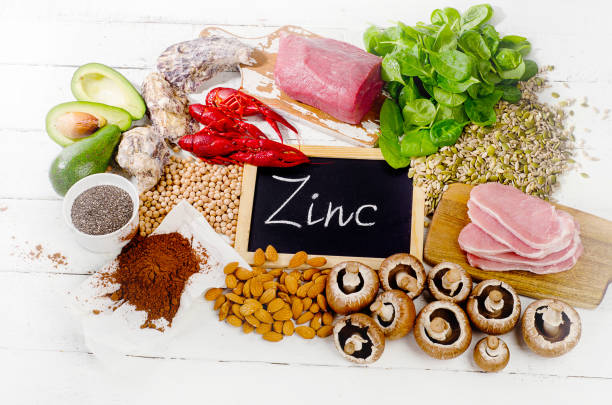
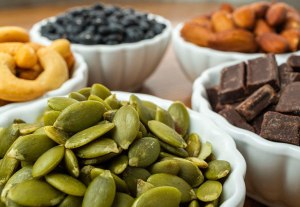
Foods Highest in Zinc. Healthy eating.

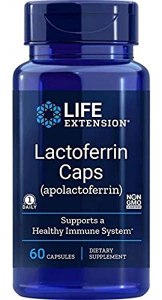
So I’ve added it to my current kill-Covid health regime. I don’t have Covid, but I feel extras like these are helping to reduce my risks of getting a severe or even life-endangering case of the virus.  Hell, it might even help fight the flu…although we never hear about anyone getting the flu since Covid (what’s up with that?).  While I may omit some of these extras and go back to my “basics” when the virus finally is under widespread control, my add-on extras right now will remain extra D3, Zinc, NAC and Lactoferrin – which I’ll talk about next week.

Zinc is an essential mineral that your body uses in countless ways but does not make on its own. It aids growth, DNA synthesis, immune function and more. Because your body doesn’t naturally produce zinc, you must obtain it through food or supplements.

Keep in mind that routine zinc supplementation is not recommended without the advice of a healthcare professional.  You can definitely take too much.  The recommended daily intake of zinc ranges between 3 mg and 16 mg.  But have a look at the links provided below and/or ask your local pharmacy or health food store specialist for more information before making up your own mind. Yet as there’s an over-abundance of information I could talk about in great length, I’ll only touch on a few key elements. 

An article in sciencedirect.com had this to say: Patients with coronavirus disease 2019 (COVID-19) had significantly low zinc levels in comparison to healthy controls. Data in their study clearly showed that a significant number of COVID-19 patients were zinc deficient. These zinc deficient patients developed more complications, and the deficiency was associated with a prolonged hospital stay and increased mortality.

Amongst COVID-19 patients, 57.4% were found to be zinc deficient.

Given findings like these, supplementation with zinc is increasingly recommended in the management of COVID-19 patients.

Under physiological conditions, zinc is essential for cellular growth and the maturation of immune cells, particularly in the development and activation of **T-lymphocytes (**part of the immune system and develop from stem cells in the bone marrow. They help protect the body from infection and may help fight cancer.) Studies have shown that around 10% of our body proteins utilize zinc and that zinc is a cofactor in at least 200 immuno-modulatory and antioxidant reactions. Prolonged deficiency is associated with immune system dysfunction, sterility in males, neurosensory disorders, and decreased body mass. Studies have also shown increased viral infection in patients with zinc deficiency.

Foods that contain Zinc: Oysters contain more zinc per serving than any other food, but red meat and poultry provide the majority of zinc in the American diet. Other good food sources include beans, nuts, certain types of seafood (such as crab and lobster), whole grains, fortified breakfast cereals, and dairy products.

Gives us all something to zinc about right?  I always urge others to do their own research and use this only as a basic outline.  Like I was saying…there’s way too much info out there.  I try to narrow down as much as humanly possible so hope this little bit of info. helps.

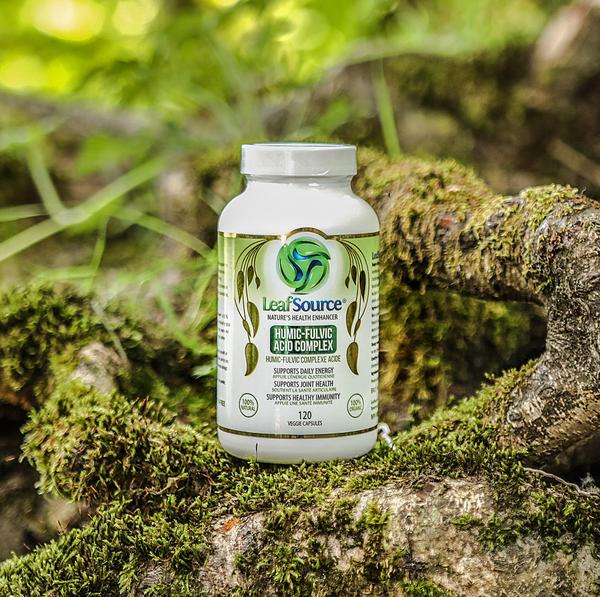
*My Vitamin basics aside from trying to eat as healthily as possible: a high-potency 2-daily vitamin/mineral supplement, Super Omega-3, Vitamin D3, Vitamin C-1000, Magnesium Citrate, Enhanced Super Digestive Enzymes, Leaf Source which is a humic-fulvic acid complex and Melatonin at night.

Important Sidenote:  The WHO has said not to take Ibuprofen as it has been contra indicated for Covid.  If you’ve got to take a headache or pain relief remedy use regular aspirin or tylenol instead.  But do not take even these for fever reduction. It’s been shown that fever is a necessary response of the immune system if you get it.  Of course you can google about this on your own.

Source:

MedRXiv – how low zinc levels at clinical admission associates with poor outcomes in COVID-19

https://www.medrxiv.org/content/10.1101/2020.10.07.20208645v1

Science Direct:

https://www.sciencedirect.com/science/article/pii/S120197122030730X

Sunday Supplement: NAC

To someone reading this for the first time: this new addition to my overall site started as I decided to take stock of whatever vitamins/supplements would be the most beneficial to help strengthen our immune systems, especially during Covid. I refer to them as Covid Combatants… although taking vitamins alone is not enough of a prevention for getting the virus, and it’s meant for generally healthy people to begin with. I also believe that during this time we may all benefit from boosting our intake of superfoods/vitamins/minerals that we otherwise might not have needed so much of in our pre-pandemic world.

As I’m no authority on the subject (although my brother *Brad King is a leading health expert, and my science writer boyfriend is a supplement enthusiast), I urge you to do your own research and/or check with your health practitioner before starting a new regimen. There can be upsides and downsides to taking too much or too little of anything.  So having said all that…here is a narrowed down version of a supplement I knew little about until recently. 

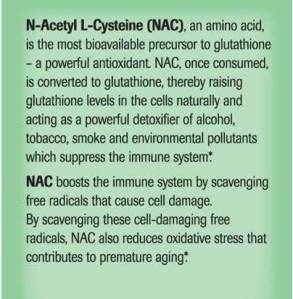
It’s called NAC (N-Acetyl-Cysteine) – and it helps support cardiovascular and respiratory health, as well as alleviate asthma-related symptoms.  Whenever I begin to get run down I develop a low-grade asthma and have to use an inhaler.  This usually happens once a year during cold/flu season.  Since taking my extra supplements for almost a year now, I have luckily (and thus far) not experienced any asthmatic symptoms.  

NAC is popular among athletes, and anyone who wants to improve their physical performance. It can help lengthen the time to fatigue, meaning that you don’t get tired as fast due to NAC’s ability to manage lactic-acid build-up. NAC seems to be most effective for medium-intensity exercises.

Protecting Our Cells – means protecting ourselves.

Because NAC has been used for decades as an aid to boost athletic performance, and to help improve lung health, it has become a popular supplement with an excellent safety record with a large body of research behind it. So, it’s easy to see why many better-informed health practitioners are recommending daily NAC supplementation to help safeguard folks from developing severe cases of Covid-19, which are known to cause serious respiratory distress issues. 

Your body uses NAC as a precursor in making Glutathione, one of the more potent antioxidant nutrients that help quench free radicals thereby preventing oxidative stress in cells.

Glutathione is also thought to have neuro-protective properties and operate like a neurotransmitter, thus potentially contributing to the promotion of mood and overall mental health.

While the components that give rise to L-Glutathione can be found in various foods, especially particular meat and dairy products, taking NAC will help your body produce it in larger amounts. NAC is especially recommended for anyone following a vegan or vegetarian diet.

NAC is known to help protect the liver from the effects of certain toxins. NAC is so effective in protecting the liver from damage that it is sometimes given to patients in acetaminophen (paracetamol) overdose cases. NAC may also be useful in preventing damage to the kidneys, and it’s often used in conjunction with medications that may harm the internal organs.

If you happen to be searching for NAC to help you improve immunity or respiratory health, remember it is a safe amino-acid that can be taken in combination with other nutraceuticals.** 

NAC is available on prescription for specific conditions, but you can also buy it over-the-counter as a food supplement.

*Brad King – is an award winning nutritional formulator and was honored with the Best in Canada Award for Health Motivator/Educator and Public Speaker in 2010, was inducted into the Canadian Sports Nutrition Hall of Fame in 2003 and sits on the board of Directors for CHI the premiere sports nutrition education center.

Brad is the author of 10 books including the international best seller, Fat Wars 45 Days to Transform Your Body and the award winning Beer Belly Blues: What Every Aging Man and the Women in His Life Need to Know .  He’s been interviewed on numerous TV shows some of which include “The Today Show”, “Canada AM” and “Balance TV” and featured in many magazines articles.

**Caveat: Some recent research has raised questions about NAC’s ultimate safety, so some cautions are warranted.  For more on these reservations, see: “N-Acetyl Cysteine: A Warning Shot”, Derek Lowe 4 October, 2019. Science Magazine

Source: 

How Long Does It Take for NAC Supplements to Work?

Life Extension is a preference of mine – available in the USA – can order online into Canada.  However there are many companies that provide NAC, e.g. AOR.

Sunday Supplement: Magnificent Magnesium

My main purpose in adding this health section to my site was brought on by the Coronavirus. I took an interest in researching whatever extra protection might prevent me and those I care about from getting a serious case of Covid.  I’ve been learning a lot in the process and realize that there are many components to overall health.  Having said this, I’m not a fanatic in any sense about taking high dosages of just anything and everything I see on the shelves.  I’m only sharing what I deem to be the most important missing pieces of a complicated puzzle.  Of course, our bodies are very complex propositions, but what I know for sure is what you know too – those of us with a weakened immune system are the first to get knocked down.  I started with Vitamin D last week. Now let’s check out several more Covid Combatants starting with…

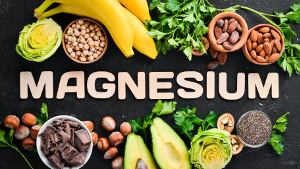
Foods containing natural magnesium. Chocolate, banana, cocoa, nuts, avocados, broccoli, almonds.

MAGNESIUM may be the MOST important mineral/electrolyte in the body.  Indeed, if you were forced to only take one nutritional supplement, Magnesium would likely be your best bet. That’s because no other single nutrient plays as many roles as Magnesium as it’s essential to 300+ (some claim the numbers to be much higher) enzymatic reactions.

(Health Secrets) After oxygen, water, and basic food, magnesium may be one of the most important elements needed by our bodies.  It is vital for heart health, bone health, mental function and overall body maintenance.

Magnesium is more important than calcium, potassium or sodium, and it regulates all three of them. Contrary to popular misconceptions, it is magnesium that is actually most important in building strong bones and preventing bone loss. Recent research has revealed that lack of this mineral may put your heart and your overall health at significant risk.  This research also found that a deficiency may be linked to cognitive dysfunction and mental decline.

The recommended dietary allowance (RDA) of magnesium for adults is 420 milligrams (mg) per day. Yet that’s an average amount since it depends on a number of other factors such as one’s body weight, level of physical activity and the amount of sugar one consumes. Generally speaking, the heavier you are, the more active you are, and the more sugar you consume, the more your body needs on a daily basis.

So what are the best food sources of Magnesium? High-fiber foods such as dark green leafy vegetables, unrefined grains, nuts and beans. Yet since so many North American diets are lacking in this regard, it should come as no surprise that most diets are 40-80% deficient.  Most people can get enough magnesium by eating the right foods but If you’re concerned about low magnesium, ask your doctor for a blood test, preferably an RBC (red blood cell) magnesium test.

*Magnesium is needed for many cellular metabolism tasks. It’s involved in more than 300 chemical reactions in the body. Muscles need this mineral to contract; nerves need it to send and receive messages. It keeps your heart beating steadily and your immune system strong.

However, low magnesium intake is relatively common.

It’s primarily found in people who follow a typical Western diet, one containing lots of processed foods and refined grains while lacking in leafy green vegetables and legumes, which provide magnesium and other important nutrients.

**The recommended daily allowance (RDA) for magnesium for adults is 310–420 mg depending on age and gender.

I eat exceptionally well and supplement with an additional 300 (sometimes less) mg of  Magnesium Citrate daily.

But every individual is different. The table below shows the recommended daily allowance (RDA) or adequate intake (AI) of magnesium for adults, infants, and children.

Age Male Female
Birth to 6 months (AI) 30 mg 30 mg
7–12 months (AI) 75 mg 75 mg
1–3 years (RDA) 80 mg 80 mg
4–8 years (RDA) 130 mg 130 mg
9–13 years (RDA) 240 mg 240 mg
14–18 years (RDA) 410 mg 360 mg
19–30 years (RDA) 400 mg 310 mg
31–50 years (RDA) 420 mg 320 mg
51+ years (RDA) 420 mg 320 mg
Symptoms of Magnesium Deficiency:
The symptoms of magnesium deficiency are usually subtle unless your levels become severely low.  If you believe you may have a magnesium deficiency, your suspicions can be confirmed with a simple blood test.
You may have a deficiency if you feel the following…
Muscle spasms, cramps or pain, fatigue, high blood pressure, insomnia, anxiety, headaches, heart arrhythmia, osteoporosis, nausea, weakness, decreased appetite.
  • As magnesium deficiency worsens, symptoms may include: numbness and tingling.

Here’s an excellent book on the subject written by a medical doctor and researcher who is considered to be the world’s leading expert on the actions and uses of this vital mineral.

Source:

*Harvard Medical:

https://www.health.harvard.edu/staying-healthy/what-you-should-know-about-magnesium2

** Healthline.com (for different types of Magnesium Supplements):

https://www.healthline.com/nutrition/magnesium-dosage#recommendations-by-age


Feel-good Friday: Happy Feet

Well if this isn’t feel good then I don’t know what is!

Replenishing your well-being, from your toe to your soul.

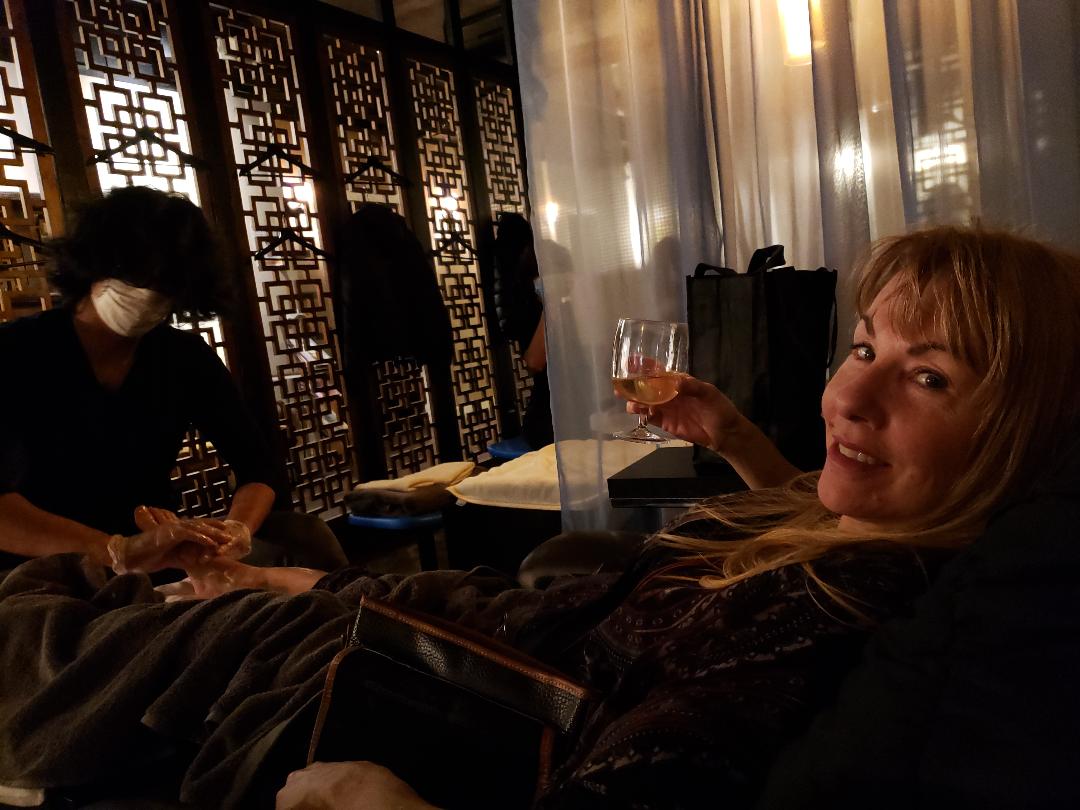
A one hour reflexology foot massage is what I’m talking about.  With a glass of champagne for added relaxation.

ToeToSoul Relax Lounge opened its doors with a fresh new outlook on reflexology and massage therapy – they say with an aim to infuse the chic and luxurious lifestyle of modern urbanities with the promotion of bodily health and soulful relaxation.  Sounds good. Only problem is…I could get hooked on this!

While unwinding in a luxurious leather recliner, pressure is applied to reflex points on the feet that correspond to vital organs and glands in the body. This helps reduce body tension, increase blood circulation, restore nerve function, and establish balance within the body.

Relax, Rejuvenate, Refresh, Repeat.

https://www.toetosoul.com/

fyi – my sister supplied the bubbly and treated me to my latest addiction

Have a soulful weekend!

Sunday Supplement: Vitamin D

Welcome to my new weekly supplemental. Every Sunday I’ll be featuring an important vitamin and the reasons why it may be vital to your health. 

Vitamin D: Immune System Superstar

I’m not pretending to be an authority on the subject – that I’ll leave for the experienced professionals.  Although I have an interest in health, I can at least share some knowledge I’ve gained from these experts. Some of them I know personally, and all agree that Vitamin “D” is of ultimate importance, especially right now with Covid.  I’ve done my own research too. What I’ve found out is that most people are deficient in Vitamin D and even if you eat really well, there are some vitamins (D being one of them) that you cannot create enough of from food alone.

D boosts the immune system and protects against respiratory infections. However, it is found in few foods and the body only replenishes its stocks through sunlight on the skin.

Vitamin D deficiency has emerged as a primary risk factor for severe COVID-19 infection and death. Higher vitamin D levels have even been shown to lower your risk of testing positive for the virus in the first place.  According to a Spanish study, 82.2% of COVID-19 patients tested were found to be deficient in vitamin D.

Dark skin color, increased age, pre-existing chronic conditions and vitamin D deficiency are all features of severe COVID disease. Of these, vitamin D deficiency is the only factor that is modifiable. As such, it would be foolish to ignore, especially since vitamin D supplements are readily available and low cost.

*The Scottish Government is giving out free vitamin D supplements to the most vulnerable to help boost their immune system.  People who have been shielding are to be sent a four-month supply to compensate for a lack of natural sunlight. (see link below).  

So I’ve upped my intake to 5,000 UIs a day in the winter months (some take more).  In the summer I take 1000 – 3000 UIs depending on how sunny it is.  Most medical doctors will suggest 400 UIs is enough.  However over a dozen research studies completed in 2020 alone show that we need at least ten times that amount to get optimum immune system benefits.

We already know that Vitamin D is good for a variety of illnesses and disorders such as depression (no surprise here – sunshine on my shoulders makes me happy.  Oh; you too?), hypertension, Type 1 and Type 2 Diabetes, oral health, inflammation…

The point being there’s tons and tons of research out there. I’ve narrowed it down to some choice statements taken from various sites.

  • **Dr. Michael Holick, professor of medicine, physiology and biophysics at Boston University School of Medicine and colleagues studied blood samples of more than 190,000 Americans from all 50 US states and found those with deficient levels of vitamin D had 54% higher COVID positivity compared to those with adequate blood levels of vitamin D. The study was published in PLoS (the Public Library of Science One) peer-reviewed journal. Many people are vitamin D-deficient because there are only small amounts in food, Holick said.

For the Top 25 Vitamin D Publications in 2020 go to:

*Sunday Times UK – Coronavirus in Scotland: Vulnerable will receive vitamin D supplements:

 
Out of curiosity, how much Vitamin D do you take regularly?
 

Vitamins to help boost your Immune System

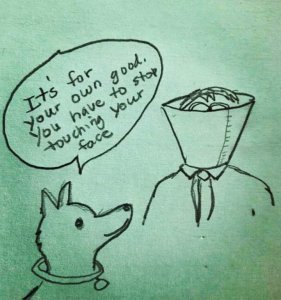
In light of all this pandemic panic we can use a little humour:

sometimes we dogs have to laugh

However on a more serious note:

I, like countless others am staying put right now.  Of course I’m still walking my dogs outdoors and I have gone to yoga (with my own mat) but for the most part avoiding social  interactions as much as humanly possible.  Taking the COVID-19 situation more seriously now especially since I’m still in California, planning to make my way back to Vancouver very soon. So many events are cancelled.  It takes something really major to cancel popular sporting events, parties and music festivals.  Many businesses have already begun to suffer.  Hope we get back to some normalcy soon.  Only time will tell, for better or for worse. 

Until then, trying to stay healthy with a morning tea concoction of fresh squeezed organic lemon, ginger, turmeric, cayenne, apple cider vinegar + organic raw honey.  It’s delicious. Followed by a cup of coffee with added cinnamon to the grounds. This incorporates some of the super spices. Mid morning I usually make a smoothie using frozen organic blueberries or açaí, half a banana, fresh (or frozen) ginger, 1/2 cup plain yogurt, topped with organic unsweetened almond or coconut milk, 3 Tbsp. of organic whey protein (grass fed bought at market) + a little turmeric powder. It’s the best! Taking lots of vitamins too and trying to get plenty of restEmphasis on trying. 

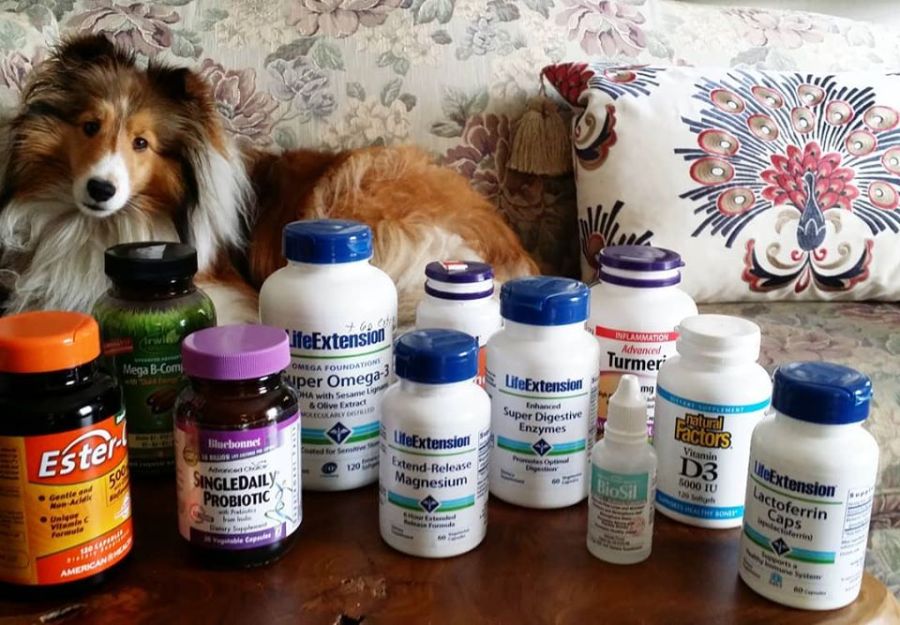
My lineup includes Super Omega-3, Ester-C, Advanced Turmeric (because I broke 2 fingers), Mega B complex, Vitamin D3, L-Lysine, Enhanced Super Digestive Enzymes, Probiotic (has Prebiotics from Inulin), Extend-Release Magnesium. Layla + Jia Jia are stress releasers (sometimes not so).  Not shown: *Leaf Source + **Samuraw Organic complete but only because I’m out.

Other recommended supplements to help boost your immune system: QuercetinN-A-C (N-Acetyl-L-Cysteine) to treat respiratory issues such as bronchitis – an amino precursor to glutathione, and 2 grams of Vitamin C per day.  

What’s the difference between an Epidemic and a Pandemic

An epidemic is defined as “an outbreak of disease that spreads quickly and affects many individuals at the same time.” A pandemic is a type of epidemic (one with greater range and coverage), an outbreak of a disease that occurs over a wide geographic area and affects an exceptionally high proportion of the population. While a pandemic may be characterized as a type of epidemic, you would not say that an epidemic is a type of pandemic.

Epidemic is a term that is often broadly used to describe any problem that has grown out of control such as an event in which a disease is actively spreading. In contrast, the term pandemic relates to geographic spread and is used to describe a disease that affects a whole country or the entire world.

Even so, it doesn’t do much good to panic….unless of course, you test positive for the virus. And even then, your survival rate depending on factors of age and overall health are not dire.

Wishing you a weekend of wellness.  Let’s keep our fingers crossed (and washed) that this terrible virus will go away in short order. 

I recommend the two products below available online and in select health stores.  Full disclosure: both are formulated by my brother Brad King.  Aside from him being my brother, you should know that I believe these are excellent quality products and would take them regardless.

*Leaf Source: The world’s cleanest + most powerful humic – fulvic acid complex.  Find out more at:  https://leafsource.com/

**SAMURAW NUTRITION: the very first truly natural 100% whole food derived multi-vitamin/mineral/probiotic.  Available at:  https://www.samuraw.com/

Stay safe. Stay healthy.


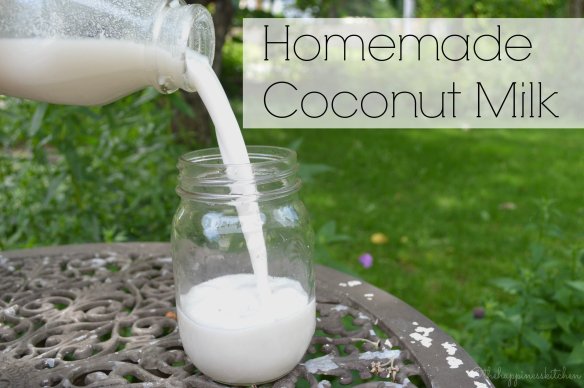
Healthy Alternative: Homemade Coconut Milk

photo: the happiness kitchen

I’ve been pouring store bought coconut milk over granola, oatmeal and adding it in place of water to smoothies for a looooong time. That’s before I knew how so much more delicious and easy it is to make my own.  Trust me,  bought coconut milk does not compare to homemade. It’s great for smoothies, but after making your own you’ll realize how watery it is in comparison because they use more water to coconut ratio. I prefer coconut over almond milk.  It’s my tropical side coming out.

When you make your own it’s almost like cracking open a fresh coconut.  Really!

Ingredients (for about 3 cups)

  • 2 cups shredded or flaked unsweetened coconut
  • 3-4 cups water (use less water for thicker, creamier milk!)
  • Pinch salt
  • Add optional: 1 Tbsp maple syrup, ½ tsp. vanilla extract or scrape half a vanilla bean for added sweetness.  fyi: I have not added any extras so far

Instructions

  1. Add coconut, 3 cups of hot (not boiling) water, pinch of salt (I like himalayan), and any additional add-ins (optional) to a high-speed blender. Top with lid and cover with a towel to ensure it doesn’t splash. Blend for about 2 minutes or until the mixture seems well combined.
  2. Pour the mixture through a sieve over a large mixing bowl. Save pulp for smoothies, baked goods or add it to oatmeal. You won’t waste any and it gives added coconut taste.
  3. Transfer to a sealed container or glass bottle and refrigerate. Will keep in the refrigerator for about one week. Shake before use, as it can separate in the refrigerator (due to no preservatives!).  Some recommend squeezing the milk through a cheese cloth after using sieve but I didn’t need to do this.

FOR COFFEE LOVES (like me)

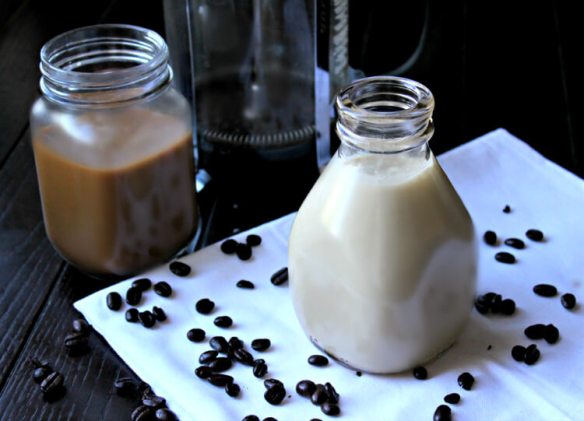
And if you want to go one step further try making your own coconut milk creamer.  I’ve been using So Good fat free Coconut Milk Creamer with French Vanilla which works really well to sweeten up coffee instead of adding sugar.  But I can’t find it easily in Vancouver and I’ve tried all the other brands which don’t compare in my opinion. I still like sweetener (that’s not gonna change) so I’m now making my own.

Homemade Coconut Milk Creamer

Homemade coconut milk creamer for coffee is also super easy to make. All you need is quality coconut milk and a healthy sweetener like honey and natural vanilla extract. Full fat coconut milk contains the healthy medium chain fats that are in coconut oil.

Ingredients:

  • 1 Can Full Fat Coconut Milk
  • 4 tablespoons of maple syrup
  • 1 Tablespoon Vanilla Extract

Instructions:

  1. Blend the coconut milk, sweetener of choice and vanilla extract together until the creamer is mixed well.
  2. Pour desired amount into your coffee or tea and store the remaining creamer in the refrigerator.
  3. Make sure to shake the creamer well before using. Enjoy! This creamer will be good for up to two weeks.

 Sooooo Good!


Self Care: Words from the Wise

Six months, when looking ahead seems like an eternity, but when looking back, it’s a blink of an eye.  It really is.

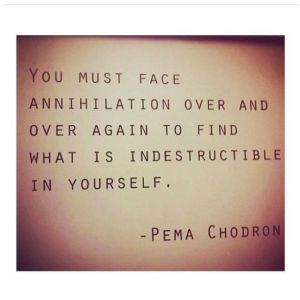
One of my best friends gifted me with a book entitled when thing fall apart when things fell apart after losing my husband.  Unknowingly, my sister gifted me with the very same book.  They both believed the book would help guide me to some understanding or at least a place of acceptance.  It was an interestingly thoughtful read and it did help to some degree.  At the very end there was a website where you could enter your e-mail address to receive weekly mindful insights to your inbox.  Reassuring insights are always encouraging, especially when they come from an American woman who became a Tibetan Buddhist.

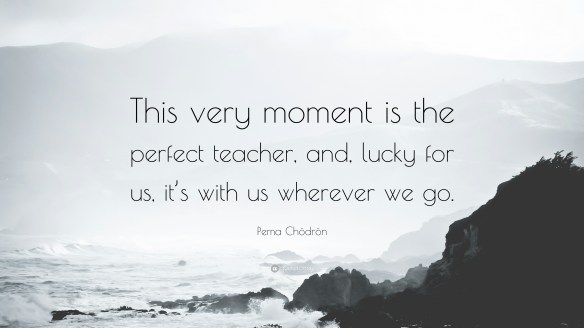
Like all explorers, we are drawn to discover what’s out there without knowing yet if we have the courage to face it. -Pema Chödrön

Just wanted to share one which I feel to be thought provoking and true.  Let me know if you agree.

THE UNIVERSAL DILEMMA

The source of our unease is the unfulfillable longing for a lasting certainty and security, for something solid to hold on to. Unconsciously we expect that if we could just get the right job, the right partner, the right something, our lives would run smoothly. When anything unexpected or not to our liking happens, we think something has gone wrong. I believe this is not an exaggeration of where we find ourselves. Even at the most mundane level, we get so easily triggered—someone cuts in front of us, we get seasonal allergies, our favorite restaurant is closed when we arrive for dinner. We are never encouraged to experience the ebb and flow of our moods, of our health, of the weather, of outer events—pleasant and unpleasant—in their fullness. Instead we stay caught in a fearful, narrow holding pattern of avoiding any pain and continually seeking comfort. This is the universal dilemma.

When we pause, allow a gap, and breathe deeply, we can experience instant refreshment. Suddenly we slow down, look out, and there’s the world. It can feel like briefly standing in the eye of the tornado or the still point of a turning wheel. Our mood may be agitated or cheerful. What we see and hear may be chaos or it may be the ocean, the mountains, or birds flying across a clear blue sky. Either way, momentarily our mind is still and we are not pulled in or pushed away by what we are experiencing. – Excerpted from: Taking the Leap: Freeing Ourselves from Old Habits and Fears – by Pema Chödrön

Why do people look for outside help or answers, and in doing so discover spirituality?  It’s a survival mechanism to deal with life’s challenges which hits you in the face.  I found out Pema came to explore her spirituality as an attempt to cope with the emotional trauma of her failed marriages. 

About Pema:

One of the most beloved of American Buddhist teachers, Pema Chödrön has devoted her life to inspiring people to awaken and has changed many lives in the process. She is the author of many influential books, such as When Things Fall ApartLiving Beautifully, and The Places that Scare You. Her writing, which explores Buddhist concepts and offers paths to conquering subjects such as suffering, fear, and difficult times, has inspired people worldwide.

My advice: You take sound advice from the wise until you’re wise enough to offer your own.

Any advice?


Self-care: take this!

I always thought of self care as more than mud masks and bubble baths.

contributed image – thecord.ca

It really is a total package encompassing mind/body/spirit + other life essentials.  So when I saw this article from another website it was only fitting to share it with you.  Because life is simple and complicated at the same time.  We need to focus on what needs to be fixed on the outside in order to feel good on the inside.  I’m not the only one who thinks this way.

Self-care is often a very unbeautiful thing – by Brianna Wiest: thoughtcatalog.com

It is making a spreadsheet of your debt and enforcing a morning routine and cooking yourself healthy meals and no longer just running from your problems and calling the distraction a solution.

It is often doing the ugliest thing you have to do, like sweat through another workout or tell a toxic friend you don’t want to see them anymore or get a second job so you can have a savings account or figure out a way to accept yourself so that you’re not constantly exhausted from trying to be everything, all the time and then needing to take deliberate, mandated breaks from living to do basic things like drop some oil into a bath and read Marie Claire and turn your phone off for the day.

A world in which self-care has to be such a trendy topic is a world that is sick. Self-care should not be something we resort to because we are so absolutely exhausted that we need some reprieve from our own relentless internal pressure.

True self-care is not salt baths and chocolate cake, it is making the choice to build a life you don’t need to regularly escape from.

And that often takes doing the thing you least want to do.

It often means looking your failures and disappointments square in the eye and re-strategizing. It is not satiating your immediate desires. It is letting go. It is choosing new. It is disappointing some people. It is making sacrifices for others. It is living a way that other people won’t, so maybe you can live in a way that other people can’t.

It is letting yourself be normal. Regular. Unexceptional. It is sometimes having a dirty kitchen and deciding your ultimate goal in life isn’t going to be having abs and keeping up with your fake friends.  It is deciding how much of your anxiety comes from not actualizing your latent potential, and how much comes from the way you were being trained to think before you even knew what was happening.

The act of self-care has become yet another thing women are expected to be good at. Did you use the right filter for that ‘gram of your impeccably prepared acai bowl? Are the candles you just lit in your Snap story made from organic hand-poured soy or are they that mass-produced factory shit? And how can we stem the inevitable capitalist tide from turning something as simple as self-care into yet another thing to be bought and sold? These are all things I wrestle with as I order Dominos in sweatpants under the guise of ‘being good to myself.’ –  Amil Niazi

If you find yourself having to regularly indulge in consumer self-care, it’s because you are disconnected from actual self-care, which has very little to do with “treating yourself” and a whole lot do with parenting yourself and making choices for your long-term wellness.

It is no longer using your hectic and unreasonable life as justification for self-sabotage in the form of liquor and procrastination. It is learning how to stop trying to “fix yourself” and start trying to take care of yourself… and maybe finding that taking care lovingly attends to a lot of problems you were trying to fix in the first place.

It means being the hero of your life, not the victim. It means rewiring what you have until your everyday life isn’t something you need therapy to recover from. It is no longer choosing a life that looks good over a life that feels good. It is giving the hell up on some goals so you can care about others. It is being honest even if that means you aren’t universally liked. It is meeting your own needs so you aren’t anxious and dependent on other people.

It is becoming the person you know you want and are meant to be. Someone who knows that salt baths and chocolate cake are ways to enjoy life – not escape from it.

Well said! Who else agrees?

Self care Sunday – Time Out

This is my first post in a week

You may have noticed or not because everyone is caught up relishing the joys of Summer.    It’s normal for me to cut back posts from mid-July until the end of August.  Time to wind down. I become more lazy, take time out for myself,  spend more time outside and quality time with others.

However at present I am devoting my full time and energy to a very difficult family situation.  Eventually I might write about it.  It’s the first time in a loooong time that I find it hard to concentrate on more than what is at hand.  It’s been emotionally draining and I must look after myself on top of it all because…

Simple pleasures: it’s strange to note that something as unexciting as changing the bed sheets give me a simple boost of pleasure.  Something as habitual as sitting down with my morning coffee to check e-mails is more relaxing than normal and a fifteen minute afternoon nap is heaven sent.  I don’t function well when there is chaos around me and my surroundings need to be relatively clean and tidy.

Which brings me back to what it means to take time out.  It’s important to not totally deplete your energy. And we don’t need Denis Waitley (best-selling author of the audio series “The Psychology of Winning” and books such as “Seeds of Greatness” and “The Winner’s Edge”) to tell us so.  Although he did say:

Time and health are two precious assets that we don’t recognize and appreciate until they have been depleted.

Food for Thought