Last night I was in a room full of intriguing people to celebrate a season of sharing, hope and inspiration at *Inspire Health’s inaugural gala. Everyone was there to support those living with Cancer.
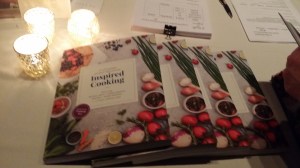
The perfect evening marked an important milestone with the launch of a gorgeous cookbook entitled “Inspired Cooking” featuring 21 of Canada’s finest chefs. Four of the featured chefs were on hand to take everyone on an amazing culinary experience, as we sipped on some of the best wines BC has to offer from the Oliver Osoyoos Wine Association.
While guests perused the desirable silent auction items during reception, servers were floating around the room with the most delicious canapés from local Meinhardt (one of the sponsors).
There was live entertainment along with some moving testimonies of patients who have contributed their stories to the book, with the hopes that it will inspire change for others.
Each of the four courses were excellent in taste and presentation but my two standouts were:
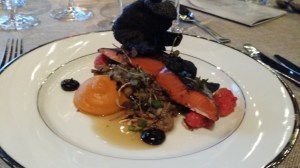
Entrée: Slow Cooked salmon, ginger scented sweet potato, black garlic, tomato and shitake dashi Chef Warren Barr, The Pointe Restaurant at the Wickaninnish Inn Tofino Paired with Church and State – Coyote Bowl Syrah
Dessert: (picture did not serve it justice) Frozen lemon, turmeric pudding with coconut cream and chia seeds *As featured in Inspired Cooking Baker Jackie Kai Ellis, Beaucoup Bakery & Café, Vancouver. Paired with Gehringer Brothers Estate Winery – Dry Rock Vineyard Unoaked Chardonnay
Some of the live auction items were amazing. Here’s a sample of something I wanted to bid on but unfortunately someone else beat me to it.
A weekend to Tofino in 5-star luxury Flights for two to spectacular Tofino compliments of Orca Air, with two nights at the Wickaninnish Inn in a deluxe suite, with fireplace, soaker tub and balcony offering a forested beach view looking out at the ocean. Then enjoy a 3-course dinner at the Point Restaurant, home of refined west coast cuisine, where Chef Warren Bar and his culinary team offer to you their most innovative creations.
*Inspire Health was founded by two medical doctors in 1997 with the intention of providing person-centred care to support health and well-being for people living with cancer and their families. They provide patients with knowledge, tools and services to support their overall health, during and after standard cancer treatments, including chemotherapy, radiation, surgery and medications. All of their recommendations and programs are safely integrated with a person’s standard treatments.
They’re an amazing group of people. Each year they support a minimum of 3,000 new patients, conduct 2,000 classes and provide over 25,000 clinical visits.
The support of the evening will allow Inspire Health to continue to offer evidence-based, patient centered supportive cancer care.
They certainly inspire me to do better. Plus I cannot wait to attempt some of the recipes (including nearly 60 whole food ones) found in the book.
“Cooking is an art and patience a virtue... Careful shopping, fresh ingredients and an unhurried approach are nearly all you need. There is one more thing – love. Love for food and love for those you invite to your table. With a combination of these things you can be an artist – not perhaps in the representational style of a Dutch master, but rather more like Gauguin, the naïve, or Van Gogh, the impressionist. Plates or pictures of sunshine taste of happiness and love. – Keith Floyd, ‘A Feast of Floyd’
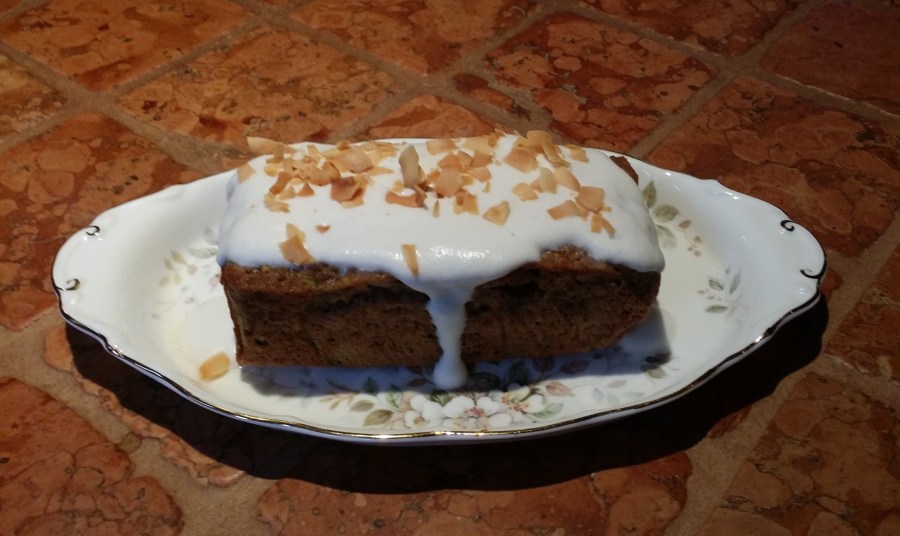
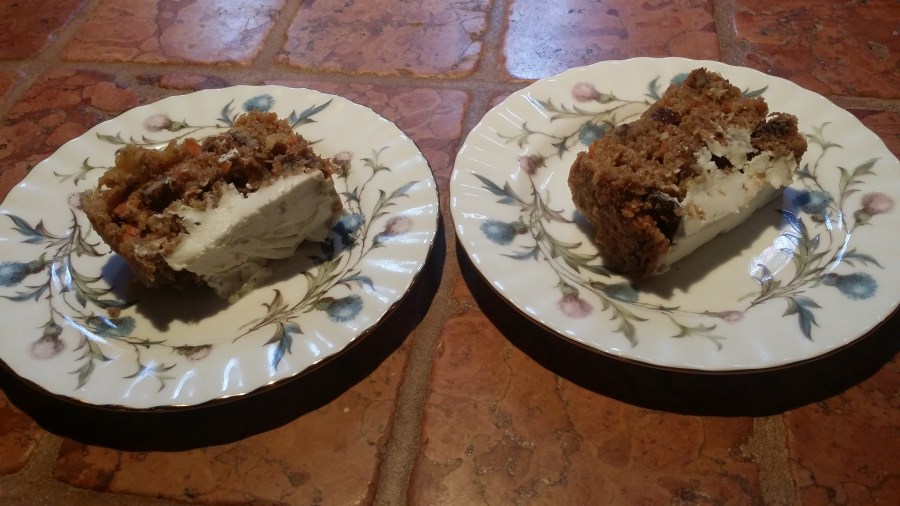
This moist, rich cake is made using whole grain flour, fruits and veggies, more “natural” sweeteners and healthy oils. Your kitchen will smell divine with the aroma of warming spices like cinnamon, nutmeg, ginger and cloves as this cake bakes.
Little Loaf – topped with whipped coconut cream & toasted coconut flakes
I took this original recipe and divided it into individual loaf pans to give to friends. Makes three. Instead of the usual cream cheese or traditional whipped cream topping I whipped coconut milk (without guar gum in the ingredients) with a little maple syrup & vanilla extract. It’s a much healthier alternative but the secret is to make sure the coconut milk is very well chilled. Leave the can in the fridge for at least one hour. It can also be helpful to put your mixing bowl and beaters (or blade) in as well, so everything is very cold. As far as the cake goes, you can always substitute some of the pineapple for grated zucchini (as I did for a few of them), omit the walnuts entirely and/or add raisins. I made my own apple sauce.
Carrots – Carrots are one of the best sources of beta carotene, which balances the immune system and reduces the risk of many cancers. They also guard against cardiovascular disease, reduce inflammation, slow the aging process, and are great for digestion disorders. They also contain fiber, calcium, iron, and many other vitamins and minerals.
Cinnamon – This spice has antiseptic properties, is a digestive aid, has anticancer properties, and is beneficial for the heart, lungs, and kidneys. It also helps lower blood pressure and makes insulin more efficient thus controlling blood sugar spikes.
Walnuts – These nuts contain beneficial polyunsaturated fatty acids that are great for the brain and lowering cholesterol. They are also high in protein, fiber, minerals, and vitamins.
Pineapple – Pineapple is an excellent source of vitamin C and manganese. It is also rich in the enzyme bromelain, which aids in digestion, is an anti-inflammatory, and an anti-cancer agent. It can greatly reduce the swelling of carpal tunnel syndrome, arthritis, and gout.
Ingredients
Wet Ingredients
1/2 cup apple sauce
1/2 cup honey
1/3 cup olive or coconut oil (I used organic virgin coconut oil)
2 eggs (or 2 Tbs ground flax seeds soaked in 6 Tbs water)
1 cup raw carrot, grated (2-3)
1 cup crushed pineapple, drained
Dry Ingredients
1 cup whole grain spelt flour, rice flour, kamut flour or combination
1 tsp baking powder
3/4 tsp baking soda
1/4 cup walnuts, chopped
1/4 tsp unrefined salt (I used himalayan)
1 tsp cinnamon
½ cup unsweetened shredded coconut
optional: 1 tsp ground ginger, ¼ tsp ground nutmeg, ¼ tsp ground cloves (I used a pumpkin spice mix)
Directions
In a bowl, mix together the wet ingredients.
In a separate bowl, mix together the dry ingredients.
Add the dry ingredients to the wet ingredients and mix together gently.
Pour into a greased 7×11 inch cake pan (or a muffin tin) or individual loaf pans,
Bake at 350ºF until a toothpick comes out clean, approximately 40 minutes (20 minutes for cupcakes in a muffin tin). Cool and serve.
“If your regrets linger, if you cannot find inspiration in solitude, then
you still have much to learn from the writers and poets and the cooks
on becoming the artist of your own life… you can never re-create the
past. But you can shape your own future. And you can make a cake.”
~ Jacqueline Duval, in ‘Reckless Appetite a Culinary Romance’
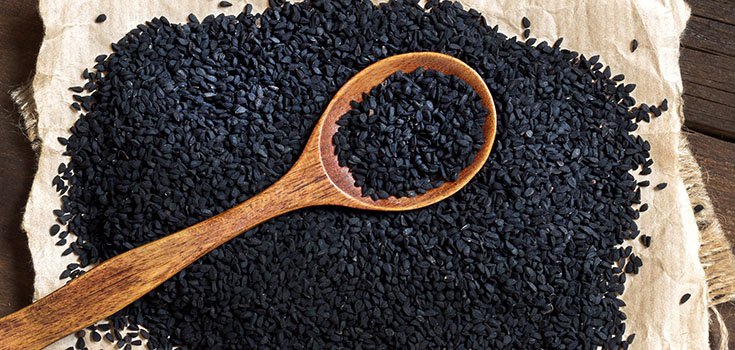
Among the gifts my sis brought back from her recent trip to Spain & Morocco was a jar of BLACK CUMIN SEEDS???Their latin name is“Nigella Sativa”. Sis knows that I like anything to do with healing & cooking so I also got saffron, argan oil (which I wrote about on my previous beauty post) and menthol crystals.
Now these cumin seeds look different from the brownish ones I use to make Indian curry. They’re smaller, rounder and darker. Never seen them before so had to google. How did we live in the days before google….remember encyclopedia’s? No; me neither! I digress…
You may or may not have heard of Black seed (nigella sativa) before. It goes by many names, including black caraway, Roman coriander, and black cumin, to name a few. But no matter what you call it, these seeds are loaded with health benefits that we are only now beginning to understand. From eliminating harmful bacteria to regenerating the body’s cells and tissues, there is awesome research-backed health benefits of black cumin.
I’ll defer to Nigella Lawson, the British cooking show goddess who preaches the importance of a well-stocked pantry: It appears from a few of her recipes that her pantry includes nigella seeds. But they are not a branded food à la Rachael Ray’s EVOO (extra-virgin olive oil)—the seeds had the name first. In fact, they have a whole bunch of names, some of them misleading: onion seeds, black cumin, charnushka and kalonji, to name a few. Although they resemble onion seeds or black sesame seeds, they are actually the seeds of an annual flowering plant of the Ranunculacae family. Not only is this too much information, we can’t even properly pronounce the name.
The nitty gritty (pardon the pun):
Black seed has been used for thousands of years in Chinese medicine, Ayurvedic medicine, Unani, and Arabic medicine. It has minimal (if any) side effects and adds important nutrients to the diet. If utilized as an essential oil or by eating the seeds directly, it is a powerful antioxidant. Black seed was used by Queen Nefertiti in Egypt, and King Tut even kept a bottle of the oil in his tomb for the afterlife. This King will keep a bottle on hand, although kept contained in a jar in her kitchen.
So, what the heck do I do with them?
For starters, toast them lightly to release the essential oils. Then grind them or throw them whole in an Indian dish. Add them to your favorite curried or lentil soup, but they would work in all kinds of South Asian dishes, from simple vegetable curries (like a Bengali stir-fry or a spiced butternut squash to naan bread). They’re also part of the spice mixture called panch phoran, along with fenugreek, mustard, fennel and cumin seeds, common in Bengali dishes.
Many of black cumin’s traditionally ascribed health benefits have been thoroughly confirmed in the biomedical literature. In fact, since 1964, there have been 656 published, peer-reviewed studies referencing it.
We have indexed salient research, available to view on GreenMedInfo.com on our Black Seed (Nigella Sativa) page, on well over 40 health conditions that may be benefited from the use of the herb, including over 20 distinct pharmacological actions it expresses, such as:
Analgesic (Pain-Killing)
Anti-Bacterial
Anti-Inflammatory
Anti-Ulcer
Anti-Cholinergic
Anti-Fungal
Ant-Hypertensive
Antioxidant
Antispasmodic
Antiviral
Bronchodilator
Gluconeogenesis Inhibitor (Anti-Diabetic)
Hepatoprotective (Liver Protecting)
Hypotensive
Insulin Sensitizing
Interferon Inducer
Leukotriene Antagonist
Renoprotective (Kidney Protecting)
Tumor Necrosis Factor Alpha Inhibitor
The above pharmacological actions are only a subset of a far wider number of beneficial properties intrinsic to the black seed. While it is remarkable that this seed has the ability to positively modulate so many different biological pathways, this is actually a rather common occurrence among traditional plant medicines.
Black seed has been researched for very specific health conditions. Some of the most compelling applications include:
Type 2 Diabetes: Two grams of black seed a day resulted in reduced fasting glucose, decreased insulin resistance, increased beta-cell function, and reduced glycosylated hemoglobin (HbA1c) in human subjects.
Helicobacter Pylori Infection: Black seeds possess clinically useful anti-H. pylori activity, comparable to triple eradication therapy.
Epilepsy: Black seeds were traditionally known to have anticonvulsive properties. A 2007 study with epileptic children, whose condition was refractory to conventional drug treatment, found that a water extract significantly reduced seizure activity.
High Blood pressure: The daily use of 100 and 200 mg of black seed extract, twice daily, for 2 months, was found to have a blood pressure-lowering effect in patients with mild hypertension.
Asthma: Thymoquinone, one of the main active constituents within Nigella sativa (black cumin), is superior to the drug fluticasone in an animal model of asthma.Another study, this time in human subjects, found that boiled water extracts of black seed have relatively potent anti-asthmatic effect on asthmatic airways.
Acute tonsillopharyngitis: characterized by tonsil or pharyngeal inflammation (i.e. sore throat), mostly viral in origin, black seed capsules (in combination with Phyllanthus niruri) have been found to significantly alleviate throat pain, and reduce the need for pain-killers, in human subjects.
Chemical Weapons Injury: A randomized, placebo-controlled human study of chemical weapons injured patients found that boiled water extracts of black seed reduced respiratory symptoms, chest wheezing, and pulmonary function test values, as well as reduced the need for drug treatment.
Colon Cancer: Cell studies have found that black seed extract compares favorably to the chemoagent 5-fluoruracil in the suppression of colon cancer growth, but with a far higher safety profile.Animal research has found that black seed oil has significant inhibitory effects against colon cancer in rats, without observable side effects.
MRSA: Black seed has anti-bacterial activity against clinical isolates of methicillin resistant Staphylococcus aureus.
Opiate Addiction/Withdrawal: A study on 35 opiate addicts found black seed as an effective therapy in long-term treatment of opioid dependence. Pretty Powerful! But like anything else, you should consult your doctor before using for medicinal purposes.
I’ve always been health conscious but in the past several months even more so. Not totally hardcore but definitely more mindful of what I cook and how, and cutting out everything that is not good. I’m actually loving it. I enjoy cooking in general but now the intent is to make food rich in nutritional value while maintaining overall taste & creativity.
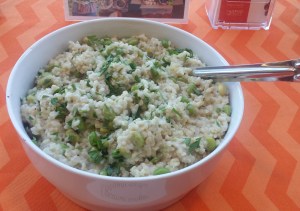
Quinoa Tabouli Salad
I’ve taken several cooking classes/demonstrations to see what the nutrition experts recommend as a preventative to getting sick. Inspire Healthoffers services to enhance quality of life, health and well-being of people living with cancer and their families. I am usually the only non-cancerous person in the class, being there as a support. These people are trying to do the best they can through nutrition (as in you are what you eat) to promote longer life and aid in treatment of radiation/chemo by adding flavour and digestible probiotics to delicious, healthy meals. It can be a challenge but it’s well worth it. In the following weeks I can share some of the recipes with you. For now, these posted photos are only of some of what I’ve made.
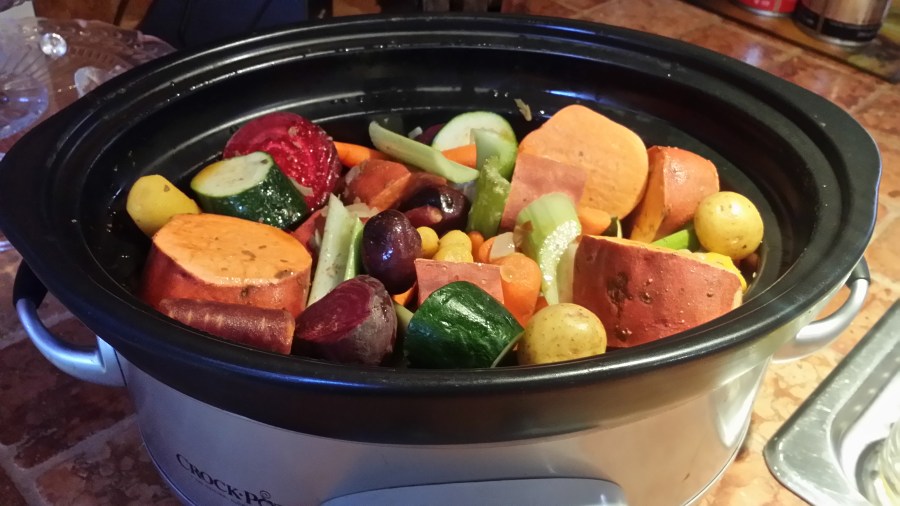
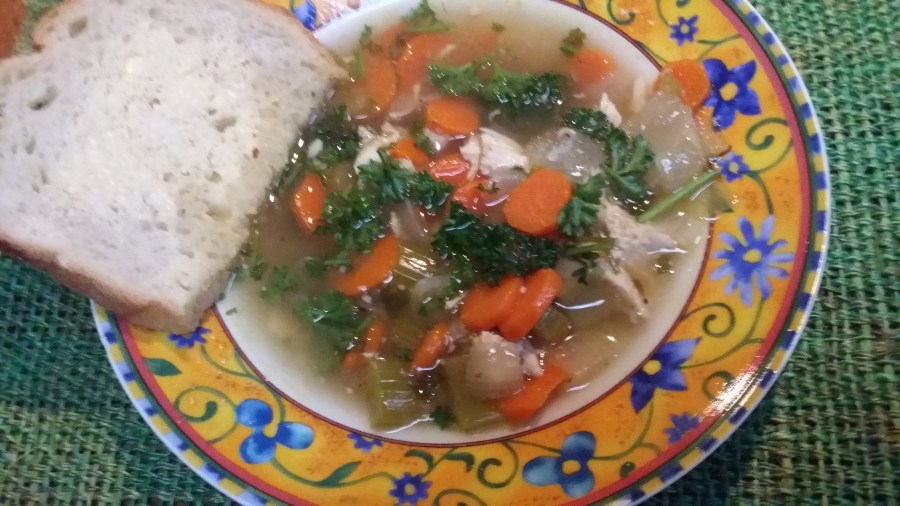
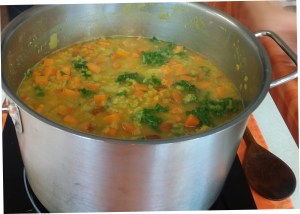
Chicken Bone Broth with VegetablesThai Beet SoupLentil Curry
Back to the Health Show:
It’s a two day consumer event for the health conscious individual. It offers a diverse array of options to explore all under one roof for an entire weekend of shopping and education.
A great place to be if you’re looking for the latest products and services on the market, just beginning your journey of achieving a healthier lifestyle or have specific health issues that you need help with.
There are experts on hand to answer your questions to do with anything from nutritional supplements to alternative therapies to fitness trends to food products.
You will meet the people who know what it takes to create a loving home through the discovery of the best new products on the market that will inspire every room in your home to be clean and green, fresh and organized, harmonious and functional.
Surround yourself with the dreamers and the doers, the believers and thinkers.
Where? The Vancouver Convention Centre – November 5th (10:00am – 6:00pm) + November 6th (11:00am – 5:00pm).
But before I go I’m making a breakfast pizza which looks like this:
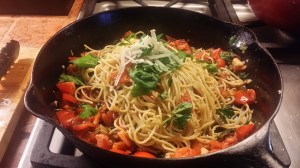
Black Bean Veggie Burger (sans bun here) with a delicious Miso Tahini DressingSpaghetti with fresh & sundried tomatoes, garlic, parmesan & parsley. Secret is in the herbs, spices & good Italian truffle oil.
But the 80-20 rule still applies. The other night I made a restaurant quality AAA rib-eye with thinly sliced baked russet potatoes + beets drizzled with olive oil that came out nice and crispy and kale. Lots more on my list…..
If you live in Vancouver I just want to bring to your attention the following two important events.
INSPIRED DINING WEEK
Inspired Dining Week takes place from October 15-23, 2016, providing an opportunity for diners to choose menu items from some of Vancouver’s best dining establishments (there will be more Inspired dine out experiences expanded to other cities):
Restaurants, eateries and healthy vendors will showcase the best of their culinary delights over the nine days. Inspire Health is partnering with the participating restaurants across Vancouver in an effort to help raise awareness and funds for Inspire Health (a not for profit organization helping provide lasting lifestyle changes for those living with cancer and their families). You will also get the chance to try the various dining establishments.
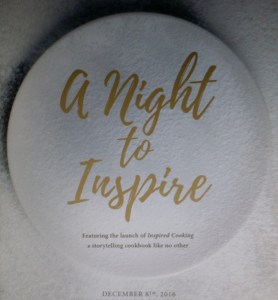
Join us for one of Vancouver’s most memorable fundraising galas, A Night to Inspire welcomes 200 of our city’s business, health care and philanthropic leaders for an inspirational evening.
This year we are delighted to take our guests on a culinary experience like no other. Teaming up with four top chefs from across the country, we will feature an incredible five-course seated dinner, paired with a wonderful selection of wines from the Oliver Osoyoos Winery Association.
The evening will also feature:
The launch of Inspired Cooking, a storytelling cookbook featuring recipes and stories from 20 of Canada’s top chefs. Every guest will receive their own copy of Inspired Cooking.
Live music & entertainment
Inspirational stories from InspireHealth members
Silent & live auction showcasing an array of desirable items
Tickets are on sale for $250. Please e-mail events@inspirehealth.ca or purchase at the centre : Suite 200 – 1330 West 8th Avenue.
I think this is a great way to bring awareness to not only Inspire Health, but to celebrate ourselves with good healthy food and wise choices.
Fall is the season for changing leaves, transformation and Galas.
Gala events of which there are plenty, always go to support a worthwhile cause.
Cystic Fibrosis (CF) is one of them
The Invite
CF is a multi-organ disease primarily affecting the lungs and digestive system of children and young adults. Ultimately, most CF deaths are due to lung disease.
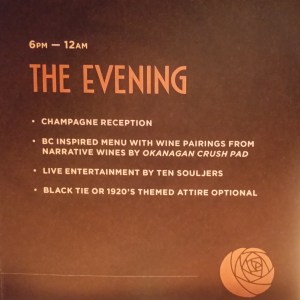
I always look forward to going to the Annual 65 Roses Gala because not only does it help fund research and clinical care here in BC and Canada but overall it’s a great evening with good food and a fun crowd where you get to dress up, mingle and dance.
This year we pay homage to the glitz and glamour of the roaring twenties and the Gatsby era. Flowing champagne, glamorous guests (of course) and stunning décor will set the stage for a fundraising event like no other.
If you live in Vancouver and would like to attend there are still some tickets available. Cost is $300 per person. You can purchase tickets online at www.65rosesgala.com or call 604.436.1158
Or you can send a cheque if you prefer. This is not my usual pattern to ask for cash donations but hey; it is such a good cause I decided to go ahead because I know many of you will and it will be extremely appreciated.
There is no cure, but there is hope!
Help us breathe hope into a world with NO cystic fibrosis. Then we can all breathe easier.
This was from an event last week at the Vancouver Holt Renfrew – an evening in support of CF. All the Holts across Canada gave a portion of any shopping proceeds from the evening to CF. I’m with my friend Colleen (who has CF and received a Heart/double Lung transplant 27 years ago – her surgeon was knighted) acting a bit goofy in a somewhat animated photo booth set up in the store. So it was fun to have a another good reason to shop.
So thank you in advance for whatever you decide to do to help out. XO
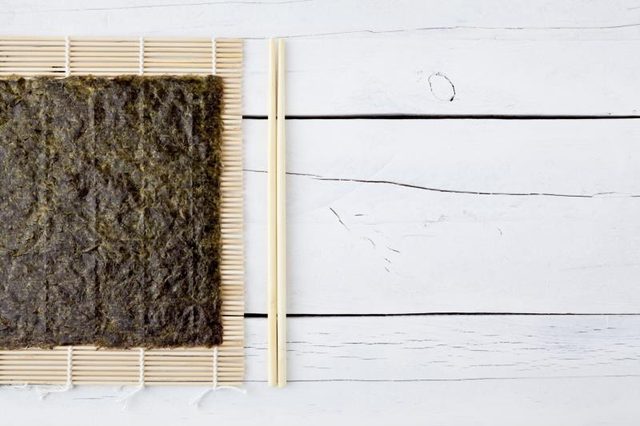
although it is also used as a garnish, for flavoring noodle dishes and soups, or as a health supplement. Indeed, as the nutritional value of nori continues to come to light, more and more health food stores worldwide are beginning to sell it in fresh or dried form.
Photo: LiveStrong Website
List of Health Benefits
And the benefits abound: Seaweed (specifically nori, the kind usually used for seaweed snacks) is a cocktail of nutrients, including high levels of vitamins A and C, and calcium. Vegans can rejoice in the fact that it’s one of the only natural, non-animal sources of vitamin B-12, which is essential for many cognitive and bodily functions. In addition, sea vegetables tout particularly high amounts of iodine, potassium, selenium, iron, and magnesium—unrivaled by land vegetables, as these minerals are especially concentrated in seawater.
Rich in protein – 100 grams of nori contain between 30 and 50 grams of protein, making it one of the plant world’s richest sources of protein and comparable in density to spirulina, chlorella, and soybeans. Protein is needed for building and repairing muscles, building enzymes and antibodies, and cell maintenance and growth.
Lowers cholesterol – According to a study published in the June 2001 edition of the British Journal of Nutrition, when rats that were on an otherwise high-cholesterol diet were fed nori, their LDL cholesterol levels lowered, suggesting that nori plays an important role in stabilizing cholesterol levels. Perhaps this is because nori is surprisingly rich in omega-3 fatty acids, which are well-known for reducing LDL cholesterol. They also help lower blood pressure, therefore making nori excellent for the cardiovascular system.
Dietary fiber – Nori is comprised of approximately 33 percent dietary fiber, making it an effective laxative. Also, since high-fiber foods have the ability to make you feel full for longer, nori is also a good weight loss food (a fact that is reinforced by its low calorie and fat content).
Lowers cancer risk – A study published in the May 2010 edition of the British Journal of Nutrition found that the regular consumption of nori was linked to lowered rates of breast cancer for menopausal and pre-menopausal women. This is unsurprising, since nori is rich in antioxidants such as vitamin C that help neutralize the cancer-causing effects of free radicals.
High in iron – 100 grams of nori contain approximately 88 percent of our recommended daily intake of iron, making it an extremely rich source of this much-needed mineral. Furthermore, a Venezuelan study published in 2007 for the Journal of Nutrition showed that nori, unlike many grains and beans, doesn’t contain phytates, which can drastically lower the absorption rate of iron.
Improves bone health – 100 grams of nori contain 280 milligrams of calcium (28 percent of our RDI) and 300 milligrams of magnesium (85 percent of our RDI). While we all know that calcium is good for the bones and is needed to prevent osteoporosis, lesser-known is that fact that we also need magnesium to help absorb it. Since nori contains sizable quantities of both, it is the perfect bone-builder.
Impressive iodine content – Sea vegetables are the plant world’s premier source of iodine, and nori doesn’t disappoint. 100 grams of it contain approximately six milligrams of this extremely important mineral. Indeed, according to the Food Standards Australia New Zealand (FSANZ), one sushi roll wrapped in nori contains 92 micrograms of iodine, which is close to an adult’s RDI of 150 micrograms. Iodine deficiencies are very common in the West and can lead to serious conditions such as goiter and hyperthyroidism.
Aside from the nutrients already mentioned, 100 grams of nori also provide us with vitamin A (288 percent of our RDI), thiamine (60 percent), riboflavin (194 percent), niacin (78 percent), folate (475 percent), as well as impressive levels of phosphorous, potassium, zinc, and vitamins C, E, and K.
Source: Michael Ravensthorpe. He is the creator of the website, Spiritfoods, through which he promotes the world’s healthiest foods.
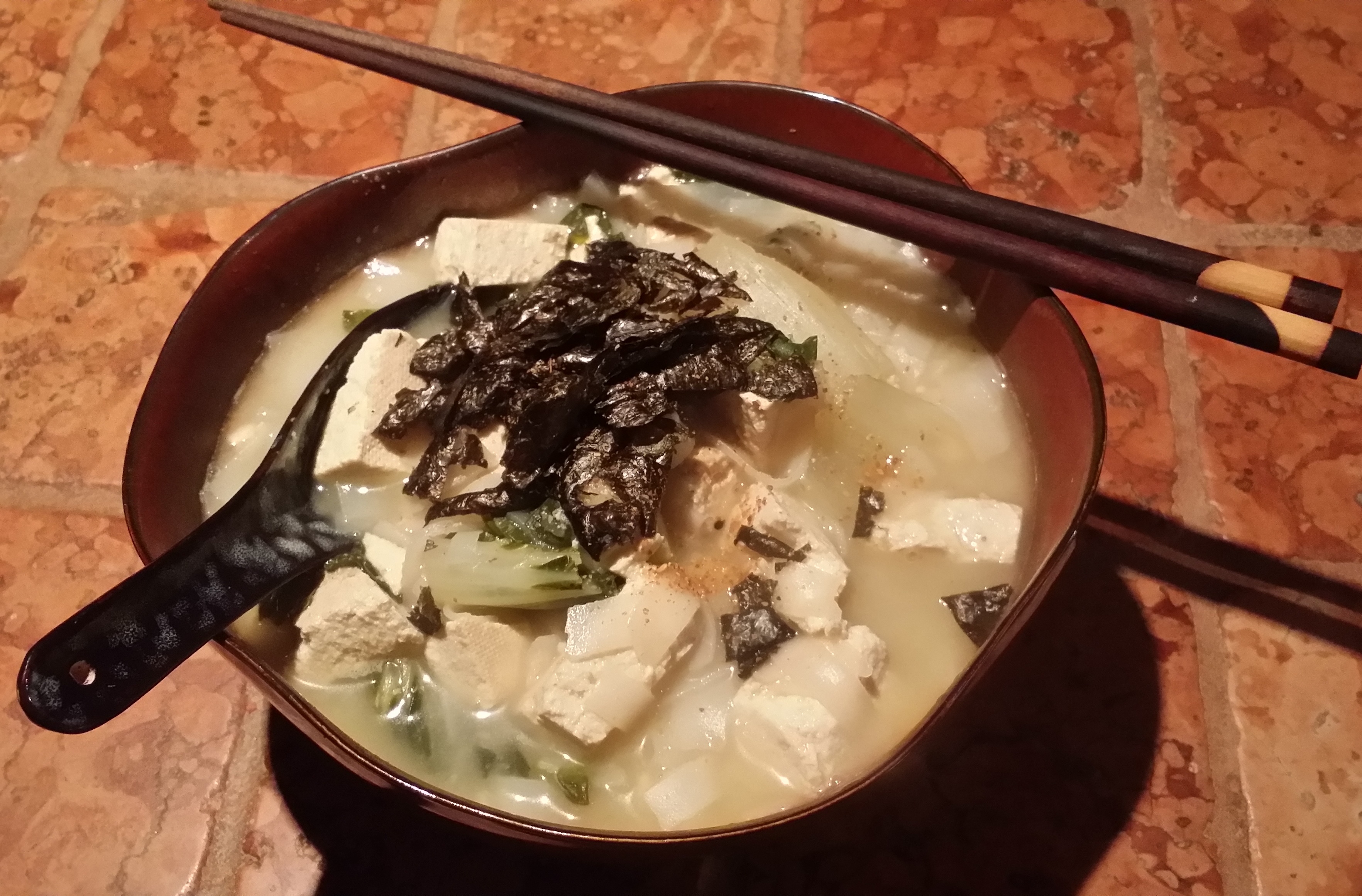
I use nori as a topper in a homemade miso soup base. I start with a soybean paste that is GMO free (getting non-GMO is harder to find these days but if you look hard you’ll find it). Sometimes added chicken stock and then add vegetables (baby bok choy, spinach, broccoli, a little soy, rice noodles, shichimi spice and toasted seaweed. It is fairly quick, nutritious and delicious. It sure beats the miso soups you get at any Japanese restaurant.
If you want to know the difference between Kelp and Seaweed:
Seaweed is a very, very broad term that is used to describe the many marine plants and algae that live in the world’s waters. Kelp is actually a subgroup of seaweed and is also the largest form of seaweed. Seaweeds range in size from the microscopic to the massive, while kelp are so large and complex that they form massive underwater forests. You may have seen this marine plant at the beach. Kelp is a type of large brown seaweed that grows in shallow, nutrient-rich saltwater, near coastal fronts around the world. It differs slightly in color, flavor, and nutrient profile from the type you may see in sushi rolls. It contains:
iron
manganese
calcium
magnesium
copper
zinc
riboflavin
niacin
thiamin
vitamins A, B-12, B-6, and C
What about too much Iodine?
The key is to get a moderate amount to raise energy levels and brain functioning. It is difficult to get too much iodine in natural kelp but this could be an issue with supplements.
Think about it. It’s that stage in meditation when you’re in that place…in between sleep & wakefulness. Meditation is kind of tricky if you’re not used to it. It sounds easy enough but it takes practice…and more practice to be able to clue out all the surrounding clatter (there’s always distractions) and be completely still without actually falling asleep while remaining conscious. At least that’s my unprofessional opinion – a*Yin & Yang effect.
We can learn from our feline friends. I think everything you need to know about meditation can be taught by observing cats. They are masters at relaxing and stillness while remaining alert.
Jia Jia likes to escape & meditate in this little hideaway beside the courtyard.
I’ve been contemplating meditation for several years but only recently experienced it.
I have a long way to go but I’m positive that over time I’ll be able to achieve this. The very first time I was asked by the coach (yes, there’s a coach for starters) how I felt afterwards. My answer: “it reminded me of napping in kindergarten except for hearing the rattling of dishes, people talking in another room and general outside disturbances. Is there any way you can let them know that we’re in a practice so they can keep quiet for the duration?”
That’s when the coach replied that the whole purpose of meditation is to be able to quiet your mind even through the little (& larger) everyday outside distractions. The next time I was much better at it and I’ll keep getting better. Then I saw this:
Meditation & the big “O” – The Secrets of Orgasmic Meditation
We might just be the last people to this particular pajama party, but I recently found out that there’s an entire meditation practice that revolves around orgasms. Nicole Daedone—the creator of Orgasmic Meditation (OM) and the founder of its rapidly growing organization, OneTaste—explains it in broad terms: OM is to sex, as yoga is to fitness. The goal of the practice? Experiencing more connection, happiness, vitality, and fulfillment—all possible, according to Daedone, when you have the power of Orgasm with a capital “O.” As Daedone explains below, she distinguishes the Orgasmic state (a larger state of consciousness) from the conventional definition of orgasm as climax (fleeting physical pleasure).
Daedone has studied Zen Buddhism, mystical Judaism, and semantics, and the practice of OM combines distinctive elements of her diverse background and expertise in surprising but thoughtful ways. Her company, OneTaste, has a presence in 30 cities around the globe, with tens of thousands of participants. Daedone is also the author of Slow Sex: The Art and Craft of the Female Orgasm. Check out her SXSW talk that explains how Orgasm and the internet share a common purpose. (Yes, you read that correctly.) Here she answers some questions:
Q:What is the practice of Orgasmic Meditation all about?
A: It is a practice that combines the power and attention of meditation with the deeply human, deeply felt, and connected experience of orgasm.
When I first tried OM, I had a life-changing experience. It was so profound, so, “Oh! This is what is supposed to be!” that I began to investigate the question: what would happen if we rebuilt sex from the ground up, but this time included consciousness and spirituality. The same way that we have been moving from processed to whole foods, from mere fitness to yoga, OM shifted sex out of the dark, under the covers, from the shameful and often consumptive places where it used to be, and into the light. Here we can have experiences that foster our well-being. We take the most powerful impulse, the orgasm impulse, and approach it in an entirely new way. OM offers a practice through which we can harness this impulse that is a deliberate, repeatable method for accessing the orgasm state.
And there’s an important distinction that’s worth making here. I differentiate between climax and the orgasm state. Climax is a few seconds of physical experience, whereas the state of orgasm is continuous—more akin to an optimal state of consciousness brought about from the activation of the sex impulse. It’s that feeling of being so completely absorbed in an experience that there is no psychic chatter, no being “stuck in your head”; a falling away of the ego. When this happens, our sense of limitations falls away as well. In the orgasm state, we feel totally present and connected, as if a deeper intuitive sense has awakened. The state occurs both in the practice of OM itself, and it has cumulative positive effects that carry over into everyday life.
Q:Why do you believe so many women are conflicted about orgasm? And why do you think it’s so difficult for so many women to achieve orgasm?
A: I’ve worked with tens of thousands of women and I’ve not once seen a woman who couldn’t access the orgasm state. I’ve met women who can’t climax in the way a man does, but I’ve never seen a woman who isn’t capable of entering the state I’m talking about. And women are conflicted because the options available to them are not the options that suit their bodies! They’re based almost entirely on a confining definition of climax. For instance, reading arousal in a woman’s body is often more challenging than in a man’s. We’re conditioned to think “orgasm” can only be present when there’s a huge peak and release of energy (with all the attendant thrashing and moaning). But a women’s arousal can be so much more subtle. You can tune into it through swelling, juices, contractions of the vaginal walls, pulsing, buzzing, tingling, and so many other sensations. Many women may have these experiences, but discount them because they don’t conform to the conventional definition we have of orgasm.
Not only that, but women also contend with a much higher vigilance center—you know that part of the mind that’s always on the lookout for threat or danger. To get our minds to relax, root into our bodies and simply feel, is a much more challenging task for women than for men. We’re thinking about picking up the kids, the meeting at work tomorrow, how our bodies look, and on and on. So to have a practice that allows a woman to soften and shift her attention to how she actually feels is invaluable. It’s like she gets to have a sober blackout, to totally relax, and come back refreshed and with a whole new perspective.
Q:How can we incorporate some of the tenets of OM into our sex lives?
A: There are 10 key tenets of OM that we can take into all areas of life. For instance, at OneTaste, we say, “let your desire lead.” As women, we are often taught that our desire is indulgent or selfish, but true desire is at the foundation of all great things—from relationships to innovation. It’s the only force powerful enough to pull us out of the everyday routine of life, or the muck and mire we sometimes get stuck in. I’ve always noticed that beneath every complaint is actually a desire, so we train women to go straight for speaking the desire. And you know what? Women are positively shocked to discover that their partners are dying to hear specific instruction. I had one couple come into an OM class who had given up after 17 years of a fairly challenging sex life. We did a simple exercise, “Just instruct him on what you desire, the pressure, the speed, the intensity.” At one point in the session, the husband began to cry. He said all along he had just wanted to know how to have her feel good. Desire, it turns out, is vital for human connection; and we often discover that what seems selfish is, in fact, anything but.
Another tenet is “feel over formula.” Bookshelves are overflowing with books on sex techniques, magazines are chock full of “How to Please Him in Bed” articles, and yet no one seems to be finding what they are looking for. The reason is that what they are looking for is not in the technique. What makes yoga invaluable is not just a series of postures, but the added dimension of awareness one develops. That “something extra” is what we are looking for in intimacy as well. So what we teach are processes that train people how to viscerally sense each other. An example is touching for your pleasure—showing people how to touch for the pleasure in their own hands, not entirely unlike the way that they would stroke velvet or their pets. Not to get an effect, but to be present in the pleasure in your own body and with each other. The small miracle is that when we are actually there with each other fully and leave behind the toys and the feather boas or the complicated lingerie, we discover that the simple connection is what we’ve actually been craving all along. And we can begin to extend this into our whole lives. We learn to take pleasure from the experience. Not living from a formula, but from how good something feels.
Q:Your first book is called Slow Sex. What is slow sex, and why do you believe it’s better?
A: I was super turned on to the Slow Movement when I wrote Slow Sex. The Slow philosophy is not merely about doing everything slowly, it’s about doing everything at the right speed, in their tempo giusto, or exact time. It’s about savoring experience rather than rushing through it. And, most importantly, it’s about taking the time to nourish. I often talk about the Western Woman’s Mantra: “I eat too much, I work too much, I give too much, and yet there is still this hunger that I cannot feed.” It just so happens that this hunger is only fed in the slowness of human connection—coming back to basics, reprioritizing our well-being over our “doing.”
As far as being better, I have an interesting vantage point in the world. When people ask me what I do, I say, “I teach about orgasm.” Immediately following the “wow” (it usually looks like their circuits are a bit blown), they will often respond with some variation of: “ah, thanks, but my sex life is just fine,” or, “my sex life is good.” And after 20 years of practice, and after having been one of those people myself at one point, I want to say this: fine and good is not good enough. Inside your own body, you carry the most powerful drive on the planet that can be used not just to feel good but to evolve you as a human being, to incline you towards empathy, connection, and generosity both as evidenced scientifically and experientially. My wish is that our old-guard view of sex as recreational or indulgent gets replaced with the perspective that it can be used for personal and collective evolution in the most real and practical way imaginable. To use a Buddhist expression, we can turn poison into medicine. We can shift from sex as consumptive, porn-riddled, and denigrating, to a practice that heals, connects, and empowers.
Q:Is there really such a thing as a 15-minute orgasm?
A: Well, I hesitated to say four hours, because I didn’t think anyone would believe me…
I remember the first time I tried OM. My partner was stroking and nothing happened. As per usual. I was thinking this whole thing was either a very strange or very stupid idea. Or both. I had a typical range of scattered thoughts: I must be doing this wrong. I shouldn’t have eaten, my stomach is poochy. He’s kinda creepy. I wonder if we’ll get married…
Then something else broke open and I was immersed into a totally different psychological dimension. Suddenly, I started crying. I felt like something that had built up inside me—something I didn’t even know was there before—was suddenly thawing. I felt a hit of genuine empathy in that moment. Keep in mind that I had experienced universal connection in sitting meditation, but now I was experiencing it while connected to another human being. And once you have that experience everything begins to rearrange itself. Everything that blocked connection fell away and what had previously been a spotty glimpse of what was possible, was now simply on.
It was my first visceral experience of the orgasm state. And the more I practiced Orgasmic Meditation, the more my capacity to know and understand intuitively what was happening with people, to feel them, and to actually have room for them, increased. Dramatically. I was cultivating the capacity to maintain stillness of mind in more and more intense situations, which in turn allowed for presence of mind in all situations. It was not additive growth, though; it was exponential. It became something I could feel everywhere.
Q: If you could change one thing about our common perception of orgasm and sex, what would it be?
A: To date, we have been squandering one of our most powerful resources: the sex impulse. We have been using it, haphazardly, recreationally, to blow off steam when, if channeled correctly, it could be used to light up the entire power grid of connection. Orgasm—capital “O”—is so, so much more than the brief, fleeting climax we have been taught to think of it as. When we harness our sexual energy, we change the whole of our lives and become more empathetic, connected, loving human beings.
I want people to truly understand that how you get where you are going profoundly affects what you get when you arrive. We have not been taught simple ways to access what we are looking for that contribute to our overall well-being, restore pleasure, and in the process make us better human beings. Orgasm has a big promise: union. Tibetan Buddhists use it as a metaphor for enlightenment, and yet we have not seen it deliver. Until now.
Q:You’ve said that orgasm has the ability to increase our bandwidth for connection and attention. How does this extend outside of the bedroom, and is there science behind it?
A: OM changes the way we respond to sensation; it changes our brain. It strengthens the parasympathetic nervous system (“rest and digest”) as opposed to the sympathetic nervous system (“fight or flight”). And it affects our metabolism, heart rate, blood pressure, respiration, and brain chemistry, and brings about a state of extended deep relaxation. Similar to other mindfulness practices like meditation and yoga, these changes make it possible to develop attention and access flow states—the ability to be “in the zone.” (Recent research in Los Angeles and Philadelphia found that just three months of OM can help put you into the same alpha brain state as three years of transcendental meditative practice!)
OM also shifts our center of intelligence from the cortex system to the limbic system—which allows us to feel things like intimacy and empathy, and which has a flexible capacity—expanding our appetite for connection.
Maybe most significantly, OM bolsters the “happy hormones”—like oxytocin, dopamine, and prolactin—that are known to make us feel good (minus the less sweet side effects of medication). Oxytocin, in particular, plays an important role when it comes to how we bond with others. Symptoms of low levels of oxytocin include everything from poor social involvement to low libido, sleep disturbances, weight gain, and depression—and low oxytocin seems to be playing a big part in the breakdown of human connection. Friends who are scientists have suggested to me that female orgasm may actually exist solely for the purpose of human connection. There are two scenarios in which a woman’s body really pumps out oxytocin (which is often called the bonding hormone): childbirth and orgasm. In terms of biological evolution, it may just be that we need oxytocin in order to keep us bonded to one another, to keep our culture together.
Q: We heard you were once going to be a nun…
A: It often surprises people that on my way to becoming a Buddhist, I discovered this practice. In actuality, both are about developing consciousness and connection. Now they just call me “the nun that gets some.”
Ommmm….this sounds more like my kind of meditation!
Source: GooP
*Yin Yang
the short version:
Being and non-being produce each other.
Difficult and easy complement each other.
Long and short define each other.
High and low oppose each other.
Fore and aft follow each other
from the Tao Te Ching
UPS – (you will see this from time to time on my posts). It means I will be delivering an upcoming post soon on a specific topic. I want to delve deeper into Yin & Yang because it’s an interesting ancient philosophy about contrary forces which may actually be complementary. Yin Yang is perhaps the most known and documented concept used within Taoism). Stay tuned….
Well here’s something different. Especially after attending the opening of a pop-up pastrami place called Mensch for brisket sandwiches & beer last week. My Yin and Yang is well balanced for sure.
First I must explain that this is a new regime for me. Yesterday right after my meditation practice (more on this later) I went to a bar.
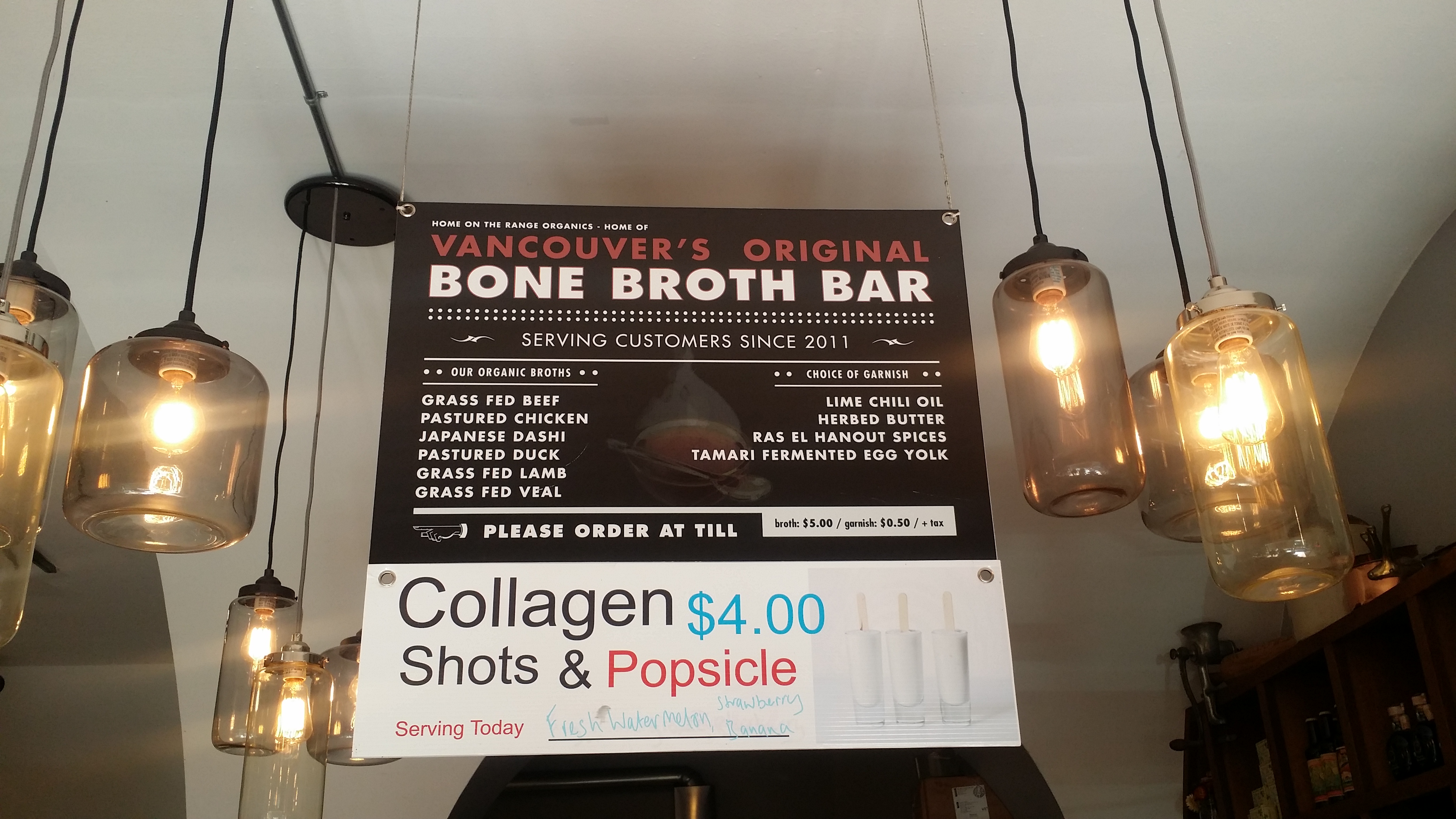
But just not your everyday kind of bar. A bone broth bar.
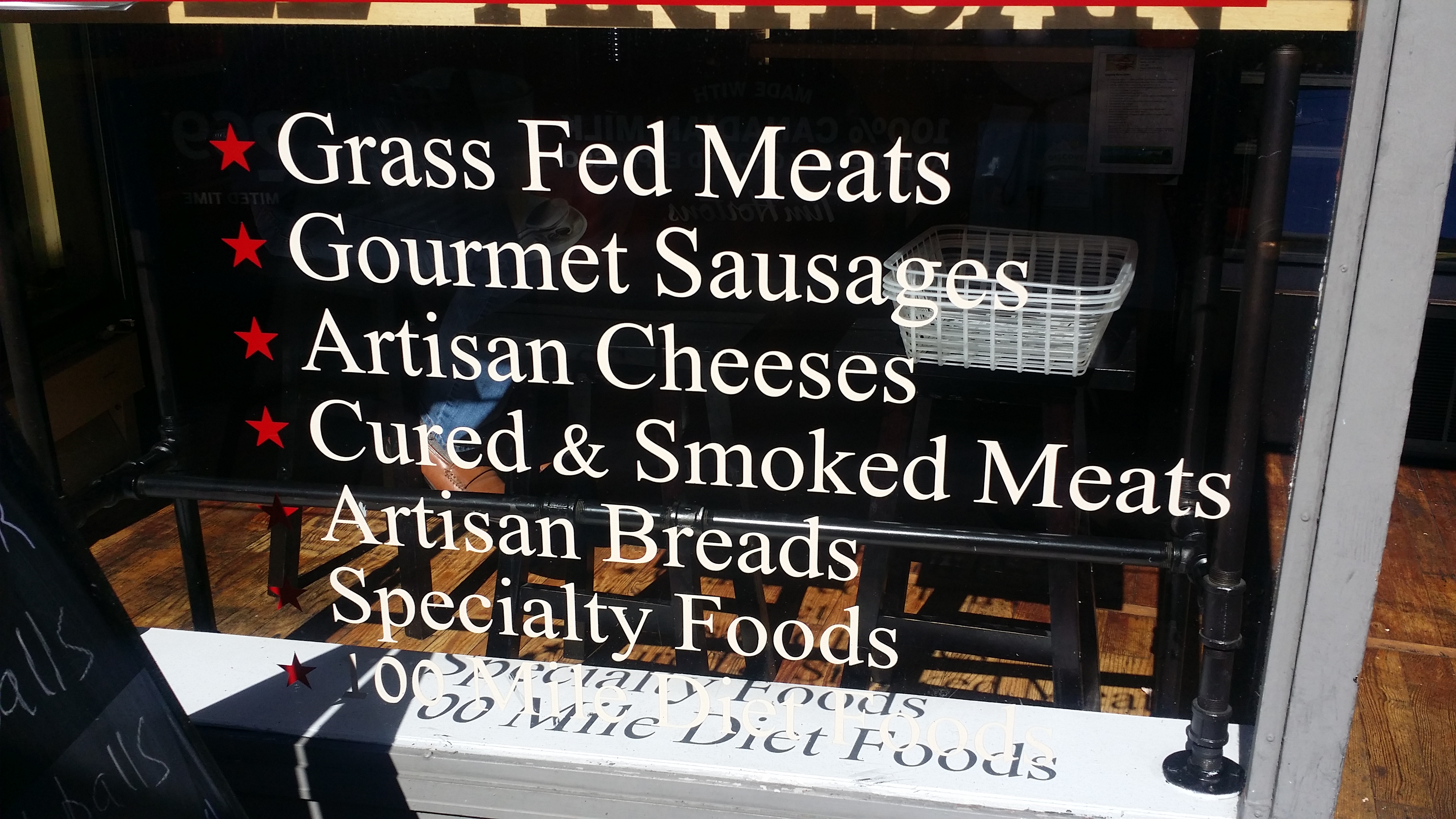
I sat at the counter of a fairly small but very well stocked store/take-out called “Home on the Range Organics”
It’s North America’s First and Original Broth Bar!
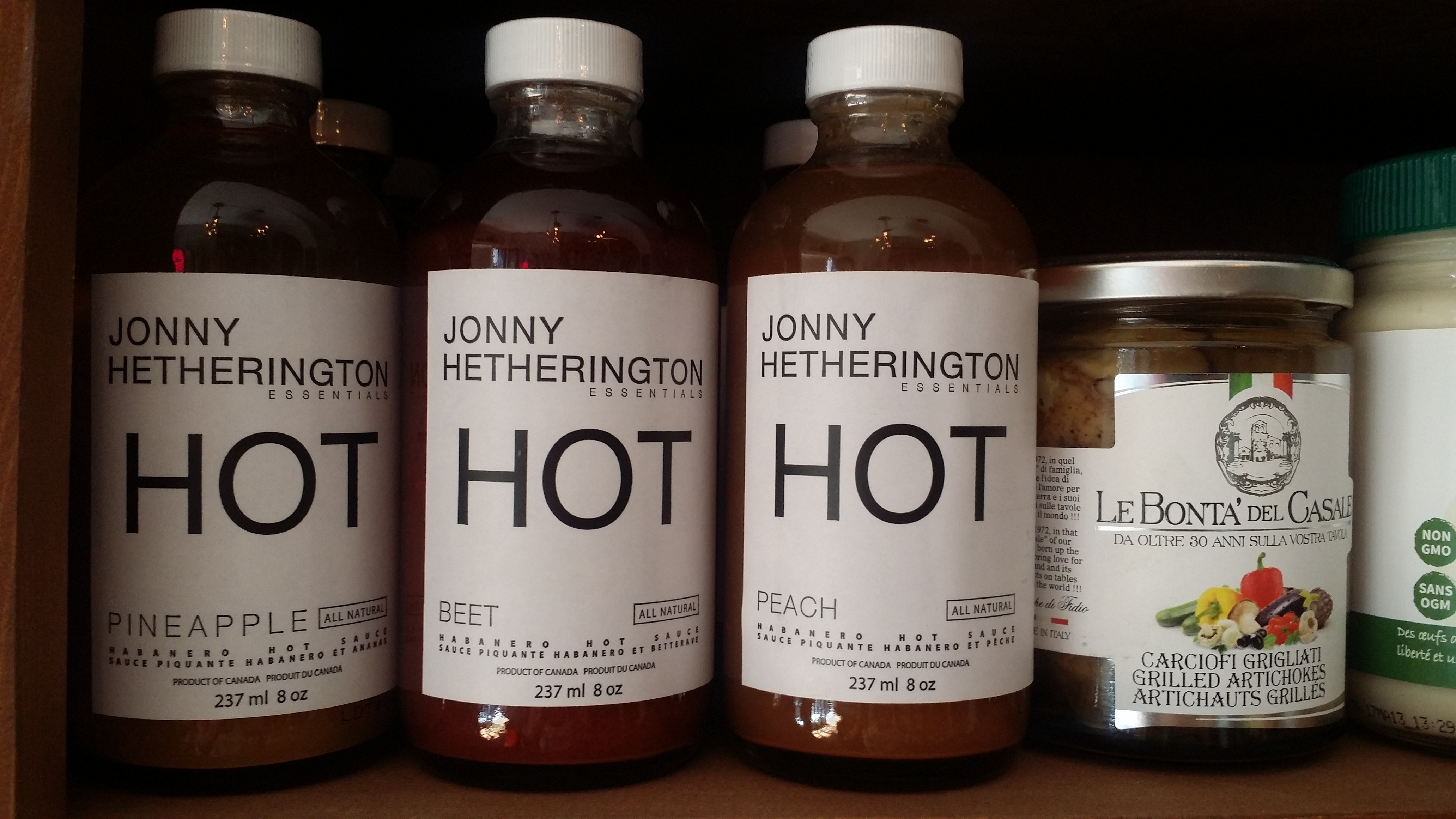
They sell other things too that are hard to find elsewhere
What a great little find!
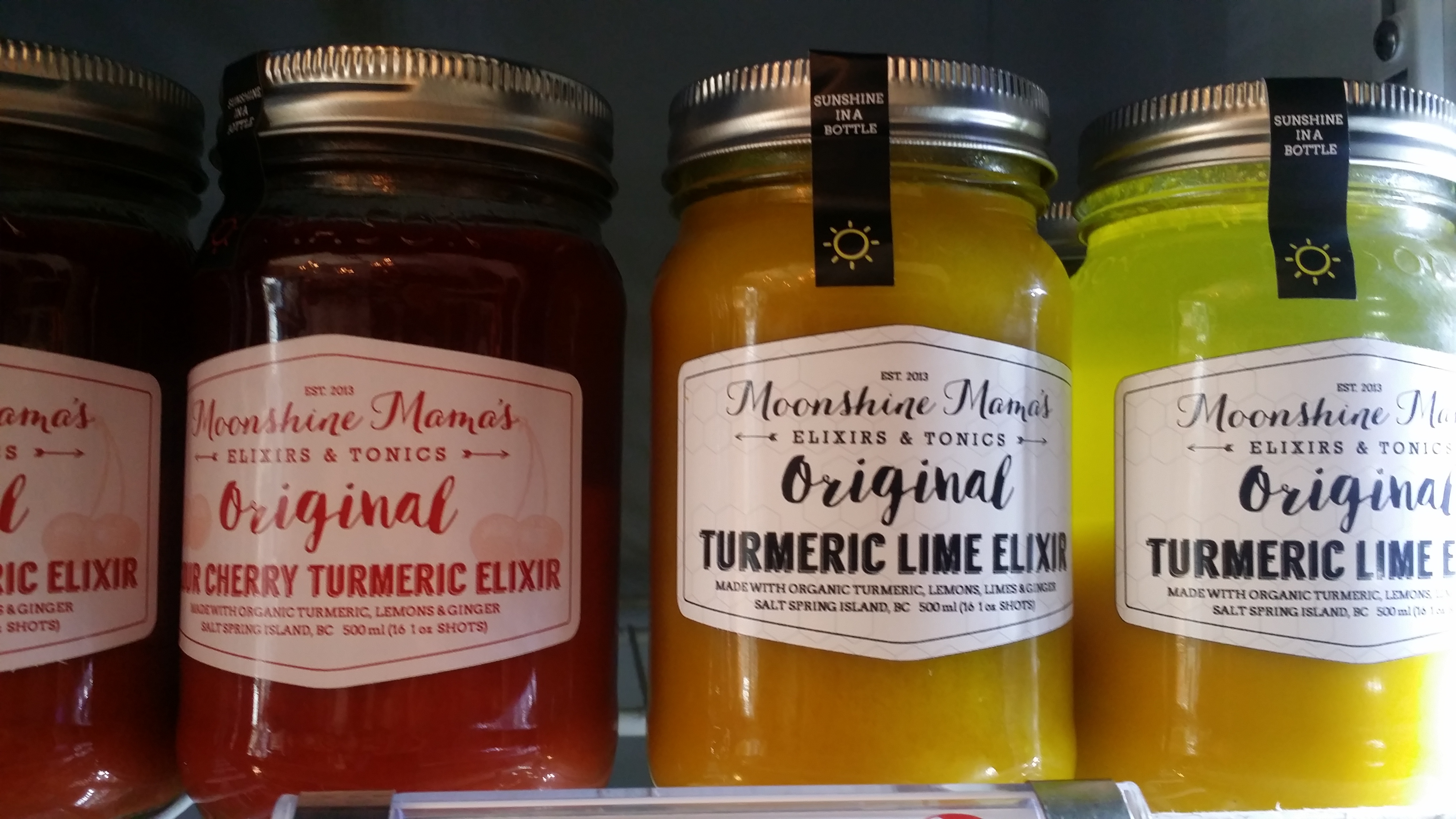
I spoke with Jackie Ingram (she and her husband Allen own the place) and was quite impressed with all the healthy offerings they have in stock (literally speaking too, they have amazing stock). I bought some ready made broth to take home and add stuff to (I can make my own but did not have any prepared), a super elixir of turmeric & lime and avocado mayonnaise because I want to make sandwiches without using regular high fat mayo or miracle whip which has corn syrup, soybean oil and sugar. Basically I’m looking for better ingredients. So you might wonder:
Why broth not coffee?
Unlike coffee, broth can help hydrate your body and nourish it. It helps to fight inflammation and significantly boosts gut health!
Here are 10 great reasons why you should drink their delicious broths:
Great for post work out as its recuperative properties directly stimulate regrowth of connective body tissue.
The natural way to fight colds and flus. This is how your grandmother used to fight the common cold! Studies show that having chicken broth in particular (and other broths as well) increases the number of white blood cells that fight common colds and flus.
Helps reduce food allergies and intolerances.
Helps reduce cellulite. Bone broths help to slow down structural changes in your skin’s tissue by strengthening elastin fibres, to make cellulite less visible. As we age our skin becomes thinner so it is easier to see blemishes below the surface whereas collagen can reverse this trend if you exercise regularly and moderate your diet through bone broth consumption.
Reduces inflammation. Collagen is the body’s natural healing workhorse but after our early twenties we slow production of collagen, and providing a natural boost is essential. Broth contains plenty of the anti-inflammatory amino acids glycine and proline.
Greatly improves joint health by helping with bone formation and natural repair. Broths contain magnesium, phosphorus and calcium plus a host of other nutrients. Also contains glucosamine which can promote regrowth of collagen even after your early twenties.
Great for your skin, hair and nails. Brings natural shine to your hair and lustre to your nails. Your skin is given a natural moisturising through the influx of collagen, from the inside out – the healthy way.
Because glycine is found in broths, it is often used to help promote healthy sleep and helps to reduce stress and anxiety.
Broth helps to heal leaky gut syndrome (by protecting and healing the mucusal lining of the digestive tract through collagen)
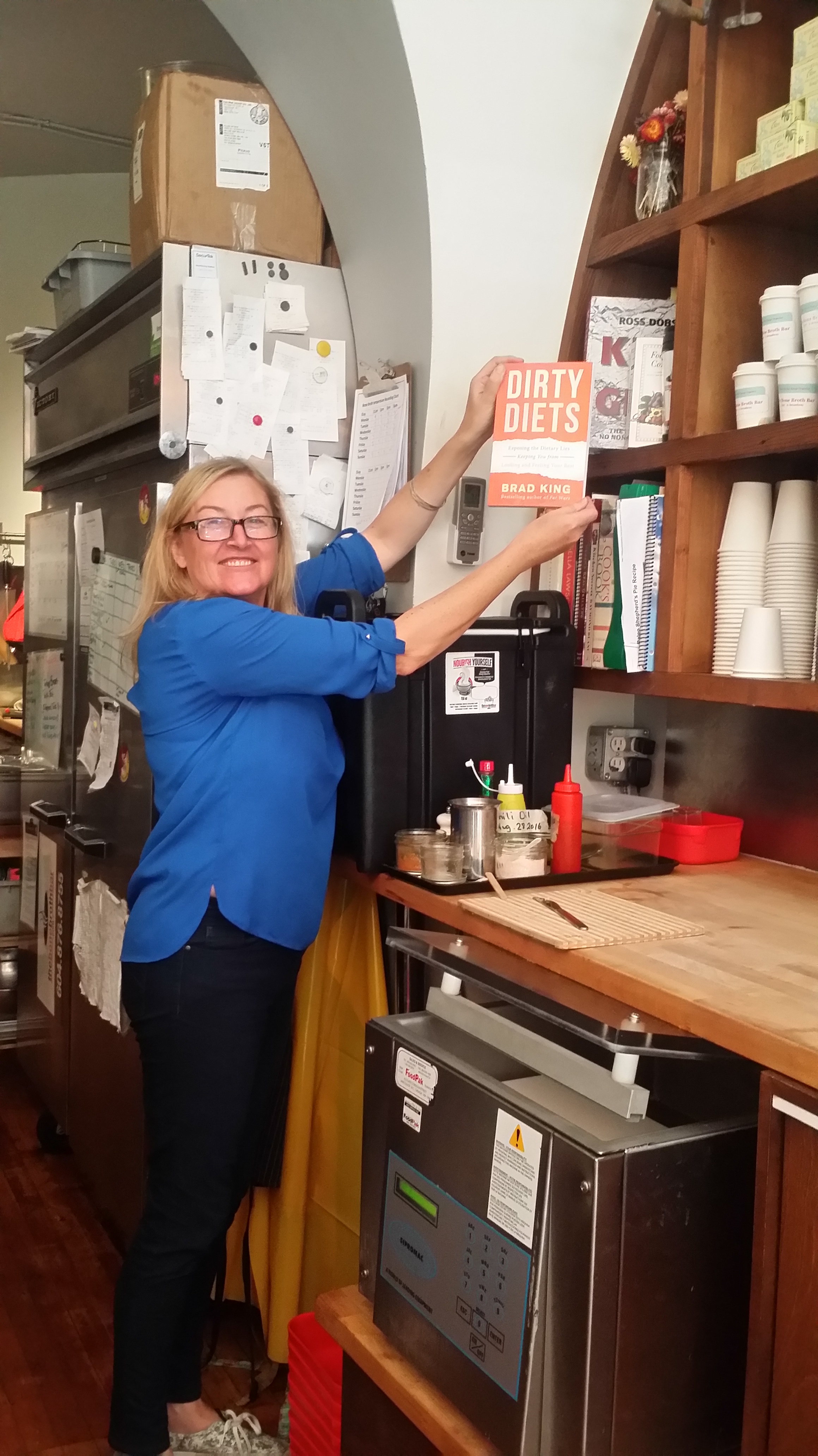
They have some good books. Jackie holds up Dirty Diets written by Brad King.
It tastes fantastic and helps suppress your appetite before a meal helping you lose weight naturally.
What’s not to love?
Location: 235 East Broadway (between Main & Kingsway – parking in back if you’re lucky).
Store #: 604.876.8755
Do you have anything like this in your city?
Mensch Jewish Delicatessen (they do take-out) 666 E Broadway, Vancouver (Mount Pleasant)
Hey, this is not to say I’m trading in my morning cuppa for broth. Some things are not meant to become substitutes.
SO LAUGH MORE!Or at least try to. Watch a comedy, joke around and find humour in even the worst possible situations. I did that with a friend last week who was going through something horrible. It was so bad that I could have made it worse by laughing but instead we ended up laughing over how pathetic the situation was. The end result was she was still in pain…but from laughter.
Right now I’m like: “throw me to the wolves and I will return leading the pack.” That’s a great quote but really….it’s true! Don’t even stand in my way. But first I’ll laugh about it all.
Because as hard as we try to make things right and turn things around for the better there’s usually a few setbacks and challenges. I know this from living in general but especially since I’ve become a support person for someone very close to me. Someone who is fighting to overcome an illness. And it’s really difficult to see someone who is strong both physically and mentally go through a very weak phase. Even though it strikes in a physical sense it still wrecks havoc with your mental state especially if you cannot do the things you’re used to doing. Gotta stay positive because hope is what keeps everything going. But it can get discouraging and depressing nonetheless – that’s life.
A friend told me about a place called Inspire Health in Vancouver. They are a team of professionals who help provide knowledge, tools and services to support overall health during and after cancer treatment. Their doctors value standard cancer treatments, and will work with you, your family doctor and oncologist to provide the best cancer care possible.
They offer options for better health and a better recovery.What’s to lose right?
Because as their website says: Growing scientific evidence confirms that stress reduction, eating a healthy diet, exercise and a positive support network can substantially improve health and well-being for people living with cancer and their supports.
INSPIRE HEALTH CARE APPROACH IS DIFFERENT – Cancer vs. Person-Based
Cancer-Based: from the perspective of the cancer-based model, the patient rarely plays an active role in their treatment or recovery. Since the focus is on the cancer, little effort is expended to support patients in exploring the benefits of healthful diet, exercise, spirituality and emotional support or other methods to enhance the patient’s well-being. Focusing solely on the cancer can leave patients feeling disempowered and unsure about how to contribute to their own health and well-being.
Person-Based: Although surgery, radiation and chemotherapy can play a very important role in treating the cancer, it is the person and their health – mind, body and spirit – that is the focus of care at Inspire Health.
They have a lot of things to take advantage of that you can pick and choose from like: Counselling, Gentle Yoga, Practice Meditation, Tai Chi, Acupuncture, Nutritional Learning and Cooking for Health.
And for me, being so on top of things nutritionally (and otherwise) spent part of the afternoon yesterday taking a cooking class on how to make SuperSnacks. The head nutritionist demonstrated six different recipes substituting what you would normally use for something healthier but equally tasty. Now the fun part: you get to test everything.
I have to mention at this point that I had already made half the recipes before (I know but I had to say that anyway) but this was NO cooking class for dummies. It was interesting, inspiring and I did learn something new. You always do. I registered for a bunch more. I want to hear all they have to say about food and learn more about healthier baking, fermented foods, their version of bone broth and mindful eating in general. Knowledge is power.
And THAT is no laughing matter!
YOU define what is important to you by what YOU dedicate your time to.
*An Important Sidenote: Today Jia Jia (my BFF) & I are off to Paws for a Cause – by BC SPCA to help fund cruelty prevention and education programs, and the enforcement of animal cruelty laws. Cruelty to animals needs to STOPnow!





 Their latin name is“Nigella Sativa”. Sis knows that I like anything to do with healing & cooking so I also got saffron, argan oil (which I wrote about on my previous beauty post) and menthol crystals.











 Girl Who Would be KING on Life, Style and INSPIRATION.
You must be logged in to post a comment.