This is what I made for a “celebration of life” pot-luck dinner last Saturday.
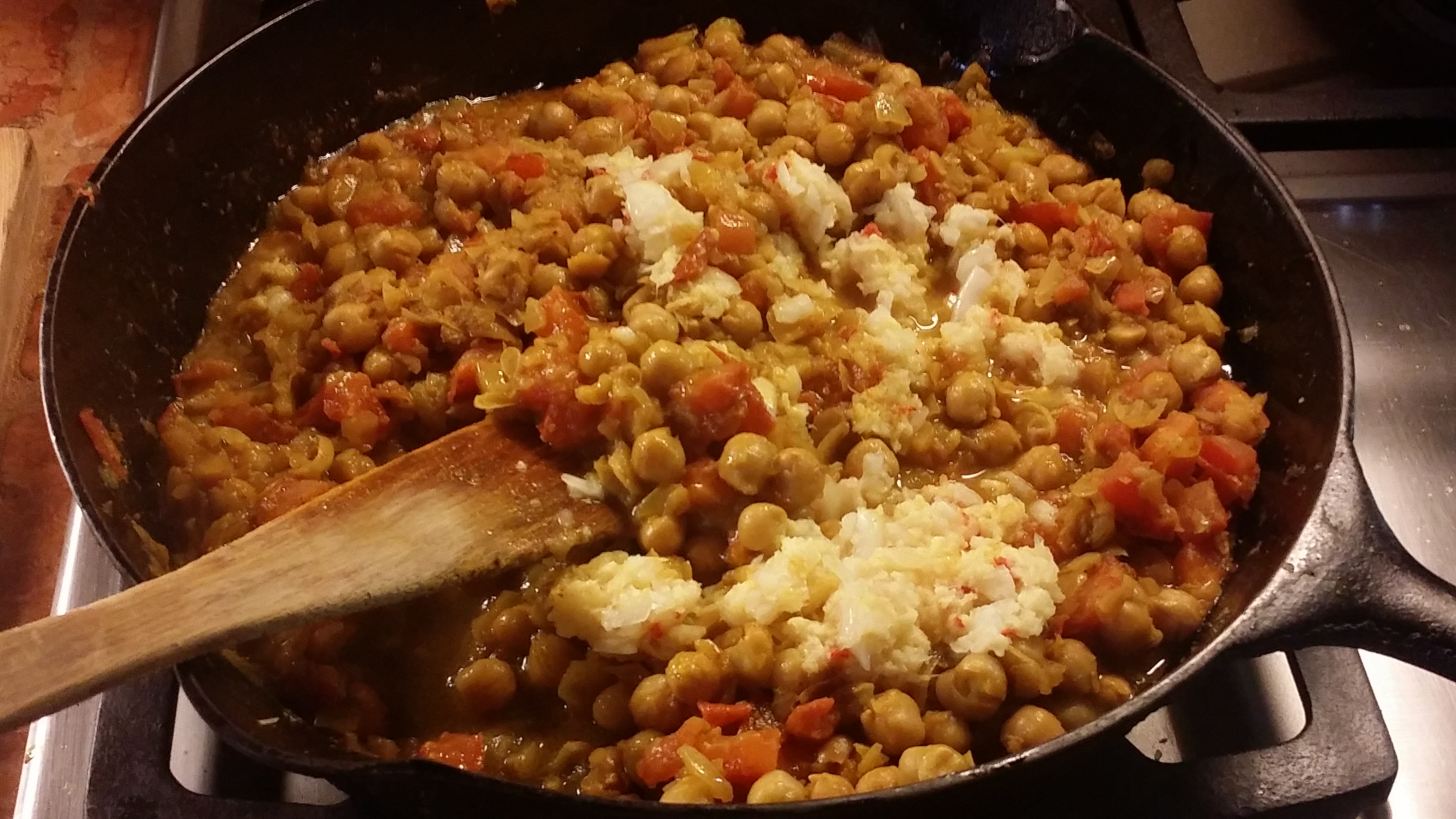
adding the reserve mixture
Edna (the lovely woman who passed away) had quite the reputation for her love of cooking, doing it amazingly well and of course, she had a repertoire of recipes, many of them Indian. We were requested to cook & bring one of her recipes.
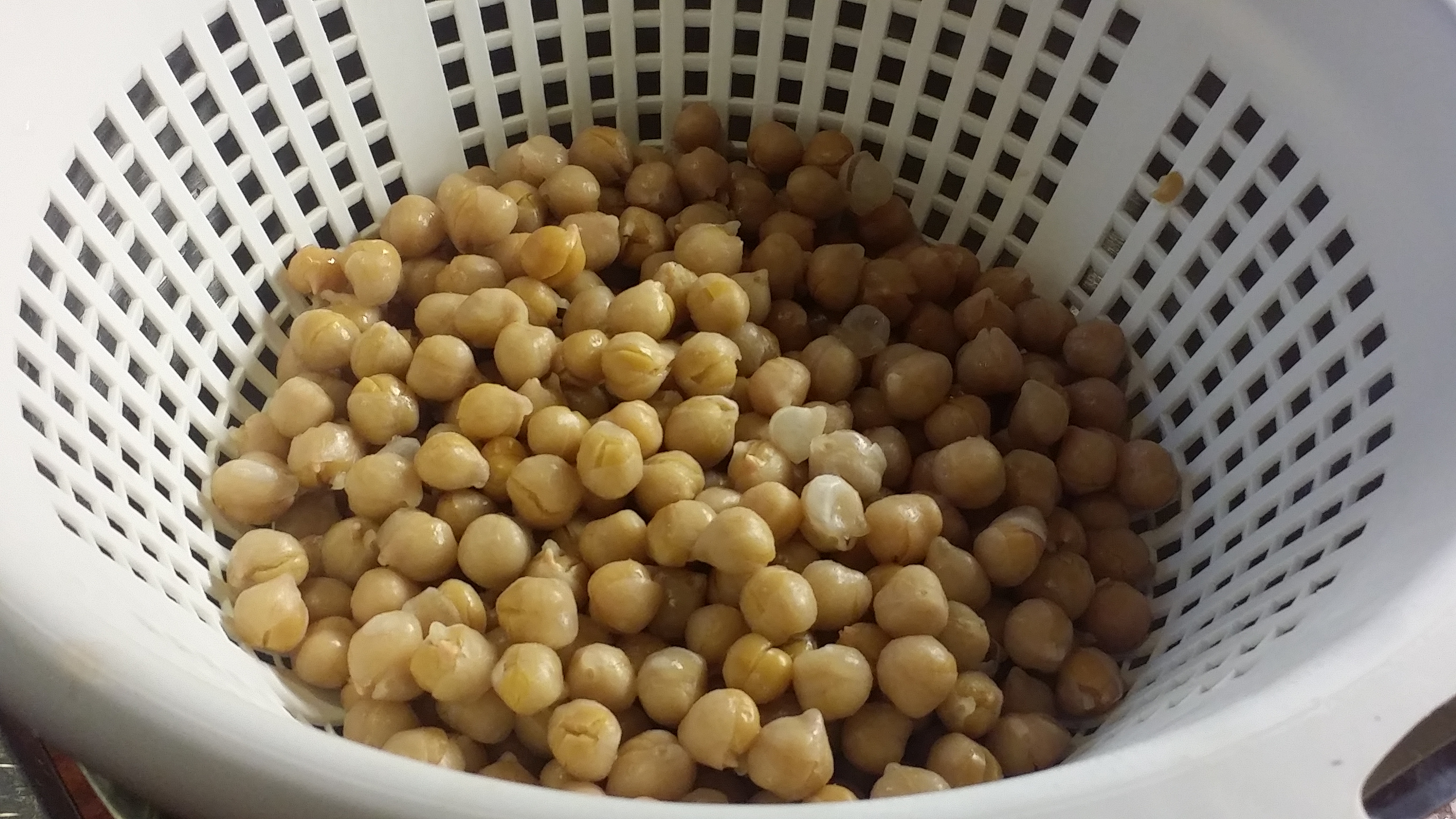
rinsed & waiting
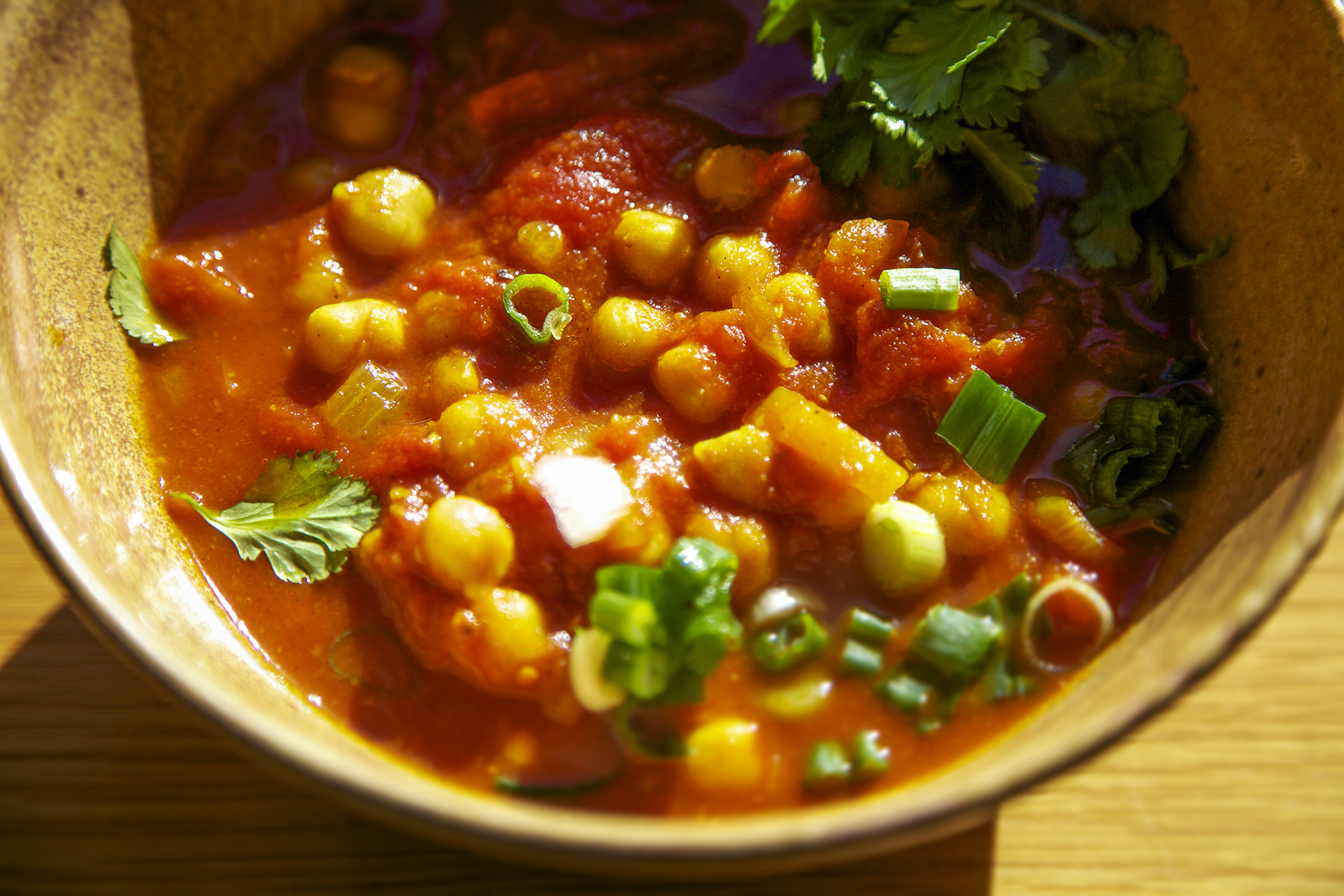
I love Indian but hadn’t made a vegetarian Indian dish in a long time. I must admit that this one didn’t sound especially appealing at first but trust me, the end result was so delicious….especially when all the flavors from the spices melded together. The end result was more like a chickpea stew and you could taste the ginger and lemon which I love. It’s healthy too! I served it alongside cut up pieces of Naan bread. I didn’t change a thing about the recipe (as I wanted to re-create it exactly as she had) but I think it would look nice with a few sprigs of cilantro sprinkled over top for garnish. Oh, when I went back to the buffet table for a second platter (remember, they were mostly her recipes) it had vanished. So Enjoy!
After a bit of research I found out that the origin of this recipe is Delhi street vendor style.
Ingredients:
Use either ¾ lb. of dried chickpeas or 1 x 16 oz. can. If using dried, cover them with water and bring to a boil, and let sit for an hour. If using canned, rinse well and soak them overnight.
3 pints water (6 cups)
3 or 4 very finely chopped onions
2 ½ tsp salt
1 finely chopped hot chili
3 or 4 tbsp finely grated fresh ginger
4 tbsp lemon juice (from two small lemons)
1/3 cup cooking oil (preferably coconut, or canola)
2 or 3 chopped tomatoes
1 ½ tbsp ground coriander
1 ½ tbsp ground cumin
1 tsp turmeric
3 tsp garam masala (see recipe below)
½ tsp cayenne pepper
Bring peas and water to a boil, and let simmer till beans are tender, approx. one hour. This is for both dried or canned.
The reserve mixture should look like this.
Meanwhile, mix 2 tbsp chopped onion, ½ tsp salt, chili, ginger and lemon juice in a small cup or bowl. Set aside.
Heat oil in heavy pan on medium heat and add remaining onions, stirring and frying till they have reddish brown spots (about 10 minutes). Add tomatoes, stir and fry another 4 or 5 minutes. Add coriander, cumin and turmeric and stir and cook for about half a minute. Add drained chickpeas, about a cup of the cooking liquid, 2 tsp. salt, the garam masala and cayenne, stir and simmer very gently for about 20 or 25 minutes.
Add the reserved onion mixture and stir to mix. Serve hot or lukewarm.TIPS: onions should be soft & nicely browned. It should turn out quite lemony & very well cooked. I used a 19 oz. can of chickpeas for this and 1 red thai chili (but you can use any hot chili).
I made my own blend Garam Masala (a warming spice mix) from an Indian cookbook so I used that, but of course they sell it already packaged. I just thought it would be cool to make my own. Should you feel so inclined I’ll share the recipe:
Garam Masala from scratch:
8 Cardamon pods (remove the seeds from the cardamon pods).
2 Indian bay leaves (cassia leaves) – break them into small pieces.
1 tsp. black peppercorns
2 tsp. cumin seeds
2 tsp. coriander seeds
5 cm. (2 in.) cinnamon stick
1 tsp. cloves
Put everything into a spice grinder (or pestle and mortar) and grind to a fine powder. Store in a small airtight container until needed.
If Happy Days taught us anything, it’s that life was better in the fifties.
On Friday I attended a Celebration of Life party at the Museum of Vancouver for a neighbour’s mom who just passed away.
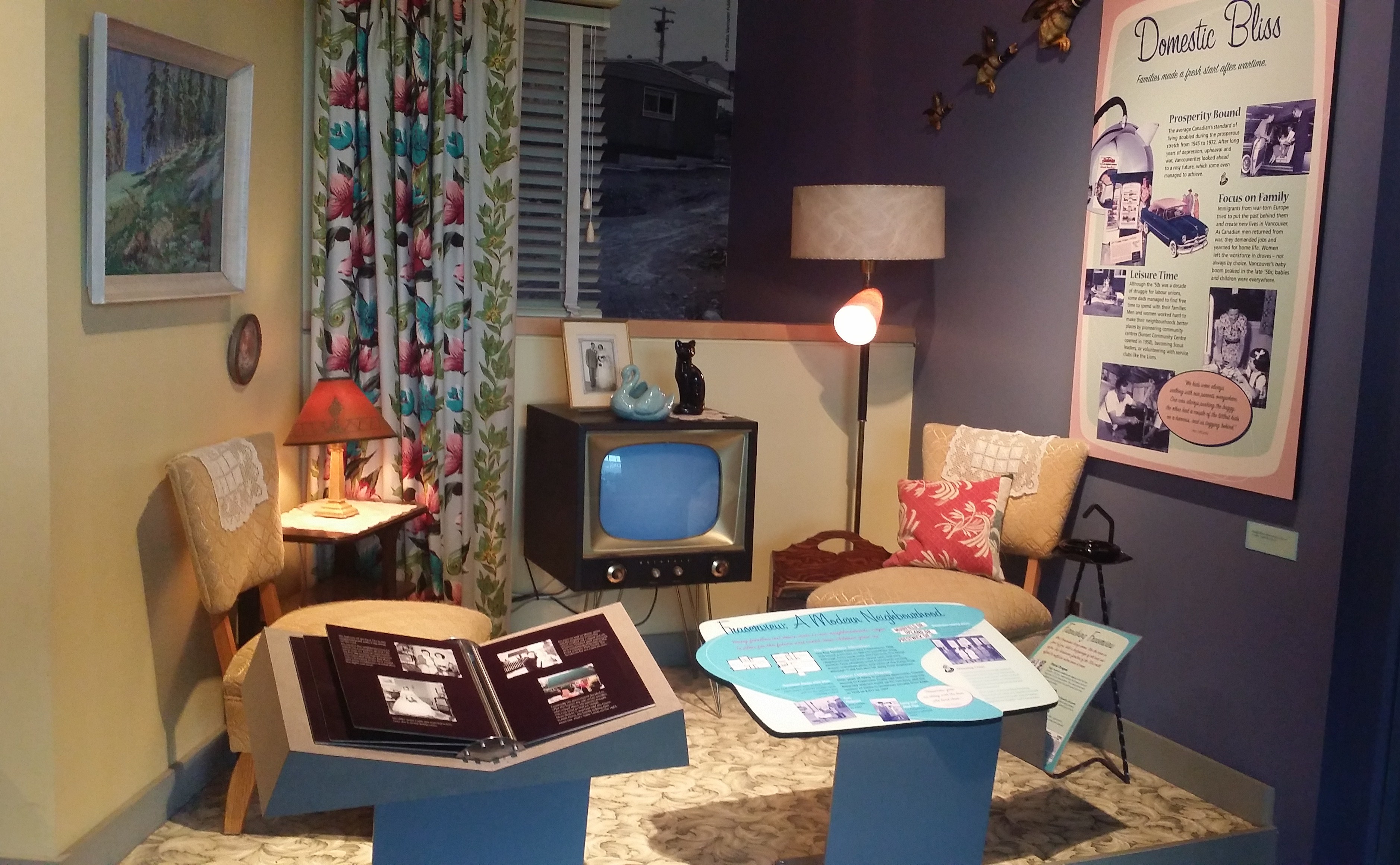
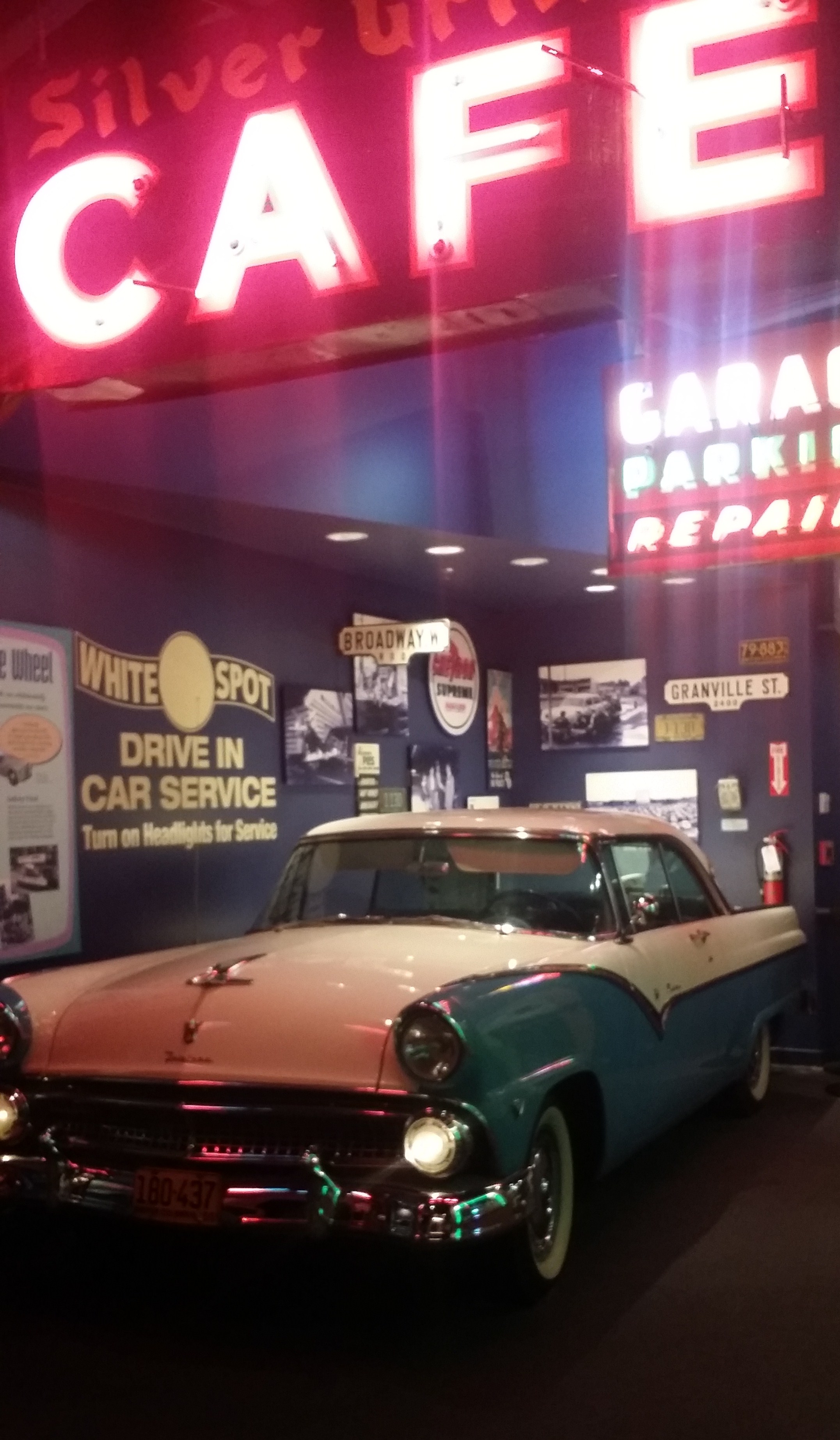
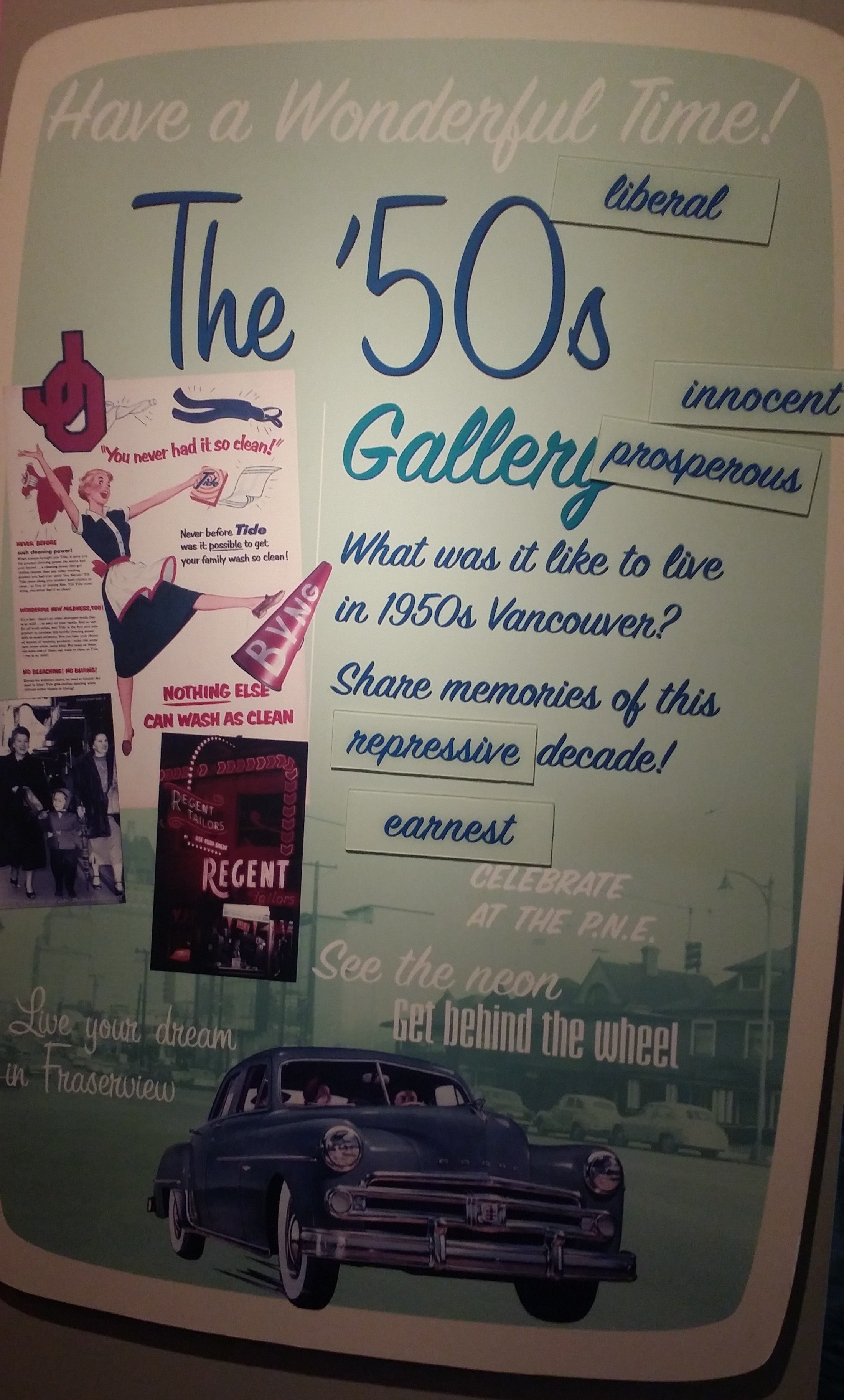
With beautiful photos of her life rotating on a big screen and smooth jazz playing in the background (later a live Cuban band) it seemed she was in her element in the 1950’s. So how appropriate that the 50’s interactive exhibit was in the room adjacent to us (and open for us). I thought it would be interesting to post some photos I took. Here’s looking back….
People left their door unlocked at night, kids respected their elders and a guy who lived above his best friend’s garagecould still be cool so long as he owned a leather jacket. Well, turns out The Fonz didn’t lie: despite the racism, and homophobia, the fifties were a pretty good time to be alive.
In Hollywood, setting something in the fifties brings forth things like ‘nostalgia’ and ‘optimism’. But, how do you measure optimism?
Beginning in 1935, Polling Company AIPO spent decades ringing strangers up and asking them how happy they were—a move that actually yielded usable data. According to this, the fifties saw a surge of people claiming they were very happy, peaking between 1955 and 1960 at around forty percent. That’s the highest it’s ever been. Remember this isn’t just ‘happy’ but ‘very happy’—as in nothing could possibly be better.
In 1957 the murder rate bottomed out at four people per 100,000 the lowest in fifty five years.
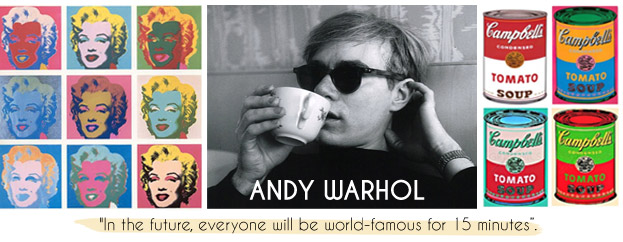
It sure seemed like a more peaceful, less complicated time than living now in our more fast-paced, stressed out era. But life is still good, worth living and you can have your own reality show…..for even more than 15 minutes!
fyi – hula hoops have made a comeback and they’re a great exercise…..if you can swing it.
Not exactly a prophet, but he did predict the future. Andy was way ahead of his time.
Ready for the Weekend? Happy 4th of July to my American friends and relatives.
Changes are good. I decided to change Friday to a fussfree day (kind of like dress down Fridays) for something fresh & different. It will still be personal but it might be a photo (or photos), a story or a suggestion from a reader or fellow blogger. I won’t know until it’s Friday.
Today I want to begin with
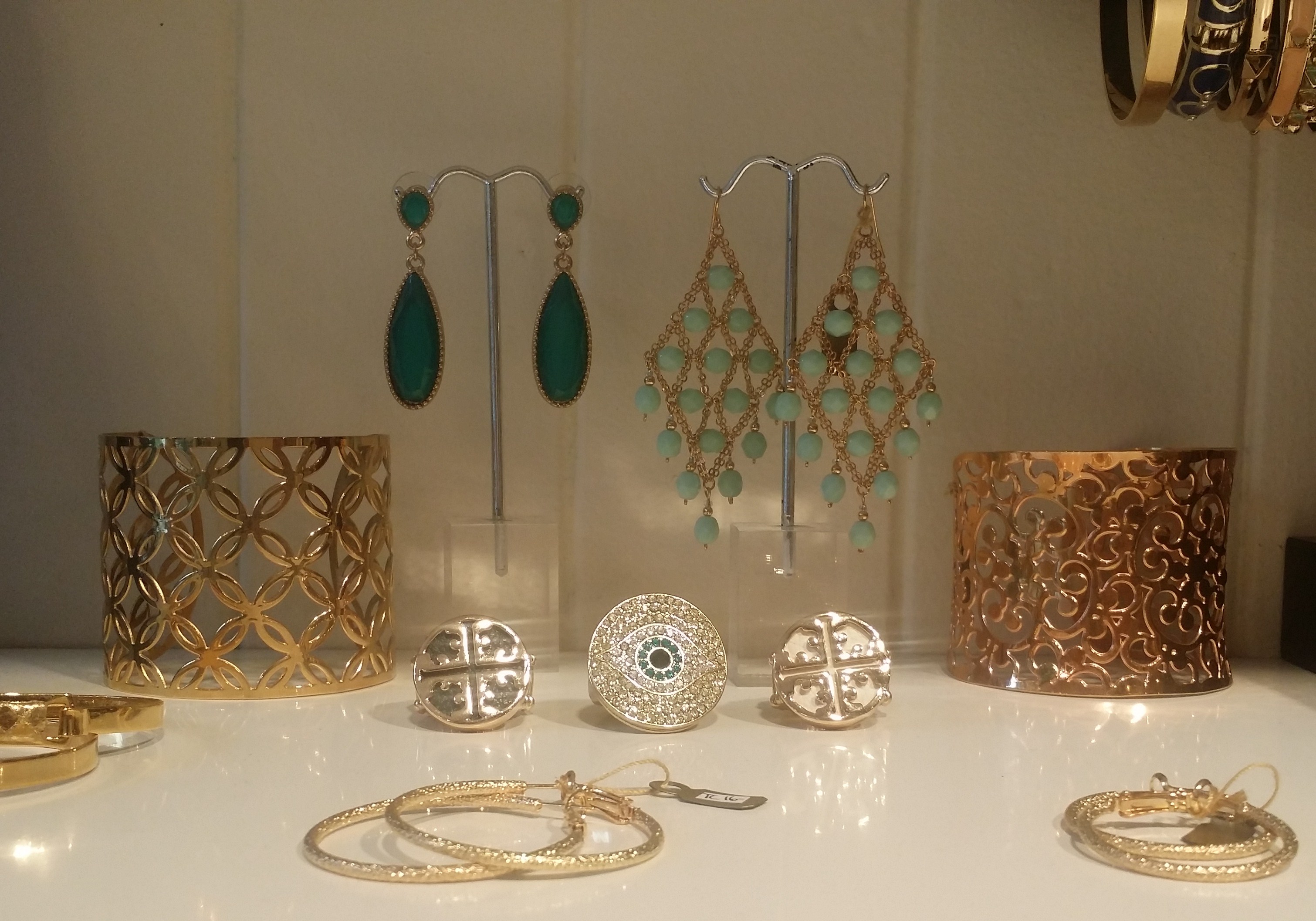
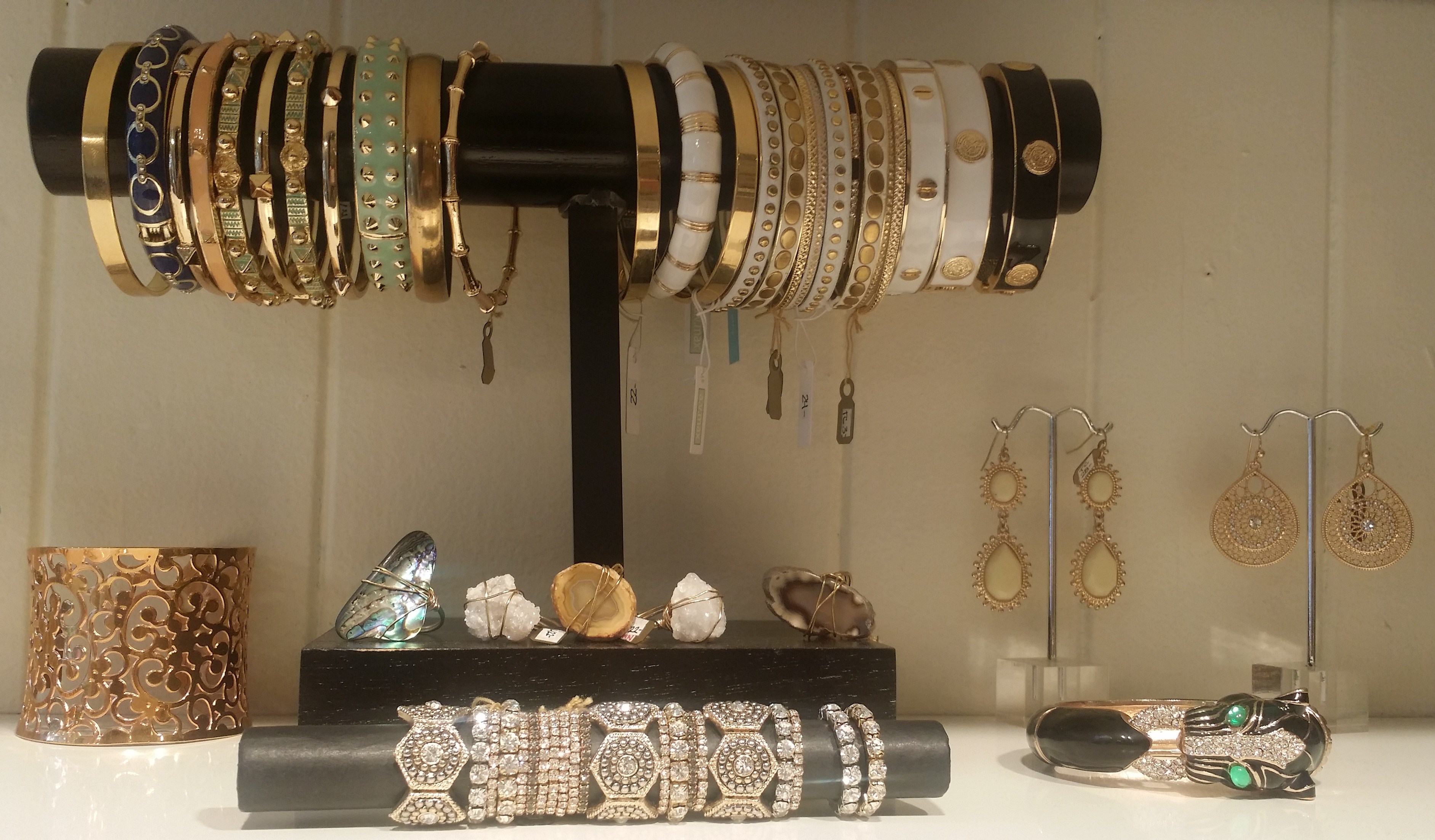
something all us women/girls of all ages love…..BLING!
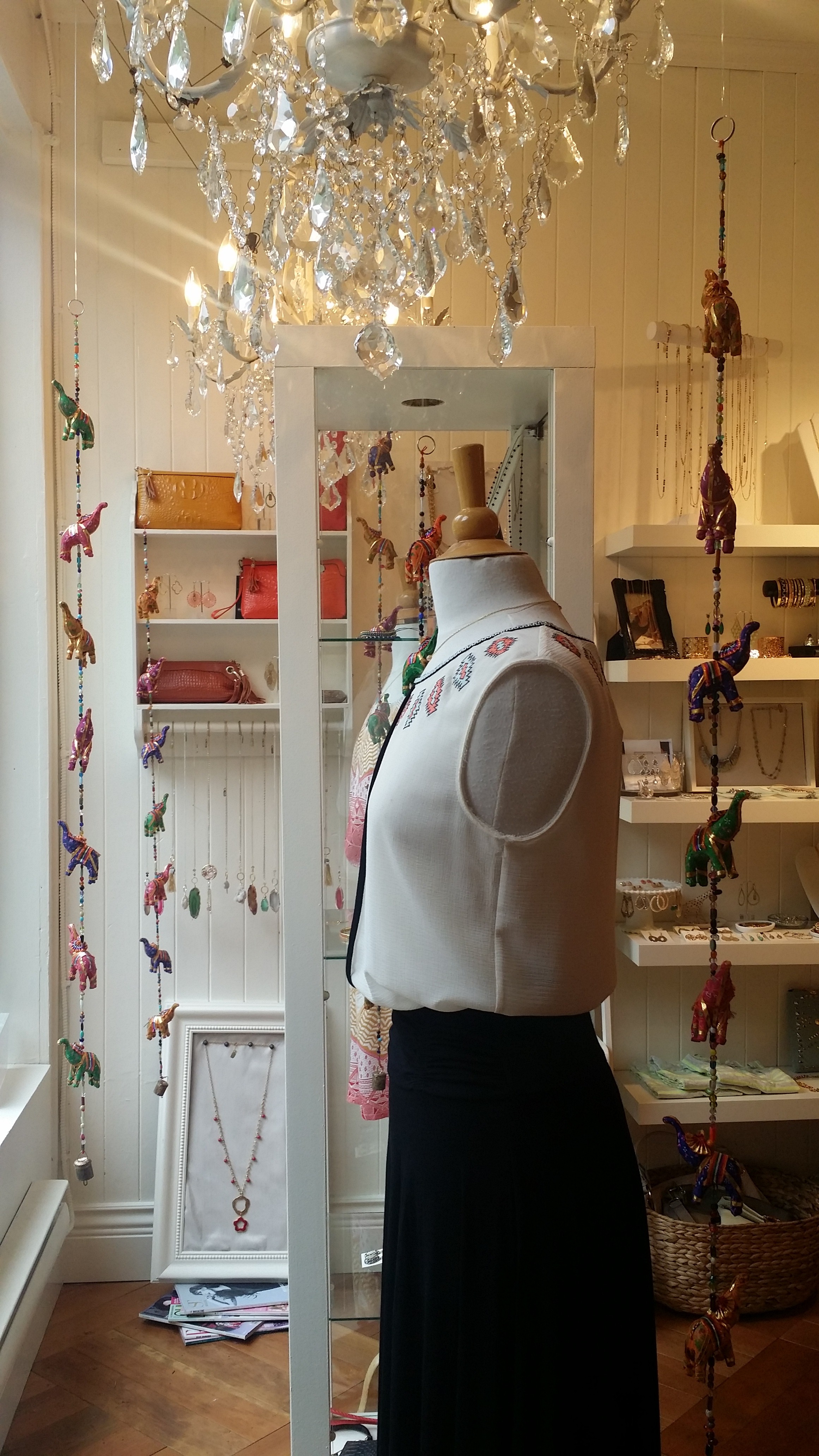
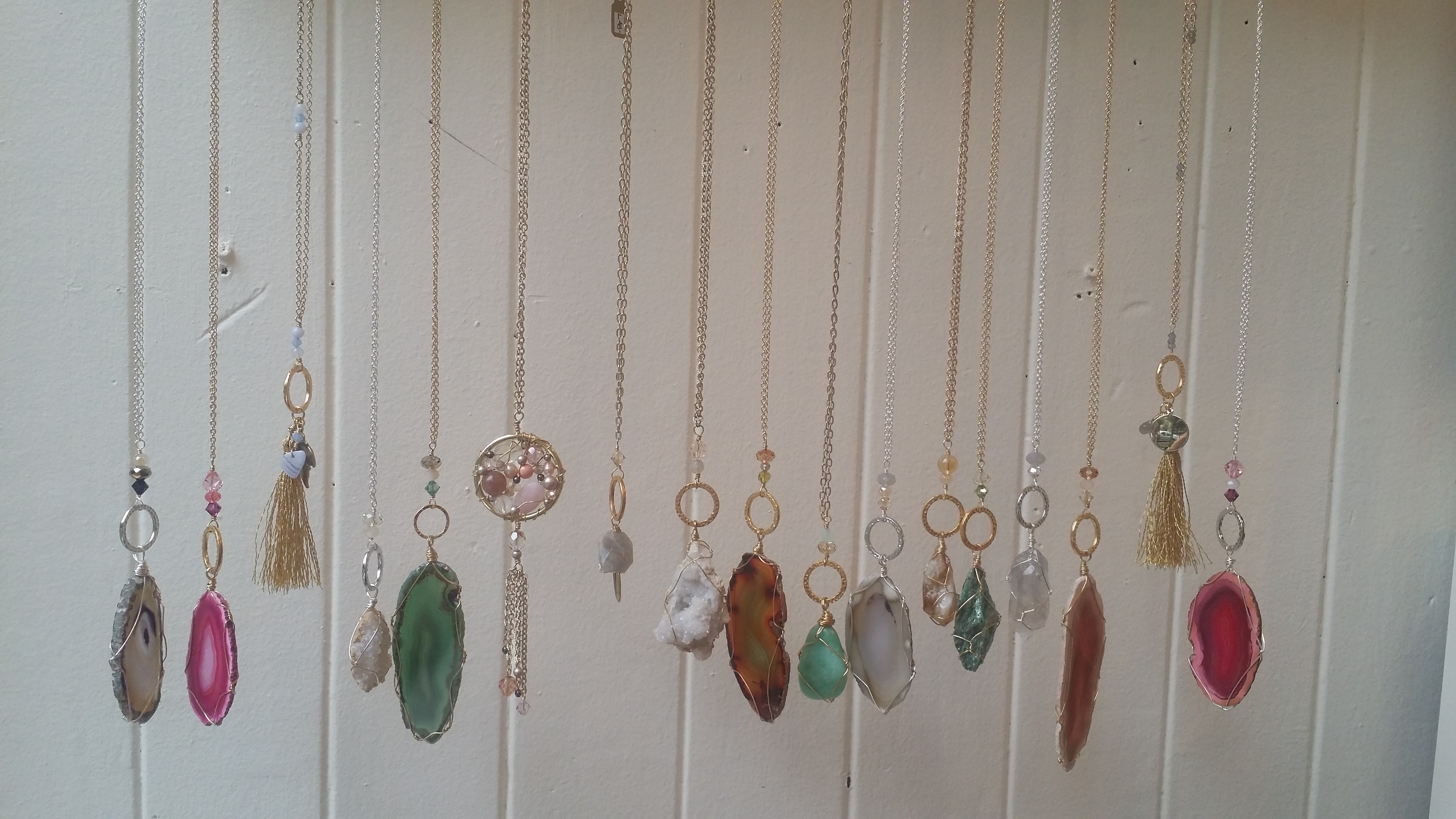
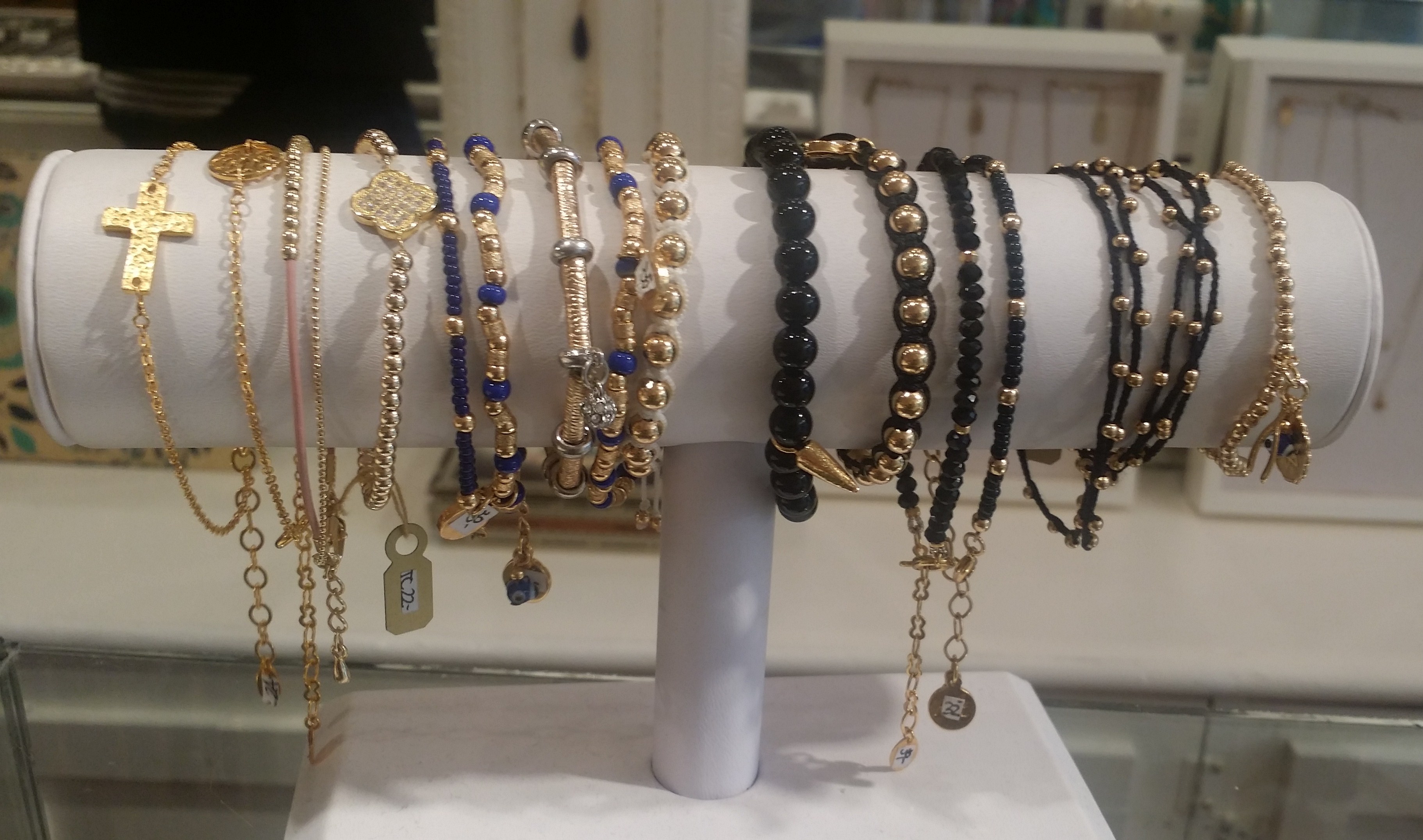
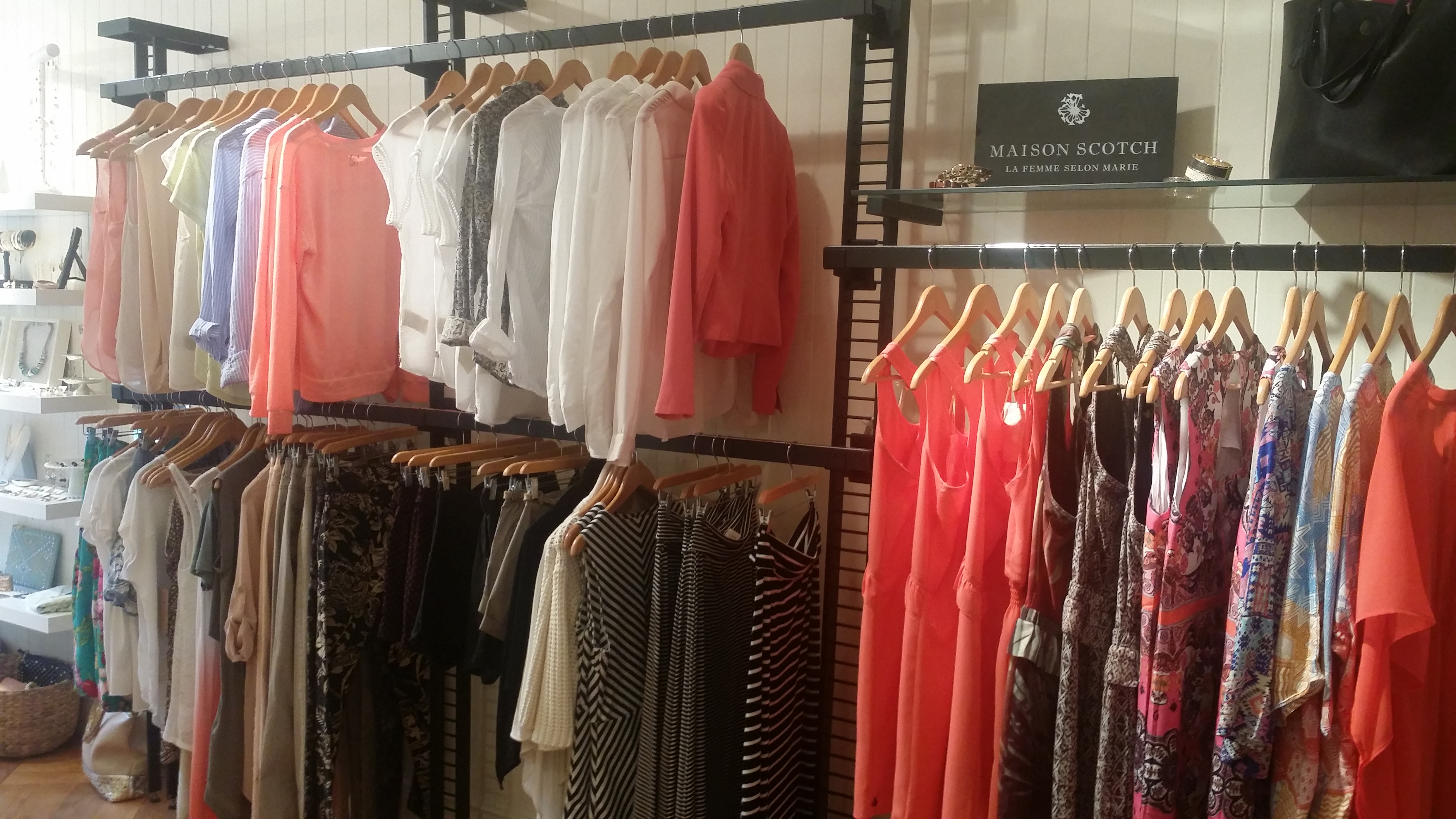
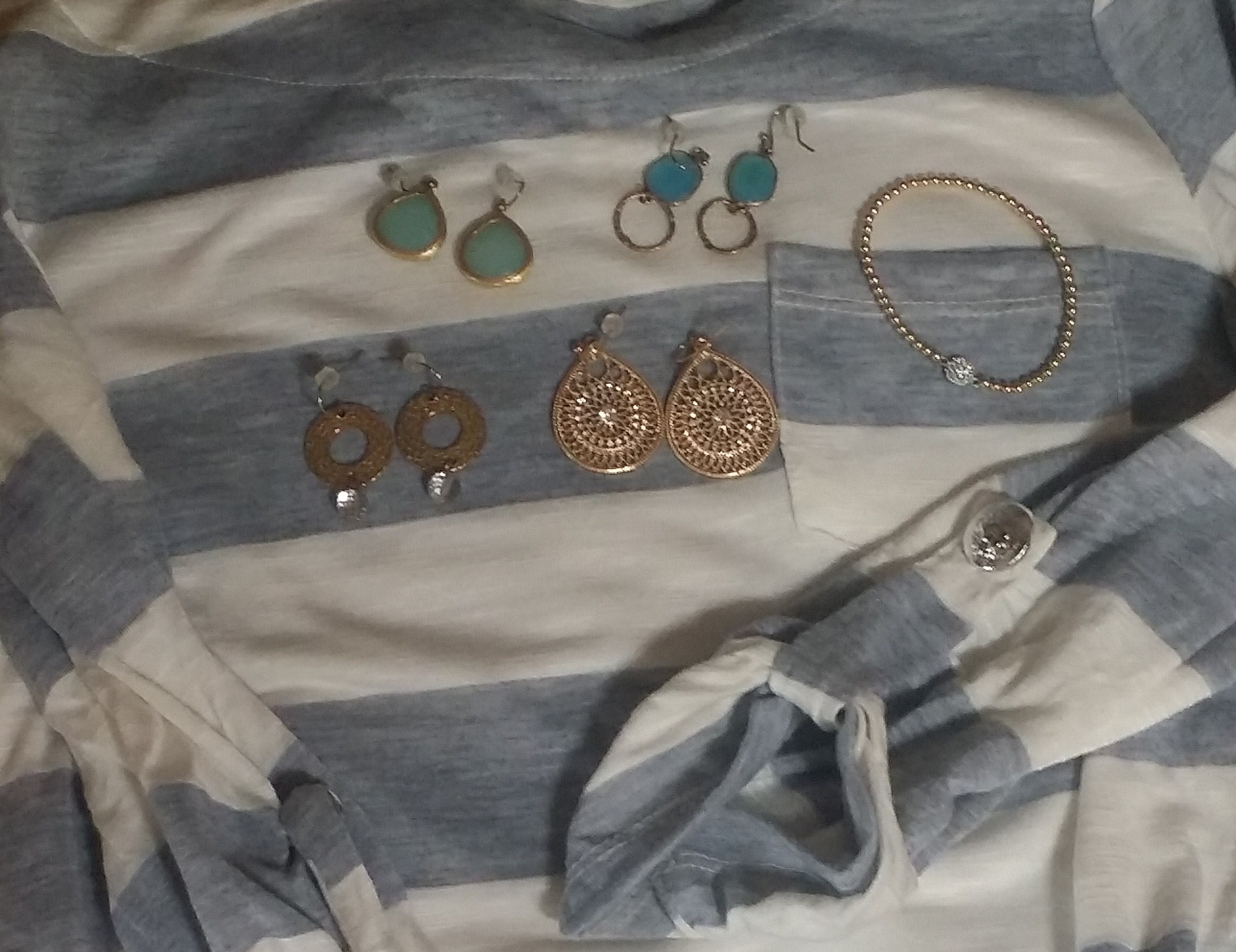
These photos I took from a little gem of a shop called “House of Jewels”where my last four pairs of earrings, a gold-fill bracelet and a really cute striped t-shirt came from.
Banner taken from website (details below). Whenever possible, go for NATURAL!
I’ve been a fan of Pacifica’s Tuscan Blood Orange, Indian Coconut Nectar and Tahitian Island Vanilla body butters ever since receiving all three (lucky me) as a gift from a friend who couldn’t decide. They were rich and decadent and smelled exactly like they sound….exotic. So you can imagine my excitement over discovering their new lip butters and tints on a recent trip to the U.S. I was drawn to the colored quench lip tint called “sugared fig” for only $7.00. It hydrated my lips without a sticky feeling and left a healthy hint of natural color without too much shine. The scent is incredible. I love it!
WHY YOU’LL LOVE IT:
All Natural Color Quench lip tints packs major lip moisture, nourishing naturals and gorgeous, sheer lip color into one perfectly portable, 100% recyclable tube. Essential fatty acids from rich and amazing avocadoand coconut oils leave lips luscious and healthy. Natural flavor and 5 perfect shades that are 100% vegan cruelty free and gluten free. Does this mean NO calories?
DETAILS: Free of carmine, beeswax, lanolin, phthalates, parabens, mineral oils, GMOs, triclosan, propylene, glycol and petroleum.
We can’t wait to soak up the sun in our swimsuits and bikinis either at the beach or poolside, but there are times in these settings when we probably want to partially cover up our bod and suit. Times like when we’re walking to and from the car, visiting the restroom, grabbing a bite to eat, strolling along the beach, when it feels a little breezy, or when we’ve just had enough of exposing lots of skin.
Swimsuit coverups are all about looking chic on the sand, whether you opt for beach cover up dresses, a cover up tunic, shorts or a sarong. And if you happen to be in a seaside town, a fashionable womens beach cover up is a must for pre-beach brunches and post-beach cocktails. Depending on the kind of day and my mood, these are several that I like.
I really love the little white crocheted shirts and dresses.
Another one I think is just great is the Saress. I have two – one short and one long that I pack in my travel bag.
This Smoothie recipeis not only very pretty to look at but it tastes good, takes little time to prepare and is the perfect drink for a Canada Daycelebration.
You can turn it into a cocktail by adding a bit of vodka to the mix. If you want a deeper red colour for the first layer, just drop in a bit of red food colouring until you hit the shade you desire.
Prep time: 10 mins
Serves: 8
Ingredients
Red Layer:
1 cup of ice
1 frozen banana, sliced
2 cups strawberries, halved
½ cup pomegranate juice
White Layer:
¼ cup orange juice
1 cup of ice
1 cup of greek yogurt (plain or vanilla)
1 frozen banana, sliced
Topping:
½ cup raspberries
Instructions
Red Layer:
Pour the pomegranate juice into the blender. Add in the strawberries, bananas and ice and blend until fully smooth.
Pour your red layer into the bottom of each glass, tap the glasses gently on the counter to help level out your smoothie.
Now place your glasses into the freezer to allow them to set while you’re working on the white layer.
White Layer:
Rinse out your blender and place the ice, banana, orange juice and greek yogurt into it. Bend until smooth and retrieve your cups from the freezer.
Gently scoop the white smoothie layer into the cups on top of the red layer, again tap the cup on the counter to level the contents.
Topping: Rinse your blender and puree raspberries then drizzle them on top for a red swirl.
TIP: If you want to make this for Independence Day on4th of July – use blueberries instead of raspberries for the topping.
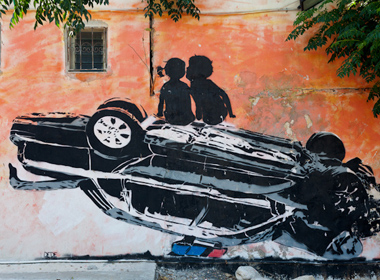
By Pao – in Rome, Italy. SpongeBob Square Pants. I’m familiar with the character but never watched the cartoon. I find this humorous.
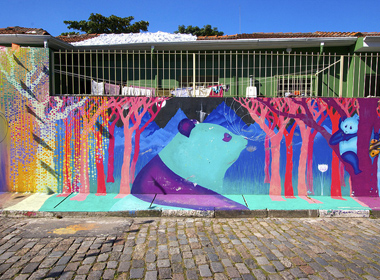
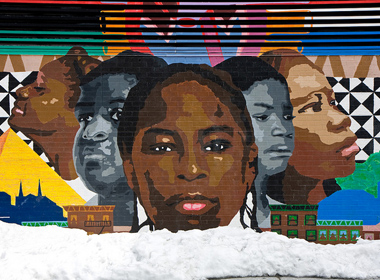
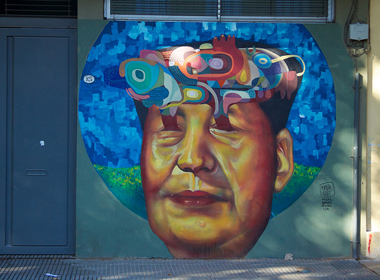
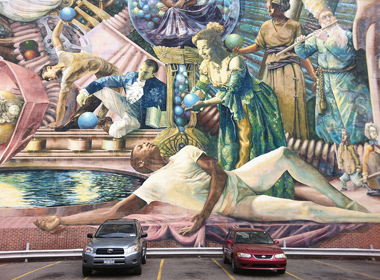
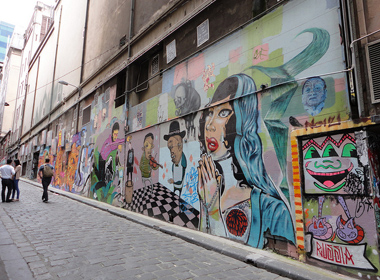
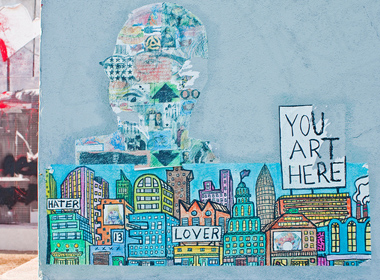
Call it what you will but there are some truly astounding works to behold all around the globe. Besides beautifying otherwise downtrodden neighbourhoods and offering innovative art to the public for free, the transient nature of street art is part of its appeal. It’s also a lot nicer than looking at a blank wall. Street art is an ephemeral thing. Here today, maybe gone tomorrow. Many a mural has been erased due to the whims of local governments and the impulses of other street artists. I was upset to notice that an intricately beautiful mural I’ve always admired on a gelato shop had been painted over.
So I thought it would be fun to post the TOP TEN BEST CITIES in the world to view streetside art.
Sao Paulo, Brazil
Like many other cities, Sao Paulo has had a turbulent relationship with local street artists. Originally, much of the prohibited public painting going up in the city was political and the government was opposed. But it has relaxed this stance in recent years, collaborating with street artists to produce colourful works on highways and housing developments. When you’re there, be sure to look down to find artist Tec’s fascinating road murals. If you can’t make it, you can find a virtual selection of Sao Paulo’s best works on the Google Art Project website.
London, England
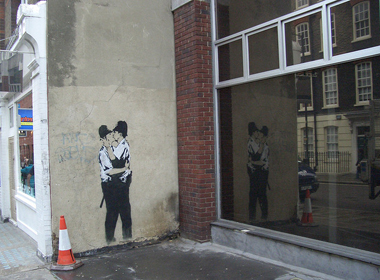
London has incubated its fair share of street artists over the years. While many works have been removed and repainted, many pieces stand untouched throughout the city (including some elusive pieces by the famous Banksy). Though officially condemned, the popularity of street art in England’s capital has led the city government to commission various pieces, like the sometimes odd installations on the Fourth Plinth in Trafalgar Square.
New York City, USA
New York is where it all started. In the late 1960s and early 1970s, the first graffiti artists began tagging everything in sight. At that time, the driving force behind this nascent street art was ubiquity. The art form has evolved since then to encompass the elaborate murals and clever works that can be found around NYC today. Neighbourhoods like Chelsea, Bushwick and the Lower East Side are all meccas for street artists. At 106 and Park in Spanish Harlem, you can find the Graffiti Hall of Fame, a section of wall that has seen some of the best graffiti writers of all time scribble their stuff.
Berlin, Germany
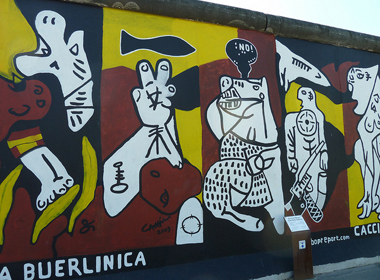
Berlin’s tumultuous history offers inspiration for street artists to produce some of their best work. Nowhere is this more apparent than the East Side Gallery, a section of the former Berlin Wall that has been turned into a 1.3-kilometre canvas. Here, you’ll find 105 murals that were painted on the east side of the wall in 1990, where graffiti had been banned during Soviet rule. Kreuzberg is another popular district for street art, and is home to the largest stencil in the world, the Kreuzberg Spaceman. But you don’t have to travel far from downtown Berlin for impressive creations: the central Mitte district is a creative enclave, home to Tacheles, a former department store covered in artists’ work.
Buenos Aires, Argentina
One of the most popular tourist areas in Buenos Aires, Caminito, is a district that bills itself as the world’s first open-air pedestrian museum. Its colourful building facades are very photogenic, and a number of artists sell their wares in the neighbourhood. However, Buenos Aires is known worldwide for its support of street art. Barren walls city-wide are transformed into building-sized murals, which are not only tolerated by the city government, but oftentimes actively funded. Buenos Aires native Martin Ron’s famous 3D turtle is found here, in addition to a number of his other vibrant and breathtaking murals.
Philadelphia, USA
As a burgeoning artistic centre, Philadelphia boasts a creative spirit that’s easy to find on its “Mural Mile”. Surprisingly, Philadelphia’s Mural Arts Program – the largest public art program in the United States – began as part of a government-funded anti-graffiti movement. Tired of the artless tags that plagued the city, Philadelphia officials approached graffiti artists and had them direct their considerable artistic talents into full size murals. Today, there are more than 3,600 of these impressive works dotting the city. In addition to these full-size pieces, a number of famous street artists have left their mark here.
Melbourne, Australia
Melbourne has become one of the world centres for street art, with dozens of acclaimed artists having left their mark on the city. Numerous alleyways in the Australian cultural capital are decorated with vibrant works. Hosier Lane and Caledonian Lane are iconic spots, and in 2010 the local council commissioned a number of artists to paint the walls of Union Lane. These alley artworks are now highlighted by local tourism agencies. Though the relationship between street artists and government has been strained at times (city workers accidentally demolished a Banksy piece), the government has largely supported its creative citizens and it shows in the variety of urban spaces where street art has popped up.
Los Angeles, USA
If there’s anywhere in the world where street art has jumped the gap between radical expression and commercial enterprise, it’s in LA. Here, you can find LAB ART, a 6,500 square-foot gallery of street art that’s not so much on the street anymore, but can be purchased instead. But that isn’t to say that the art form has been completely commercialized here. A number of iconic works can still be seen in the La Brea area and walls in Hollywood are regularly redone with fantastic images from local artists like Robbie Conal and Saber.
Tel Aviv, Israel
While some cities shirk the free public art its talented citizens spray on the walls, forward-thinking places like Tel Aviv embrace it wholeheartedly. The community centre on Rothschild Boulevard and the area around Jaffa Port are ever-changing exhibits of innovative paintings, wheat paste art and stenciling. You can find interesting works wherever you may go in the city, though, like elsewhere, the best works are often found in less developed neighbourhoods. In Tel Aviv this means heading toward the less hip areas of Florentin to see what inventive Israeli artists have to offer.
Paris, France
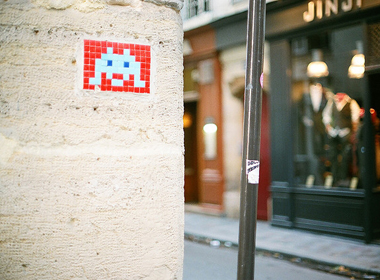
Walking around Paris, you’re likely to come across small tiled 8-bit figures a couple of stories above the street on building corners and monuments. These are works done by the artist Invader, who works across the world but hails from Paris. His colourful tiled mosaics of characters from the arcade game Space Invaders can be found throughout the city. Paris is also home to Blek le Rat, the father of stencil graffiti, who has been at work on Paris streets for over 30 years. You might have to pay to see the Mona Lisa, but some of the best art in the French capital is found streetside.
*Graffiti ranges from simple written words to elaborate wall paintings, and it has existed since ancient times, with examples dating back to Ancient Egypt, Ancient Greece, and the Roman Empire.
No one said that Comedy and Spirituality cannot co-exist (which is the abbreviated version of comedy and existentialism. So I thought you might like to see a different side of this well-known, super talented comedian. Of course for the full speech you’ll have to visit the link below.
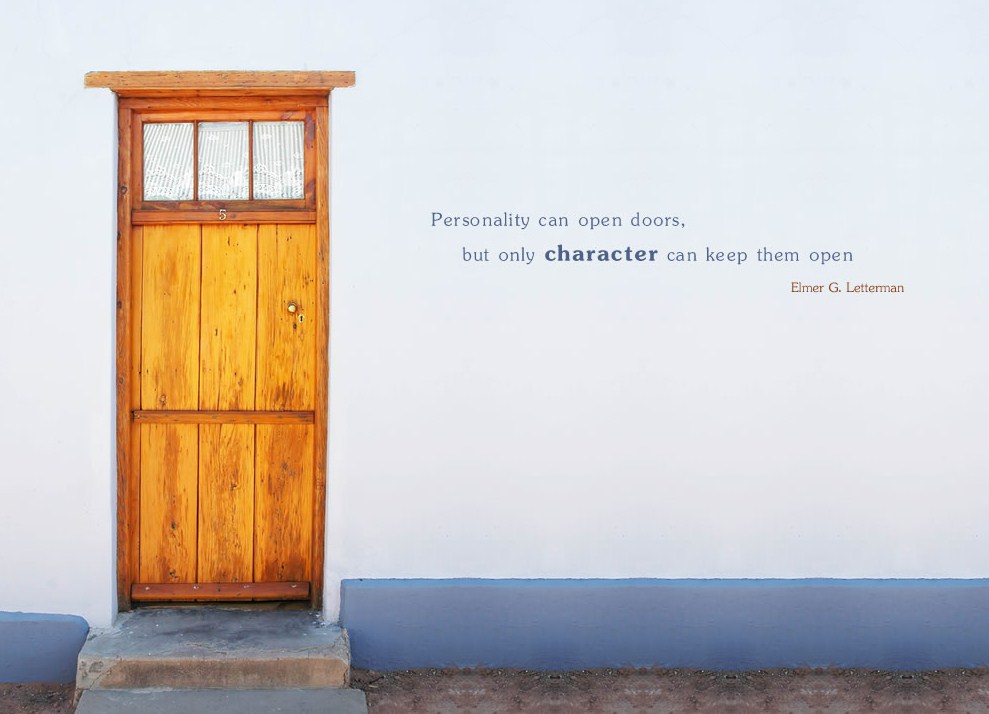
“Your job is letting the universe know what you want and working toward it
While letting go of how it comes to pass
Open the door in your head and when the door opens in real life
Just walk through it
Don’t worry if you miss your cue
Cause there’s always doors opening
They keep opening”
Good work Jim!
This was taken from a video clip (link below) when Jim Carrey gave the commencement address to Maharishi University of Management’s class of 2014. The University Board of Trustees also presented Mr. Carrey with the honorary degree of Doctor of Fine Arts Honoris Causa, in recognition of his significant lifetime achievements as a world-renowned comedian and actor, artist, author and philanthropist. Enjoy!https://www.youtube.com/watch?v=V80-gPkpH6M&list=PLs4GvULvBU47e4kRTRsAMUuGOCcGnrg4b&index=2
Tell me you’re not sick & tired of hearing/seeing/reading all the publicity to do with all things Kale? How about Açaí? Pomegranate is so last year! (even though I just bought a bottle of pomegranate vinegar).
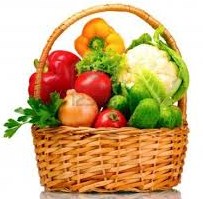
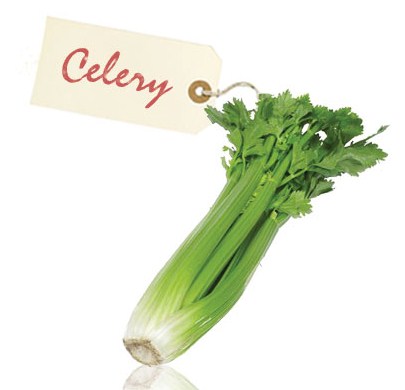
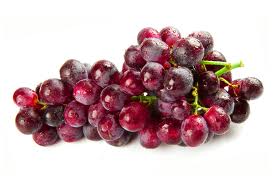
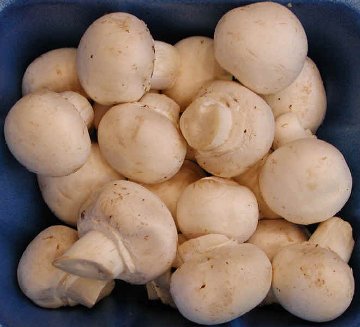
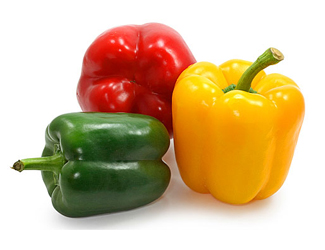
Yes, we know (or have been repeatedly informed) that they’re wonderful for us, but now we take for granted the ordinary food staples that sound less glamorous. Fruits and vegetables like celery, grapes, mushrooms and bellpeppers – stuff we probably have more of in our kitchens. Why should they be ignored? I always root for the underfruit!
Researchers are discovering new reasons to get excited about the old standbys. So maybe we shouldn’t let “superfoods” crowd out staples that are just as nutritious. They can work together as a team. Let’s discuss:
Celery – what’s a dip platter without this crudite? Now, back on the must-eat list as a potential cancer fighter with it’s top source of a flavonoid called apiginen. Researchers recently discovered that when pancreatic cancer cells were treated with apigenin, 44 percent of the cells died. Apigenin activates a chemical reaction inside diseased cells, causing them to self-destruct. While eating celery can’t cure pancreatic cancer (you’d never be able to eat enough), over time a diet containing apigenin-rich foods my help prevent the disease.
Grapes – we like them because they taste so refreshing and the skins are bursting with Resveratrol, the same superstar antioxidant that helps make red wine good for your heart (providing you don’t drink the whole bottle yourself). Resveratrol may also aid in boosting immunity by helping increase levels of a molecule that kills bacteria and viruses. Adding more grapes to your diet may even protect you from contracting infections in the first place. So drink up eat your grapes!
Mushrooms are like magic – science shows they may help prevent breast cancer by lowering estrogen levels. Fungi have also been thought to be heart healthy and immunity boosting for years. A study showed that when postmenopausal women consumed 13 grams of mushroom powder (the equivalent of 1 ½ cups of white button mushrooms) per day for three months, their estrogen production dropped by 27 percent.
Bell Peppers – researchers have long known that smokers have a lower risk of developing Parkinson’s disease characterized by a loss of brain docells that make dopamine. No doctor would encourage lighting up, but there may be another way to get the benefit: peppers. They’re a safe source of nicotine, which may protect dopamine producing cells. Eating peppers (mostly bell peppers) twice a week or more is associated with at least a 30 percent reduced risk of Parkinson’s. This according to Susan Searles Nielson, PhD, who did a study which was published in the Annals of Neurology. Interesting stuff indeed.
What’s good too is that you can incorporate at least three of these items into a breakfast omelette, salad or pasta sauce. Try grapes in a chicken salad sandwich, they’re delicious.



 TIPS: onions should be soft & nicely browned. It should turn out quite lemony & very well cooked. I used a 19 oz. can of chickpeas for this and 1 red thai chili (but you can use any hot chili).





















You must be logged in to post a comment.