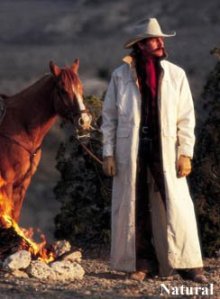
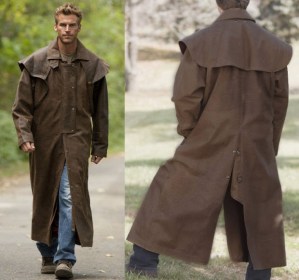
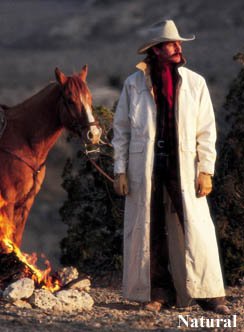
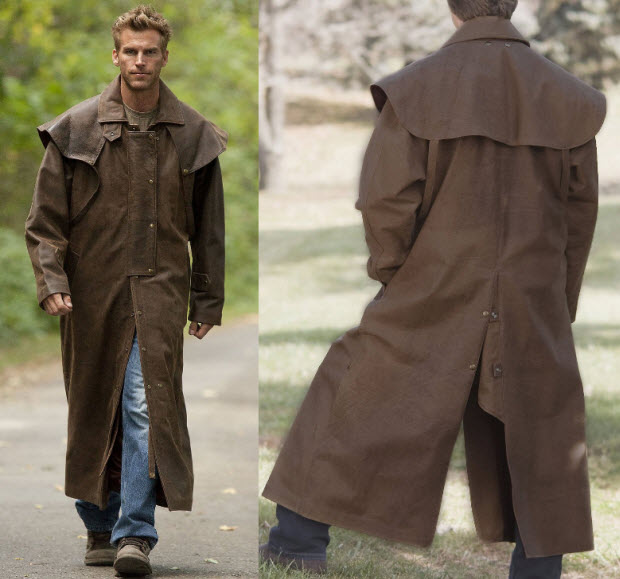
The Duster CoatA worn-out old duster. In the old days of the Wild West the coat protected your clothing from trail dust, but not much else.This type of coat was usually worn by deputy lawmen and a popular choice for bounty hunters. While it is called the Duster Coat, a true duster would be open in the back, allowing one’s legs to be protected while on horseback.
But this ain’t that!
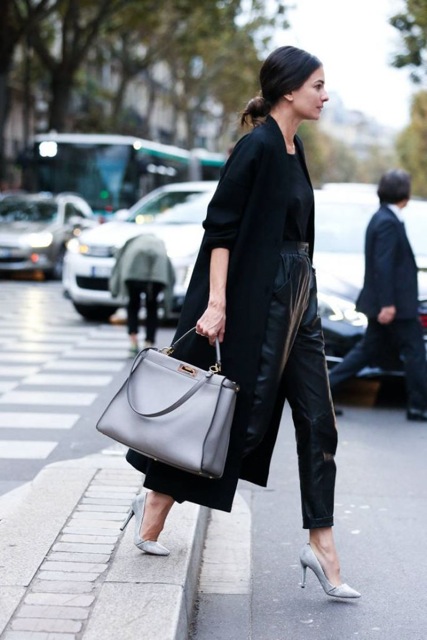
A great transition piece for spring! And Spring is just about here. The open silhouette and sweater-like composition keep your look casually chic and—more importantly— comfortable. People compare it to the trenchcoat but it’s not exactly because trenches have belts and way more buttons and the fabric is different.
I prefer no collar and a hidden button or two but the styles can vary a bit. It’s so easy to wear because you just throw it over whatever you have on from jeans to a dress and it pulls everything together.
*Kim Kardashian West taken from Bazaar Magazine
If you need more warmth just wrap a large scarf or shawl and you’re ready to go. A neutral shade will keep you from getting tired of it although a bold color is nice too.
*Bazaar magazine refers to the coat Kimye is wearing as a Duster but only in the fact that it falls a few inches above the ground. It looks like a regular camel coat to me but she does look especially chic wearing an all black ensemble (especially the turtleneck) underneath. And it’s a little more cover than her skin tight latex dresses.
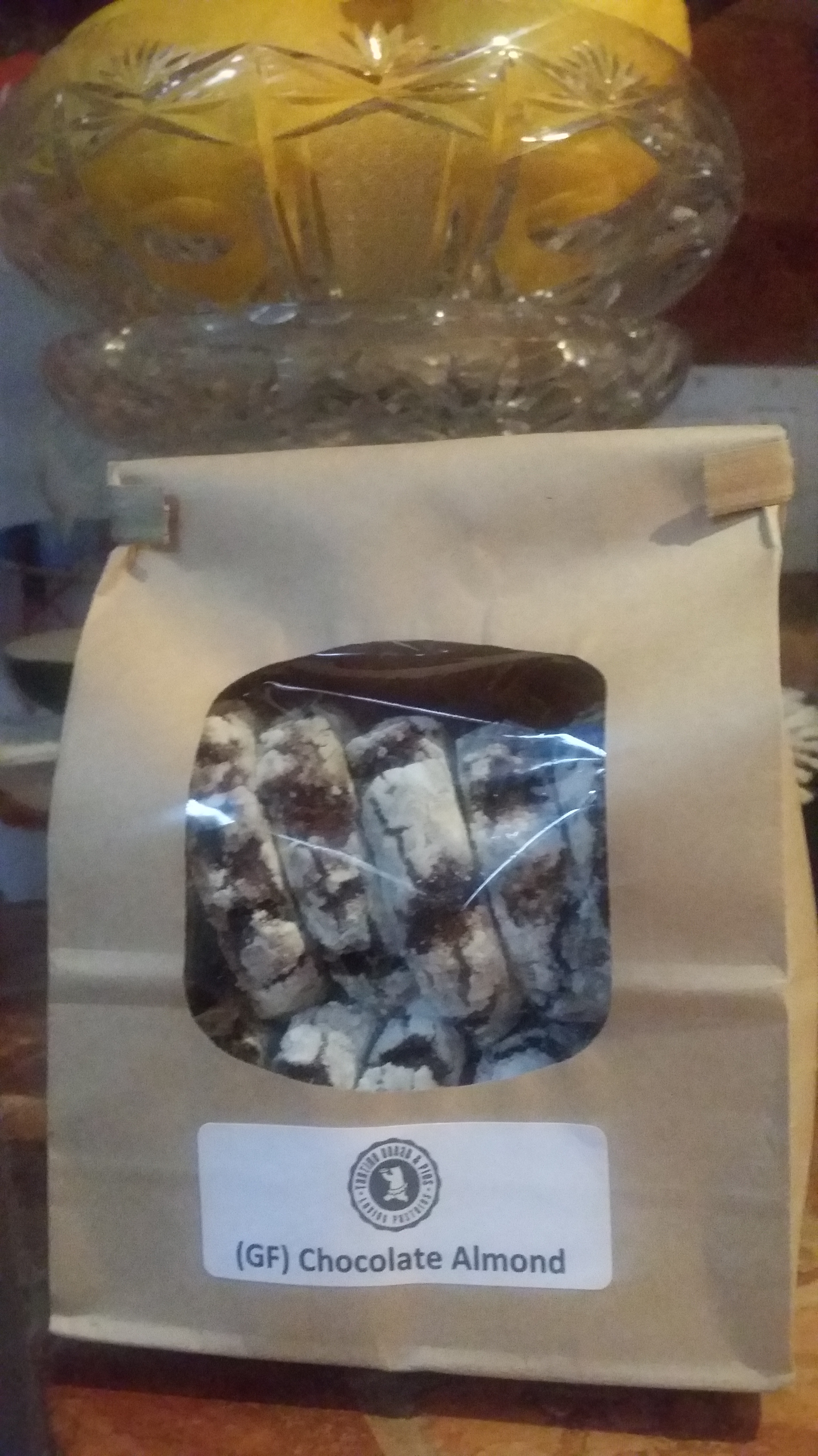
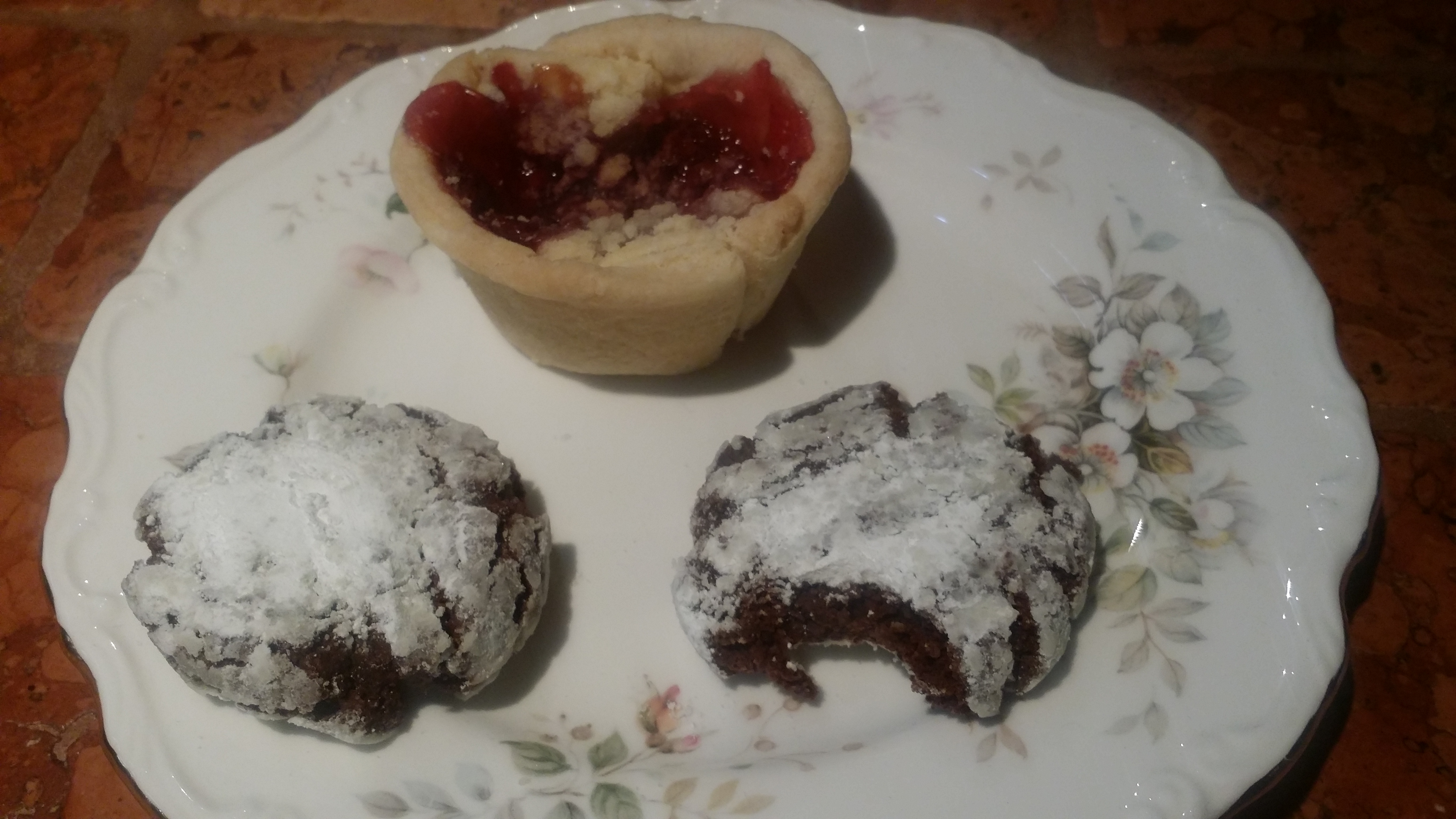
I was looking to buy a bowl of soup and Tourtière (a Québécoise meat pie) from Tartine bakery in Vancouver when I discovered this delightful bag of cookies. They tasted amazing, so light and chewy with the perfect combination of almond to chocolate. It really reminded me of another dessert I make – a chocolate almond torte but in cookie form. Since I don’t have their exact recipe here is the next best thing. Just add icing sugar to finish it off.
That’s a sour cherry tart in the middle – for a little variety.
Chewy Chocolate Almond Cookies
INGREDIENTS:
1/2 pound (2 sticks) unsalted butter; room temperature
3/4 cup light brown sugar, packed
1 cup granulated sugar
2 teaspoons pure vanilla extract
2 large eggs at room temperature
2/3 cup unsweetened cocoa (I used Scharffen Berger)
2 cups flour
1 teaspoon baking soda
1 teaspoon kosher salt
2 cups semi-sweet chocolate chips
1/2 cup blanched slivered almonds; coarsely chopped
DIRECTIONS:
1. In the bowl of an electric mixer fitted with the paddle attachment, cream the butter and both sugars until light and fluffy.
2. Add the vanilla, then the eggs, one at a time, and mix well. Scrape down the sides of the bowl after the addition of each egg.
3. Sift together the cocoa, flour, baking soda, and salt. Turn your mixer to low and gradually add the sifted ingredients; mix until just combined.
4. Fold in the chocolate chips and almonds. *Refrigerate dough for 1 hour.
5. Preheat the oven to 350 degrees F. Line a baking sheet with parchment or a silicone baking mat.
6. Measure the dough using a 1 1/2 tablespoon scoop or a rounded tablespoon. Roll the dough in your hands until it forms a uniform ball and place on your lined baking sheet.
7. Bake the cookies for 11-12 minutes (the cookies will seem underdone). Remove from the oven and let cool slightly (about 3 minutes) and transfer to wire rack and let cool completely.
Yields about 30 cookies.
*Trick: stick the dough in the freezer for a little while to allow the flavors to marry and the dough to slightly stiffen. It makes it easier to form the cookies with.
Source: mybakingaddiction.com
Tartine Bread & Pies: 770 Beach Ave, Vancouver.
p.s. I think this post was influenced by yesterdays post.
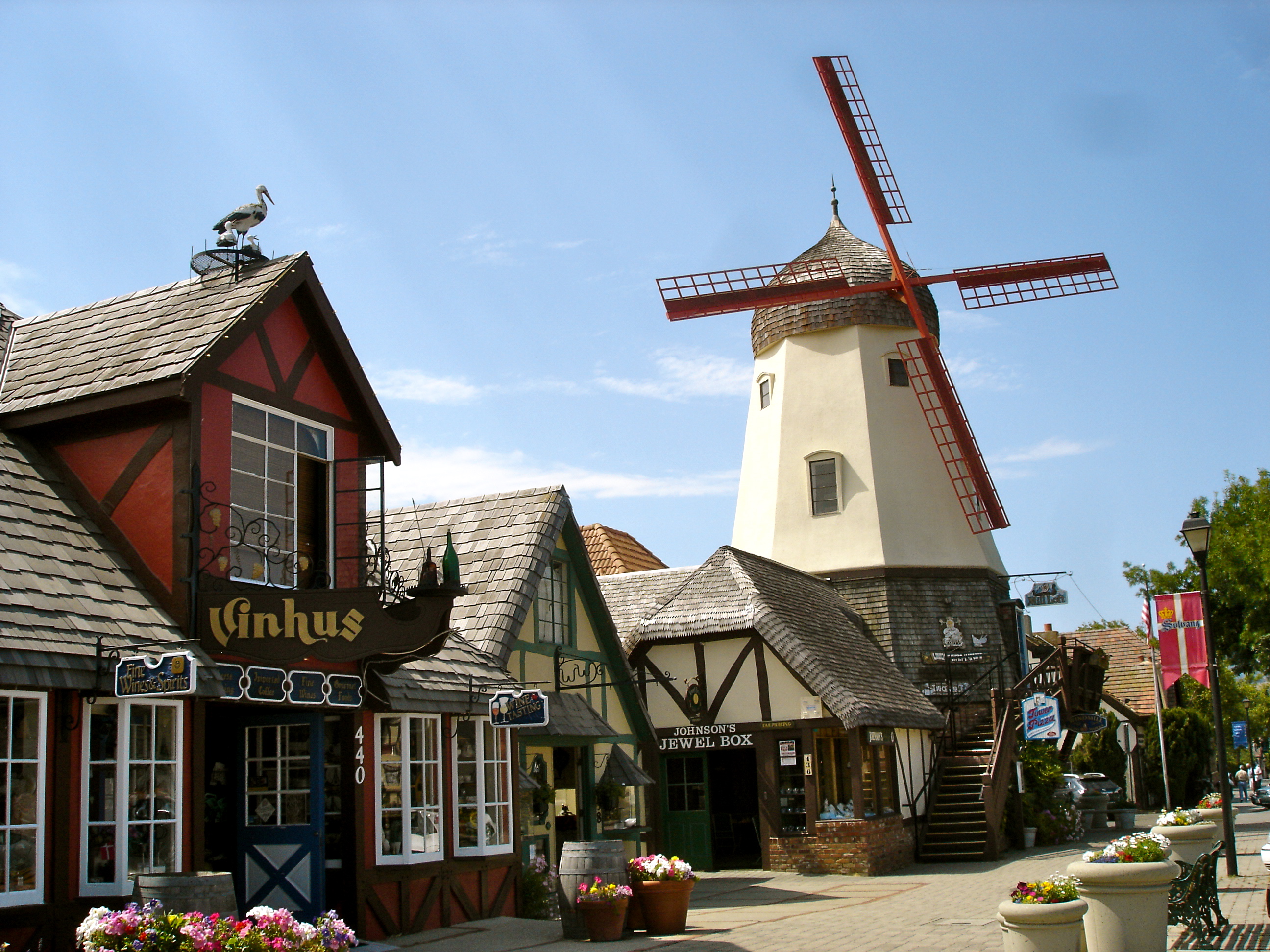
It’s a long way from Europe. If like me you have never set foot in Denmark but you like sunshine, Danish cookies & pastries, windmills and something bigger than the world showcase at Epcot Center, then you might want to check this place out.
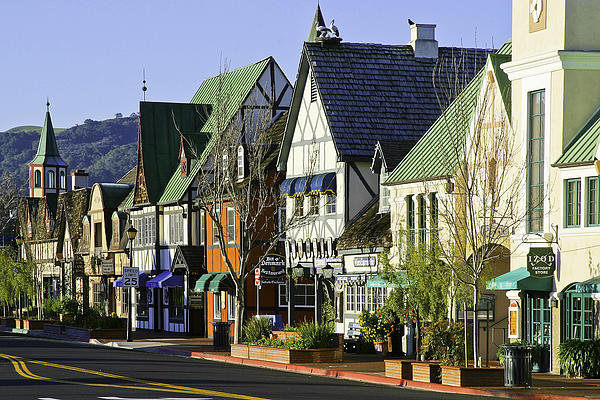
Northwest of Los Angeles (just east of highway 101) and a short drive from Santa Barbara in the Santa Ynez Valley lies the picturesque village of Solvang. It vaguely sounded familiar and now I know why – it was mentioned in the movie Sideways. A movie which I loved by the way. The friend I was travelling with suggested we go on the advice of her sister who had just been there. If her sister suggested we go then that was enough for me to want to see what this town had to offer.
Okay, so it is touristy like we figured it would be with a population of roughly 5,000 people. But since we were already not too far away it was definitely worth the visit which included a stayover and lots of treats. It’s a funky getaway which appropriately translates to mean “sunny field.”
Founded in 1911 by Danish immigrants, Solvang now boasts many Danish bakeries. The woman who owned the hotel we stayed in the Solvang Inn also owned the restaurant across the street and several bakeries. She claimed Michael Jackson (his Neverland Ranch was in the Santa Ynez Valley) used to come in to buy her cookies. Turns out she owns half the town. There’s a Hans Christian Andersen Museum, four windmills, boutique inns and lodges with peaked roofs and monikors such as Svendsgaard’s Lodge and the Hamlet Inn, along with bedspreads emblazoned with the red-and-white Danish flag. Kitsch cuteness!
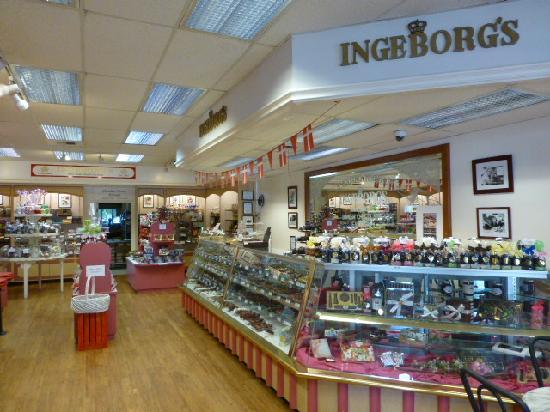
And you can’t escape the sugary appeal of Solvang’s multiple family-owned Danish bakeries. “There are more bakeries here than probably in the whole world” said one of the owners. So for breakfast we had coffee and multiple shared pastries. I chose the delicious Danish with custard but my travelling companions ordered a cinnamon bun and a bear claw – all pretty darn delicious. Not to mention non gluten-free and fairly fattening.
Last year marked the 10th anniversary of the 2004 wine soaked movie Sideways, which was partly shot in Solvang, and wineries in the area owe a certain amount of credit to the tourist boom that followed the film. Kind of like the movie “Midnight in the Garden of Good and Evil” did for *Savannah, Georgia. *I will post soon about this most charming city.
Next to bakeries sit more than 20 wine-tasting rooms. One winery is called Lucky Dogg Winery which I should not even plug since I sent my dogs photo in to a contest so he could be chosen to be on one of the bottles for their “Doggone Wines” label but he didn’t make the cut. I sent one okay three amazing photos. It may have something to do with his nose. Nevermind.
And so we’re told with Solvang its like they took the best parts of Denmark and put them onto two streets (it’s really bigger than that). Which means you don’t have to walk very far to get good pastries, wine and cheese.
Source: taken in part from The Vancouver Sun Travel
“We can’t be afraid of change. *You may feel very secure in the pond that you are in, but if you never venture out of it, you will never know that there is such a thing as a sea, an ocean. Holding onto something that is good for you now, may be the very reason why you don’t have something better.” – C. JoyBell C.
“Bottom line is, even if you see ’em coming, you’re not ready for the big moments. No one asks for their life to change, not really. But it does. So what are we, helpless? Puppets? No. The big moments are gonna come. You can’t help that. It’s what you do afterwards that counts. That’s when you find out who you are.” – Joss Whedon
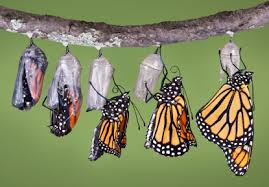
Just when the caterpiller thought the world was over it became a butterfly.
Life moves very fast. It rushes from Heaven to Hell in a matter of seconds.” – Paulo Coelho. Or, from Hell to Heaven – me
“The only person worthy of your love is not one who overstayed in the relationship without a single change, but one, who appeared like an angel, and used a single day to make a million changes.” – Michael Bassey Johnson.
“Some changes occur suddenly like a brilliant flash of lightning striking across a dark sky. These changes are stunning, exciting but can be quickly forgotten. Other changes happen slowly, gradually, like a flower blooming in early spring, each day unfurling its petals another fraction of an inch towards the warm, nurturing sun. These changes are as inevitable as nature running its course; they’re meant to be.” – Suzi Davis
Its time for us as a people to start making some changes, lets change the way we eat, lets change the way we live, and lets change the way we treat each other.
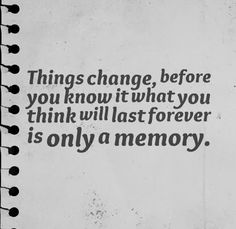
But memories last forever! Thank god for that.
*Some people never leave the place they were born. They marry their high school sweetheart, have children, hold a steady but ordinary job and remain completely happy. Does that mean they have to change? I think not. They can be perfectly happy this way. As long as they’re fine with it, we should be too. It’s okay to push change but it’s okay to stay the same too – as long as you’re good with it. – me
Sometimes it can be difficult not to get angry. But anger can hurt you more than who or what you direct your anger towards. If your anger is left unchecked it can wreak serious havoc on your health and well-being.You will not be punished for your anger, you will be punished by your anger – Buddha
Decades of research has shown that angrier people ted to have more heart problems than calmer ones. Explosive anger – those moments in which you may lose control and throw something or scream – can have especially negative effects. You’re more than twice as likely to have a heart attack during the two hours after a big blowup, according to a study published in the American Journal of Cardiology. That’s because changes in a ticked-off person’s heart rate can lead to high blood pressure and clots. Other research has connected sky-high rates of ire with an increased risk of stroke. But suppressing your anger is bad for you too. In fact, bottling it up can spike your blood pressure levels even more than letting go.
One study from a group of researchers at Harvard University found that study subjects who got angry regularly were 43% more likely to have gum disease than a calmer ones. Other studies have shown that those who have high levels of anger are at a greater risk of breathing problems and chronic pain. Part of the head-to-toe health damage could be due to the widespread inflammation that results from the frequent flood of stress hormones (like epinephrine) which are also involved in the anger response.
Sometimes anger is just a momentary reaction to a passing situation. But other times, it’s a signal that there’s a threat to something you care about deeply. So when anger strikes, don’t fight it – ponder it. Use it to help you identify what’s being threatened.
The Flamingo may be the most Fabulous of all the bird species. Think about it.
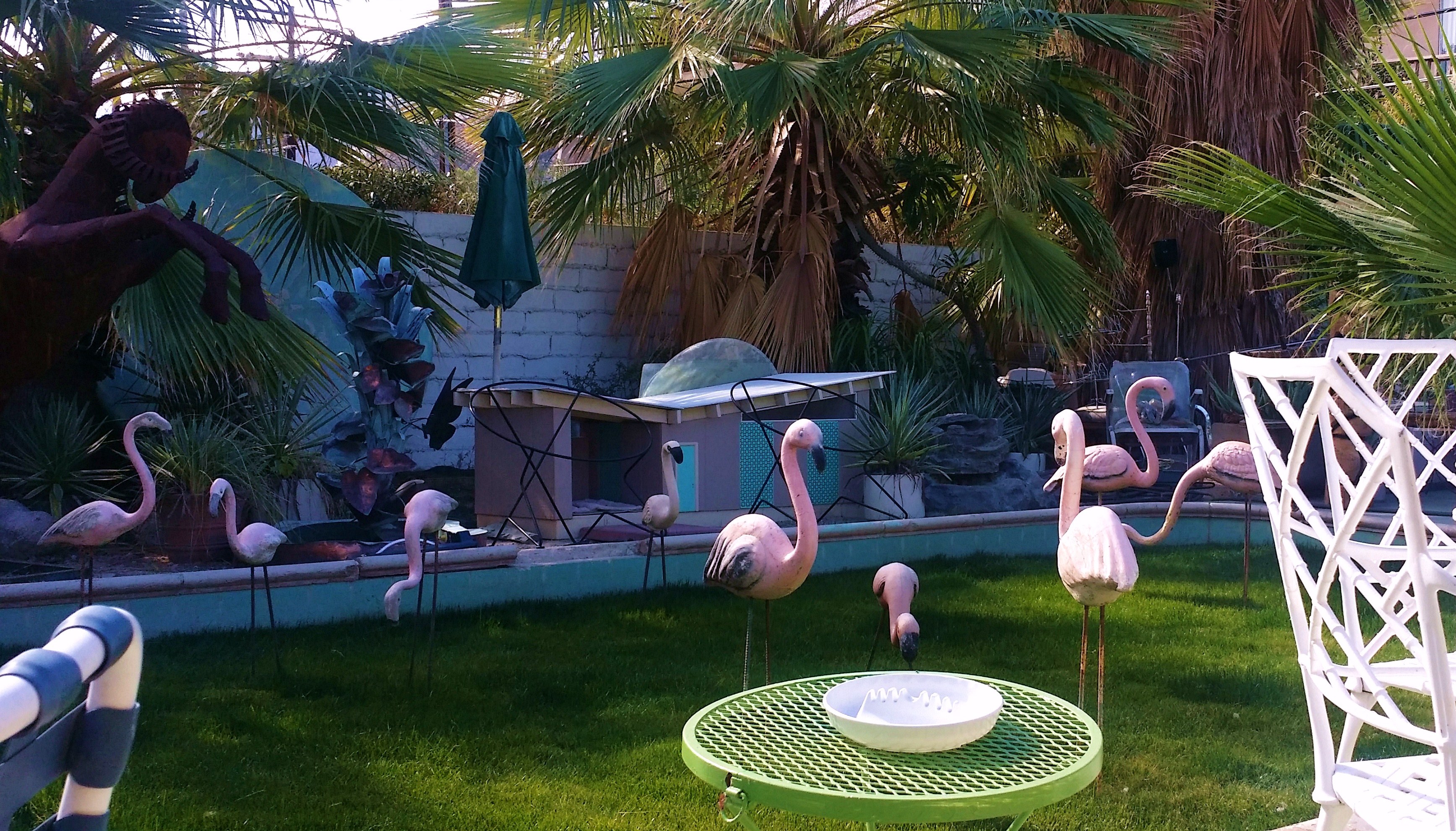
100% natural – at the Marriott Resort Palm Desert.
They’re the bird of choice for *gracing peoples lawns since 1957. Other birds would be tickled pink to be so long legged and curvaceous. They look cool and live in “hot” places like Miami and the Flamingo Hilton in Vegas. They look good wearing sunglasses and move gracefully. It wouldn’t be so bad to be a Flamingo.
DID YOU KNOW?
The word “flamingo” comes from the Spanish and Latin word “flamenco” which means fire, and refers to the bright color of the birds’ feathers.
Flamingos are strong but rare swimmers and powerful fliers, even though they’re most often seen just wading.
When flying in a flock, the top speed of a flamingo can be as high as 35 miles per hour.
Flamingos hold their bills upside down while feeding, often for several hours a day, so they can filter out their food while skimming the water.
A flamingo chick’s bill is small and straight, but will develop the distinct “break” curve after a few months.
Flamingos are monogamous birds that lay only a single egg each year. If that egg is lost or damaged, they do not typically lay a replacement.
Flamingo chicks are born gray or white and take up to three years to reach their mature pink, orange or red plumage.
The pink, orange or red color of a flamingo’s feathers is caused by carotenoid pigments in their food, and a flamingo’s diet includes shrimp, plankton, algae and crustaceans.
A adult flamingo’s legs can be 30-50 inches long, which is longer than their entire body.
A flock of flamingos is called a stand or a flamboyance.
Flamingos have a wild lifespan of 20-30 years, but in captivity have been recorded as living up to 50 years or longer.
The most prominent threats to flamingos include predators, habitat loss and poaching for decorative feathers as well as humans hunting flamingos to gather eggs as food or to harvest their tongues as meat.
100% plastic. At “dazzles” courtyard Palm Springs
*In case you are dying to know…Don Featherstone of Massachusetts is the inventor of the pink plastic lawn flamingo. You’re welcome.
As a general rule I’m not into tattoos for myself although I can admire them on someone else.
I almost got up the nerve to have a tiny one engraved years ago when my sister and I booked appointments together in Toronto at a well known tattoo parlour. She went ahead of me and came out with a beautiful little butterfly but then when it was my turn I chickened out. I don’t like needles or pain so no tattoos to date.
But if I were to reconsider the BROW tattoo (to fill in some of the sparse areas) would be the route to go. If only because it comes highly recommended and I know someone who went and is happily satisfied with the results. Because her brows were thin and light and now they’re perfect and more natural looking (even though they’re tattooed). Sometimes we tend to over pluck and they don’t grow back fast enough and when they do, they don’t look the same. This sounds like a good solution. And it will give the appearance of fuller brows which I think is nicer than thin brows personally. Even though thin was in.
Cosmetic tattooing is designed to enhance and refine your beauty and can be a life changing option for many reasons. Every individual has a unique set of requirements when it comes to their own personal beauty. The pros at BE are trained and experienced to ensure you get the look you desire.
Brianna Errelat, founder of BE Studio, is an accomplished makeup artist based in Vancouver, BC whose work can be seen extensively in fashion, commercial, print, editorial and wedding applications. All services are completed by Brianna Errelat, certified in Permanent Makeup, Paramedical and Skin Revision.
QUESTIONS??
WHAT IS COSMETIC TATTOOING?
Cosmetic Tattooing, also called Semi-Permanent Makeup or Micro pigmentation, is the process of implanting color pigment beneath the surface of the skin by means of a tiny, sterile, disposable needle to produce the appearance of cosmetic makeup or to enhance the natural features of the face.
HOW LONG DOES THE TATTOO LAST?
Typically 1-3 years but a few factors come into play here. The ink is iron oxide based, which means if you have an iron deficiency your tattoo will fade faster. If you’re a sun worshipper, get chemical peels, AHA, Glycolic etc. it will also cause the tattoo to fade faster. I recommend wearing SPF 50 on your tattoo (and your whole face really as we know what the sun does to our skin!)
I’M NERVOUS…IS IT GOING TO HURT?
Don’t be nervous, I use an amazing topical anesthetic to numb the area before we start. Your comfort is very important to me! I also have a brow tattoo so I know how it feels. Everyone’s pain threshold is different. If yours is low feel free to take a NON BLOOD THINNING pain killer before your appointment like Tylenol. I continue to use numbing agents during the procedure as well.
DO YOU HAVE TO SHAVE MY EYEBROWS OR EYE LASHES TO GET THE TATTOO?
Don’t laugh, this is a common question! No it’s not like a body tattoo where the tattoo artist has to shave the area before we start. I use the natural hair growth of your brow as a guide to give you the most beautiful result, and if you have no hair I create a brand new natural growth look for you!
HOW DO YOU KNOW WHAT SHAPE AND COLOR TO USE?
I have 12 years of experience in the cosmetics industry, which has allowed me to work on every skin tone, brow shape, face shape, eye shape, and lip shape you could possibly think of! This gives me a major advantage when it comes to choosing the design and color that suits you. Having being “known” for brow design you can be confident you will walk out with a shape that suits your face and makes you look youthful, happy and polished!
HOW TO BE PREPARED FOR YOUR APPOINTMENT
It is best to avoid alcohol, Aspirin, and Blood thinners (if possible) before your appointment.
WHAT CAN YOU EXPECT AFTER YOUR SERVICE?
For the first 3 – 6 days, the color intensity of your procedure will be significantly darker, as well as larger and sharper than what is expected for the final outcome. Although the area will appear healed after 10 days, it will not be fully healed for 4-6 weeks (8 weeks for lips) to reveal the actual color, this is based on how quickly the outer layer of your skin exfoliates.
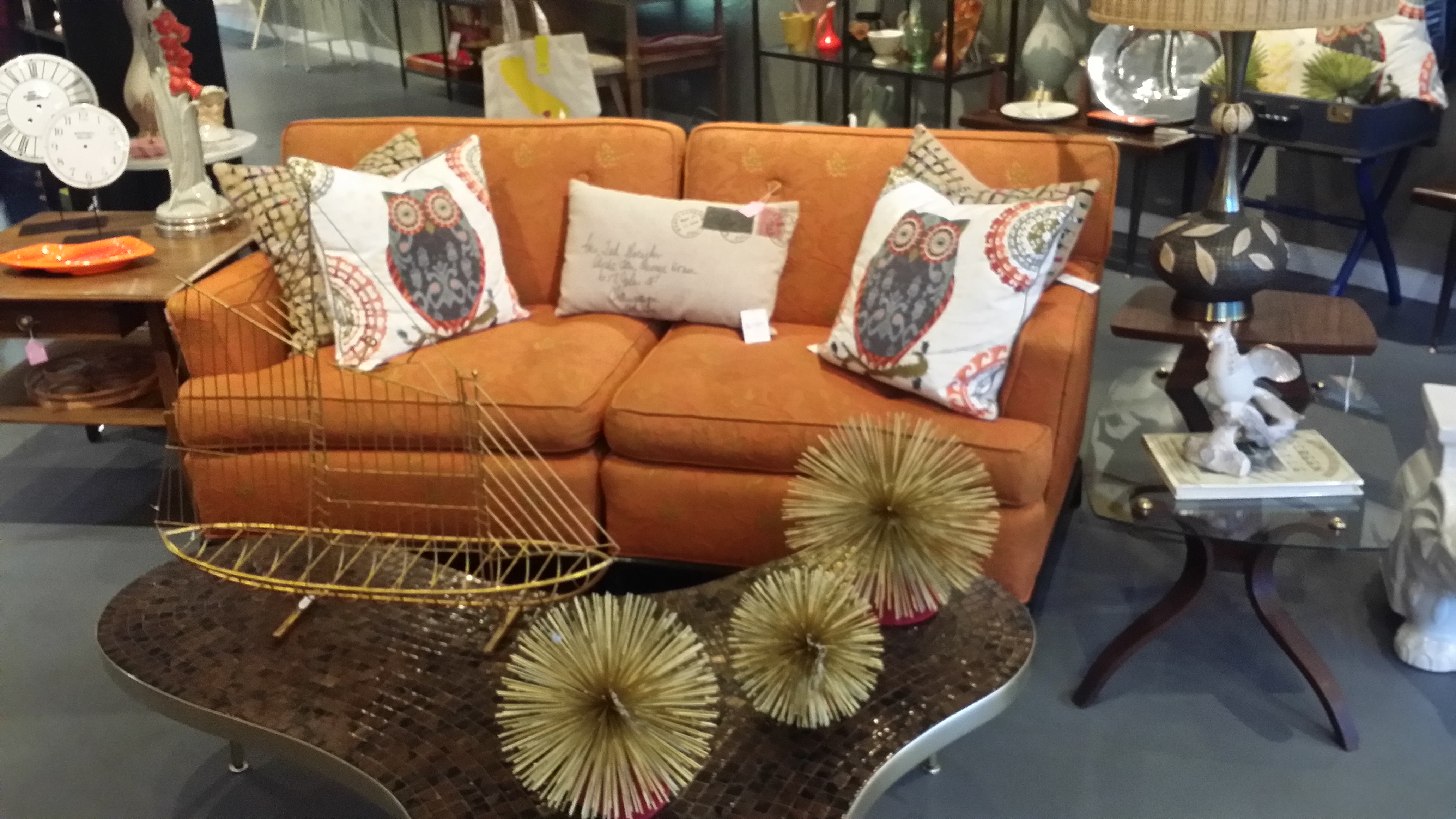
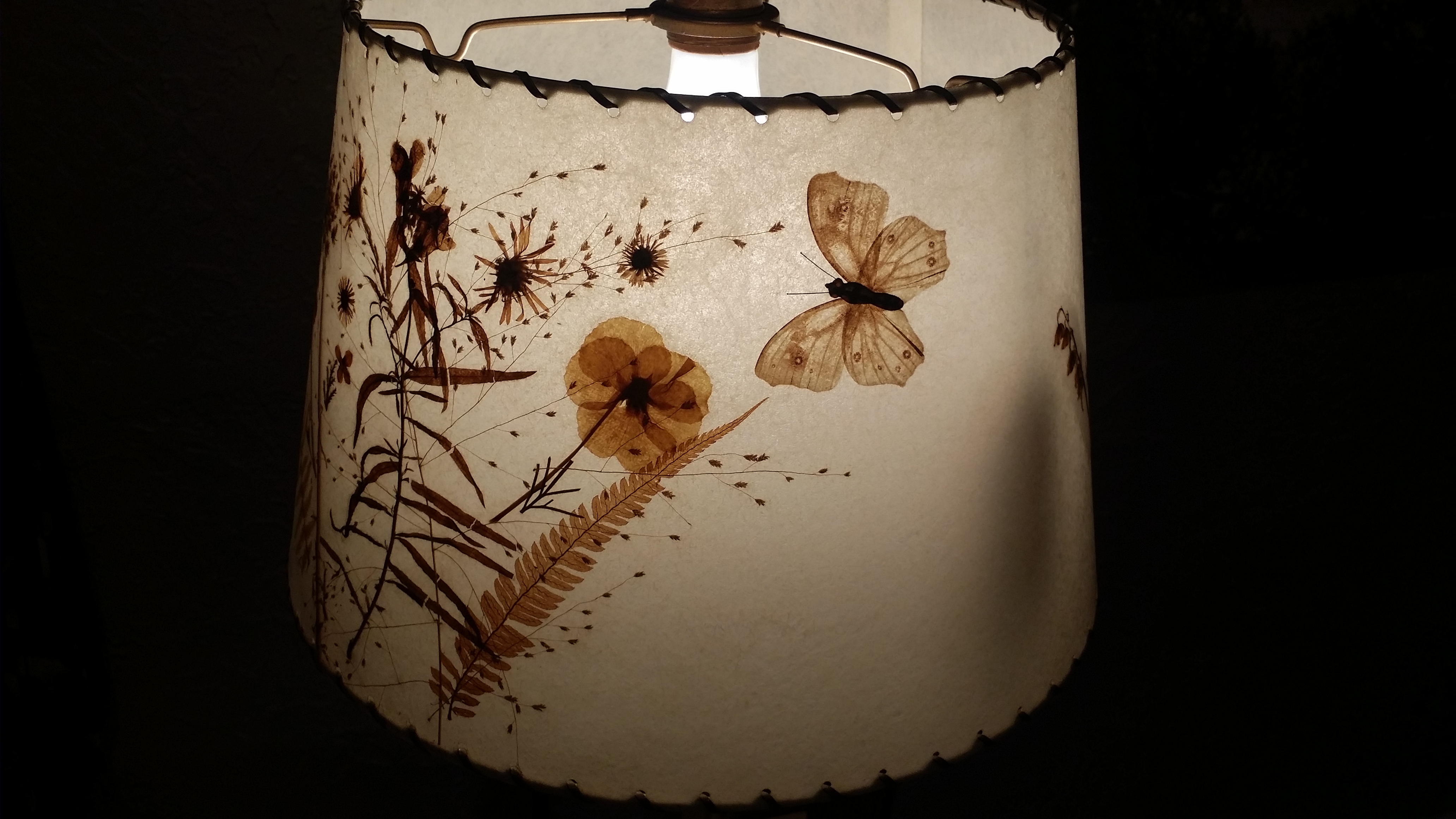
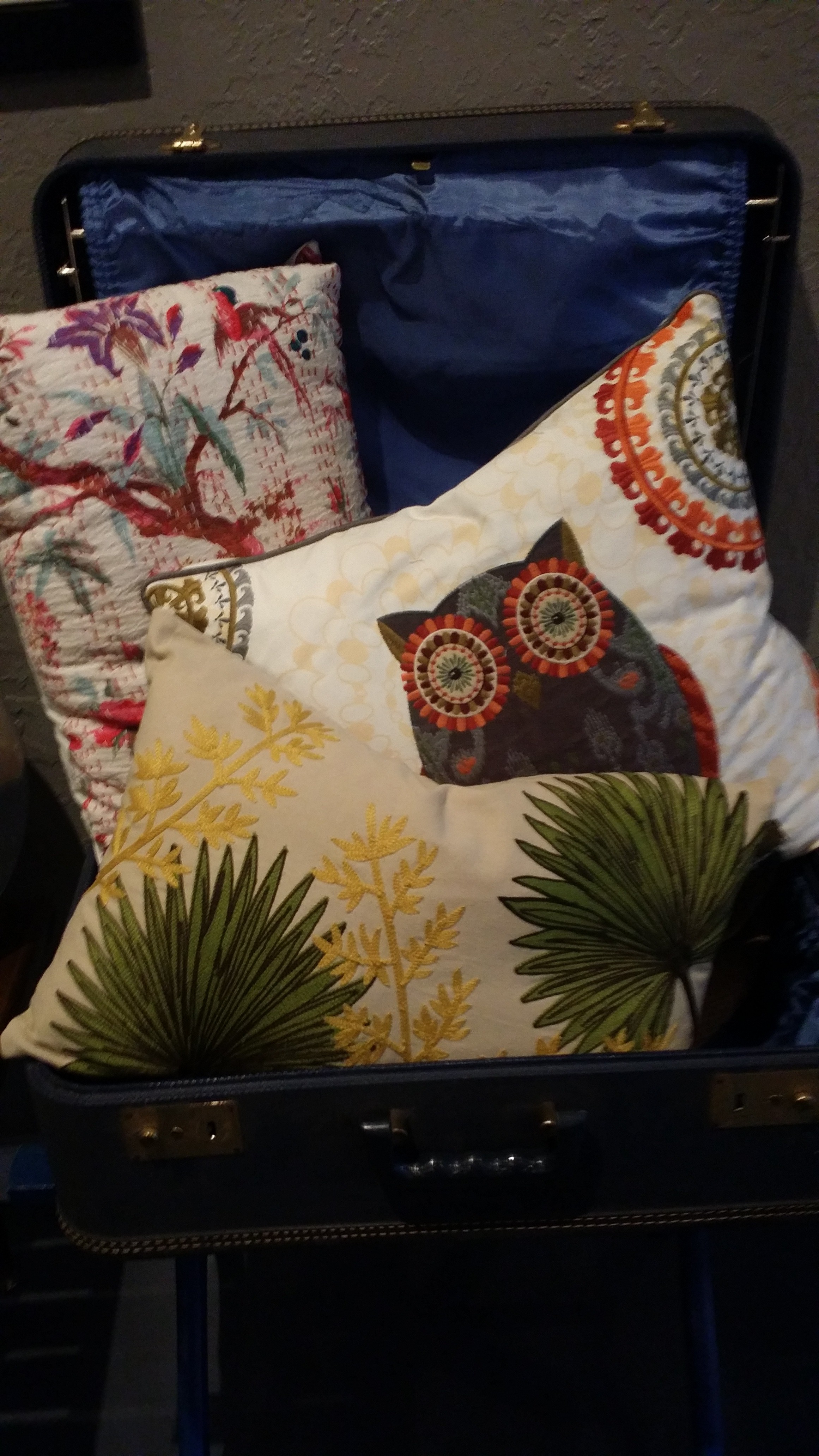
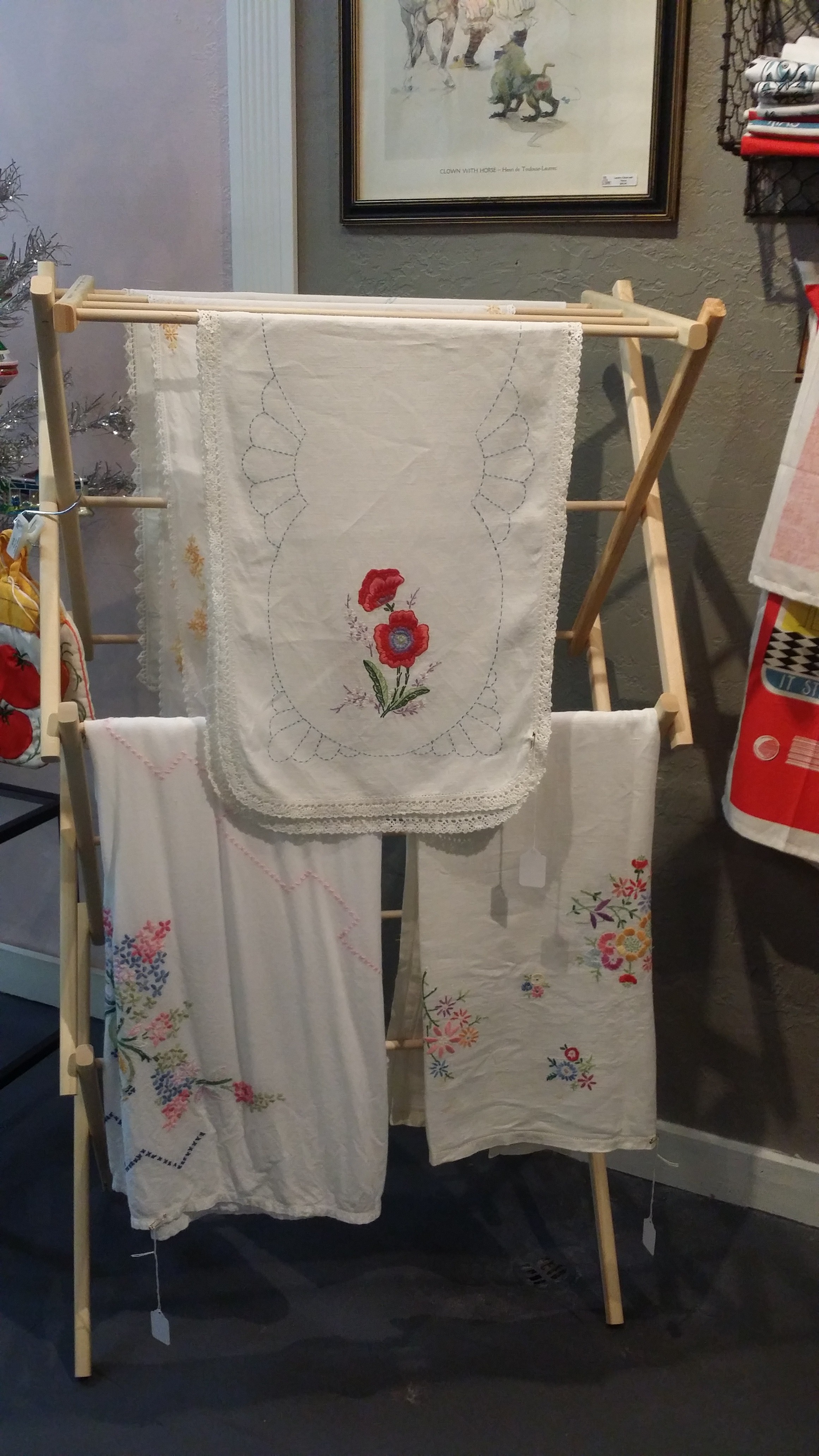
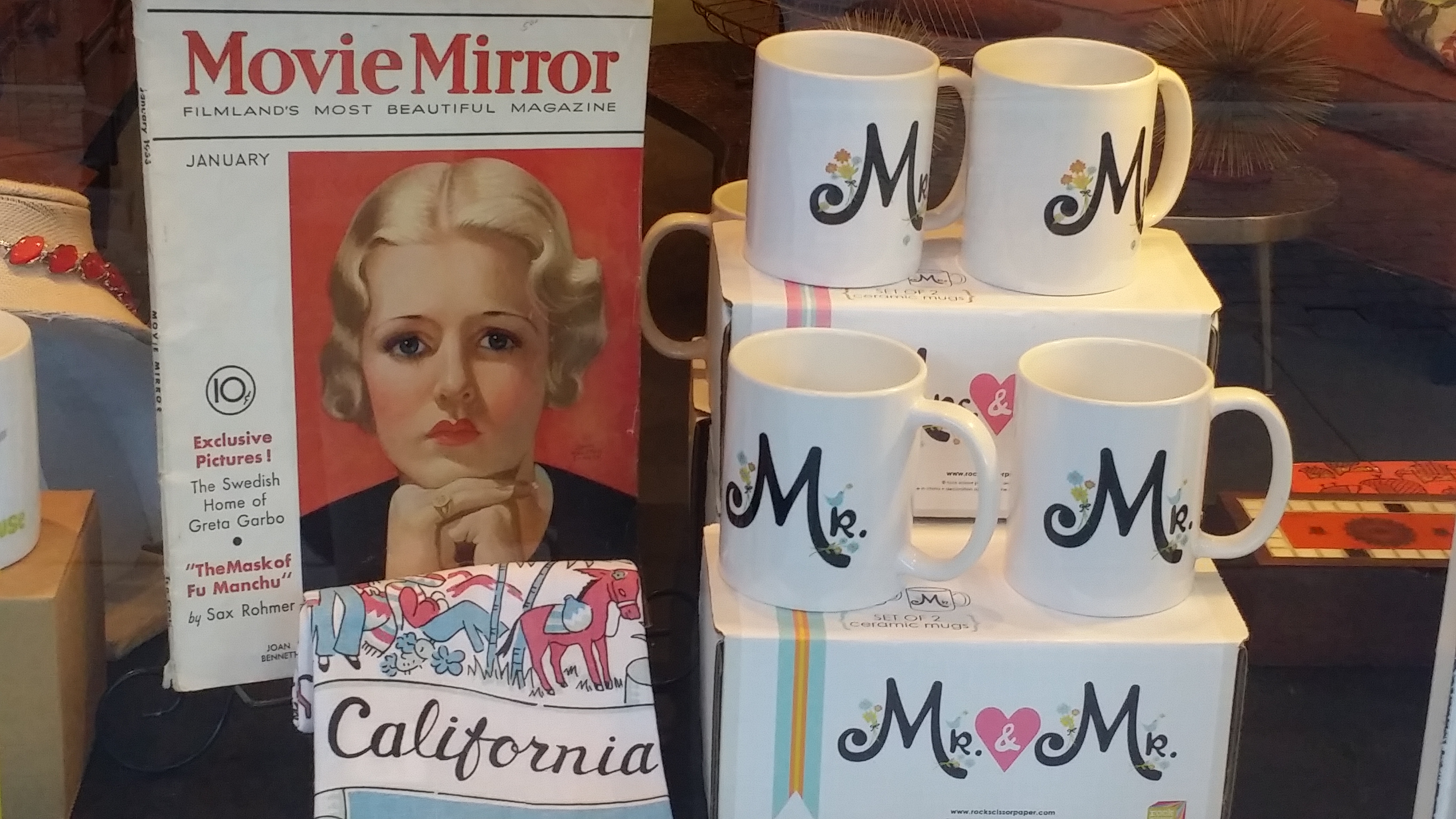
midcentury modern—has never been more au courantPink Canary offers VINTAGE and UNIQUE items for the home.
Specializing in midcentury modern, barware, art glass, pottery, and home furnishings. They have one of the largest selections of Vintage Glassware in the Desert.
New items are vintage inspired and include Candles, Pillows, Linens, and other furnishings.
Location: 160 East Tahquitz Canyon Way, Palm Springs, California
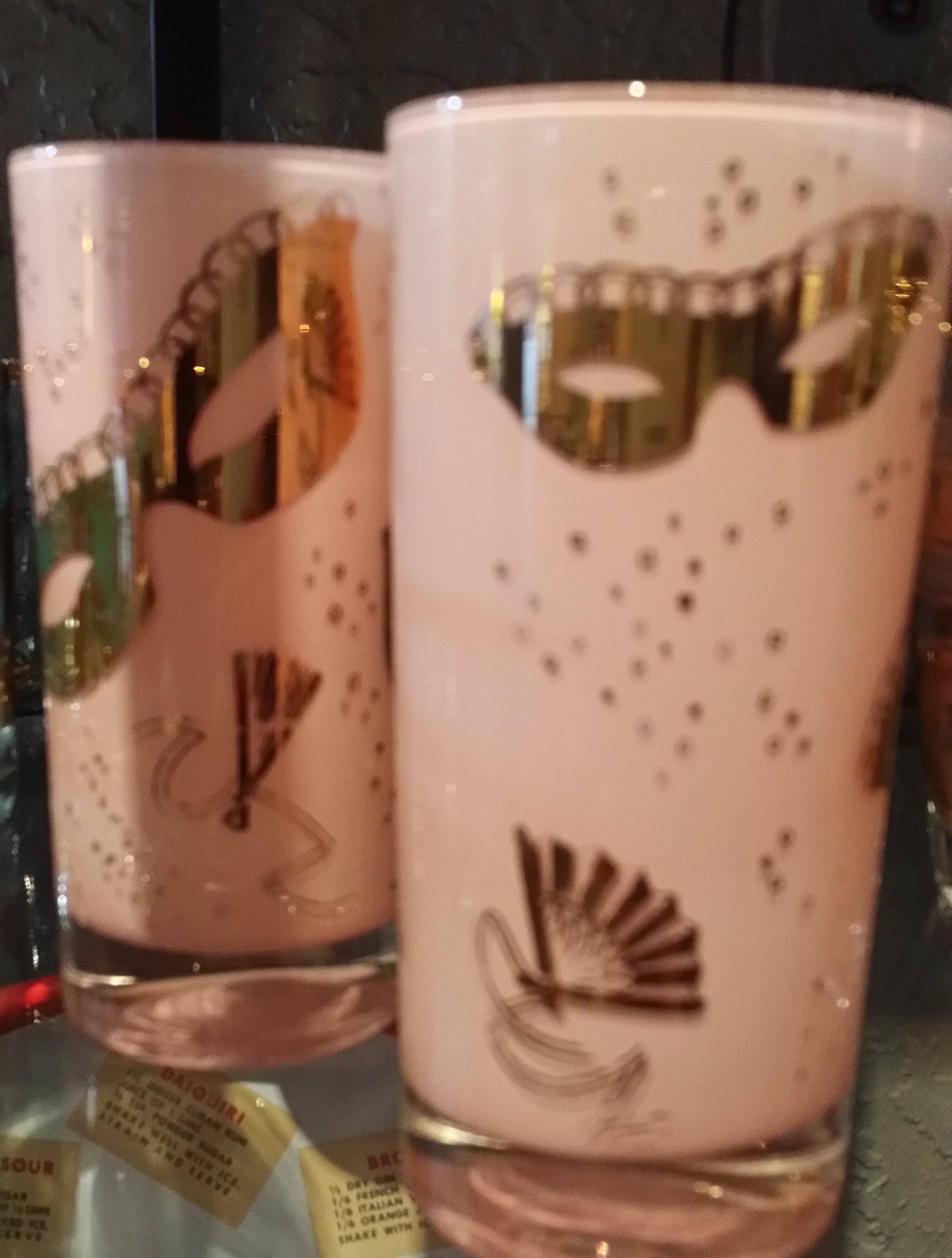
I choose this set for outside entertainingwell afterall, this is Palm Springs
Tuesday is food day on this blog but it doesn’t always have to be a posted recipe. It’s about food in general. Good food that is.
Sometimes we just want to share something we’ve tried recently that we found to be outstanding. Which brings me to your not typical run-of-the-mill Chinese restaurant in Vancouver, British Columbia – Peaceful Restaurant. In a sea of Chinese restaurants this is quite the claim. While I’m at it, it must be noted that Vancouver has some of the finest Chinese restaurants in the world and, word on the street (according to my Chinese friends) is that they’re even better than a lot of the ones in China.
Okay, to be fair when Superstar Food Network Restaurateur Guy Fieri says something is hot you’ve got to at least check it out.
While I can’t vouch for everything on the menu, here are two extra special dishes. One is ordinarily served in every single Chinese restaurant and the other is a bit more unusual. I’m talking about Peaceful’s Special House Fried Rice & Beef Rolls.
You come to expect the same old, same old house fried rice. Not here. This one is extra flavourful and comes fully loaded. I don’t know which part of the world you live in, but if you make it over this way please try this *house fried rice. The beef roll ups, on the other hand are unusually unique and super tasty. The pastry is crepe like and flaky while the meat has the texture of pulled pork with an exotic mixture of hoisin, green onion and something a little spicy. It is simply put, delicious. No other words to describe it, you have to experience it.
They have three locations:
532 W Broadway #110, 2394 W 4th Ave in Kitsilano and 43 E 5th Avenue in Mount Pleasant.
*the only thing I don’t like is the baby shrimp but you can pick them out or maybe ask them to omit them entirely from your order (if you don’t eat shrimp).
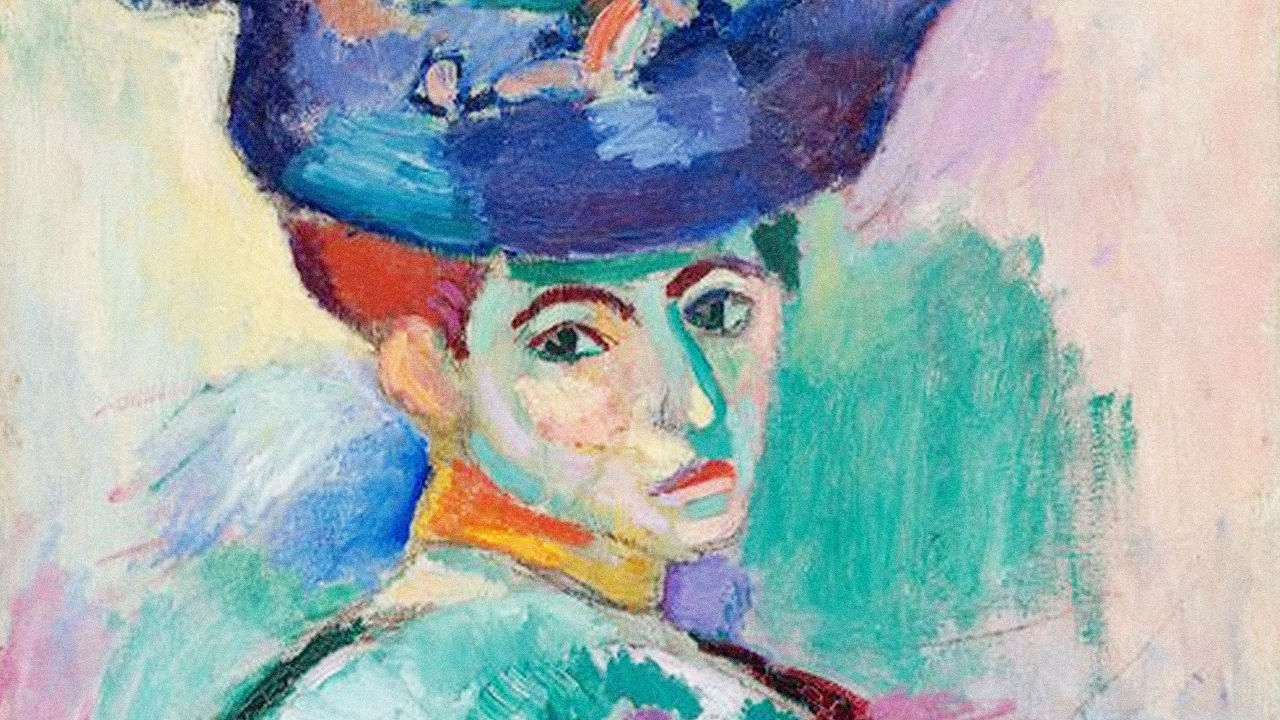
Henri Matisse is one of my all-time favourite artists.
Woman with a Hat, Henri Matisse
His romantic impressionist paintings leave me feeling like I want to walk right into them. They make you want to dance naked holding hands in a circle, lie in a Garden of Eden and wear a fancy hat way too large for your face.
DESIGN OBSERVERHAS PUBLISHED AN ILLUMINATING, LONG-LOST INTERVIEW WITH FRENCH ARTIST HENRI MATISSE. READ SOME HIGHLIGHTS HERE.
In August of 1946, after the end of World War II, an art-obsessed American soldier named Jerome Seckler interviewed legendary French painter Henri Matisse. At the time, Matisse had been suffering from cancer for several years and was at work on his collaged cut-outs—specifically, large-scale works that would become Oceania, The Sky and Oceania, The Sea—which are now on view at New York’s Museum of Modern Art. In their extensive dialogue, Matisse discussed everything from the value of being a “starving artist” (“It is evident that in order to make good artists it is necessary that they not eat too well”) to the nitty-gritty of his creative process. The interview’s roughly 3,000-word transcript sat unpublished in a cardboard box for 70 years.
This year, Jerome Seckler’s son, Donald Seckler, unearthed the lost interview, which Design Observer has now published for the first time, in three installments.
In places, the interview turns into a heated debate—Seckler’s questions are challenging and provocative, and you can hear the ever-opinionated Matisse get a bit riled up. The artist’s comments range from the philosophical (“It is necessary that life be hard in order to form one’s character”) to the drily funny (“In America there are not enough bad boys”) to the self-reflective (“Do you think that I am neurotic? Is it seen in my paintings?”). Below are some highlights.
In part one of the interview, Seckler asks Matisse about the importance of subject in painting. “A book would be necessary to answer [this question],” Matisse replies. “The question is complex, very complex.” But he offers some opinions in this excerpt:
Henri Matisse: I think that art must not be a disagreeable thing. There is enough unhappiness in life to turn one towards the joy. One should keep the disagreeable, the unhappiness to himself. One can always find a pleasant thing. An unhappiness doesn’t remain. It makes experience. One doesn’t need to infect people with his annoyances. One should make a serene thing. One should make a stimulating art which leads the spirit of the spectator into a domain which puts him outside of his annoyances.
In part two of the interview, Matisse defends the starving artist, arguing that struggle builds a painter’s character:
Jerome Seckler:If the artist plays such an important role in society, don’t you think that a government subsidy should be paid the painter just like it pays any other government worker? He wouldn’t have to worry about where his next piece of bread was coming from. He could live a normal family life like any other person. He wouldn’t be at the mercy of a dealer. He should really be free to paint.
Henri Matisse:I am against ease. If one leaves the possibilities of getting a pension from the government for painting, to all the people who want to paint, all the Sunday painters will seize a brush. That is impossible. It is necessary that there be a straining. While giving to people who want to paint the facilities of doing it, it is necessary to put up a very strong barrier to prevent the invasion of the bad painter. Each time that a student who devotes himself to painting arrives at school for the first time, he should be given a volley of blows by a stick and after to lead him back to his home and he will see if he wants to begin again. If there was a test like that there would be a great many who would not return.
It is necessary that life be hard in order to form one’s character. That makes muscles. Art is a thing of exception. A great many people think today that they are artists because they see beautiful sunsets, or flowers. Today with the degree of civilization to which we have reached, everybody is sensitive to art, but that doesn’t mean that they are capable of making all that.
In this excerpt from part three, Matisse disses young copycat painters and discusses his painting process.
JS:When we look around at the young contemporary painters we see the tremendous influence of your painting. You have certainly helped change the direction of painting especially by your color.
HM: It is not my fault. I didn’t do it on purpose.
JS: Do you use color scientifically? What is your theory of color, especially as regards your conception of perspective?
HM: No, I don’t use color scientifically. And I have no theory of color. I haven’t any theory, even of drawing. That comes only from what I know what to look forward to. I work while waiting what will come. When I began painting, I copied the paintings in the Louvre and I finished by clarifying all that I thought and to see that color is a very beautiful thing. Why mix up the colors. Why trouble with all that. Why not utilize these colors as they are naturally. I searched for my combinations with combinations of colors which do not destroy themselves. In my [spirit], perspective is made in my head and not on the paper. That depends on you and the ideas you have. The most simple things are the most difficult.
The interview is well worth a read in its entirety—head to Design Observer for parts one, two, and three of the extensive talk.
The true work of ART is but a shadow of the divine perfection – Michelangelo.

A worn-out old duster. In the old days of the Wild West the coat protected your clothing from trail dust, but not much else. This type of coat was usually worn by deputy lawmen and a popular choice for bounty hunters. While it is called the Duster Coat, a true duster would be open in the back, allowing one’s legs to be protected while on horseback.















You must be logged in to post a comment.