Getting older may not always be fun but it’s a part of life and you should make the most of whatever age you happen to be right now. Mistakes made in your 20’s can affect you later on but with a healthy lifestyle of exercise and eating correctly you can turn it around to become the BEST YOU possible – isn’t that what we all strive for?
Our nutritional needs change throughout the years; and depending at what stage of life we’re at, we may want to avoid certain food-related missteps and find out what foods we should be eating more of.
These tips come from dietitians (who specialize primarily in women’s health) on how to make the most of your diet for your specific age group. Of course you can take some of it with a grain of salt – but make it a tiny grain because no matter what age you’re at – too much salt intake is never a good idea.
In your 20s and 30s: work, partying a little (or a lot), thinking of having kids, or chasing after young children – all while trying to fit in a social life. Your energy needs are high, so protein should be a vital component to your diet. Make choices now to lay the foundation for your future health. Get lots of whole grain breads, quinoa and rice; they have been shown to slash the risk of heart disease later. It’s vital that you reach the highest bone density possible during this stage – which means consuming dairy, and other calcium sources. IDEAL FOODS: bananas for magnesiaum (also helps with PMS and to counter sugar cravings). Oranges for vitamin C and to help build collagen in the bones, cartilage, muscle and blood vessels, and helps with the absorption of iron. Spinach for folate, but if you don’t like spinach then any other leafy green vegetable. Fatty fish, Plain Yogurt (helps your body absorb Vitamin D), Protein and Whole Grains which provide stamina and help maintain stable blood sugar levels. MISTAKES TO AVOID: consuming too much caffeine, pop and alcohol (all of these diminish calcium). Not eating regularly throughout the day and cutting out necessary food groups (for example, not eating carbs in an effort to lose weight, or cutting out dairy).
my brain says right but my heart says left
In your 40’s: this is prime time for preventing health issues in later life. You’re probably busier than ever, but you may not be as physically active as you once were. Good-for-you fats found in high-quality mono and polyunsaturated oils (like olive and canola) are great choices. Try to eat more fish, and boost your grain and fibre intake. IDEAL FOODS: lemons for detoxifying, purifying effect on your skin and organs. You can toss slices into a glass of water or hot tea. Fish with the omega-3 fatty acids for helping your skin stay hydrated and they have an anit-inflammatory effect. Eggs which are high in protein and zinc which help the body absorb Vitamin A. Almonds are a “good” fat as they contain vitamin E and calcium. Apples as a source of fibre and protein. MISTAKES TO AVOID: eating too much (change portion sizes), not eating enough protein, eating too many takeout or convenience foods (high in fat & salt) and eating low-fat foods that are high in sugar (read the label and check the amount of sugar). You do need some fat in your diet (it keeps you looking younger) but the right kind.
In your 50’s: Iron becomes less of an issue once you stop having periods so it’s okay to eat protein sources other than red meat. However, you still need plenty of calcium to protect your bones, so load up on dairy and other souces of calcium. The onset of menopause brings a host of changes that can be mildly annoying (body shape, hot flashes, sleeplessness) to debilitating. Now is a good time to boost your intake of antioxidants in order to prevent common chronic conditions that can occur later (cardiovascular disease and the big “C”). Eating plenty of fibre and water are essential for healthy bowels. IDEAL FOODS: Soy contains high levels of phytoestrogens (helps to balance hormones) and tofu is a protein that has been shown to have a positive effect on bone density. Lentils (plant-based proteins) can help to regulate hormones. Fresh vegetables are high in natural fibre and will help prevent fat from being deposited around your stomach. Watermelon and other fruit with a high water content (like apples, grapes) keep up the natural hydration levels in your body. MISTAKES TO AVOID: eating too much as your metabolism slows down, eating mindlessly, drinking too much coffee or alcohol (they worsen sleep and any sleeplessness, anxiety or depression you may be experiencing. Too much spicy food can exacberate hot flashes.
In your 60’s and beyond: Unfortunate as it sounds, the older you are, the more likely you are to develop a chronic ailment like high blood pressure, diabetes, arthritis, etc. Low-salt, nutrient-rich foods are essential for your continued good health. Try to get more omega-3 and 6 such as nuts and seafood as these have been shown to combat memory loss, depression, cancer and Alzheimer’s disease. I know this all sounds pretty depressing but it’s in the numbers – you can help prevent a lot of the ailments or at least help postpone them. Eat yogurt regularly and maintain a high-fibre diet. IDEAL FOODS: blueberries are packed with antioxidants and great for circulation and for healthy brain function. Fatty fish, Macadamia nuts for preventing high cholesterol, Spinach is one of the highest sources of lutein (an antioxidant that can help stave off macular degeneration, a leading cause of visual impairment. MISTAKES TO AVOID: eating too much salt, not drinking enough water, not eating regularly enough (5 small meals throughout the day is better than 3 big meals), eating too much saturated and trans fat which make circulation sluggish and affect brain function. Nobody wants that at any age!
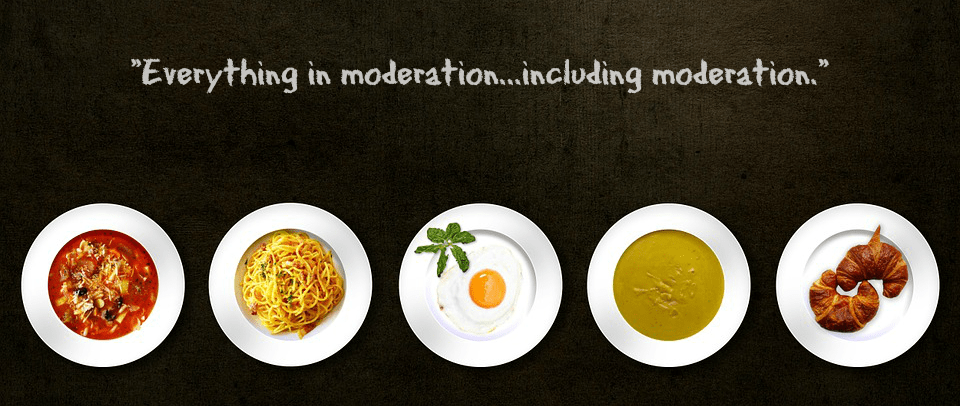
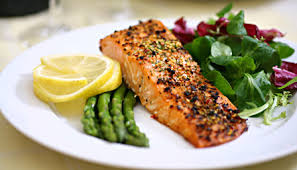
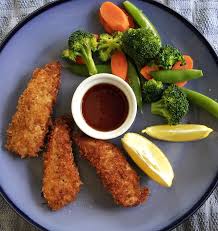
This is my idea of an ideal healthy meal – all in good taste.
And remember, exercise is important for all ages.
Also, while I’m at it:
*Don’t miss listening to “Transforming Health” with hostBrad King for the most evocative and informative up-to-the-minute interviews with leading health professionals – Live every Wednesday @ 12PM-PST/3PM-EST on VoiceAmerica.com – #1 internet radio station in North America. Here’s the link: http://www.voiceamerica.com/show/1686/transforming-health
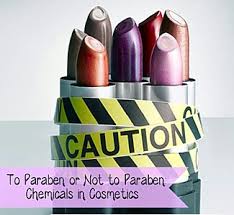
The good news and the bad on what’s keeping your cosmetics.
For the purpose of keeping this post fairly short I will omit the other (mostly unpronounceable) family names like “Imidazolidynyl urea” that are also used to name the various preservatives mentioned. If you need to know, you’ll have to google “what other names does “said” preservative go by,” because the list can be unfortunately extensive.
While many people want to avoid chemical preservatives in beauty and personal-care products, manufacturers use them for two crucial reasons: efficacy and consumer protection. Preservatives aren’t required in all products (e.g., those with no water, such as oil-and wax-based lip balms; hermetically sealed products; and glycolic acid products with low PH). But where they are needed, they extend a product’s shelf life and prevent microbial growth that could lead to infection. Without preservatives, whether natural or chemical, we’d need to keep products in the fridge (where incidentally, I do have a bunch hiding in the butter compartment – but no butter).
Here’s a glossary of some commonly used chemical preservatives, with information on their safety. If you check the ingredients list on cosmetics, this post will help you with the latest info.
Parabens:
Found in moisturizers, hair-care products, makeup and shaving products. They are commonly used as a preservative; effective against a wide range of bacteria, yeast and moulds, thus protecting consumers and extending product shelf life. All commercially used parabens are produced synthetically (although some also occur naturally as preservatives in certain fruit), and are generally used at concentrations of 0.3% or less. They come in multiple names like methylparaben and ethylparaben, etc. What you need to know is that if it ends with paraben then it is paraben. A small scale study in 2004 detected parabens in breast tumours however the study was found to been flawed (?) and there has been no known relationship between exposure to parabens and increased cancer risk. Still, the proverbial horse has left the barn, with many companies opting to go paraben-free. Why take chances?
Phenoxyethanol:
Found in eye makeup, foundation, skin-care products, moisturizers, hair-care products, facial cleansers and sunscreen. It is often used as a carrier or solvent in combination with other chemical preservatives. Many companies that have turned their backs on parabens use phenoxyethanol instead. The cost is low. Health Canada considers it to be safe and does not place restrictions on the levels while Japan’s standards for cosmetics restricts the concentration to one percent.
Formaldehyde Donors:
Found in skin and hair-care products and nail polish. They’re effective against bacteria but weak against yeast and moulds, and are therefore combined with stronger chemical preservatives to assure a long shelf life. Japan’s standards for cosmetics restricts their use due to safety concerns regarding the release of formaldehyde. They’re considered safe by the European Union’s Cosmetic Directive and by Health Canada (interesting) at up to 0.2% concentration. I say you make the decision because regulations are all over the map…literally.
Methylisothiazolinone:
Found in hair products, liquid soaps and some other bath products, some hand creams and sunscreens. This chemical acts as a strong anti-bacterial, but is weak against yeast and moulds.
Triclosan:
Found in anti-bacterial soaps, hand and body washes, mouthwashes, deodorants and toothpastes. A synthetic ingredient used primarily as an antibacterial in personal care products, but can also be used as a preservative to slow the growth of microbes and to prevent spoilage of the product. The Government of Canada confirmed in March 2012 that Triclosan in “significant amounts” may pose a risk to the environment. The scientific data is currently being reviewed by the CCTFA (The Canadian Cosmetic, Toiletry and Fragrance Association.
Other preservatives including natural ones:
You might also see ingredients like glyceryl caprylate, caprylate glycols and ethoxydiglycol. They may be naturally derived or synthetic. They have limited efficacy on their own, but they might boost the efficacy of other preservatives.
Natural preservatives (e.g., turmeric and rosemary) may have some drawbacks, such as strong odour and colour, or, like orange-seed extract, have low efficacy.
Another group is the acidic preservatives such as benzoic acid and sorbic acid. These two molecules are found in nature. The weak preservative properties of these two acids are improved whenever the PH of the product is low, but there is a drawback: the lower the PH, the higher the potential for irritation to skin.
This in part was taken from an article written by Ann Chandler for “Look Great.”
I’d like to share some kitchen ingredients that can work wonders for various skin issues in another upcoming post. You’ll be surprised at what manuka honey, oatmeal, coconut oil and turmeric (all good for you to ingest) can do to combat skin problems from acne to hyperpigmentation.
Back to regular beauty product reviews next Thursday.
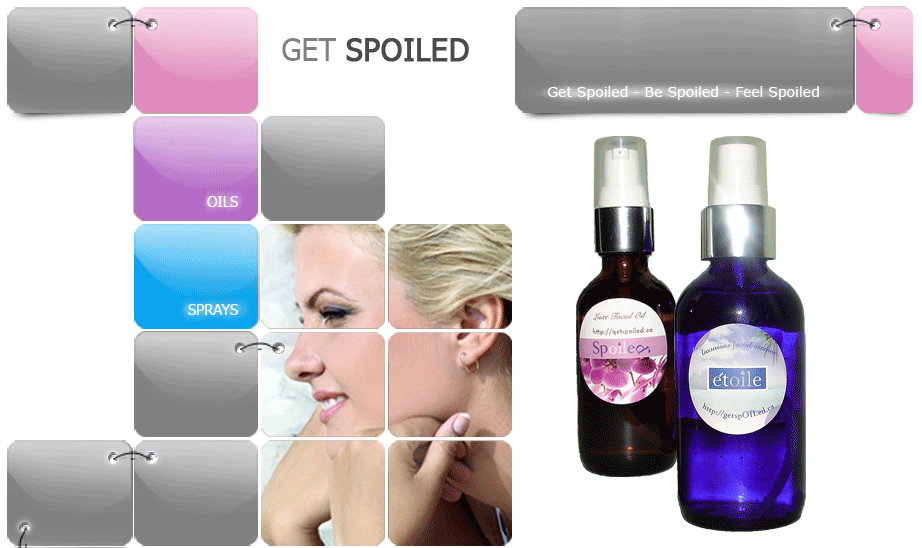
You can try http://getspoilednow.com for 100% natural face products that not only do wonders for your skin but smell good too.
Is there a natural personal care product that you recommend?
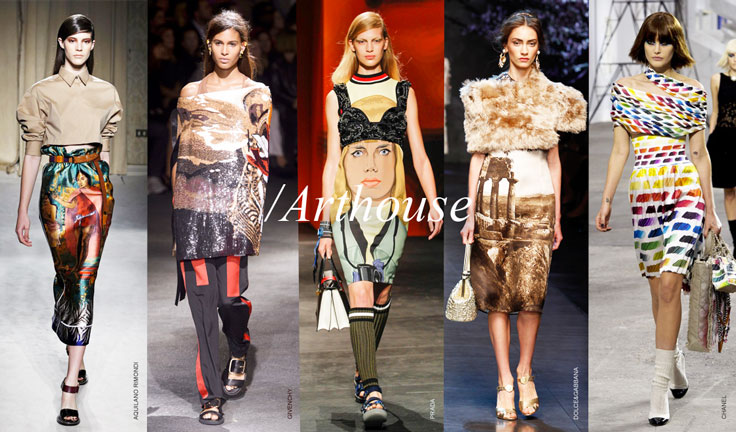
Crossing the line between fashion and art becomes more blurred when we look to the current examples of how fashion is presented, evident on the Spring/Summer 2014 runways.
There are moments when designers become artists, artists become designers, or both entities becomes something different entirely.
The key differences: fashion is, by its nature, a fleeting thing. You’re in fashion one moment, and out of fashion the next. A good work of art should stand the test of time, not the test of taste. Art and fashion do sometimes fuse, with mixed degrees of success.
The genre of fine arts and fashion design bare the affect of trend and social temperature, but their changing relationship to one another is also reflective of society as a whole. Perhaps some collaborations are more successful than others, but what is primarily important is the dabbling, the mixing, and fantastic results that come from the imaginativeplay of the creations. Furthermore, designers are always pressured to come up with something fresh for all the different seasons. I think there might be five seasons now, if you consider RESORT as one.
You can decide from the images shown on this page what and how you would integrate this look into your wardrobe. Let’s have some FUN!
Are you an Artful Dresser?
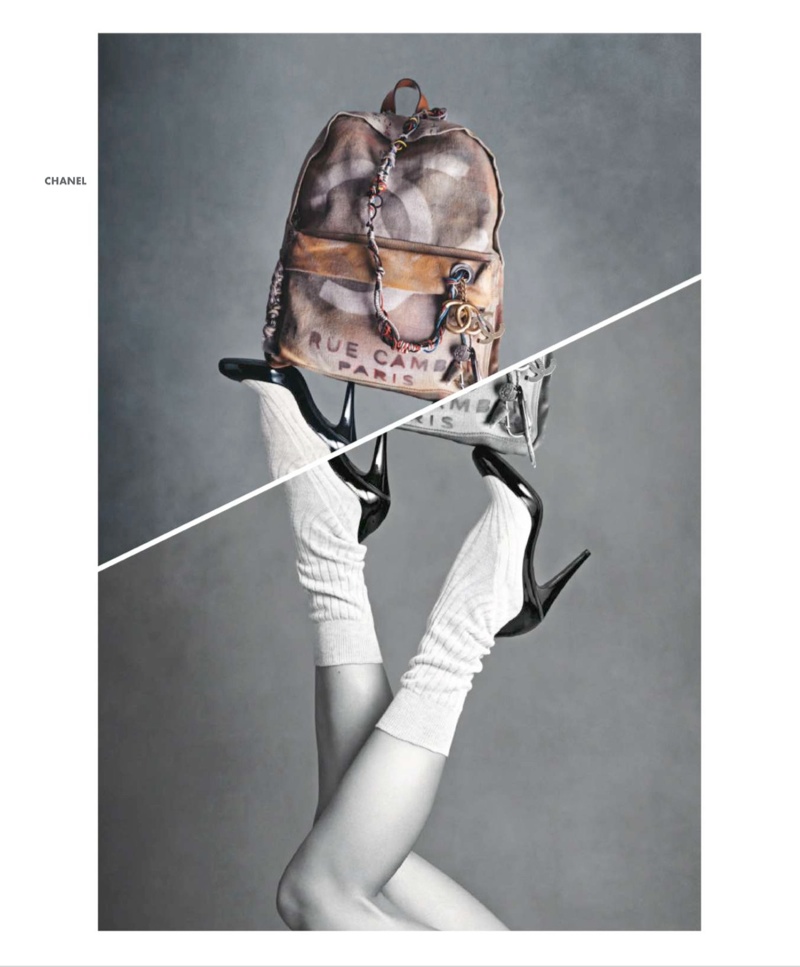
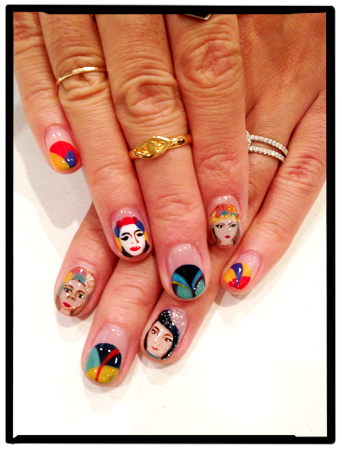
I love this Chanel purse that has the address of the Paris design house.the ARTful nail – as seen in Allure Magazine. Who has the time?
These are a healthier alternativeto the chicken fingers that are served in restaurants and they taste great. These are good the next day, too & make a tasty snack or appie.
Ingredients:
1/2 tsp (2 mL) Dijon mustard 2 egg whites 2 cups (500 mL) panko (Japanese-style bread crumbs) 1/2 tsp (2 mL) paprika 1/2 tsp (2 mL) dried parsley 1 tsp (5 mL) lemon zest Pinch each salt and pepper 2 chicken breasts (650 g total), cut into 16 1-in.-thick strips
Preheat oven to 400°F. Spray a baking sheet with non-stick cooking spray. In a bowl, whisk Dijon mustard with egg whites. In a second bowl, mix together bread crumbs, paprika, parsley, lemon zest, salt and pepper. Dip chicken in egg whites and then bread mixture, and place on baking sheet. Repeat till all strips are coated. Bake for 12 to 15 minutes until cooked through.
Makes 16 chicken fingers. Each: 100 calories, 12 g protein, 1 g fat (0 g saturated fat), 10 g carbohydrates, 1 g fibre, 24 mg cholesterol, 142 sodium.
Spicy Peanut Dipping Sauce
Ingredients:
2 Tbsp (30 mL) smooth peanut butter
¼ cup (60 mL) hot water
1Tbsp (15 mL) lime juice
1 Tbsp (15 mL) low sodium soy sauce
1 tsp. (5mL) Tabasco
Pinch each ground ginger, cumin, salt and pepper
Having a couple of extra dipping sauces on hand like sweet chili & honey mustard will give guests a variety to choose from and are a nice accompaniment to the fingers.
The link below is ateaser/promo to an upcomingnew Web series called “THE GAB” that I’m thrilled to be a part of. Each webisode will take a multi-cultural look at what some remarkable entrepreneurs with a world beat are up to right here in Vancouver. It’s “feel-good” from the inside out!
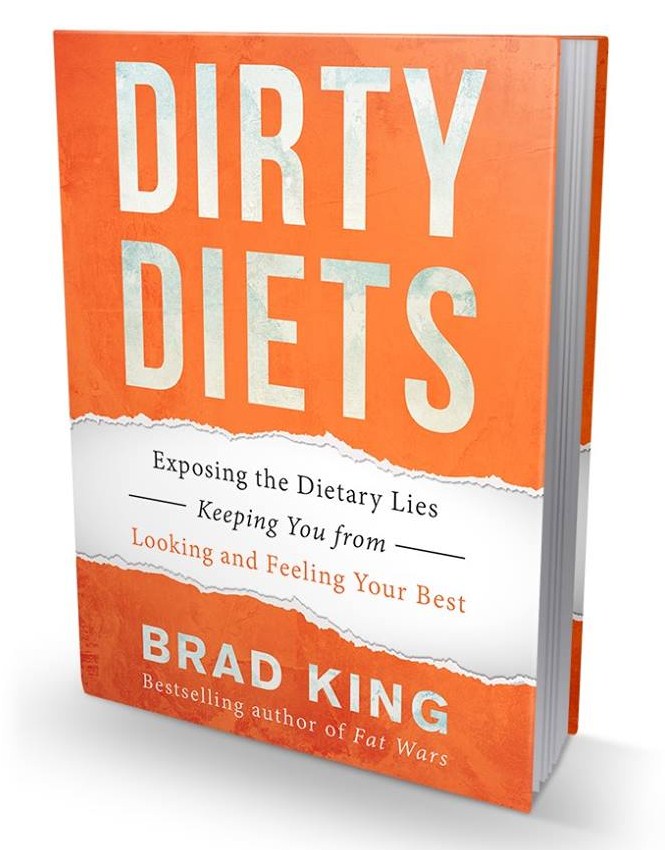
Do you know anyone who is not trying to shed a few pounds? This new book by Brad King explores why 99.5% of diets actually make you fatter!
What if all those calorie-sparse meals and lite foods you’ve embraced to tackle your weight loss needs are actually responsible for making you fat?
Dirty Diets takes you inside the world of processed foods and the diet industry to expose the secrets they do not want you to know. This book will help you finally understand—in spite of the low-fat, lite-food lies—how we got fat to begin with and why we can’t seem to lose the weight no matter how hard we try. Dirty Diets shows you exactly what you need to do to finally lose your excess body fat so you’ll look, feel, and perform the way you’ve always dreamed.
For those who aren’t as clued in as me. Ha…as I take a bite of my healthy snack: a dairy + gluten-free chocolate dipped macaroon from the bakery around the corner. They’re so tiny – just popped five into my mouth while I’m typing this. Uh oh…I just checked the label on the back…..first ingredient is sugar (although 100% cane but even so) and it contains hydrogenated palm kernel oil and each little cookie is 70 calories. I just consumed 350 calories in 30 seconds! I think we all need to read this book!
A look inside:
How and why the diet industry continually deceives us
How “diet” and “lite” foods encourage your body to store fat
How your self image is killing your chances of becoming lean
How environmental factors make and keep you fat
How you can stimulate fat releasing hormones 24/7
How to stop insatiable cravings once and for all
How the wrong type of exercise can make you fat
How sleep can boost your metabolism
How you can eat delicious, healthy food at home or at restaurants and not derail your progress
And so much more..
Author:
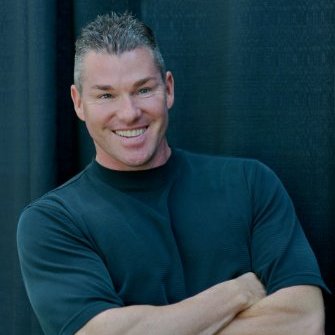
Brad King
Brad King is a nutritional researcher and the author of 11 books including the international best sellers Fat Wars, Bio-Age and the award winning Beer Belly Blues. His depth of knowledge and sense of humour make him a popular interview and he has been featured on thousands of television programs.
**Don’t miss listening to “Transforming Health” with host Brad King for the most evocative and informative up-to-the-minute interviews with leading health professionals – Live every Wednesday @ 12PM-PST/3PM-EST onVoiceAmerica.com – #1 internet radio station in North America. Here’s the link: http://www.voiceamerica.com/show/1686/transforming-health
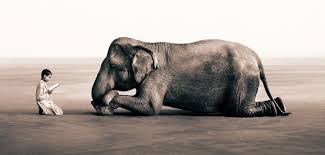
Hillary Clinton and Prince William champion elephants. The National Institute of Health releases its research chimps. New York City plans an end to its carriage horses. Shark fins are banned again and again. Will there be an end to animal cruelty? I try to remain optimistic.
Animals are deserving of our respect and compassion. For those of us fortunate enough to spend significant time around animals, we know that our relationships with animals improve us as people. If you stop to consider the positive results they produce in our overall well-being, it seems surprising that every household doesn’t own one. Animals are a part of nature that is too often overlooked despite the extensive benefits they provide for us. Have you ever noticed that when you pet your dog or cat you feel more relaxed? The simple act of petting an animal creates a mutual physiological response in both the person and the animal, lowering the levels, blood pressure, and heart rate of both. They’re amazing creatures.
Evidence now shows that some therapy dogs become so acutely attuned to people around them that they can even sense when a person is about to have a heart attack, before it actually occurs. One experienced service dog trainer explained to me that Schnauzers are known to detect the specific spot in the body where a person has cancer (McLaughlin Online). Companion animals have been used to achieve dramatic results in treating a wide range of physical and psychological conditions including: cancer, AIDS, ADHD, heart problems, and autism; as well as less severe conditions such as: high blood pressure, high cholesterol, hypertension, loneliness, insomnia, and headaches. That’s pretty amazing.
The below was taken from the Huffington Post – on the “Importance of Appreciating Animals”
Animals help us be better humans. Quite often, they show us how to be our best selves. Always in the moment, sticking their noses into everything (literally), they see a world that we take for granted, one we’re usually just hurriedly passing through on our way to lives we never quite reach.
The role of animals, and especially dogs, as roving ambassadors of goodwill can be seen most clearly in their role as therapy dogs. After the tragic massacre in Newtown, Conn., in December 2012, therapy dogs from all over the country were brought in to help the community, and especially the children of Sandy Hook Elementary School. Six months later Newtown held a “Day of Thanks” to show its gratitude. The gathering was attended by 50 dogs (and many more owners and residents). One parent explained that her daughter had had a rough time after the shooting. “But when she talked about the dogs that she saw every day at school, she lit up.”
We’re talking about a movement with compassion at its core. The Dodo would not be launching if not for Izzie Lerer, its co-founder and editor-at-large. Izzie is wrapping up her doctoral studies in philosophy at Columbia, where her research focuses on animal/human relationships. Her passionate and intelligent vision of this important subject is nothing short of wanting to change the world in the way animals are treated.
Sure, there will be cute videos on The Dodo, but we’ll focus on images you won’t feel conflicted about watching — as Izzie puts it, “we’ll celebrate animals, and not just laugh at them.” We plan to explore our fierce and fraught bond with animals broadly and enthusiastically, from animal testing to the ethical eating movement. Most people are still figuring out where they stand on a lot of these issues; one of my favorite voices belongs to Bob Comis, a pig farmer in upstate New York, who openly grapples with the ethics of what he does, once writing: “What I do is wrong, in spite of its acceptance by nearly 95% of the American population. I know it in my bones, even if I cannot yet act on it.” We’re not saying we have all the answers, by the way. But we’re committed to searching for them.
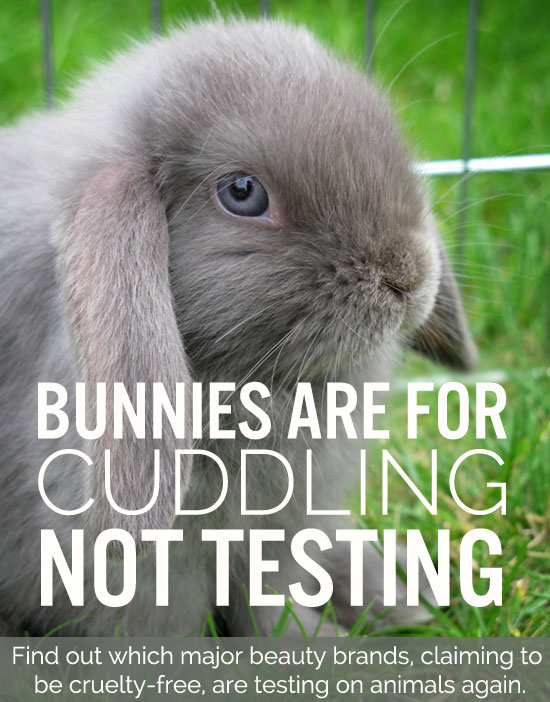
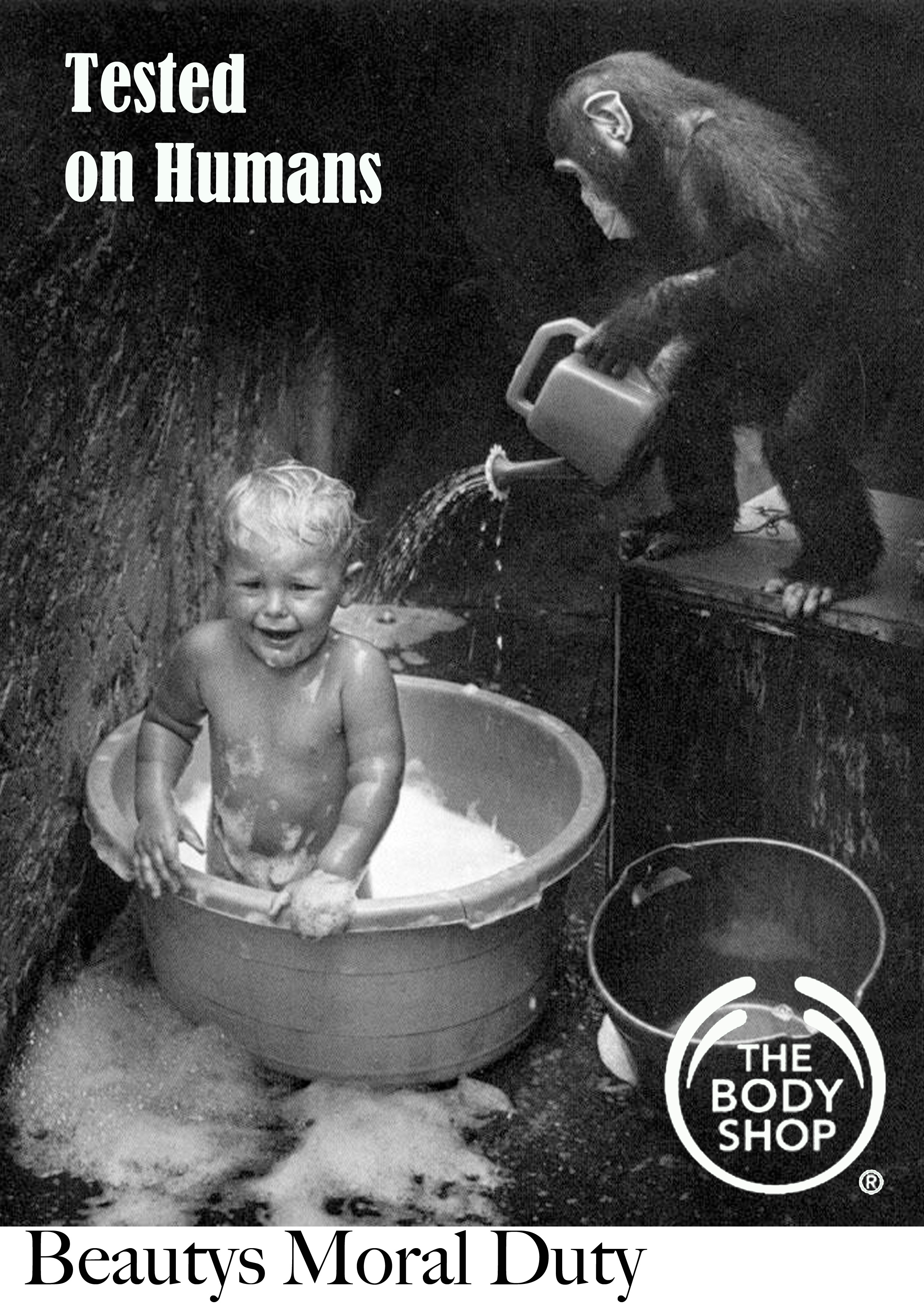
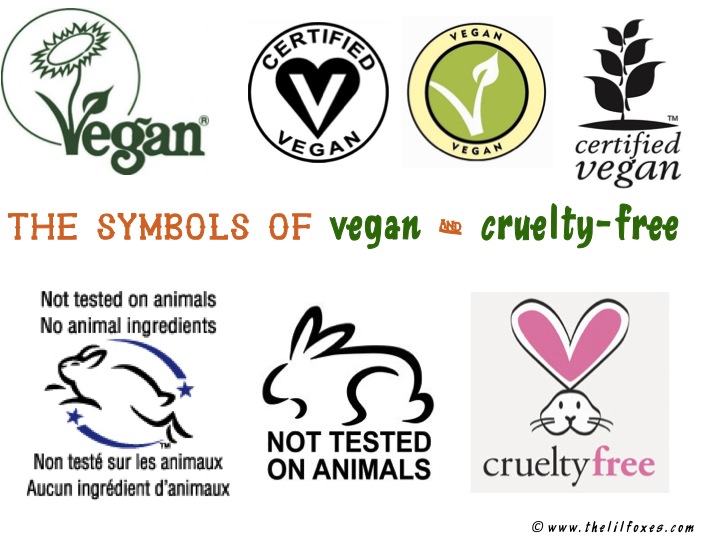
No matter how effective a product is and no matter how many people swear by it, I’ve got to tell you that I won’t put anything on my face or body that has been tested on animals – even if they’re rats. No exceptions here……..unless I didn’t know about it beforehand.
I was about to do a product review on a very well known product (they claim to sell this item every 20 minutes) by a very well known French company that’s been around for eons whose products claim to be all “plant” based. I decided to do a bit more research on it and found out to my surprise and shock that this particular product has indeed been tested on animals. What’s upsetting is that I’ve been using it and like it. To be fair, I read that it was animal tested on someone else’s beauty blog so just to be sure I contacted the company.
I just received an e-mail from them claiming that they no longer provide detailed product lists on animal testing and sincerely apologize for any inconvenience. I’m confused.
So let me ask….if you’re a vegetarian and you’ve been eating a brand of veggie burgers that you loved and then found out that there was actual meat in the burger how would you react?
It goes on….”we do not conduct animal testing on our finished products or ingredients except in exceptional cases, when required locally by law. What law…..where??
The company’s commitment to the protection of animals is also the reason why testing on animals no longer takes place (was that before or after I bought this product?). The company supports the development and global acceptance of non-animal testing alternatives. Product safety control is carried out on cell culture in accordance with substitute in vitro methods that are internationally acknowledged and approved by experts.
Still confused, but to be on the safe side I won’t review this particular product because I’m still not sure if it is (or has been previously) tested on animals. But you would be astounded to find out which of the companies are still testing.
So I guess this post is about awareness of what you put on your skin. Which leaves me to want to research what goes in to “keeping” your cosmetics…because many people want to avoid chemical preservatives in beauty and personal care products. I’ll reserve this for my next beauty post.

Getting older may not always be fun but it’s a part of life and you should make the most of whatever age you happen to be right now. Mistakes made in your 20’s can affect you later on but with a healthy lifestyle of exercise and eating correctly you can turn it around to become the BEST YOU possible – isn’t that what we all strive for?



















You must be logged in to post a comment.