ART/Culture – a day at the MUSEUM

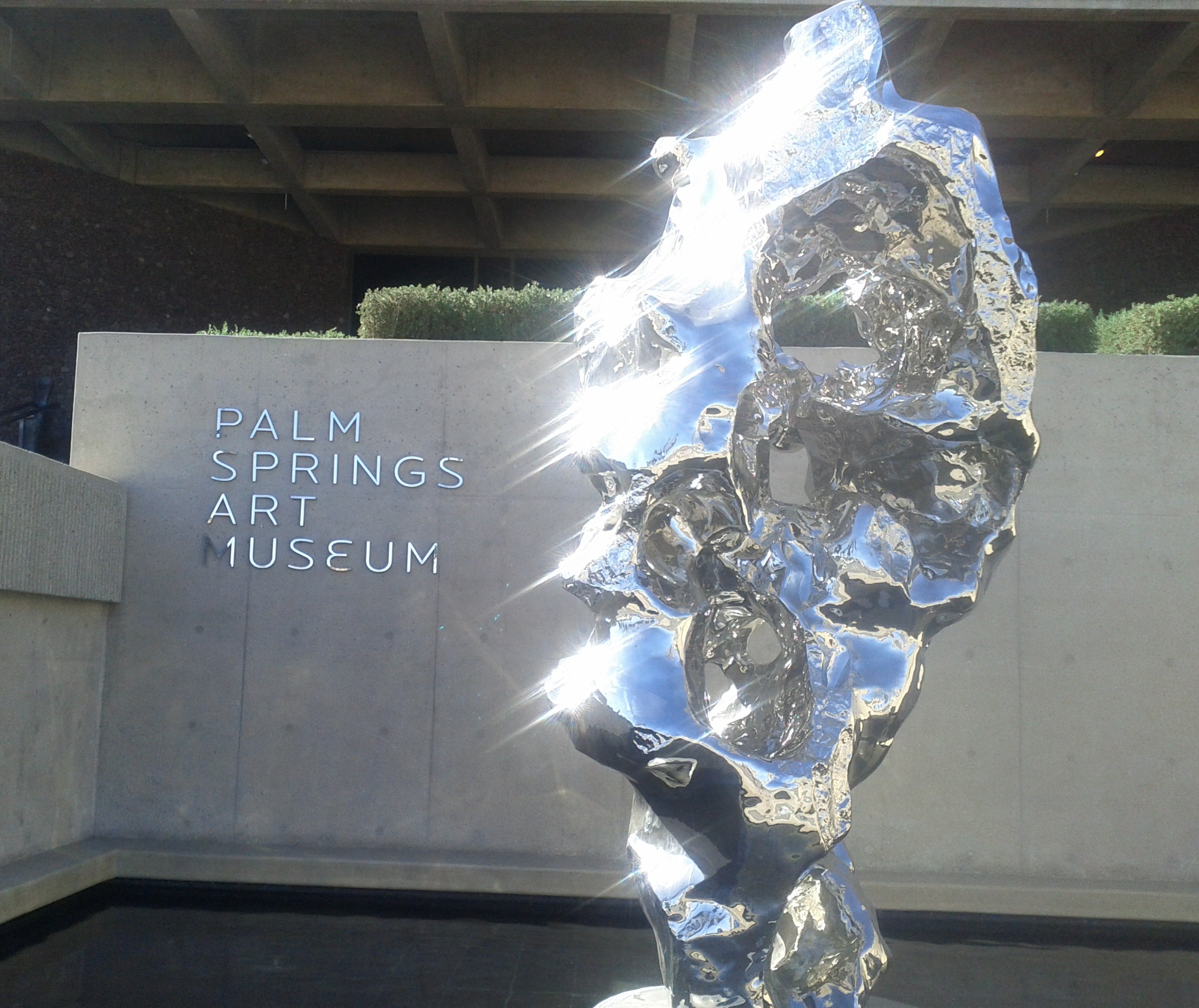
 THE PALM Springs ART MUSEUMmuseum1

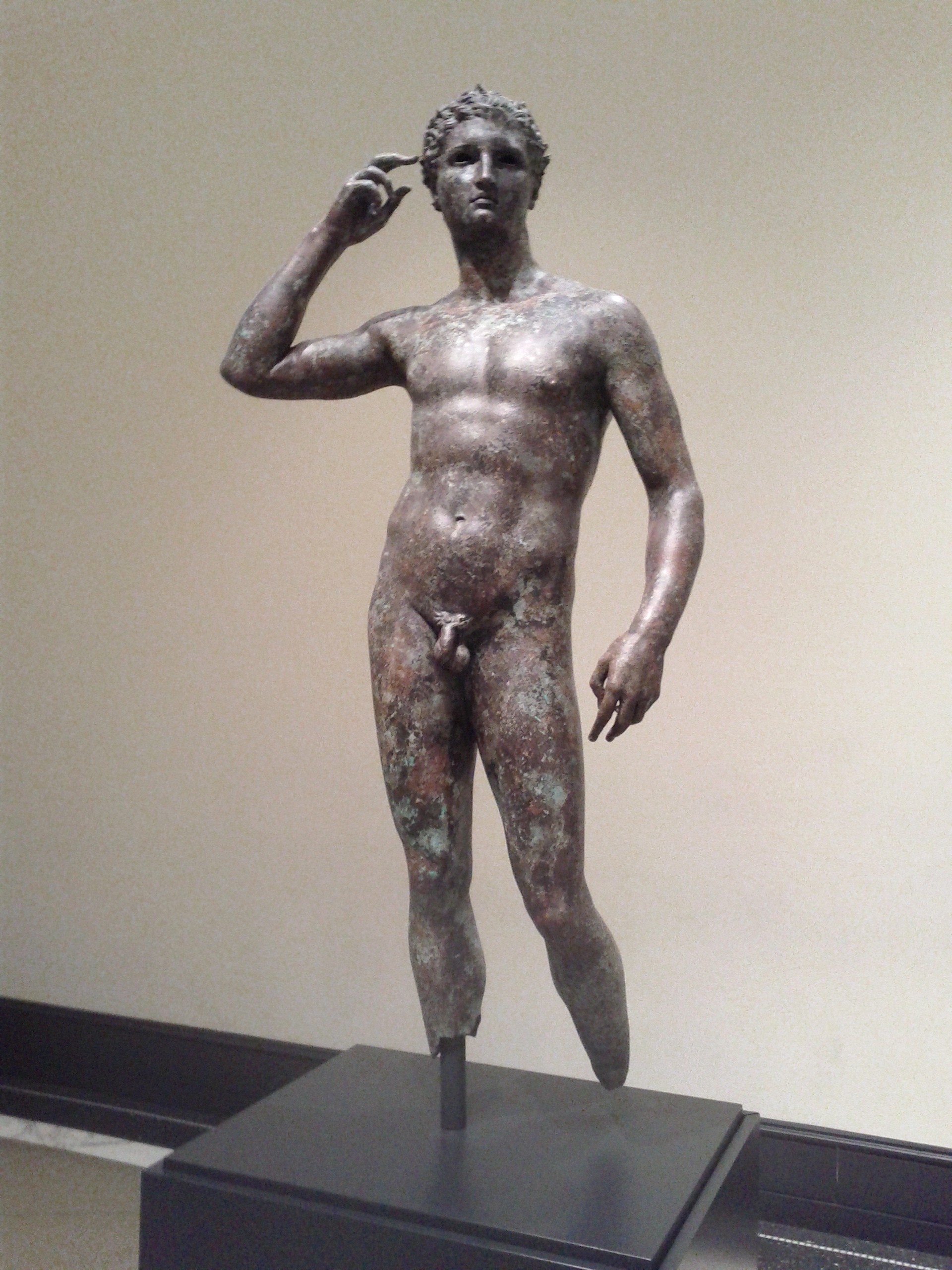
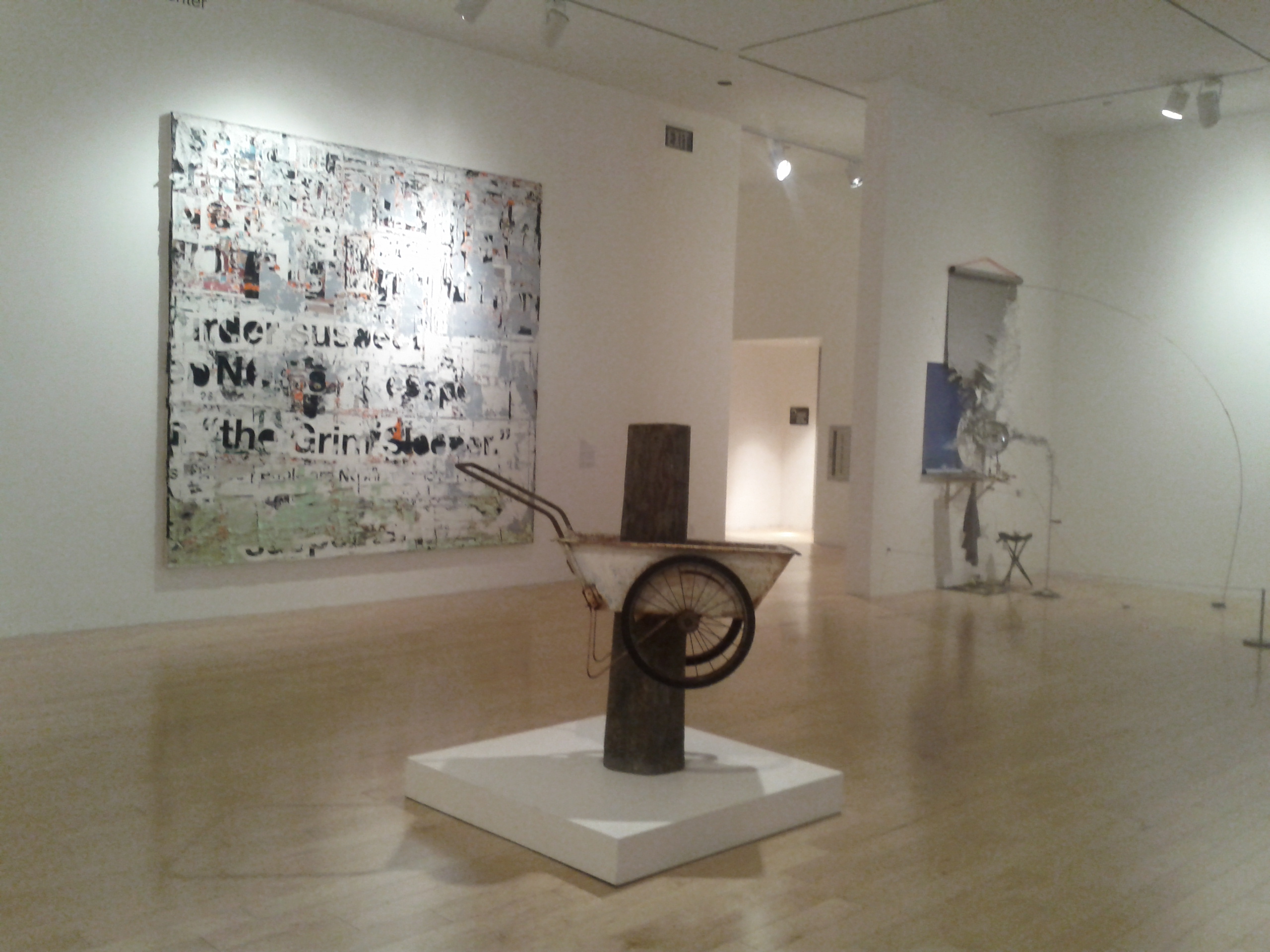
It’s always nice to visit the art galleries and museums in any city you happen to be visiting.  I really enjoyed the Palm Springs Art Museum, established in 1938.  The displays are culturally diverse, interesting, ethereal and thought provoking.  A feast for the eyes.

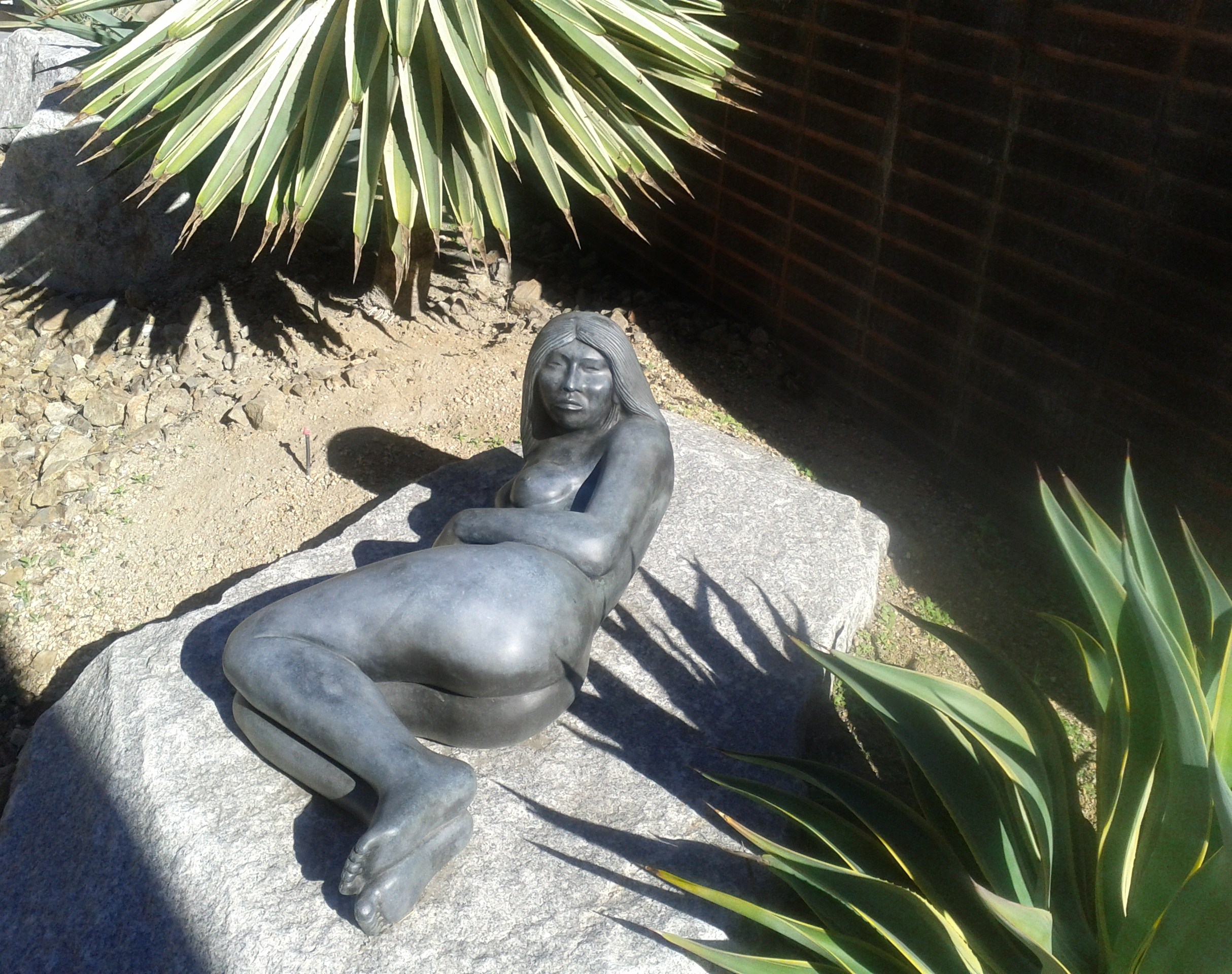
In the sculpture garden

What began as a museum about the desert has evolved into an oasis for the arts, focusing on international Modern and Contemporary painting and sculpture by artists such as Henry Moore, Barbara Hepworth, Robert Motherwell, Helen Frankenthaler, Duane Hanson, John Chamberlin, Anselm Keifer, and Anthony Gormley.

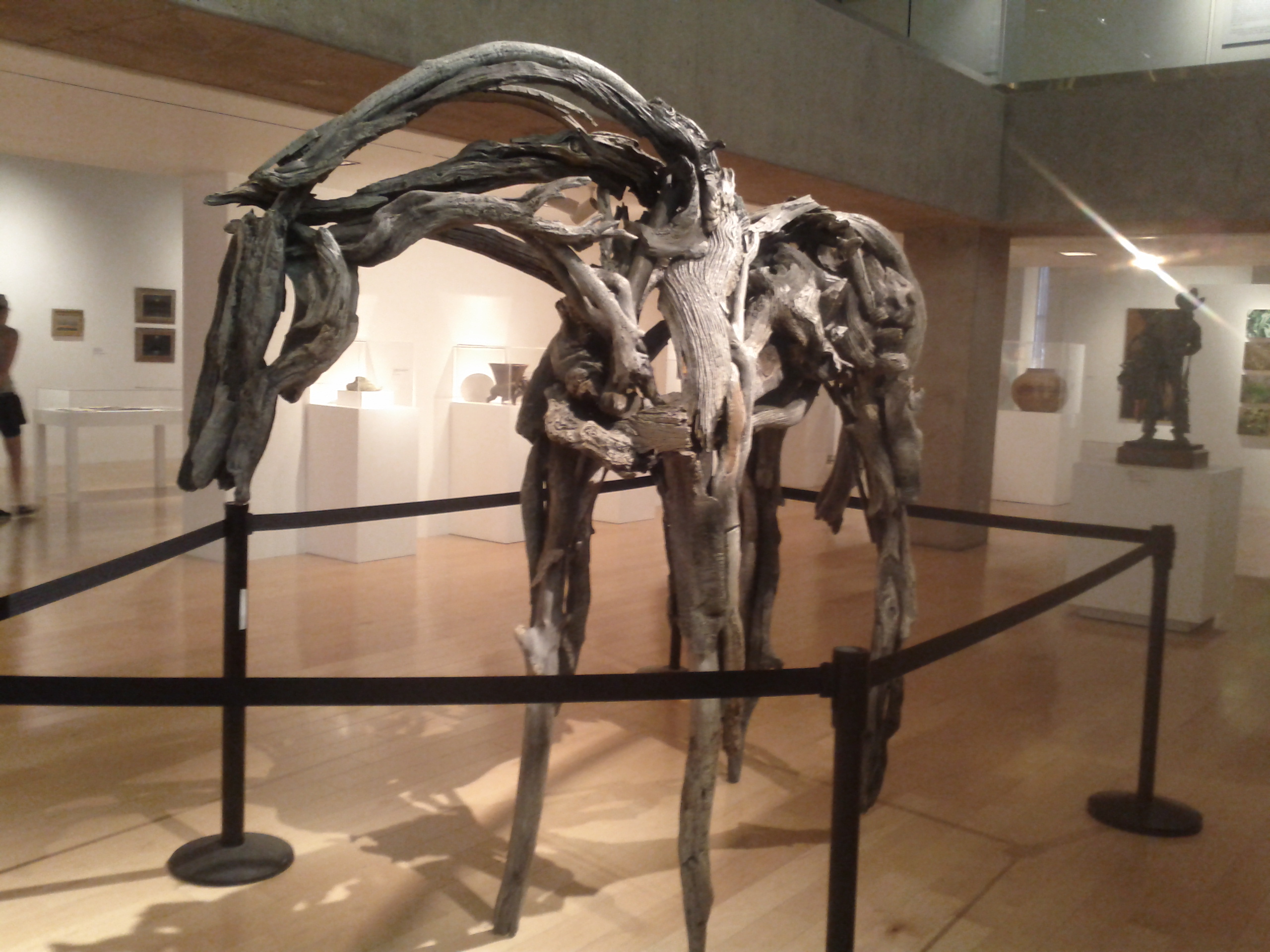
wood horse
wood horse

It includes works by historically significant west coast artists Sam Francis, Robert Arneson, Nathan Oliveira, Mark di Suvero, and Edward Ruscha, among others, as well as contemporary Native American artis

nnnnnnnnnnnnn

mmmmmmmmmm
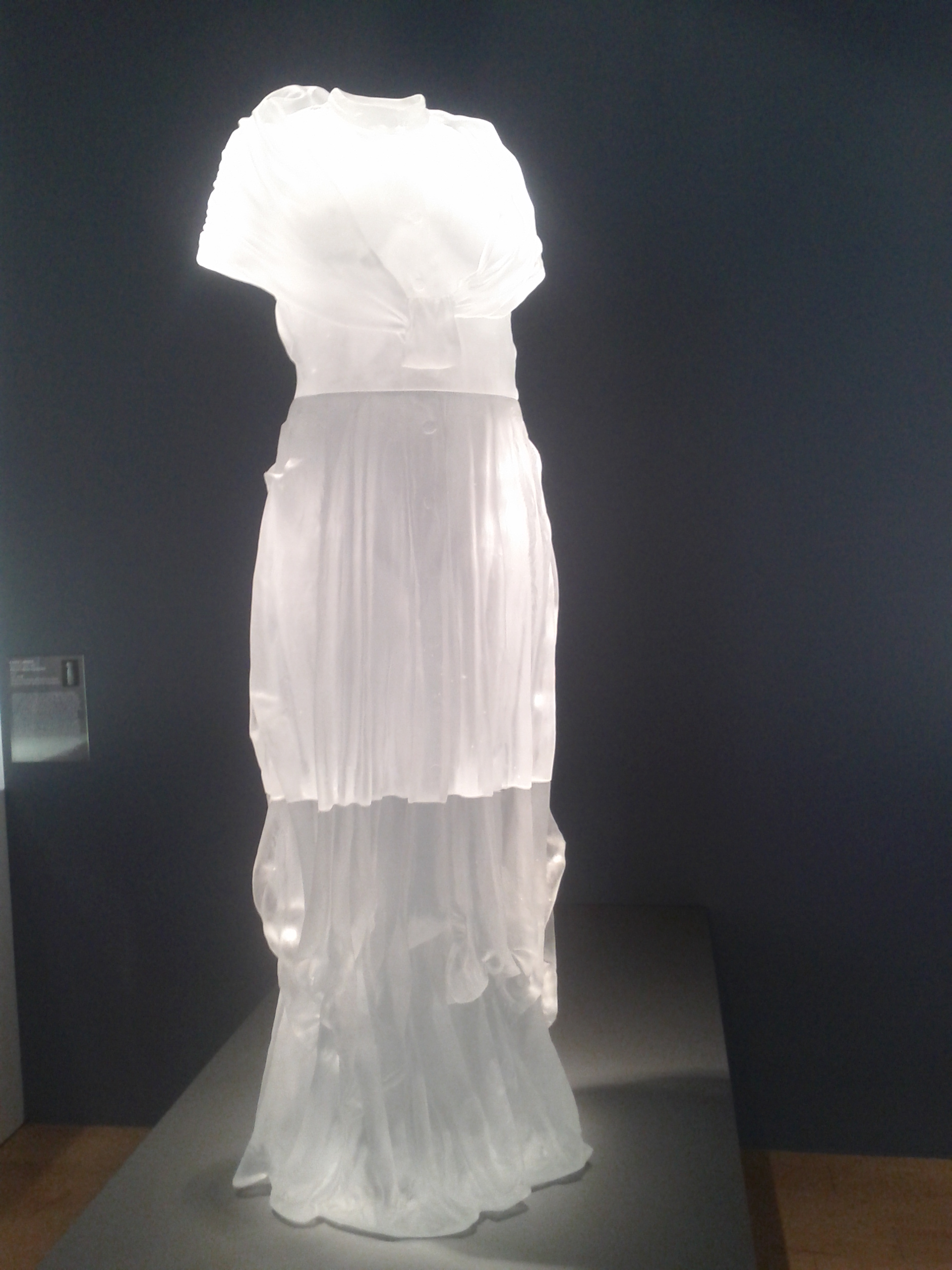
Karen LaMonte – Pianist’s Dress Impression

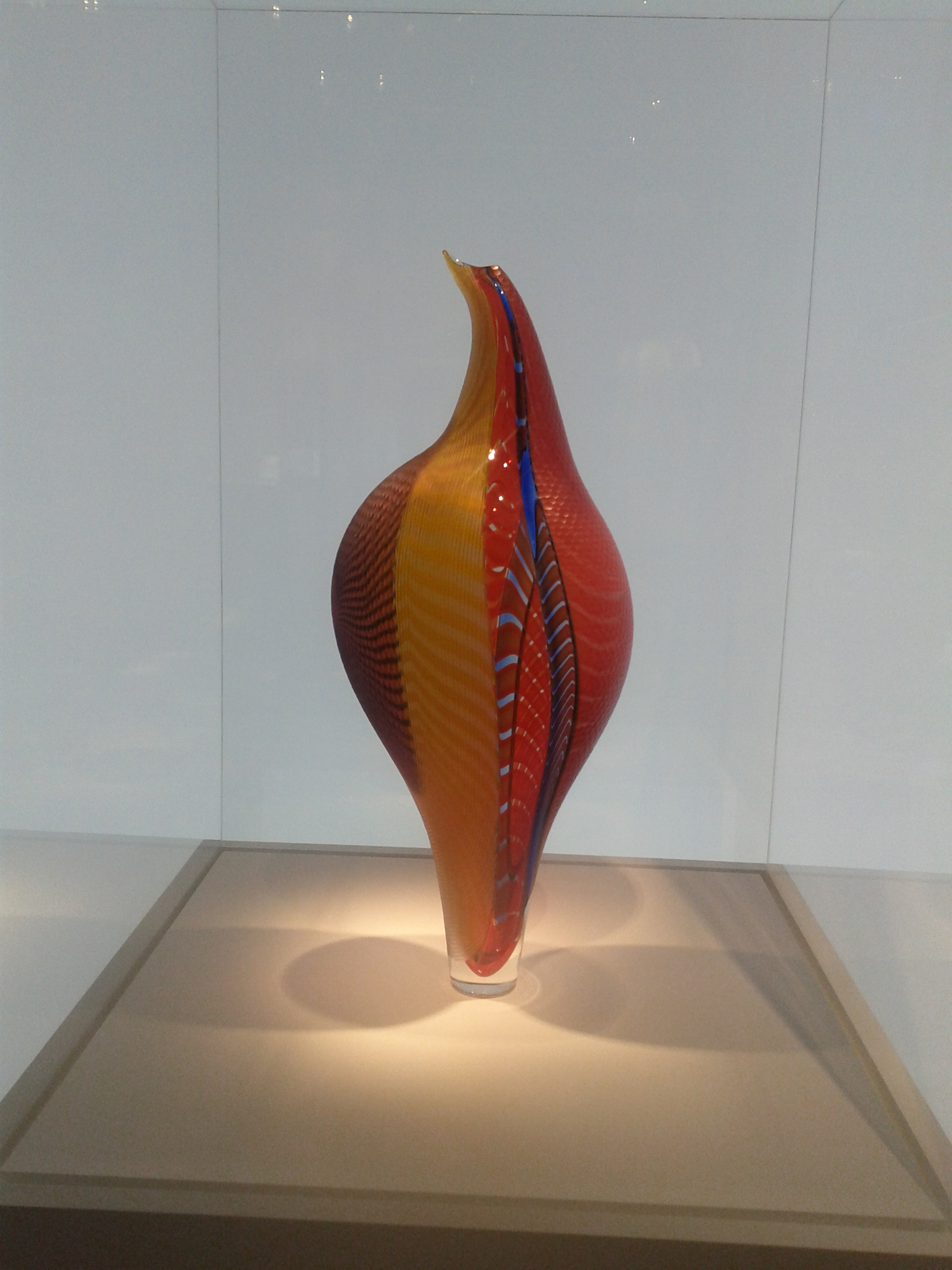
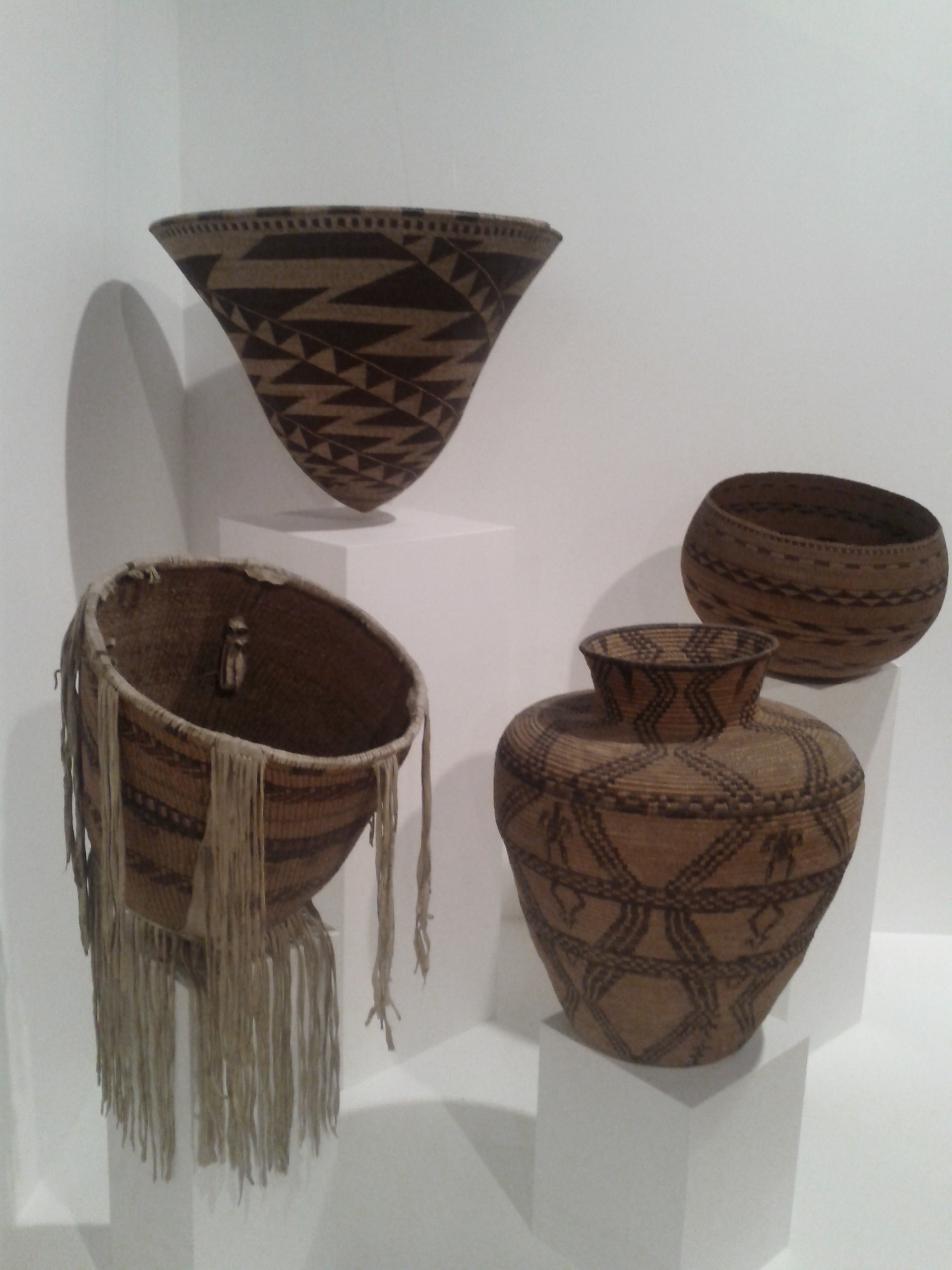
Additional areas of focus include Contemporary and Studio Art Glass by Dale Chihuly, Karen LaMonte, Howard Ben Tré, Lynda Benglis, and William Morris; Classic Western American Art by Thomas Moran, Charles Russell, Frederic Remington, Walter Ufer, and Agnes Pelton; Native American baskets; Mesoamerican artifacts; and Photography with special attention to natural, built, social, and leisure environments.

mmmmmmm
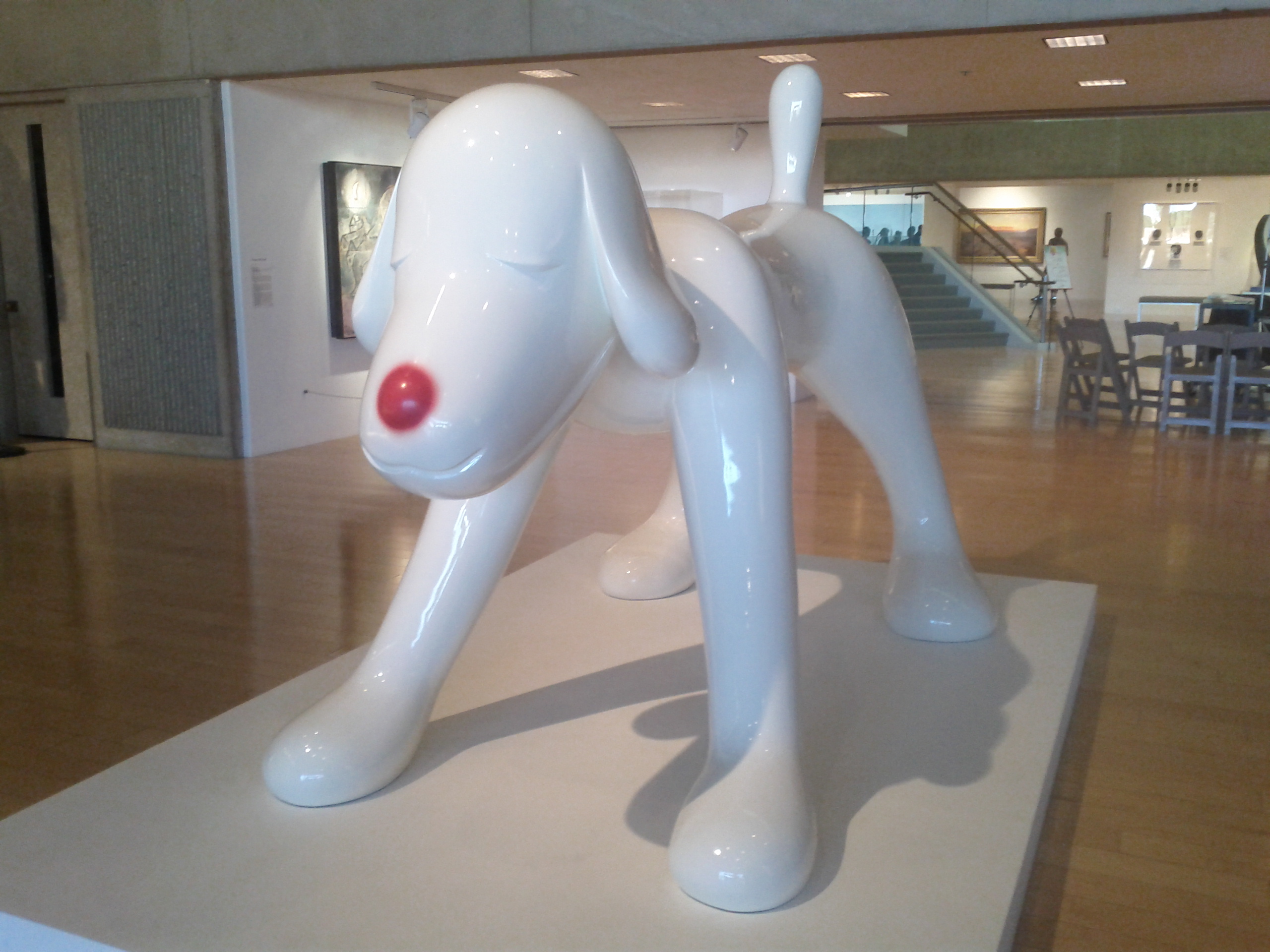
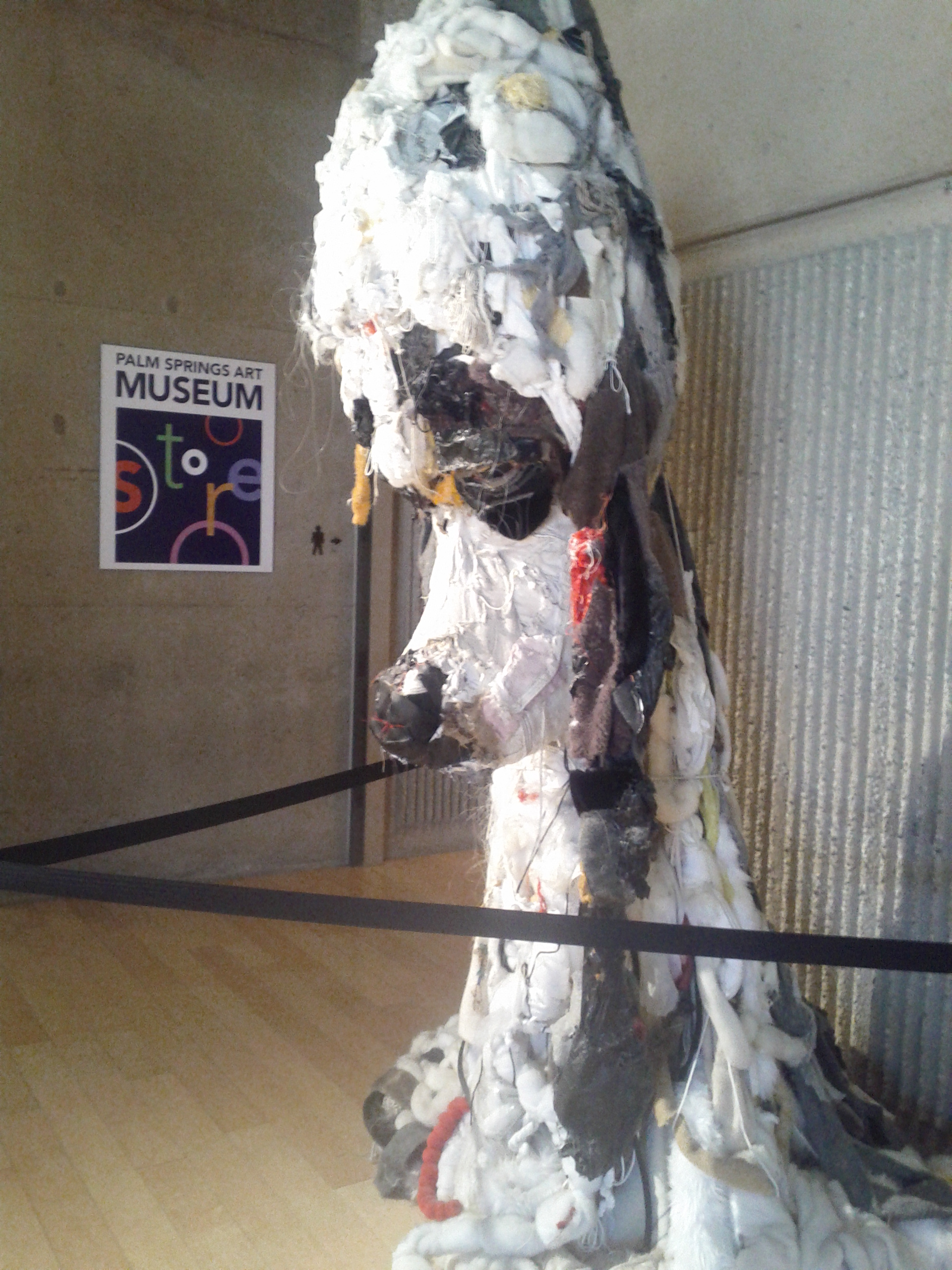
Yoshitoma Nara, “your dog” – fibreglass

bbbbbb

nnnnnnn
Warhol (brillo) & Lichtenstein
nnnnnnnn
Navajo – natural handspun wool & synthetic dyes
nnnnnn
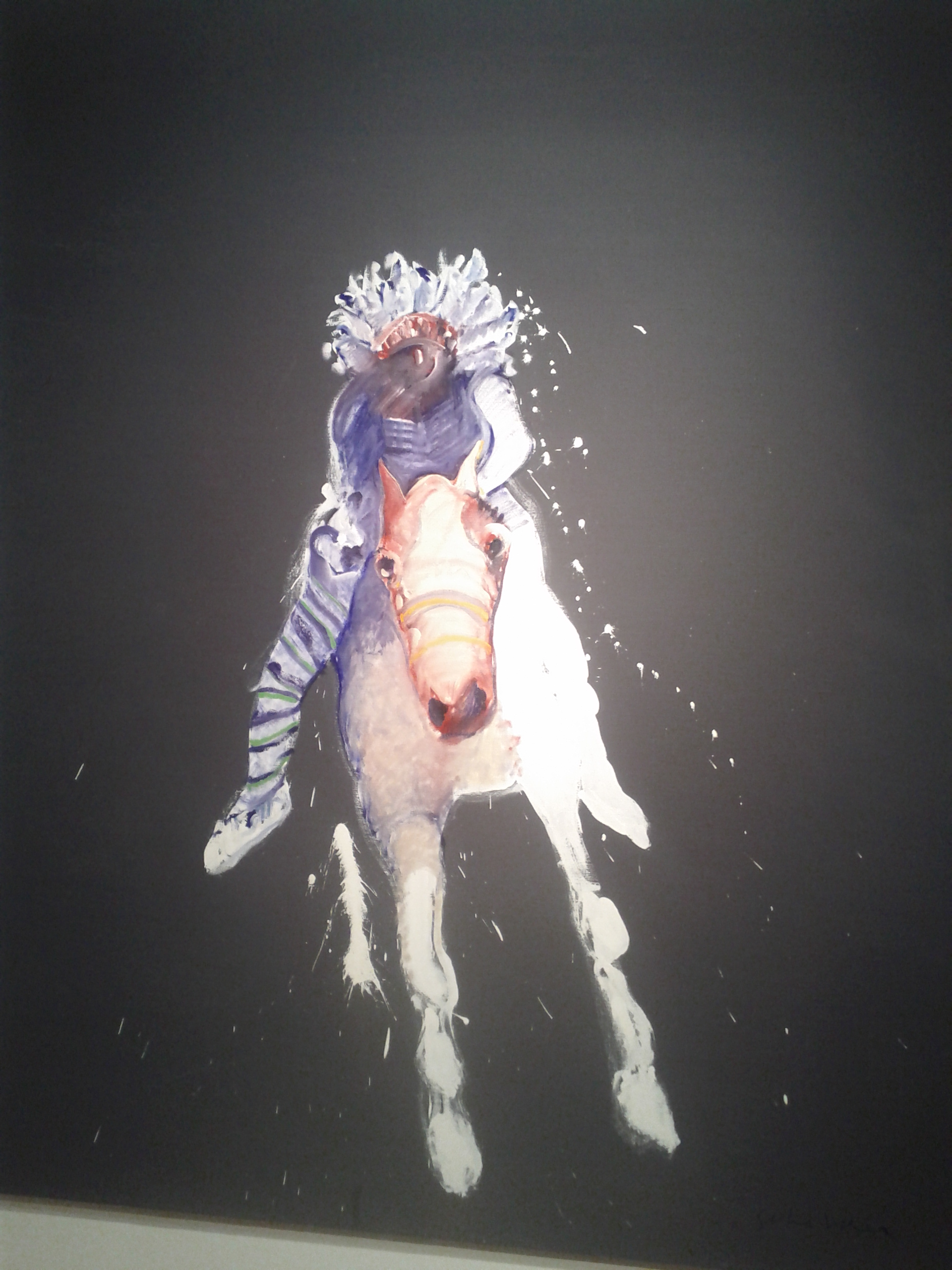
Fritz Scholder – galloping indian on horse, acrylic on canvas
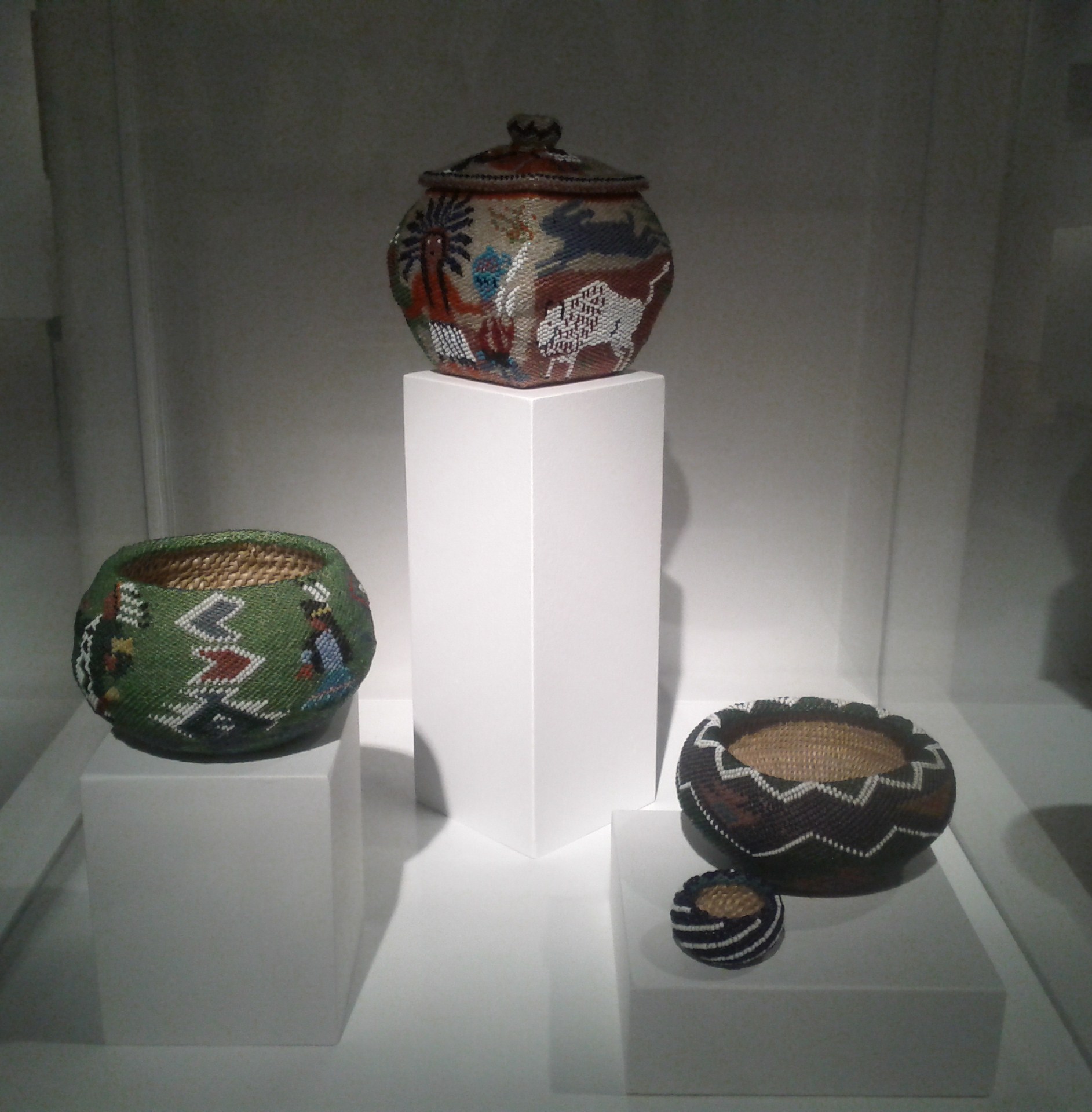
Paiute willow & glass beaded baskets

museum21

nnnnnnnn
Vladimira Klumpar, Sea Subject cast glass
nnnnnnnnn
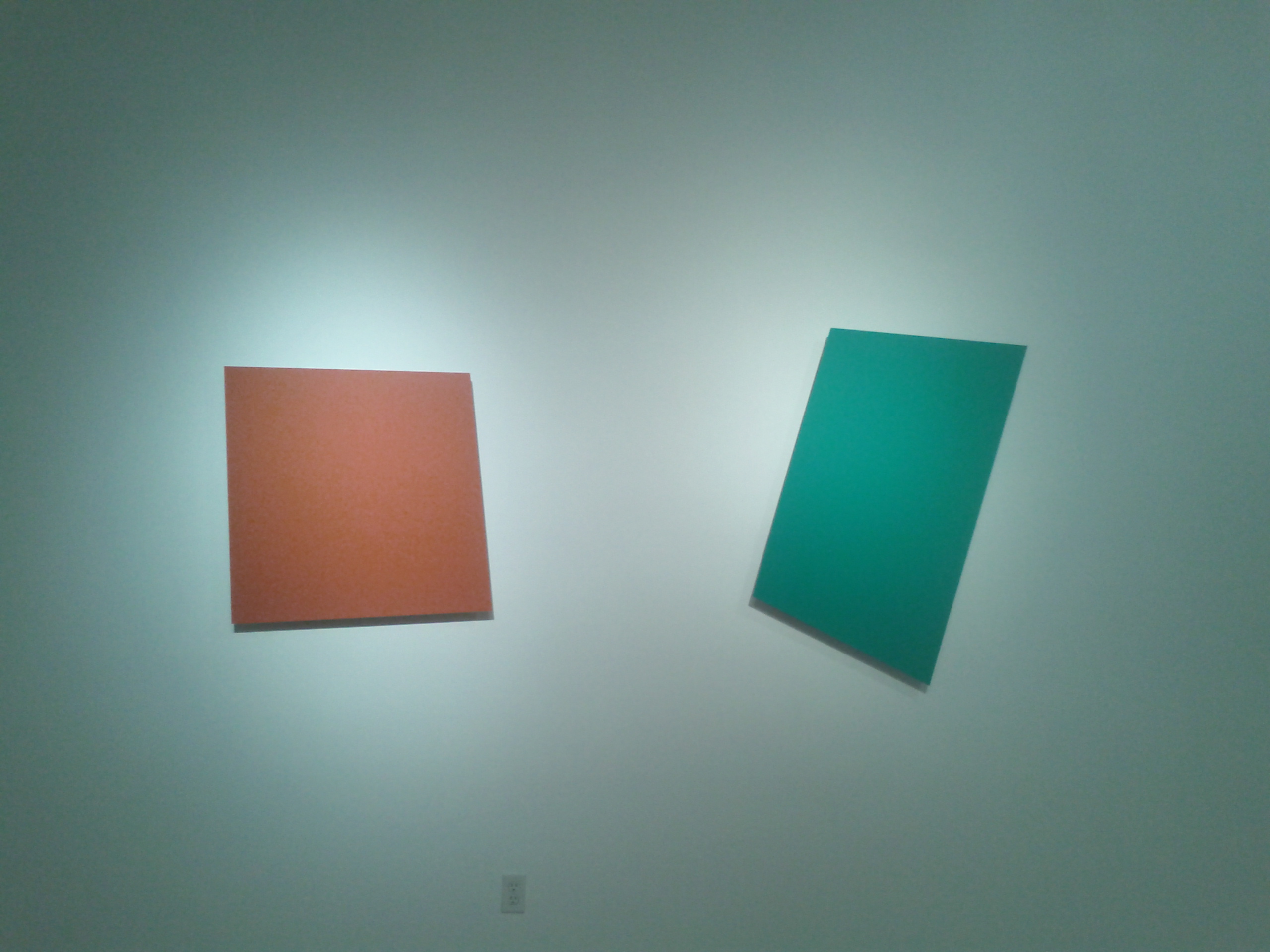
Ellsworth Kelly
Robb Putman - fabric, leather, plastic, cotton, mixed media
Robb Putman – fabric, leather, plastic, cotton, mixed media

museum19museum22museum29

I’m really glad that they allow you to take photos – no flash.

Photos: d. king

Do you have a favourite museum?


Art/Fashion – Reyle Love

Fashion and Art have always been inextricably intertwined.  dior4Think Yves Saint Laurent’s 1965 Mondrian Dress or the designs Elsa Schiaparelli conjured in the 1930’s from sketches and photos by Salvador Dali.

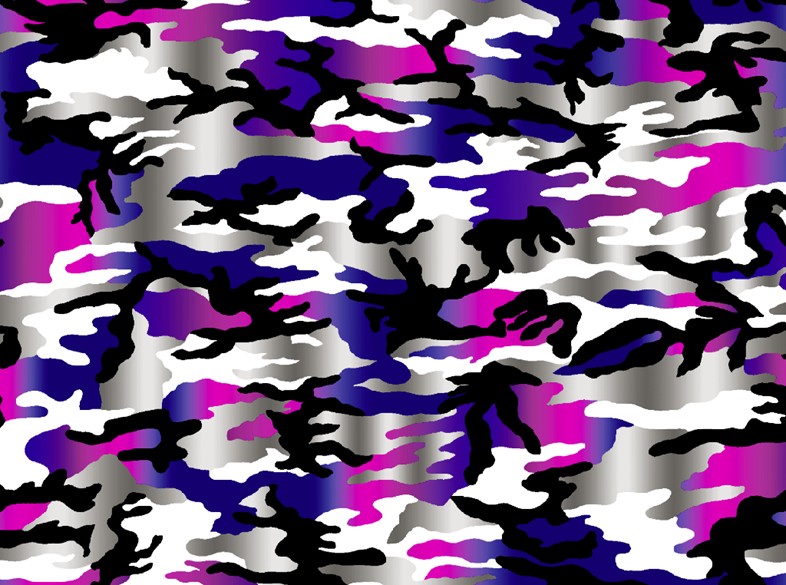
Looking back to Berlin-based Anselme Reyle’s limited edition collaboration for Christian Dior’s most fabulous accessories.dior5Known for his large scale abstract paintings and found object sculptures, Reyle delved deep into the label’s DNA, pinpointing such iconic pieces as the Lady Dior bag and infusing them with boldly toned twists or camouflage prints and just a splash of top-stitching on an ankle-strap wedge.dior5 (2)

Reyle shot to fame in late 2007, when his stripe paintings sold for six figure sums, even as works by Andy Warhol and Damien Hirst remained unsold. Earlier that year, the artist’s profile received a boost when a purple foil-in-Plexiglas box sold for $192,000 at auction in London.dior3

Reyle, whose works are characterized by bold brushwork, neon paint, 80s kitsch and silver foil,  has also showcased his work at the ARKEN Museum of Modern Art in Copenhagen, the Gagosian in New York, Tate Modern in London and also showcased his abstract work in Mumbai.

Art, Fashion – bring it on!

Travel/ART scene – Ashland, Oregon 

A FESTIVAL for all SEASONS and all REASONS 

the town
my kind of town

Of all the times I’ve driven through Oregon, not once until now did I stop to discover the vibrant little town of Ashland. Especially since it happens to be my kind of town with shades of Niagara-on-the-Lake.  But that may be because normally we drive to the coast and Ashland is located off I-5 at the south end of the Rogue Valley and about 20 miles from the California border – our main destination.

Rogue Valley vinyards near Ashland in the fall.
Rogue Valley vineyards near Ashland in the fall

Surrounded by breathtaking scenery, majestic mountains, rushing rivers, rolling foothills and dramatic landscapes, Ashland is a gorgeous little city with an arts scene as appealing as its setting.

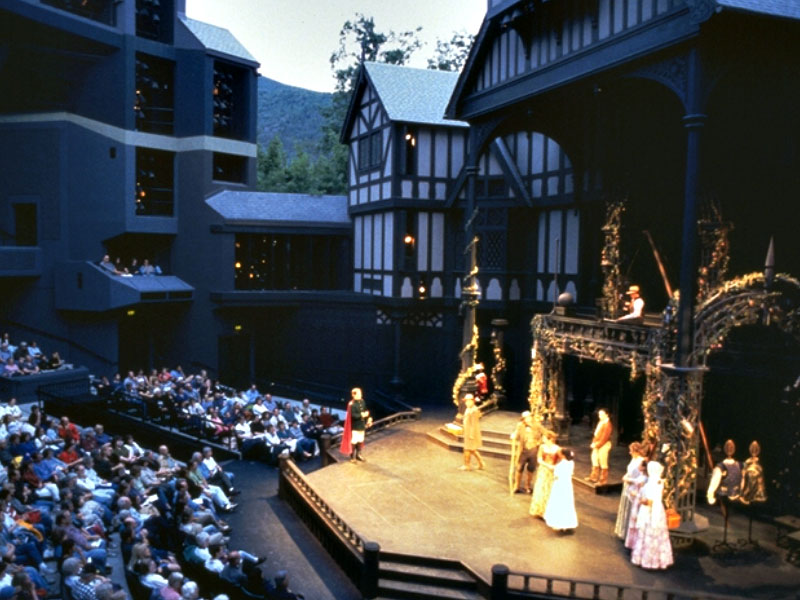
Shakespeare Festival

Ashland hosts Christmas celebrations and the Oregon Shakespeare Festival (one of the largest and oldest regional theatres in the country) in winter, a film festival in the spring, classical music festival in summer and wine tasting celebrations in the autumn.

Not to be outdone by the festivals, is the food which seems to be right up there along with the quality of the art and wine scene.  A local gave my travelling companions and I some recommendations of places to eat.  They did not disappoint.
ashland3

We had dinner here
We had a very nice dinner at Larks
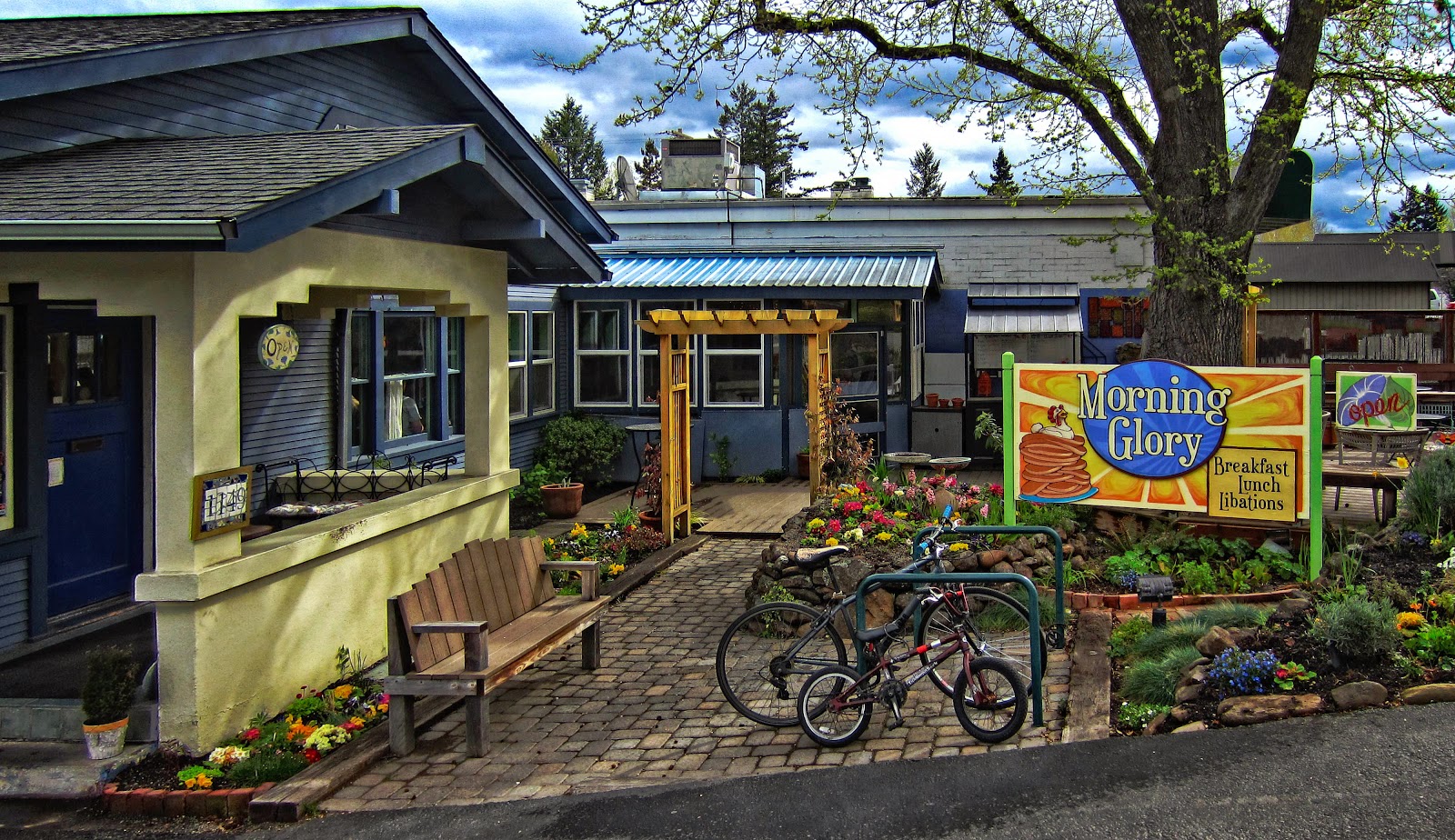
We had brunch here
We had brunch at Morning Glory

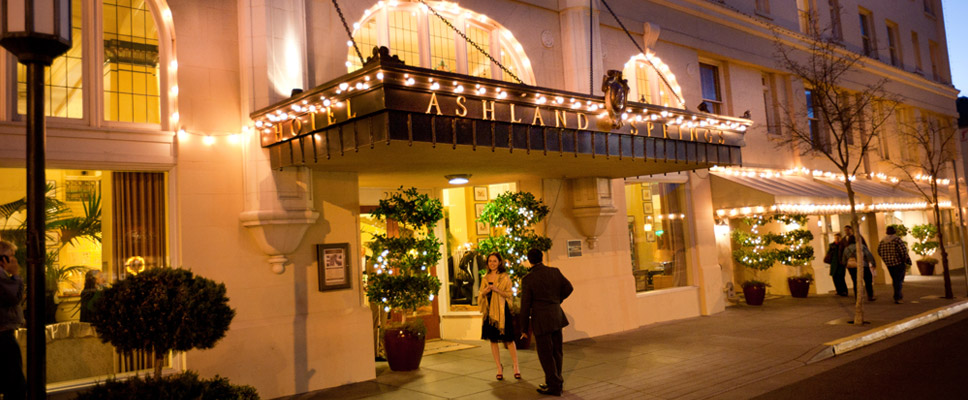
We had dinner and cocktails at Larks (located in the historic Ashland Springs hotel) and for breakfast we went to Morning Glory (located in a heritage house) – photo below.
We were met there by the woman who made the recommendations – an interesting person who is the godmother of a mutual friend.  Her father and grandmother are subjects of an oil on canvas painting by none other than Renoir which hangs at the Musée d’Orsay in Paris.  *Her story is worthy of a blog post of its own.

Ashland is worth the visit and I will plan to spend a bit more time there on my next trip.

Have  you been?


Feel-Good Friday:  taking stock of the markets

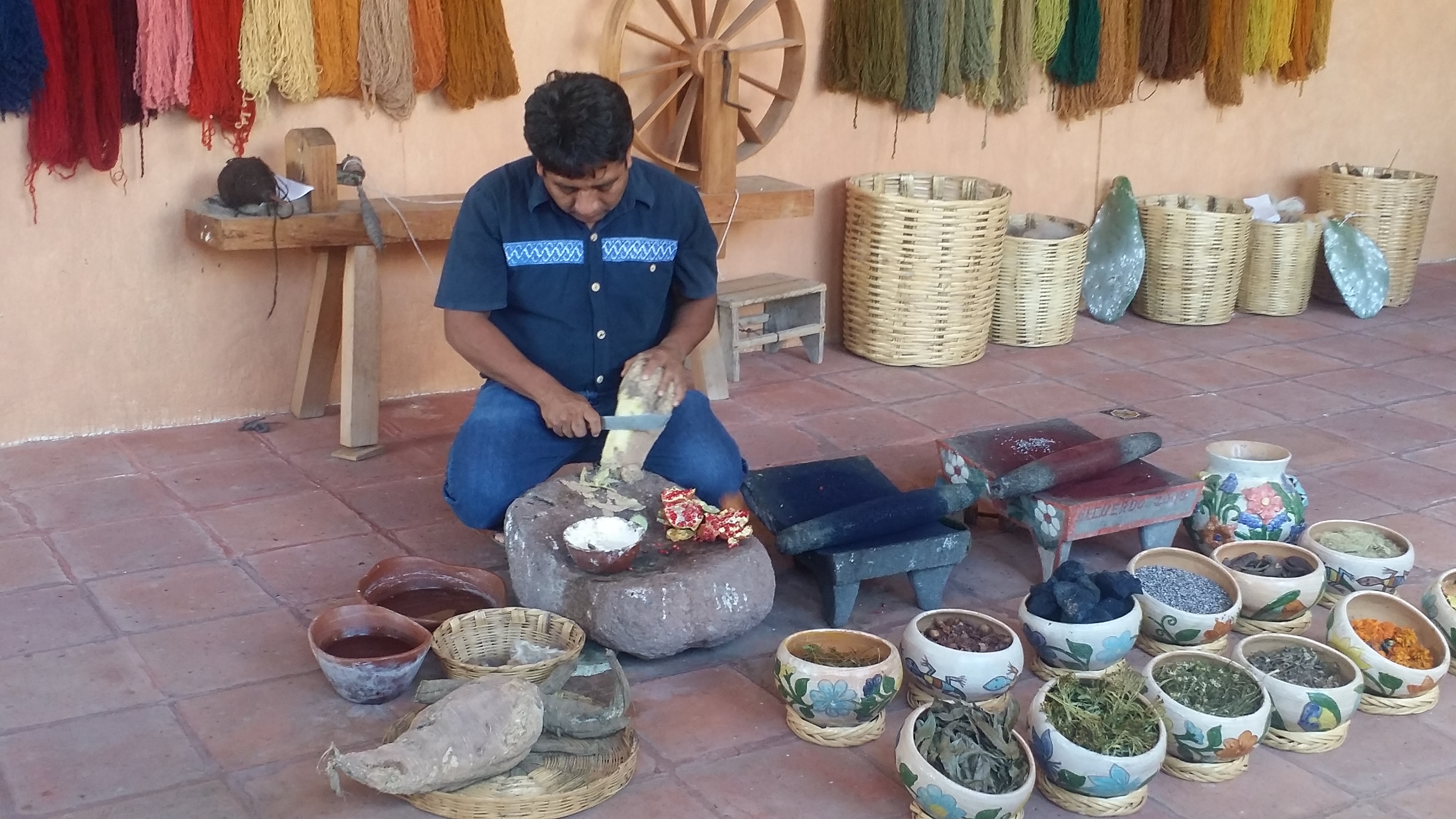
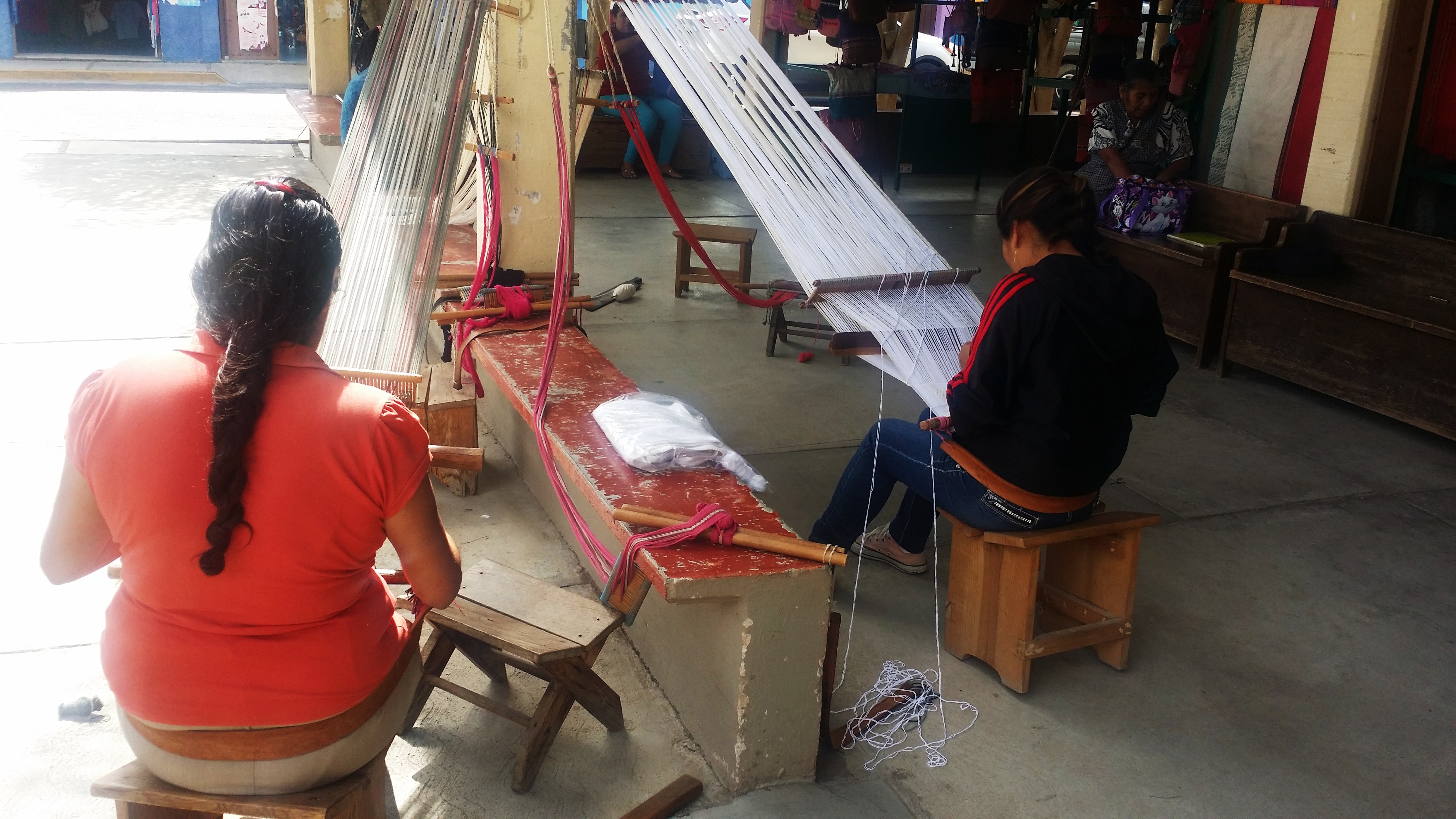
20141107_09423720141106_152548Whenever traveling to a new place I always look for the markets to see the variety of foodstuff they offer and what kind of handiwork they produce.  As you can see from these photos there was no shortage of either in Oaxaca.

Making the Zapotec Rug
Making the Zapotec Rug is a long process.

maraket8market7market6

On one trip to Arizona I bought six Zapotec rugs not realizing that I would be in the birthplace of the Zapotec here in Oaxaca.
On one trip to Arizona I came home with six Zapotec rugs not realizing that I would be in the birthplace of the Zapotec here in Oaxaca.
Making black pottery at San Bartolo Coyotepec.
To produce these lovely vases among various other items.
To produce these lovely vases among various other things.  You cannot carry these on board.
women weaving on back strap looms

20141114_110423

To produce these beautiful shawls and runners.
The making of Alebrijes (hand made wooden figues) in Arrazola.
One example of a finished Alebrije.


market4
Photos: d. king

 

ART – Phantom Inspiration

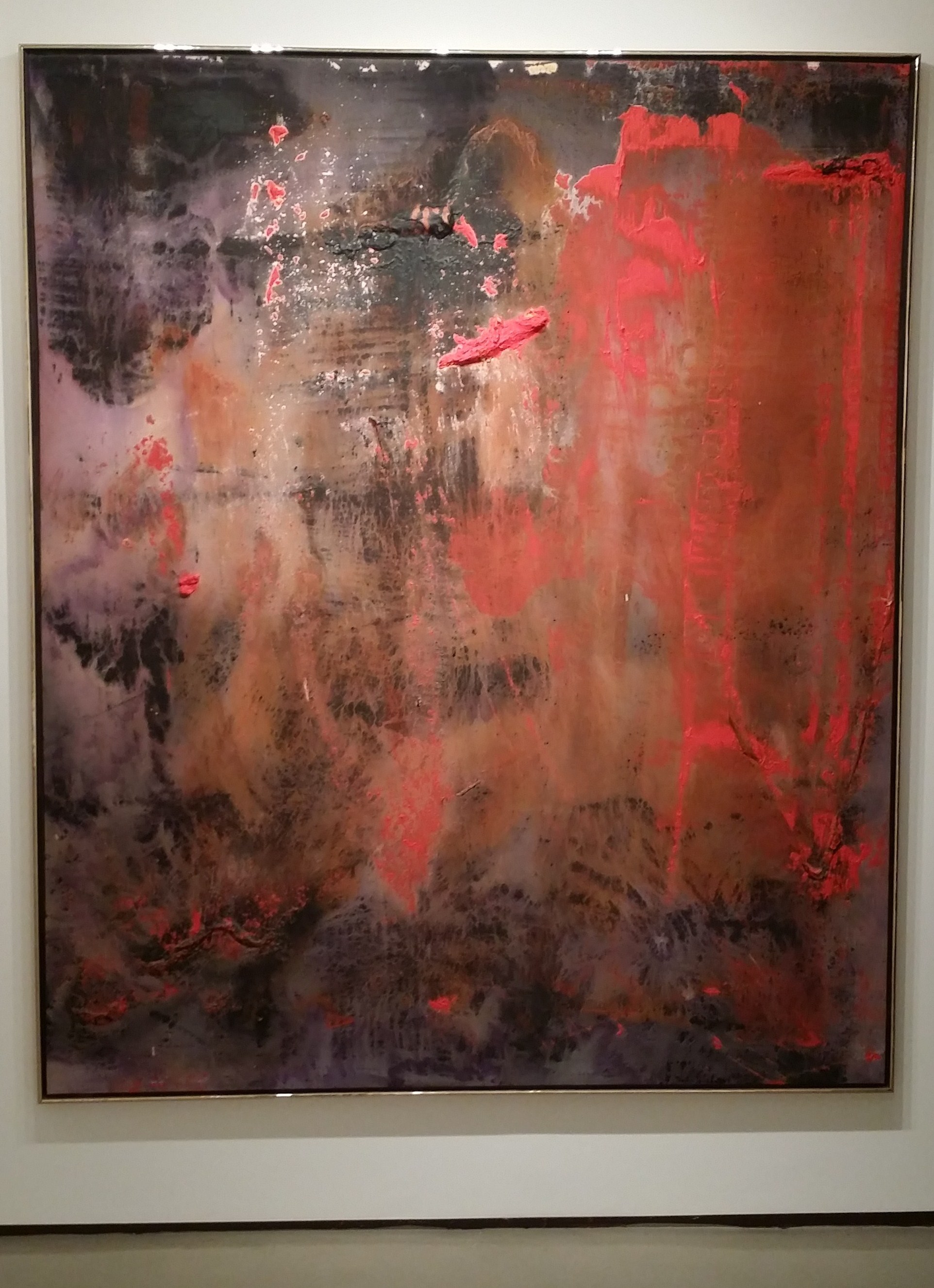
“Energy and motion made visible – memories arrested in space” – Jackson Pollock

Patrice LesickSometimes a painting does not need an introduction. Such is the case with this stimulating “Phantom” abstract by Patrice Lesick (Acrylic on Canvas 77 x 64 inches – 1990).  Elan Fine Art – Vancouver.

Abstraction allows man to see with his mind what he cannot see physically with his eyes.…Abstract art enables the artist to perceive beyond the tangible, to extract the infinite out of the finite. It is the emancipation of the mind. It is an exploration into unknown areas.” – Arshile Gorky (Armenian-American painter).

Do you GET abstract ART?

Style: Artful cutting-edge

MUST LOVE MATISSE!matisse3

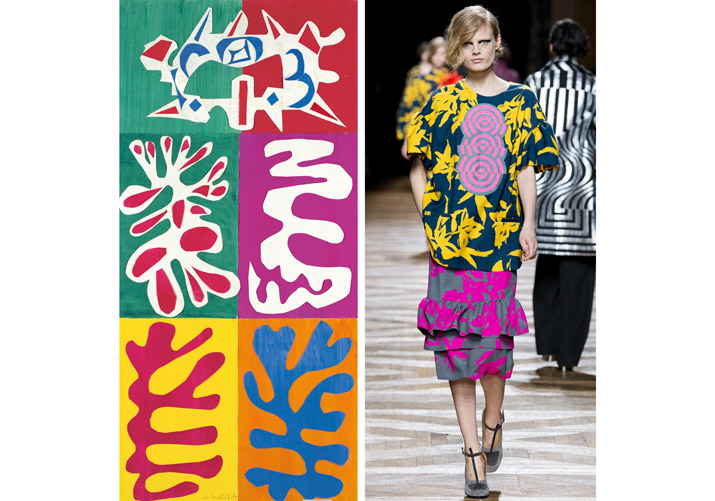
To compliment the new “Henri Matisse: The Cut-Outs” exhibit at the Museum of Modern Art, which opened October 12th, here are some Fall/Winter 2014 looks that evoke some of the artist’s most famous works.RMN108831NUThe masterful combination of contrast, line and color that Matisse was able to create with scissors is no doubt something that fashion designers today strive for as they cut their garments.matisse2

Perhaps these images will inspire you so much that you’ll want to go at your clothes with a pair of scissors…matisse1“Henri Matisse: The Cut-Outs,” is on view at the Museum of Modern Art in New York City October 12, 2014 through February 8,2015 

Maybe a scarf or t-shirt but not the whole shebang for me.  How about you?

Source: garancedore.com

Art/Abstract – a look at Joan Miró

Joan Miró (1893-1983)

Ballerina II, 1925
Ballerina II, 1925

High up on my trippy wish list is Barcelona.  Not only for fun but to pay a visit to the Fundació Joan Miró and be reminded that life is filled with colour and shape and that the small things in the world are worth noticing and celebrating.

Playful, joyful, energetic and colourful, Joan Miró’s paint language appears very simple – bird, star, sun, moon, figure, colour, surface, and so on. But like the best poets, the artist’s juggling of these elements is sophisticated and playful at the same time. The results are unique, immediately recognizable and vibrant – a delight to behold.miro1

Miró was passionate about art from an early age and after a failed attempt by his family to get him into business, he was allowed to pursue his artistic studies.  His early work was influenced by the Fauve painters and Cubism.  He admired Picasso’s work and eventually left Barcelona to live in Paris where he spent six months of each year, working alongside other artists in relative poverty.  The other half of the year he spent in Spain on the family farm.

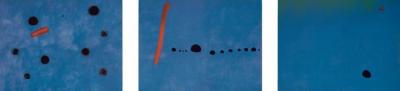
BLUE I, II AND III
BLUE I, II AND III

Like his fellow Catalan artist, Salvador Dali, Miró is most closely associated with the surrealist movement started by Andre Breton.  While Dali embraced surrealism wholeheartedly, with  Miró it is more accurate to say that surrealism embraced him.

Constantly experimenting in his work, he was careful never to align himself completely with any one art movement. His take on the world is quirky, humorous, child-like in its depiction of subject-matter yet extremely sophisticated in its ability to comment on life’s experiences.

Dali, flamboyant, attention-seeking, extreme, takes us to the edge with paintings that show us a world that is distorted and disturbing.  Miró’s approach is calmer, more playful.  Always his own person, never interested in playing to the gallery, his work feels focused, centred, stable.  His view of the world is uplifting, fun, life-enhancing.

This one is available at Elan Fine Art Gallery - Vancouver
Available at Elan Fine Art Limited,Vancouver

Above all, Miró  reminds  us how important a sense of humour is in life and his brilliant paintings, sculptures, wall hangings and ceramics give us permission to stop taking ourselves so seriously.

Source: http://www.abstract-art-framed.com/


Travel/Lifestyle/ART – Tuscany

la dolce vitaitaly1

 It’s pretty  straightforward.  I want to live like an Italian.italy8

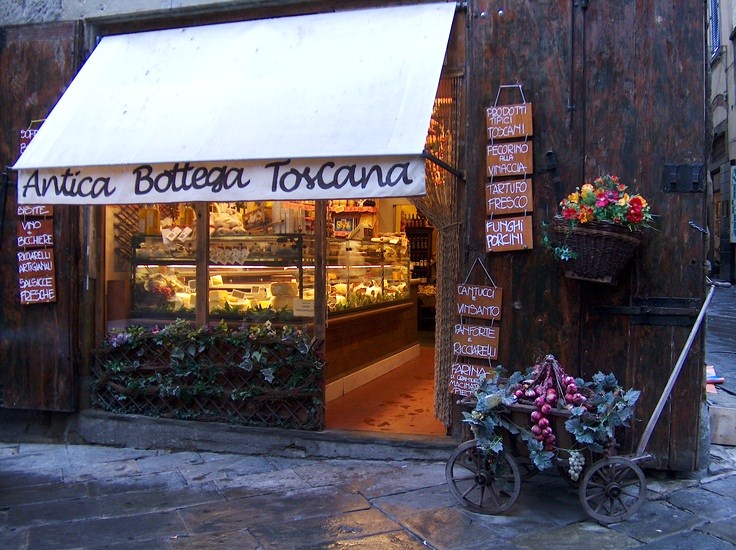
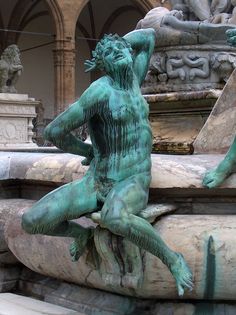
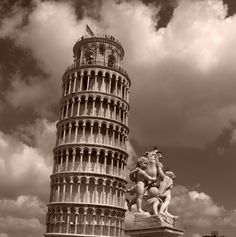
There are too many likes.  From the Renaissance paintings and sculptures of artists like Michaelangelo and Botticelli in Florence,  to medieval villages, historical towns, castles and country churches scattered all over a vast territory of rolling hills.  Romantic architecture abounds.

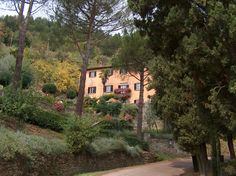
the house that was used to film "Under the Tuscan Sun"
the house that was used to film “Under the Tuscan Sun”

italy3

Simply prepared delicious food: lunch on the terrace overlooking ancient vines and olive groves, wine, olive oil, Parmigiano-Reggiano, Aceto Balsamicos, and Gelatos.

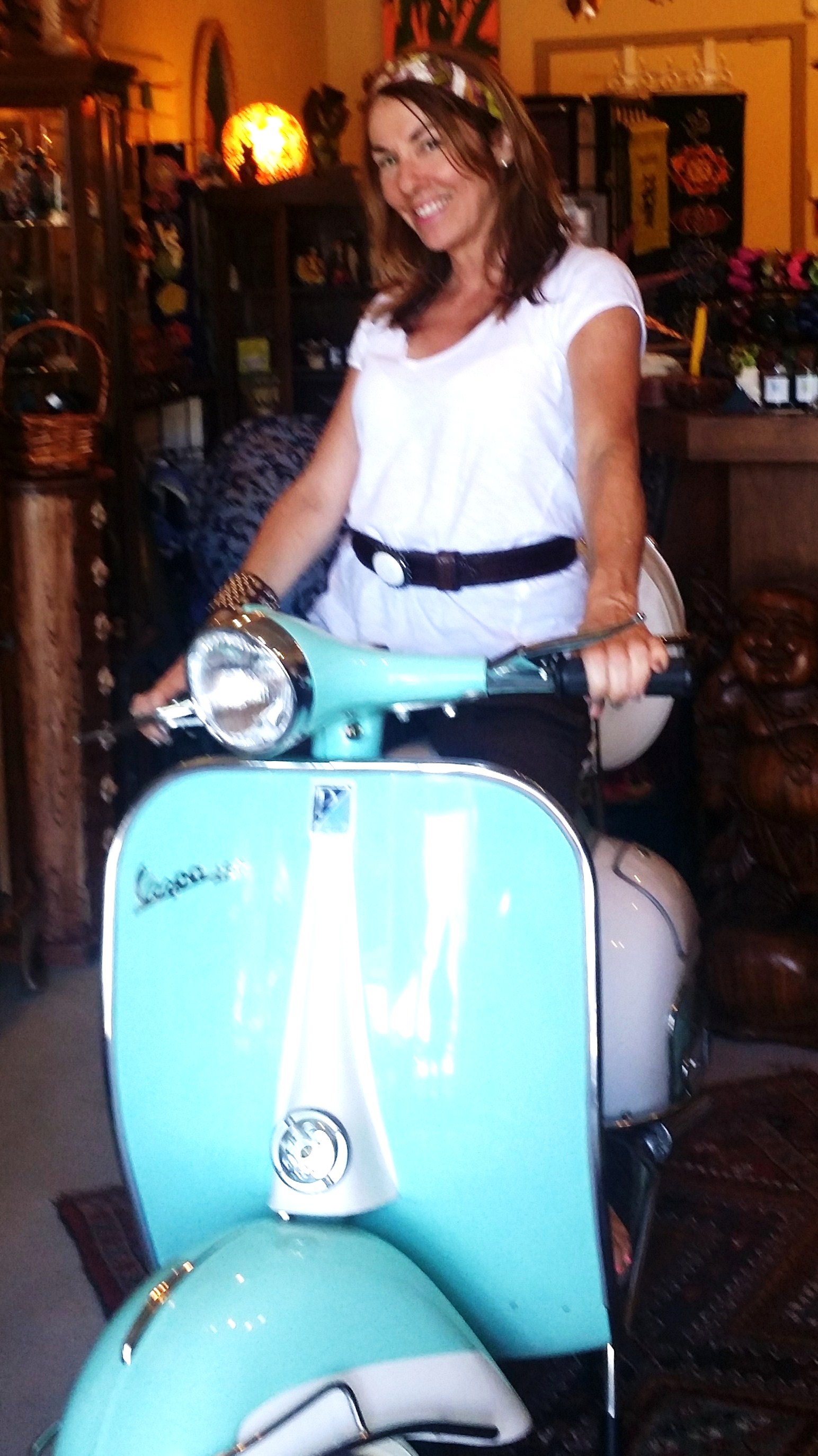
Vespas and fast luxury cars like Ferrari, Lamborghini, Pagani & Maserati.


Style in general which includes a well-tailored desire to look alla moda.

italy7italy6italy4
I want to live like an italy9Italian.  

I’m sure I missed a few things but this pretty much sums it up.

Photos: d. king
Pagani
Pagani

Vespa2 - Copy

italy


The ART of Collecting ART – building a great collection

First off, I am no authority on collecting fine art but I admire beautiful paintings and would like expert advice on how to build a worthwhile collection.  This means being true to my tastes while acquiring pieces that are of value.

Marc Chagall - I and the Village
Marc Chagall – I and the Village
Pablo Picasso - Girl Before a Mirror
Pablo Picasso – Girl Before a Mirror

If you’re like most people, you know how to buy art on a piece-by-piece basis, but may not be all that accomplished at formulating a plan for making multiple acquisitions over the long haul, or in other words, building a collection. You can find art you like just about anywhere you look and in an incredible variety of subject matters, mediums and price ranges, but that can be confusing as well as intimidating. So how do you wade through it all and decide what direction to go in? How do you relate one purchase to the next? How do you organize or group your art together? How do you present it? And most importantly, how do you do all these things well? This is what collecting is all about; it’s the ultimate case of controlled purposeful buying.
Great collectors are often as well known and widely respected as the art they collect. Take the Rockefeller collection, the Phillips collection or the Chrysler collection, just to name a few. Collectors like these are famous because they demonstrate just as much talent in selecting and grouping their art as the artists show in creating it. Likewise, each work of art in a great collection commands premium attention as well as a premium price not only because it’s good, but also because of the company it keeps.

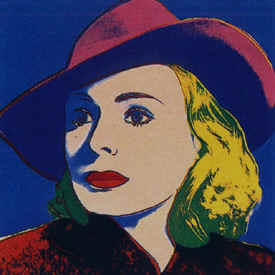
Andy Warhol - Ingrid Bergman
Andy Warhol – Ingrid Bergman

What makes a great collector great is his or her ability to separate out specific works of art from the millions of pieces already in existence and assemble them in such a way as to increase or advance our understanding of that art in particular or of the evolution of art in general. In any mature collection, the whole becomes greater than the sum of the parts, the collector comes to be accepted as a respected authority and in exceptional cases, goes on to set the standards, determine the trends and influence the future of collecting for everyone.

Regardless of how you view your collecting, whether serious or recreational, there are techniques that you can use to maximize not only the quality and value of your art, but also your own personal enjoyment, appreciation and understanding of that art. Step one is being true to your tastes. This means acknowledging that you like certain types of art regardless of what you think you’re supposed to like or what seems to be the current rage. All great collectors share this trait; that’s one thing makes their collections stand out. When personal preference is ignored in favor of the status quo, one collection begins to look just like the next.  A few people dictate, the masses follow, everyone walks in lock-step, and the art you see from collection to collection becomes boring and repetitive.

Collectors who aren’t afraid to express themselves yield exactly the opposite results.

Source: artbusiness.com

A few quotes I really like:

“Art must be an expression of love or it is nothing” ~ Marc Chagall

“Art is literacy of the heart” ~ Elliot Eisner

“The aim of art is to represent not the outward appearance of things, but their inward significance” – Aristotle


Herb & Dorothy: The ART of BUYING 

A MUST-SEE for ART LOVERS:
herb2Herb & Dorothy
(2008) Directed by Megumi Sasaki proves that you don’t have to be a Rockefeller to collect Art.

Herb & Dorothy is one of the most fascinating documenties I’ve ever seen.  It’s about Herb and Dorothy Vogel, a working class couple who had amassed a priceless art collection in their tiny one-bedroom apartment in New York City. They had no formal training in art collecting. They bought art the way any amateur collector shops: for the love of the individual pieces and the thrill of a good deal. But you don’t accumulate a priceless collection of anything by accident. Herb and Dorothy developed a methodical system for scouting, assessing, and purchasing art. When it came to mastering their hobby, the Vogels were self-trained professionals.

Herb Vogel never earned more than $23,000 a year. Born and raised in Harlem, Vogel worked for the post office in Manhattan. He spent nearly 50 years living in a 450-square-foot one-bedroom apartment with his wife, Dorothy, a reference librarian at the Brooklyn Public Library. They lived frugally. They didn’t travel. They ate TV dinners. Aside from a menagerie of pets, Herb and Dorothy had just one indulgence: art. But their passion for collecting turned them into unlikely celebrities, working-class heroes in a world of Manhattan elites.herb1

While their coworkers had no idea, the press noticed. The New York Times  labeled the Vogels the “In Couple” of New York City. They counted minimalist masters Richard Tuttle and Donald Judd among their close friends. And in just four decades, they assembled one of the most important private art collections of the 20th century, stocking their tiny apartment floor-to-ceiling with Chuck Close sketches, paintings by Roy Lichtenstein, and sculptures by Andy Goldsworthy. Today, more than 1,000 of the works they purchased are housed in the National Gallery, a collection a curator there calls “literally priceless.” J. Carter Brown, the museum’s former director, referred to the collection as “a work of art in itself.”

As I said, it’s a fascinating story and a bit of a fairytale.

In their apartment - ART, cats, fish & turtle tank.
In their apartment – mostly ART but also filled with cats, fish & turtle tanks.

Source: an article written By Jed Lipinski for Mentalfloss.com

Official Trailer: https://www.youtube.com/watch?v=vma2T5luy08