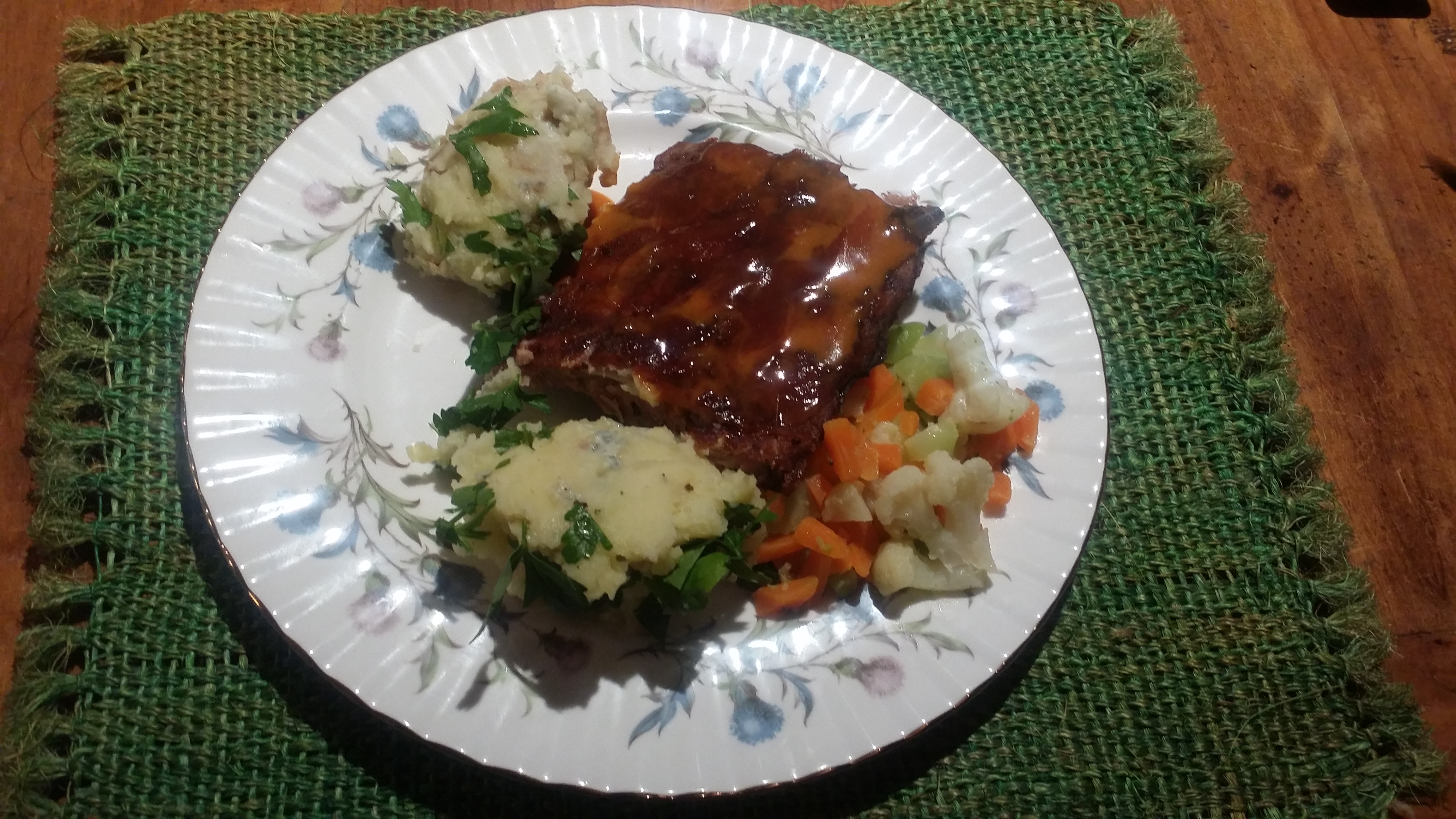
Talking about Austin Texas and barbeques yesterday got me thinking about mouth watering ribs. Of course you cannot beat barbequed ribs for the best smoky flavour but I just made an amazing batch of ribs that were completely baked in the oven – while still maintaining a smoky flavour. That’s right! Even I was surprised at how delicious they turned out. I first rubbed them all over with a homemade tex-mex dry rub which I provided the link to below (from a previous blog post) but you can always improvise.
3 -5 lbs pork ribs (I used baby back ribs)
3 or more tablespoons dry rub (use your favourite and add a smoked sea salt as part of your seasoning – Trader Joe’s makes an excellent one).
1 cup barbeque sauce (this time I used Stubb’s Hickory Bourbon but there’s a link at bottom for a good one made from scratch).
DIRECTIONS
Pre-heat oven to 300* F.
Season all sides of the ribs with the dry rub of your choice.
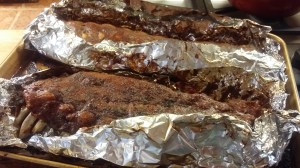
Using a 13x9x2 baking dish (or most likely a larger 15x11x2), place the rib slabs *meaty side up into the pan but make sure not to over crowd. I usually put the baking dish (or pan) right on top of another slightly larger pan/dish that has at least a half inch of water in it. This helps tenderize the ribs and keep them from drying out. You can always try it without but this seems to work better.
Cover the baking dish with foil and place on center rack of pre-heated oven. Bake for approximately 2 1/2 – 3 hours (depending on the size of the ribs you are using).
Remove the ribs from oven and drain any grease from dish; reserving the foil.Slather with your favorite BBQ sauce and return the dish to the oven (un-covered) for an additional 30 minutes.
Once done, remove the ribs to a platter, loosely tent the platter with the reserved foil, and allow to rest for 10 minutes. (This step is important — the resting period gives the ribs time to re-distribute their juices, just like a steak would).
Enjoy!
*other recipes call for you to first place the ribs with the bone side facing up – until step #5 when you put the barbeque sauce on at which time you flip them over to the meaty side up. I’m just telling you this but the way I did it (above) turned out to be excellent.
WHY AUSTIN?A friend of mine will soon be visiting Austin Texas, and knowing that I’ve been on several occasions, asked for a few recommendations of places to go.
Although things can constantly change in this unique capital city I’ll be talking about the mainstays. Everyone who visits Austin leaves with something great to say. If it’s not the legendary live music or vibrant arts scene then it’s the inspiring cuisine or stunning outdoor settings in this effervescent city. There’s not much not to like.
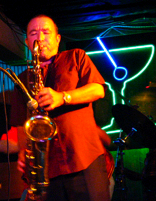
the Elephant Room
Music in many forms is everywhere in Austin. You can find Musicians playing everywhere from festivals to underground clubs and even grocery stores (like Whole Foods). I listened to exceptional live jazz at a cosy little bar called “the elephant room” and live rockabilly at the Granddaddy of all local music venues, the Continental Club. So much fun.
Food – I have sampled some of the best bar-b-que, tex-mex (naturally) and eclectic bistro fare in this town. I provided links to a couple of previous posts of two places I thoroughly enjoyed – a noteworthy barbeque pit and a restaurant owned by Sandra Bullock. I haven’t been to Franklin barbeque but apparently it’s one of the top places to go. Can’t imagine it being much better than the rustic setting & live music that Salt Lick offers, but that’s the word on the street.
For Tex-Mex there’s Güero’s Taco Bar. They have an amazing salsa bar & hand-shaken margaritas in a landmark building with a patio. Since discovering this place I haven’t gone anywhere else for Mexican in Austin. They have the bestchile relleno I’ve tasted to date.
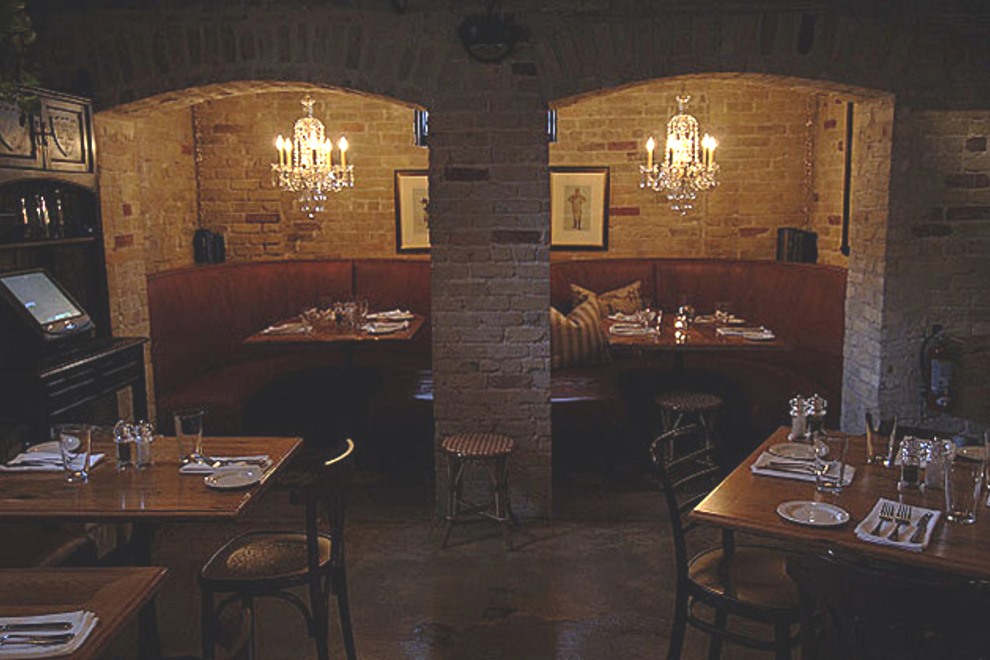
Bess Bistro
There’s so much more to discover but if you only have a few days you can start with these suggestions.
Whenever I have an unusual animal sighting I tend to look up the spiritual meaning. I’ve had experiences with hummingbirds, owls and dragonflies.
photo: d. king
And not necessarily under normal circumstances, several times it was in uncommon ways and no, I was not under the influence of drugs or alcohol. So here is what I found to do specifically with meanings from our own First Nations people & those of the Pacific Northwest:
BEAR – The Elder Kinsman. He teaches the legends and dances. The Bear is the symbol of strength and is always respected and treated as a high-ranking guest. EAGLE – The Eagle is a symbol of power, of knowledge and prestige. The Eagle also represents friendship and peace to all. We are lucky to have a pair of nesting Eagles in our neighbourhood. FROG – The Frog is the voice of the people and a symbol of innocence, stability and communication. He is also considered to be good luck. HUMMINGBIRD – The Hummingbird is a joyful messenger and a symbol of health. When a Hummingbird appears, healing will follow. Come on little Hummingbird…where are you now? RAVEN – The transformer. The creator. He placed the sun and moon in the sky so the world would have light and also put the trees on land and fish in water. This magical creature opened the clamshell to release man. He is known for his knowledge. SALMON – The Salmon is the life source and the provider of food for all animals and humans. When salmon are seen in pairs, it symbolizes good luck. WHALE – The Whale is a communicator and highly regarded guardian of the sea. Whales travel together and symbolize long life. WOLF – This positive symbol is very family oriented. Wolves mate for life and share all responsibilities. Wolves are known as the land equivalent of the whale. THUNDERBIRD (not the car) – This mythological creature is the most powerful of all the spirits. He lives in the mountains and has lightning sticks under his wings. He rolls the thunder, and when he blinks his eyes, lightning flashes.
Source for meanings: Lattimer Gallery, Vancouver
Links to a few of my encounters:
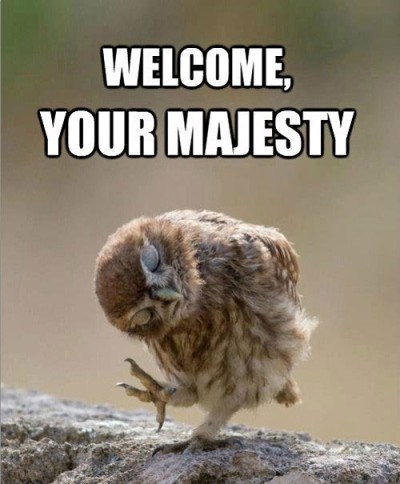
I saw an owl one night at Kits beach while out walking my dog – a first.
LAUGHTER is the best medicine and MUSIC soothes the soul. Life is all about healthy BALANCE. I truly believe that. First and foremost there’s FUN and then there’s a real serious side the side I try to suppress as much as possible. What it all comes down to:
Over the last four days I’ve been listening to a podcast on my tablet called “the truth about Cancer.” It’s a 12-part series lasting approximately 1 ½ hours in length for each webisode that has a lot to say and is a lot to take in. Interviews with 28 doctors, 11 scientists, 9 survivors and 1 FDA dragon slaying attorney that break their code of silence and expose the supposed truth about Cancer and exactly how to prevent, treat and beat it 100% naturally.
enjoying the outdoors and exercising at the same time is a great stress reliever
I have known and unfortunately now know enough people with this horrible disease to want to pay extra attention to what each have to say, all with keeping an open mind of course. Because the fine print says that any product mentioned or described on their website is not intended to diagnose, treat, cure, or prevent any disease. Also, much of it is reinforcement of what you may already know if you follow health protocols which I’m sure many of you do. It is still thought-provoking to hear what each have to say and especially the individual survivor stories which I find the most inspiring. The bottom line is that according to the argument, your immune system has to be already compromised in order to get cancer in the first place. So,
How to boost your immune system
WHAT CAN WE DO?
On the whole, your immune system does a remarkable job of defending you against disease-causing microorganisms. But sometimes it fails: A germ invades successfully and makes you sick. Is it possible to intervene in this process and make your immune system stronger? What if you improve your diet? Take certain vitamins or herbal preparations? Make other lifestyle changes in the hope of producing a near-perfect immune response?
The idea of boosting your immunity is enticing, but the ability to do so has proved elusive for several reasons. The immune system is precisely that — a system, not a single entity. To function well, it requires balance and harmony. There is still much that researchers don’t know about the intricacies and interconnectedness of the immune response. For now, there are no scientifically proven direct links between lifestyle and enhanced immune function.
But that doesn’t mean the effects of lifestyle on the immune system aren’t intriguing and shouldn’t be studied. Quite a number of researchers are exploring the effects of diet, exercise, age, psychological stress, herbal supplements, and other factors on the immune response, both in animals and in humans. Although interesting results are emerging, thus far they can only be considered preliminary. That’s because researchers are still trying to understand how the immune system works and how to interpret measurements of immune function. The following sections summarize some of the most active areas of research into these topics.In the meantime, general healthy-living strategies are a good way to start giving your immune system the upper hand.
make loving connections
Adopt HEALTHY-LIVING strategies:
Your first line of defense is to choose a healthy lifestyle. Following general good-health guidelines is the single best step you can take toward keeping your immune system strong and healthy. Every part of your body, including your immune system, functions better when protected from environmental assaults and bolstered by healthy-living strategies such as these:
Don’t smoke.
Eat a diet high in fruits, vegetables, and whole grains, and low in saturated fat.
Exercise regularly.
Maintain a healthy weight.
Control your blood pressure.
If you drink alcohol, drink only in moderation.
Get adequate sleep.
Take steps to avoid infection, such as washing your hands frequently and cooking meats thoroughly.
Get regular medical screening tests for people in your age group and risk category
Be SKEPTICAL:
Many products on store shelves claim to boost or support immunity. But the concept of boosting immunity actually makes little sense scientifically. In fact, boosting the number of cells in your body — immune cells or others — is not necessarily a good thing. For example, athletes who engage in “blood doping” — pumping blood into their systems to boost their number of blood cells and enhance their performance — run the risk of strokes.
Attempting to boost the cells of the immune system is especially complicated because there are so many different kinds of cells in the immune system that respond to so many different microbes in so many ways. Which cells should you boost, and to what number? So far, scientists do not know the answer. What is known is that the body is continually generating immune cells. Certainly it produces many more lymphocytes than it can possibly use. The extra cells remove themselves through a natural process of cell death called apoptosis — some before they see any action, some after the battle is won. No one knows how many cells or what kinds of cells the immune system needs to function at its optimum level.
Many researchers are trying to explore the effects of a variety of factors — from foods and herbal supplements to exercise and stress — on immunity. Some take measures of certain blood components like *lymphocytes or **cytokines. But thus far, no one really knows what these measurements mean in terms of your body’s ability to fight disease. They provide a way of detecting whether something is going on, but science isn’t yet sufficiently advanced to understand how this translates into success in warding off disease.
A different scientific approach looks at the effect of certain lifestyle modifications on the incidence of disease. If a study shows significantly less disease, researchers consider whether the immune system is being strengthened in some way. Based on these studies, there is now evidence that even though we may not be able to prove a direct link between a certain lifestyle and an improved immune response, we can at least show that some links are likely.
AGE and IMMUNITY:
While some people age healthily, the conclusion of many studies is that, compared with younger people, the elderly are far more likely to contract infectious diseases. Respiratory infections, influenza, and particularly pneumonia are a leading cause of death in people over 65 worldwide. No one knows for sure why this happens, but some scientists observe that this increased risk correlates with a decrease in T cells, possibly from the thymus atrophying with age and producing fewer T cells to fight off infection. Thymus function declines beginning at age 1; whether this decrease in thymus function explains the drop in T cells or whether other changes play a role is not fully understood. Others are interested in whether the bone marrow becomes less efficient at producing the stem cells that give rise to the cells of the immune system.
WHAT ABOUT DIET?
Like any fighting force, the immune system army marches on its stomach. Immune system warriors need good, regular nourishment. Scientists have long recognized that people who live in poverty and are malnourished are more vulnerable to infectious diseases. Whether the increased rate of disease is caused by malnutrition’s effect on the immune system, however, is not certain. There are still relatively few studies of the effects of nutrition on the immune system of humans, and even fewer studies that tie the effects of nutrition directly to the development (versus the treatment) of diseases.
So what can you do? If you suspect your diet is not providing you with all your micronutrient needs — maybe you don’t like vegetables or you choose white bread over whole grains — taking a daily multivitamin and mineral supplement brings health benefits of many types, beyond any possibly beneficial effects on the immune system. Taking megadoses of a single vitamin does not. More is not necessarily better. Researchers are investigating the immune boosting potential of a number of different nutrients.
Some studies have suggested that people with low selenium levels are at greater risk of bladder, breast, colon, rectum, lung, and prostate cancers. A large-scale, multiyear study is currently in progress to look at the effects of combining selenium and vitamin E on prostate cancer prevention.
Vitamin A.Experts have long known that vitamin A plays a role in infection and maintaining mucosal surfaces by influencing certain subcategories of T cells and B cells and cytokines. Vitamin A deficiency is associated with impaired immunity and increased risk of infectious disease. On the other hand, according to one study, supplementation in the absence of a deficiency didn’t enhance or suppress T cell immunity in a group of healthy seniors.
Vitamin B2.There is some evidence that vitamin B2 enhances resistance to bacterial infections in mice, but what that means in terms of enhancing immune response is unclear.
Vitamin B6.Several studies have suggested that a vitamin B6 deficiency can depress aspects of the immune response, such as lymphocytes’ ability to mature and spin off into various types of T and B cells. Supplementing with moderate doses to address the deficiency restores immune function, but megadoses don’t produce additional benefits. And B6 may promote the growth of tumors.
Vitamin C.The jury is still out on vitamin C and the immune system. Many studies have looked at vitamin C in general; unfortunately, many of them were not well designed. Vitamin C may work in concert with other micronutrients rather than providing benefits alone.
Vitamin D.For many years doctors have known that people afflicted with tuberculosis responded well to sunlight. An explanation may now be at hand. Researchers have found that vitamin D, which is produced by the skin when exposed to sunlight, signals an antimicrobial response to the bacterium responsible for tuberculosis, Mycobacterium tuberculosis. Whether vitamin D has similar ability to fight off other diseases and whether taking vitamin D in supplement form is beneficial are questions that need to be resolved with further study.
Vitamin E.A study involving healthy subjects over age 65 has shown that increasing the daily dose of vitamin E from the recommended dietary allowance (RDA) of 30 mg to 200 mg increased antibody responses to hepatitis B and tetanus after vaccination. But these increased responses didn’t happen following administration of diphtheria and pneumococcal vaccines.
Zinc is a trace element essential for cells of the immune system, and zinc deficiency affects the ability of T cells and other immune cells to function as they should. Caution: While it’s important to have sufficient zinc in your diet (15–25 mg per day), too much zinc can inhibit the function of the immune system.
HERBS and other SUPPLEMENTS:
Walk into a store, and you will find bottles of pills and herbal preparations that claim to “support immunity” or otherwise boost the health of your immune system. Although some preparations have been found to alter some components of immune function, thus far there is no evidence that they actually bolster immunity to the point where you are better protected against infection and disease. Demonstrating whether an herb — or any substance, for that matter — can enhance immunity is, as yet, a highly complicated matter. Scientists don’t know, for example, whether an herb that seems to raise the levels of antibodies in the blood is actually doing anything beneficial for overall immunity.
But that doesn’t mean we should discount the benefits of all herbal preparations. Everyone’s immune system is unique. Each person’s physiology responds to active substances differently. So if your grandmother says she’s been using an herbal preparation for years that protects her from illness, who’s to say that it doesn’t? The problem arises when scientists try to study such a preparation among large numbers of people. The fact that it works for one person won’t show up in the research data if it’s not doing the same for a larger group.
There are hundreds of different species of bacteria in your digestive tract, which do a bang-up job helping you digest your food. Now researchers, including some at Harvard Medical School, are finding evidence of a relationship between such “good” bacteria and the immune system. For instance, it is now known that certain bacteria in the gut influence the development of aspects of the immune system, such as correcting deficiencies and increasing the numbers of certain T cells. Precisely how the bacteria interact with the immune system components isn’t known. As more and more intriguing evidence comes in to support the link that intestinal bacteria bolster the immune system, it’s tempting to think that more good bacteria would be better. At least, this is what many marketers would like you to believe as they tout their probiotic products.
Probiotics are good bacteria, such as Lactobacillus and Bifidobacterium, that can safely dwell in your digestive tract. You’ll now find probiotics listed on the labels of dairy products, drinks, cereals, energy bars, and other foods. Ingredients touted as “prebiotics,” which claim to be nutrients that feed the good bacteria, are also cropping up in commercially marketed foods. Unfortunately, the direct connection between taking these products and improving immune function has not yet been made. Nor has science shown whether taking probiotics will replenish the good bacteria that get knocked out together with “bad” bacteria when you take antibiotics.
Another caution is that the quality of probiotic products is not consistent. Some contain what they say they do; some do not. In a 2006 report, the American Academy of Microbiology said that “at present, the quality of probiotics available to consumers in food products around the world is unreliable.” In the same vein, the FDA monitors food packages to make sure they don’t carry labels that claim the products can cure diseases unless the companies have scientific evidence to support the claims. Does this mean taking probiotics is useless? No. It means the jury is still out on the expansive health claims. In the meantime, if you choose to take a probiotic in moderation, it probably won’t hurt, and the scientific evidence may ultimately show some benefit.
The STRESS CONNECTION:
Modern medicine, which once treated the connection between emotions and physical health with skepticism, has come to appreciate the closely linked relationship of mind and body. A wide variety of maladies, including stomach upset, hives, and even heart disease, are linked to the effects of emotional stress. But although the relationship between stress and immune function is being studied by a number of different types of scientists, so far it is not a major area of research for immunologists.
Studying the relationship between stress and the immune system presents difficult challenges. For one thing, stress is difficult to define. What may appear to be a stressful situation for one person is not for another.
Many researchers report that stressful situations can reduce various aspects of the cellular immune response. A research team from Ohio State University that has long worked in this field suggests that psychological stress affects the immune system by disrupting communication between the nervous system, the endocrine (hormonal) system, and the immune system. These three systems “talk” to one another using natural chemical messages, and must work in close coordination to be effective. The Ohio State research team speculates that long-term stress releases a long-term trickle of stress hormones — mainly glucocorticoids. These hormones affect the thymus, where lymphocytes are produced, and inhibit the production of cytokines and interleukins, which stimulate and coordinate white blood cell activity. This team and others have reported the following results:
Elderly people caring for relatives with Alzheimer’s disease have higher than average levels of cortisol, a hormone secreted by the adrenal glands and, perhaps because of the higher levels of cortisol, make fewer antibodies in response to influenza vaccine.
Some measures of T cell activity have been found to be lower in depressed patients compared with non depressed patients, and in men who are separated or divorced compared with men who are married.
In a year-long study of people caring for husbands or wives with Alzheimer’s disease, changes in T cell function were greatest in those who had the fewest friends and least outside help.
Four months after the passage of Hurricane Andrew in Florida, people in the most heavily damaged neighborhoods showed reduced activity in several immune system measurements. Similar results were found in a study of hospital employees after an earthquake in Los Angeles.
In all of these studies, however, there was no proof that the immune system changes measured had any clear adverse effects on health in these individuals.
Does being cold make you sick?
Almost every mother has said it: “Wear a jacket or you’ll catch a cold!” Is she right? So far, researchers who are studying this question think that normal exposure to moderate cold doesn’t increase your susceptibility to infection. Most health experts agree that the reason winter is “cold and flu season” is not that people are cold, but that they spend more time indoors, in closer contact with other people who can pass on their germs.
A group of Canadian researchers that has reviewed hundreds of medical studies on the subject and conducted some of its own research concludes that there’s no need to worry about moderate cold exposure — it has no detrimental effect on the human immune system. Should you bundle up when it’s cold outside? The answer is “yes” if you’re uncomfortable, or if you’re going to be outdoors for an extended period where such problems as frostbite and hypothermia are a risk. But don’t worry about immunity.
EXERCISE: Good or bad for immunity?
Regular exercise is one of the pillars of healthy living. It improves cardiovascular health, lowers blood pressure, helps control body weight, and protects against a variety of diseases. But does it help maintain a healthy immune system? Just like a healthy diet, exercise can contribute to general good health and therefore to a healthy immune system. It may contribute even more directly by promoting good circulation, which allows the cells and substances of the immune system to move through the body freely and do their job efficiently. Does it help keep the immune system healthy? For now, even though a direct beneficial link hasn’t been established, it’s reasonable to consider moderate regular exercise to be a beneficial arrow in the quiver of healthy living, a potentially important means for keeping your immune system healthy along with the rest of your body.
*Lymphocytes, an alternative name for white blood cells, are one of the cell types of the immune system of vertebrates. These cells protect the body from becoming infected by bacteria and viruses and also fight off bacterial and viral infections.
**Cytokines are a broad and loose category of small proteins that are important in cell signaling. They are released by cells and affect the behavior of other cells, and sometimes the releasing cell itself.
Source: Harvard Health Publications – Harvard Medical School “trusted advice for a healthier life”
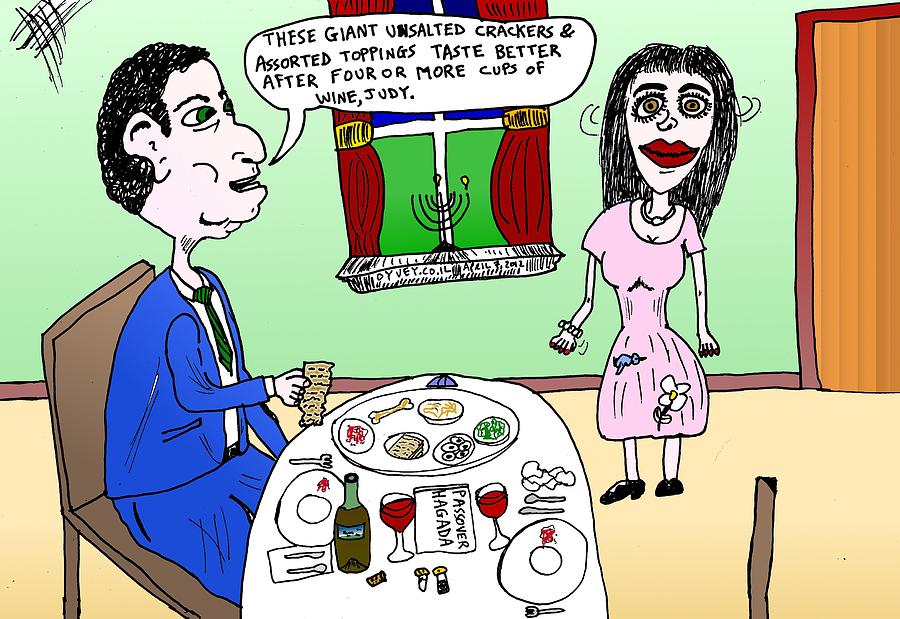
A long weekend ahead celebrating both EASTER and PASSOVER.
I’ve got all my bases covered. At Passover there’s sure to be at least four glasses of wine and lots of chocolate at Easter. On Saturday morning there’s a scavenger hunt/run, a Passover Seder in the evening and Easter dinner on Sunday.
Cartoon by Yasha Harari
So what’s a girl to do
when she’s half christian & half jew
but celebrate both holidays
each in their individual ways
a little matzoh, a bit of ham
and try not to give a damn
However you choose to celebrate enjoy your lovely gathering with family and friends.
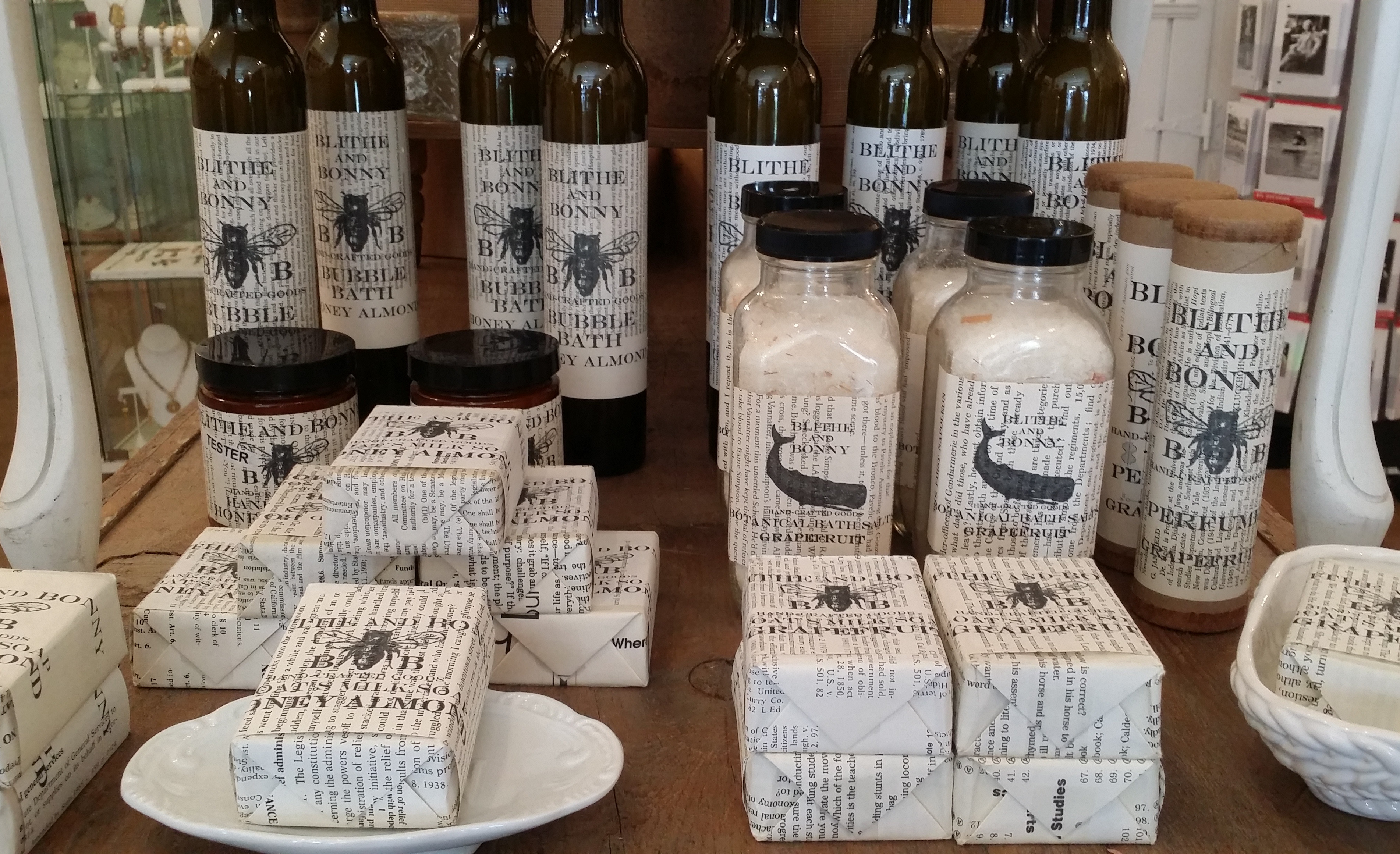
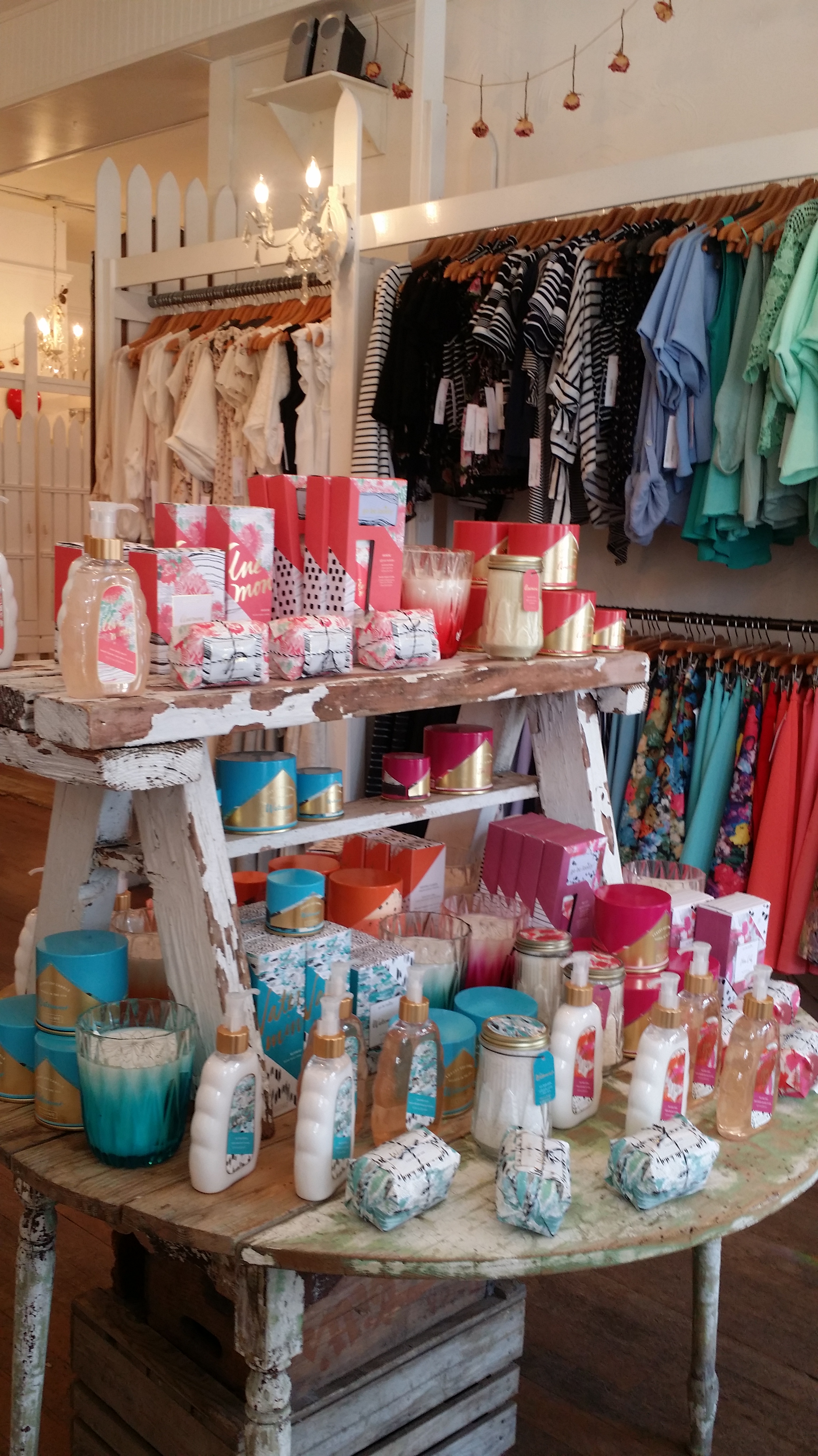
What never escapes my attention is all kinds of beauty products from makeup to skincare to candles & accessories. I might not buy everything I see but there is enjoyment in looking at pretty objects of desire. The different smells, the packaging, the discovery of something new and the pure beauty of it all.
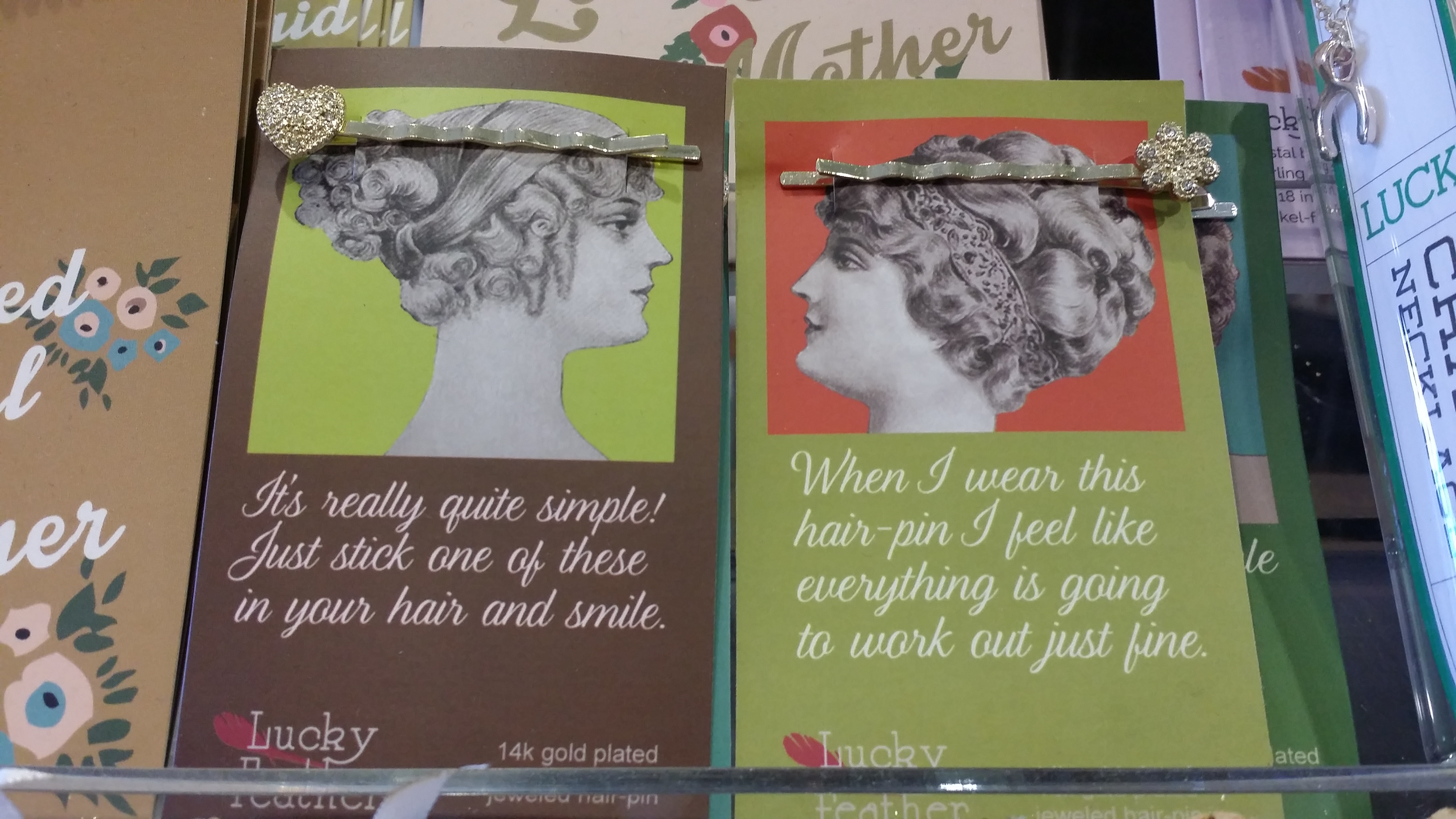
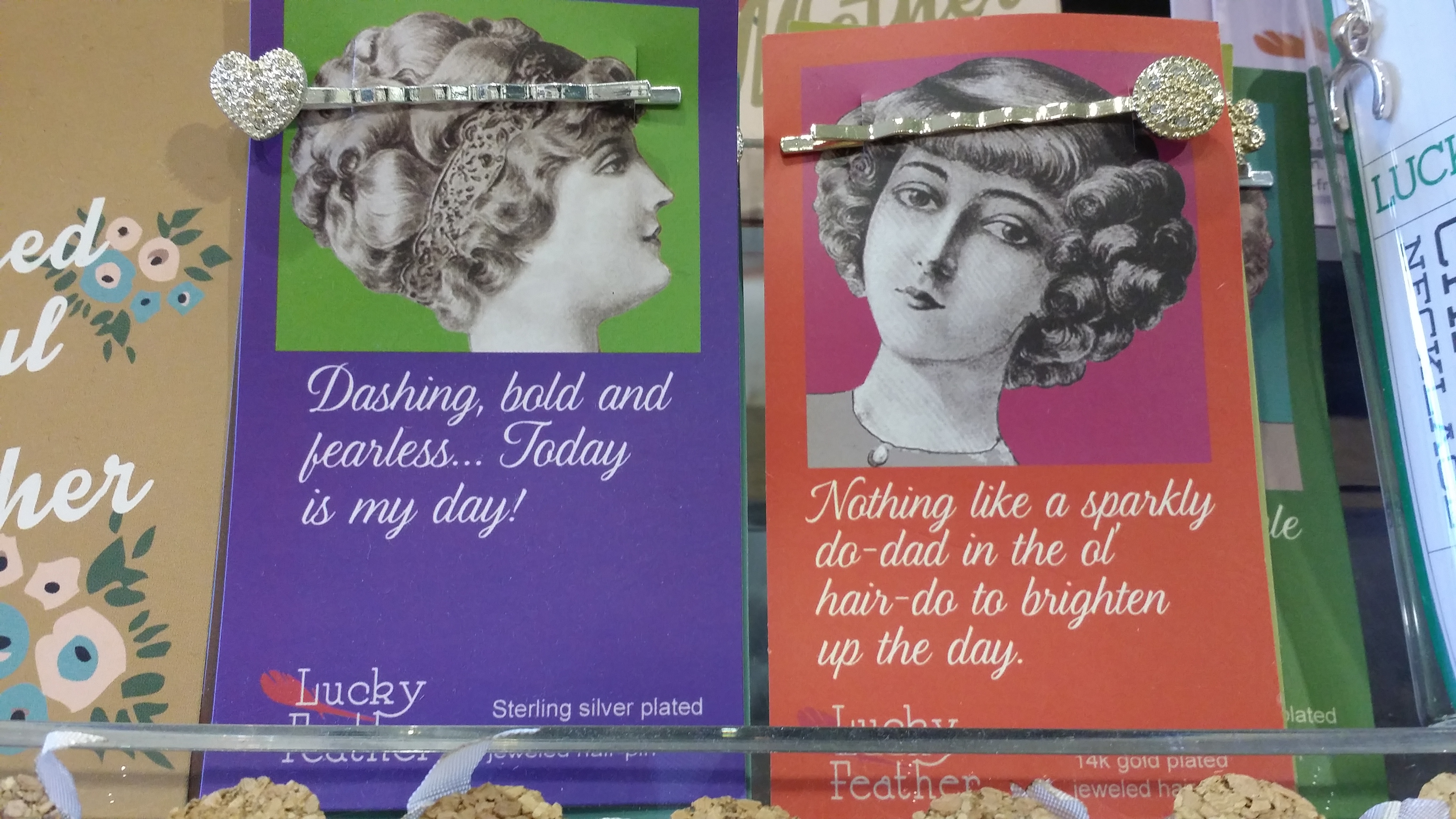
Spotted today on Main Street: These sweet sterling silver plated jewelled hair-pins from Lucky Feather. Available at front and company – 3742 + 3746 Main Street. $9
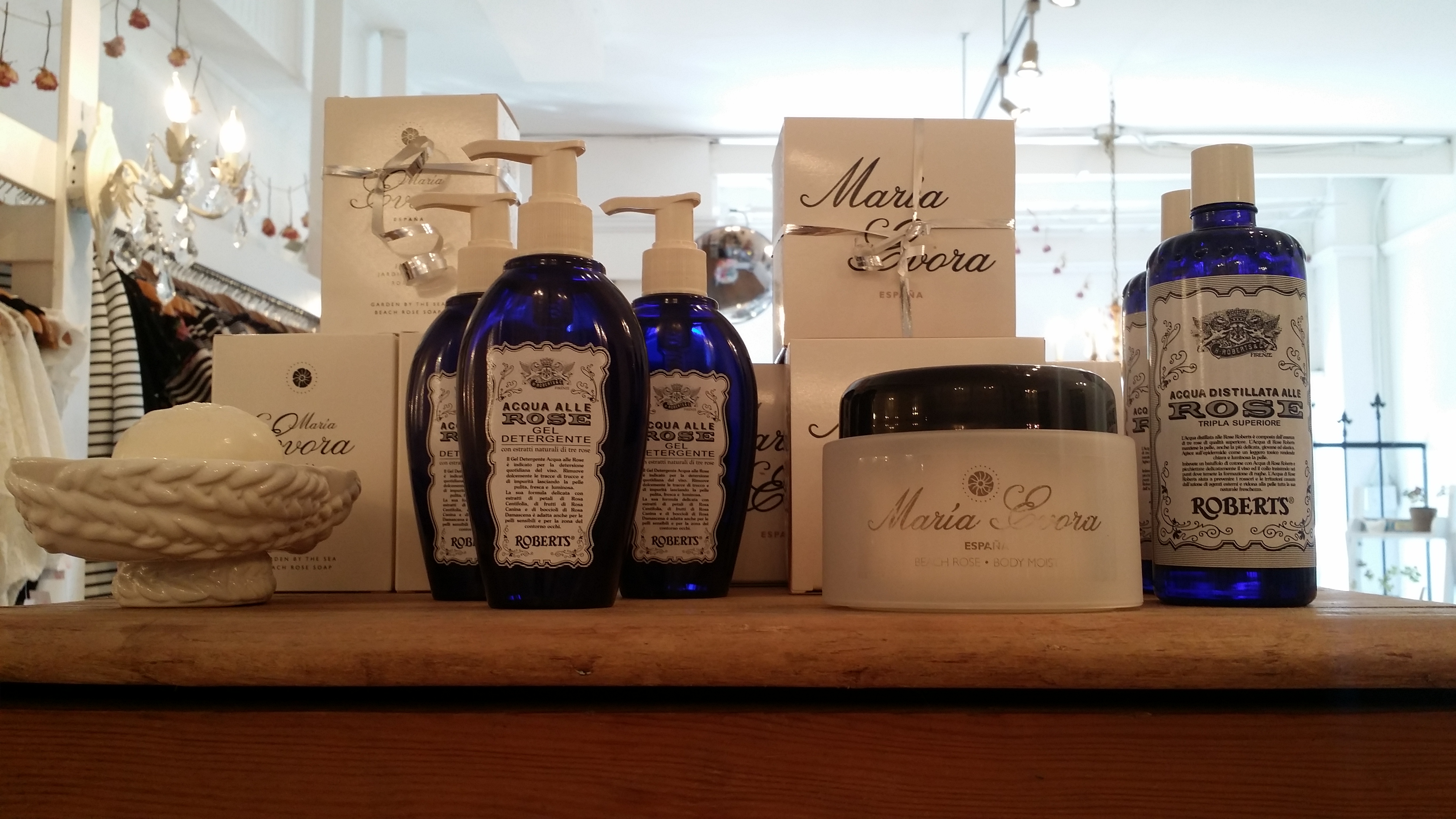
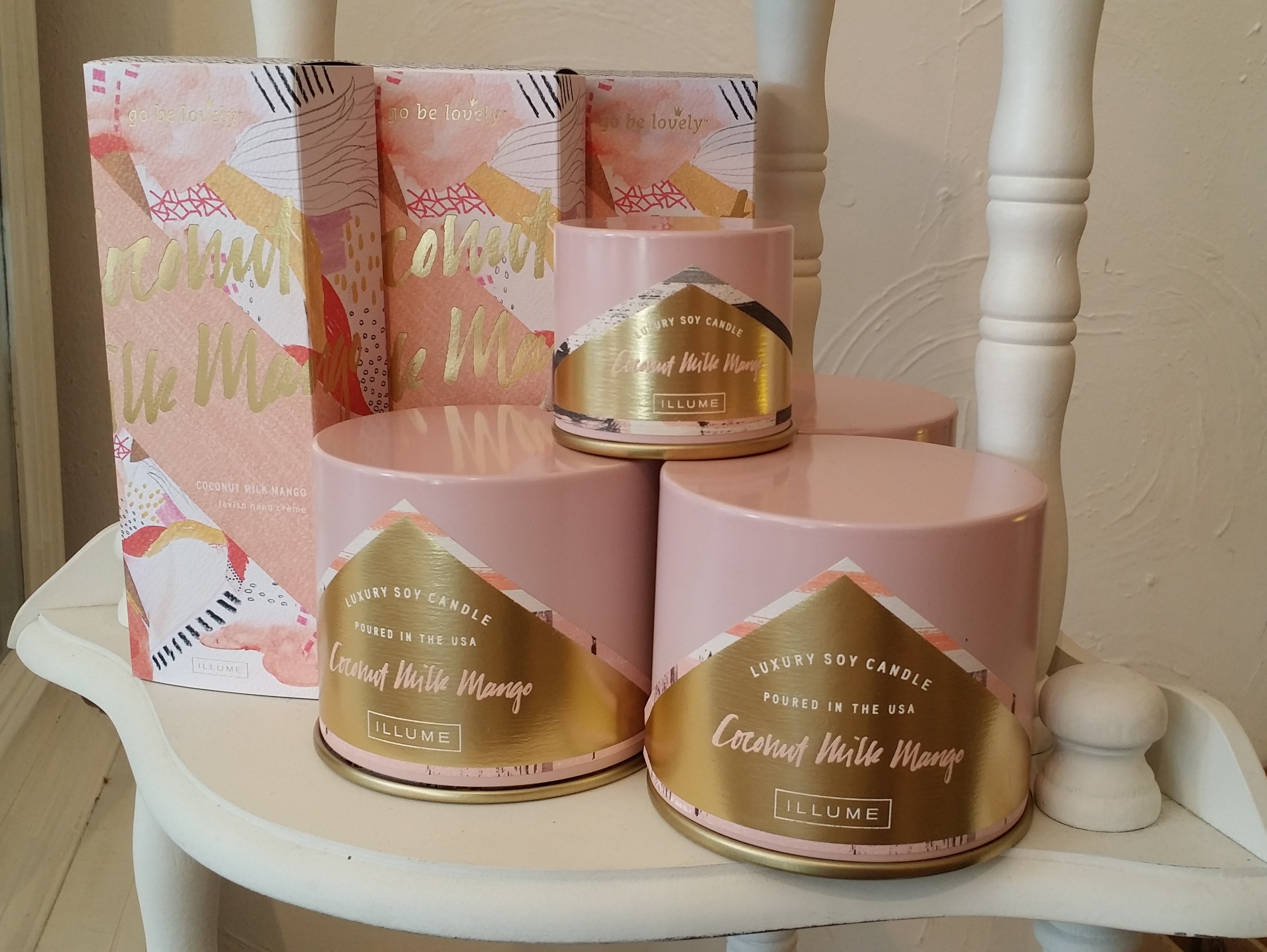
Some temptations that smell good enough to eat – at Barefoot Contessa – 3715 Main Street.
Maria Evora body lotions and soaps from SPAINBlithe & Bunny – handmade in the USA (honey almond)ILLUME coconut milk mango
Go be Lovely – USA
RobertsRose Cleansers & Toners from Italy
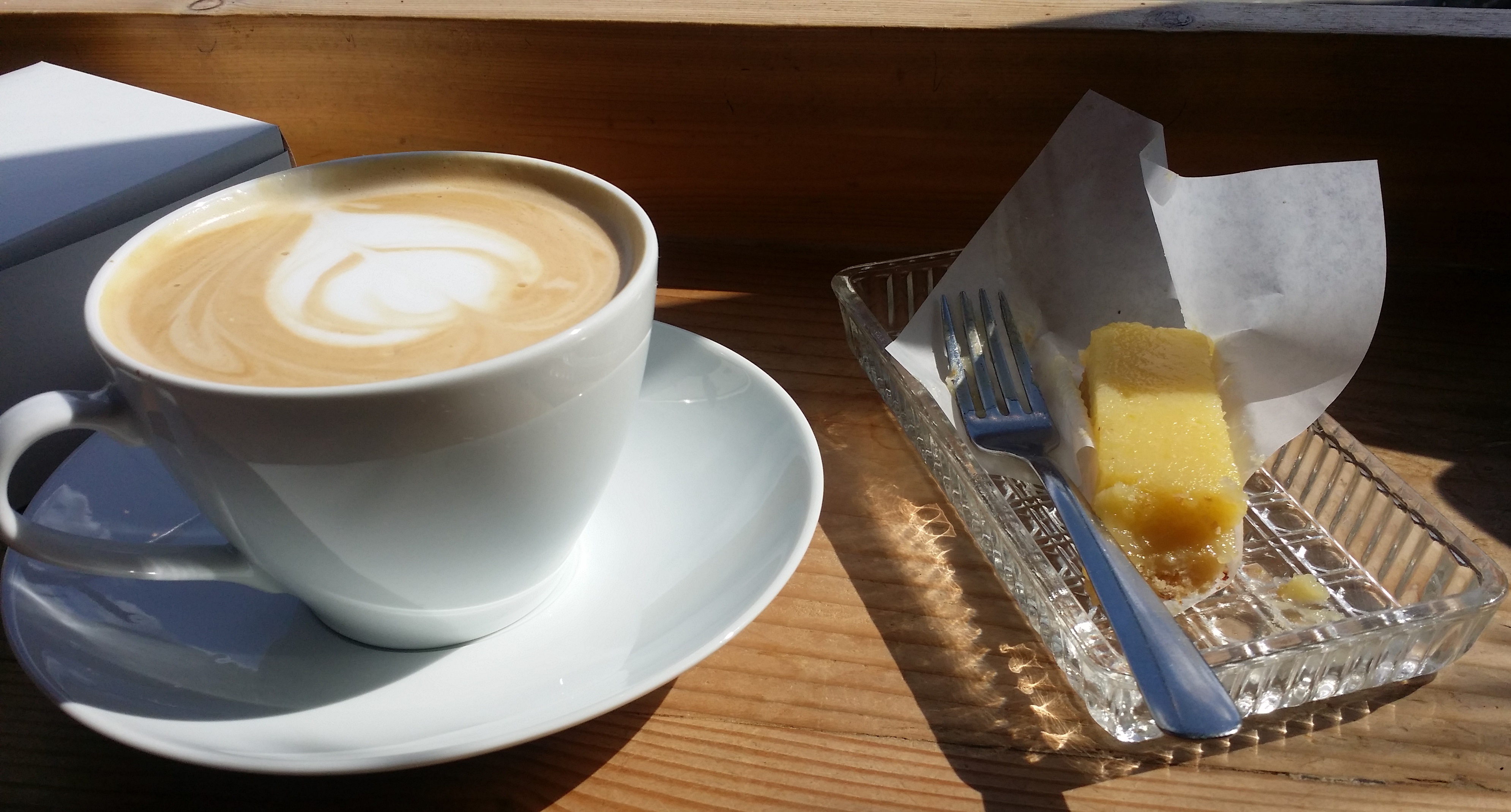
Raising the bar – while you’re there you should try the latte & lemon bar at Coco et Olive – 3707 Main St. The very best lemon bar!
It’s at times like this that I wish I had a second dog. Specifically a Chihuahua. A cute little female that I could dress up like I used to do with my Siamese cross-dresser cat when I was a child okay, a teenager. I could have started the whole trend. He was a fully grown male that looked like a baby wearing a pink bonnet and frilly dress (taken from my doll collection). He didn’t seem to mind.
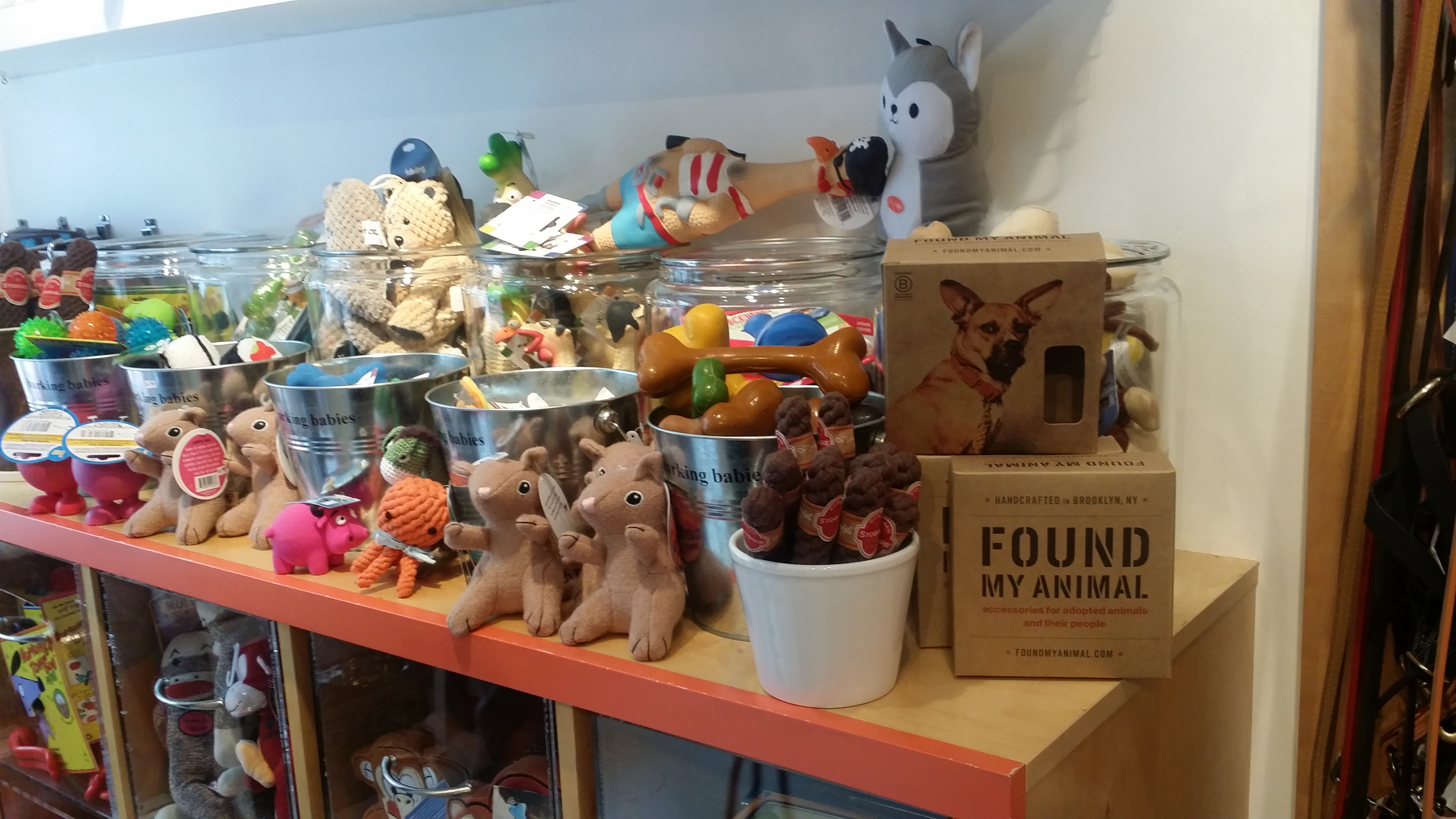
Fast forward to last Saturday when I strolled around Yaletown and discovered barking babies for the very first time – a lifestyle store for the hip and canine. Of course it’s hip, it’s in Yaletown.
If I had brought my mid size sheltie along he would have come across like a bull in a china shop with all the dainty little doggies
dragged in by their Lululemon wearing owners.
So definitely, yes, I can see myself shopping here on occasion.
And I’m thinking it’s only a matter of time before the designers have full blown seasonal canine runway shows. Can’t you picture it? I wonder what the resort collection would look like.
TOYSTREATS
This is a BIG business. People treat dogs like children. There’s a theory that people who dress up their dogs miss having actual babies? Do you think that’s true?
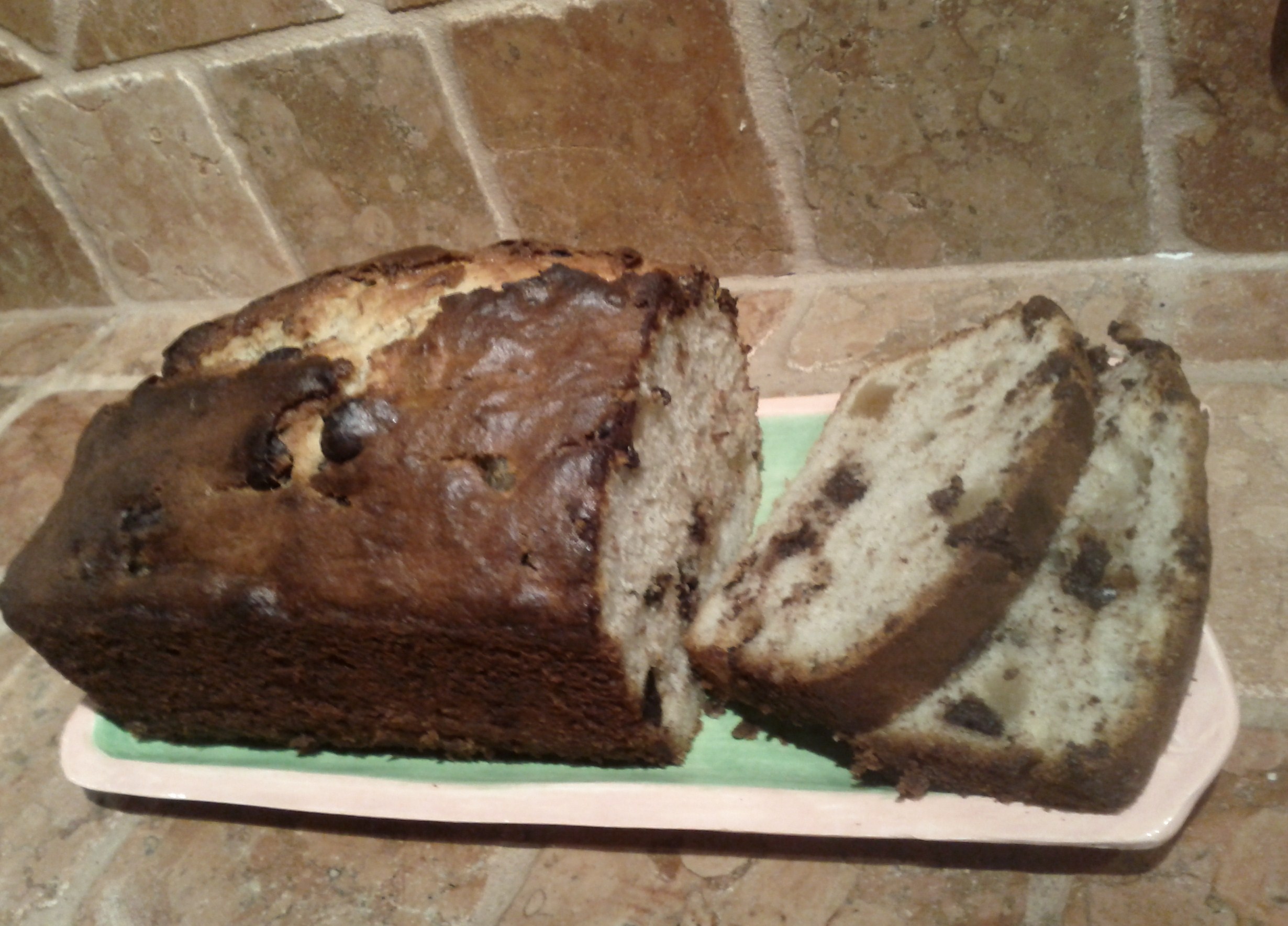
Every single coffee shop offers this. BANANA BREAD has to be one of the all time comfort loaves to accompany afternoon tea. It’s not quite a cake, not quite a bread and not really considered a conventional dessert but it’s always reliably satisfying and somewhat healthy as far as sweet things go. Make sure you use ripe bananas – it makes all the difference.
So here’s a great classic to start withWhat you need:
1 ¾ cups all-purpose flour
2 tsp. baking powder
¼ tsp. baking soda
½ tsp. salt
1/3 cup of unsalted butter at room temp.
2/3 cup sugar (I use organic cane)
2 eggs, well beaten
1 tsp. vanilla extract
1 cup mashed ripe bananas (roughly 3)
1 tsp. or more of lemon zest
Directions:
Heat oven to 350F
Sift first 4 ingredients (flour, baking powder, soda and salt)
In separate bowl beat butter (adding a bit of the egg will make it easier to blend), add sugar a bit at a time beating after each addition. Beat in the rest of the eggs.
Slowly add flour mixture, alternately with banana beating smooth after each addition.
Turn into greased 9” x 5” X 3” loaf pan. Bake in moderate oven of 350 approx. 1 hour 10 min. or until done and toothpick inserted comes out clean.
Variations:
You can vary this recipe by using a bit less banana and adding some fruit like raspberries or blueberries.
Or; you can omit the lemon zest and add 1/2 cup of chocolate chips.
with dark chocolate chips, candied ginger & almond – my favourite.
Try chopped up candied ginger chopped almonds and/or some organic almond extract with the chocolate.
It freezes well and is always a good thing to have on hand for unexpected guests.
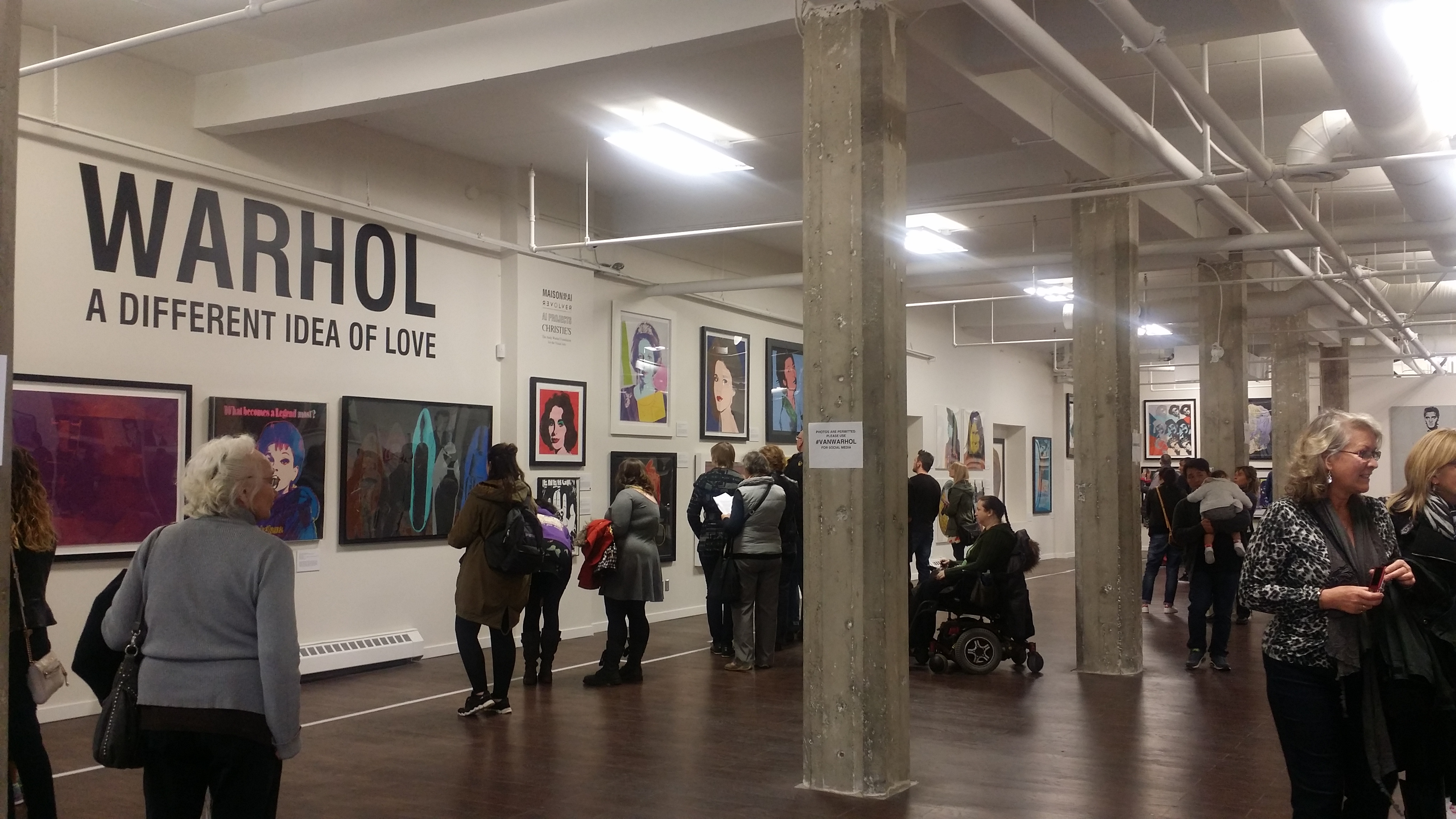
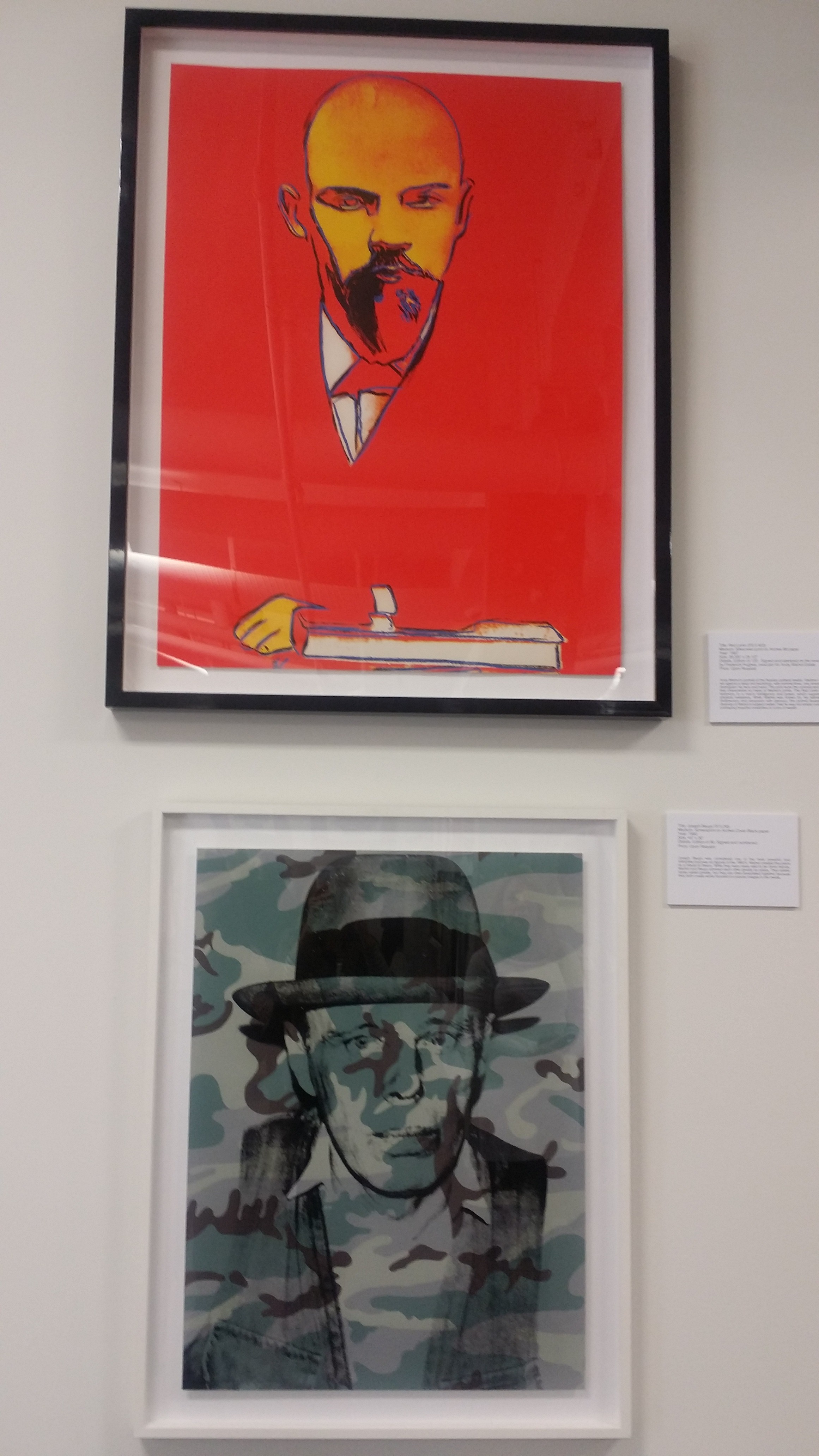
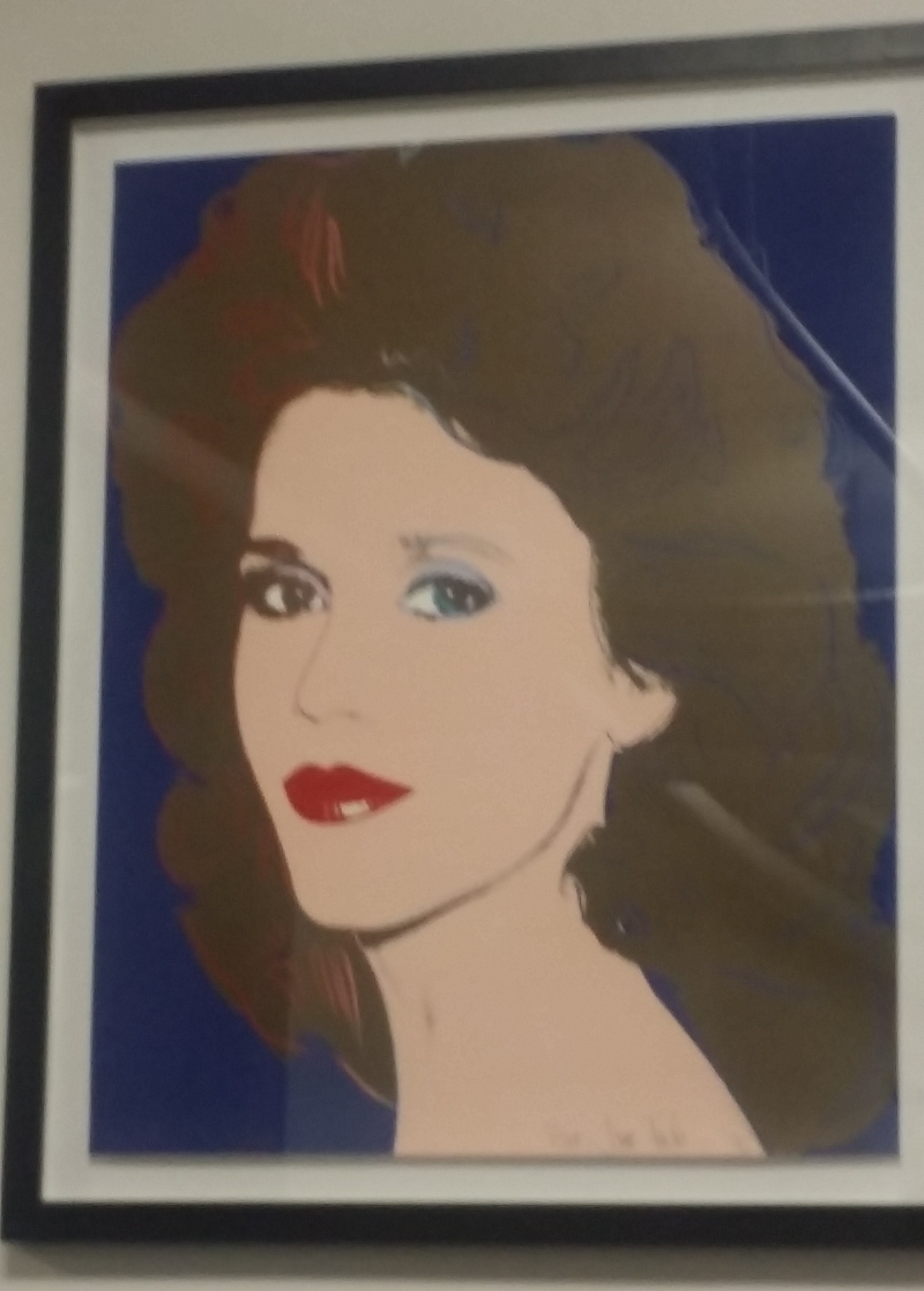
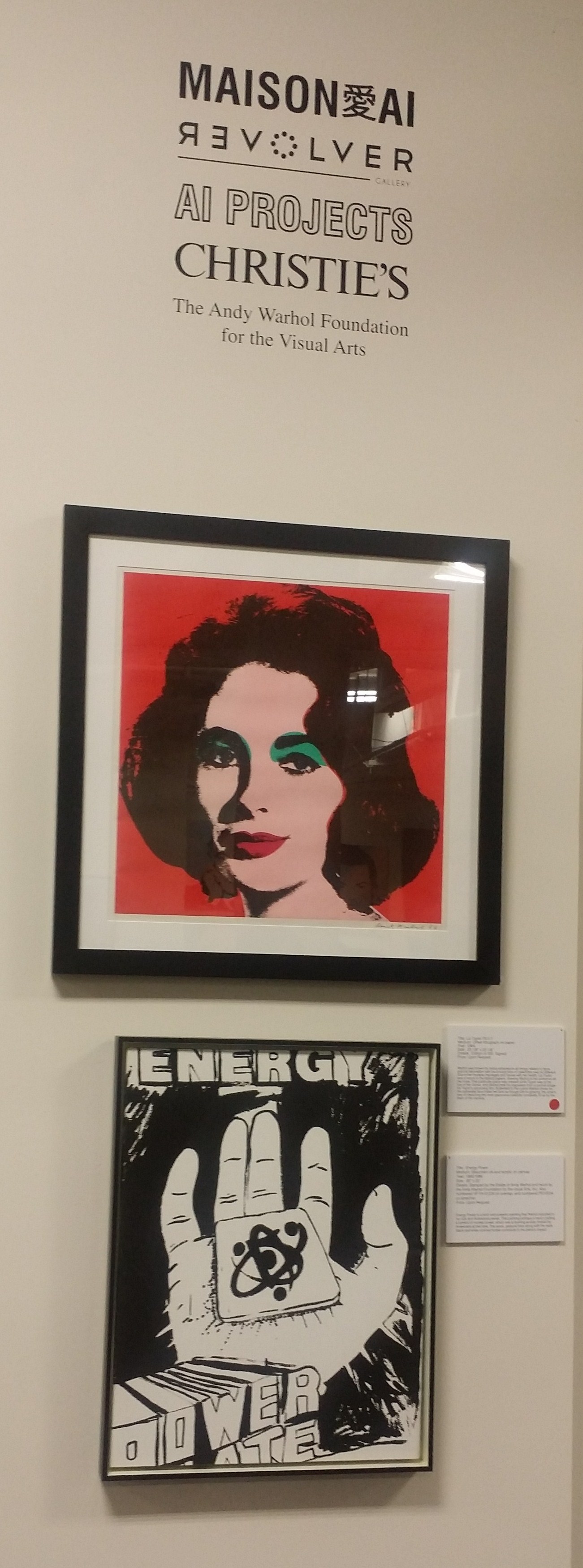
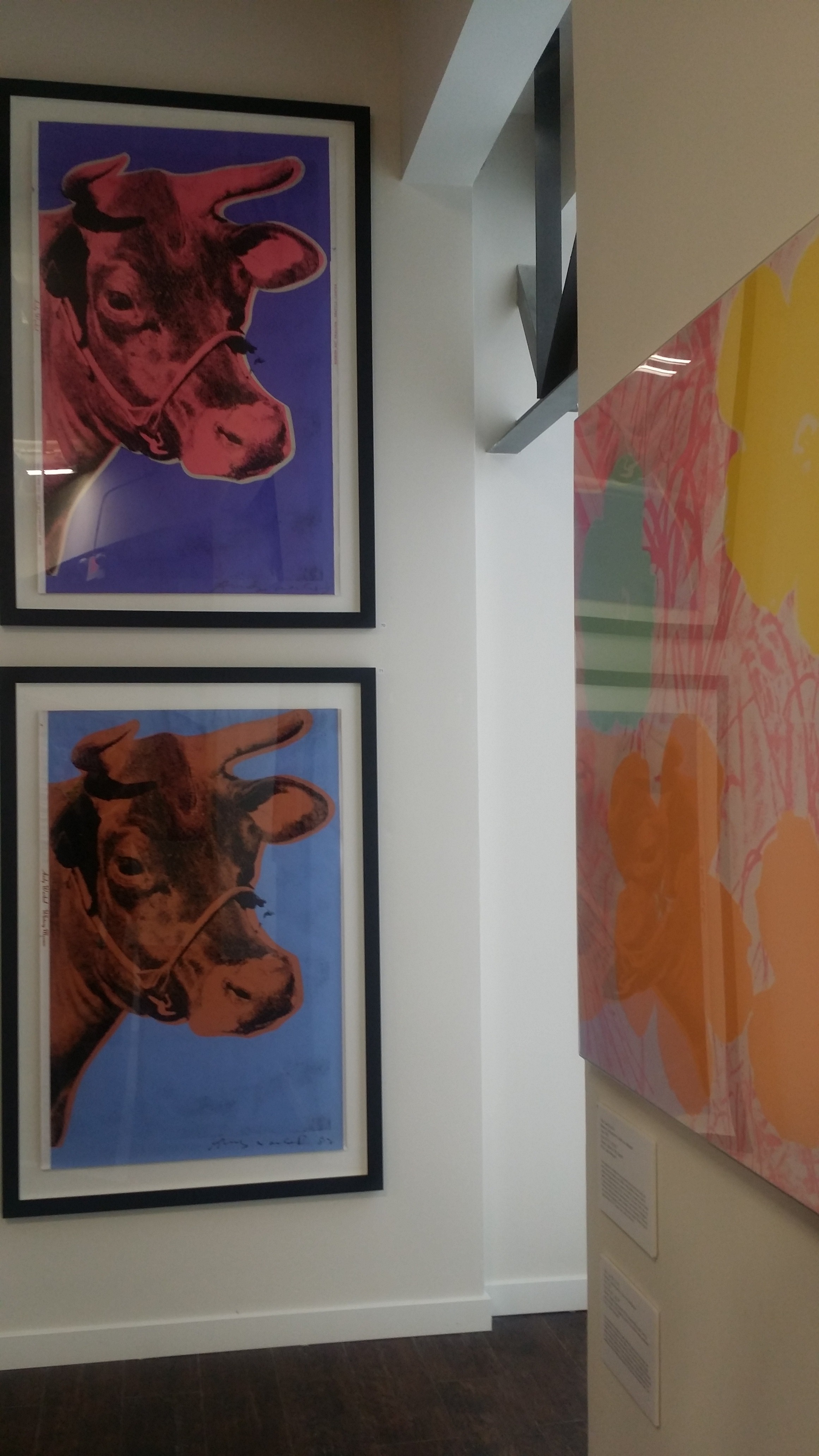
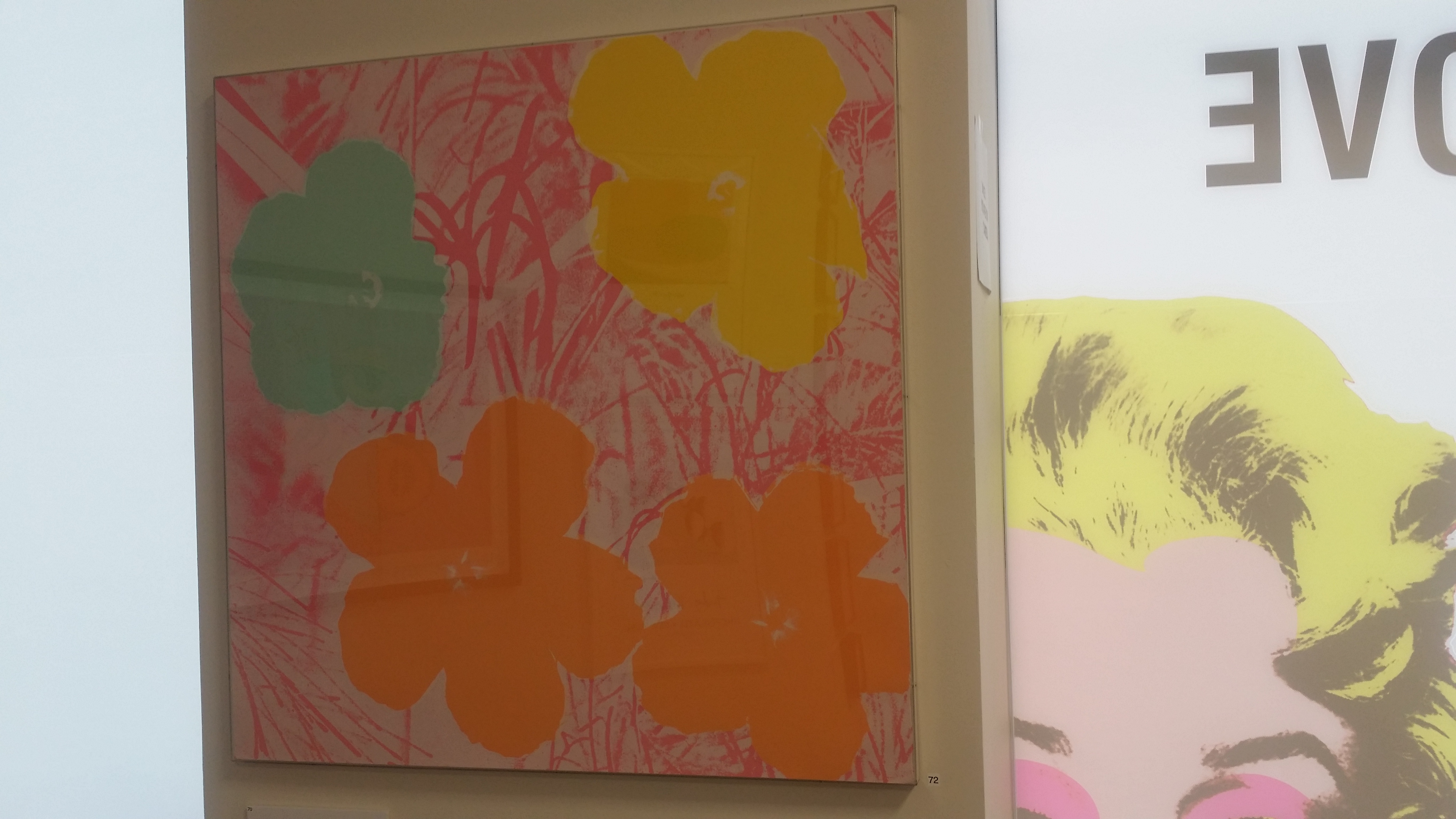
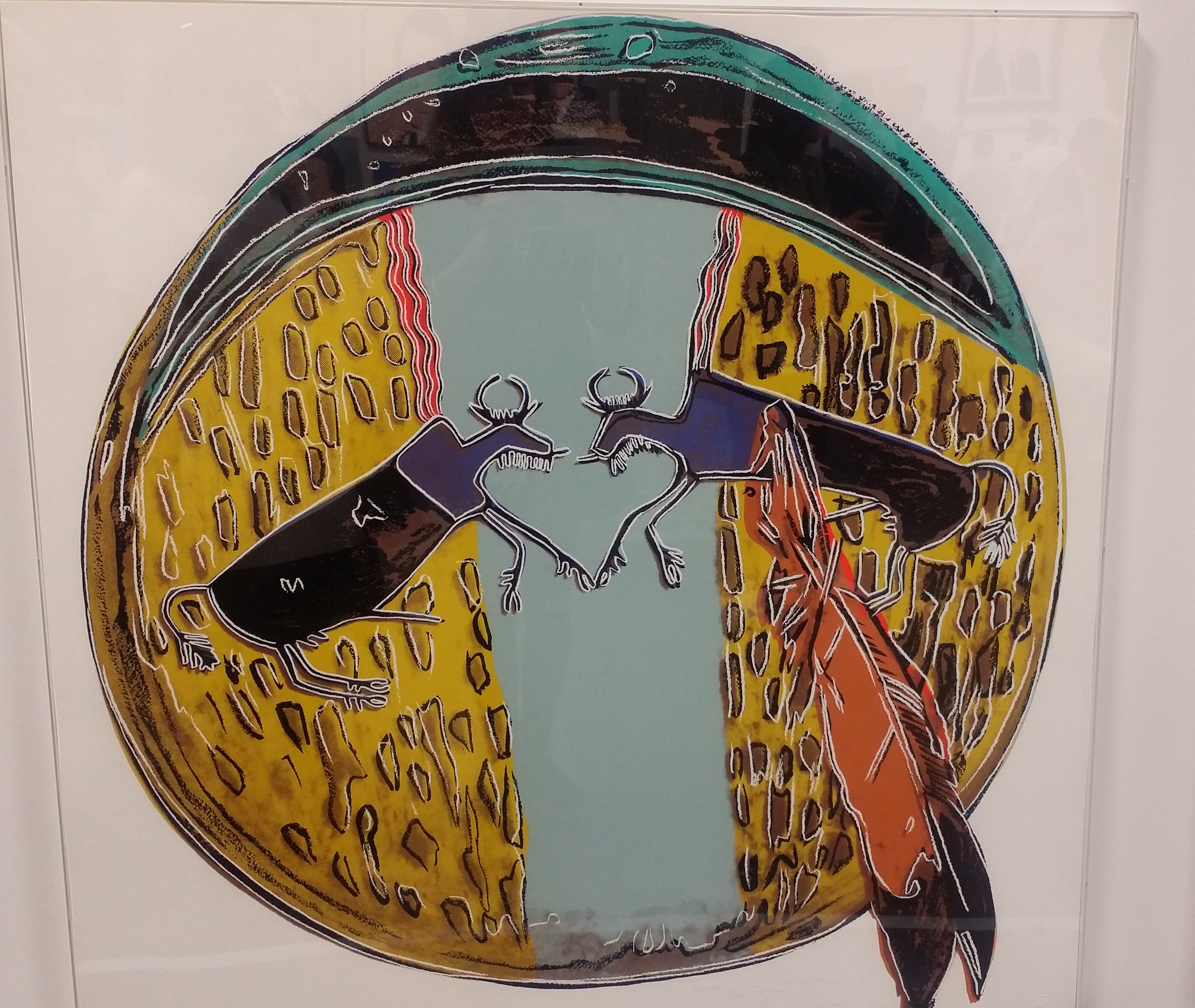
A Warhol public ‘pop-up’ exhibition was held for the first time in Vancouver at a Yaletown warehouse and presented by MAISON AI, and Revolver Gallery Beverly Hills, in association with Christie’s, and The Andy Warhol Foundation for the Visual Arts. It was a compilation of never (or rarely) before seen works from the private collection of Ron Rivlin, a Los Angeles businessman. Many of them were for sale. It was fascinating and it was free. Can’t believe I Almost missed it!
If it was not for a very good friend of mine (one who knows how much I love Warhol) who attended an opening reception and told me all about it, I might not have known because I was out of town and then engrossed in other matters until the very last day. But better late than never. I would have been upset to have missed such a captivating exhibit.
I’ve always been fascinated with all things Warhol. I made a pilgrimage to “the factory” on one of my many visits to New York in the early 80’s to try to locate him. I had imagined we might hang out, maybe take polaroids of each other and talk movie star gossip. How fitting since he made a silkscreen portrait of Ingrid Bergman (as a nun from the movie The Bells of St. Mary’s) and I worked for her daughter (Isabella Rossellini) for a little while. On that same trip I met Liza Minnelli (the daughter of Judy Garland and another Warhol subject) at Elaine’s restaurant. He loved glamour and I know he had a thing for shoes so we already had at least three things in common. Plus I had a subscription to Interview magazine and loved the photographs. Well Warhol wasn’t there but other people were so I got to hang out a bit and get a tiny glimpse into his world. At least just enough to satisfy my curiosity. He was pretty out there.
Mick JaggerJane Fonda
At the exhibit, Chris Dohm, the owner of Maison AI, apologized for the lighting which made it a bit difficult to take photos because of the glare. Even so, I was satisfied to get some pretty good shots for the blog nonetheless. I left feeling good and happy that here in Vancouver we were lucky to get this one of a kind presentation from such a gifted artist.
Truman Capote
And if you missed it, what a shame! This city should offer more presentations of this calibre.
*UPDATE: due to the overwhelming interest, the WARHOL – A Different Idea of Love selling exhibition will continue through to the 28th of April. Hours are as follows: OPEN TO THE PUBLIC APRIL 1st TO APRIL 28th, 2015
Friday afternoons 4pm to 8pm*
Saturdays & Sundays 1pm to 5pm*
COLLECTORS’ PRIVATE VIEWINGS BY APPOINTMENT:
Tuesday to Friday, 11am to 4pm*
Please contact: warhol@maisonai.com Serious inquiries only
Closed Mondays and Public Holidays, including Good Friday.*possible early closings for private event.
BUYINGWARHOL: Christie’sAmelia Manderscheid (Head of eCommerce Channel, Post-War & Contemporary Art) will be at the AI PROJECTS space this Saturday, April 4th from 2pm to 5pm, to answer questions about buying Warhol and contemporary art.
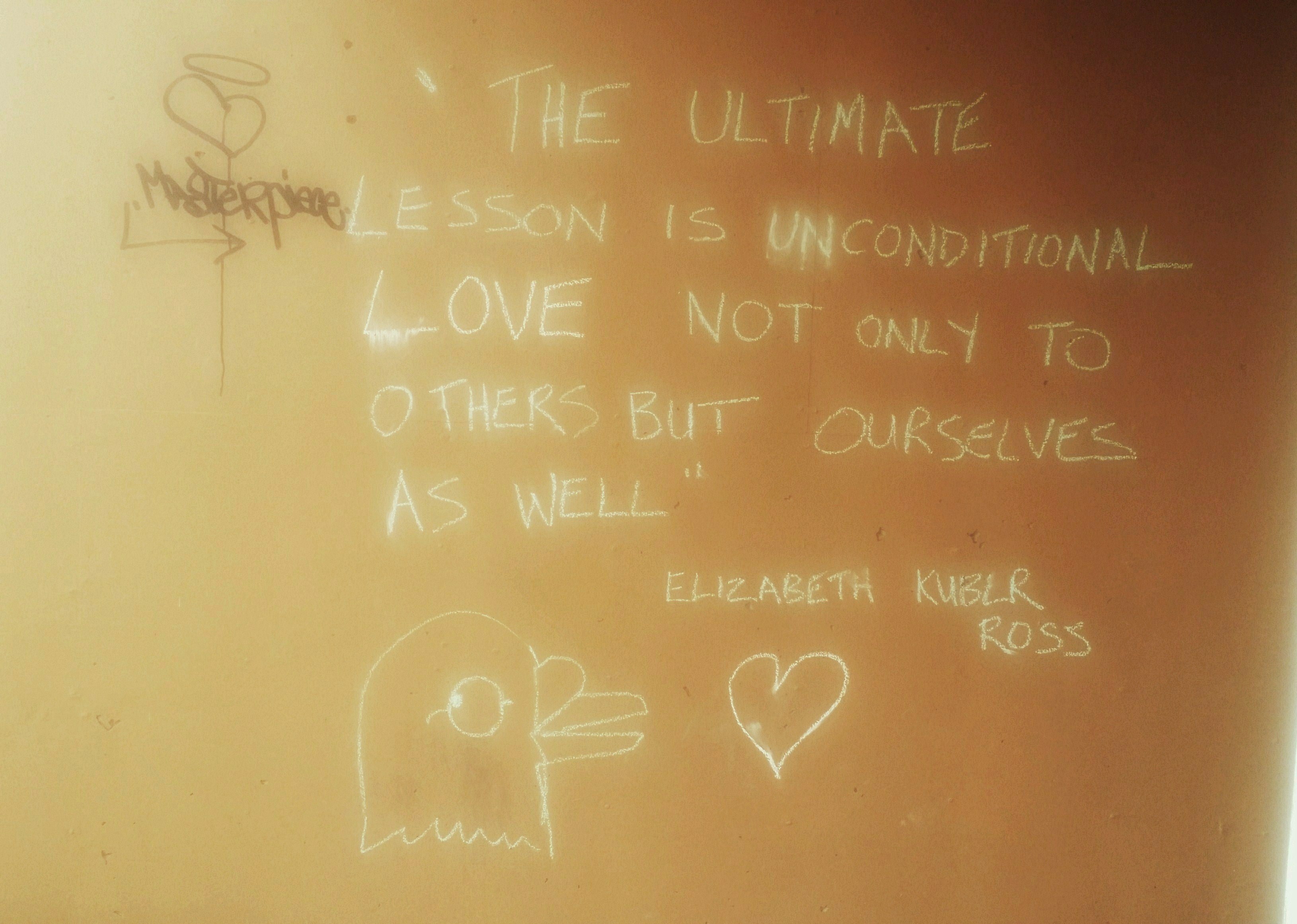
Unconditional love is caring about the happiness of another person without any thought for what we might get for ourselves. It’s akin to having had the love of good parents (lucky me).
I saw this on a wall & it made me think
I was running with a friend when me came across this wall graffiti. We were just talking about doing the best we can to look after ourselves in terms of working out and our overall health. Because in actuality how can we wholly give ourselves to another person without being in tip-top shape mentally and physically ourselves? Or at least trying to?
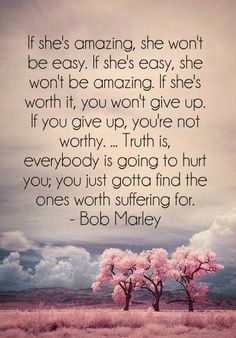
“No matter how many times she was told that she was loved, there was no recognition that the proof was in the abandonment.” – Markus Zusak, The Book Thief
“There must be a stronger foundation than mere friendship or sexual attraction. Unconditional love, agape love, will not be swayed by time or circumstances. ” -Stephen Kendrick, The Love DareIf you want loyalty and unconditional love just get a dog.
Of course you cannot beat barbequed ribs for the best smoky flavour but I just made an amazing batch of ribs that were completely baked in the oven – while still maintaining a smoky flavour. That’s right! Even I was surprised at how delicious they turned out. I first rubbed them all over with a homemade tex-mex dry rub which I provided the link to below (from a previous blog post) but you can always improvise.























You must be logged in to post a comment.