NEW Stress Busters: they claim to provide instant gratification while also taking you off the burnout path. And aren’t we always looking for INSTANT gratification?
“IF we create conditions for the mind to be more relaxed, the body follows suit.”
The following was written by Emily Cronin on “THE MIND” for Harper’s Bazaar Magazine. Read on:
Whatever the cause of your stress (the boss, the nonexistent exercise routine, dwindling bank balance that keeps you on edge, etc.) negative effects of stress are as familiar as they are stressful to consider. Elevated levels of cortisol, known as the stress hormone, correlate with higher blood pressure and cholesterol as well as a greater likelihood of colds, flu, allergies, heart disease, and diabetes. Chronic stresscan accelerate aging by shortening telomeres, the protective segments at the ends of chromosomes. And since groups disproportionately affected by stress include women, millennials, urbanites, and anyone in a demanding career, there’s plenty of room for winners (losers?) in the demographic stress jackpot.
There’s even a National Stress Awareness Month, which you may stress out about having missed. (It was in April.) Still, there’s a perverse pride in stress, fusing as it does the self-importance of feeling indispensable with socially sanctioned concerns about “overdoing it.” My personal ballad of high-tension living stretches from the thrilling (a transatlantic move, a busy writing career, a potential new puppy) to the harrowing (my father’s cancer).
I know I’m stressed—in the high-velocity, achievement-oriented, borderline-manageable sense specific to New Yorkers. But when high stress levels seem like prerequisites for so many careers (Wide-awake with deadline panic? Great—it’s good to have work!), how bad could my stress really be?”Long-standing high cortisol levels can ultimately lead to burnout,” says Florence Comite, an endocrinologist and founder of ComiteMD Age Management Specialists.
“There’s a danger in pushing yourself to such an extreme that, at some point, your body just shuts down.“In a bid to find out how tightly wound I am, Comite sends several vials of my blood to be tested by Quest Diagnostics and calls once the results come in. “You have very high cortisol levels,” she says. “A normal level is six to 12, but for New Yorkers we consider up to about 15 okay. You’re at 25.” I think back to nights of mind-racing insomnia, uncalled-for bouts of snappishness, the sense of strain that spills over to discolor nights with friends. Twenty-five: Sounds about right.I synopsize my short list of stressors, feeling increasingly like I’m making excuses for a very real problem. “You have hit almost every high point on the stressor scale,” Comite says, sounding aghast if sympathetic. “You’ve just mentioned half of the reasons for high stress. You’re coping with a lot of change, so your cortisol is very high.
“Clearly something has to give, and since I can’t control most of my sources of stress, and am unwilling to resign from those I do have a hand in, addressing my skills for handling the high-intensity episodes in my life seems a good place to start. Quickly I learn that the most oft-cited stress-management technique is mindful-ness, the idea that equipping people with the tools to respond, rather than merely react, to stressful stimuli is more effective than trying to sweep stressors from our lives.Mindfulness can be as simple as paying attention and focusing the mind on the present, typically through meditation.
“Stress comes from reactivity to what’s happening,” says Lynn Koerbel, an instructor of mindfulness-based stress reduction (MBSR) at the Center for Mindfulness at the University of Massachusetts Medical School. With MBSR, “the relationship between the person and what they’re experiencing begins to shift.” Classic training entails an eight-week course, along with up to an hour of daily meditation. The regimen can seem demanding, especially to time-strapped stress balls unsure how to fit everything else in their lives into the day. Ahem.
“It’s very easy to say you don’t have time to do something,” says Andy Puddicombe, a Buddhist monk turned meditation guru for the digital age. “But most people find time to watch a sitcom or go online. We all have 10 minutes.”
Puddicombe is a cofounder of Headspace, a Gwyneth Paltrow–approved online meditation portal dedicated to the idea that even the most harried urbanite can achieve inner peace through snack-size meditation sessions. The site’s design elements seem calculated to appeal to those more comfortable with iPhones than incense. In place of singing bowls and meditation studios there are animated videos comparing the cluttered mind to a cloudy day, and recordings in which Puddicombe, with his soothing British accent, advises his listeners to “become more aware of the immediate environment.”
Before I start the first of 10 days of guided meditation sessions, I text my mother, a clinical psychologist who has long extolled the virtues of relaxation, to fill her in on my evening’s activities. Her response is immediate and lovingly sarcastic. “You mean you need to relax? YOU?? No!!” Point taken, I click play … and the first time around, it’s the longest 10 minutes of my day. By the second, third, and fourth rounds, it’s more familiar, and by the fifth, I’m looking forward to waking up and taking 10—or, rather, to the sense of centeredness that my amateur version of meditation equips me with before I have to go out into the city clamor. “The relationship between mind and body is so strong,” says Puddicombe. “It’s no surprise that if we address the mind and create conditions for the mind to be more relaxed, the body follows suit.”
The inverse also holds true, one of the reasons that therapists laud yoga as another stress buster. Only after putting my body through a series of increasingly demanding asanas in Yogi Charu’s packed class at Pure Yoga do I realize that focusing on form has quieted my mind—at least through the last NAMASTE.
I have to venture somewhat farther off the stress-beating path to try qigong, an ancient Chinese energy-healing art that Comite urges me to explore. “It’sone of the best ways to reduce stress,” she promises. Qigong has two strands: a practiced form that looks a little like slow-mo yoga, and a therapeutic application that somewhat resembles Reiki. “Ninety-nine percent is relaxing. One percent is shocking. But you should be okay,” says Robert Peng, a qigong master with a two-year waiting list. “Just imagine that you’re a sponge, floating in a warm ocean of qi,” or energy. His goal, he tells me as I clamber onto the treatment table in his Upper East Side office, is to “empower that energy,” promoting a more fluid, restful state. Using his hands, Peng prods the energy meridians on my head, then works his way down the body, whisking away any “blockages” he detects. This begins to seem almost mystical when Peng says he’s going to give me his qi: He places his fingers on my forehead and shocks me with what feels like an electric current emanating from his fingertips. Every time he “zaps” me—on my forehead, my chin, the sides of my neck—I open my eyes, certain I’ll see a novelty buzzer in his hands. “It feels like electricity, but it’s not,” Peng explains. “It’s very powerful qi energy.” He releases me out into the afternoon. I practically float home across Central Park, my shoulders three inches lower.
Maybe my relaxed state is a function of my newly unblocked qi. Though I suspect that it could be influenced by something I had read earlier: the idea that stress isn’t the problem—at least not to the extent to which we cite it as the source of all ills. In her latest book, One Nation Under Stress, Dana Becker, a psychotherapist and professor of social work at Bryn Mawr, writes that by “elevating stress to the status of an actual disease,” we invest it with more significance than the legitimately difficult scenarios that generate anxiety. “We focus so much more on the effects of stressful situations than what’s creating the stress in the first place,” she tells me. Life can be difficult—even, at times, traumatic—and, as Becker says, “the long-term solution is not going to come in the form of doing more yoga or eating more kale.”
What the long-term solution looks like, I’m learning, is different for each of us. It’s probably true that I need to relax, and mindfulness practice, qigong, and yoga represent steps in the right direction. But the best part of keeping my mind focused on the present? It leaves room for spontaneity—and the concurrent acceptance that maybe I don’t want to let go of all my stress. It’s part of me, and I am never, ever going to be a person who sails through life, serene and stress-free. That thought is all it takes to shake off my should-be-meditating guilt and meet a friend for a drink. And exhale.
It sounds so calming and perfect…like being in “thezone” (a state of flow-like existence with increased focus and attention for obtaining higher performance levels – in a nutshell). In true yoga or meditation especially you need that kind of concentration and awareness, but in day to day life with a fairly short attention span how easy is this to accomplish? Can it be learned or does it automatically come from within? Just asking.
Sometimes you want to remain cool and together but then something happens like the car breaks down just before an appointment or the sale you’ve been waiting for all of a sudden gets cancelled…and your whole world turns upside down. Okay, that’s a huge exaggeration, but you know what I mean. How do you refrain from going crazy keep calm when life’s little annoying problems keep cropping up?
For some it will be effortless, for others not so smooth sailing. But YOU CAN achieve this state. I read that to really become more Zen-like you must be more like…….water??
Be like Water…..
When you consider our human nature and nature itself— it’s very hard to ignore the significance that WATER plays in our world and life. And, upon further review, what you are likely to notice is that the highest and most notable Zen traits very closely mirror those of our most valuable and notable natural element— WATER.H2O = 2-H, 1-0 (2.1)
To be Zen-like is to embody the characteristics (the habits) of water. Okay, I don’t have a problem with that.
Water and Zen are:
balanced – adjusts to pressure/ environmental influence always finds equanimity. Perfect ph balance strong – it’s strength on a molecular level and supernatural level is legendary persistent – water always find a way. relentless and persistent soft – very soft smooth–no harsh edges(how’s your character hard/rigid?) transparent –truth is always ultimately apparent. clarity provides focus slow – can move quickly but it’s nature is slow, steady deliberate – no confusion of it’s intentions consistent – water always behaves in the same manner formless – adapts to surroundings. is flexible and malleable… gas, liquid, solid natural – does not try to be anything other than it’s own true nature cohesive –it’s sticky and strongest when bounded with like substance. recognizes the value of teamwork solvent – simply known within science as the universal solvent effortless –may be the most powerful and persistent natural force yet accomplishes everything with natural ease
“The only true aristocracy is that of consciousness.” ~D.H. Lawrence
Okay, I’ll give it a go. What do I have to lose.…after all, it’s only WATER!
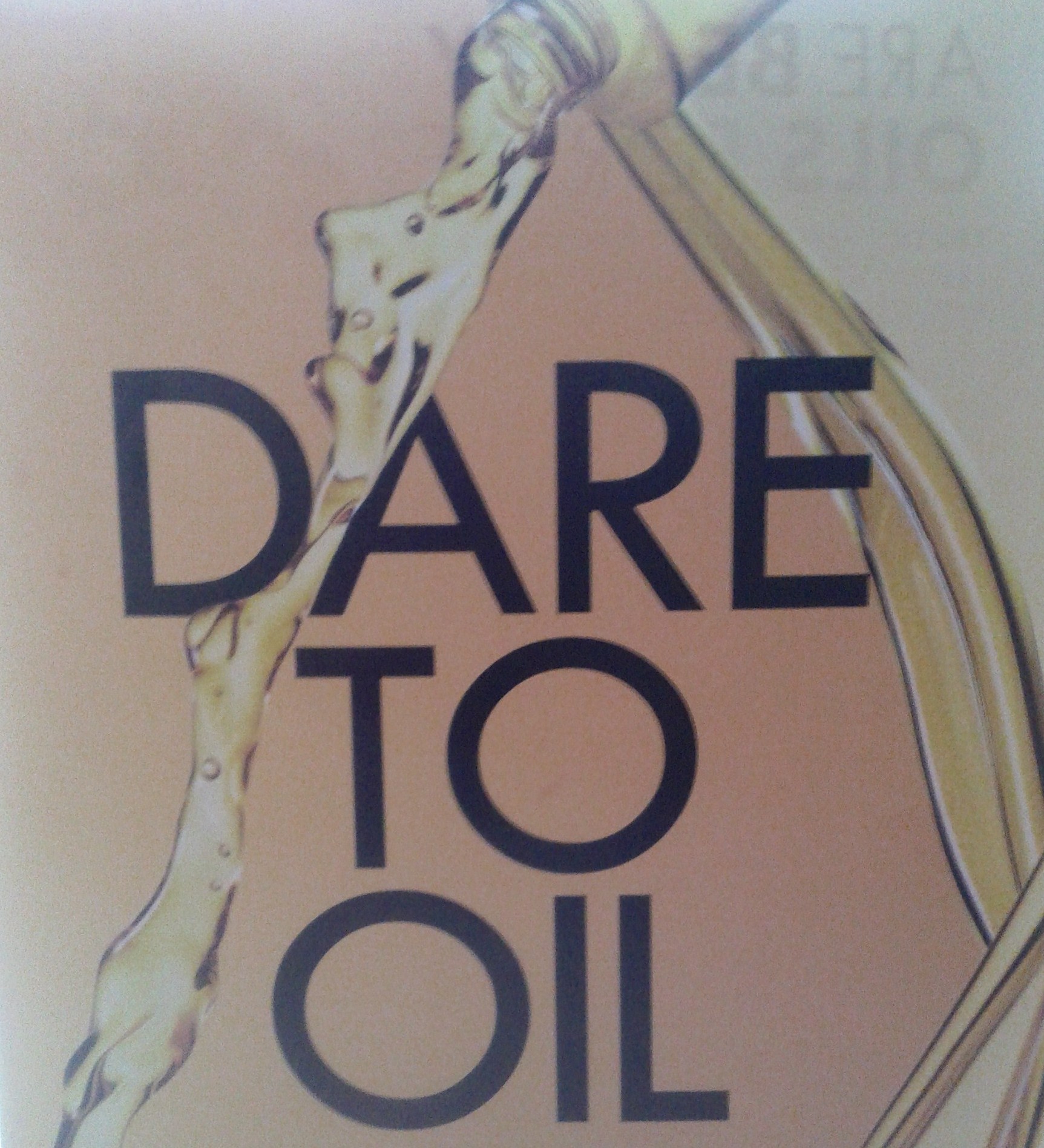
This is Skincare’s Latest Must-Have? Then I’ve been well ahead of the curve!
This is the latest beauty buzz (although it’s been around for centuries). The photo is from a brochure picked up on my latest Sephora outing and it was also bravely splashed all across the store window. We’ve talked about this before but all of a sudden OILS are Everywhere! Truth is, there’s an oil for you – of course there is! Let’s find out ten timely truths about face oils:
1) All fears aside….there’s almost nothing an oil can’t do. The question is, what do you want it to do?
2) Oils deliver moisture and radiance without residue to lackluster complexions.
3) Applying oil to already oily skin can help manage pore clogging sebum.
4) Oils smoothly deliver antioxidants and other powerful antiaging ingredients to reduce the appearance of fine lines and wrinkles.
5) Soften and moisturize with a blend that’s suitable for sensitive skinincluding Rosacea .
6) Press oils onto your face, don’t rub.
7) You can mix oil with your foundation for additional moisture (especially in winter) and skincare benefits. Even shampoo or conditioner for silkier strands.
8) Apply your skincare in order of thickness, with the thinner formulas first. This usually means oil goes on after serum but before moisturizer. You can use them Day or Night.
9) Use oil on dry hair to tame flyaways.
10) Massage oil over a dry clay mask to help remove iteasily.
Here is my recommendation for a luxurious oil featuring 19 key ingredients. Get “SpOILed” Now available at:
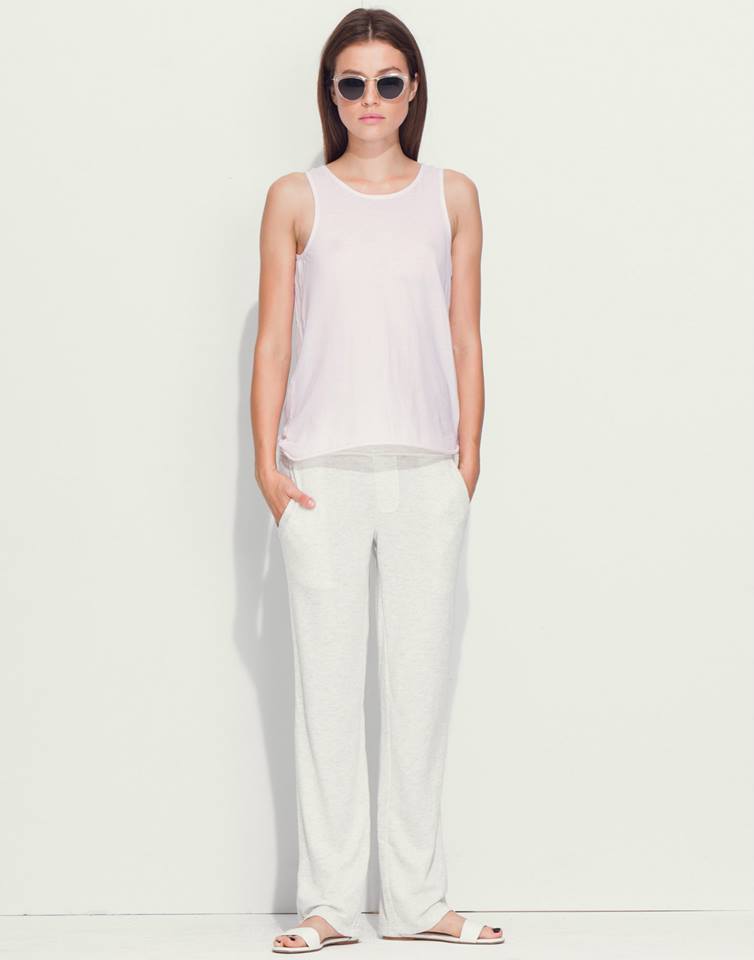
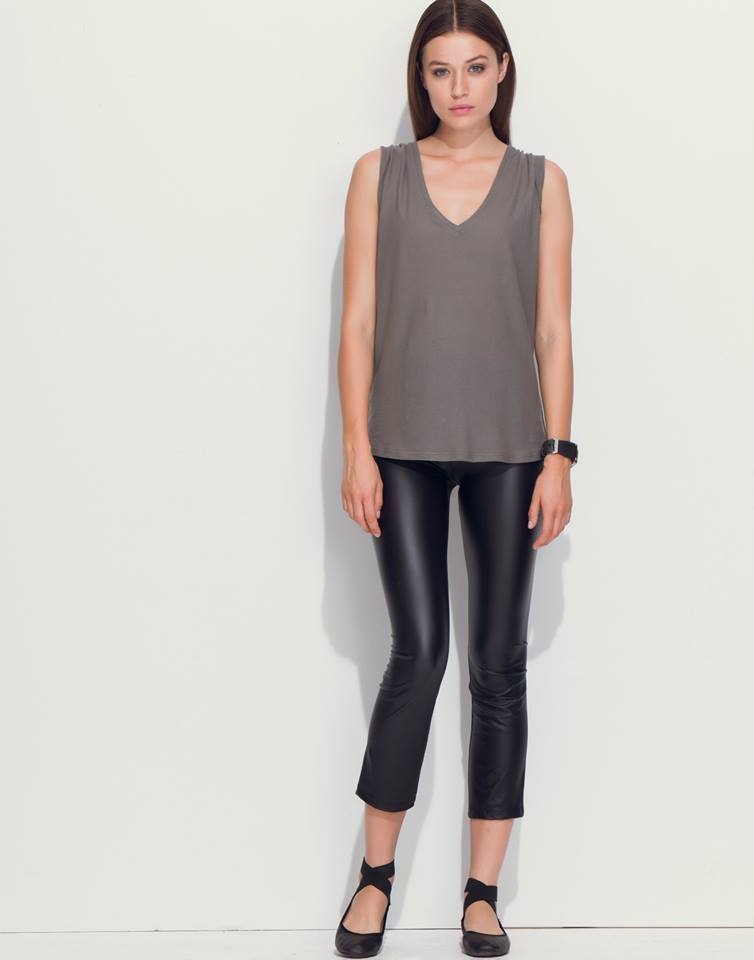
Can’t say enough about this casually chic, comfortable, eclectic clothing line. You won’t need to give up comfort for pure style – you can have both. Some pieces you’ll just want to use for working out (or at least look like you are) but for the most part, the separates are worn in a tasteful relaxed manner – Made in California style with an edge. Like the girl who designs it, my friend Natalia. She’s a natural so of course I was excited when she first told me about this line…but aside from the fact that she’s a friend I wear Garbe Luxe a lot…because it’s so well made and I love it. Thanks Nat for creating these cool cutting- edge designs.
All photos from the Spring/Summer 2014 Lookbook.
The Pants: For instance, I find myself more often than not reaching for the (not so) basic and seam leggings to wear in place of jeans and the Luca (leather-like) legging for informal evening wear. The moto legging I wear for both running and as a basic legging for a sporty cool vibe. The VIV Foldover I’ve even worn out dancing – feels great for movement and resembles a dress pant. They all wear very well and keep their shape after washing which is a BIG plus.
The Tops: I don’t have ALL of them just yet but I do get plenty of wear from the striped Piper shirt + Biko super cozy pocketed sweatshirt right now and the low-back tank and classic undershirt tank (which is great for layering by the way) when the weather is warmer. The material is made from super soft high quality organic cotton. The long and the short of it: both style bra tops are worn regularly for gym or running. They keep me secure, are breathable, comfy and flattering – something not always found with these types of tops. They are not like the others even if they resemble some that are
out there – trust me on this.
Last year the lifestyle line was picked up by Neiman Marcus in 18 stores. They currently have orders from over 30 retailers and are featured in ShopBop.com – the world’s leading online fashion boutique.
Garbe Luxe was featured recently in Elle Magazine (wait-listed hottest item the GARBE LUXE Moto legging) and was featured in Garance Dore’s blog (one of the most popular fashion bloggers) on the list as her favorite things packed for her Bali vacation! Hey, they were also packed for The Girl Who Would be King’smini vacation to Palm Springs over the holidays.
For a complete look at current styles including bra tops please visit Website: http://garbeluxe.com/
From the website: GARBE LUXE is a lifestyle collection designed for the fashionable woman that desires to look stylish in both her casual and active wardrobe. The result is a thoughtful clothing line, which integrates functional design, technical fabrics, and impeccable construction with a stylish edge.
GARBE LUXE is proudly and responsibly designed and manufactured in Los Angeles, California.
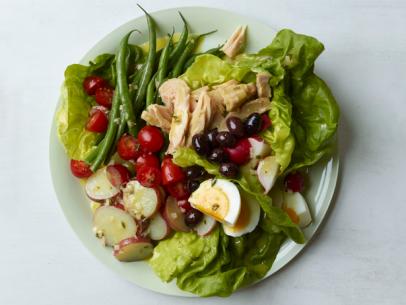
1960’s. While no one lays claim to inventing this French salad “niçoise” just means “in the style of Nice,” the French beachside town. Credit goes to Julia Child for popularizing it in America in the 60’s.
Ingredients:
1 pound red-skinned potatoes, sliced 1/3 inch thick Kosher salt
2 tablespoons dry white wine
10 ounces haricots verts or thin green beans, trimmed
4 large eggs
1/4 cup white wine vinegar
1/2 shallot, minced (about 2 tablespoons)
2 tablespoons dijon mustard
1 tablespoon chopped fresh thyme
Freshly ground pepper
3/4 cup extra-virgin olive oil
8 cherry tomatoes or small cocktail tomatoes, halved or quartered
1 head Boston lettuce, leaves separated
6 radishes, trimmed and quartered
2 5 1/2 -ounce cans Italian or Spanish tuna packed in olive oil, drained
1/2 cup nicoise olives
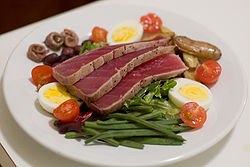
A modern take with seared Tuna.
Directions
Put the potatoes in a medium saucepan; cover with cold water and season with salt. Bring to a simmer over medium-high heat and cook until fork-tender, about 5 minutes. Drain and transfer to a medium bowl; drizzle with the wine and let cool. Reserve the saucepan.
Meanwhile, bring a separate saucepan of salted water to a boil. Fill a bowl with salted ice water. Add the haricots verts to the boiling water; cook until crisp-tender and bright green, 2 to 4 minutes. Drain and immediately plunge into the ice water to cool; drain and pat dry.
Place the eggs in the reserved saucepan and cover with cold water by about 1 inch. Bring to a simmer over medium-high heat, then cover, remove from the heat and let stand, 10 to 12 minutes. Drain, then run under cold water to cool. Peel under cold running water.
Make the dressing: Whisk the vinegar, shallot, mustard, thyme, 1/2 teaspoon salt, and pepper to taste in a bowl. Whisk in the olive oil in a slow, steady stream until emulsified.
Toss the tomatoes in a small bowl with salt and pepper to taste. Add about 1/4 cup dressing to the potatoes and toss. Quarter the hard-cooked eggs.
Divide the lettuce among 4 plates. Arrange the potatoes, haricots verts, radishes, hard-cooked eggs and tuna on top. Pour any juices from the tomatoes into the dressing, then add the tomatoes to the plates. Drizzle with the dressing and top with the *olives.
The Niçoise Olive is grown in Cote d’Azur – a region of the French Riviera.
*Did You Know…?
Because the true Niçoise isn’t a large crop (with harvests rarely exceeding 50 metric tons), most companies and olive importers grab Niçoise StyleOlives from Italy, Spain or Moracco. Most any olive you see in the market that is identified as a “Niçoise” isn’t from Cote d’Azur. Substitutes: Kalamata
So when was the last time you made or ordered a salad like this?
The 56th Annual Grammy Awards just aired and it’s usually fun to see what kind of kooky, colourful looks hit the red carpet. This particular awards show has a history of bringing out the music world’s craziest characters—and last year, for the first time ever, CBS cracked down on Grammy dressing regulations by requesting that stars avoid overly revealing outfits. We’re pretty sure that some of the looks posted here had a little something to do with that particular mandate. So in honor of the Grammy’s and just for kicks let’s check out 12of the most daring looks of all time:
J Lo – WireImage
Jennifer Lopez’s Down-to-There Versace, 2000
Arguably the most iconic Grammys look of all time, this ultra-plunging tropical print gown made Versace a household name and rocketed J.Lo into the style star stratosphere. It’s been 14 years, and we’re still talking about this one.
Rihanna’s Revealing Ruffles, 2011
Rhianna – WireImage
Pink – WireImage
Aww, it’s like a bunch of little white censor bars all over her body!
She’s a princess.
Pink Gets Taped, 2010. On the bright side – at least she didn’t use duct tape.
Nicki Minaj – FilmMagic
Nicki Minaj Does Little Red Riding Hood, 2012. Only an artist as fearless as Nicki would accessorize her Grammys look with…a pope.
Toni Braxton – Getty Images
Toni Braxton’s Toga Party For One, 2001. That’s all.
Mary J Blige – WireImage
Reportedly inspired byMemoirs of a Geisha, Madge wore this crimson Jean Paul Gaultier couture kimono while performing “Nothing Really Matters.” Props for coordinating her drink to her dress…?
After being carried into the Grammys, Gaga eventually “hatched” onstage while performing—what else?—”Born This Way.”
Foxy Brown’s (WireImage) Extra-Bra-Ganza, 2003
When plunging necklines attack.
Katy Perry’s Winged Wonder 2011 – WireImage. She does have the voice of an angel but maybe she wanted to be in the Victoria Secret Fashion Show.
M.I.A. – WireImage
M.I.A.’s Polka-Dotted Pregnancy Ensemble, 2009 What not to expect when you’re expecting. Weren’t we just saying last week that wearing a bit of polka dot is classic??
Okay, which look appeals to you most?
Courtesy of Lucky Magazine. You can get “Lucky” online.
The deepest principle in human nature is the craving to be appreciated – William James
Psychology keeps trying to vindicate human nature. History keeps undermining the effort – Mason Cooley
One of the most tragic things I know about human nature is that all of us tend to put off living. We are all dreaming of some magical rose garden over the horizon instead of enjoying the roses that are blooming outside our windows today – Dale Carnegie
On a recent trip to California I paid a visit to an amazing vitamin store but was bewildered trying to decide which of the supplements in question would be right for me. I’m familiar with the basic ABC’s of vitamins but wanted to experiment with two new products that we’ve been hearing a lot about (namely Garcinia HCA and Green Coffee Bean Extract). It was difficult to decide amongst all the countless choices and confusing even when consulting the store health expert. Which is the safest and most effective to help shed a few pounds? Then I saw this timely post taken from Goop.com – Gwyneth Paltrow’s weekly online publication which offers first looks at exclusive collaborations, delicious recipes, personal travel notes, shopping ideas, wellness tips and much more.
Here’s the vitamin aisle—crowded, confusing, and overwhelming in its promises. Some of these are empty, and some are too powerful to be tested without guidance. After all, what is L-Theanine? Do I need it? And, at what dose? For answers, we decided to turn to frequent goop contributor, Dr. Frank Lipman, who distilled the offerings down to a handful of vitamins and supplements he frequently prescribes. He counts some as no-brainers—and others as little-known trade secrets—but all pack a veritable punch.
Q:We often hear that if you eat well, you shouldn’t need supplements. What’s your take?
A: “Supplements are essential health-boosters that can help fill in nutritional gaps and protect your body against the occasional diet slip-up. While I recommend everyone eat whole, preferably organic foods, I also believe that high-quality supplements are important as well. While they won’t make up for a bad diet, think of them as your nutritional pit crew, standing at the ready to make those quick adjustments, tweaks and fixes to your internal engines to get you back out on the road.”
Q:Is it possible to take too many vitamins?
A: “While it is possible to take too many vitamins, it’s extremely rare. One should be careful with fat soluble vitamins like Vitamin A, D, E and K. Almost all of the vitamins I recommend taking regularly are safe and hard to take too much of. However, because most people are deficient in Vitamin D, and since it’s easily measurable, I do often recommend taking that with the supervision of a doctor.”
THE VITAMIN & SUPPLEMENT KEY
FAB FOUR
1. Multivitamin
2. Vitamin D3
3. Fish Oils
4. Probiotics
*Dr. Lipman’s top recommendation for everyday use, covering our most basic health bases.
Stressed Out
1. B Complex
2. Magnesium
3. Acetyl Glutathione
4. L-Theanine
Sleep Deprived
1. Acetyl Glutathione
2. CoQ10
3. Magnesium
Feeling Low
1. B Complex
2. Powdered Greens
3. Acetyl Glutathione
Living in a Cold Climate*
1. Magnesium
2. Powdered Greens
3. B Complex*It’s also essential to have your Vitamin D levels checked in case you are deficient.
Don’t miss listening to “TRANSFORMING HEALTH” with host BRAD KING for the most evocative and informative up-to-the-minute interviews with leading health professionals – LIVE every WEDNESDAY @ 12PM-PST/3PM-EST on VoiceAmerica.com – #1 internet radio station in North America.
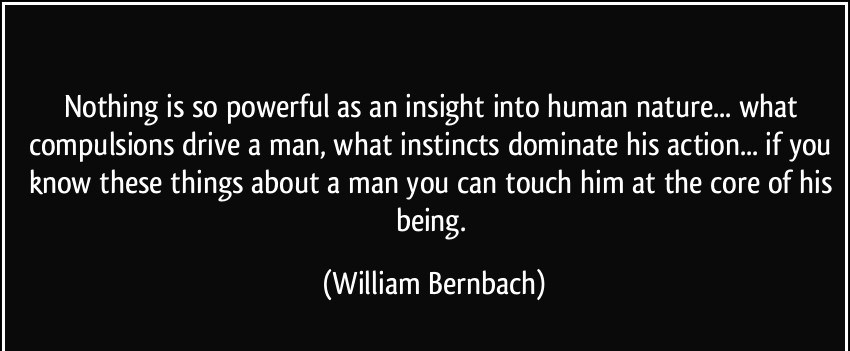
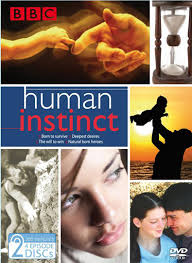
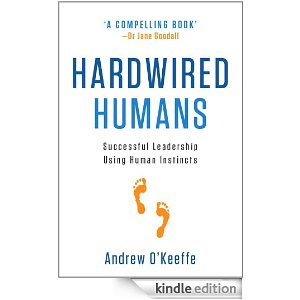
about basic Human Instincts and wondering what makes us the way we are. Are we really hardwired? Many of us share the same beliefs and that’s great as long as our general beliefs are decent and well meaning. I just came across an article on the subject that I’d like to share.
Can Human Instincts Be Controlled?
Abstract. Like all animals, humans have instincts, genetically hard-wired behaviors that enhance our ability to cope with vital environmental incidents. Our innate fear of snakes is an example. Other instincts, including denial, revenge, tribal loyalty, greed and our urge to procreate, now threaten our very existence. Any attempt to control human behavior is bound to meet with resistance and disapproval. Unless we can change our behavior, humans are facing the end of civilization. Our problem has several elements. (1) We have invented economic and social systems that encourage greedy behavior, and we have actually institutionalized runaway greed. (2) We are in a state of complete denial about the growth of human populations. (3) Earth’s finite resources simply cannot support 7 billion of us in the style to which we’d like to live. (4) We must make a choice between quantity and quality of human life. (5) To head off the inevitable collapse, we can no longer wait and merely react but we must become proactive. We must find ways to control dangerous human instincts, especially denial, revenge, tribal loyalty, greed and our urge to procreate.
As a wise woman from a third world country once said at the UN: “If the rich countries refuse to share their wealth with us, we will certainly share our poverty with them.”
Then I came upon this enlightening article from India’s “The Art of Living.” I am not a religious person but in this case we can equate the relation to “God” as the divine within each of us. Eat, Pray Love? Which reminds me I must make a trip to India.
There are two basic instincts in human beings and these have been with you in all your lifetimes:
There are two basic instincts in human beings, one is food, and the other is sex. These have been with you in all your lifetimes, when you were an animal and now as a human being. You are born out of these two – food and sex.
It is so beautiful that in this country (India) they connected both of these with the Divinity. Food is connected with God. In the Upanishads, it is said ‘Food is God’. When you consider food as God you will not over eat. You don’t simply stuff food, but you eat food with so much honor. No festival in India goes without food. And when you go to temple the first thing they give is some Prasad. Prasad is just a little bit of food that is given. Without Prasad there is no pilgrimage and no festival. Food is connected with God.
Similarly, sex is also connected with God. Otherwise you keep sex separate and think this is my material life and think of God as different. But here in India, the ancient people, they linked sex to God so that no aspect in you remains away from God. A basic instinct doesn’t remain away from God. So when you honor sex and consider it as part of the Divinity, then your obsession disappears, lust disappears and sacredness dawns. And the basic instinct, from being an aggressive lust, gets transformed into a submissive love.
This is the ancient thought. But some people are misusing yoga for their enjoyment of the carnal instincts, this is wrong. This is a blunder. It should be the other way around. Whenever there is a carnal instinct transform that into a Divine inner experience. There is a beautiful word in Sanskrit called Atma Rati, union with one’s being, oneself; rejoicing in one’s own self.
There are two things, Prakriti (nature) and Purusha (consciousness). Nature and consciousness inter play all the time. Your body and soul – your body is female and your soul is male. So their coupling is happening all the time, and seeing that union within oneself is Samadhi.
That is why Samadhi is considered to be a thousand times more joyful than the carnal instincts. Whatever joy sex gives, Samadhi is thousand times more joyful because there is no effort, and there is no action there. It is only Being and just Being. So just the Being consciousness, the play and display of consciousness comes to one’s awareness, comes to one’s experience. This is very beautiful.
Don’t keep any corner of your existence away from Divinity. The Divine should be interwoven into every aspect of your life and this is called Brahmacharya, which means moving with the infinity, uniting with the infinity.
Isn’t that so beautiful?! It is very deep and very high knowledge. If you don’t get it in one time, never mind, keep listening and keep understanding and one day you will say, ‘Ah! That is what Guruji was talking about.’
So here (in India) when you go to any temple anywhere you find both aspects – Shiva and Parvathi which symbolize Prakrati and Purusha, consciousness and matter. This is to first recognize the duality and then see the unity. They are not two, they are not different but they are two sides of the same coin. You are complete.
What does this mean? You are both man and woman. Coming out of this label, ‘I am man’, ‘I am woman’ – Getting out of your identity, this is Vedanta; the highest philosophy of the universe.
We keep identifying ourselves, ‘I am a man’, ‘I am a woman’, ‘I am old’, ‘I am young’, ‘I am educated’, ‘I am illiterate’. Throw away all these labels. What remains is pure consciousness. Do not even say, ‘I am consciousness.’ Just know that you are consciousness and not even say it. Don’t go around saying I am nothing.
Adi Shankar once said, ‘One who labels themselves as something is a fool and one who labels themselves as nothing is a bigger fool.’ One who is nothing does not talk, so just keep quiet. How can you say, ‘I am nothing’, when you are saying something?! There cannot be somebody there saying, ‘I am nothing.’ So keep quiet.
So when you consider the basic instincts of food and sex as sacred then aggression in you disappears and surrender dawns in you. Gratefulness and love dawn in you.
That is when it is said the devotee and the Divine have become One. They have merged into One!


“nothing”…and even if “nothing” comes of it, so what?


they claim to provide instant gratification while also taking you off the burnout path. And aren’t we always looking for INSTANT gratification?

It sounds so calming and perfect…like being in “the zone” (a state of flow-like existence with increased focus and attention for obtaining higher performance levels – in a nutshell). In true yoga or meditation especially you need that kind of concentration and awareness, but in day to day life with a fairly short attention span how easy is this to accomplish? Can it be learned or does it automatically come from within? Just asking.


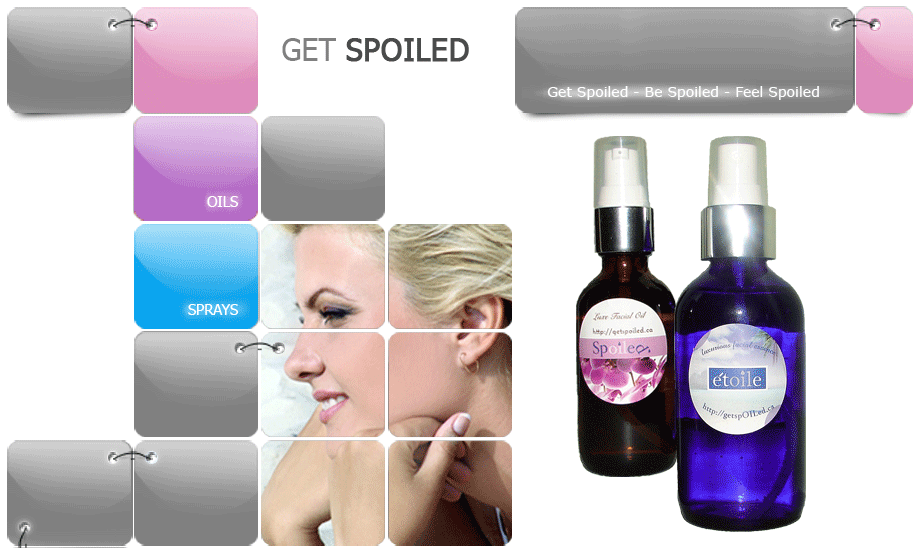
 Get “SpOILed” Now available at:

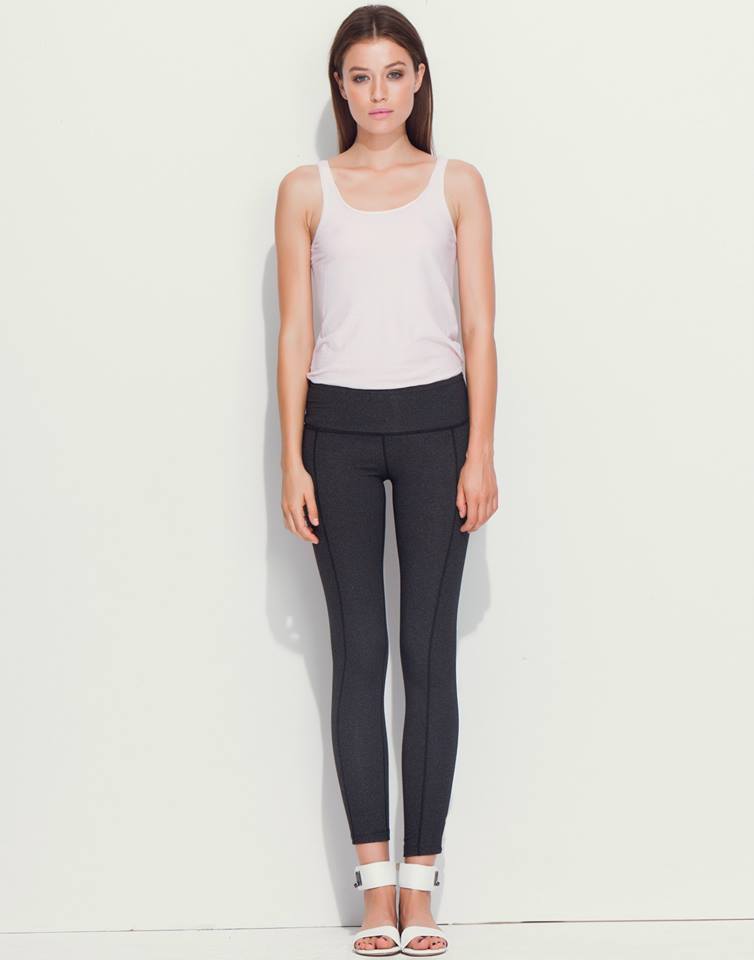 The Pants: For instance, I find myself more often than not reaching for the (not so) basic and seam leggings to wear in place of jeans and the Luca (leather-like) legging for informal evening wear. The moto legging I wear for both running and as a basic legging for a sporty cool vibe. The VIV Foldover I’ve even worn out dancing – feels great for movement and resembles a dress pant. They all wear very well and keep their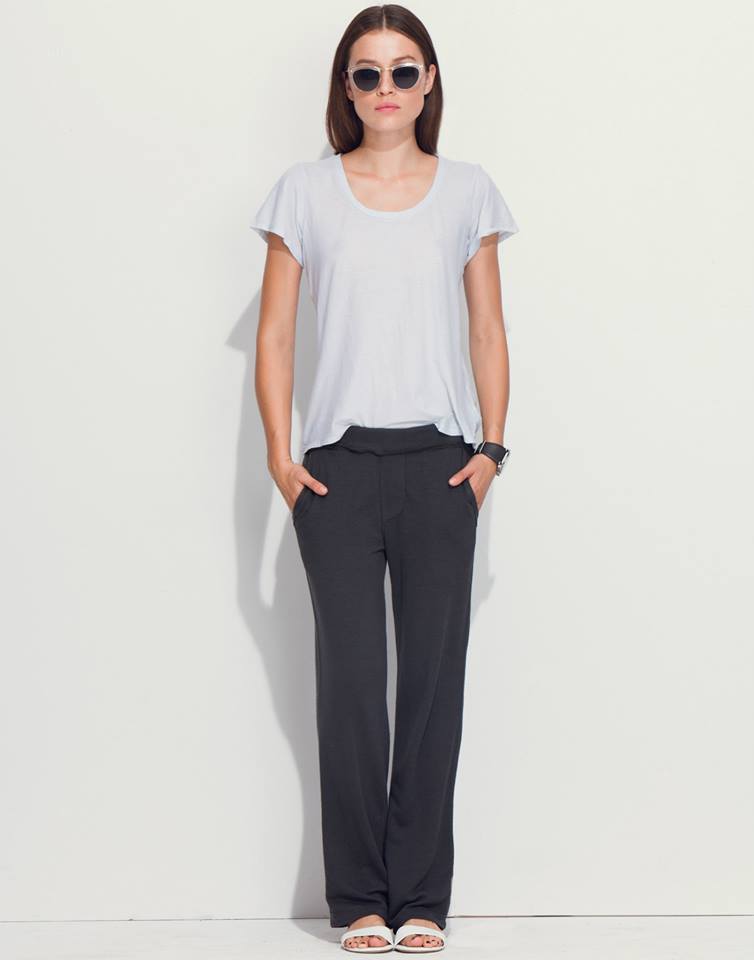
 shape after washing which is a BIG plus.
  out there – trust me on this.
 lifestyle line was picked up by Neiman Marcus in 18 stores. They currently have orders from over 30 retailers and are featured in ShopBop.com – the world’s leading online fashion boutique.
From the website: GARBE LUXE is a lifestyle collection designed for the fashionable woman that desires to look stylish in both her casual and active wardrobe. The result is a thoughtful clothing line, which integrates functional design, technical fabrics, and impeccable construction with a stylish edge.










I’m familiar with the basic ABC’s of vitamins but wanted to experiment with two new products that we’ve been hearing a lot about (namely Garcinia HCA and Green Coffee Bean Extract). It was difficult to decide amongst all the countless choices and confusing even when consulting the store health expert. Which is the safest and most effective to help shed a few pounds? Then I saw this timely post taken from Goop.com – Gwyneth Paltrow’s weekly online publication which offers first looks at exclusive collaborations, delicious recipes, personal travel notes, shopping ideas, wellness tips and much more.


Then I came upon this enlightening article from India’s “The Art of Living.” I am not a religious person but in this case we can equate the relation to “God” as the divine within each of us. Eat, Pray Love? Which reminds me I must make a trip to India.


You must be logged in to post a comment.