“My my, hey hey..Rock and roll is here to stay – it’s better to burn out than to fade” …Neil Young
Keith Richards – Rolling Stones. Dee Lippingwell Photography
A brief history of the significance of rock music:
Just in TIME – a cover of TIME magazine. Taken from images.
Rock ‘n’ roll is important to our North American society just like baseball, hot dogs and cotton candy. It has even influenced cultures in different parts of the world, especially Europe. Rock ‘n’ roll is woven into the natural fabric of our lifestyle even if we don’t always think about it. It constantly influences popular culture and starts new trends that often travel through different social arenas. Just like its influence on other forms of music, Rock n’ roll has also influenced clothing, television and dance. Rock ‘n’ Roll has been influenced by many different types of music as well (especially the Blues) and has paved the way for originality, self expression and free thought. It has allowed artists to speak on political issues and influence government. It is so much more than just music…
Looking at the past through a lens – A NEW BOOK celebrates four decades of rock & roll photography byrock legend Dee Lippingwell. I have the pleasure of knowing Dee through a mutual very dear long-time friend and recently attended a book signing/music event.
Dee with Eric Clapton.
I enjoyed her first book “best seat in the house” but her newly published one is filled with written anecdotes by Dee on her related experiences with many of the saints & sinners of rock/pop music – some very funny stories, some sad, a few embarrassing ones and a couple
just plain maddening – all thought provoking and stimulating.
It makes for a more interesting read.
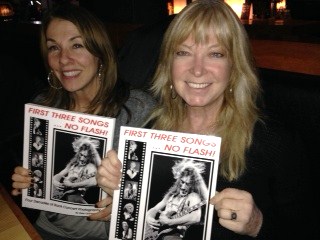
Our keepsakes. With Margeaux.
You’re not only looking at photographs but relating a story to many of the photos. Through Dee I have a new appreciation for Rod Stewart but unfortunately not for Freddie Mercury (although he was super talented). It’s entertaining to experience it all through her eyes – her LENS.
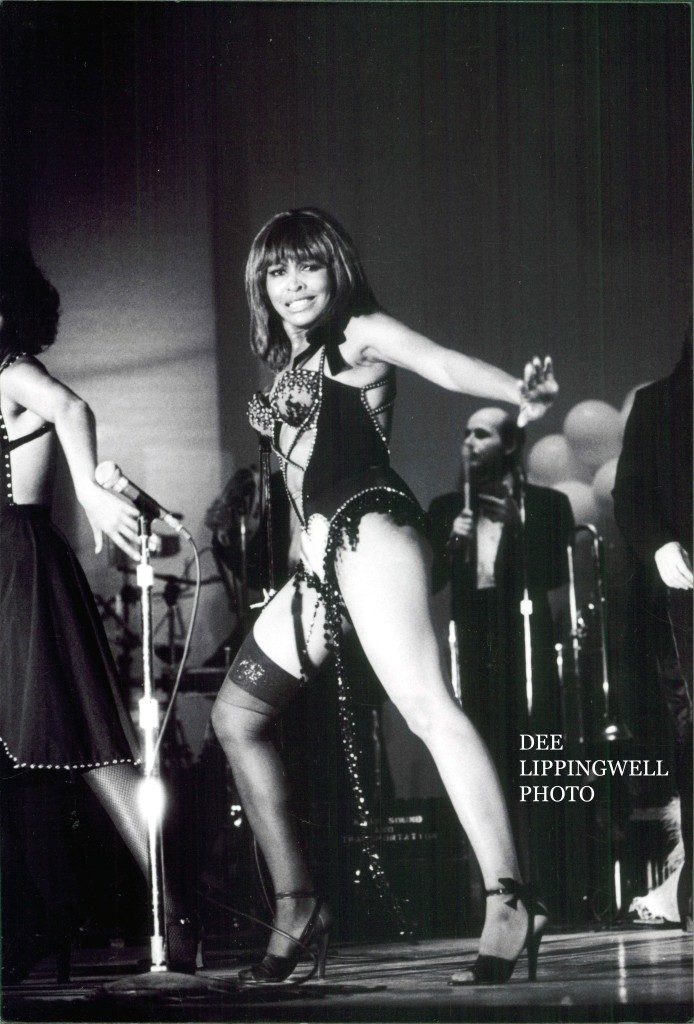
Tina Turner & Van Halen – Dee Lippingwell Photos
Long John Baldry (Legendary Blues Artist: 1941 – 2005) was a close friend of Dee’s. This is my condensed version of what he wrote: “Dee is probably the only photographer who knows how to shoot me. Most others aim their lenses vertically at me, I suppose to take advantage of my unusual height. Dee will climb up ladders, dangle from balconies or even be suspended from ahelicopter to get that ideal shot.
Dee with Long John Baldry
Since I have known her she has photographed me thousands of times on-stage and most of these shots have turned out to be classics. It is a real treat to know Dee Lippingwell, the quintessential rock photographer.”
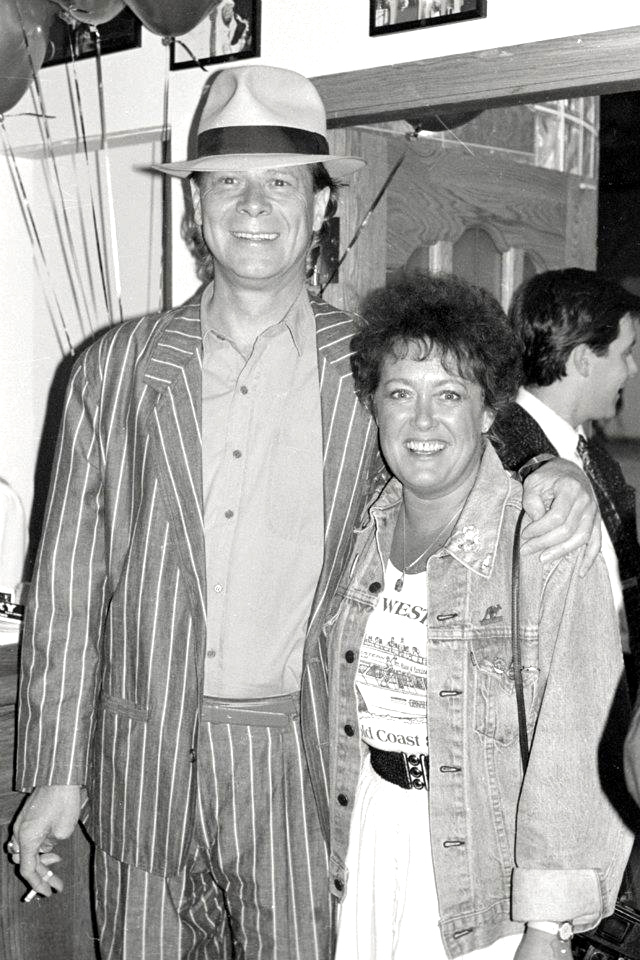
At “fan club” book signing – Vancouver.The Paul Allen experience music project museum – Seattle. I went to the opening to see James Brown perform live with photographer friend Jacqueline Feldman. What a show – the man could move!
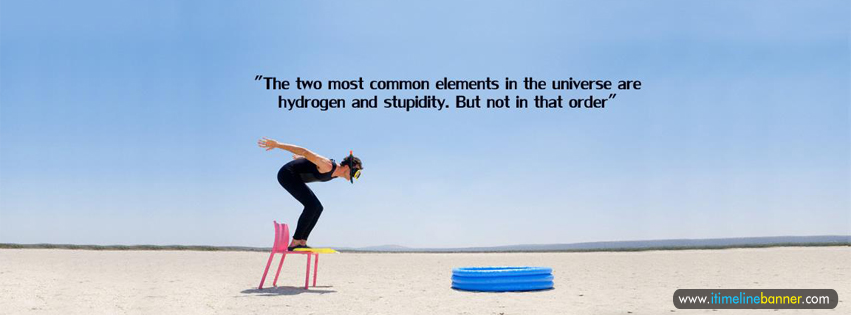
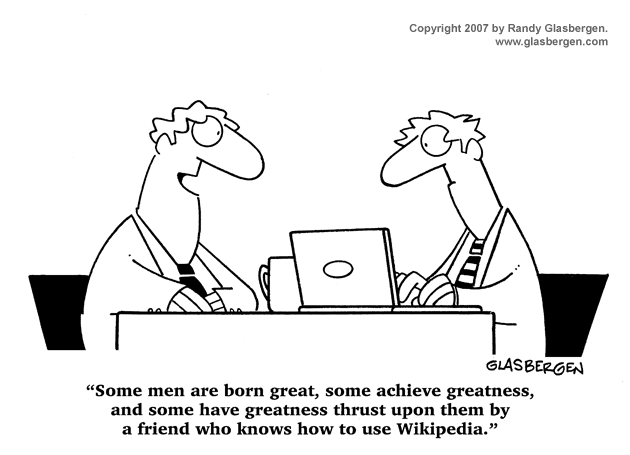
We cannot solve our problems with the same thinking we used when we created them – Albert EinsteinI won’t be impressed with technology until I can download food.The best advice?
unless you’re really stupidIt’s a long shot but let’s make sure our world ends up in the right hands!
The only reason I know is because I was looking for a recipe to make butter chicken. No where in this recipe does it call for regular butter, however the word “ghee” appears throughout my “the food of india” cookbook and so I decided to find out some info. Of course the Indian grocery store had plenty in stock and it appears that ghee has been around for centuries and has many health benefits – always a bonus right? For starters, ghee originated in India and is commonly used in South Asian (Indian, Bangladeshi, Nepali, Sri Lankan, and Pakistani) cuisine and ritual. Here’s what I found out:
Long used in traditional Indian Ayurvedic medicine, ghee (pronounced with a hard ‘g’) may well be a healthier and lower cholesterol alternative to straight up butter.
Ghee, a better butter?
First off, what is ghee anyway?
Ghee is “clarified butter” made from raw unsalted butter from which the water and milk solids are removed. Ghee is a better choice of fat than butter and other saturated fats because it has a distinctive healing property not found in other fats. According to the Ayurveda tradition, ghee enhances the ojas, an essence that governs the tissues of the body and balances the hormones. Sufficient ojas in the body ensures a strong mind and body and resistance against disease, and is essential for longevity. The healing benefits of ghee are so high that Ayurveda deems it to be a pre-eminent healing food that helps in overall health and well-being.
Nutrition in Ghee and Butter
Ghee and butter contain all of the essential fatty acids, vitamins A, D, E and K, glycolipids that have anti-infective properties, butyric acid and conjugated linoleic acid, which is known to have anti-viral and anti-carcinogenic properties. Jonny Bowden, Ph.D., in his book ”The 150 Healthiest Foods on Earth,” says that butter and ghee that come from grass-fed cows are rich in healthful omega-3s. Also, the conjugated linoleic acid found in such fats may be promising in fighting weight gain, particularly around the abdomen. Since, ghee is a source of saturated fats, Dr. Ch. Murali Manohar, author of “Ayurveda for All,” recommends no more than 2 tbsp. of ghee per day with meals.
How is Ghee made:
Ghee is made in a similar way to clarified butter, but using a different kind of cream, and it’s cooked more slowly. Ghee is simmered until all the moisture evaporates and the milk solids begin to brown, giving the resulting butter a nutty, caramel-like flavour and aroma. This extra step also gives ghee a longer shelf life and a much higher burning point, making it practical for sautéing and frying.
When you melt butter and let it boil for a little while, the water will gradually evaporate and the milk protein and solids will settle down into the bottom and be strained away. The butter fat that is left will be solid at room temperature, and since the moisture content is very low and there are no more milk solids left in it, it can be kept for a long time without refrigeration.
This process was used primarily in the Middle East and South Asia to preserve dairy.
Types of Fats in Ghee and Butter
When comparing ghee to butter in terms of health, one reason for the more favorable past research record of ghee versus butter might be the increased amount of medium- and short-chain fatty acids in ghee. Butter contains about 12-15% of these medium-chain and short-chain fats, whereas ghee contains about 25%. (Our bodies metabolize medium-chain and short-chain fats differently than long-chain ones, and medium- and short-chain ones are not associated with cardiovascular problems in the same way as the long-chain ones are.)
Other benefits:
Ghee will last for a very long time without going rancid, although I do keep mine in the fridge to prolong its life. It should last as long as you need it to: months and months at least. You can use it as a cooking oil anywhere else you would use butter or oil: cooking vegetables, frying rice before steaming it, or searing meat. Since it doesn’t have the milk solids of butter, you can fry with it at higher temperatures without it smoking.
It is very high in fat of course, so do use it with good judgment!
**Don’t miss listening to “Transforming Health” with host BradKing for the most evocative and informative up-to-the-minute interviews with leading health professionals – Live every Wednesday @ 12PM-PST/3PM-EST on VoiceAmerica.com – #1 internet radio station in North America.
“Life is like a box of chocolates, You never know what you’re going to get” –Tom Hanks, Forrest Gump.At present I find most people live in the past and worry about the future while waiting for things to happen. This article I came across while scouring the internet intrigued me enough to want to share it. No matter what, in order to grow we must get used to sharing the future with new technology and make friends with it. It’s jumping ahead pretty quickly so get used to it. Here’s how one person lives in the future.
How to live in the future – now
Amber Case, cyborg anthropologist who works at software company Esri, isn’t waiting for the future – she’s living in it.
She is surrounded by electronic devices, but those devices don’t control her: They step out of the way and let Case be a better human.
Amber Case
Case’s world is the world of the invisible button, a world where she walks around and things just happen. Her phone — which is just one of a slew of devices that is constantly receiving information about Case and her environment, processing it, and returning useful nuggets of insight — tells her whether she’ll need to bring an umbrella for the walk to the meeting she’s heading to later, and reminds her that she should eat chicken and greens for lunch and skip the chips.
Case didn’t wind up in this world by accident. She thinks about technology — where it is now, where it’s going, where it should go, and how that will change how we interact with it and with each other — constantly. Here are a few of the things she looks for when she’s dreaming of the future:
1. Imagine what would happen if the stuff you have and love went away forever.
If there’s anything we know about technology in the twenty-first century, it’s that it changes fast. Huge players disappear and leave holes behind — holes that someone else will fill in a new ways. One trend Case thinks is imminent is personal ownership of our own data via home servers. How will this catch on? If people realize that an abrupt exit by Google or Facebook means their documents/photos/memories/life’s ephemera will be effectively erased, they’ll scramble for a way to log their own data before sending it to the data giants.
2. Look to the past.
“If the future is unevenly distributed,” said Case, “then there are little pockets where people are seeing the future early on.” Case looks for those pockets in the present and the near past. For example, her current obsession is the evolution of the user interface from solid (machines that had to be reconfigured) to liquid (software that can be rewritten to redefine the meaning of a button) to air (no button or physical at all – just you interacting with information and the environment). To vaporize the user interface, Case looked at the work of Steve Mann, who built wearable heads-up displays thirty years ago. Sure, Mann’s inventions weighed as much as a Golden Retriever, but they essentially predicted Google Glass.
3. Hang out with weirdos.
Weirdo is just another word for visionary, according to Case. Activities happening on the fringes right now could one day fall into the center. What’s regarded as bizarre will someday be mainstream. If you want to beat it there, head for the passionate group of people in the corner, wearing forty pounds of sensors and hacked electronics and drinking home-distilled spirits.
4. If you don’t see the future you want, don’t wait for it: Make it.
Unlike some futurists, Case doesn’t just speculate about the next big trend – she creates it so she can start to play with it and understand its dynamics. “If I don’t see somebody making something, I build it,” said Case, “because I can’t wait around for five years.”
“To predict what will happen in the next period of time is impossible, but If certain things haven’t been made, then I will have to make them,” said Case.
And there’s no reason why you can’t, too.
The world is at our fingertips! From Images.
Remember, the only way to get to the future is through a series of todays.
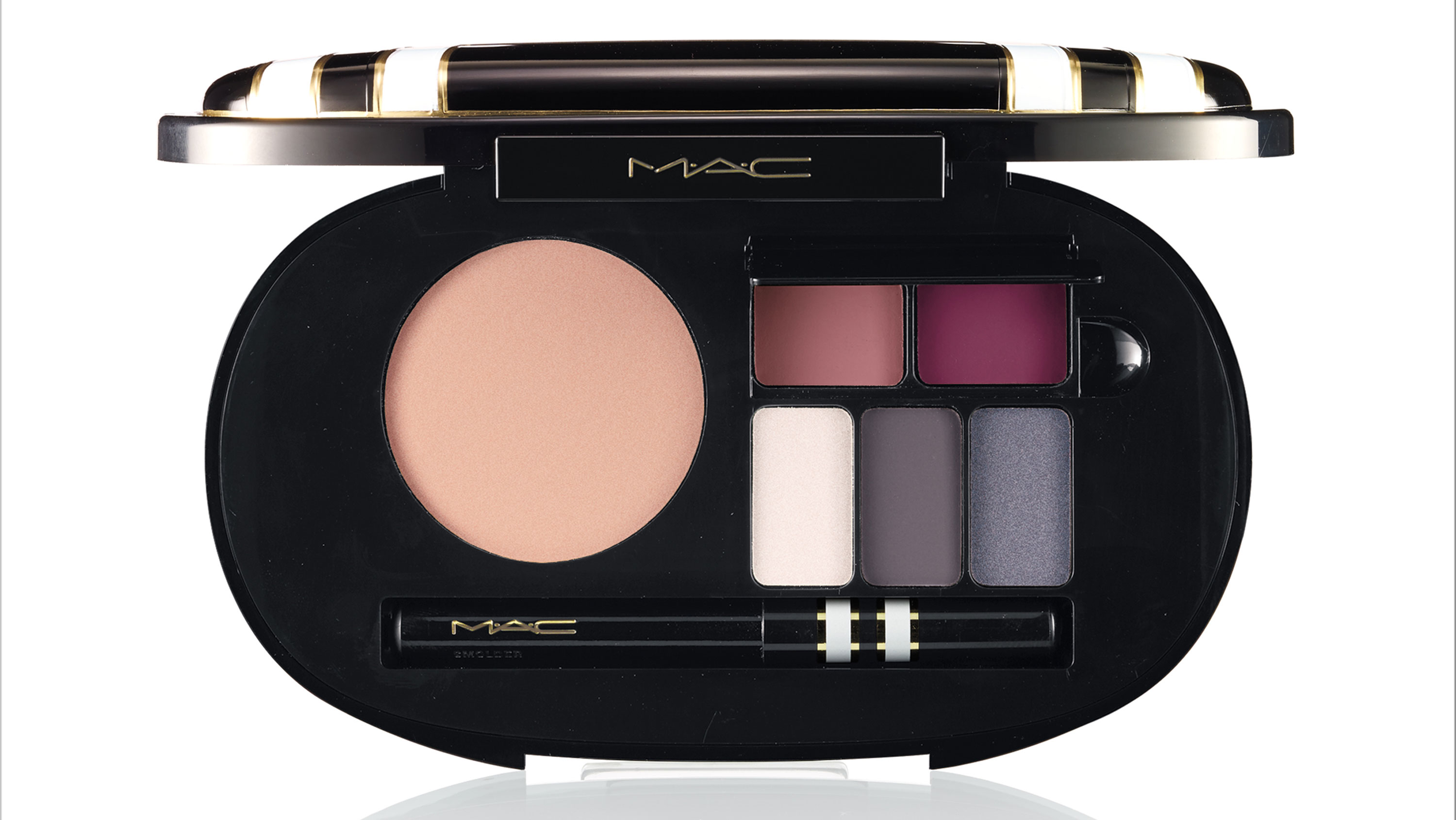
There are several constants this time of year—the desire to be wrapped in cashmere 24/7, stay in bed just a little longer every morning and find the perfect makeup palette.
M.A.C Cosmetics Stroke of Midnight Face Palette in Cool, $49.50
When was the last time you actually used every eye, lip or cheek shade included in a makeup kit? If you’re like me, the answer is never. Usually something is left out or some of the colors don’t suit you. You use it a few times and then it’s never to be seen again. Now, according to Harper’s Bazaar M.A.C has come out with a real beauty must-have:
An all-in-one makeup palette that you’ll use every last bit of.
Product Review: The new edition by M.A.C Cosmetics, seen here in cool, sultry tones (there’s a version with warmer, pink-based shades, too), is a one-stop-shop for fixing your face at home or on-the-go. Because, really, why must you choose between lugging your entire arsenal of products and compromising the integrity of touchups before jetting to dinner? Use the light iridescent pressed powder to revive dull skin; create a natural or highly pigmented mouth with a combo of the mauve and plum lipsticks; give eyes subtle—or intense—definition with the blue-grey and deep plum shadows as well as a hefty dose of the true kohl black pencil.
Okay, like I mentioned you can never find a palette that includes ‘everything’ but you will make use of whatever is in this one (minus the blush) as the shades are universally flattering to all skin tones. Bonus: it’s easy to fit into your purse.
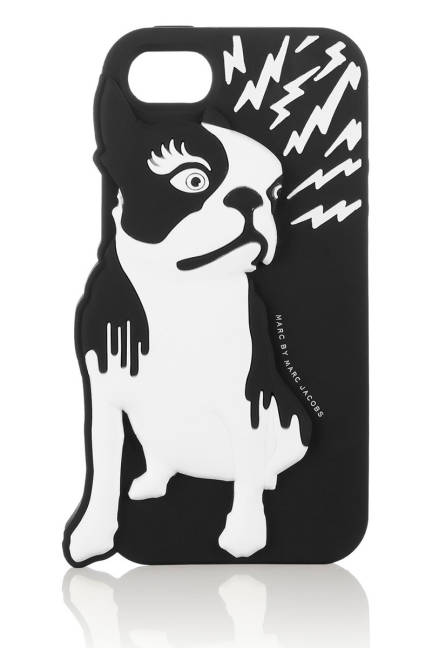
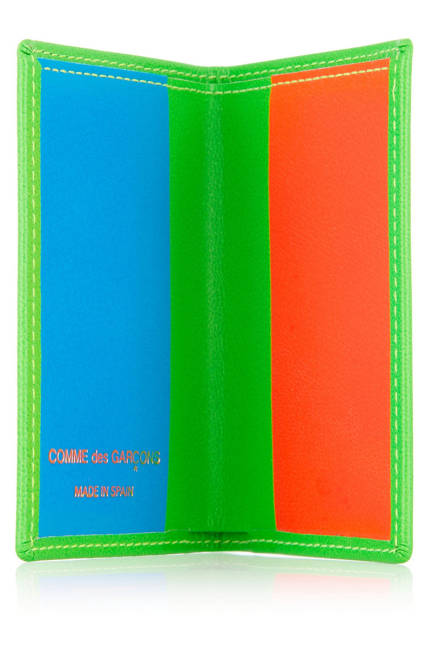
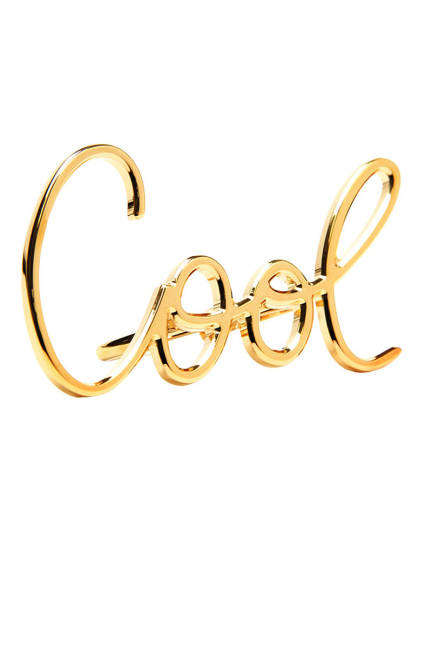
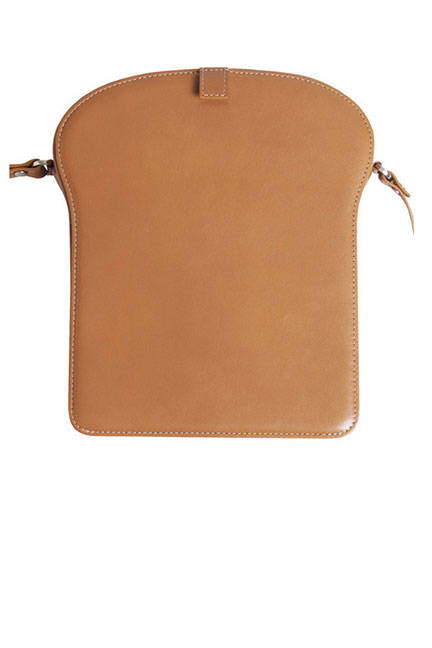
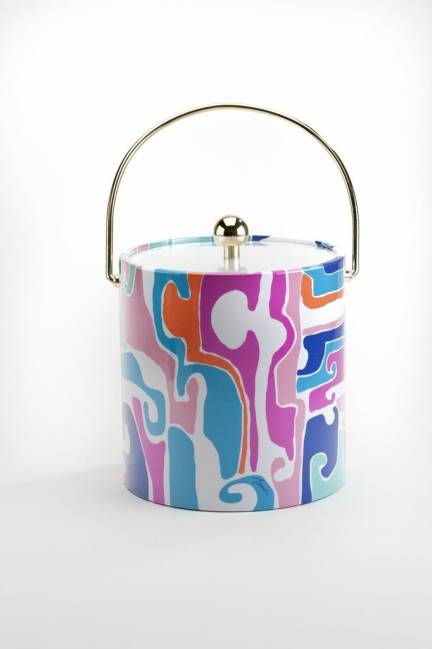
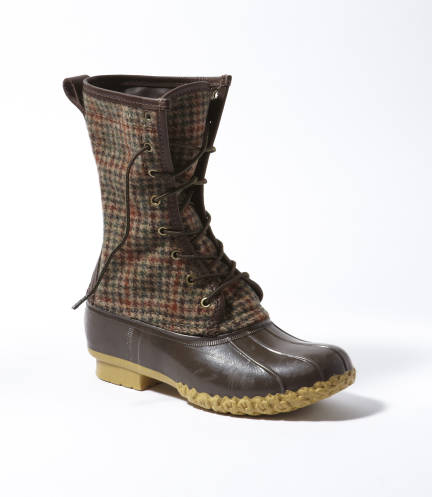
Welcome Companions Toast Shoulder Bag, $560; welcomecompanions.comTrina Turk Mirage IceBucket, $58; trinaturk.comCalypso Mini Serving Board Set, $115; calypsostbarth.com
For the Beauty Obsessed:
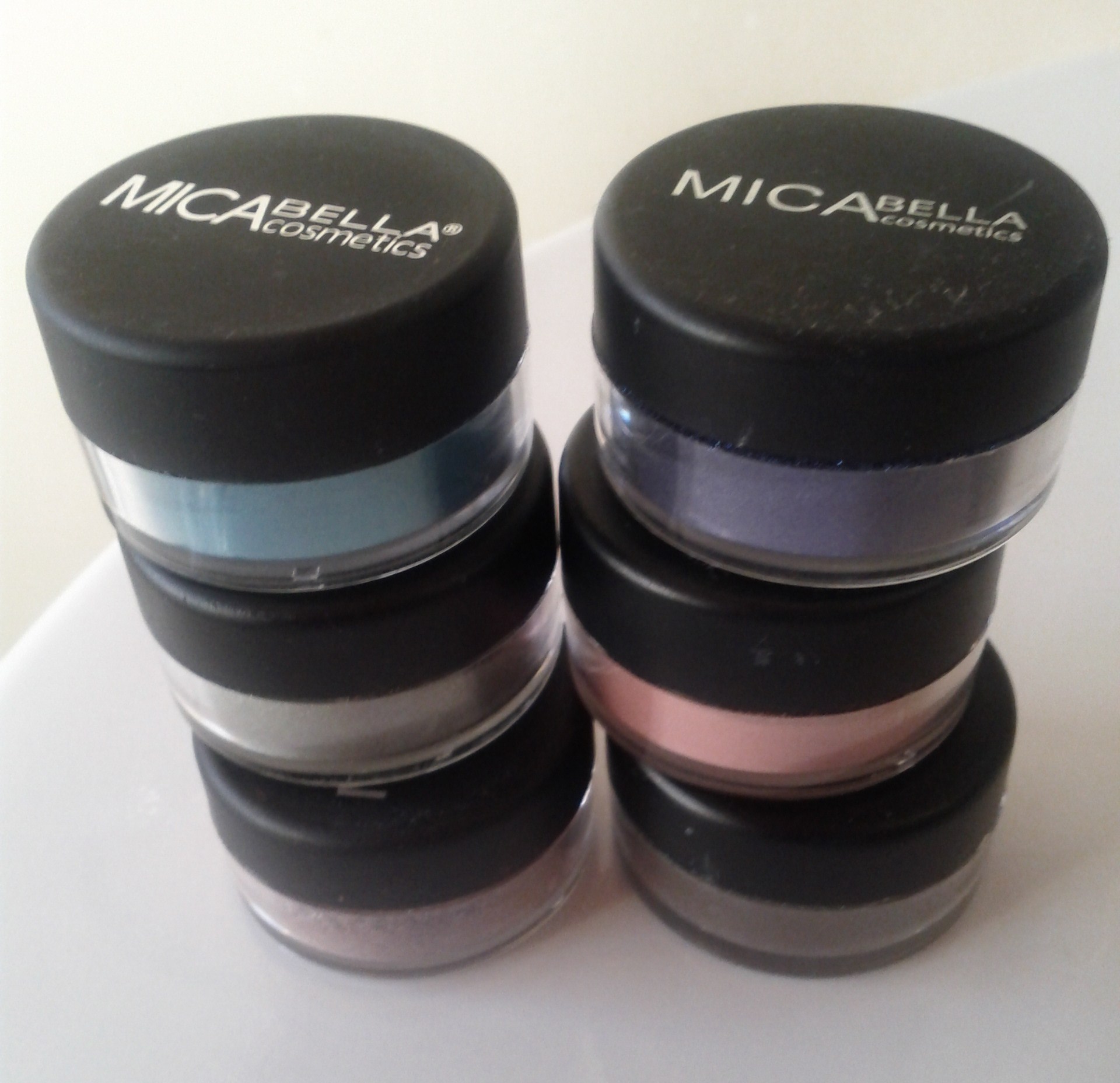
Mica Beauty – eyes that sparkle plenty: made of 100% natural Mica. These shimmers (100 in total) are so pure that they will not irritate even the most sensitive eyes. http://www.IntrigueImports.comAn exotic Oil & Essence for your face http://www.GetSpoiledNow.com
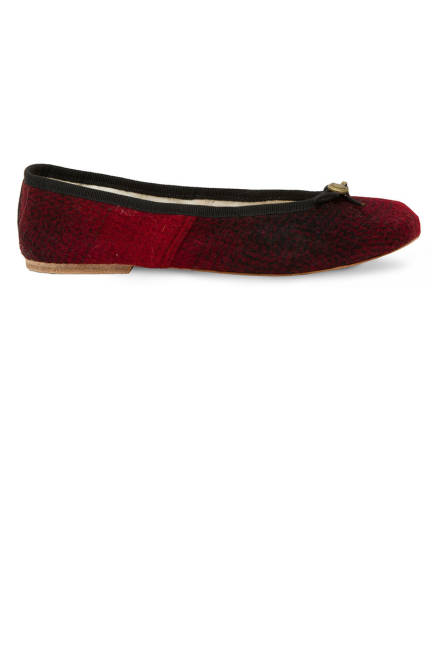
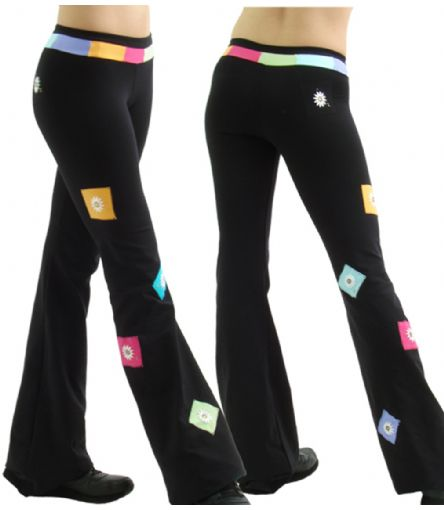
Adidas by Stella McCartney Dance Leopard-Print Sneakers, $130; net-a-porter.comDragon APX Snow Goggles, $220; rei.comMargarita Active Wear – flatteringly made for movement http://IntrigueImports.com
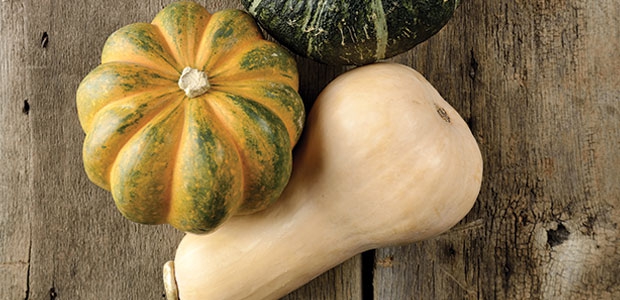
GOOD GOURD. Winter squash comes in a wide range of shapes, sizes and tastes.
Acorn & Butternut – 2 favourites
It’s always fun to incorporate a new variety into your winter menu. No matter which gourd you gravitate toward, make sure that it is heavy for its size, with taut skin and no soft spots or cracks.
Low-calorie winter squash contains an impressive slew of nutrients, including potassium, magnesium, vitamin C, fibre, and beta carotene. Beyond its function as a potent antioxidant, beta carotene can be converted to vitamin A in the body to boost immunity and eye health. A recent study also found that higher intakes of beta carotene could help reduce the risk for atrial fibrillation, a potentially dangerous irregular heartbeat.
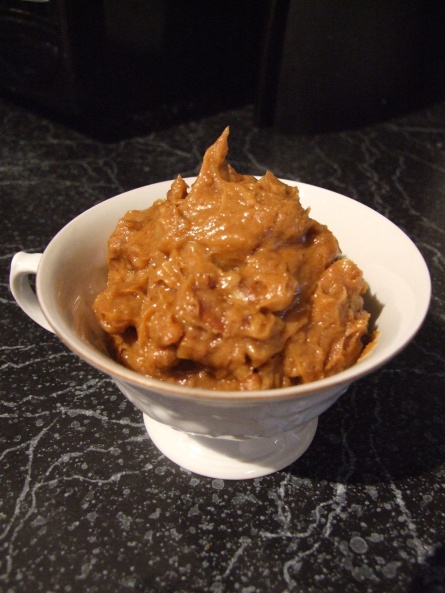
Pecan Squash Butter
Ridiculously Easy Recipe:
Use this healthy & heavenly spread on your morning toast, slices of apple, or pieces of dark chocolate.
2 cups (500 ml) pecans
2 Tbsp (30 ml) melted coconut oil or other oil of choice
2 Tbsp (30 ml) honey
1 Cup (250 ml) squash puree
1/2 tsp. (2 ml) cinnamon
1/4 tsp. (1 ml) nutmeg
Place pecans, oil, and honey in container of food processor or high-powered blender and blend on high until mixture becomes creamy, about 2 to 5 minutes, depending on the machine you are using. Wipe down sides as needed during blending. If mixture is not becoming smooth enough, add a little extra oil to help smooth it out.
Place squash, cinnamon, and nutmeg in container and blend until smooth. Store in refrigerator for up to 2 weeks. Serves 12
Selecting a Squash:
Acorn This guise of squash gleans its name from the tree nut it resembles and has mostly dark green skin, with yellow-orange flesh that has subtle taste notes of black pepper and hazelnuts.
Try it: Roasted acorn halves are perfect for stuffing with various grain salads. Adorn acorn slices with syrup reduction sauces, such as balsamic or pomegranate.
Buttercup This squash has a hard green skin with creamy orange flesh and turbanlike shape. It’s one of the sweetest tasting varieties.
Try it: Buttercup’s natural sweetness is a welcome addition to soups and other purées, such as baked goods or dips.
Butternut Hourglasslike butternut is blessed with a silky texture and taste reminiscent of sweet potato bathed in butter.
Try it: Roast or steam into cubes for a nutritious and tasty addition to salads, frittatas, and tacos. Or mash it and use as a stuffing for ravioli, a spread for sandwiches, or even as a pizza sauce.
Delicata The oblong delicata has a pale yellow skin and is not too shy to show off its green strips. The pulp is creamy and tastes a bit like a love child of corn and sweet potatoes.
Try it: Slice in half lengthwise and use as a squash boat for all sorts of stuffings. Roasted slices with a butter maple syrup glaze will quickly turn into a favourite winter side dish. Unlike other squash, delicata’s thinner skin is edible once cooked.
Hubbard
This giant of the squash world is available in blue-grey, green, or orange-red varieties, all with warty skin and grainy, mildly sweet flesh.
Try it: Cut into cubes and string onto kebab skewers or toss with other seasonal items such as parsnips and rutabaga for a roasted vegetable medley.
Spaghetti Watermelon-shaped with golden yellow rind, this squash is aptly named—once cooked, the flesh pulls apart into slightly nutty, spaghetti-like strands.
Try it: Toss strands with pesto or top with meat sauce for a twist on pasta night.
Taken from alive – Canada’s Natural Health and Wellness Magazine.
Does it seem to you like weight-loss tips sometimes change on the regular?
The bad guys
Yeah, it can be a little overwhelming. But the good news is that there are some diet strategies that are irrefutably backed by science…which means there’s at least some sort of solid base for those of us feeling like we would like
to shed a few pounds.
3 Weight-Loss Lessons that Actually Work, According to Science
Forbescame up with a list of six of them, but these three to be especially intriguing.
Diet matters more than exercise. This isn’t to say that working out doesn’t matter…it does! But when it comes to weight loss, specifically, according to Samuel Klein, MD: “Decreasing food intake is much more effective than increasing physical activity to achieve weight loss. If you want to achieve a 300 [calorie] energy deficit you can run in the park for 3 miles or not eat 2 ounces of potato chips.” Experts say that it’s easy to binge after working out, so you end up taking in more calories than you had burned.
There’s no combination of foods that will magically make you lose weight. Low-fat, low-carb, vegetarian, no-sugar…experts say that it basically doesn’t matter what diet you follow, because there’s no real evidence that one particular diet will work better with your own metabolism. Basically, they say: Any diet will work if you follow it.
One calorie equals one calorie, even if it’s made up of nothing nutritious. Experts point to Mark Haub from Kansas State University, who lost 27 pounds eating nothing but junk food on the “Twinkie Diet.” Says Marion Nestle, Ph.D.: “A calorie is a calorie no matter what it comes from. You can gain weight eating too much healthy food as well as unhealthy. From the standpoint of health, it’s better to eat your veggies…. It’s just a lot easier to overeat calories from junk food than healthy food. But it can be done.”
What do you think of these weight-loss lessons?
Would you even consider something as crazy as a Twinkie Diet?
Does anything surprise you?
**Don’t miss listening to “Transforming Health” with host BradKing for the most evocative and informative up-to-the-minute interviews with leading health professionals – Live every Wednesday @ 12PM-PST/3PM-EST on VoiceAmerica.com – #1 internet radio station in North America.
The ‘C’ Word or the ‘F’ word – which is worse? Being told to fuck off, or that you have cancer? Let’s combine the two nasty words together to make a statement.
Too many people I know have been, or are being diagnosed with cancer. My dear mom and a good friend died from having it, a close cousin and one of my best friends survived having it – but I swear it’s time to say FUCK IT! It feels good to say that.
Well at least it gets the message across. Another way is by using Social Media – Facebook vs. Cancer
From Vancouver Magazine:
We asked our community and pulled a list of the most messed-up things people have said or done that they thought were being helpful. Just about everyone has told someone that they have breast cancer/brain cancer/whatever and that person says to them “Oh yeah, I had an aunt/uncle/spouse/dog who had that. They died.” It’s terrible, but people are really just trying to connect. That’s Yael Cohen, 26, founder of a campaign that raises awareness (and eyebrows for its blunt name).
“Fuck cancer is something you hear on oncology wards, in hospitals – it’s the sentiment you hear from patients and caregivers,” says the Vancouver native. When her mom was diagnosed with breast cancer in 2009, Cohen made her an expletive-blazoned T-shirt to articulate her grief and anger. Response was massive. “It was visceral, emotional. People wanted so badly to talk about it, to hear her story and tell theirs or hug her or high-five her.” It spawned a movement (Letsfcancer.com) pushing early detection (90 percent of cancers are treatable in Stage 1) and community involvement (“The support group is archaic; nobody wants to wait until 7 p.m. on a Wednesday to go to a church basement, so we’ve looked at technology – whether it’s Facebook or Twitter or a parking app or a sex app – to alter that code to benefit people”). The wired generation is Cohen’s primary target, and they’re listening – the group’s Cancer Talk video had 55 million views in its first week, and celebrity endorsements come from KeSha and Perez Hilton.
Next up; sharing the model: heart disease, poverty, who knows? “We need to be the meta-leader who has an idea and gives it away to the community. Giving it away is often the most powerful thing you can do. Our generation gets that.”
Getting Involved: Open your mouth, not your wallet. Help us spread the word by sharing your social currency. Re-blog this Post.
FOR THE FIRST TIME IN HISTORY, WE KNOW MORE THAN OUR PARENTS
Every kid thinks they know more than their parents, but for the first time in history, this might just be true. Because of the exponential growth in technology that has occured in our lifetime, Gen Y (Millennial Generation – birth years from the early 1980s to the early 2000s) teaches their parents more than any generation ever has. We teach them about social media, how to use their blackberries, and how to balance their diets.
SO WHY DON’T WE teach them something that can actually save their lives? Visit website to find out more:



 Looking at the past through a lens – A NEW BOOK celebrates four decades of rock & roll photography by rock legend Dee Lippingwell. I have the pleasure of knowing Dee through a mutual very dear long-time friend and recently attended a book signing/music event.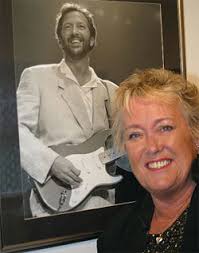

























You must be logged in to post a comment.